-
-
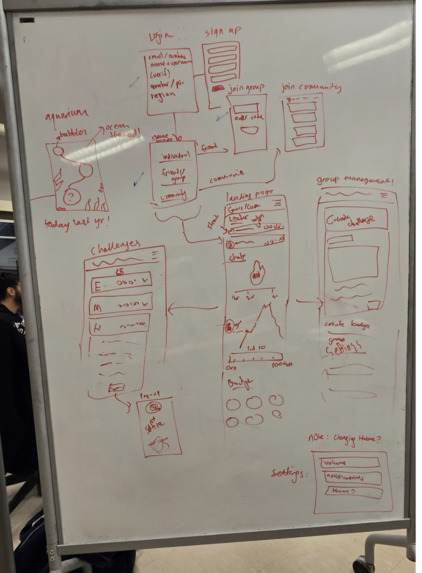
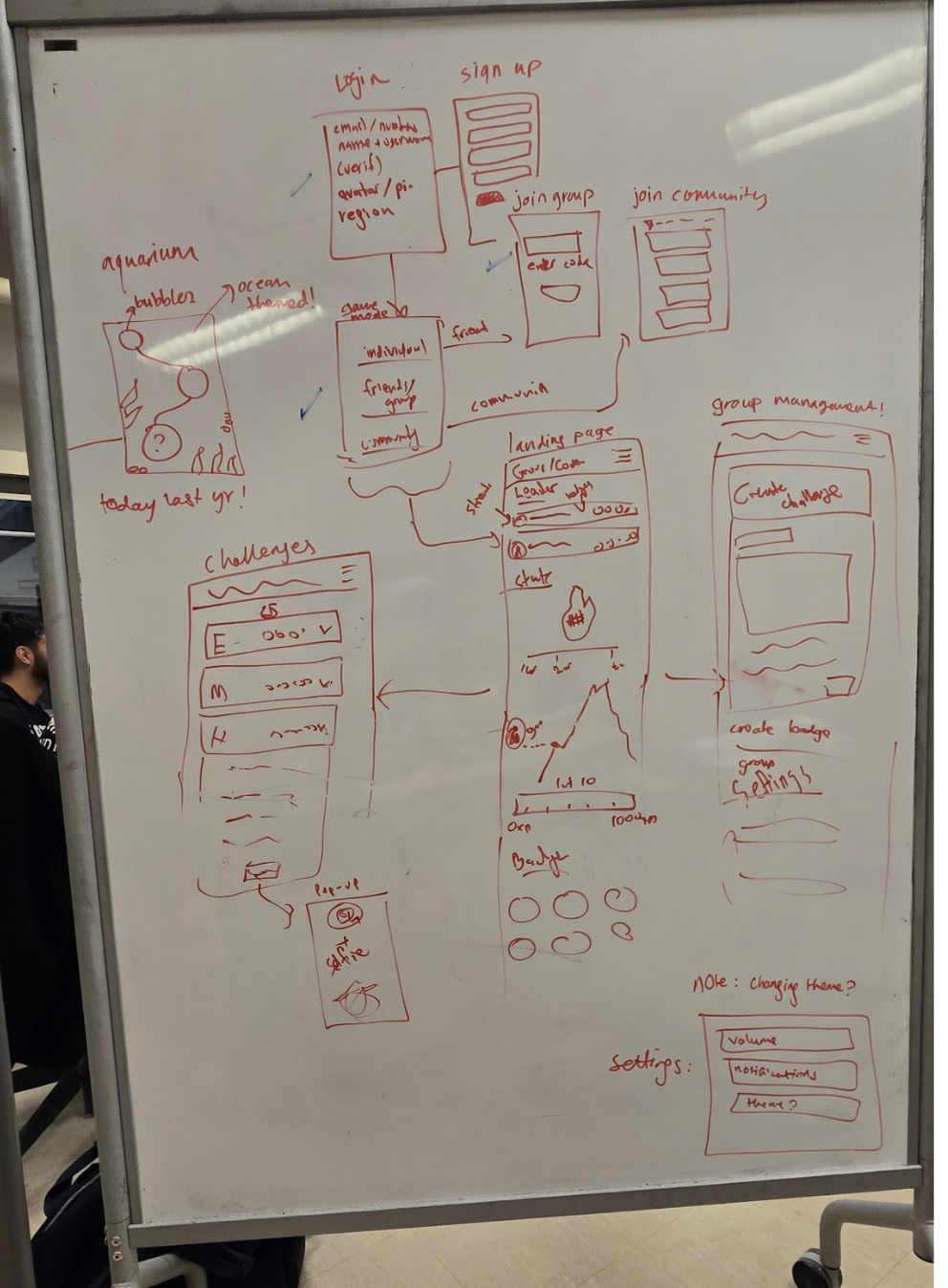
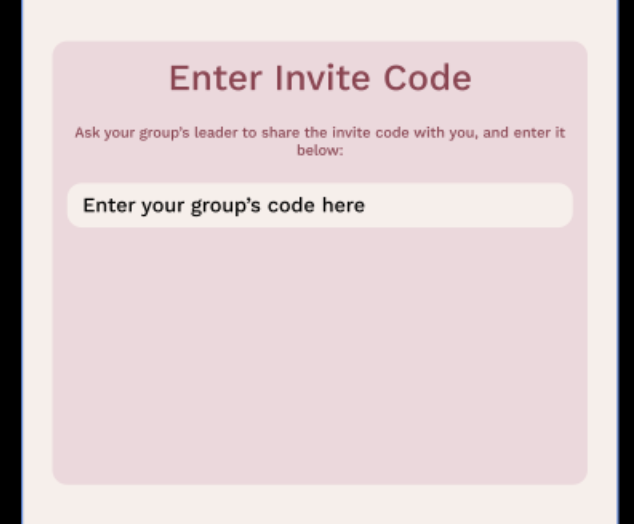
Brainstorming idea on how we wanted app layout to be. Very rough sketches and ideas
-
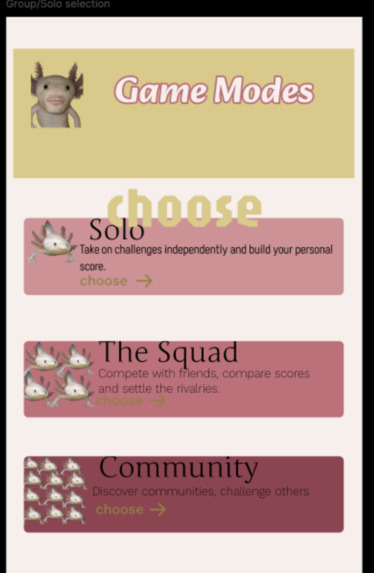
before meeting with mentor. Font not appealing, not symmetric, visuals needed work
-
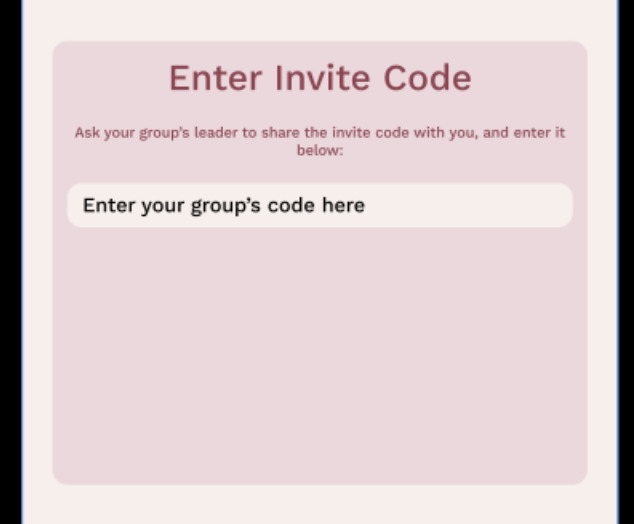
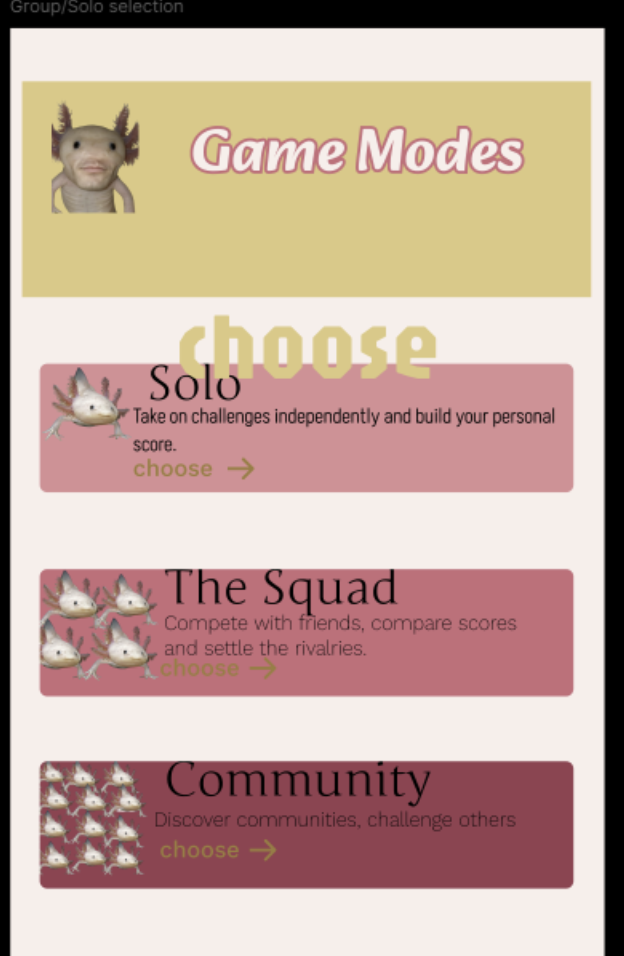
before discussion and feedback from peers and mentor. Quite plain
-
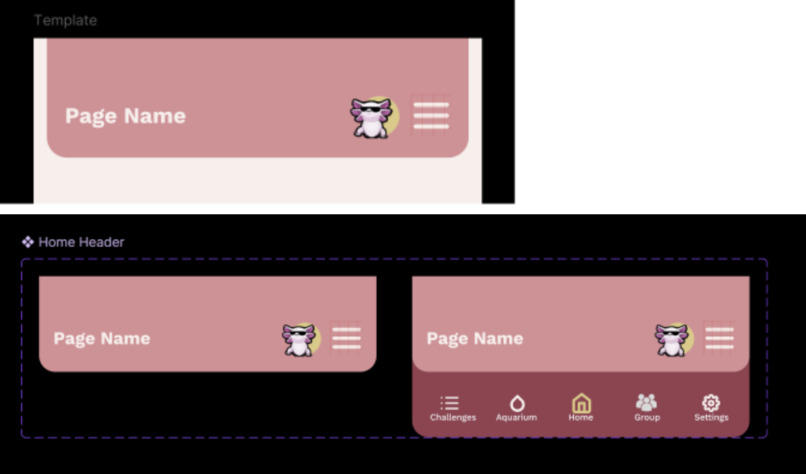
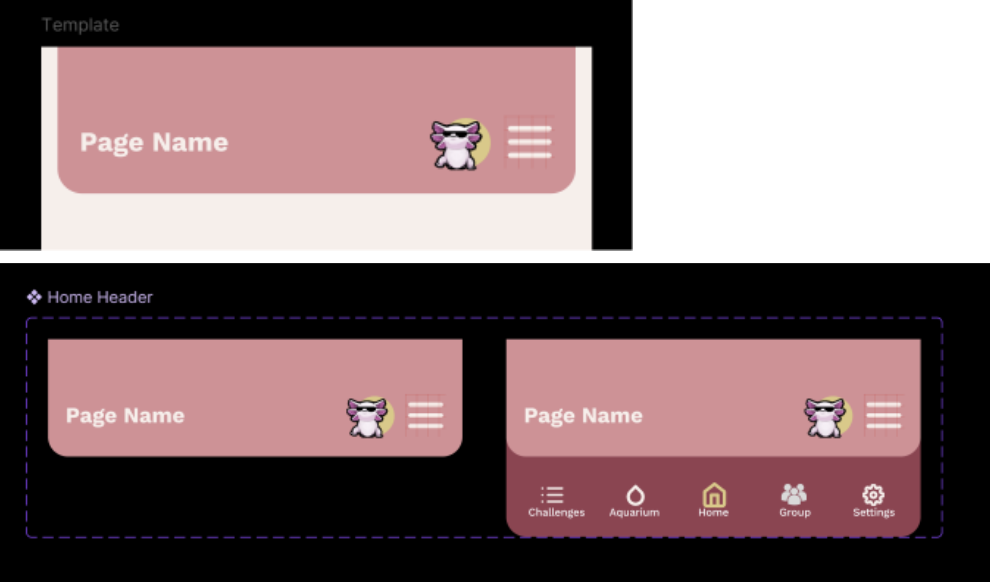
Iterations Key changes made based on feedback from mentors / peers
-
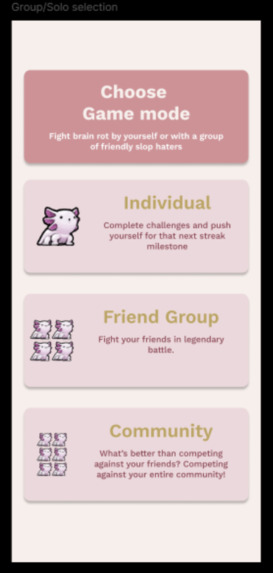
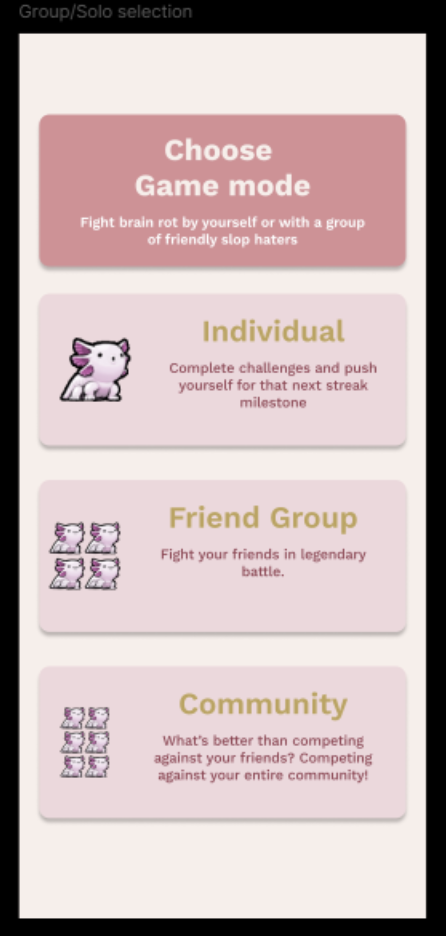
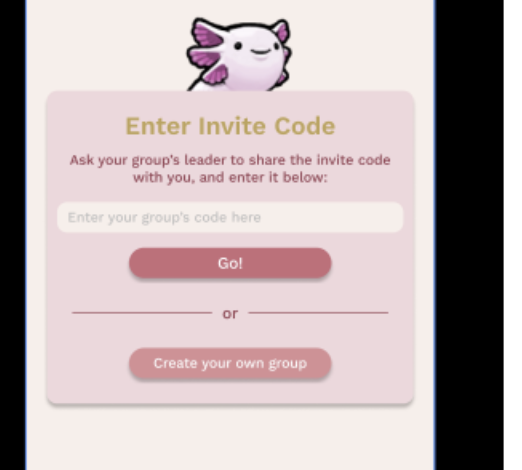
Final design based off feedback and dicussion. Now icons are symmetric, font is appealing. Stuck to a persistent color theme
-
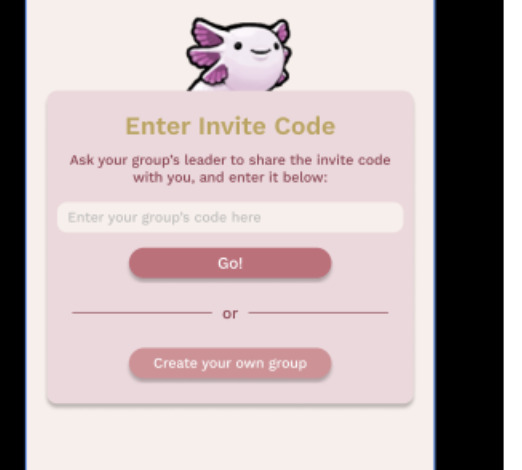
Improvements and adjucments based on decisions from conversation. Also after exploring more on the features on zigma
We spent considerable time interpreting the theme “mending” in a way that felt meaningful to our generation. We wanted our project to represent not only the importance of human connection in this time era but also the idea of rebuilding something that has been neglected.
This has led us to brainstorm and then develop a game-centered app called “Axorotl”. Our idea addresses the tendency towards massive media consumption, specifically through doomscrolling and social media, by encouraging us to engage in activities that develop our human connections as well as help stimulate creativity and imagination. Rather than discouraging screen time this redirects it to something more purposeful. The app achieves this through creative challenges that users can complete individually, with friends, or part of a broader community. Challenges vary in difficulty, making it accessible to all audiences, encouraging users to step out of their comfort zones. By earning points and progressing through a ranking system, users are motivated to participate consistently while simultaneously building meaningful connections through shared experiences. Think “rawdogging boredom by watching paint dry to be able to focus on studying better” but productively!
The purpose of our app is to encourage users to be more intentional about their screen time by replacing passive media consumption with engaging offline activities. By incorporating a points based system, users collect points through completing activities that increase in difficulty and time.
Upon completion, users could gather to discuss an award/ merit system, to motivate them to keep winning towards a specific goal. The audience for this app is anyone who feels themselves getting sucked into the black hole of doomscrolling. Primarily targeting GenZ, we wanted to create something that would resonate with a generation accustomed to digital platforms while encouraging them to redirect some of their screen time to something towards meaningful experiences outside the realm of devices. Ultimately, we hope to strengthen both individual creativity and community connections. So in the future, we nurture those features and grow into human beings who can bring forth new ideas to help progress the world and make it a better place for everyone to live in.
We wanted to see whether people recognized excessive digital consumption as a growing concern. Through online research and discussion with our groupmates we explored how routinely scrolling can affect people's engagement with the world around them. Harvard Health discusses the concept of “popcorn brain”, describing how constant online simulation can make slower everyday activities feel less engaging, Similarly, Nationwide Children’s Hospital emphasizes how consuming rapid content can encourage the pursuit of immediate rewards. It recommends offline activities such as reading, sports, or outdoor hobbies. These findings influenced our design approach, rather than simply discouraging screen time, we wanted to make offline activities rewarding through creative challenges and friendly competition
Our visual choices were designed to reinforce our interpretation of mending through repairing, growth, and connection. Our axolotl mascot was an intentional choice because their regenerative abilities represent renewal and the idea of rebuilding something that was neglected. We extended this identity through an underwater theme, where users progress along a path of challenges, representing their journey towards exploring creativity and building human connections. Through an axolotl theme, we chose a soft pink color palette to create a welcoming and approachable environment, balancing the competitive elements of the app with a sense of encouragement. We also chose to use gold accent colours, because the japanese mending technique Kintsugi is often used with gold accents, highlighting the cracks in ceramics while showing off their beauty. We also kept consistent typography such as maintaining a specific font and keeping a consistent font size throughout as well as recurring mascot illustrations further, we wanted every choice to contribute to an experience that felt inclusive, encouraging, and reflective of our theme.
Our mentor suggested that we make the app more accessible by contrasting colors and keeping in mind the text load per page. She liked how playful and unserious the game was and how it was made by peers, for peers. She suggested that we visualize the story and explain why this app was important and what would make people trust this app. She also recommended that we think about what the app’s “turn off” is. She suggested we think from a user's perspective, whether it be a new user, an existing user, a solo user, etc. Finally, she recommended that we think about the benefit, meaning, and the value of the app, and what makes this app memorable. Using this feedback, we implemented larger and more contrasting text on each page, and minimized the overloading feel some of our early mockups had. We also added templates and components to make it easier to show the design process, from where we started to our progress thus far.
We did not use AI anywhere in this project, whether it be the designs, icons, or the report. For our axolotl icons, we used an online spritesheet of different icons, found at https://www.figma.com/design/Agn6WNs90ZZGxsAgRcNNPg/Fix-da-brain?node-id=1-2&t=DAJojB2EuEqJ3tSO-1. Any icons used for menus were either created in house, or sourced from builtin figma libraries.
Citations:
Salamon, Maureen. “Doomscrolling Dangers.” Harvard Health Publishing, 1 Sept. 2024, https://www.harvardhealth.org/mind-and-mood/doomscrolling-dangers.
Nationwide Children’s Hospital. “Doomscrolling and Brain Rot: What Are They?” 700 Children’s, 30 Jan. 2025, https://www.nationwidechildrens.org/family-resources-education/700childrens/2025/01/doomscrolling-and-brain-rot.
Built With
- capcut
- google-docs
- zigma
