-
-
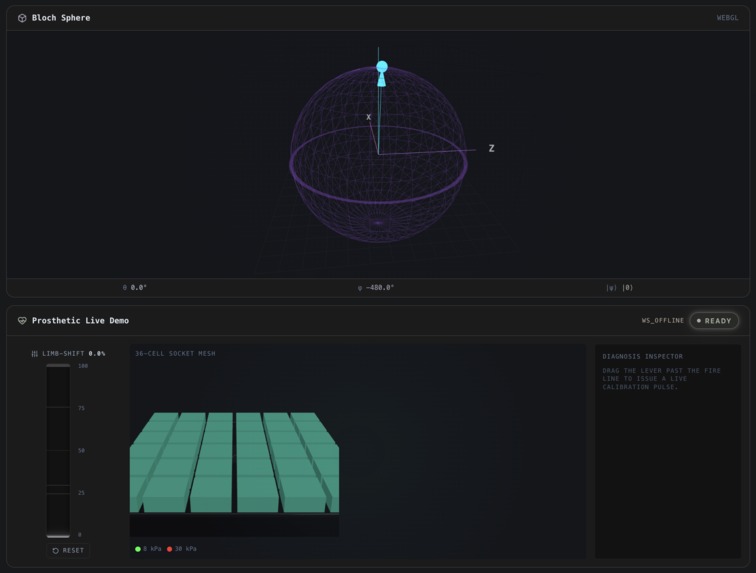
Axiom simulation
-
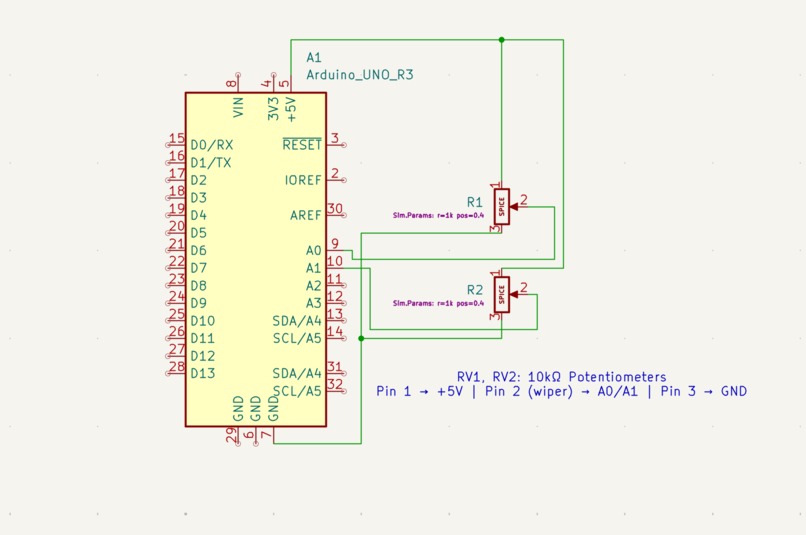
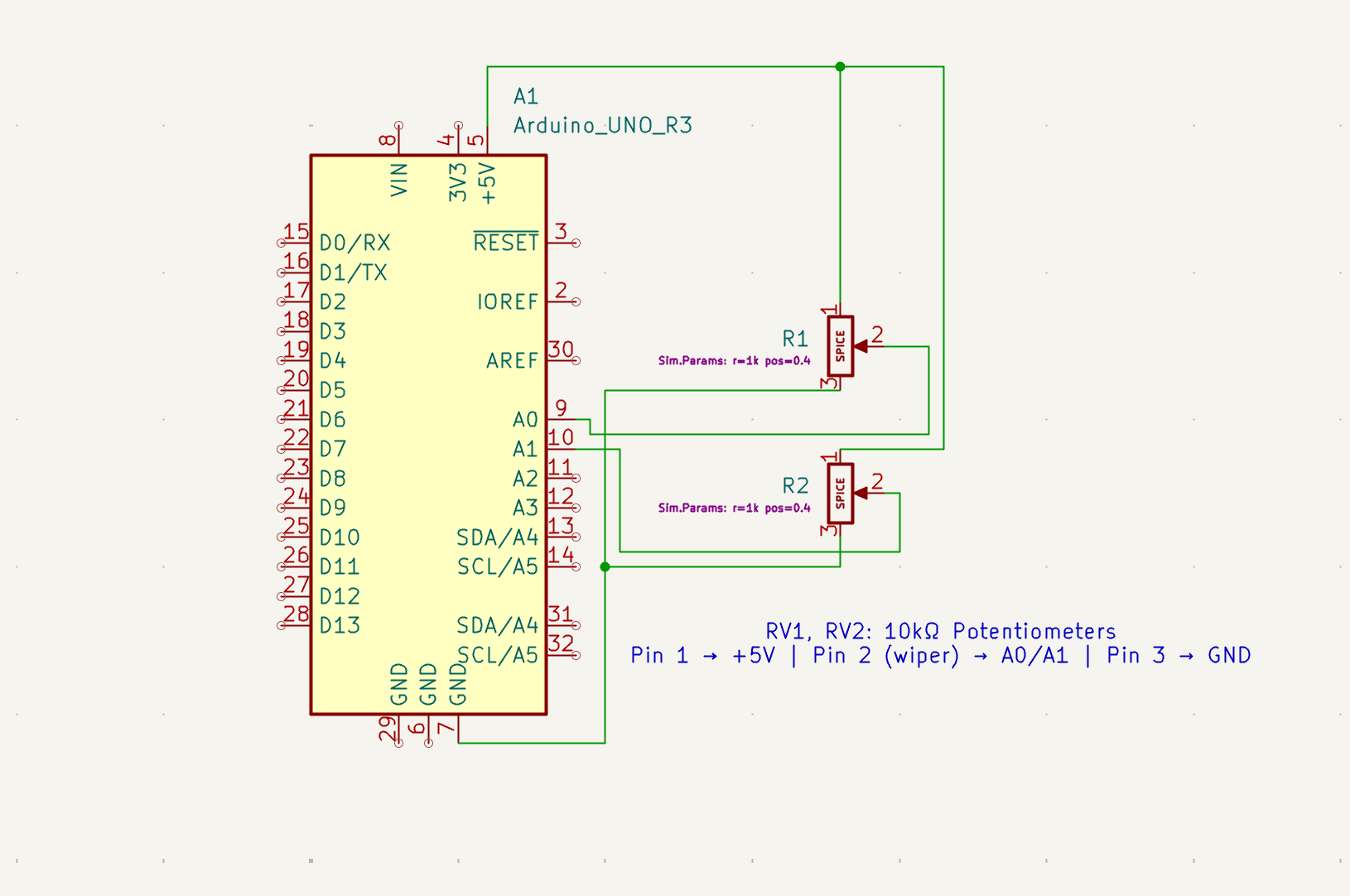
Potentiometer demo (KiCad)
-
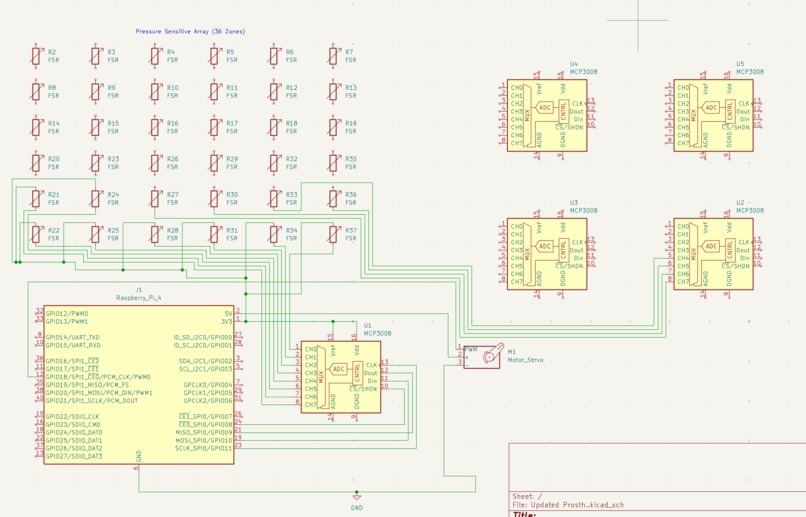
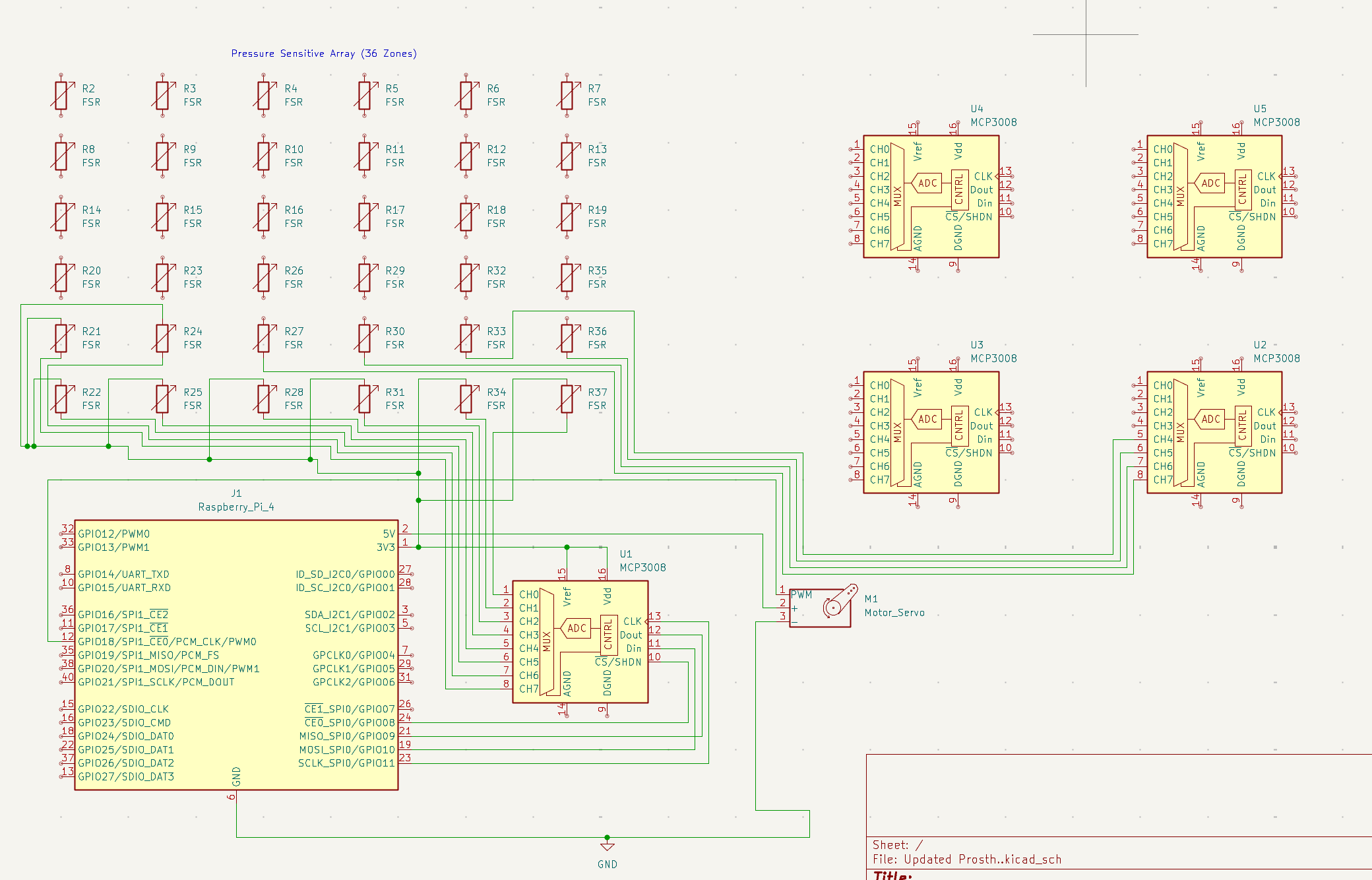
Raspberry Pi (Initial stages of full circuitry design...)
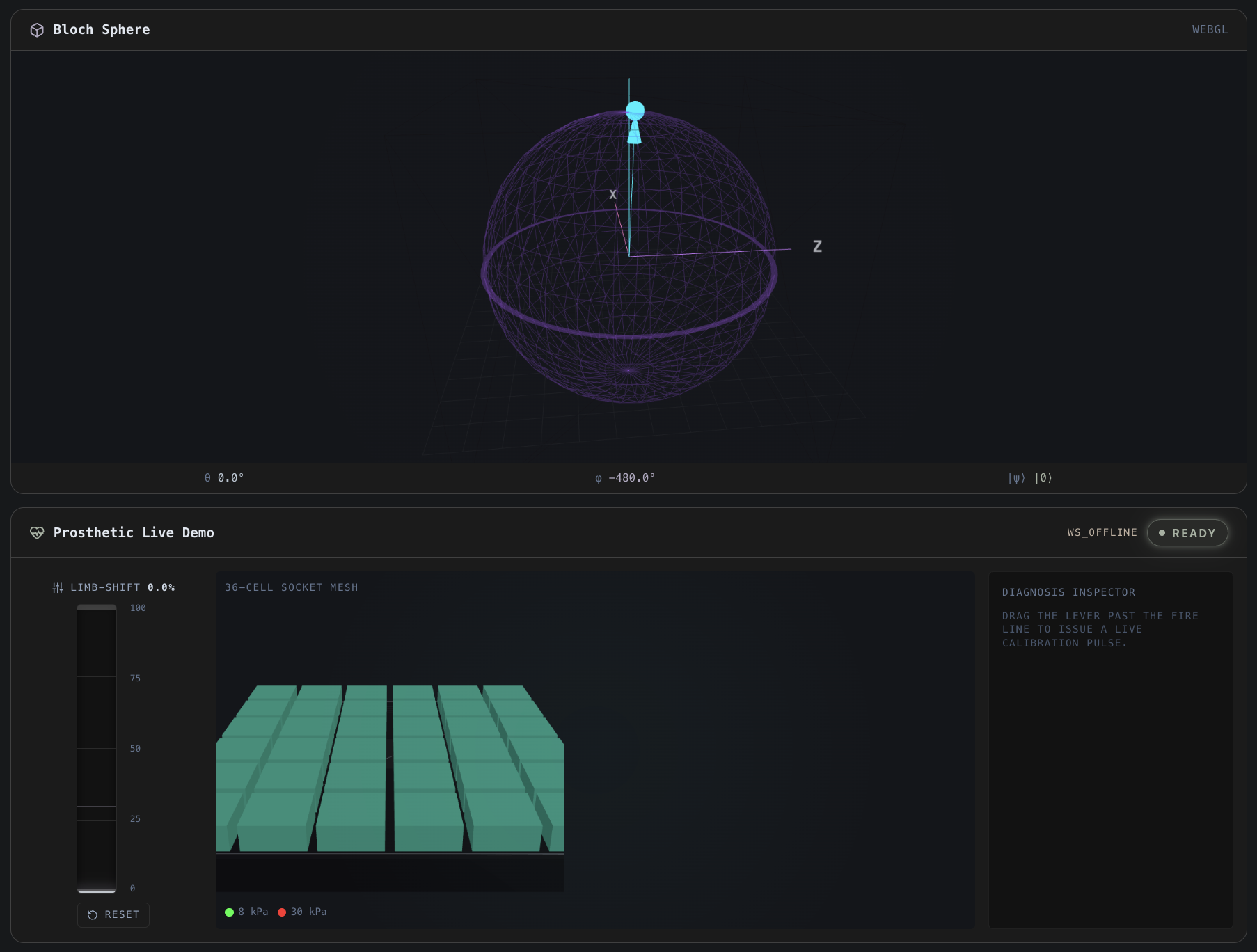
Inspiration
Makers Making Change is a not-for-profit organization founded by the Neil Squire Society, that supports people by turning costly assistive technology into something open-source, affordable, and customizable. Inspired by their mission and values, Axiom wanted to not only design something cool, but something that could be meaningful to others as well.
QSYS, a summer program hosted by the University of Waterloo, was another source of inspiration. Designed for high school students, QSYS helped make key concepts of quantum computing and related topics more approachable, while creating several superposition states where things start to make sense but end up leaving learners with more questions and not enough answers. Loving the chaotic energy, Axiom takes quantum principles and adds a little pizzaz to spice things up a bit.
What it does
Throughout the day, prosthetic users may face discomfort and have to constantly adjust the wear to avoid issues like loss of limb control, pressure sores, and blisters. Axiom takes technology like NVIDIA Ising- an "open-source family of AI models"- and uses quantum calibration as a way to monitor residual limb socket pressure and movement within a prosthetic before responding by changing an internal mesh that conforms around the residual limb.
This same architecture generalizes to biomechanical engineering: treating prosthetic limb volume shifts as biological hardware noise, the system monitors a 36-cell pressure heatmap, leverages the Ising VLM’ to diagnose fit degradation, and drives physical servos to autonomously re-tension the socket.
How we built it
- Set up the Nvidia Ising-calibration-1-35b-a3b model through a secure tunnel
- This architecture defines a closed-loop system for real-time hardware calibration across quantum and biomedical applications
- In quantum environments, the system captures noisy Rabi oscillation plots caused by thermal relaxation; the NVIDIA Ising-Calibration-1-35B VLM diagnoses this geometric drift and returns a structured JSON payload to dynamically update the qubit's pulse schedule
- Used Google Antigravity and VS Code to develop and enhance code
- KiCad for schematics (i.e. in relation to a full Raspberry Pi model, that would be used inside the actual prosthetic if built, and a demo made with Arduinos)
- Developed code to link qubit noise calibration with physical shifts of the residual limb. Each shift, detected by FSRs would alert the quantum system, causing a shift in the way the prosthetic hugs the limb internally.
Challenges we ran into
With the introduction of a simulated qubit system, things immediately became more complex. Utilizing artificial technology tools, coding was faster but there were many things to debug afterwards. Figuring out how we could best utilize quantum technologies in this project was half the struggle; translating everything into something that actually made sense to other people took up the rest of the time.
Some specific issues included:
- Setting up the NVIDIA model itself, which ended up connecting through different websockets (used to connect different ports)
- Connecting MongoDB (done through vs code extension) to store qubit, image, and heatmap data
- Bringing down the calibration time (of qubits) down from 90 seconds, to 64 seconds, to 5.4 seconds
Accomplishments that we're proud of
We completed the project! Hurray!
- This was our first hackathon, so we're just glad we finished the project in time. Though it was ambitious and marvelously excessive, we do have something to show for it all, which is all we can really hope for. In particular, the KiCad drawings and the visualization of the prosthetic mesh + qubit system are things we didn't even know were possible, so we're totally psyched about it!
We are also really proud of how we resolved the issues while trying to do a bunch of other things at the same time. Being a duo who have very basic exposure and experience with things like code or hardware added to some of the complications, but with Claude as a tool that we bounced ideas off of, things ended up working out 😎
What we learned
On the hardware side, we learnt a lot about:
- KiCad, Arduinos, Raspberry Pis, and how to connect everything together.
- Especially, learning to use schematic drawings as a way to plan out circuits and make sure everything can be connected beforehand via KiCad was very interesting.
10/10 would do again.
Software wise, we learnt how to:
- Maximize NVIDIA's Ising/Arduino IDE/Google Antigravity
- Use python and connect code to tangible results through Arduinos
- Troubleshoot and push code to Github
What's next for Axiom
- Axiom's developers would like some sleep
- Create a CAD model of a prosthetic limb and the internal FSR/raspberry pi connection
- Run tests with the CAD model to see how actual movement will work with the code
- Fine tuning this project to work better with arm or leg prosthetics (this was a general model, based on upper/forearm prosthetics)
Built With
- arduino
- css
- javascript
- json
- kicad
- matplotlib
- mongodb
- python
- qiskit
- raspberry-pi


Log in or sign up for Devpost to join the conversation.