-
-
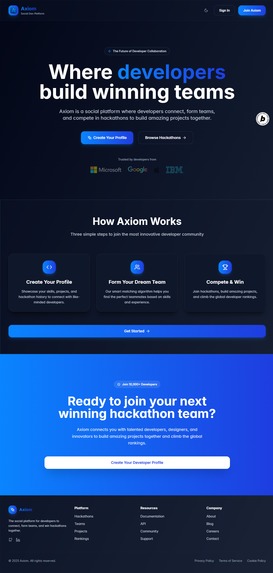
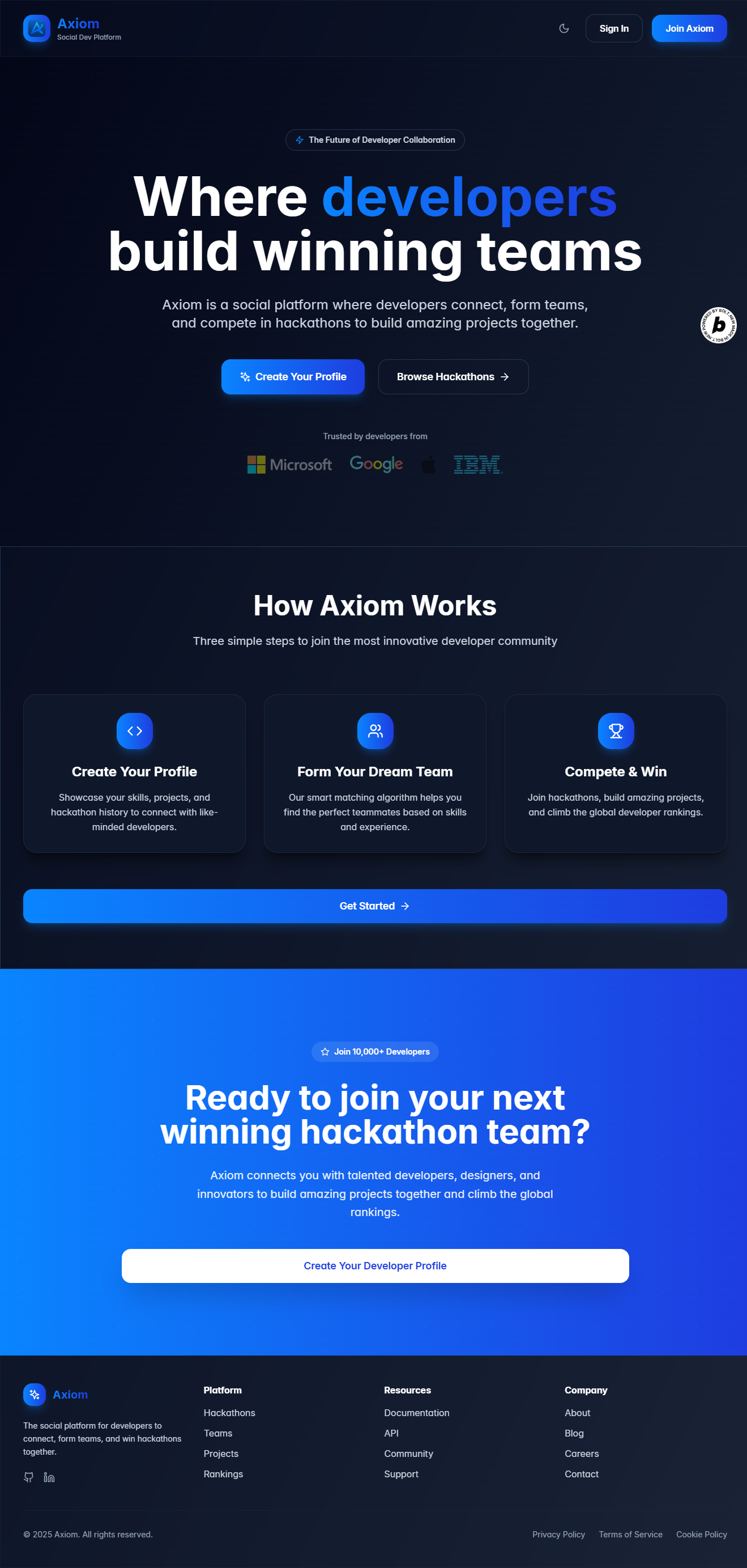
landing page
-
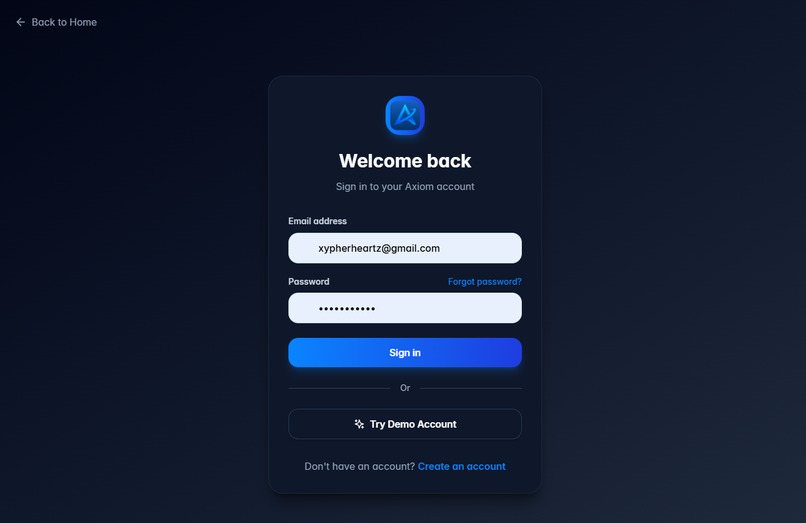
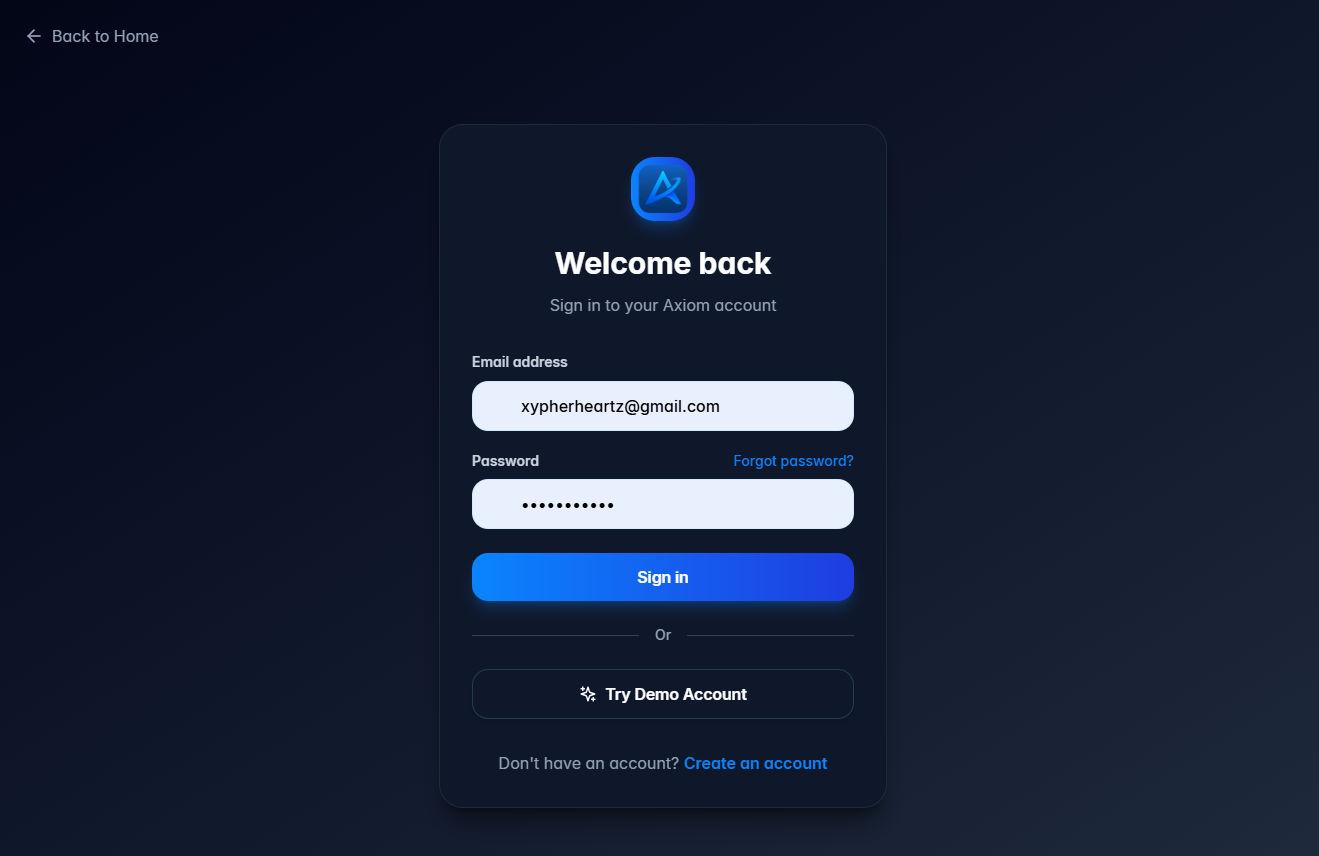
login/signup
-
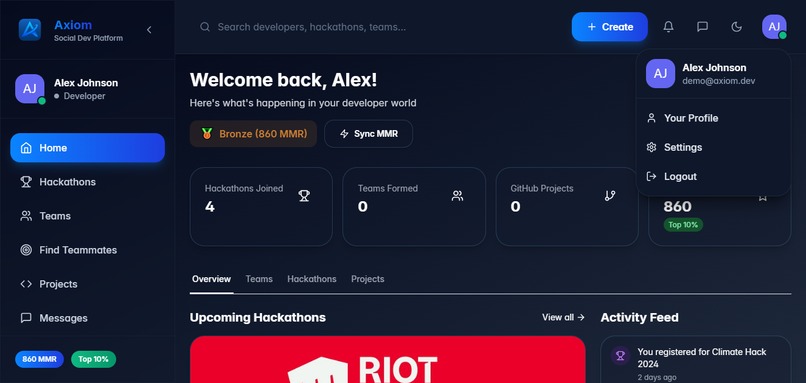
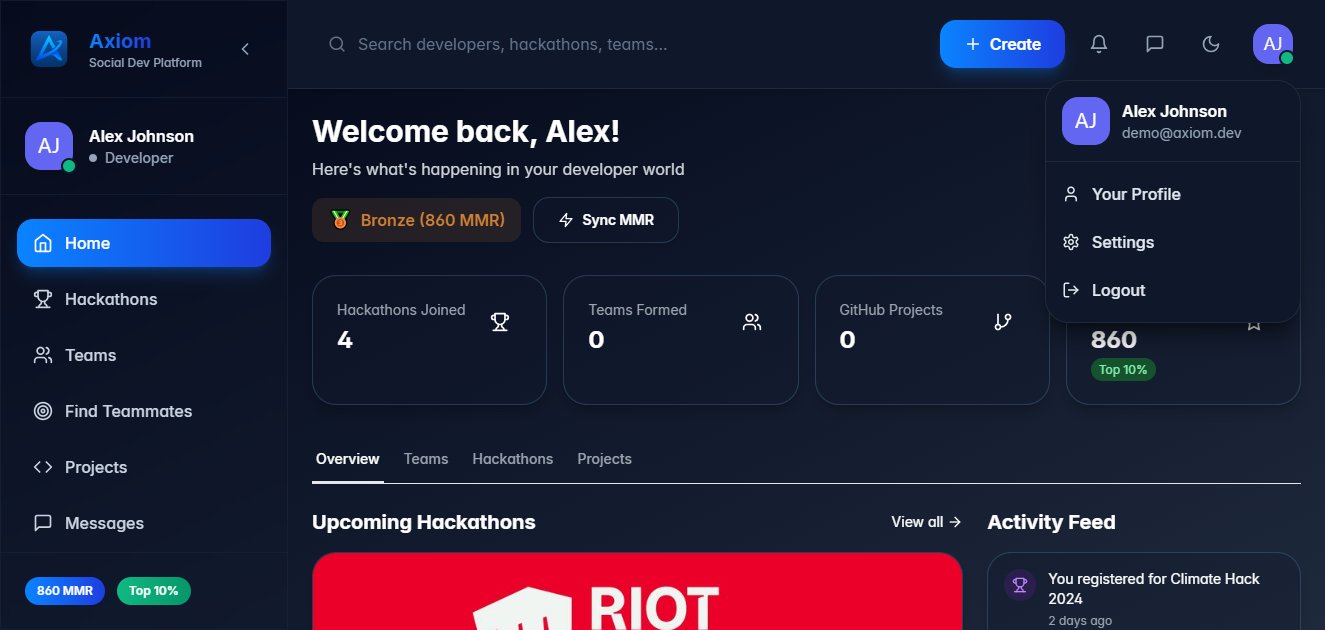
dashboard
-
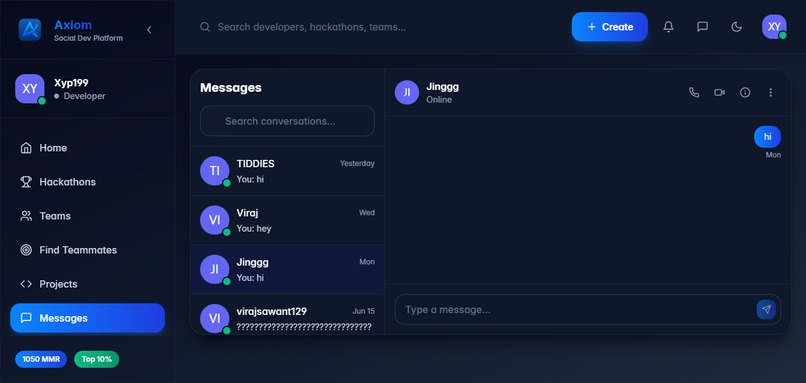
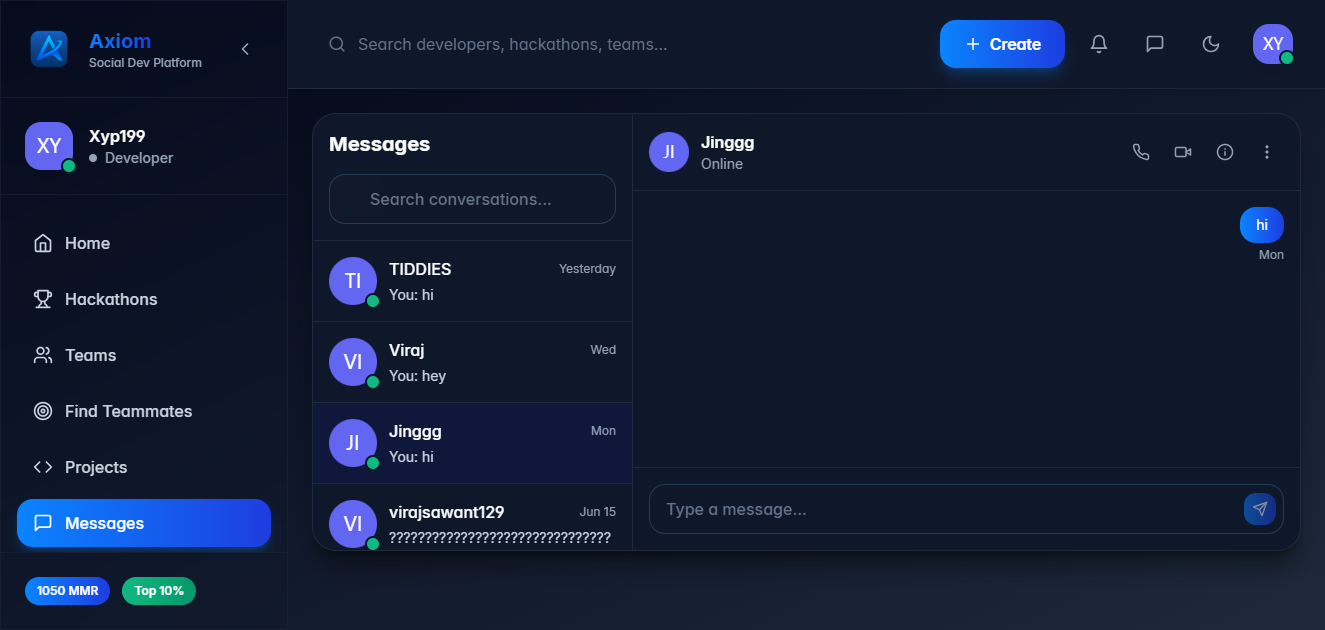
chats
-
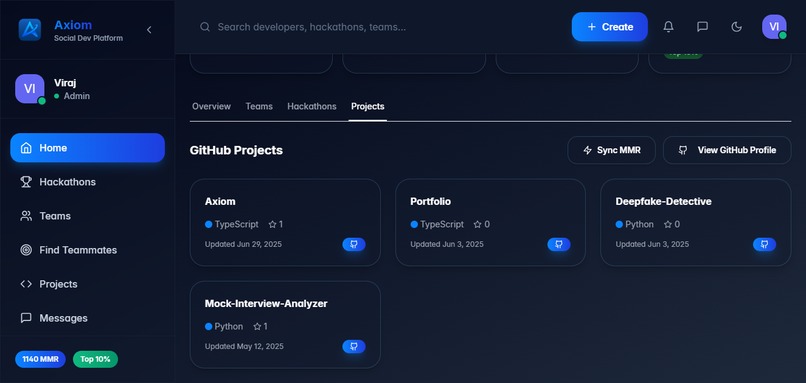
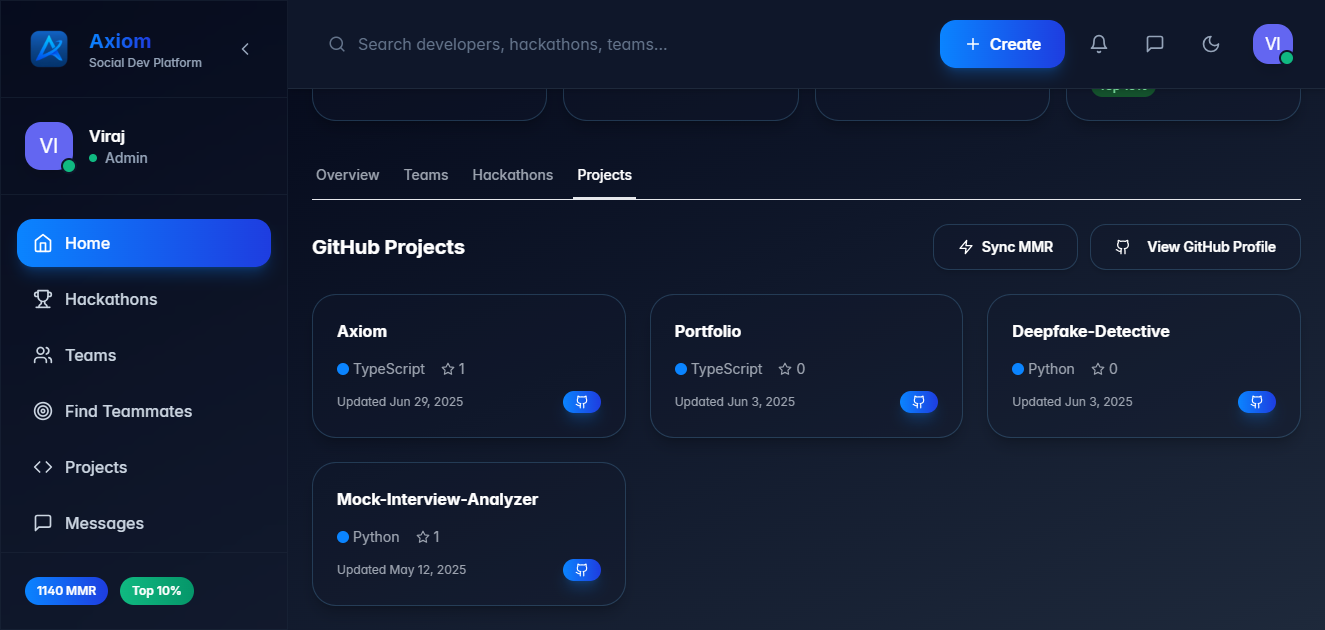
projects tab synced with github
-
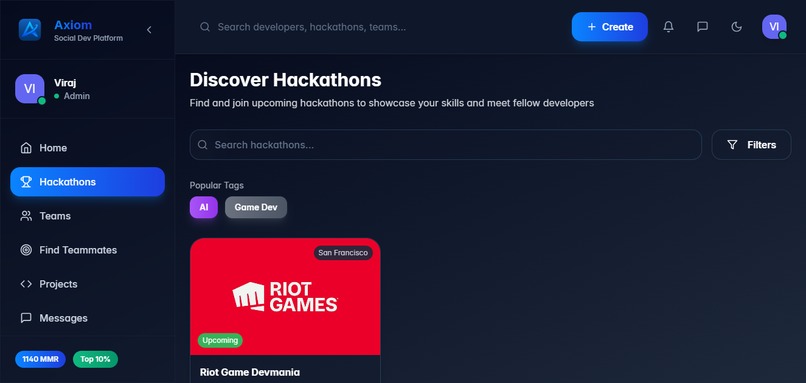
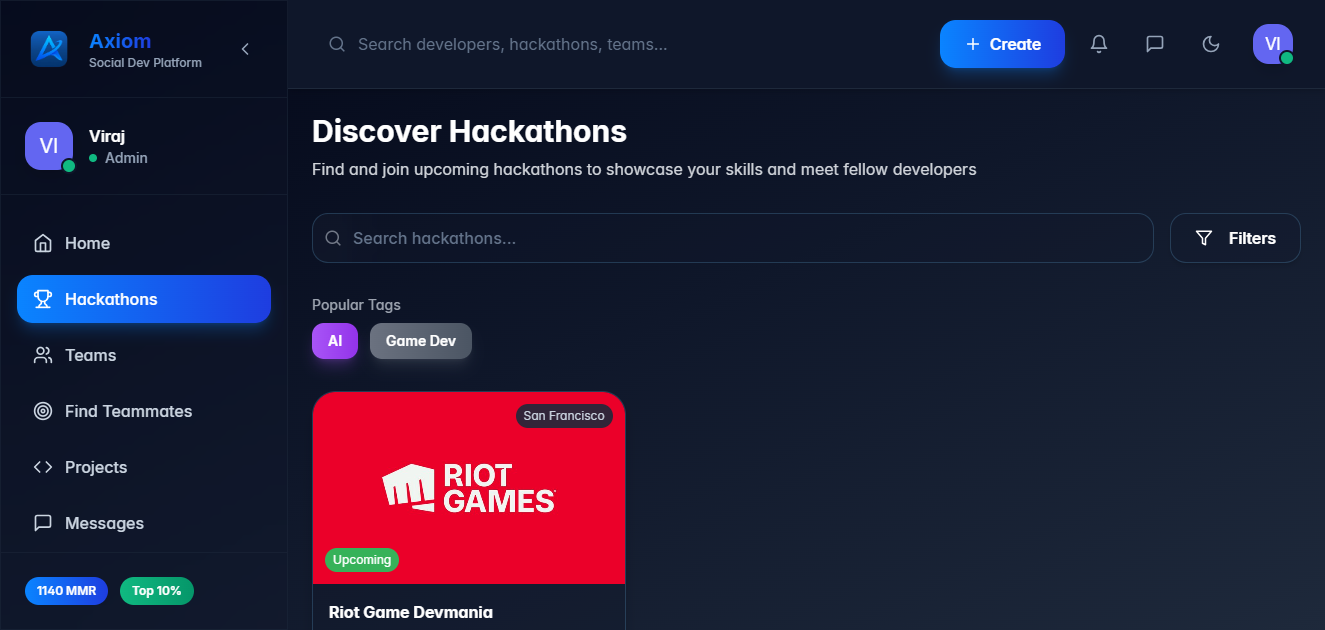
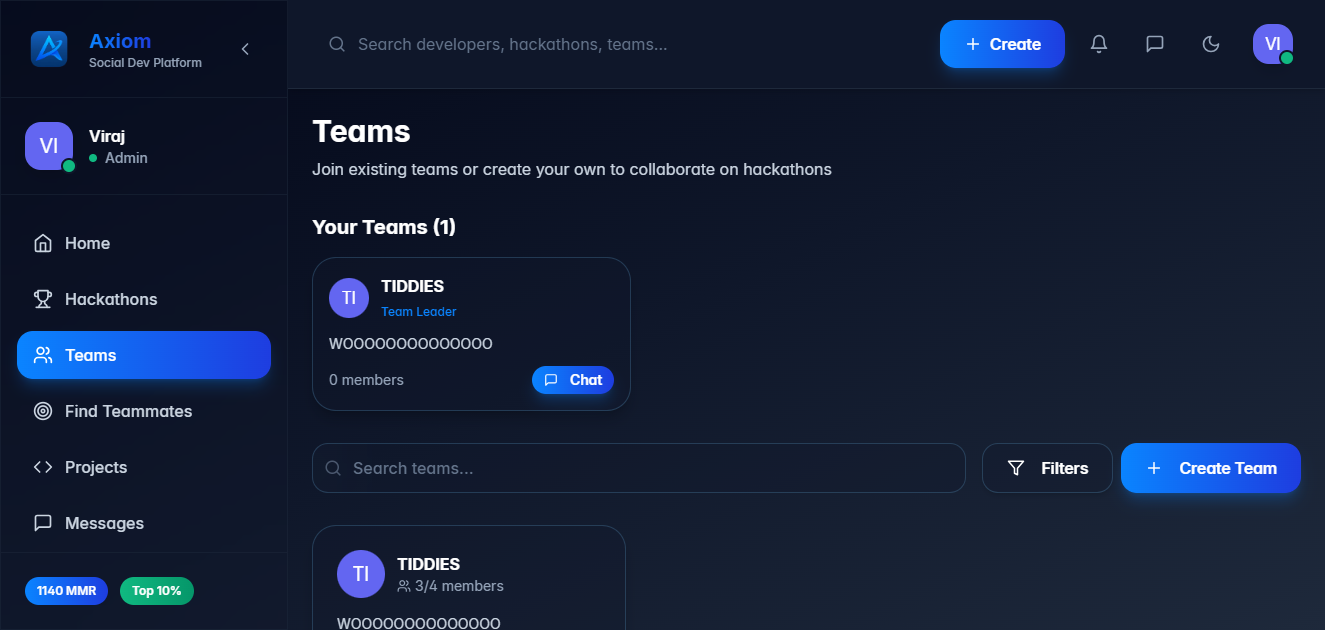
hackathons
-
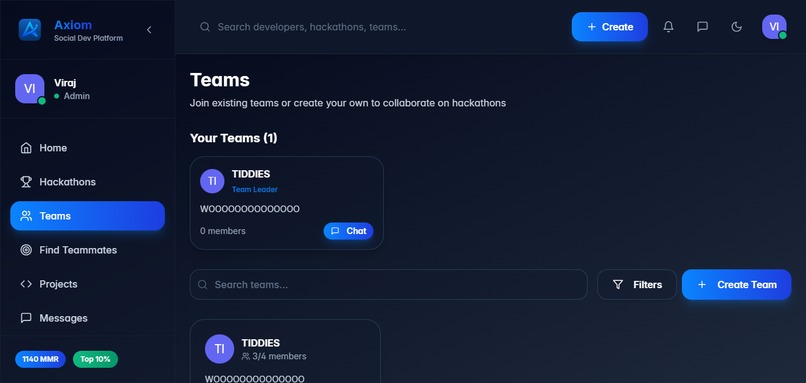
teams
-
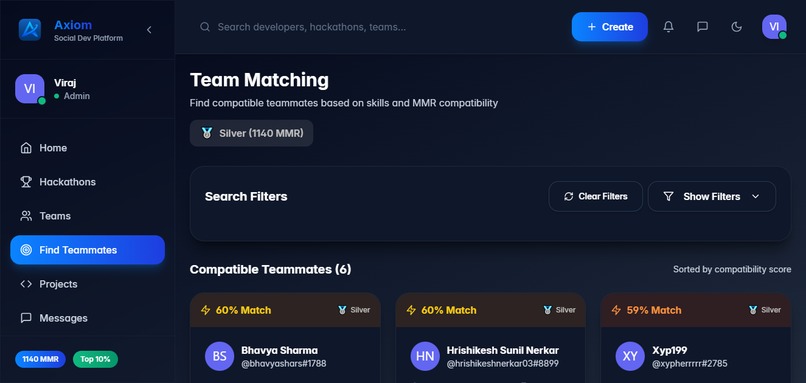
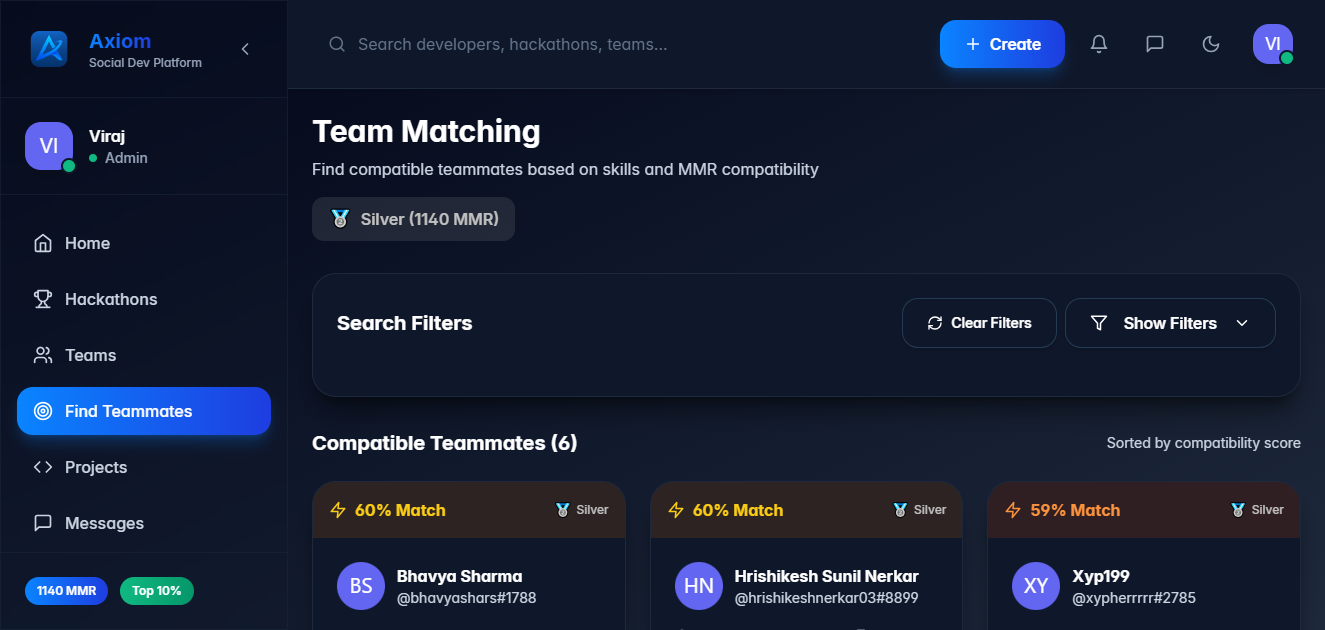
mmr based teammate search
-
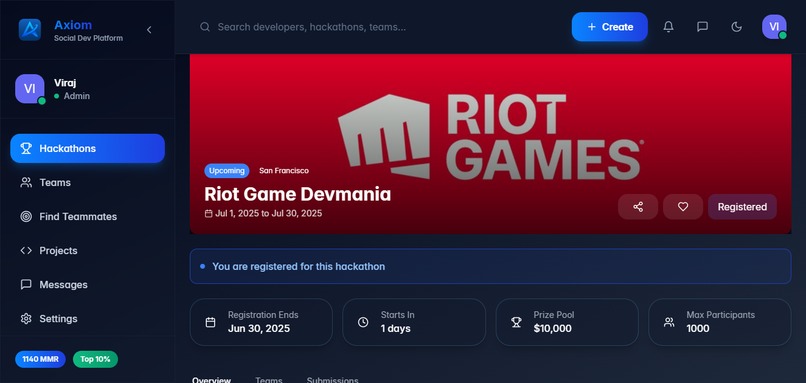
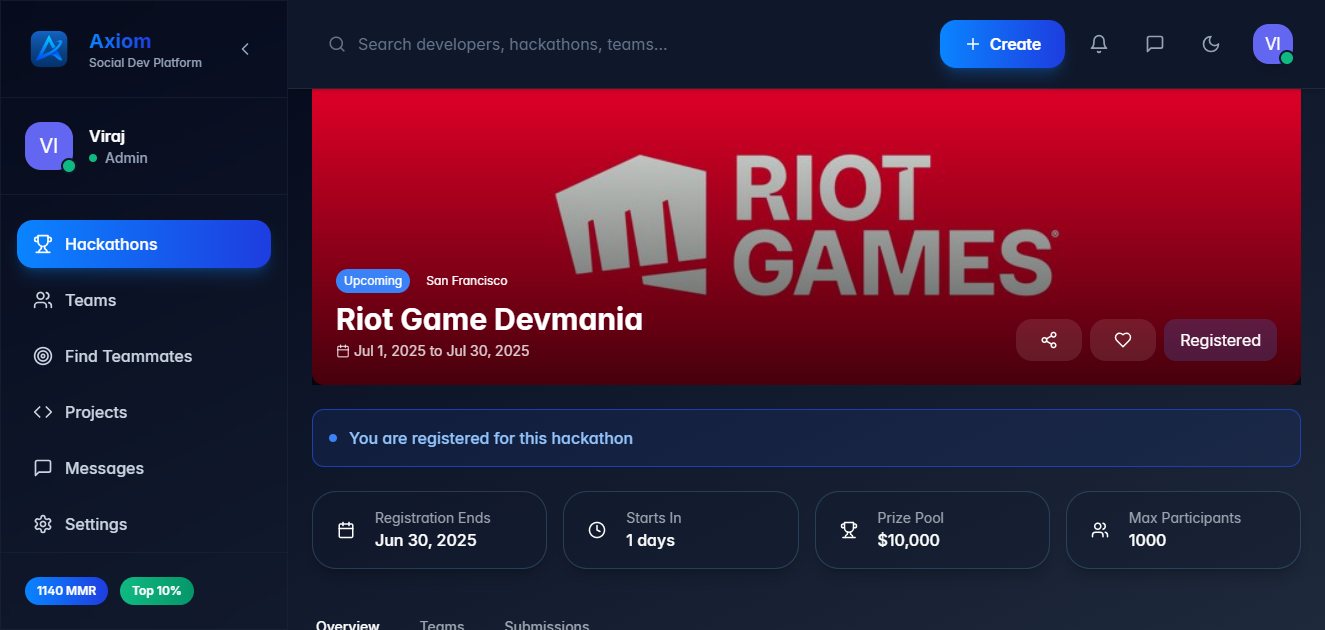
hackathon register page
-
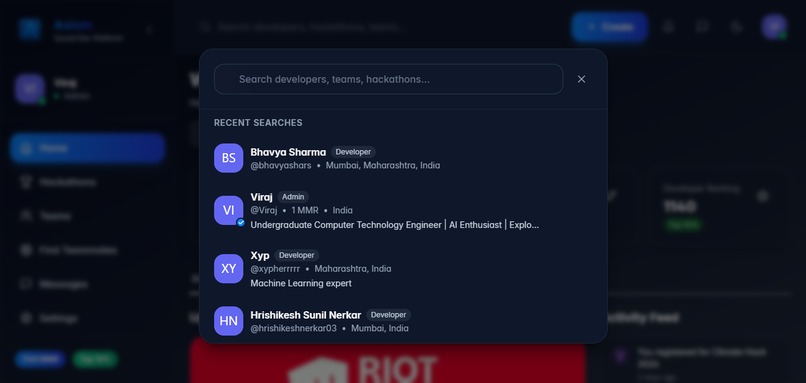
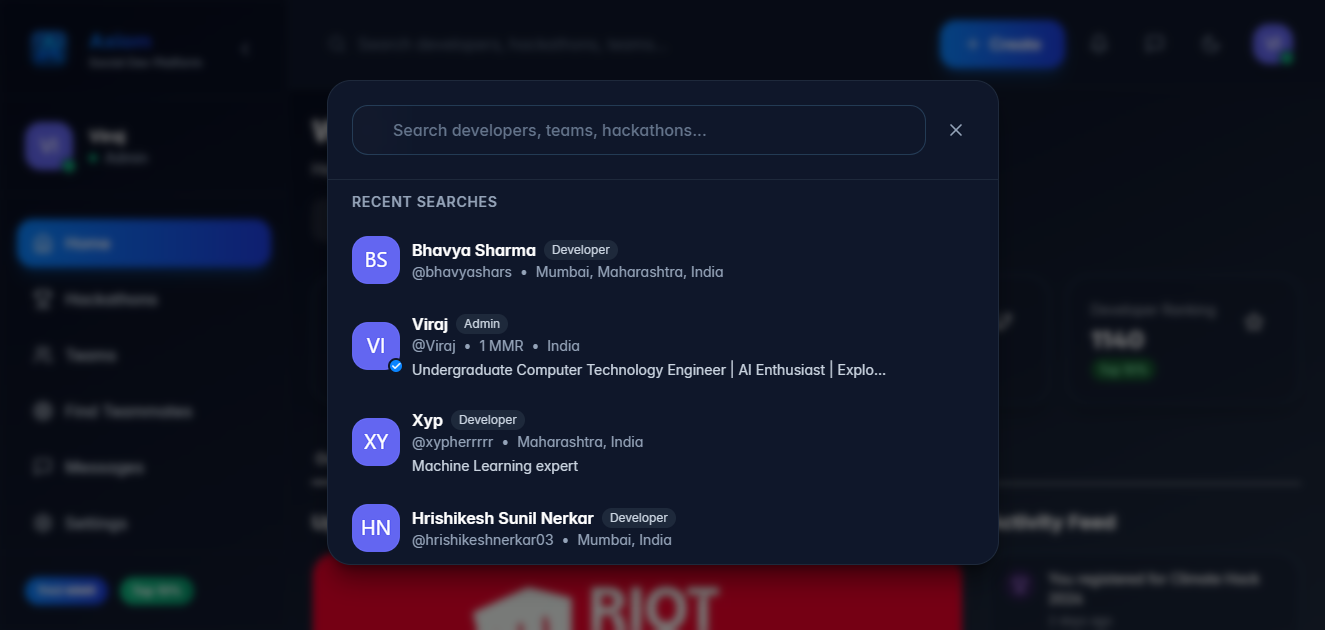
search for other devs
My story
When the hackathon started, everyone received a builder pack that included $1,000 worth of credits for sponsor tools like Bolt.new, Netlify, RevenueCat, Entri, and more. I was beyond excited to use them, especially Bolt.new, which looked like the perfect platform for a beginner like me.
But I hit my first wall before I even started: I couldn’t use any of the credits because my parents weren’t comfortable sharing credit card details. I respected their decision, but it felt like I had just lost my biggest advantage.
Still, I pushed forward. I used the 1 million free Bolt.new credits I had — and burned through them in just 10 days. At that point, all I had built was a simple front end: a few pages, sign-in and sign-up. No real backend, no database, and no core functionality. My time and resources were done, and I honestly thought my hackathon was over.
As a Python developer, I was already outside my comfort zone. The stack supported by Bolt — Node.js, TypeScript, React, Supabase, PostgreSQL — was completely unfamiliar and honestly overwhelming.
So for two full days, I gave up. But then I realized something: Why am I giving up just because I can’t rely on a tool? I’m an engineering student. If I don’t take on challenges now, when will I ever learn? So I came back.
I restarted from scratch. I began learning the tech stack one step at a time. I used every tool I had access to — ChatGPT, Claude, low-code tricks, documentation, and tons of trial and error. I asked for help on Discord, reached out to mentors, and started debugging the hard way. It was frustrating, slow, and full of mistakes — but I kept going.
There were few things which I couldn't do so I decided to make a new account on bolt and use the 1M credits as there was only 10 days left. I have no idea if this is allowed for the hackathon but that was the only way to debug those errors and atleast complete a prototype.
I didn’t just learn to build a full-stack app. I learned:
How to learn under pressure
How to not be afraid of asking “basic” questions
How to debug and fix what I don’t understand
That giving up is always easier — but sticking with it feels way better
Today, Axiom is my first ever deployed full-stack web application — built using a tech stack I was scared of. It’s not perfect, but it works. And more importantly, I made it work.
This hackathon didn’t just teach me how to build an app. It taught me how to build myself as a developer.
Thank you for this opportunity.
Inspiration
Axiom was born out of a mix of frustration and ambition. As active devs, we constantly found ourselves jumping between platforms like Devpost, Discord, and LinkedIn — but none of them felt like home.
Devpost is great for hackathons, but once the event ends, the community disappears.
Discord has the vibes, but it's chaotic and unstructured for serious team formation or networking.
LinkedIn feels too formal and disconnected from real dev energy — it’s built more for resumes than repositories.
We asked ourselves: Why isn’t there a place just for developers — where we can flex our skills, form hackathon squads, build in public, and grow our careers without the corporate noise?
That thought turned into Axiom — a clean, gamified, and dev-centric platform where builders can connect, compete, and create. A place where your GitHub matters more than your GPA, and where hackathon vibes meet professional growth.
The dev world needed its own digital playground. So we built one.
What it does
Axiom is a developer-focused social platform combined with a full-featured hackathon hub. It’s designed to help developers connect, collaborate, compete, and grow—all in one unified space.
Here’s what Axiom enables:
Developer-Centric Profiles Users can create rich, tech-driven profiles showcasing their skills, technology stacks, GitHub projects, experience level, and hackathon history. It's a true reflection of a developer's journey and expertise.
Smart Team Formation Axiom includes a matchmaking algorithm that helps developers find ideal teammates based on skills, tech preferences, availability, experience, and compatibility. It streamlines team creation for hackathons and long-term collaboration.
Hackathon Management System Organizers can create and manage hackathons end-to-end—setting rules, themes, deadlines, and judging criteria. Participants can browse, join, submit projects, and track their rankings.
Gamified MMR Ranking System Inspired by competitive gaming, Axiom uses a Matchmaking Rating (MMR) system. Users gain or lose points based on participation, wins, and performance. Rankings drive visibility, competition, and recognition.
Built-in Communication Tools Axiom offers real-time chat channels, direct messaging, and team collaboration spaces—designed with a Discord-like experience but purpose-built for productivity and coordination.
Multi-Role System Users can join as developers, organizers, companies, or admins. Each role has access to tailored tools and interfaces—organizers manage events, companies post opportunities, and admins oversee the platform.
Professional and Career Integration Companies can sponsor hackathons, post jobs, and scout talent directly from Axiom. Developer performance and MMR can serve as real-world signals of ability and consistency.
In essence, Axiom brings together professional networking, project showcasing, team formation, and hackathon participation into a single, developer-first ecosystem.
How we built it
We built Axiom using Bolt.new, a real-time collaborative coding platform that allowed us to move fast and build with focus. The entire project was developed in one space, which eliminated the need for constant Git syncing and local setup.
For backend and database needs, we used Supabase. It gave us authentication, real-time capabilities, and a PostgreSQL-based structure that was perfect for handling users, roles, and hackathon-related data.
The project was deployed on Netlify, which gave us fast hosting, continuous deployment, and easy environment management.
Throughout the process, we used ChatGPT and Claude to help with logic, architecture, and debugging support—effectively acting as additional team members during development.
No unnecessary complexity. Just fast, focused, full-stack building.
Challenges we ran into
One of the major challenge for me was to build this app without BOLT.NEW PRO. I did get the builders pack but my parents said no for the credit card details and I couldn't convince them after all. I used all 1M monthly credits in 10 days and I was left help less, I only had the basic structure so all I could do was learn Node.js, typescript and code using claude.ai and chatgpt.
As a Python developer and a beginner in full-stack web development, one of the biggest challenges was stepping into an entirely new tech stack. Working with React, TypeScript, TailwindCSS, and a Node.js backend was overwhelming at first. I had no prior experience managing a frontend project of this scale.
Another major hurdle was using Supabase. I had never worked with a full-featured database system or handled user authentication and real-time data before. Figuring out how to structure the data, set up role-based access, and connect everything together took time and effort.
Despite the challenges, using Bolt.new made the process easier by giving a basic layout. Its collaborative and clutter-free coding environment helped me stay focused and iterate quickly without getting lost in setup or tooling issues.
Overall, it was a challenging but rewarding learning journey that pushed me out of my comfort zone and helped me grow as a developer. At the end I am kind of happy that I pulled this up with free plan of bolt.new and faced all the challenges and most importantly I didn't give up
Accomplishments that we're proud of
Even though Axiom is still a prototype, I wasn't able to build a complete working version with all the core features fully functional. It’s my first deployed full-stack web application—with a frontend, backend, and database all connected and working smoothly.
Seeing everything come together—user roles, profiles, matchmaking, and hackathon structure—was a big moment for me. Being able to deploy and share a live build felt incredibly rewarding.
Thanks to Bolt.new, I could focus on building without getting stuck on setup or tooling. This project pushed me beyond my comfort zone, and I’m proud that I didn’t just start it—I finished it.
What we learned
Before this project, I had never tried vibecoding, and working on Bolt.new completely changed how I look at building apps. It made the entire process smooth and fun.
Through this hackathon, I also got the chance to meet and connect with fellow developers on Discord, and some of them even helped me debug when I was stuck. That support made a huge difference.
I learned how to work with Supabase, which was entirely new to me. From setting up authentication to managing real-time data and roles, it taught me a lot about handling backend systems in a real-world project.
One of the biggest improvements for me was learning how to debug faster and more effectively, thanks to the support and guidance of mentors throughout the event.
Overall, this project gave me practical experience, community support, and confidence to build full-stack apps from scratch.
What's next for Axiom
This is just the beginning for Axiom. Now that the core system is built and deployed, here’s what I plan to work on next:
Improved Team Matching System Enhance the teammate matching algorithm by integrating preference scoring, collaboration history, and smarter filtering options.
GitHub Integration Automatically pull in user repositories and contributions to strengthen developer profiles and portfolios.
Hackathon Leaderboards and Achievements Introduce a full ranking and badge system to reward participation, wins, and consistency across events.
Real-Time Collaboration Tools Add team channels, code-sharing, and possibly voice/video rooms to help hackathon teams work directly within the platform.
Job and Internship Listings Allow companies to post roles and scout talent directly from the top-ranked or most active developers.
Mobile-Friendly Interface Optimize for mobile devices and eventually build out a PWA or native app version.
Community Feedback Loop Start gathering feedback from early users to improve UX, performance, and features that matter most to developers and organizers.
The vision is to make Axiom a go-to platform for developers—not just for hackathons, but for learning, networking, and growing in the tech ecosystem.
Built With
- bolt.new
- css
- javascript
- node.js
- postgresql
- react
- supabase
- typescript


Log in or sign up for Devpost to join the conversation.