-
-
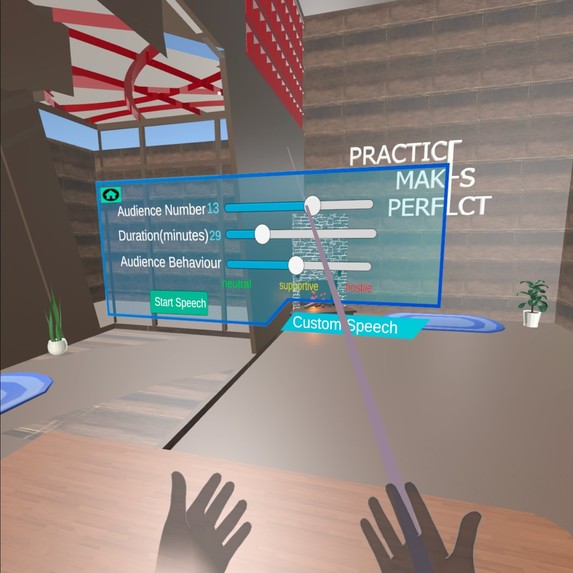
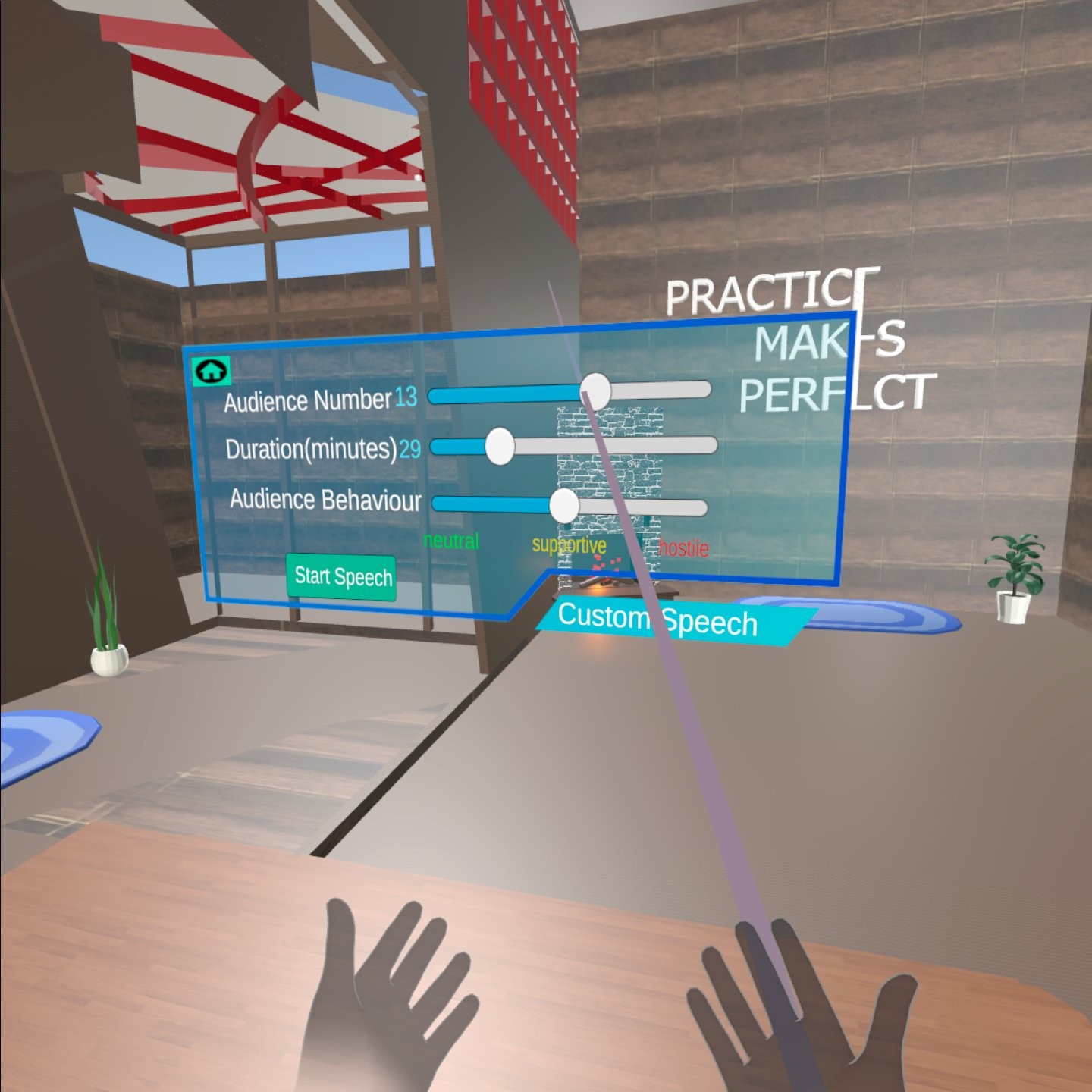
AWRA Presentation Control Panel
-
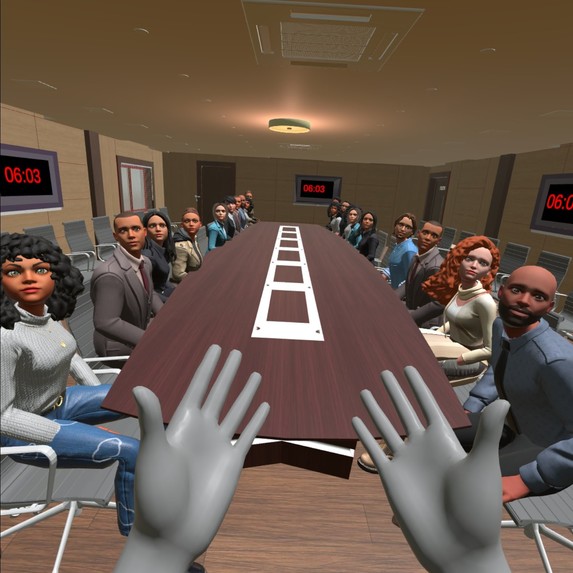
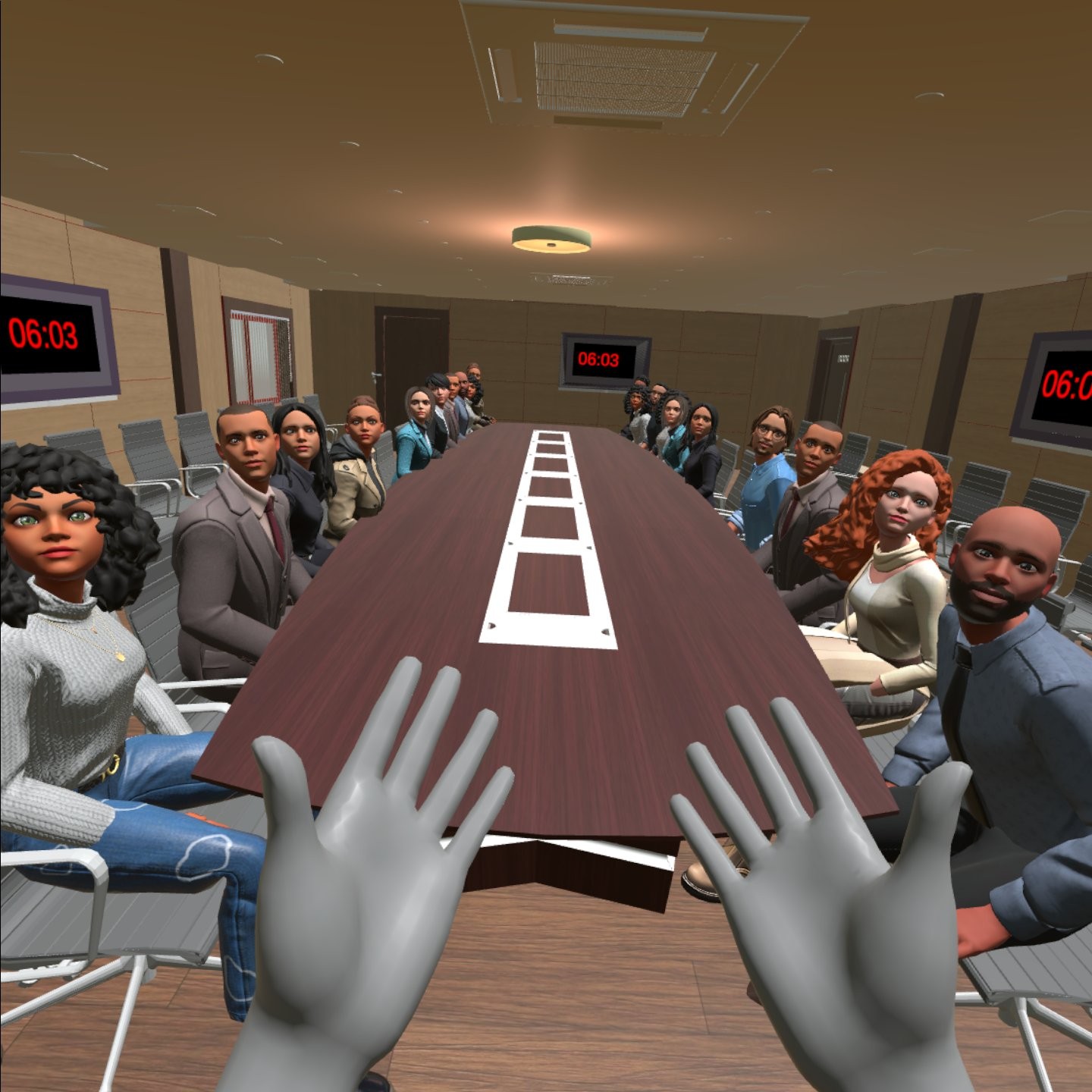
AWRA Meeting Room at the Time of Presentation
-
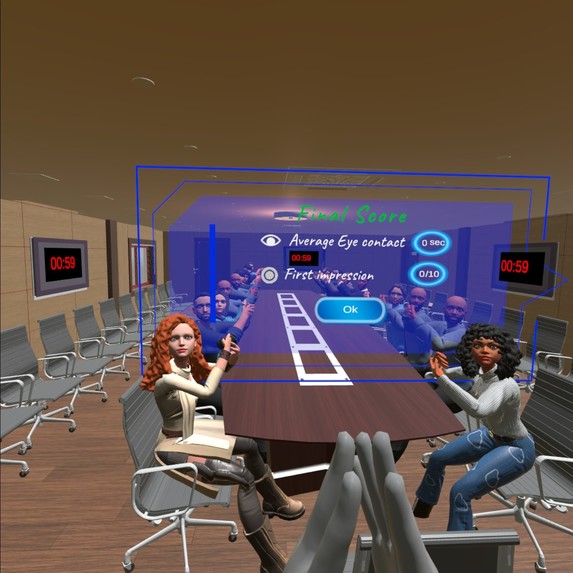
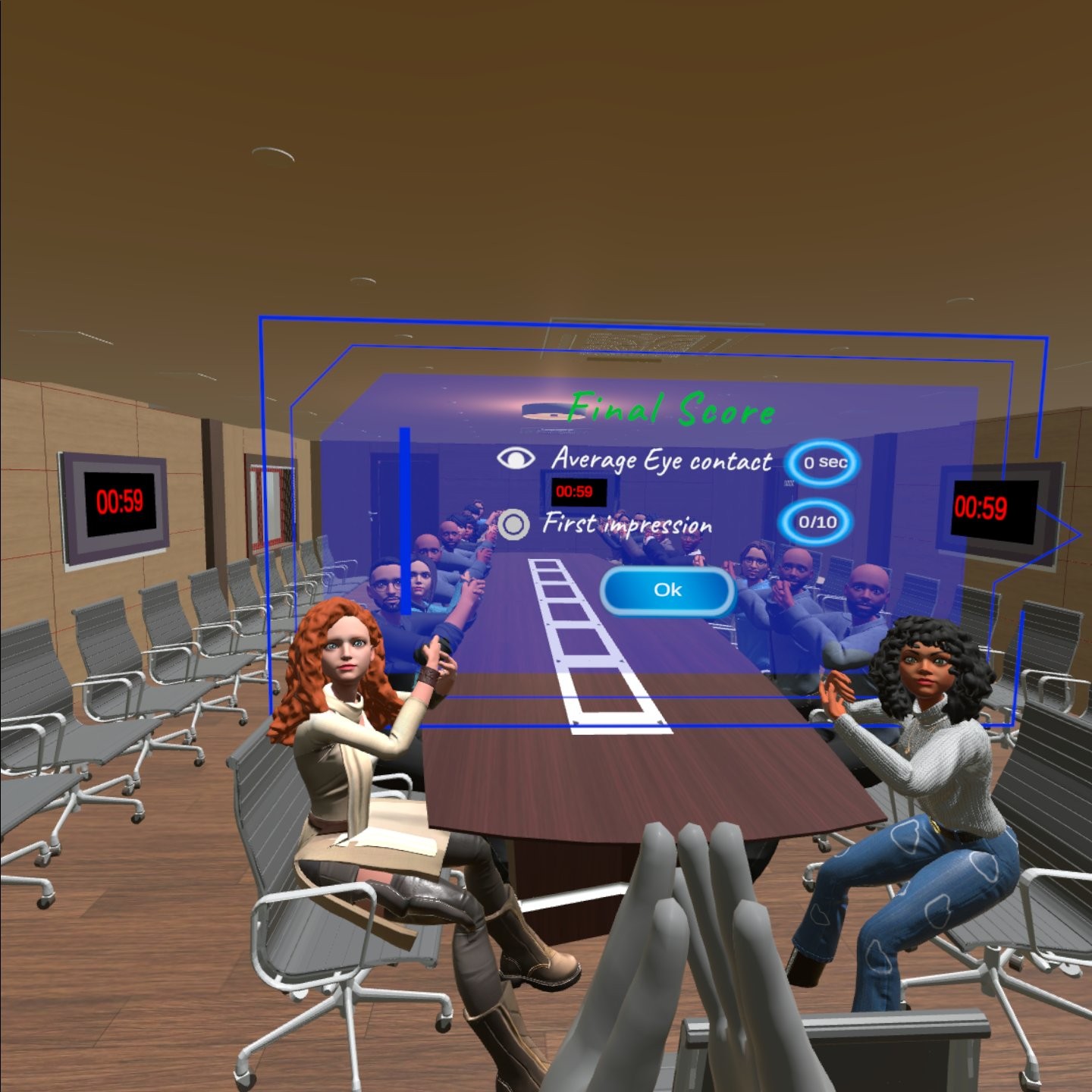
AWRA Meeting Room After Presentation Ended
-
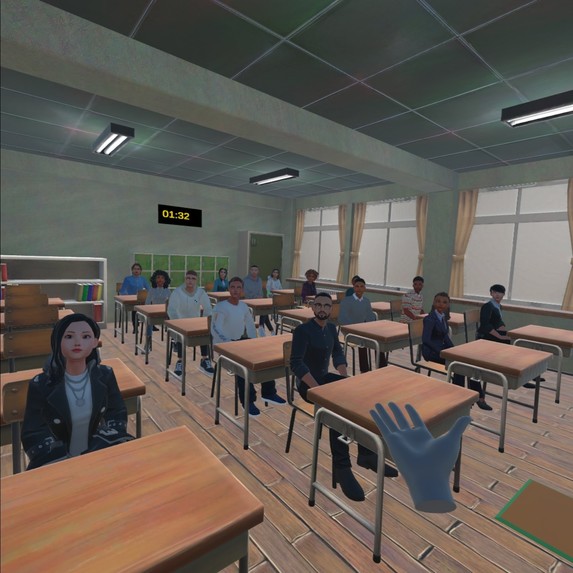
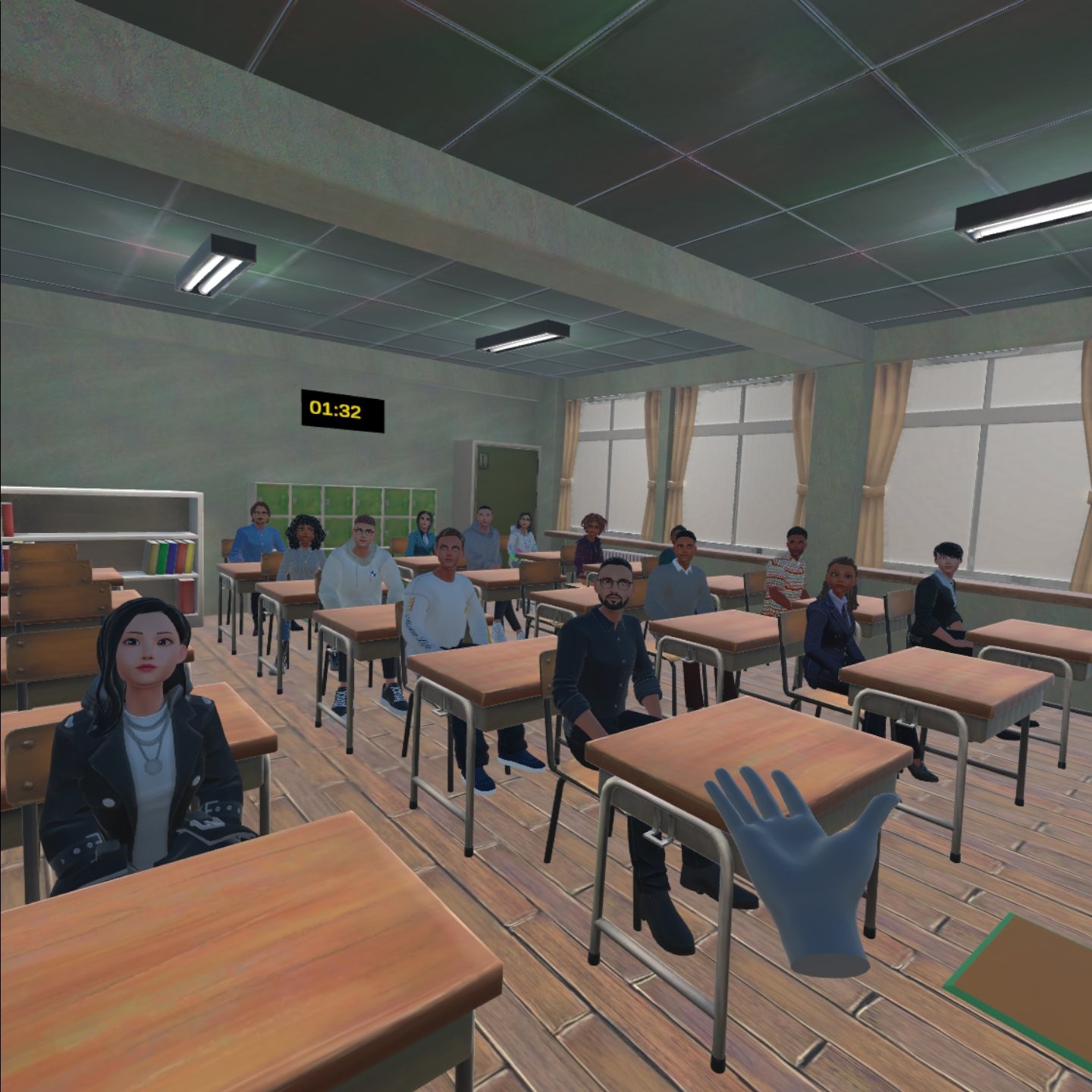
AWRA Presenting in the Class Room
Inspiration
Our motivation to develop the VR App, named "AWRA," stemmed from the significant societal issue posed by glossophobia, a prevalent fear of public speaking. The National Institute of Mental Health reports that this fear affects a staggering 75% of the global population. Our initial shock upon discovering this widespread challenge prompted us to delve deeper into the issue. Glossophobia, often underestimated, can manifest in various symptoms such as speech anxiety leading to stammers and tics, avoidance of public speaking, heightened anxiety levels, physical manifestations like increased blood pressure and perspiration, as well as more severe reactions like panic and an overwhelming urge to escape stressful situations. Recognizing glossophobia as a major social problem, we are dedicated to addressing its impact through the innovative therapeutic approach offered by our VR App, AWRA.
What it does
AWRA goes beyond the virtual reality experience by offering an integrated web application that enhances the user's journey in overcoming glossophobia. It provides users with valuable insights into their VR activities and progress. Leveraging cutting-edge technologies, the app incorporates eye tracking and gaze direction, voice recognition, and text analysis. These features enable a comprehensive assessment of the user's presentation skills, identifying areas such as word repetition, omissions, and spelling errors. Moreover, our web application facilitates seamless interaction with the VR environment. Users can conveniently upload their presentation slides through the website, granting them the flexibility to choose specific slides for practice within the VR app. Alternatively, users can leverage the power of ChatGPT integration on the app side to generate new sets of slides simply by entering their topic of interest. This innovative feature not only streamlines the preparation process but also enhances the user's ability to tailor their practice sessions to specific content areas.
How we built it
We built AWRA using Unity3D for the VR environment, Django for backend development, and HTML, CSS, and Javascript for the landing page and web application. To enhance user experience, ChatGPT generates slides, Azure Speech to Text provides voice recognition, and ReadyPlayer generates lifelike characters. This collaborative tech stack ensures an immersive and effective solution for overcoming glossophobia through a seamless integration of virtual reality and advanced technologies.
Challenges we ran into
We encountered challenges during the development of AWRA, primarily due to budget constraints, hindering our access to certain beneficial APIs and impeding the acquisition of VR headsets. Additionally, a shortage of expertise posed difficulties, as our team comprised only three members, a Fullstack developer, a Unity developer, and a 3D artist. Despite these challenges, we navigated resource limitations and skill gaps to successfully bring AWRA to fruition, leveraging our collective expertise to address and overcome these hurdles.
Accomplishments that we're proud of
We take pride in several noteworthy accomplishments with the launch of AWRA, our first MVP. The successful deployment on SideQuest and Oculus Store marks a significant milestone, providing a broader audience access to our virtual reality solution for glossophobia. Receiving valuable feedback from Jennifer Rogers on our official LinkedIn page reflects the positive engagement and recognition of our efforts within the professional community. Notably, our impact has been reflected in the impressive metrics, with over 900 visitors and 150 downloads on SideQuest alone, underscoring the growing interest and adoption of AWRA within the VR community.
What we learned
Throughout the development and launch of AWRA, we gleaned invaluable insights and experiences. Firstly, overcoming budget constraints and successfully launching on SideQuest and Oculus Store highlighted the importance of resourcefulness and strategic planning in a startup environment. Second, receiving feedback from industry professionals like Jennifer Rogers reinforced the significance of community engagement and the impact of our work in the broader context. Lastly, the positive reception evidenced by over 900 visitors and 150 downloads on SideQuest underscored the importance of user-centric design and meeting the needs of our target audience. These lessons guide our ongoing efforts to enhance AWRA and continue addressing the challenges of glossophobia in innovative ways.
What's next for AWRA
The future roadmap for AWRA is exciting and dynamic. We are committed to enhancing our existing features, ensuring a seamless and immersive experience for users overcoming glossophobia. Additionally, we plan to introduce more advanced features, leveraging innovative technologies to further empower our users. Continuous updates will be a key focus, driven by user feedback and engagement, with a dedicated effort to motivate and expand our user base. Simultaneously, we will prioritize marketing initiatives to raise awareness and generate revenue, ensuring the sustained growth and impact of AWRA in addressing the challenges of public speaking anxiety.

Log in or sign up for Devpost to join the conversation.