-
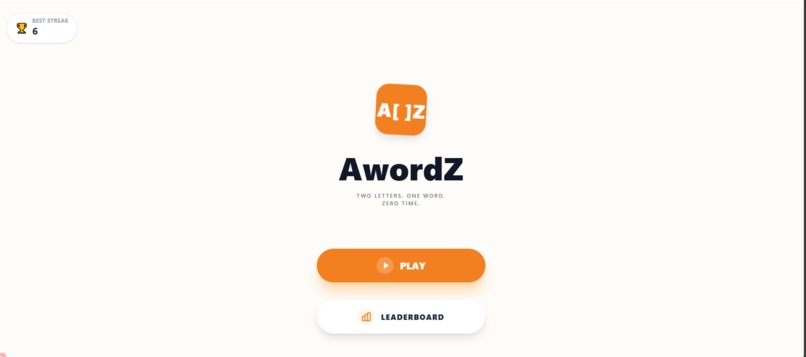
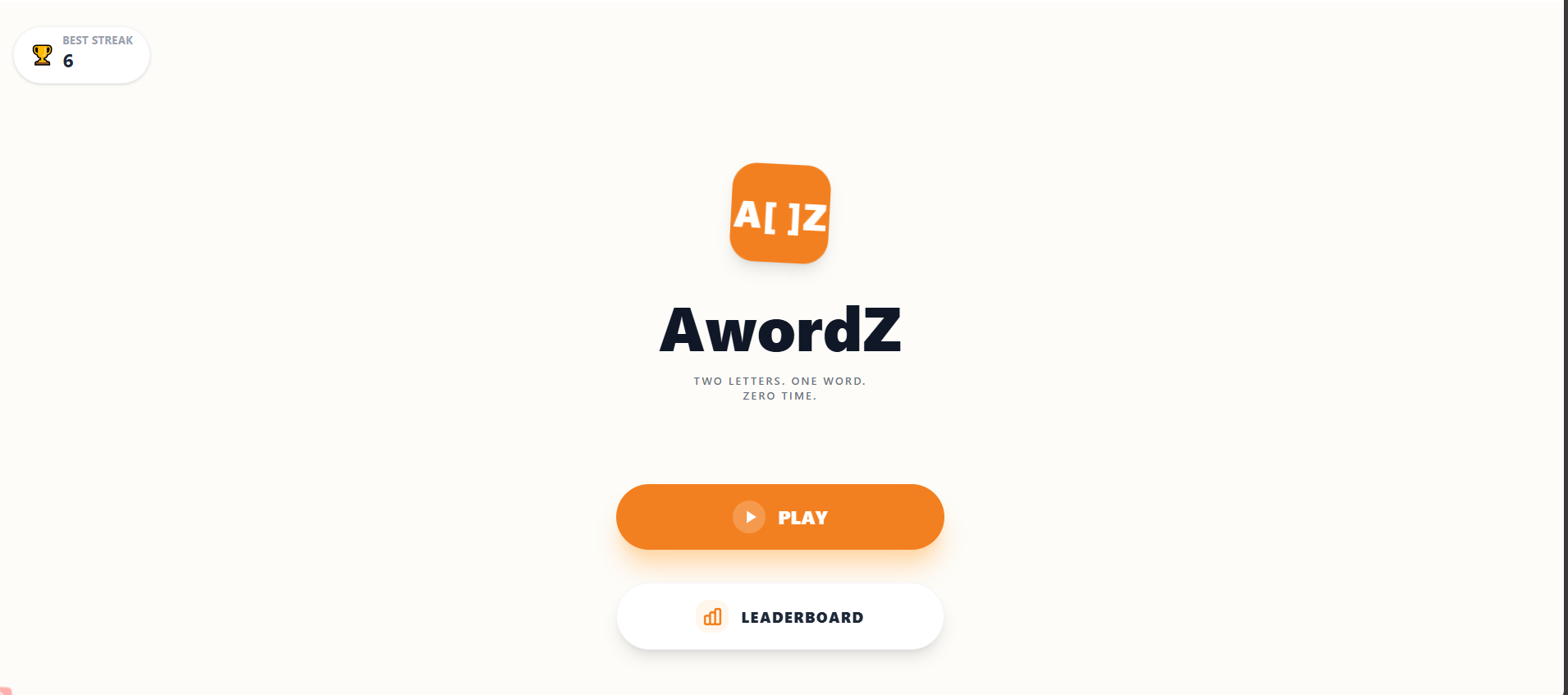
Main Menu
-
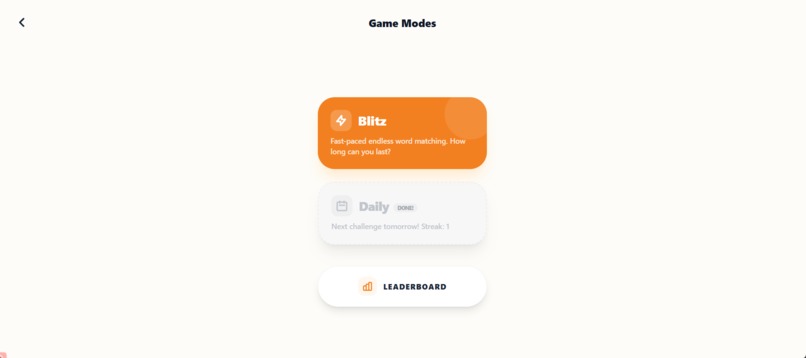
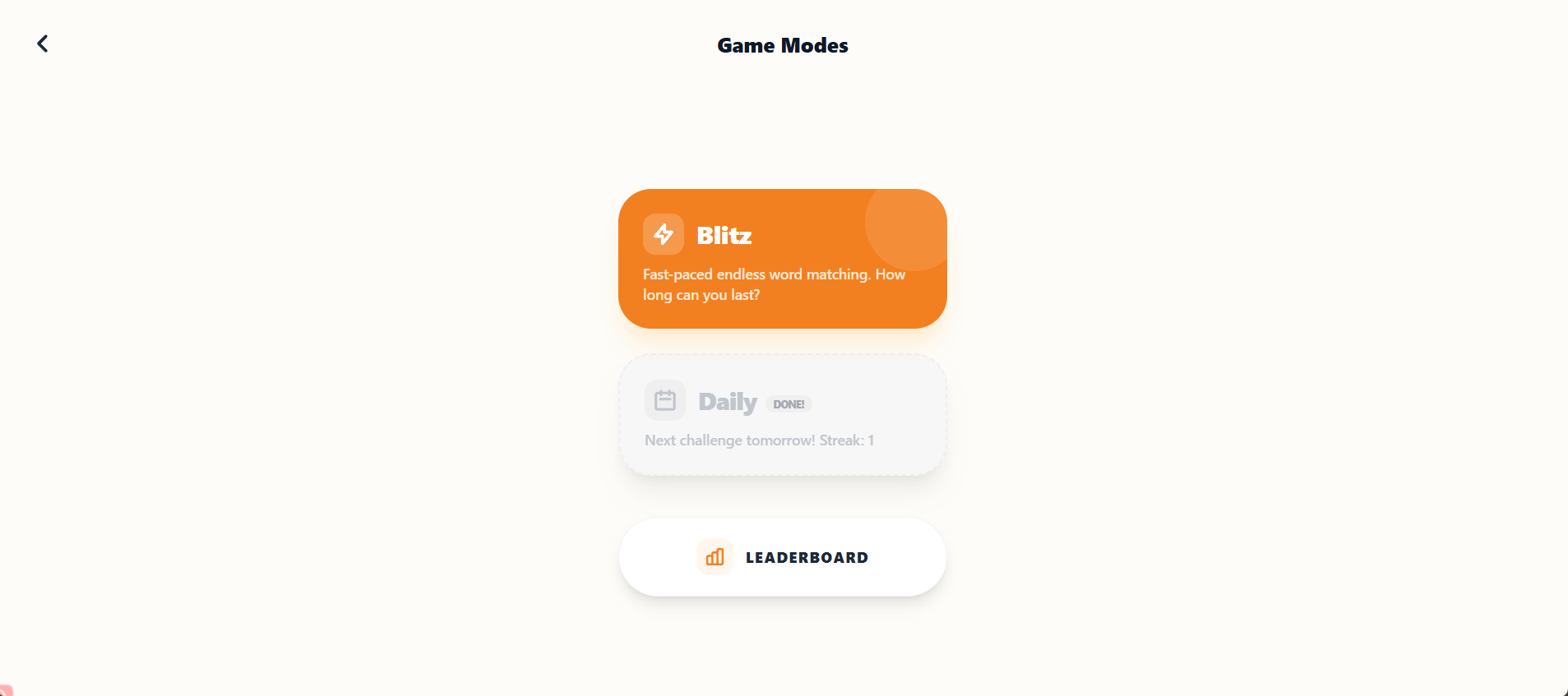
Game Mode Selection
-
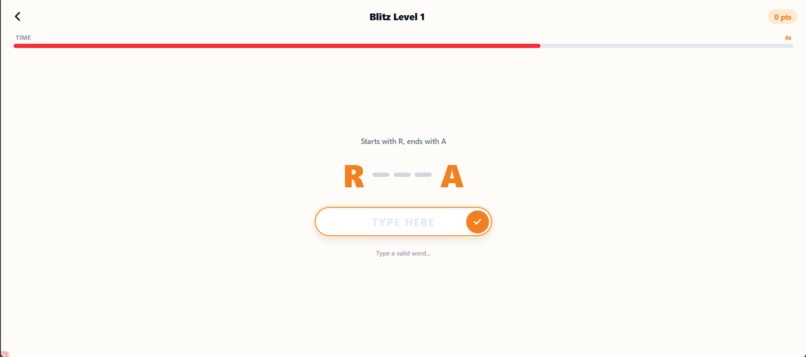
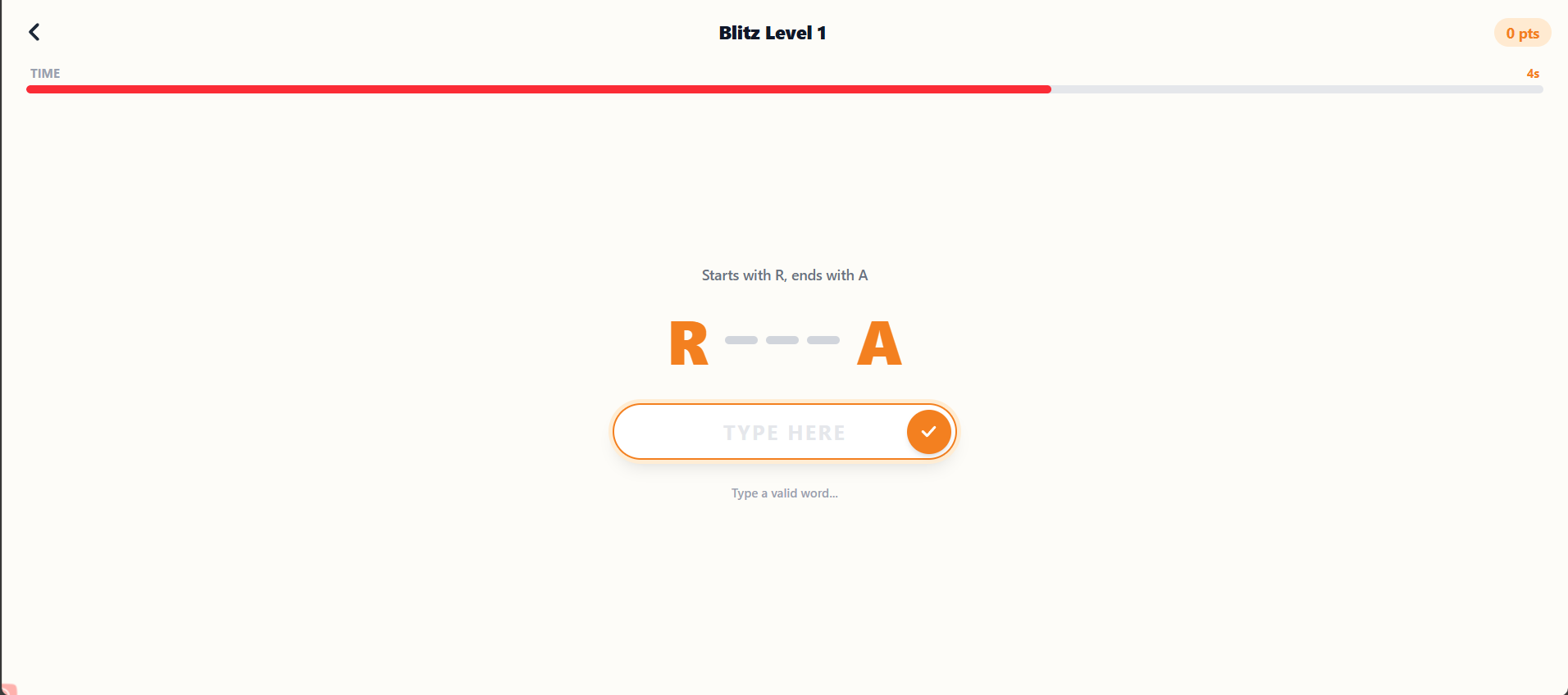
Blitz Mode
-
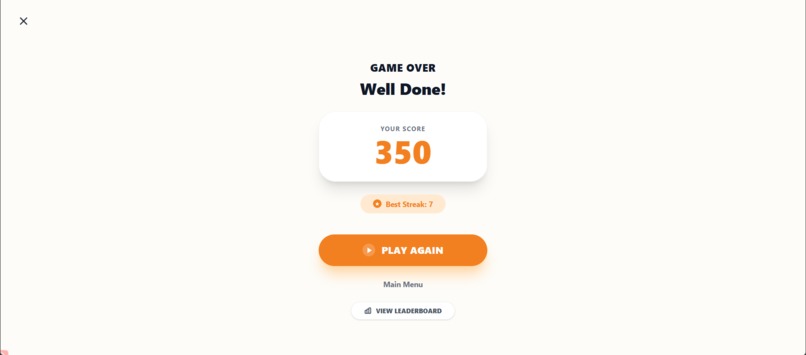
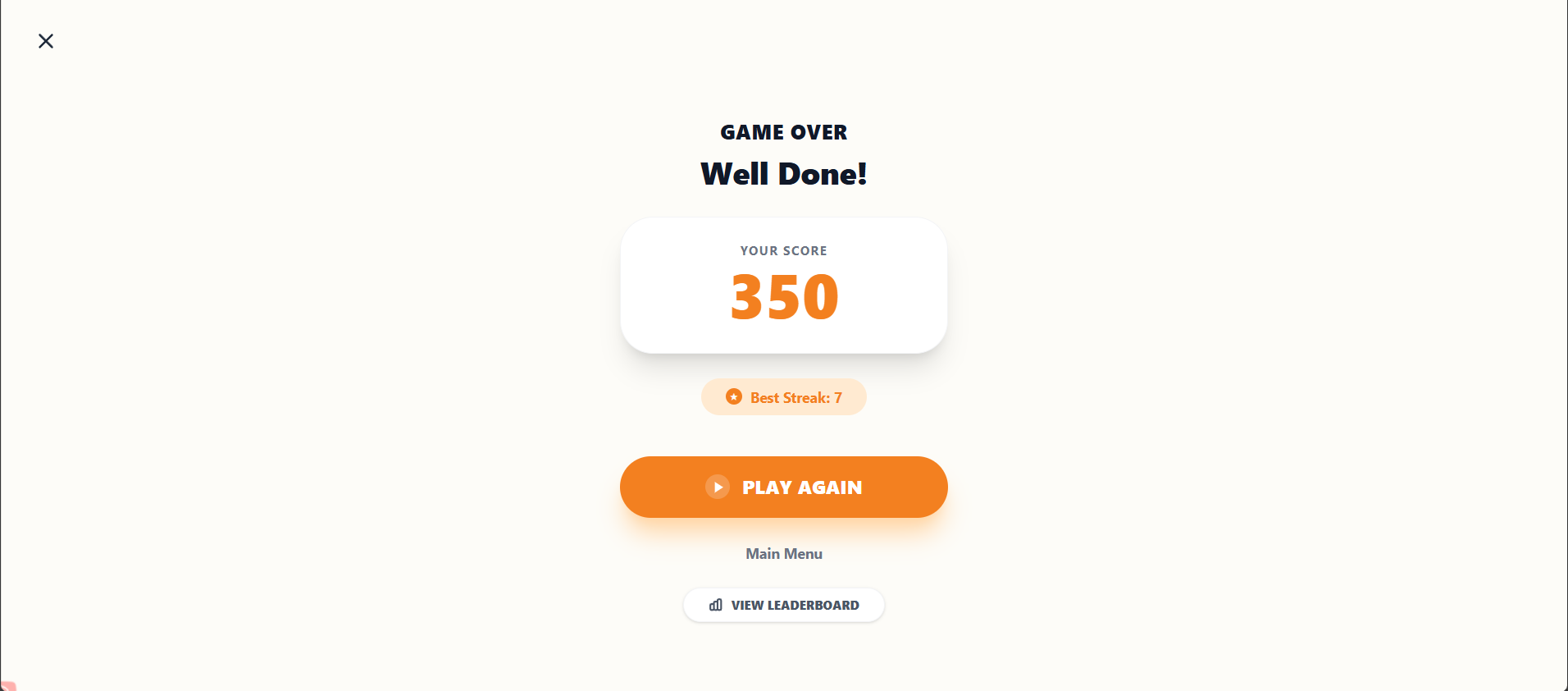
Game Over Screen
-
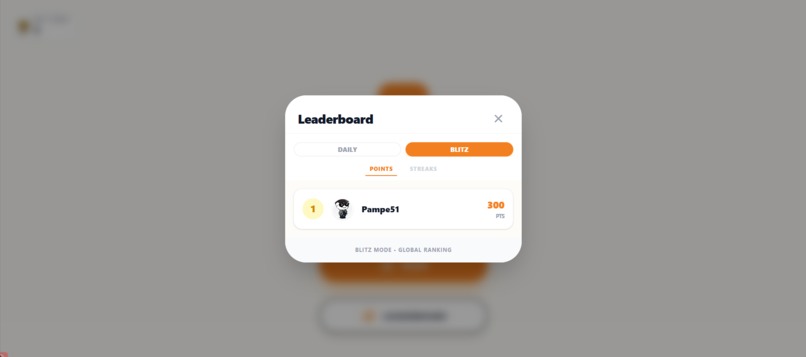
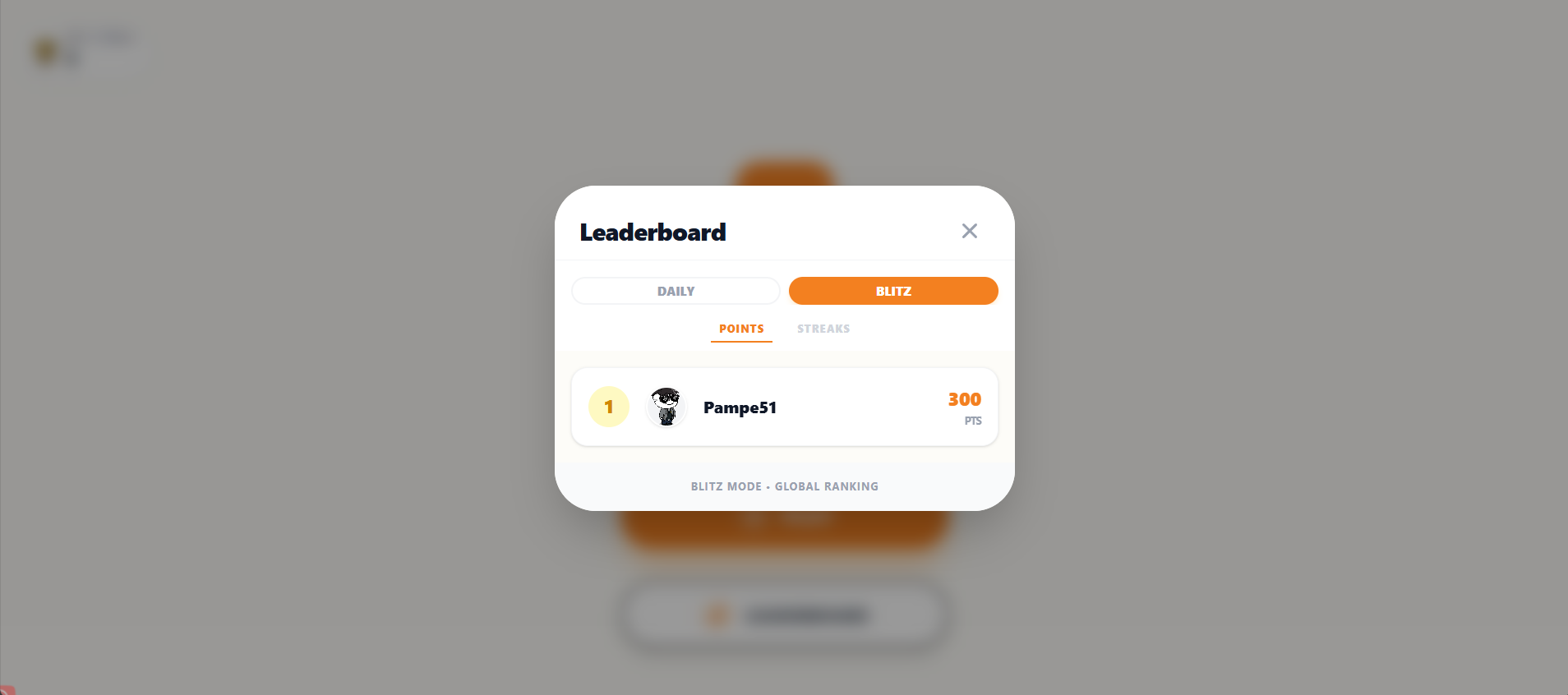
Leaderboard
Inspiration
The idea was born from scrolling through TikTok. I noticed a viral trend where one person said a letter, the other said another one, and they had to race to think about a word with those starting and ending letters. It was simple, chaotic, and incredibly engaging. I realized this "tip of the tongue" feeling could be gamified into a polished, competitive web experience that tests not just vocabulary, but mental reflexes. I wanted to capture that 5-second adrenaline rush and turn it into a game you can’t stop playing.
What it does
AwordZ is a hyper-casual word game designed for speed. The core loop is deceptively simple:
- Blitz Mode: The game gives you a start letter (e.g., 'A') and an end letter (e.g., 'Z'). You have just seconds to type a valid word (e.g., "ABUZZ"). If you succeed, you earn points based on word length and speed, and the timer resets. If you fail, it's Game Over.
- Daily Challenge: Inspired by Wordle, this mode generates a unique, identical sequence of letter pairs for everyone in the world each day. Players compete to see how fast they can get to the end of the 20-pair chain without making any mistakes.
- Leaderboards: A global ranking system to see who has the fastest brain in the room.
How I built it
- Frontend: I used React to create a snappy, single-page application experience. The UI was designed to be distraction-free, focusing entirely on the letters and the timer.
- Game Logic: I implemented a local dictionary validation system to ensure zero latency; checking the word happens instantly without waiting for an API call, which is crucial for a speed-based game.
- Database: I utilized the Redis integration of Devvit to handle the real-time leaderboards and to synchronize the "Daily Challenge" seeds, ensuring every user gets the exact same letter pairs every 24 hours.
Challenges I ran into
- The "Impossible Pair" Problem: Initially, the random generator would create pairs like "Start with X, End with J" for which no common words exist. I had to refine the algorithm to pre-validate pairs against our dictionary before showing them to the user.
- Balancing Difficulty: Finding the sweet spot for the timer was tricky. Too short, and it was frustrating; too long, and it was boring.
- Dictionary Sanitation: Cleaning the word list to remove obscure, archaic words while keeping it extensive enough to accept valid slang or common terms.
Accomplishments that I'm proud of
- The "Daily" Engine: I am really proud of the logic behind the Daily Challenge. It successfully generates a deterministic sequence of challenges based on the date, creating a shared community experience without needing manual curation.
- Instant Feedback UX: Achieving a UI that feels "juicy" and responsive, yet very minimalistic. The visual cues when the time is running out and the instant validation make the game feel professional and native.
- The Stickiness: I found myself playing it for hours during testing instead of coding - which is usually a good sign that the game is fun!
What I learnt
I learned a lot about optimization for high-frequency interactions. When a user has only 5 seconds, every millisecond of input lag matters. I also learned about the importance of Visual Hierarchy in UI design; stripping away non-essential elements helped users focus entirely on the cognitive task.
What's next for AwordZ - Two Letters. One Word. Zero Time.
I think the game has real potential to become an actual Android/iOS standalone app. I came up with other game modes and features as well that could be implemented:
- Party Mode (Bomb Mode): A local multiplayer feature where friends pass the phone around like a ticking time bomb until someone fails to find a word.
- Real-time 1v1: A duel mode where two players get the same letters simultaneously, and the first to answer "attacks" the other.
- Multi-Language Support: expanding the dictionary to languages such as Spanish and Portuguese to reach a global audience.


Log in or sign up for Devpost to join the conversation.