-
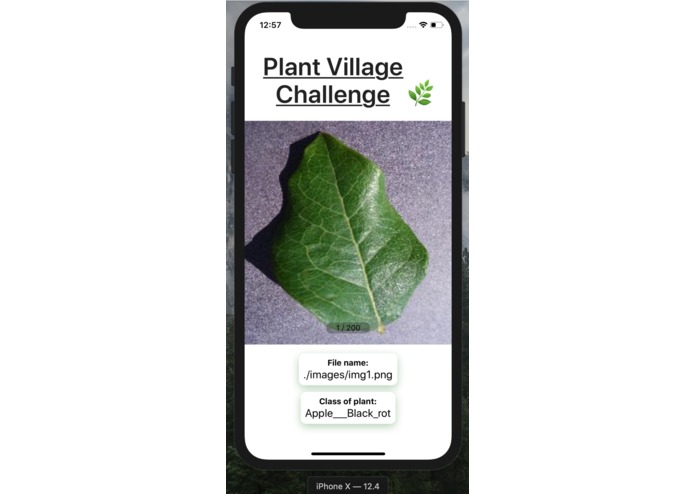
UI-overview
Inspiration
Climate change has resulted in a rapid spread of plant diseases, due to the increase in temperature that favours bacterial multiplication and dispersal. However, it is time and resource consuming to analyse the leaves for dense areas of vegetation. As such, Flora, helps recognise leaves that have been affected by a particular disease, and maps the location on google back to keep track of the spread of the disease in order to counter it
What it does
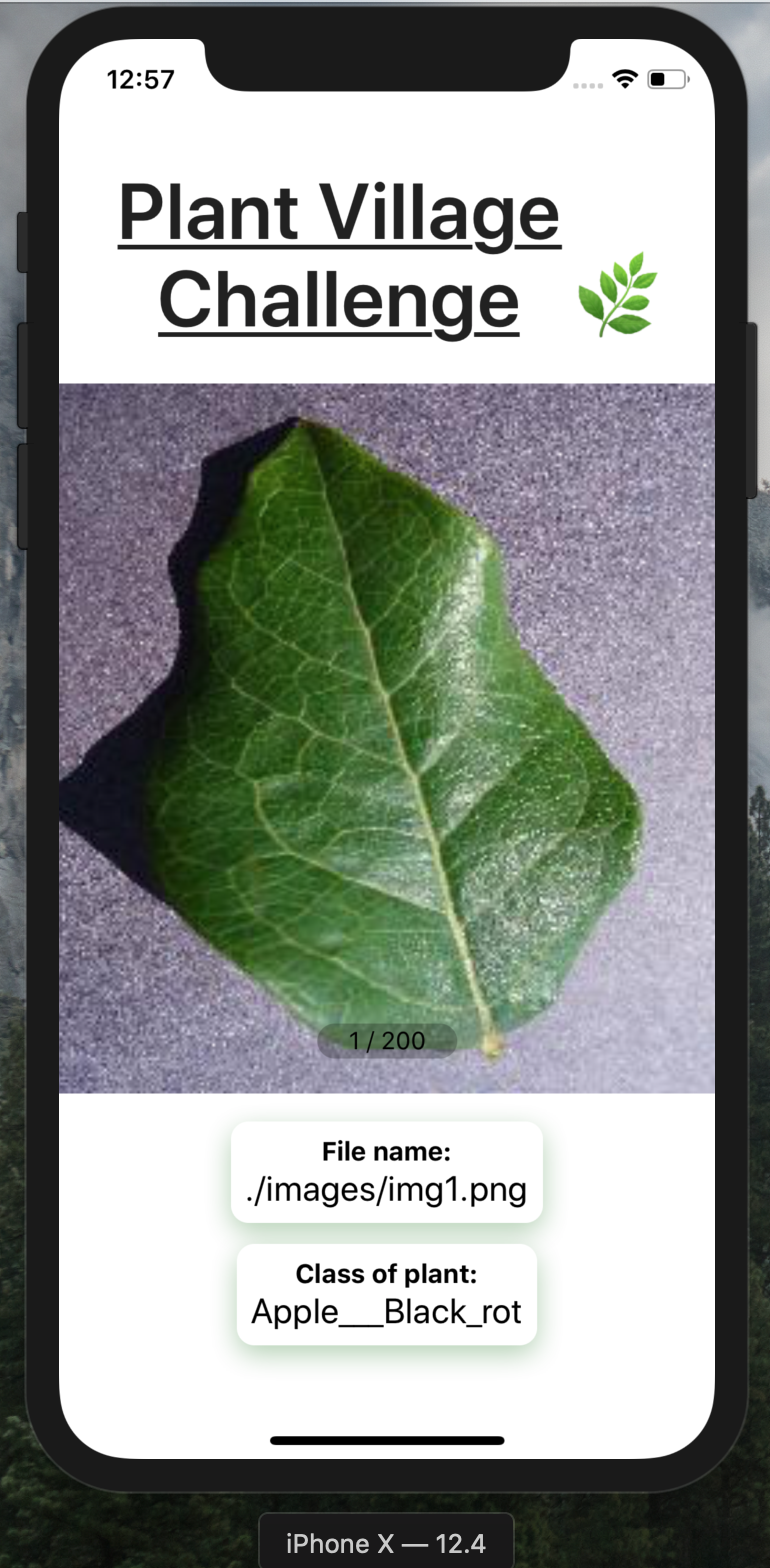
This is a mobile application based on a classifier classifies different categories of leaves (diseased or non-diseased), with a map spreading based on the Google Map API showing the area of the diseased leaves. All the leaf data has been pre-loaded to the application. The user just needs to swipe the leaf pictures to choose the one they wish to detect from, click the image for a map spreading demonstration, and click “Predict!” button to see which class this piece of leaf actually belongs to.
How I built it
We used Python to write the AI agent (the classifier), mainly Keras library for data training. Then we used React Native to write the Android/iOS cross platform UI features and Flask to build a REST API. We also attempted to use the Google API to display a map into the UI to show the non-healthy leaf spreading area.
Challenges I ran into
Since we had never built such AI before or a mobile app, most of the challenges were technical ones:
- Setting up the AI model layers
- Improving the accuracy of the AI and speed
- Learning Python in a small amount of time
- Building a REST API in Python using Flask
- Integrating the API with the AI model
- Integrating the UI with the API
Accomplishments that I'm proud of
- Created a cross platform mobile application for both Android and iOS phones.
- Coded a nice-looking User Interface, clear and very easy to use.
- Wrote an AI agent whose algorithm is 100% implemented and trained by our own as the classifier.
- The data processing from Front-end to back-end and back is fluent and accomplished in a short period of time.
- This is actually the first time we finished a Hackathon and actually handed in a completed project! (two out of three of us don’t even know Python)
What I learned
- We got to know more people of the AI community here in Montreal and learn about the interesting projects that are happening here!
- We have learnt about fast-ai, which takes the weight of hyper-parameter tuning off our shoulders and it's faster!
- However we can't really see what is happening under the hood. We also learnt a how to link our model to a mobile application via react native. - We have learned to use Flask. We had never built the Backend of an application on our own before and we are proud that we have managed to do that here
What's next for Flora
Since Flora was just a week-end project, there is still a lot of room left for improvement. We want to add access to phone to take pictures instead of just uploading images. We also want to improve the algorithm that defines the affected area. We are looking to implement the geolocation data extraction, that is independent of where the image is stored. We also want to deploy the Backend of our application as well the Frontend to make it usable.
Built With
- flask
- keras
- react-native

Log in or sign up for Devpost to join the conversation.