-
-
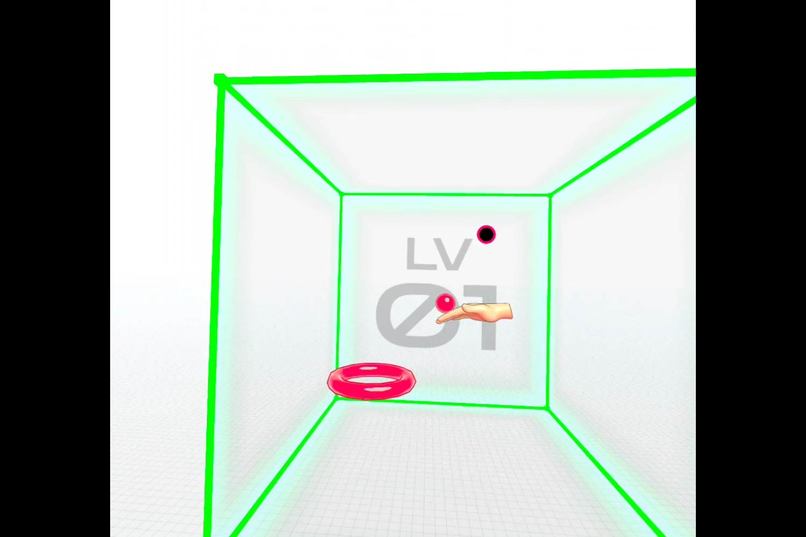
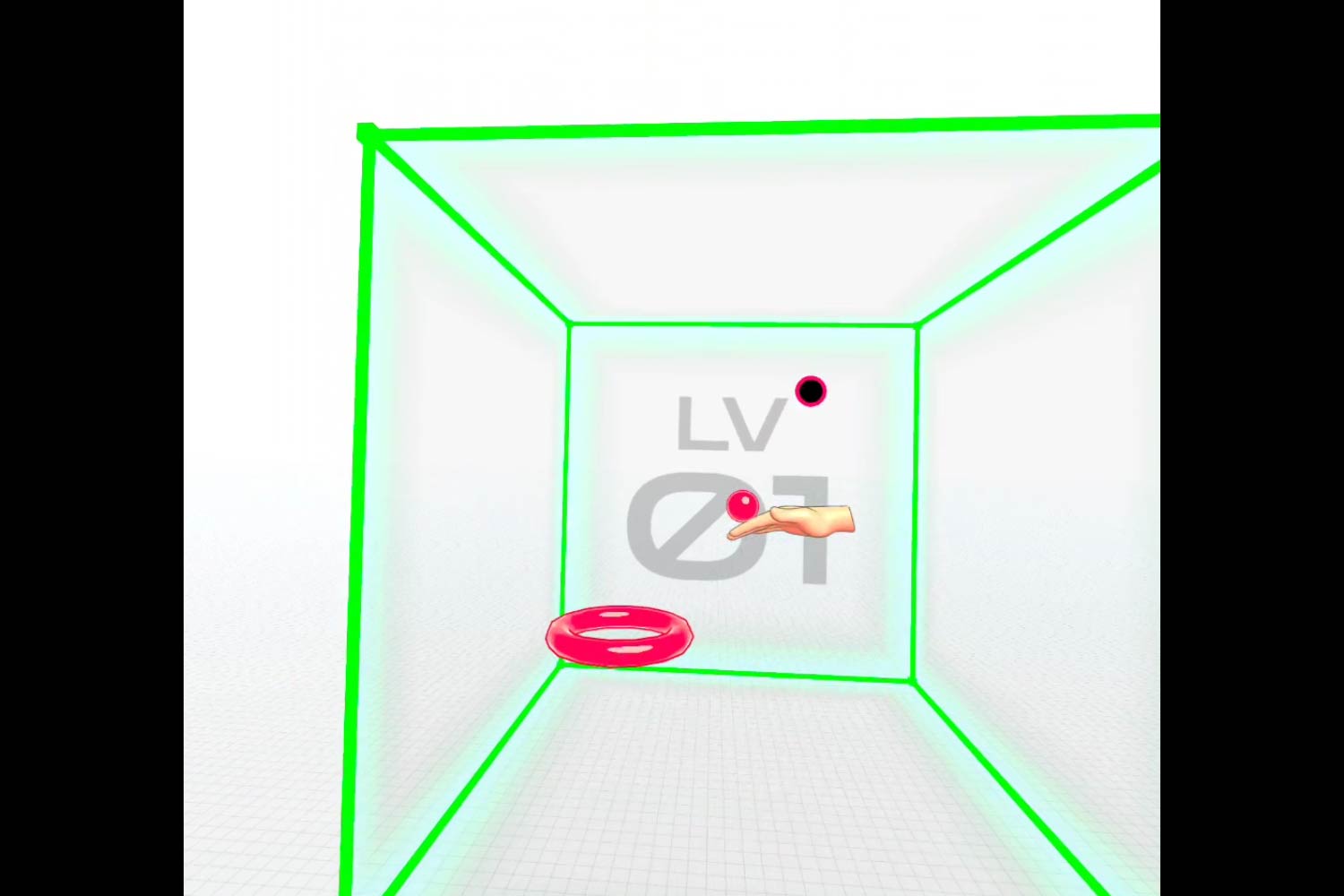
Guide the ball to the goal.
-
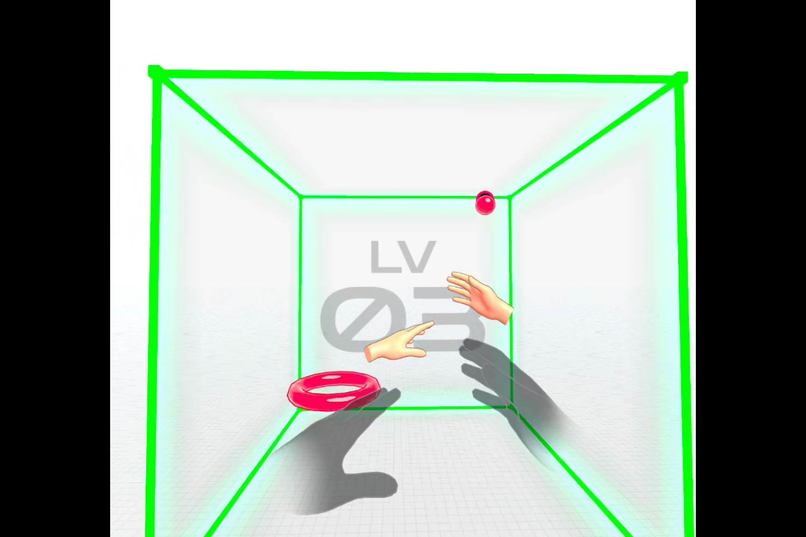
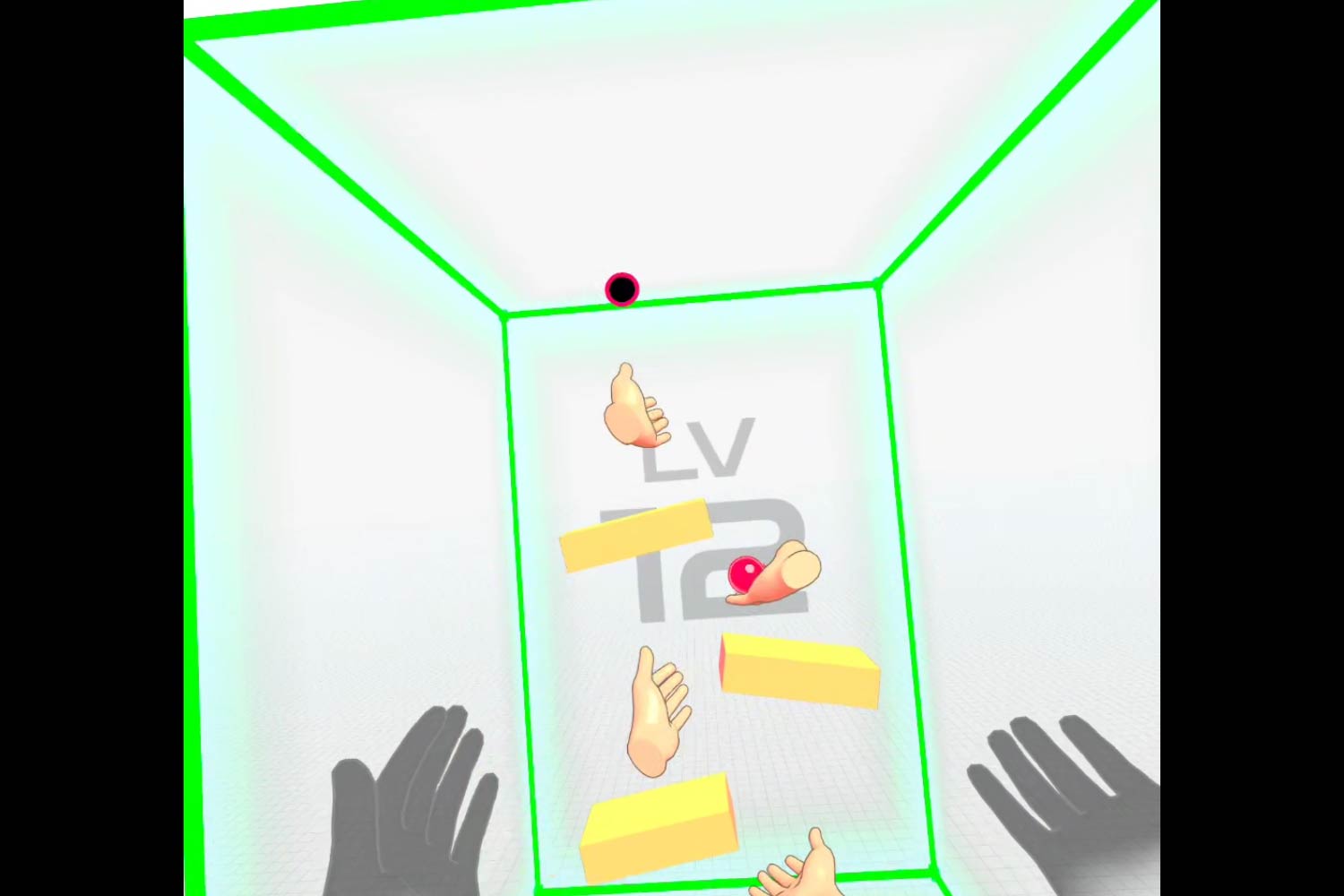
Sometimes you’ll need both hands.
-
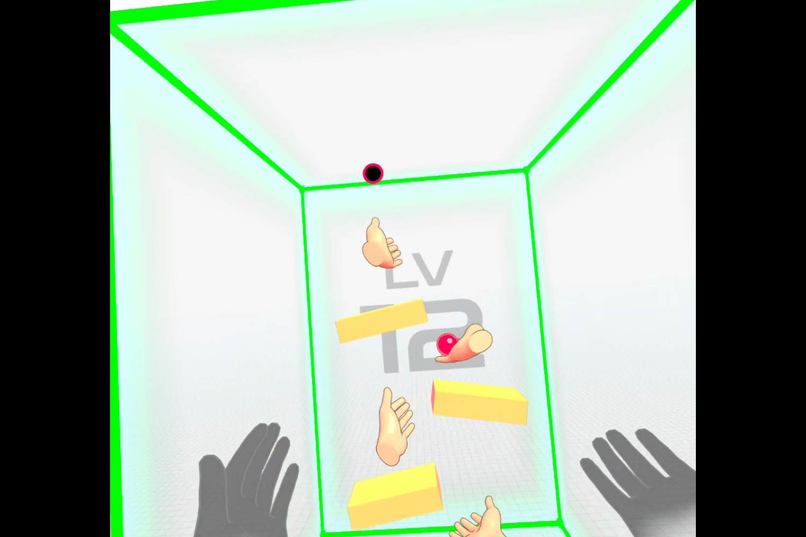
A stage where you pass the ball back and forth between both hands.
-
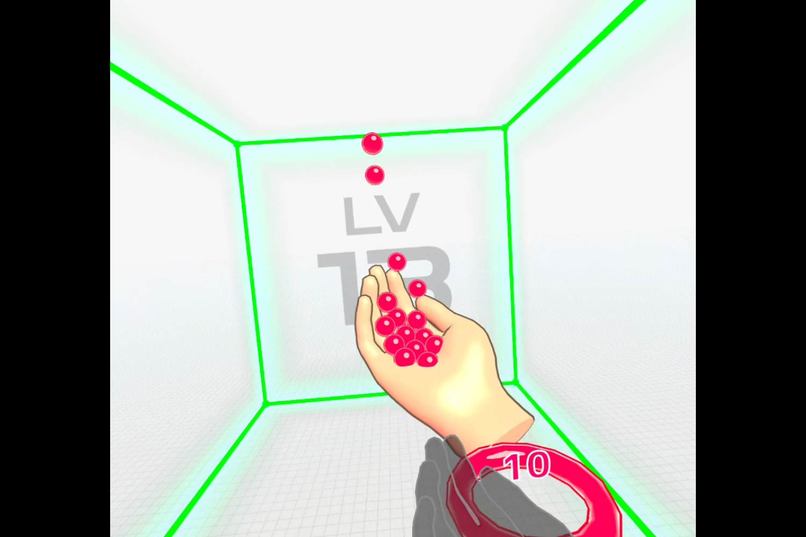
A stage where a giant hand guides lots of tiny balls into the goal.
-
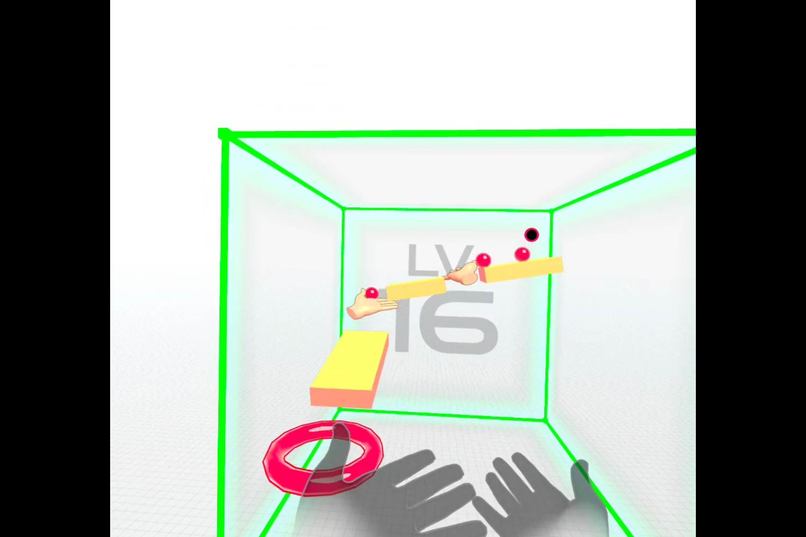
A stage where you use your hands as a bridge to pass the ball along.
-
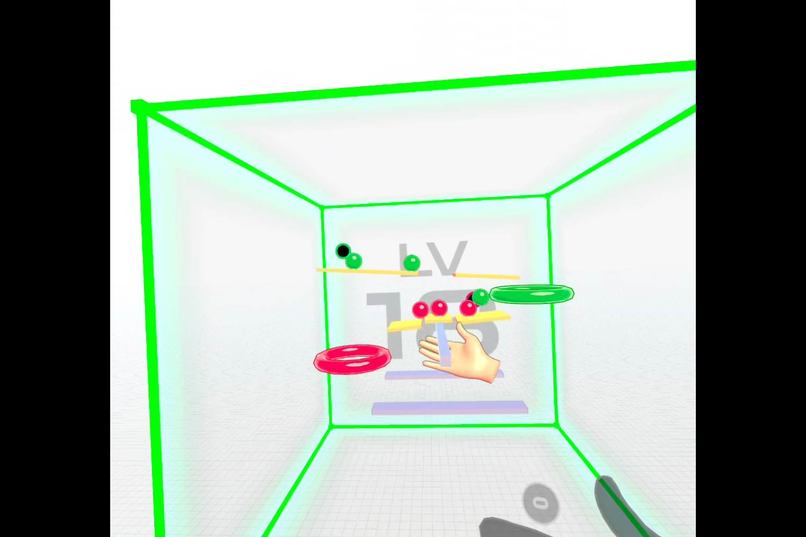
A stage where you move boards up and down to build a path that carries the ball to the goal.

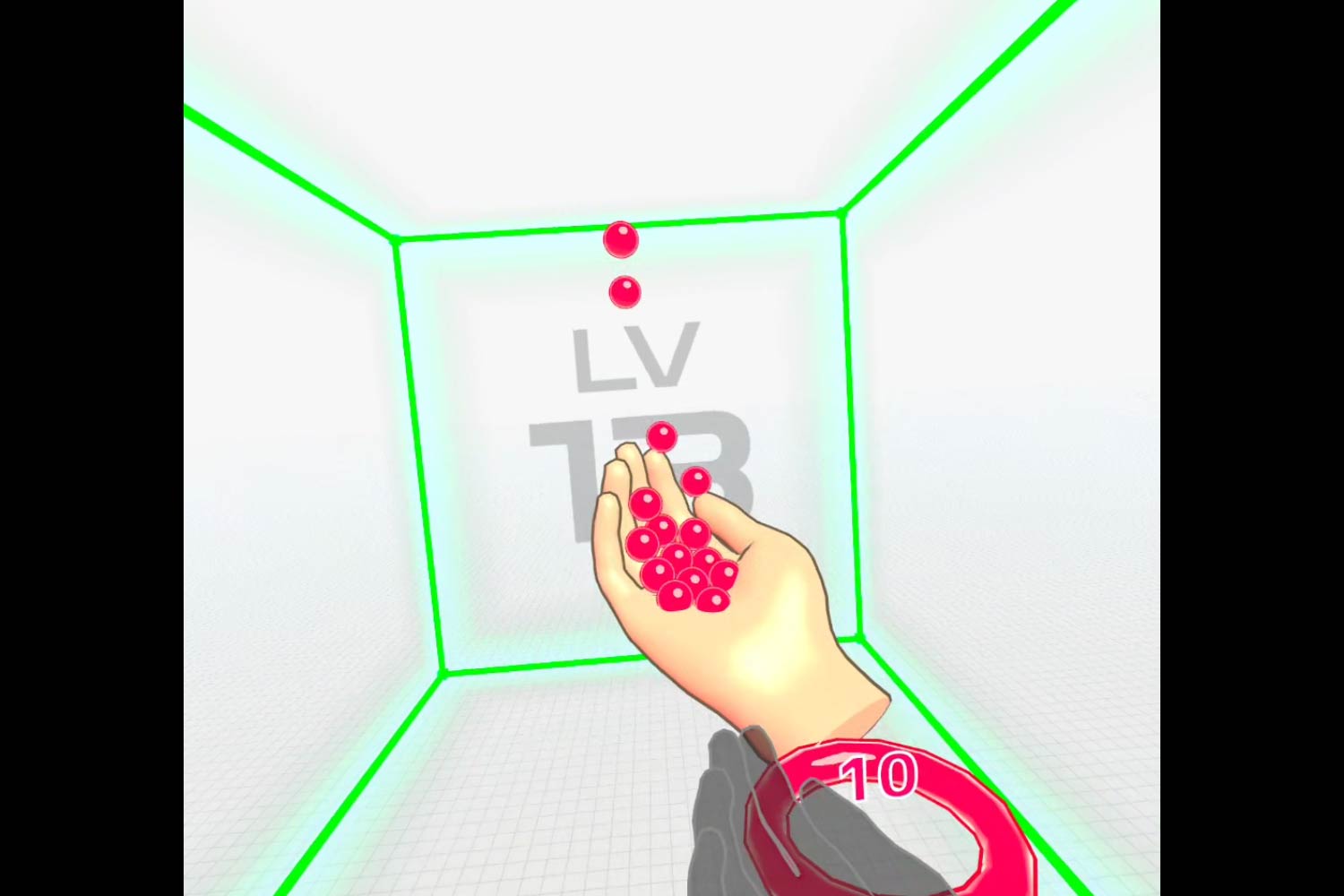
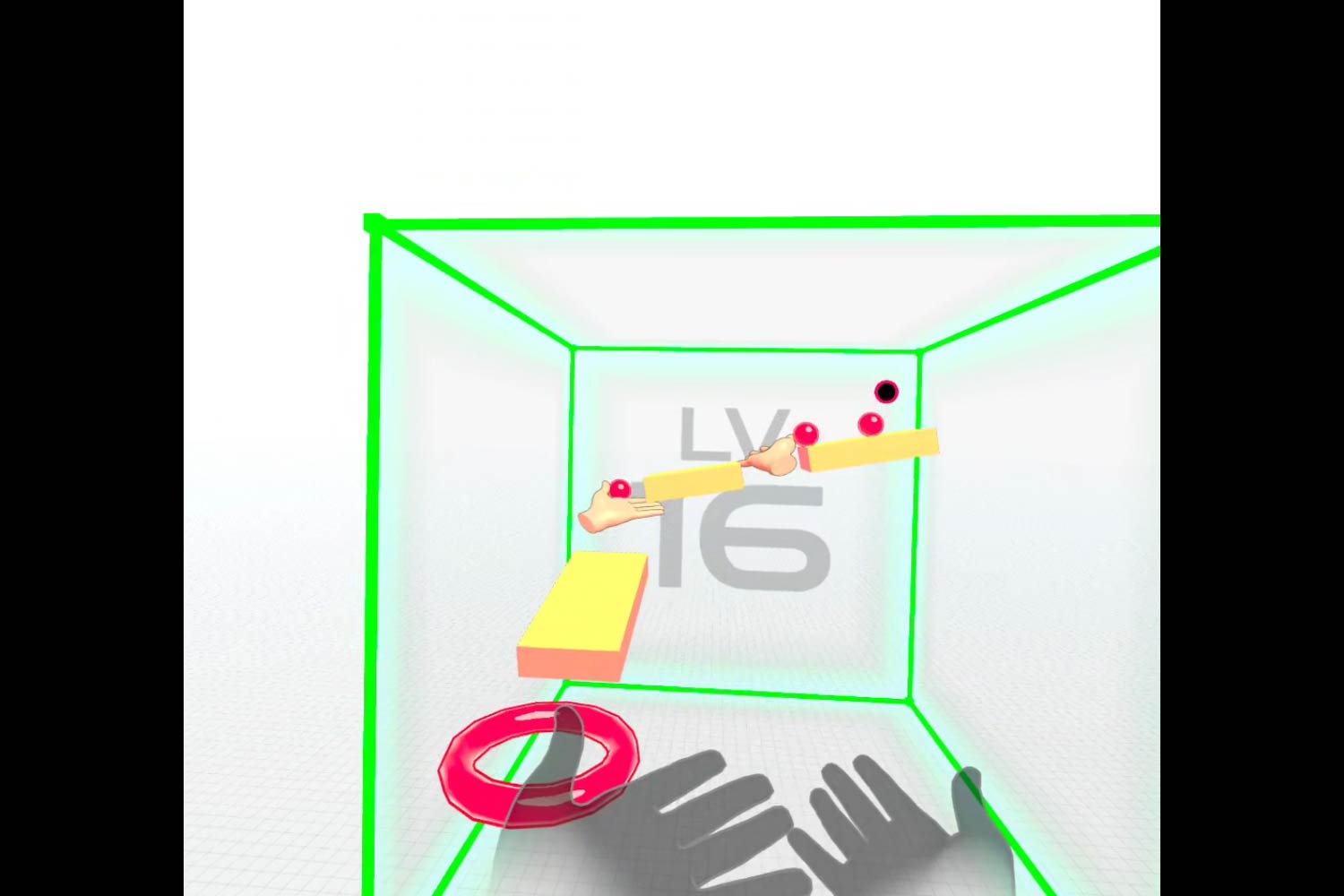
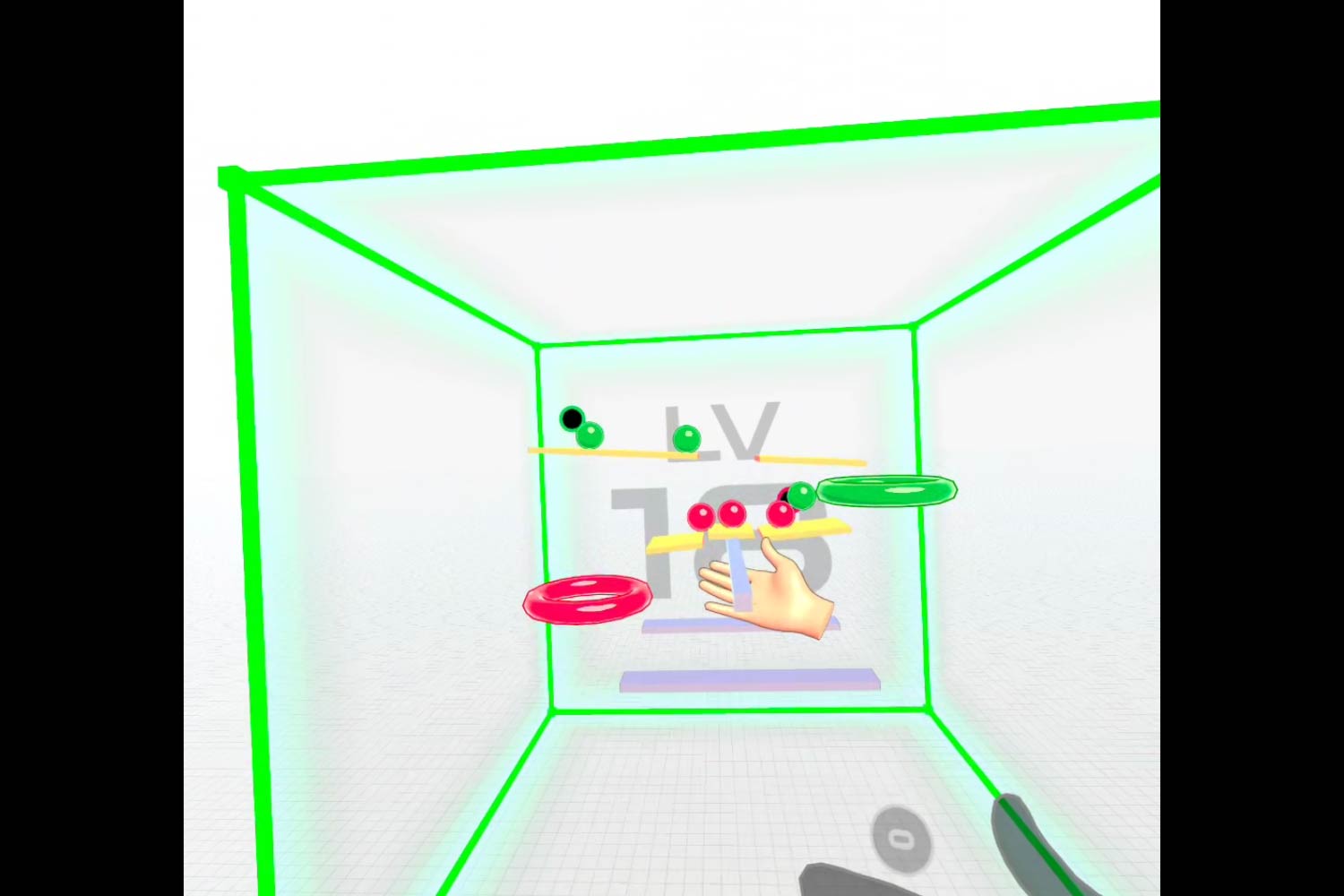
This is our first time developing for a VR device. To deepen our understanding of Meta Quest, we played many different games on the device and ran technical experiments in Unity. Through that process, we were amazed by how accurate the hand tracking was.
"Let's make a game that uses your own hands!"
When we started this project, we set the theme: "Fully leverage the strengths of the device to create a unique experience unlike anything before."
Hand tracking was the perfect technology to match that theme.
What's especially noteworthy is that the tracked hands can be placed in the Unity scene as meshes and colliders. That's when we realized we could create a physical, physics-driven game around them.
Our motto in game development is: "Make easy-to-understand games that people all over the world can enjoy." Being able to use the most intuitive controller humans have—their hands—fits perfectly with that philosophy.
That's how we arrived at blending this unique hand-tracking input with a simple puzzle game.
Building Blocks offers excellent support for developing on Meta Quest, but it probably wasn't designed with use cases like spawning three or more hands in a scene, placing them wherever we like, scaling them up or down, moving them around, or rotating them freely. (If anyone from the Building Blocks team is reading this, please don't be offended—we're the odd ones here. Thanks to Building Blocks, we were able to get started very smoothly.) So, while making the game, we also developed workflows that let us design levels with three or more hands without issues, as well as collider components that still work even when hand sizes change. It took us some time because we weren't used to this yet, but we believe it gave us a lot of freedom in level design.
In this version, we haven't included any levels that make use of the grab feature, but the implementation itself is actually already complete. We hope to deliver unique forms of play that involve grabbing and holding objects in future updates.
The combination of a powerful interface like hand tracking and simple physics-based puzzles has incredibly high synergy, and we never run out of ideas. Going forward, we want to keep exploring new kinds of play and turn this into a game with even more breadth. Its potential truly feels limitless.


Log in or sign up for Devpost to join the conversation.