-
-

App Icon
-
-
-
-
-
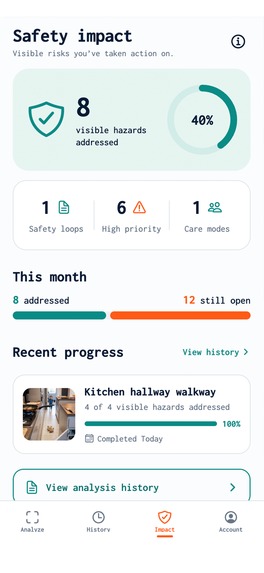
Track your safety progress
-
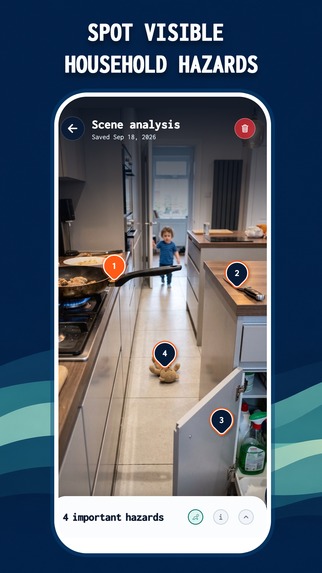
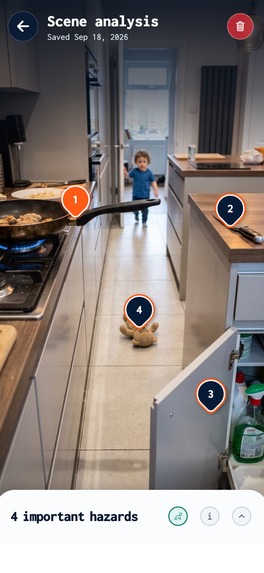
Spot visible household hazards
-
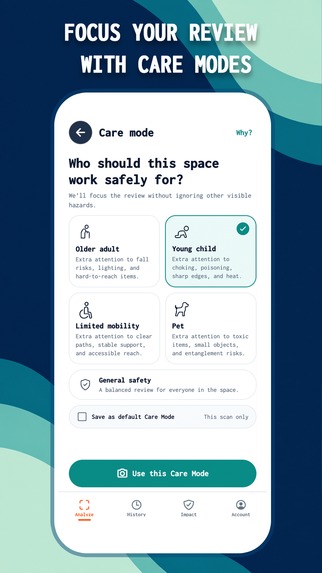
Focus your review with Care Modes
-
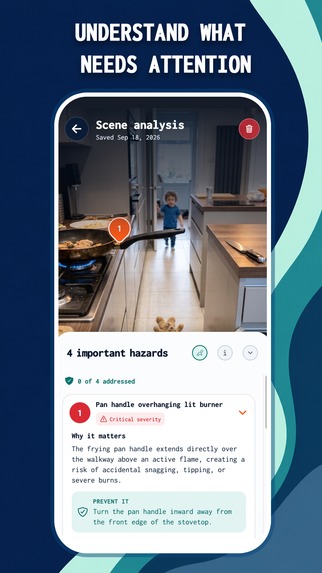
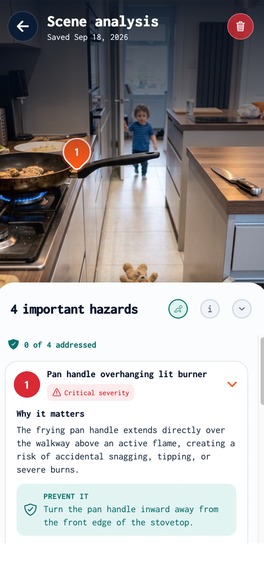
Understand what needs attention
-
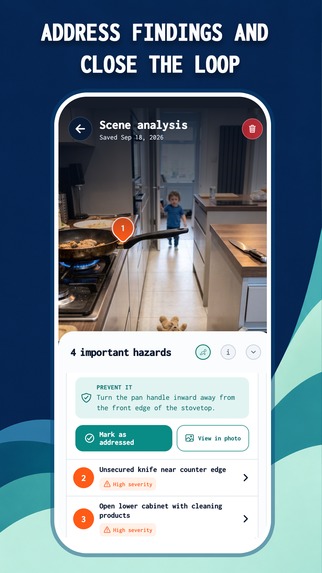
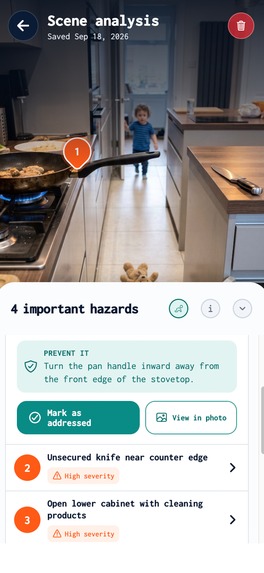
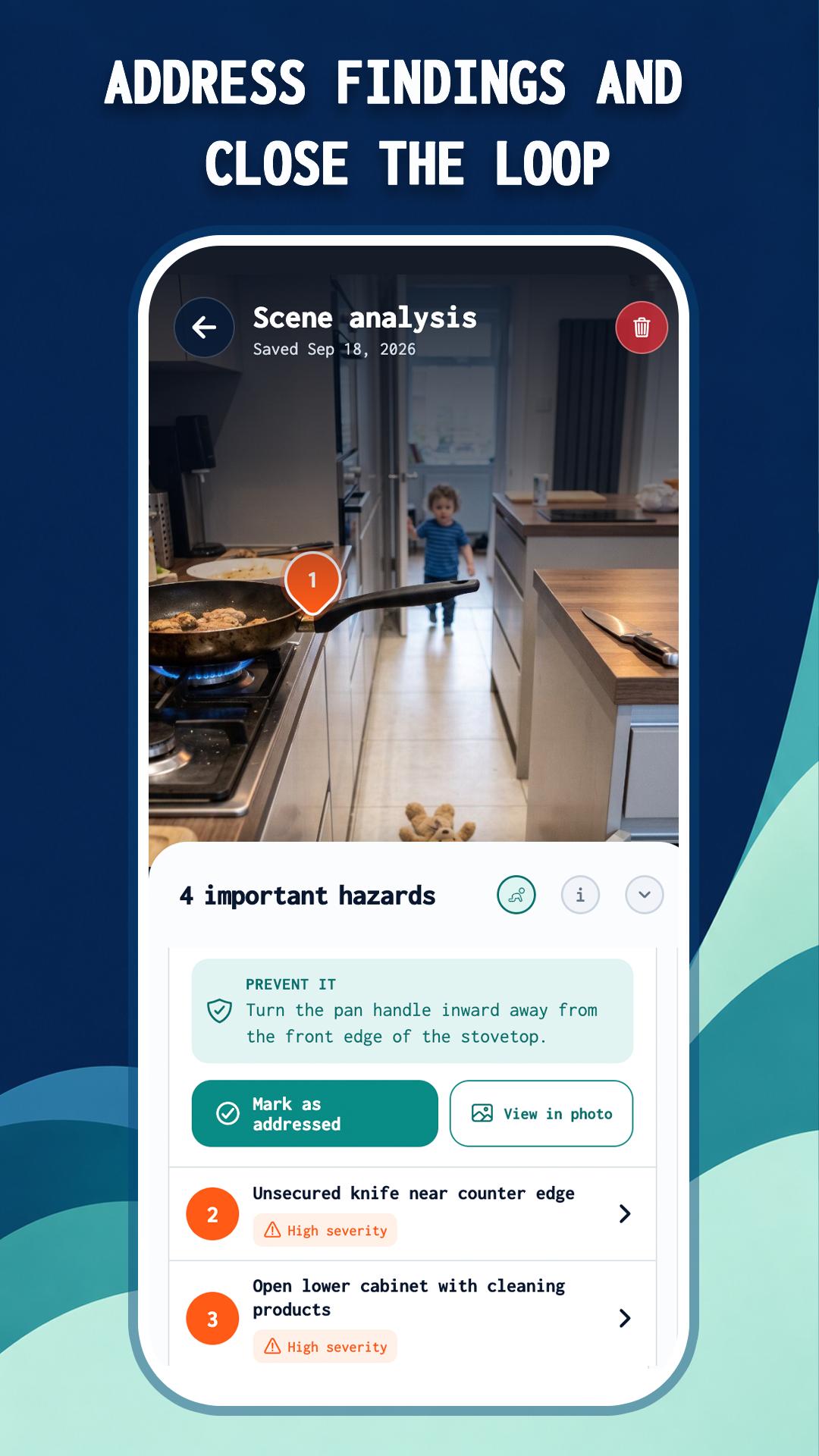
Address findings and close the loop
-
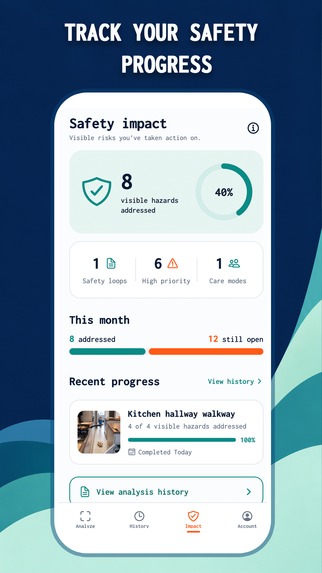
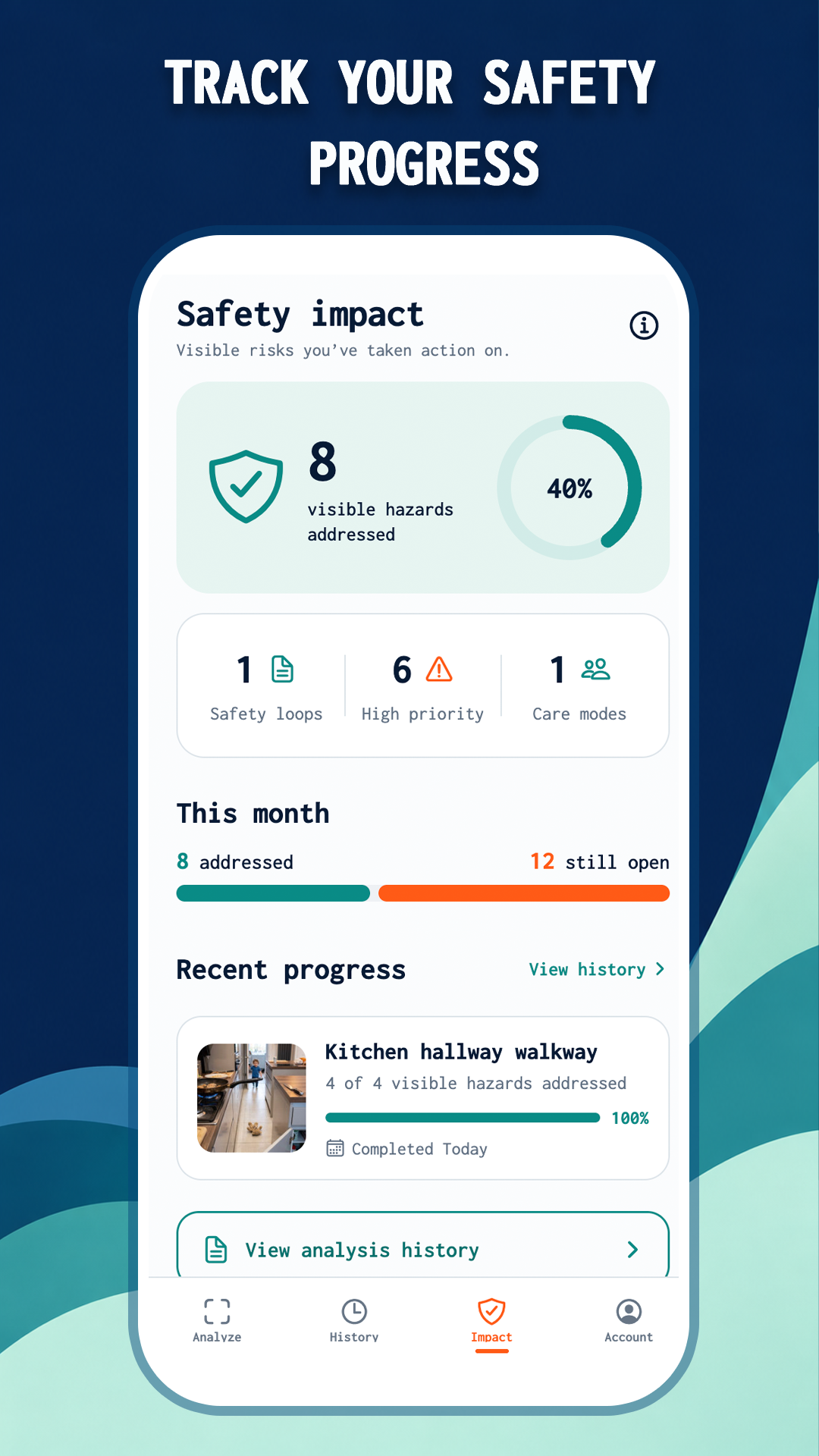
Track your safety progress
-
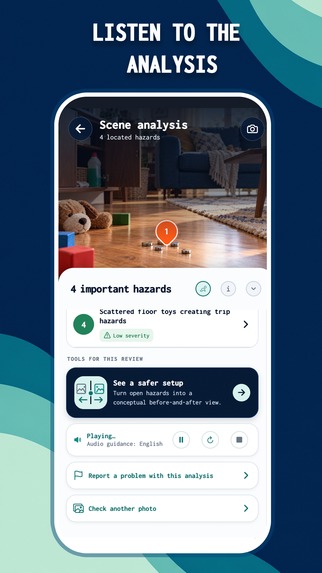
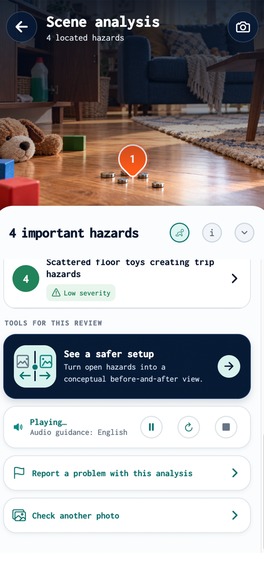
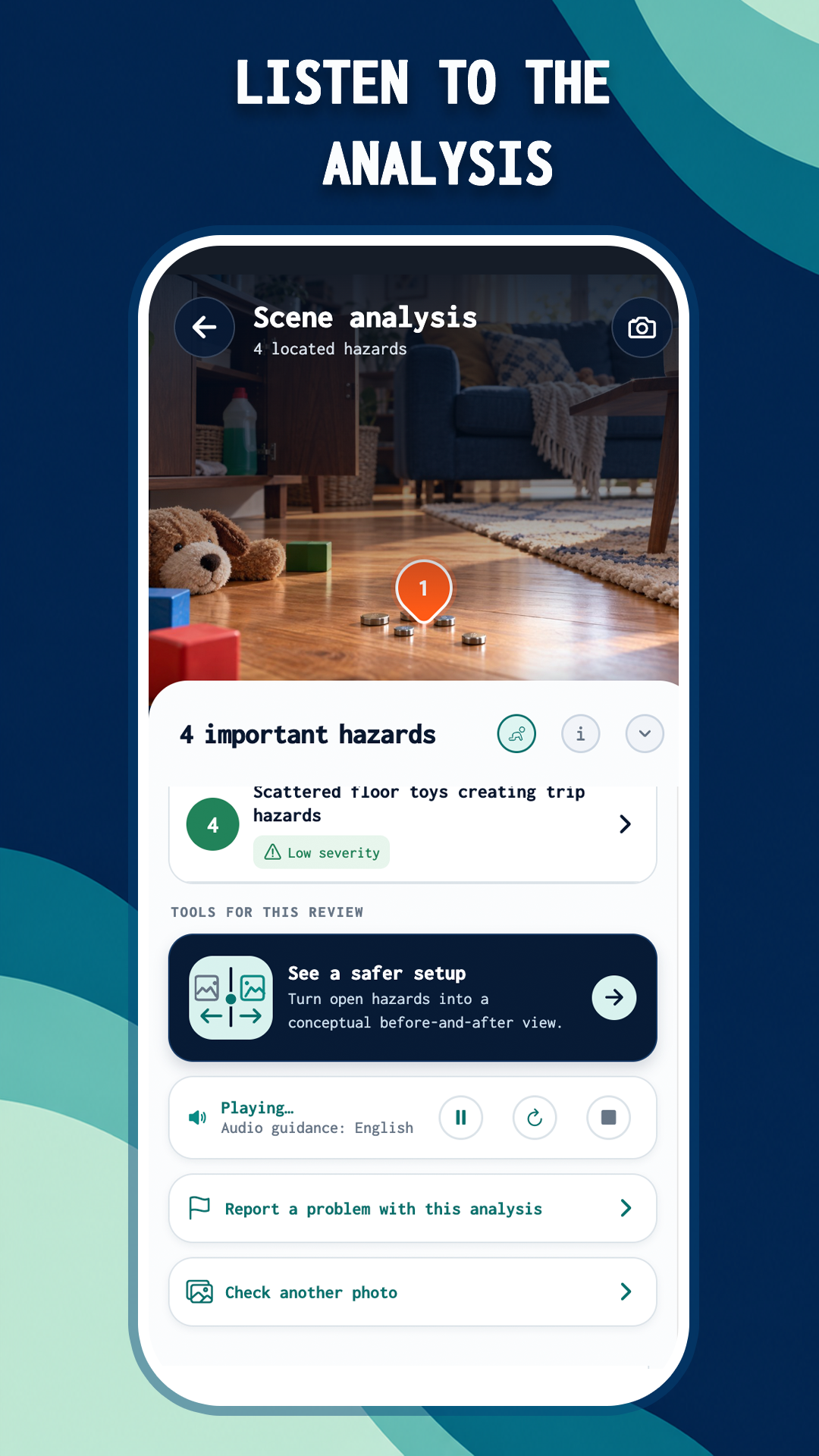
Listen to the analysis
-
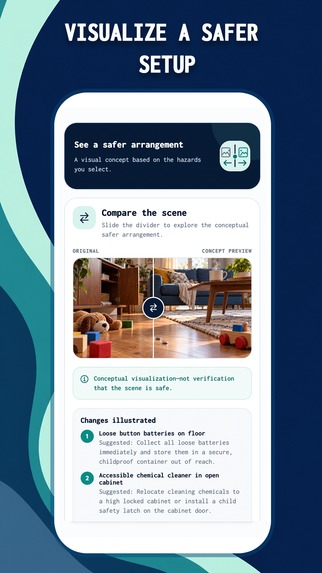
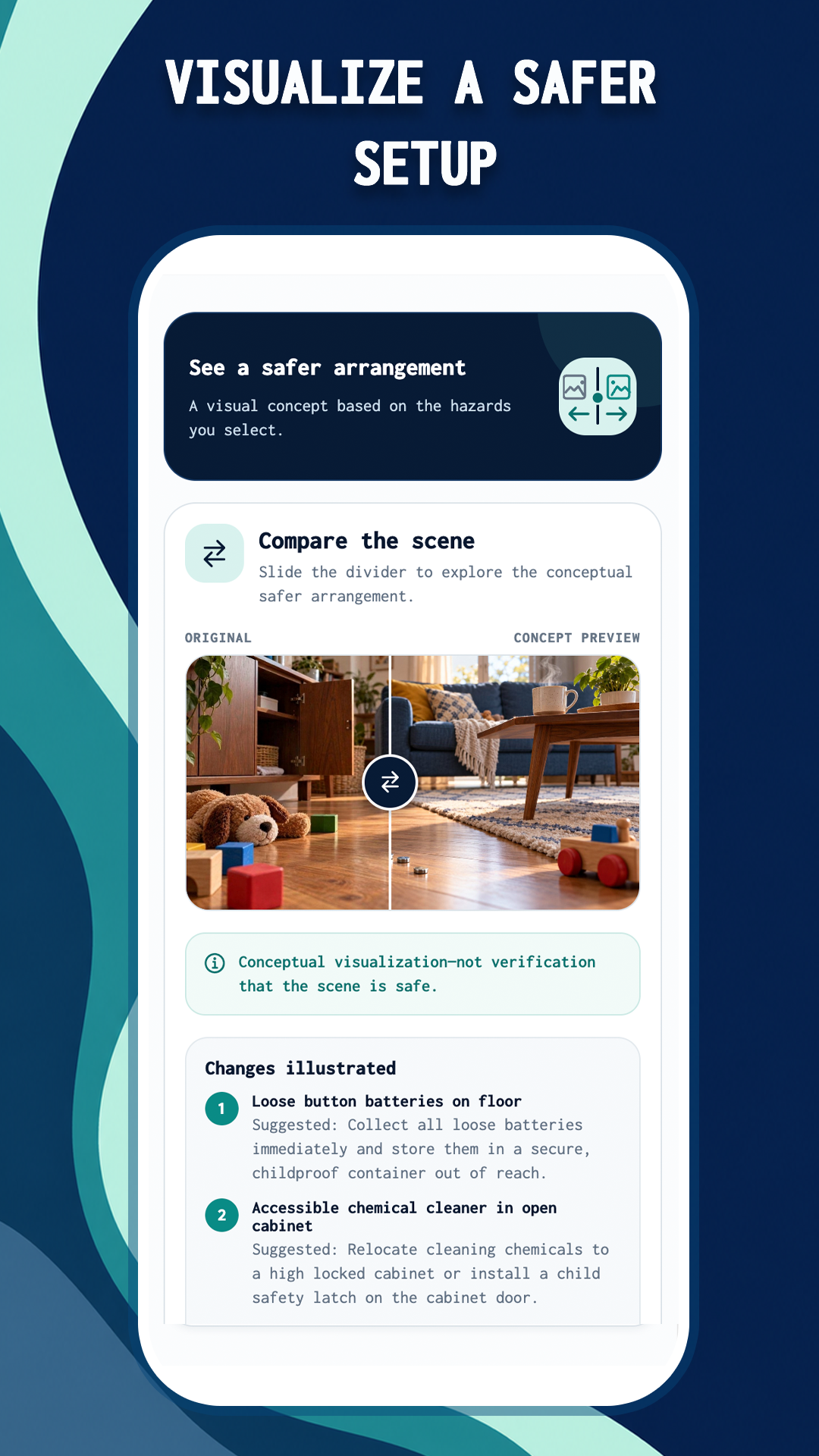
Visualize a safer setup

Inspiration
As a dad to a four-year-old, I find myself checking the spaces my child uses for everyday hazards. It can be easy to miss something when you’re busy, or when you’re in an unfamiliar room. I wanted a practical way to turn that quick safety check into clear next steps. That idea became AvertLens.
What it does
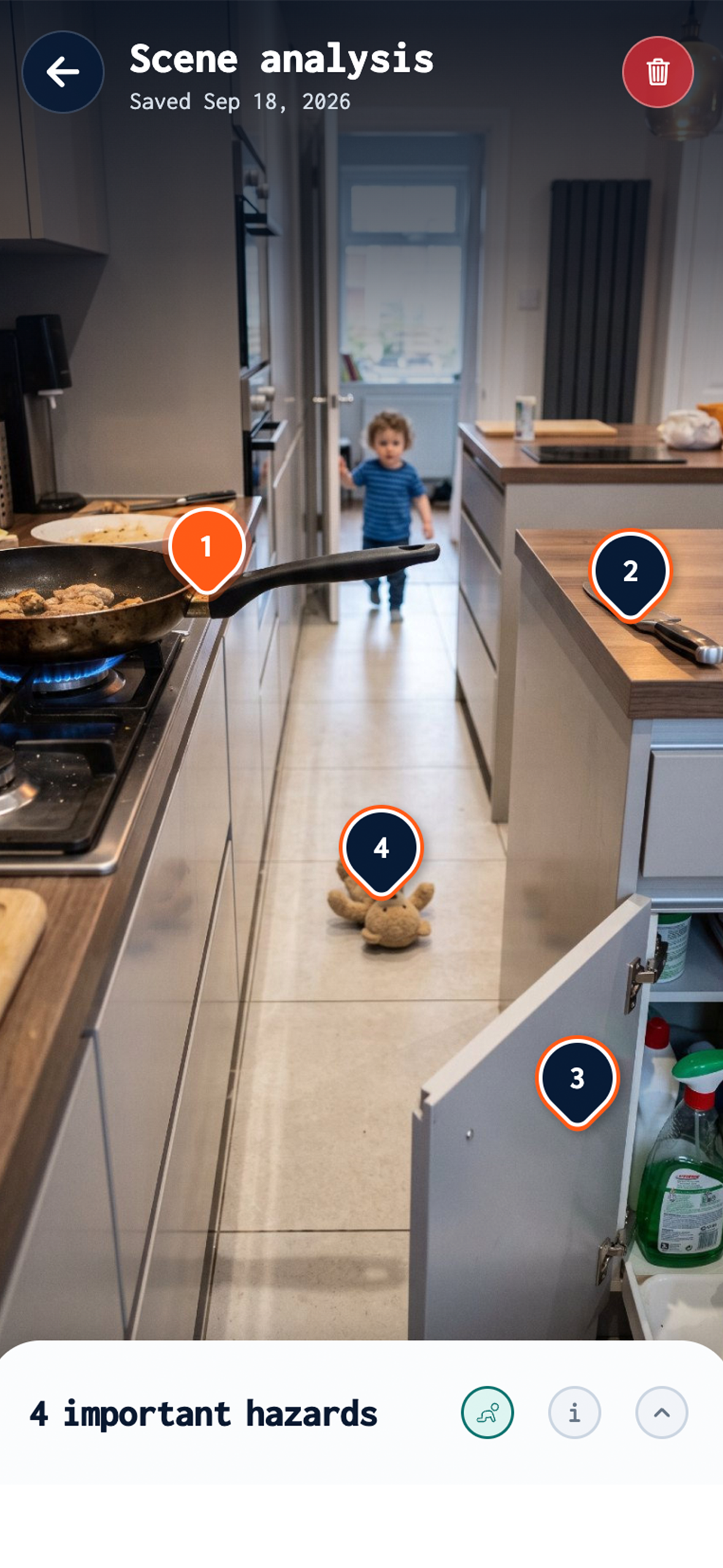
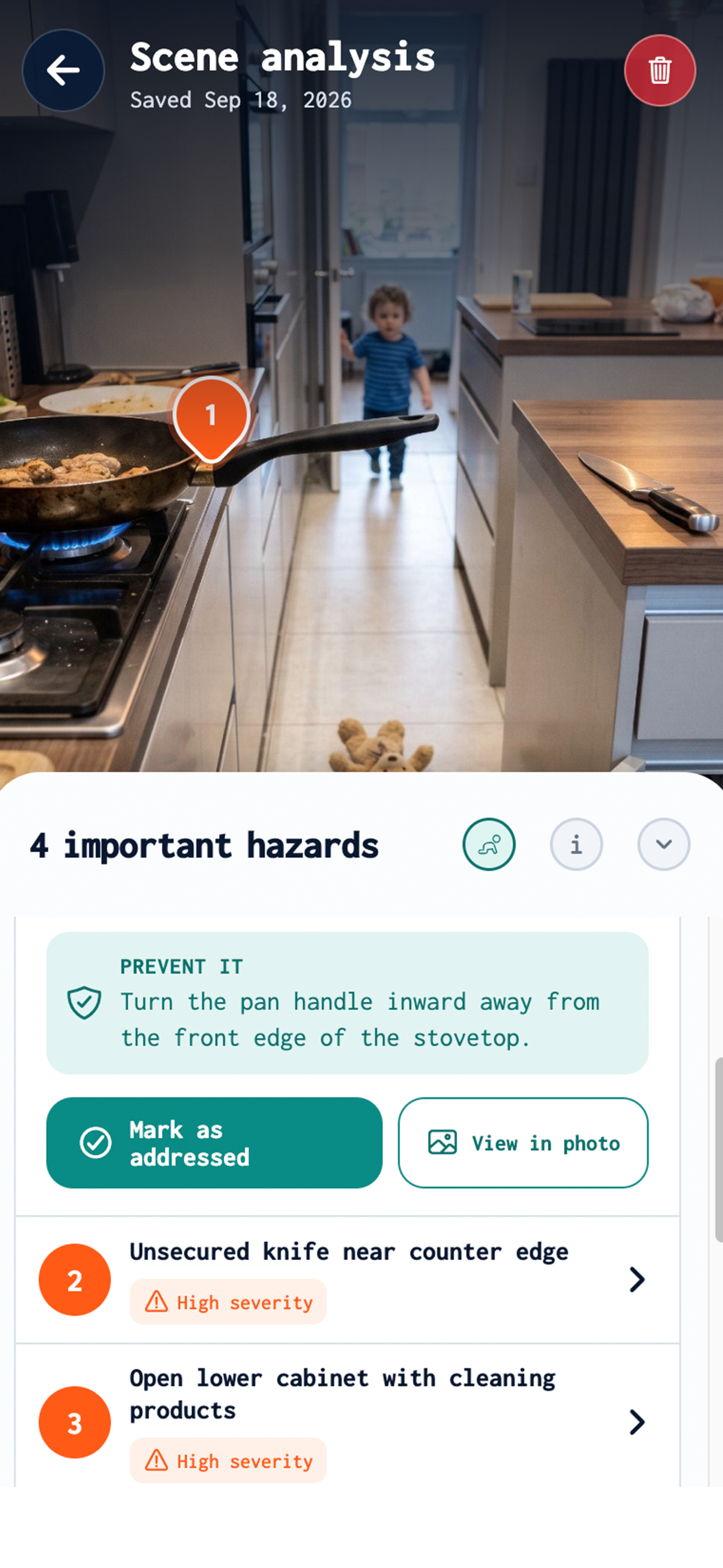
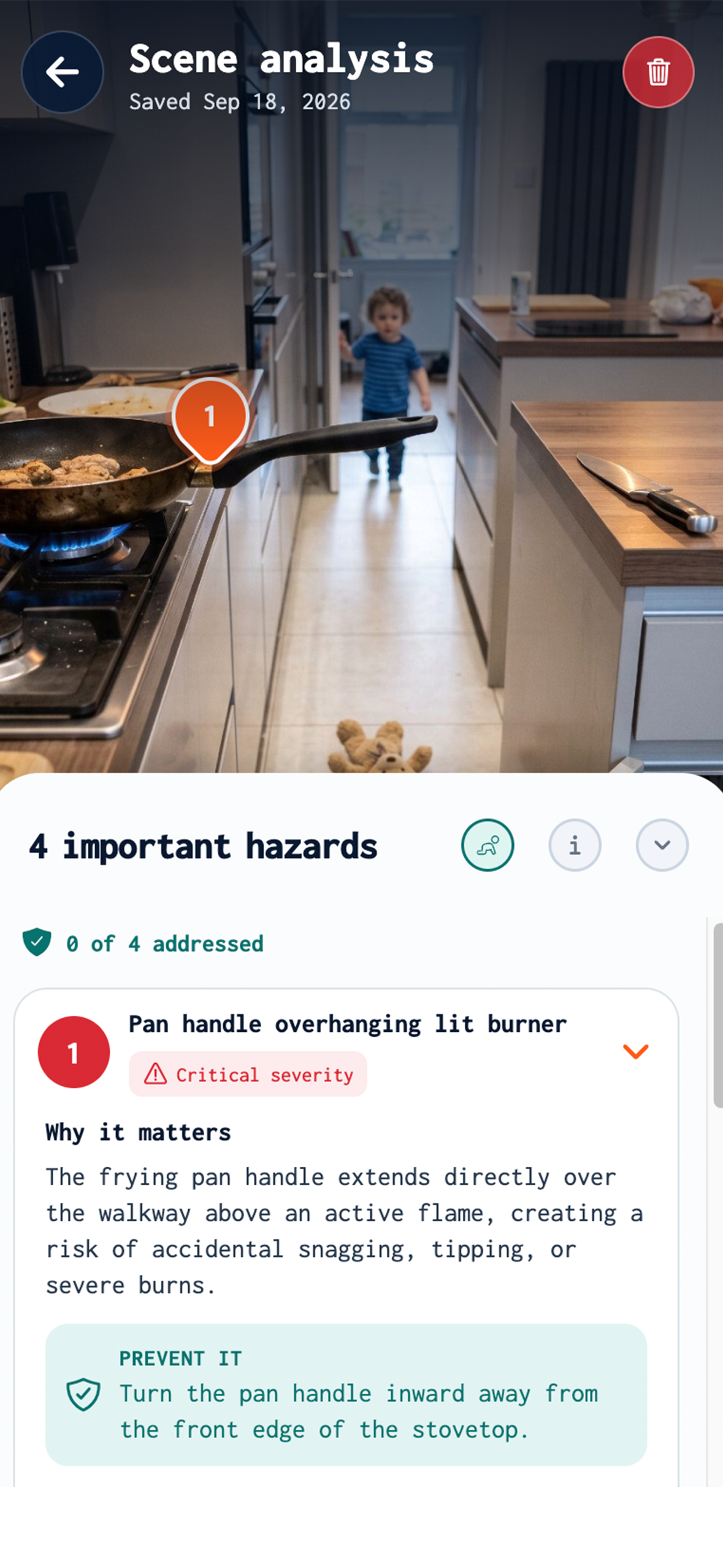
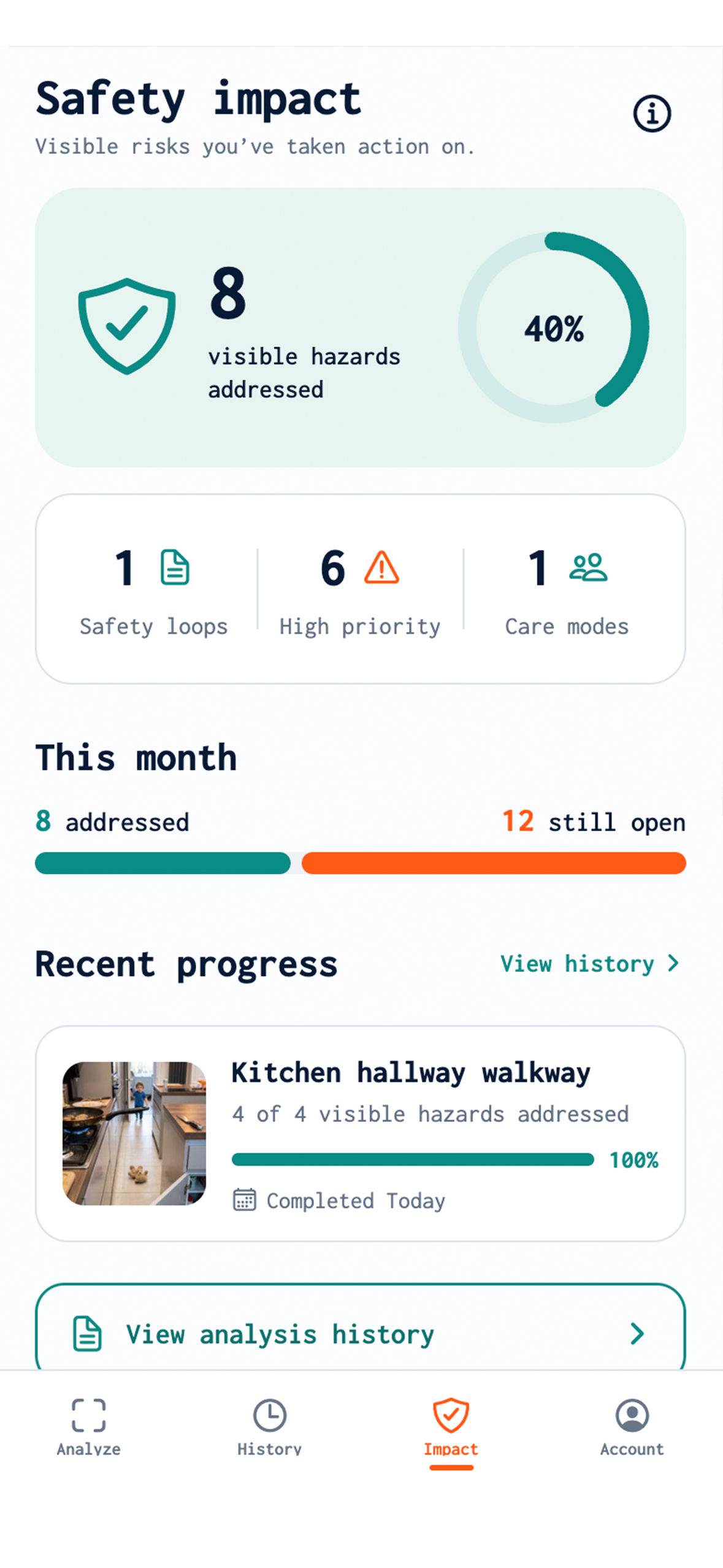
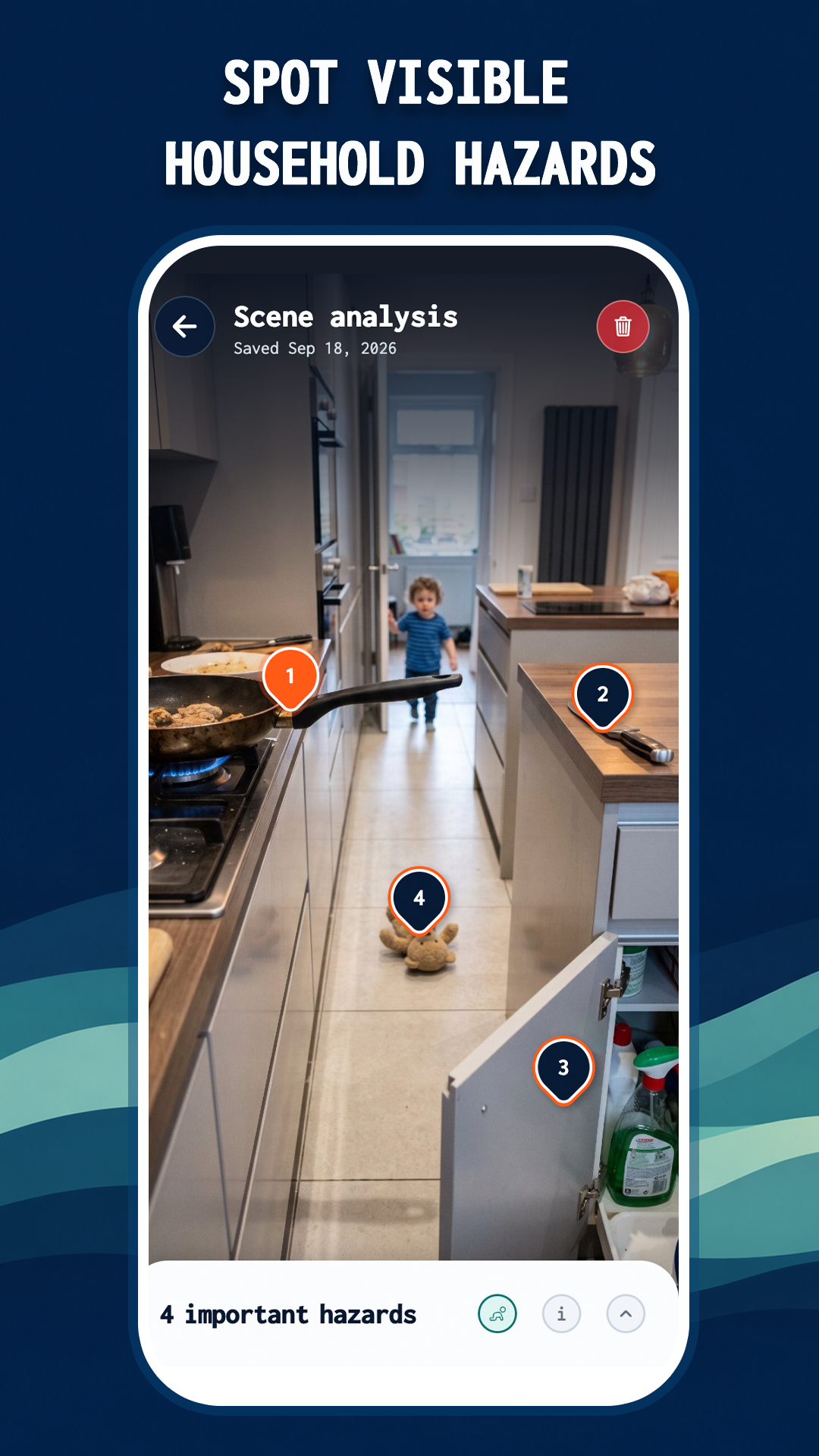
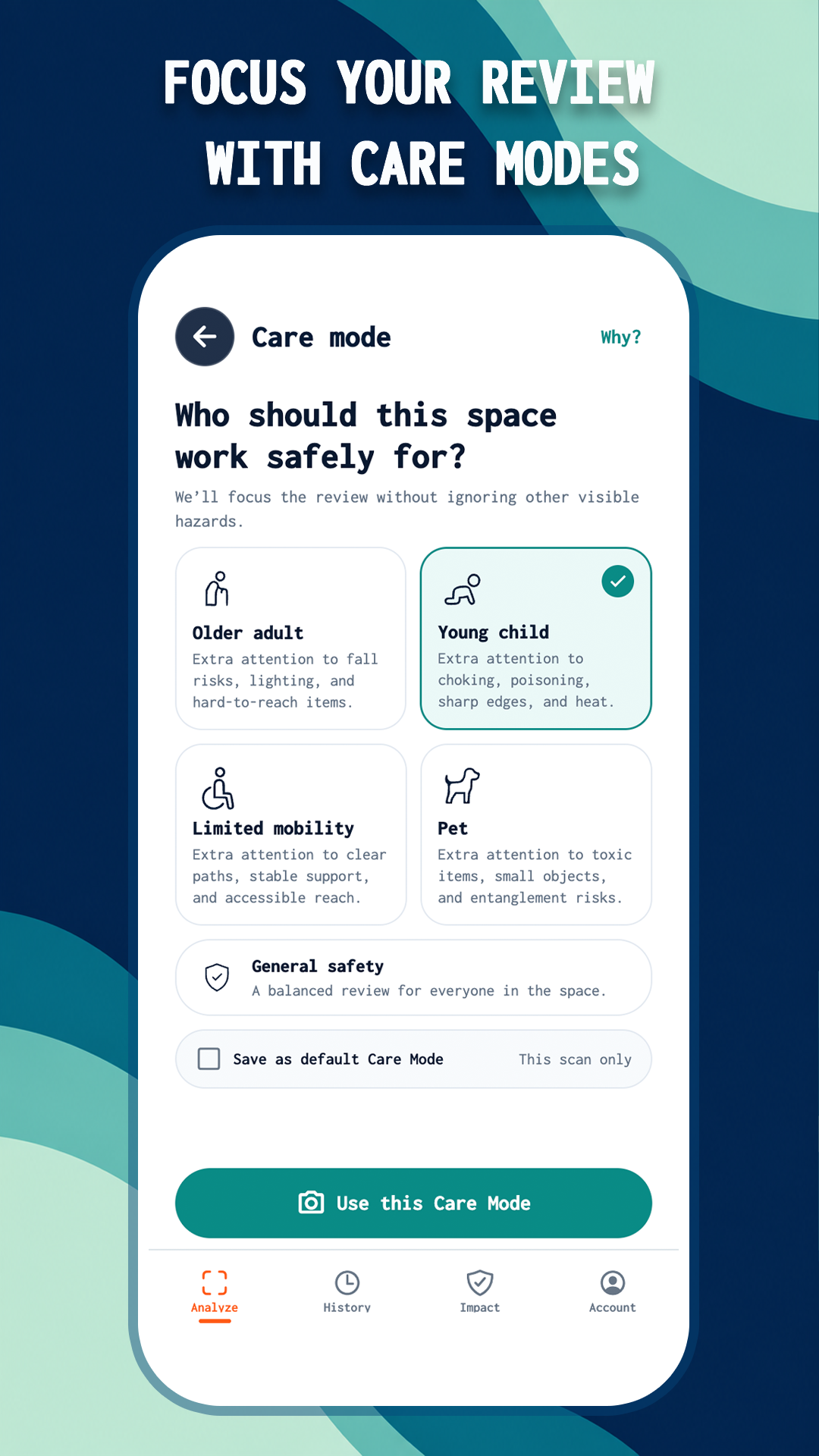
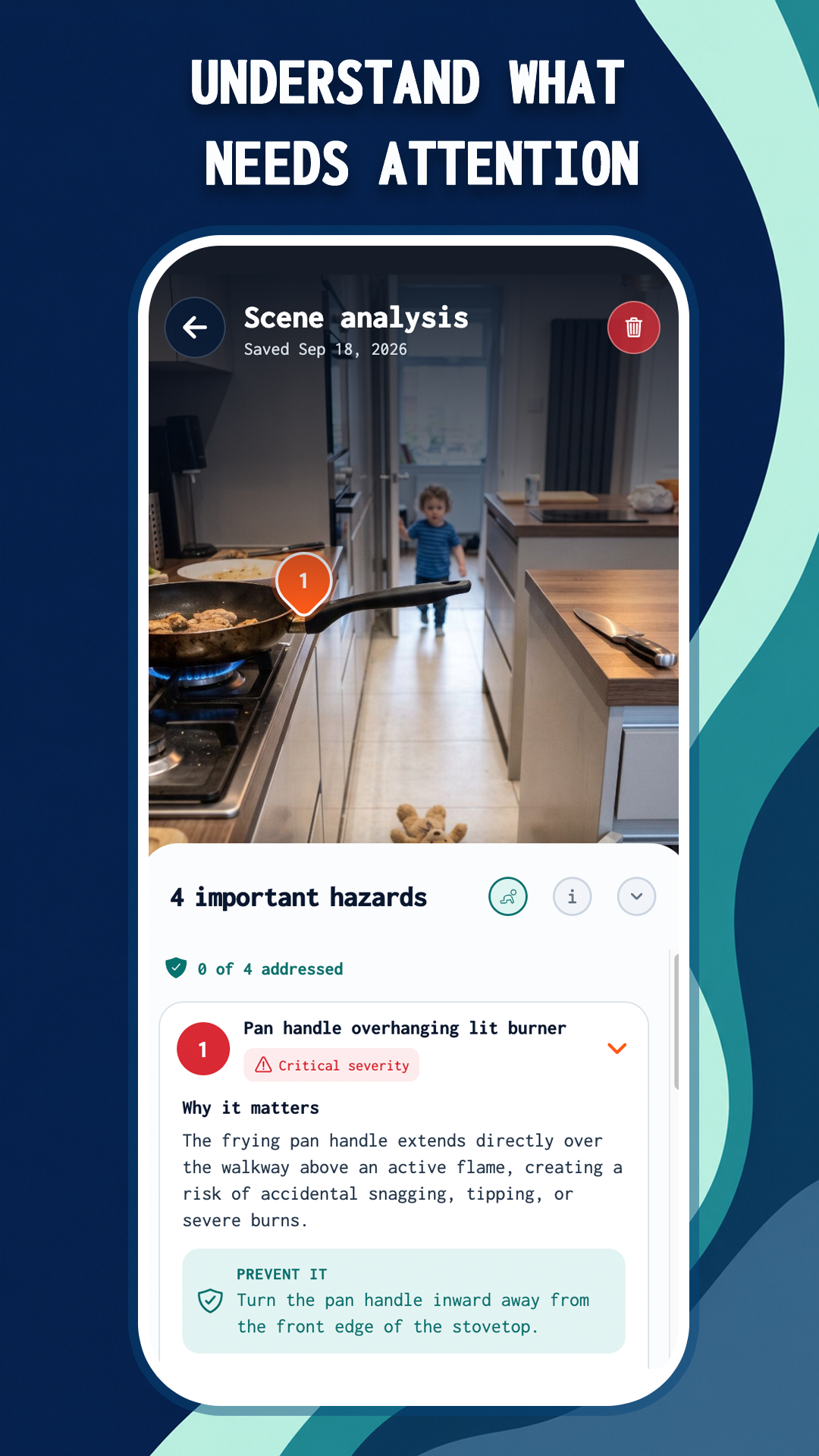
AvertLens lets someone take or choose a photo of a space and review visible hazards identified in the image. It presents prioritized findings with the visual evidence and practical actions that may help address them. Care Modes let people focus a review on different needs, and uncertain observations are separated so they can be checked rather than treated as confirmed.
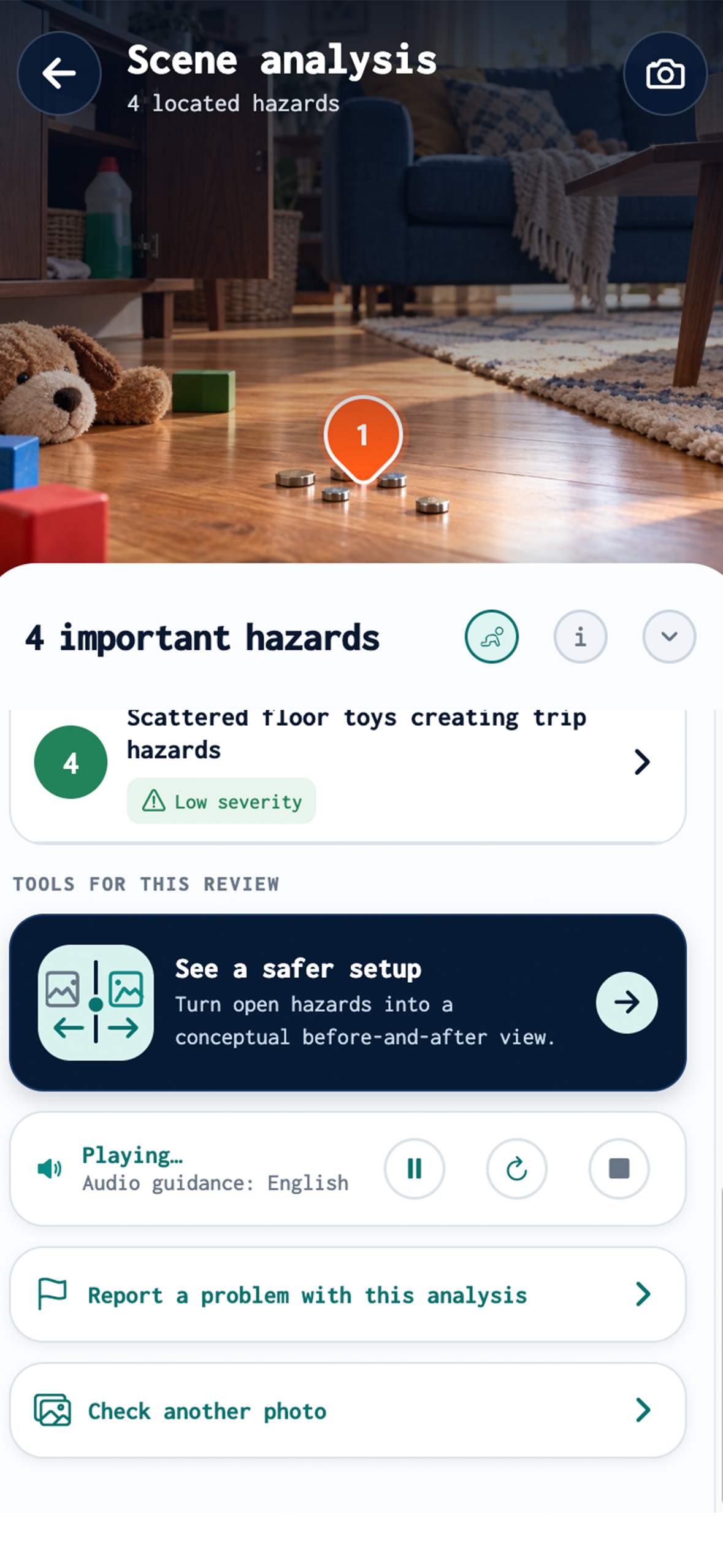
People stay in control: they decide what actions to take and update a finding’s status themselves. AvertLens also provides guidance in English, French, and Arabic, spoken playback of an analysis, and an optional before-and-after concept preview for selected actions. That preview is only an illustration—it does not verify that a space is safe or mark findings as addressed.
How we built it
We built AvertLens as a mobile app with Expo, React Native, and TypeScript, backed by an Express API. Gemini powers image analysis and selected guidance features. Supabase provides authentication, a PostgreSQL database, and private image storage; RevenueCat supports subscriptions and usage limits.
We designed separate boundaries for image analysis, speech generation, and preview generation. For example, speech generation receives analysis text rather than the source photo, while a setup preview is tied to the specific findings selected by the user.
Challenges we ran into
The hardest part was making AI output useful without making it sound more certain than the image allows. We worked to preserve uncertainty, connect recommendations to visible evidence, and keep severity and image markers consistent across languages.
We also had to treat privacy and user control as part of the feature design: protect saved analyses, keep generated audio temporary, limit preview requests, preserve the original photo, and ensure a generated concept never changes a finding’s status.
Accomplishments that we're proud of
We’re proud to have built AvertLens into a working Android product and to have extended its safety-review experience with multilingual guidance, spoken results, and a conceptual before-and-after preview. The product is designed to help people move from noticing a possible hazard to deciding what they want to do about it, without pretending an AI can certify a room as safe.
What we learned
AI is most helpful here when it explains what it noticed, offers a practical next step, and makes uncertainty visible. We also learned that trust depends on the boundaries: a generated image is only a concept, a recommendation is not professional advice, and the person using the app remains in control.
What's next for AvertLens
We plan to learn from more parents and caregivers and use their feedback to make AvertLens’s guidance clearer and more useful. Over time, we hope to improve its accessibility and reliability across devices, while keeping people in control of decisions about their homes.
React Native · Expo · TypeScript · Node.js · Express · Supabase · PostgreSQL · Google Gemini · RevenueCat · Android

Log in or sign up for Devpost to join the conversation.