-
-
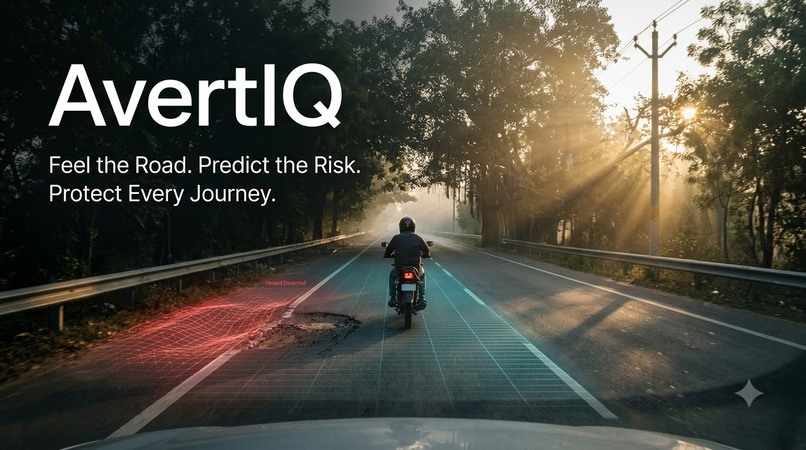
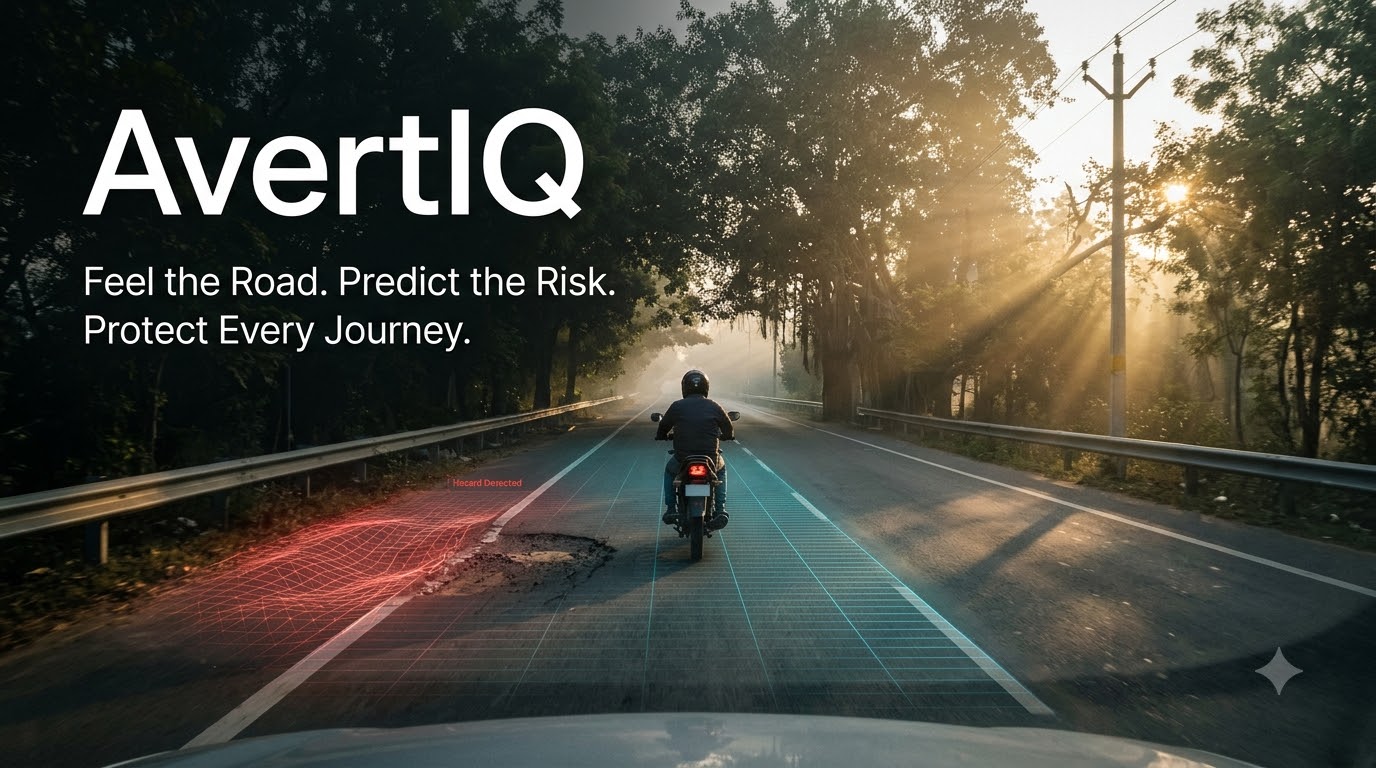
AvertIQ — Every Journey Deserves a Safer Road. Feel the Road. Predict the Risk. Protect Every Journey. Meet a smarter vision for safer roads
-
-
-
-
-
-
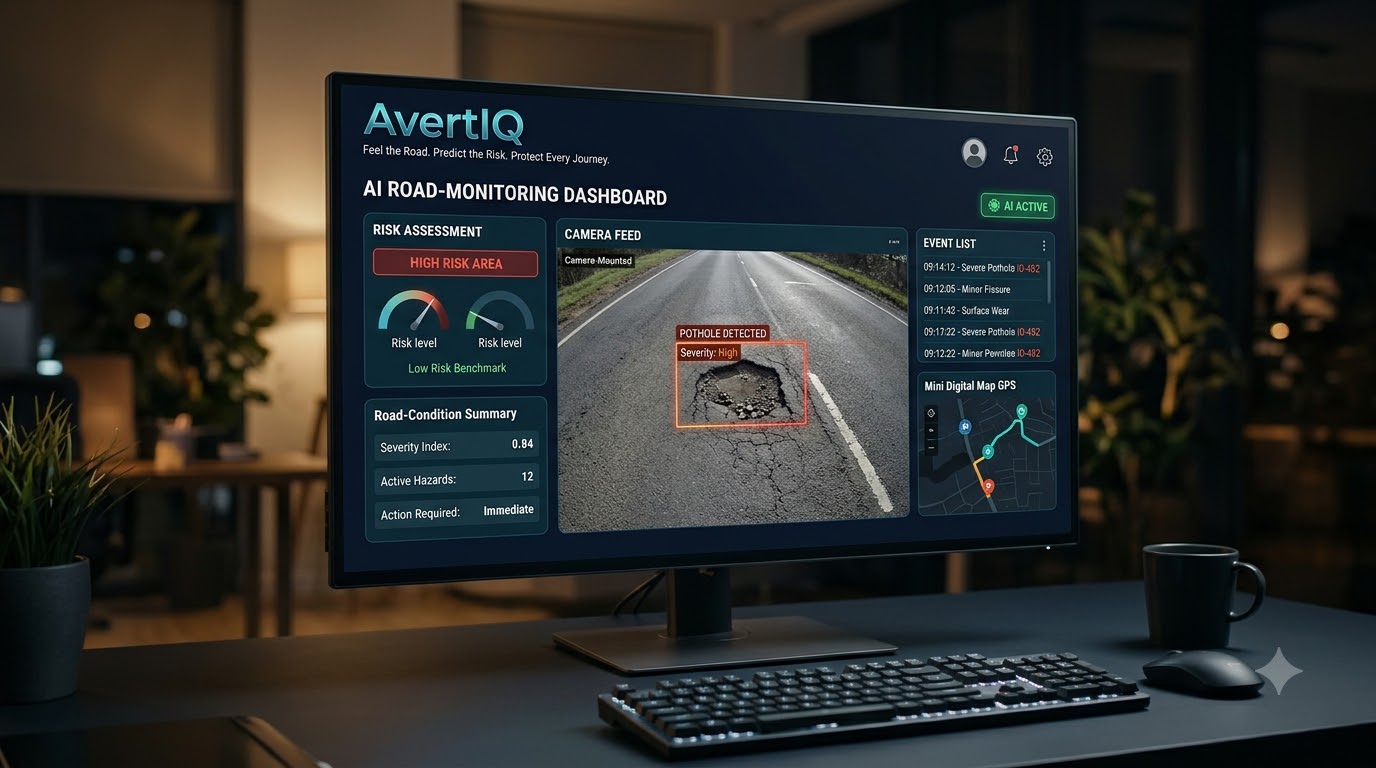
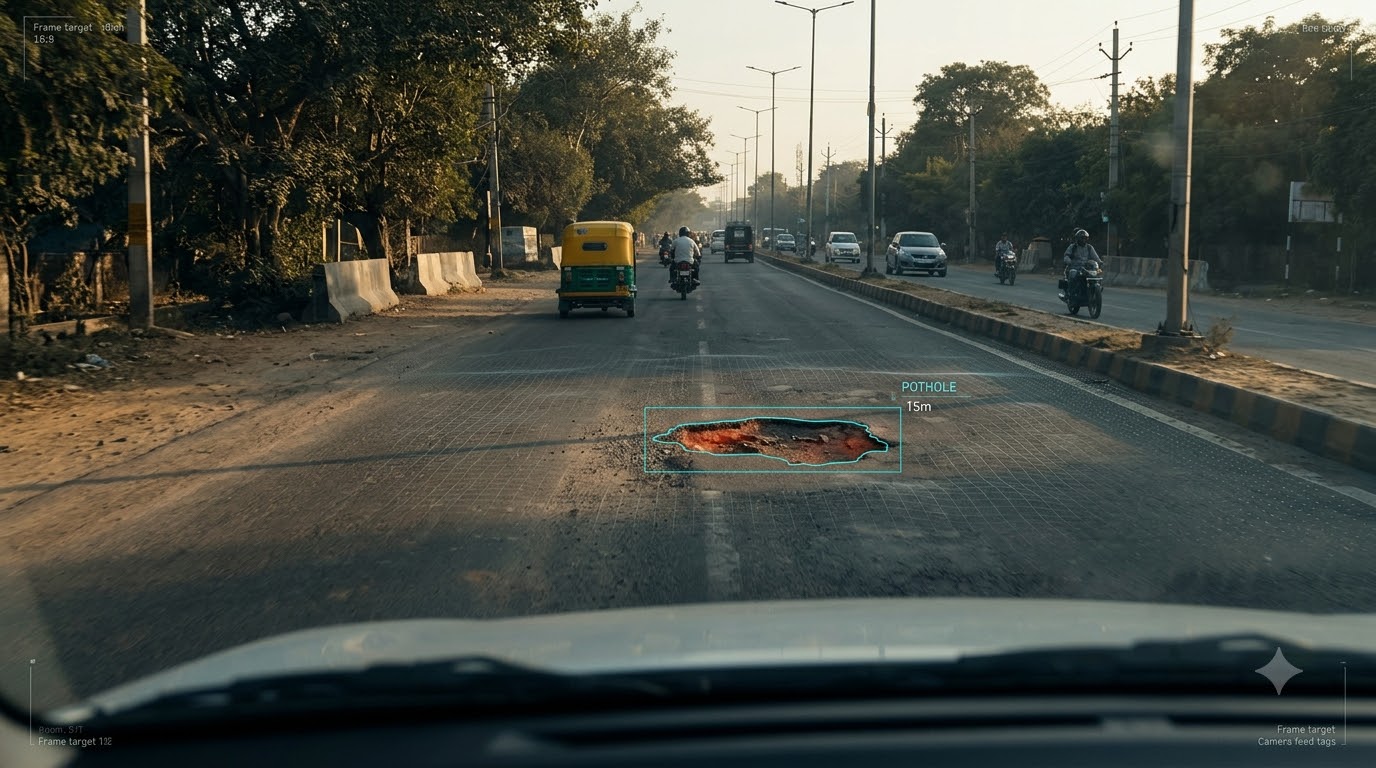
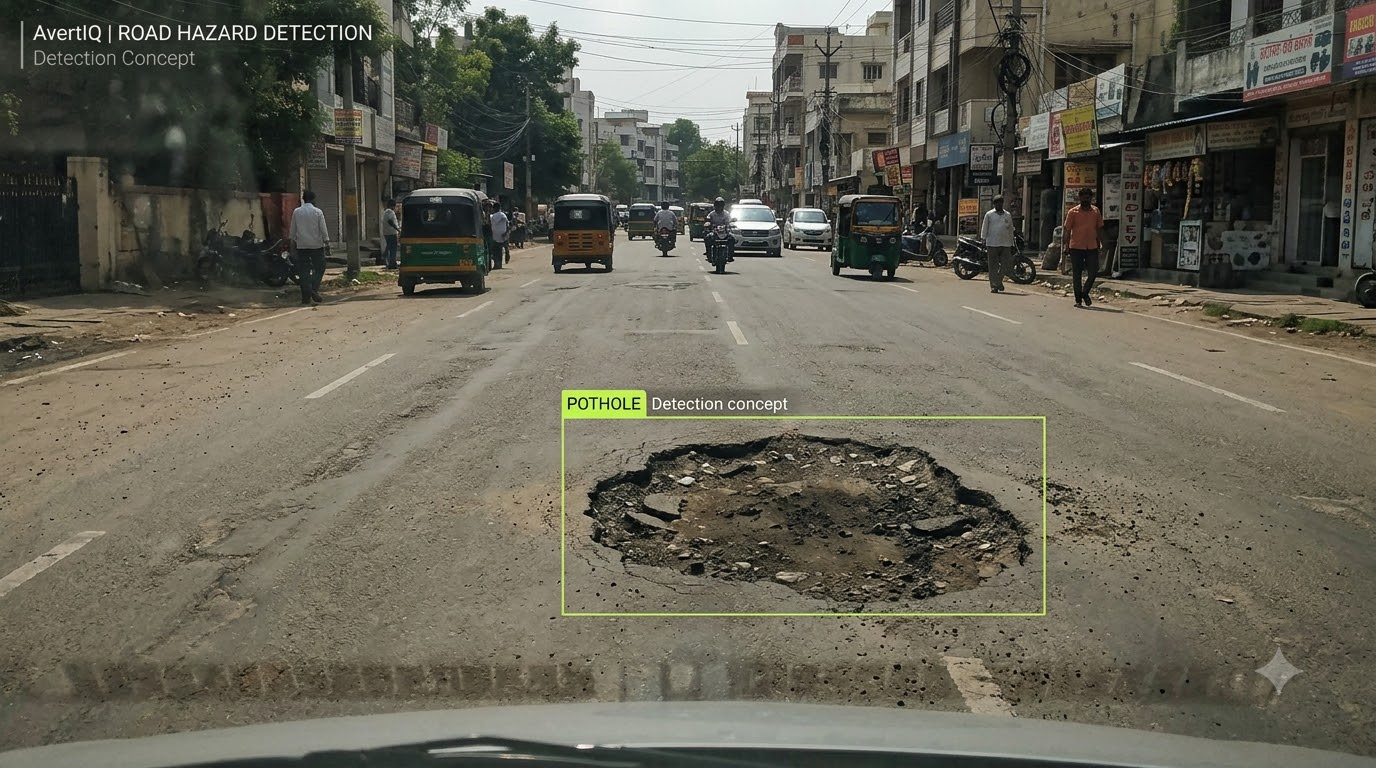
Inspiration: Every Pothole Has a Story Picture this: You’re commuting to work, riding to college, or just heading home after a long day. Suddenly, out of nowhere—a pothole. You slam the brakes, swerve into the next lane, or brace for impact as your vehicle takes a hard hit. For millions of commuters every single day, this isn't just a minor annoyance; it’s an unpredictable safety hazard.
We couldn't help but ask ourselves: Can AI make these everyday road hazards easier to catch before it's too late? That simple question became AvertIQ — Feel the Road. Predict the Risk. Protect Every Journey.
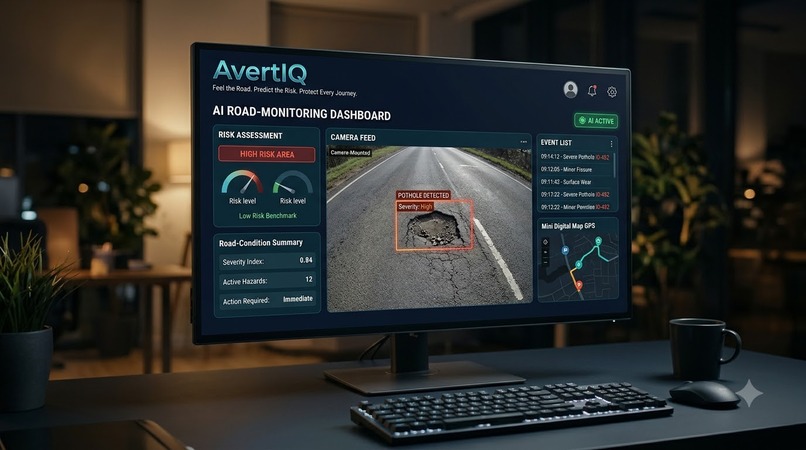
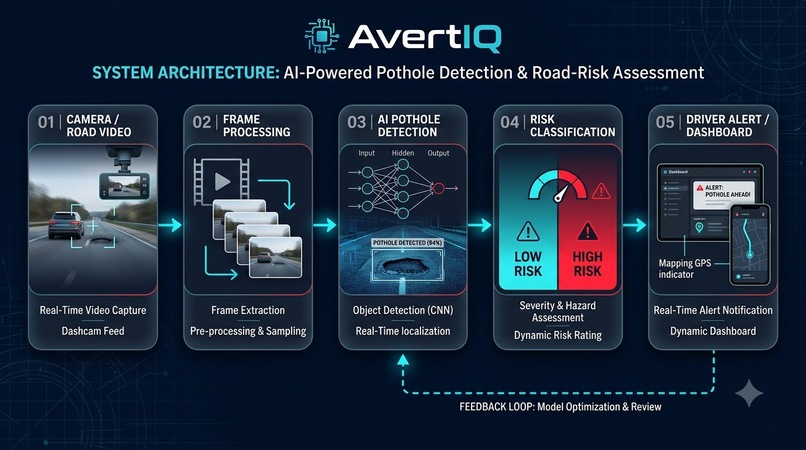
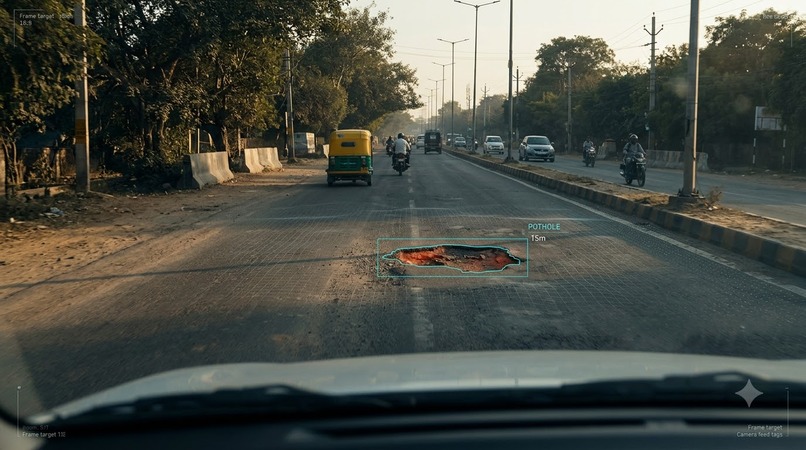
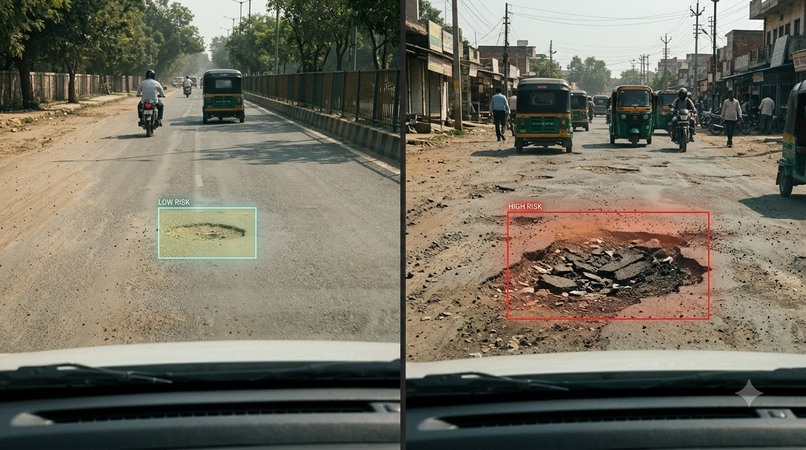
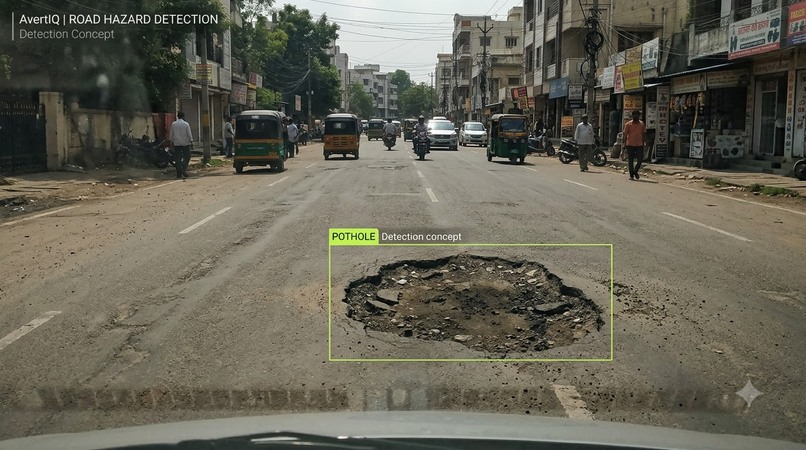
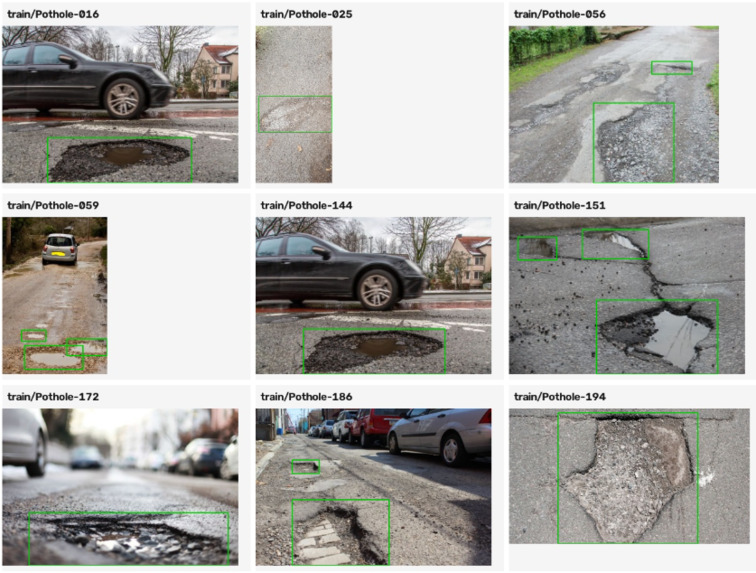
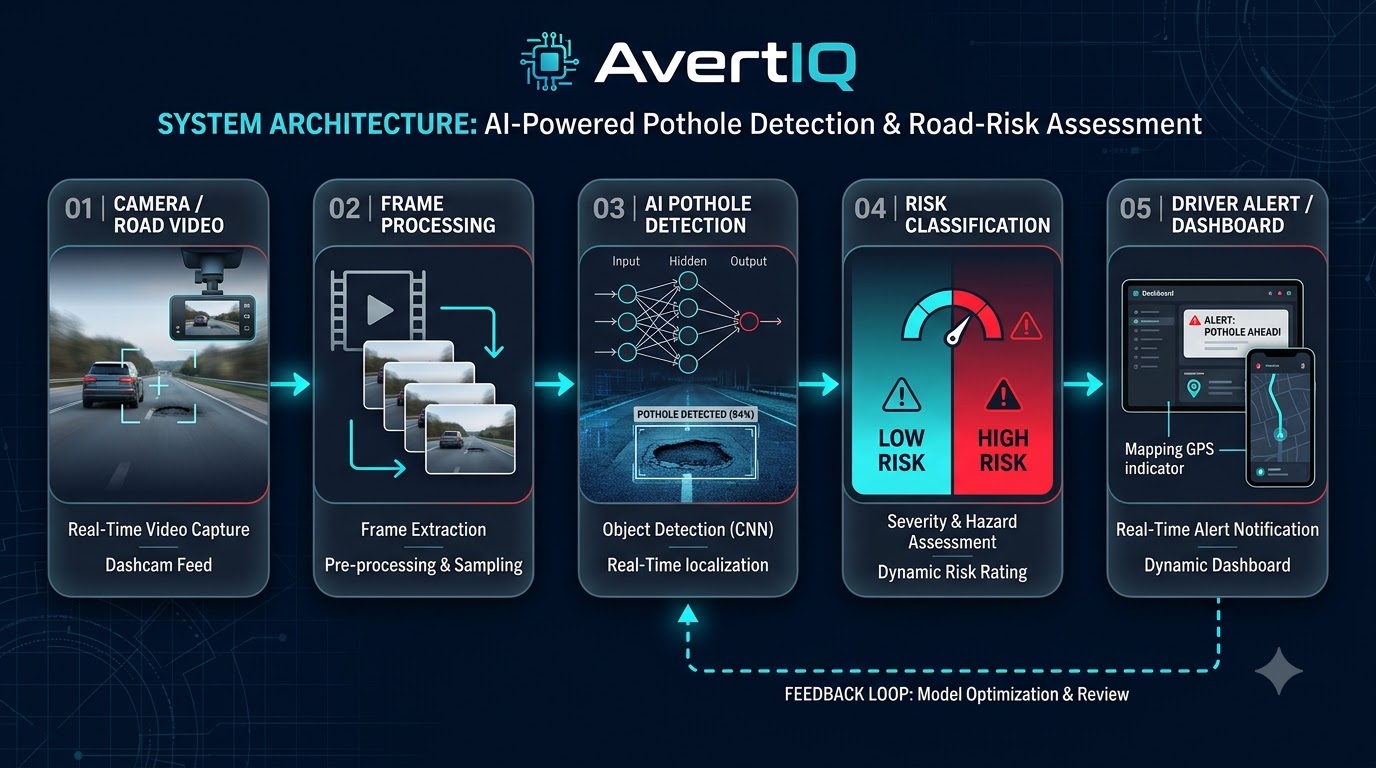
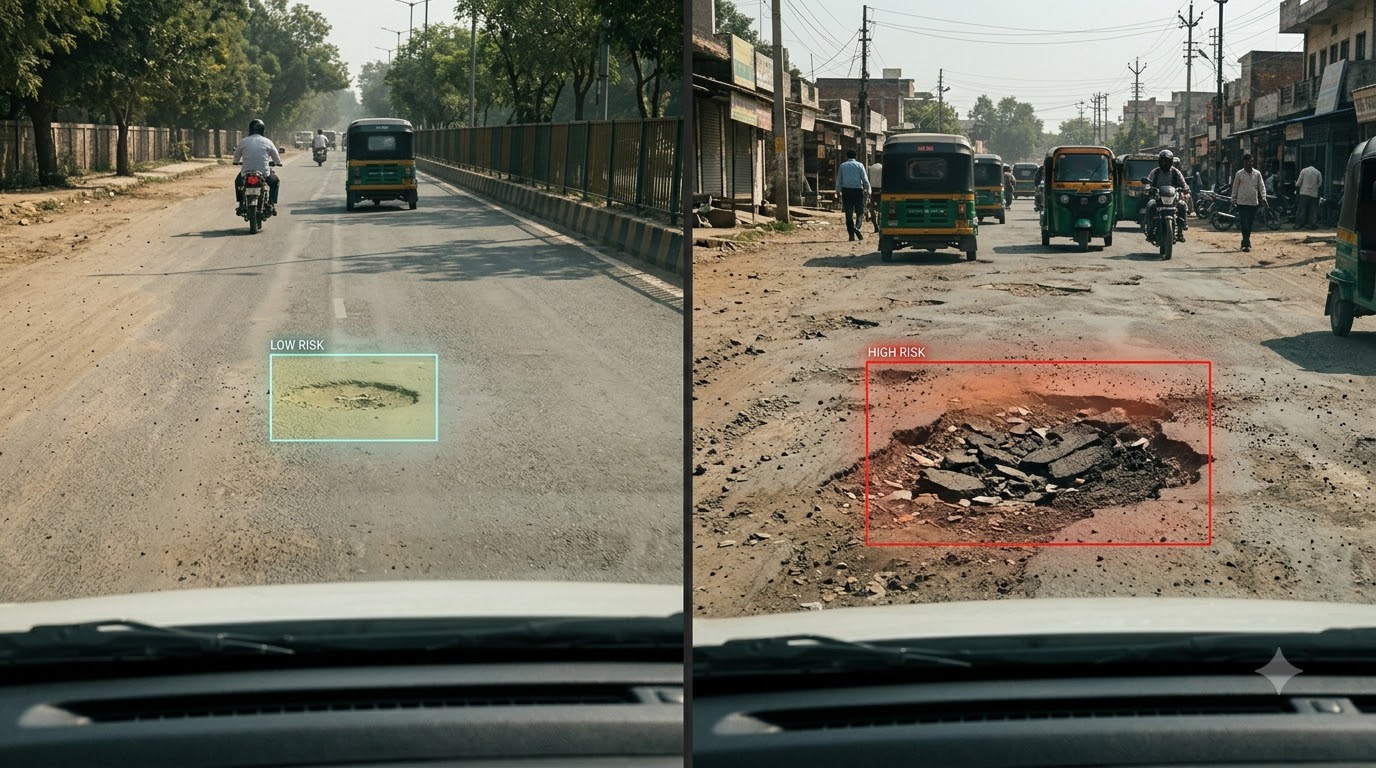
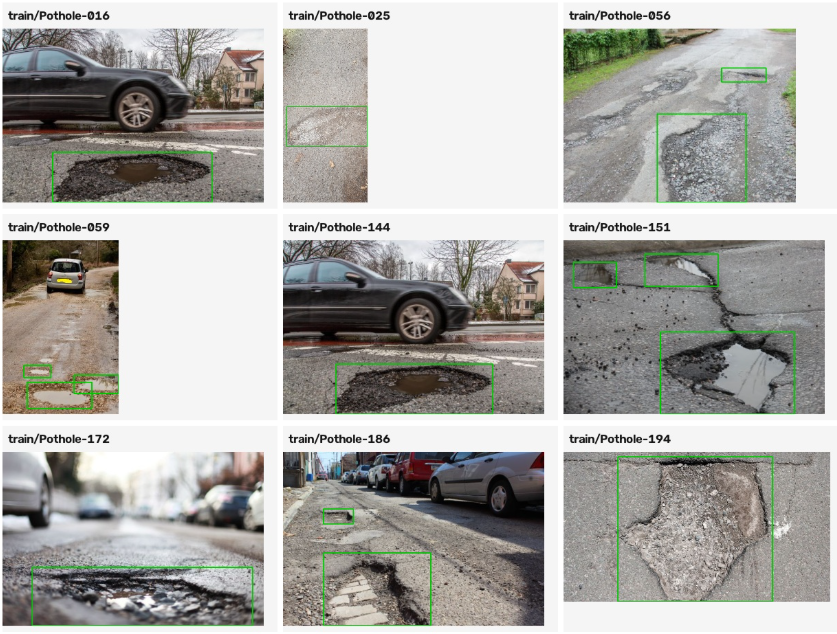
What We’re Building At its core, AvertIQ is an AI-driven road safety initiative. Instead of just flagging a pothole in a video frame, we wanted to take computer vision a step further by evaluating the potential risk level (High vs. Low) of each hazard. Our core stack combines Python, YOLO-based object detection, and a risk-assessment workflow designed to turn raw visual data into actionable safety awareness. The Reality Check: Our OpenCV 5 Journey Going into this competition, we were excited to integrate OpenCV 5 and push our project to the bleeding edge of computer vision. However, real-world development had other plans. As we built out the system, we ran into persistent integration and technical roadblocks that kept us from getting OpenCV 5 fully up and running within our timeframe. Rather than trying to hide those hurdles, we took a step back and adapted. We focused on solidifying what did work—pushing our YOLO pothole detection pipeline forward and sharpening our risk-classification methodology. It wasn't the exact architecture we originally mapped out, but it taught us a vital engineering lesson: building real AI systems isn't just about picking the newest, flashiest tools. It's about compatibility, rigorous testing, practical trade-offs, and knowing how to pivot when things break.
Challenges & Honest Lessons Road footage is notoriously messy. A single trip exposes an algorithm to: Harsh shadows and rapidly shifting sunlight. Irregular asphalt textures and rain reflections. Potholes of every conceivable shape, depth, and size. We also realized that detecting a pothole and evaluating its danger are two very different problems. Working through these hurdles pushed us to focus on what really matters: dataset quality, reducing false positives, model reliability, and recognizing the gap between a cool prototype and a genuinely field-tested system.
What’s Next? Our journey with AvertIQ is just getting started. Moving forward, we plan to: Refine Detection Reliability: Train on more diverse road conditions and weather scenarios. Stress-Test Risk Classification: Validate our high/low risk scoring against broader datasets. Revisit OpenCV 5: Work through the technical hurdles to bring its capabilities into our pipeline.
Final Thoughts AvertIQ is a work in progress—built on late-night debugging sessions, persistent experimentation, and a simple desire to make daily travel a little safer. Behind every road hazard is a real person just trying to make it home to their family.
Every journey matters. Every small improvement counts.
Built With
- amazon-web-services
- computer-vision
- fastapi
- javascript
- numpy
- opencv-5
- python
- ultralytics
- yolo

Log in or sign up for Devpost to join the conversation.