-
-
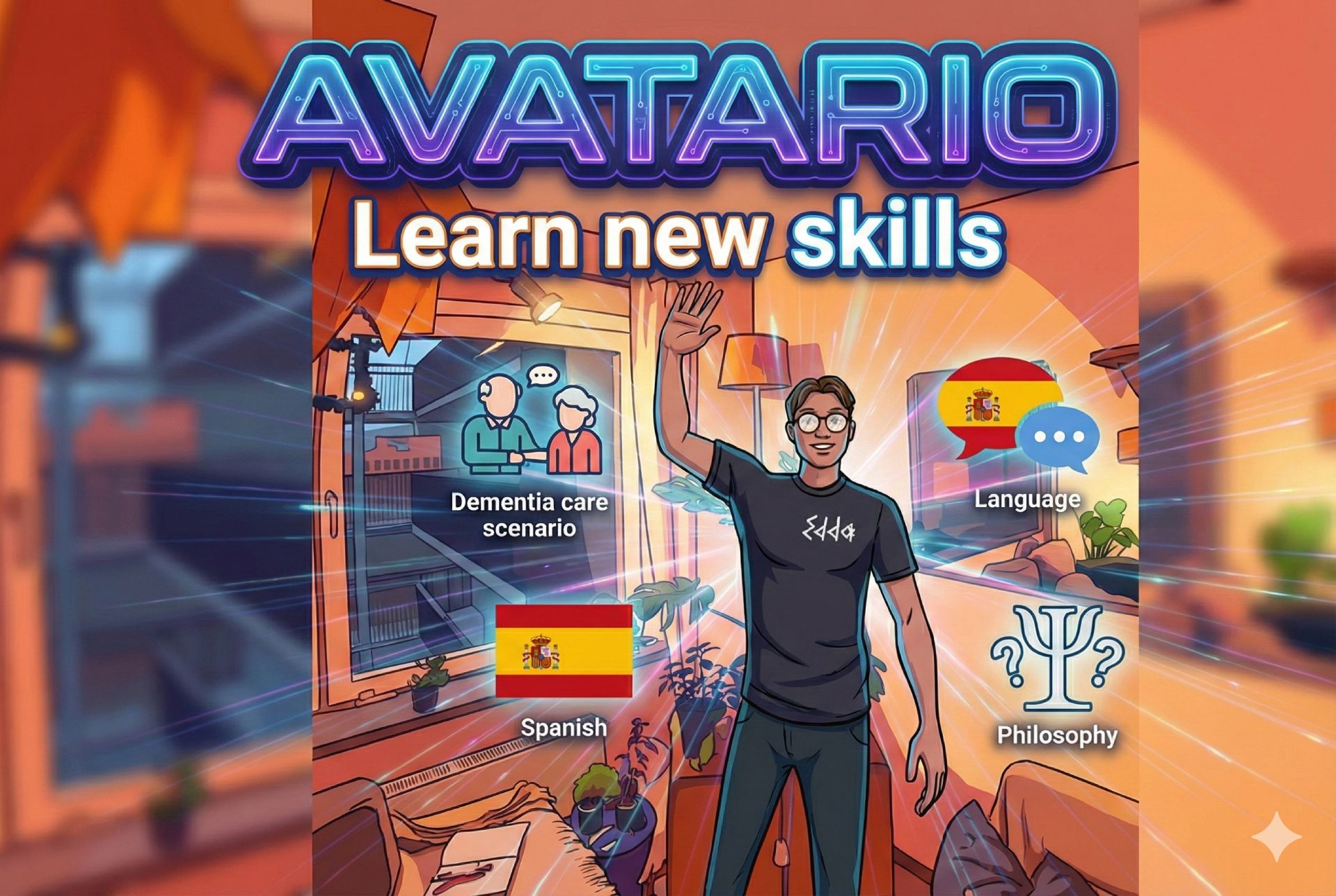
Thumbnail
-
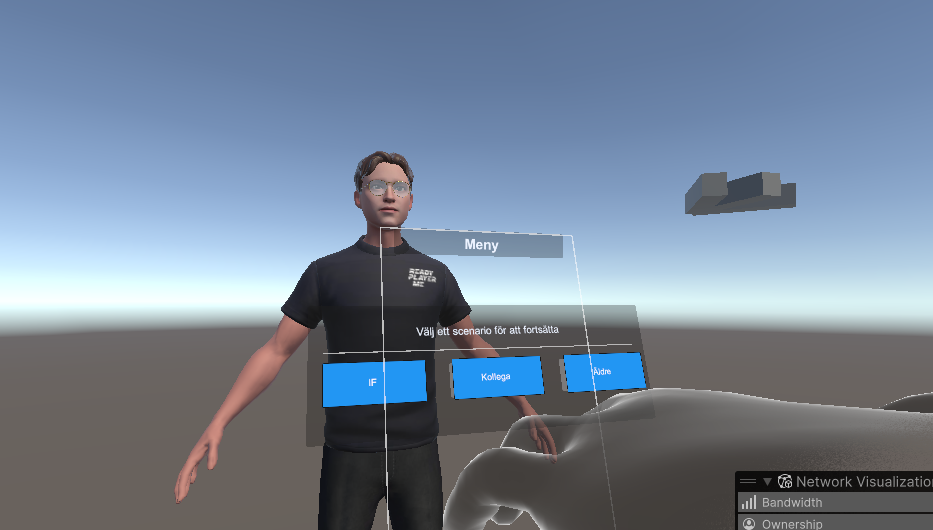
Development screenshot
-
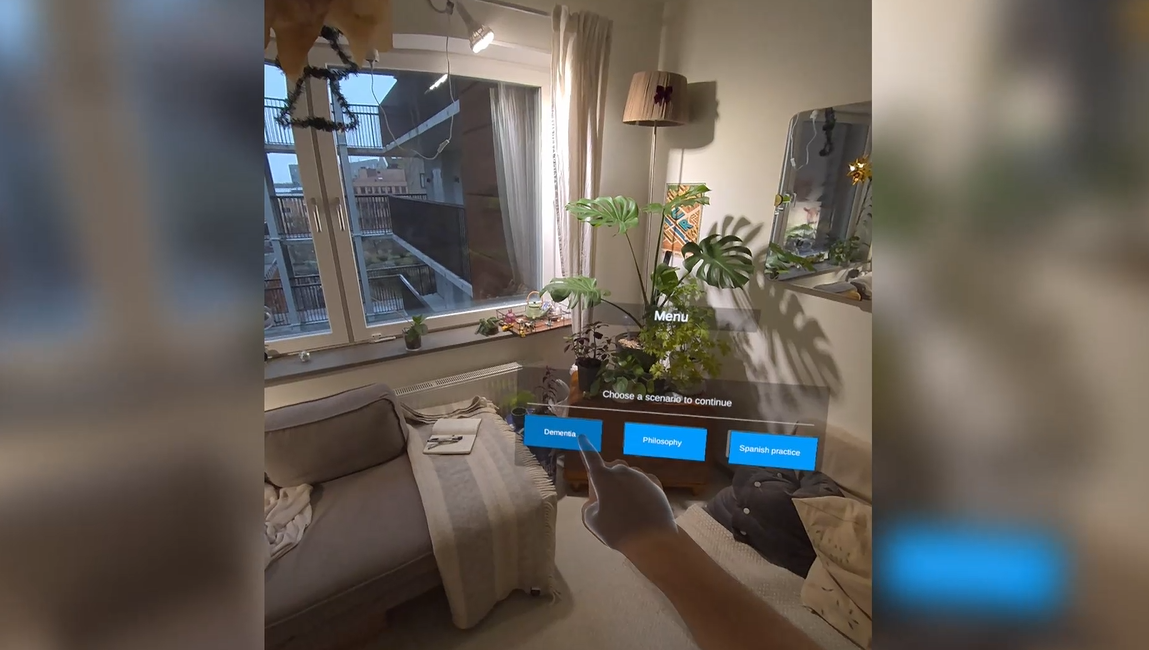
Menu of scenarios
-
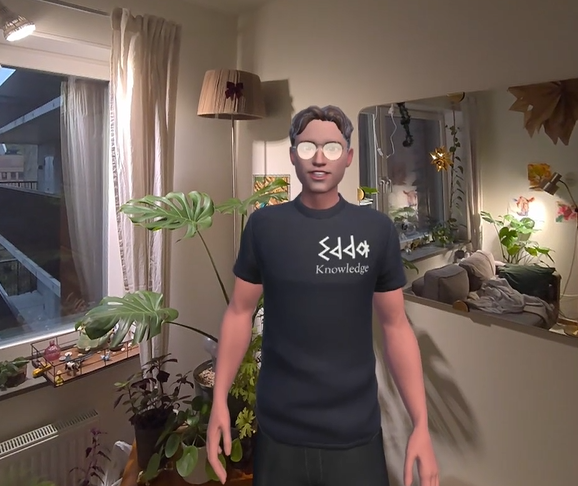
Avatar
Inspiration
Two high schools in Sweden came to us with a problem, traditional learning fails when you need real conversation practice. Caregivers can't simulate dementia patients, language apps lack authentic dialogue, and philosophy feels abstract without discussion. We wanted to create a judgment-free space where people practice difficult conversations with AI avatars that respond naturally and adapt in real-time.
What it does
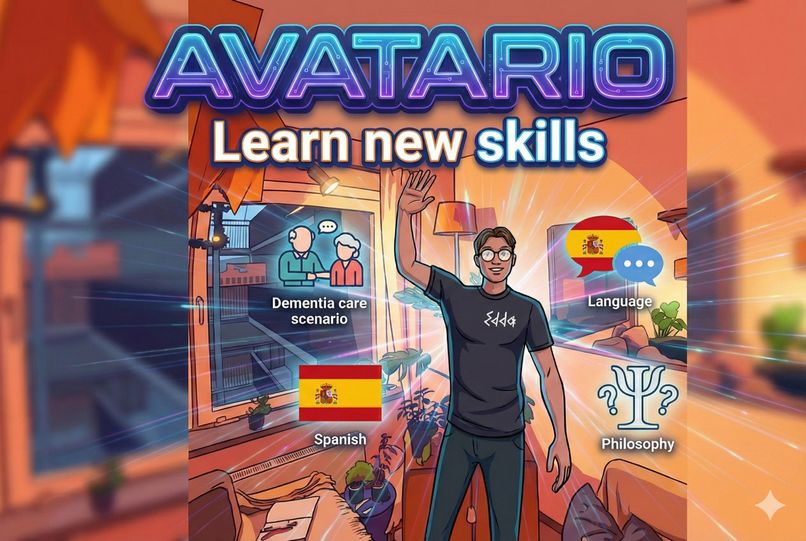
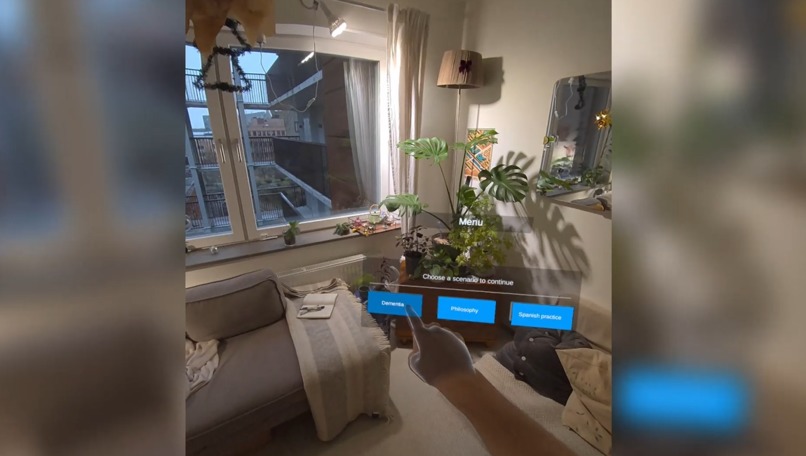
Avatario delivers three immersive VR training scenarios with low-latency AI voice interaction:
Dementia Caretaking: Practice validation therapy and empathetic communication with a patient avatar experiencing memory loss and confusion.
Spanish Learning: Converse with an adaptive instructor who matches your level, naturally corrects mistakes, and creates authentic scenarios.
Philosophy Education: Engage in Socratic dialogue exploring ethics, logic, and existential questions through interactive discussion.
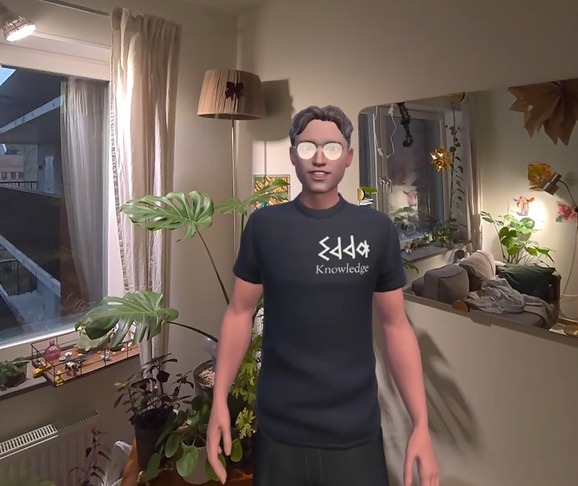
Each avatar responds intelligently to your words with natural speech, gestures, and emotional expressions, creating practice that feels real.
How we built it
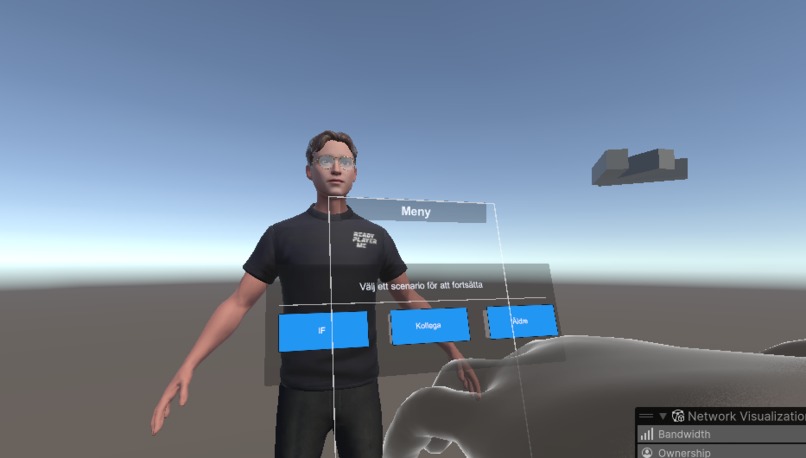
Built for Meta Quest 3/3S using Unity and Meta XR SDK with OpenXR compatibility. We integrated custom low-latency voice AI achieving sub-second response times, implemented full hand tracking for natural gestures, and created dynamic avatars with lip-sync and contextual animations. Each scenario uses carefully crafted AI prompts maintaining character consistency while adapting to user responses.
Challenges we ran into
Achieving low enough latency for natural conversation was our biggest technical hurdle, any delay breaks immersion. We also struggled balancing AI creativity with consistency, ensuring avatars stayed in character while responding intelligently. Hand tracking integration required extensive optimization to feel responsive, and tuning AI prompts for each scenario demanded iterative testing to avoid breaking character or producing inappropriate responses.
Accomplishments that we're proud of
We achieved truly natural conversation flow in VR, something that felt impossible months ago. The dementia scenario accurately reflects real caretaking challenges based on professional feedback. Our Spanish tutor adapts seamlessly from beginner to advanced conversations. The philosophy avatar conducts genuinely thought-provoking Socratic dialogues. Most importantly, early testers report feeling emotionally engaged and genuinely learning.
What we learned
Low latency is everything for conversational AI in VR, even 2-3 seconds destroys presence. AI prompt engineering is an art requiring deep scenario understanding and extensive testing. Hand interactions dramatically increase immersion when done right. OpenXR compatibility from day one saved massive refactoring time. User testing revealed emotional intensity we didn't anticipate, these conversations feel real and can be genuinely moving.
What's next for Avatario
Expand to medical training (patient interviews, breaking bad news), professional scenarios (difficult conversations, presentations), mental health applications (exposure therapy, social anxiety), and more languages. Build a creator platform letting educators design custom scenarios. Implement dynamic feedback systems tied to learning objectives. Add multiplayer scenarios for group training. Partner with educational institutions for validated pedagogical outcomes.


Log in or sign up for Devpost to join the conversation.