-
-
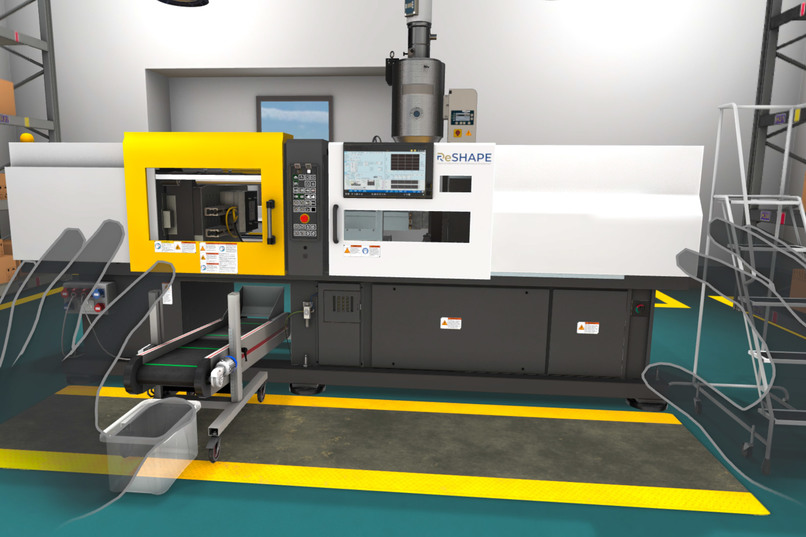
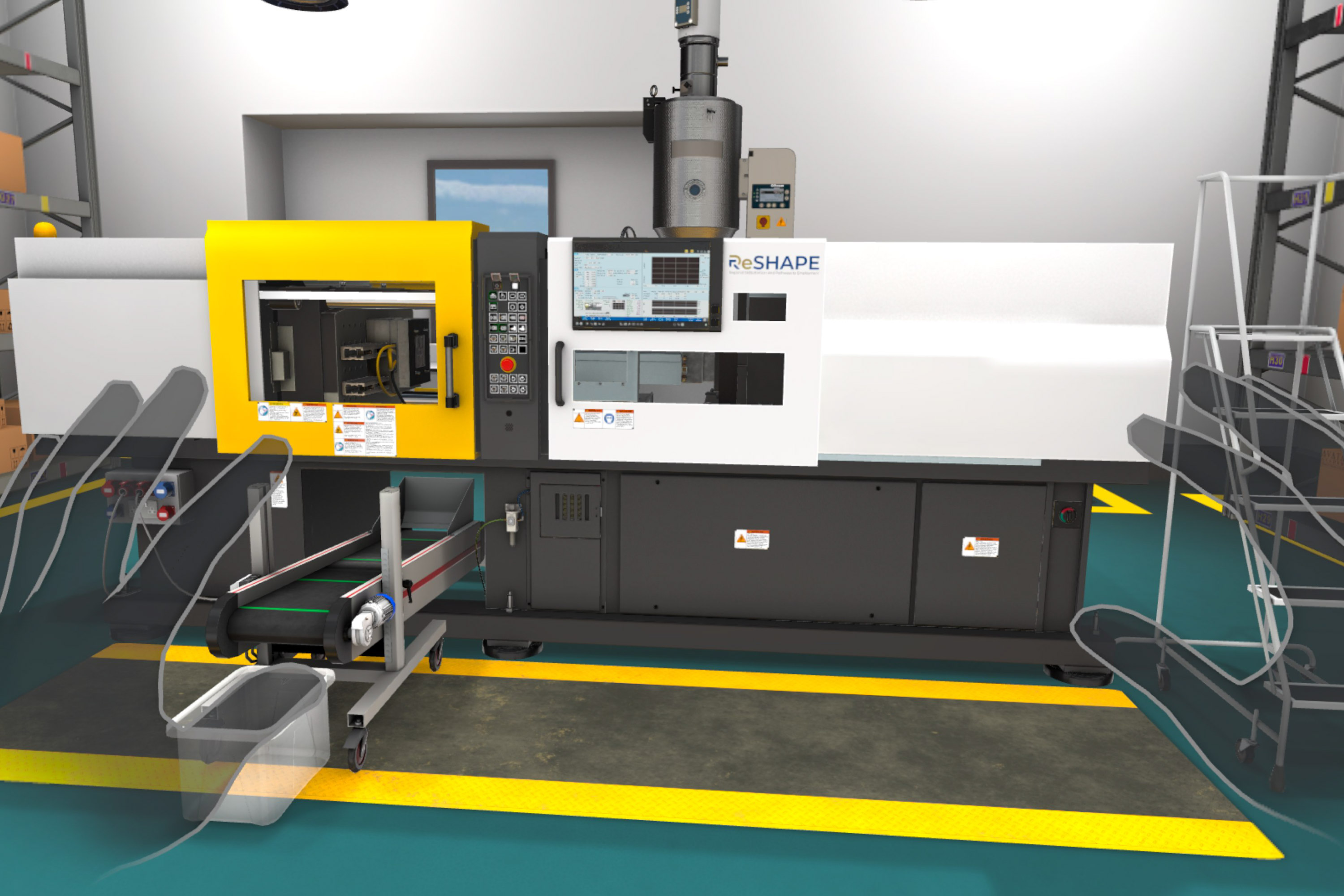
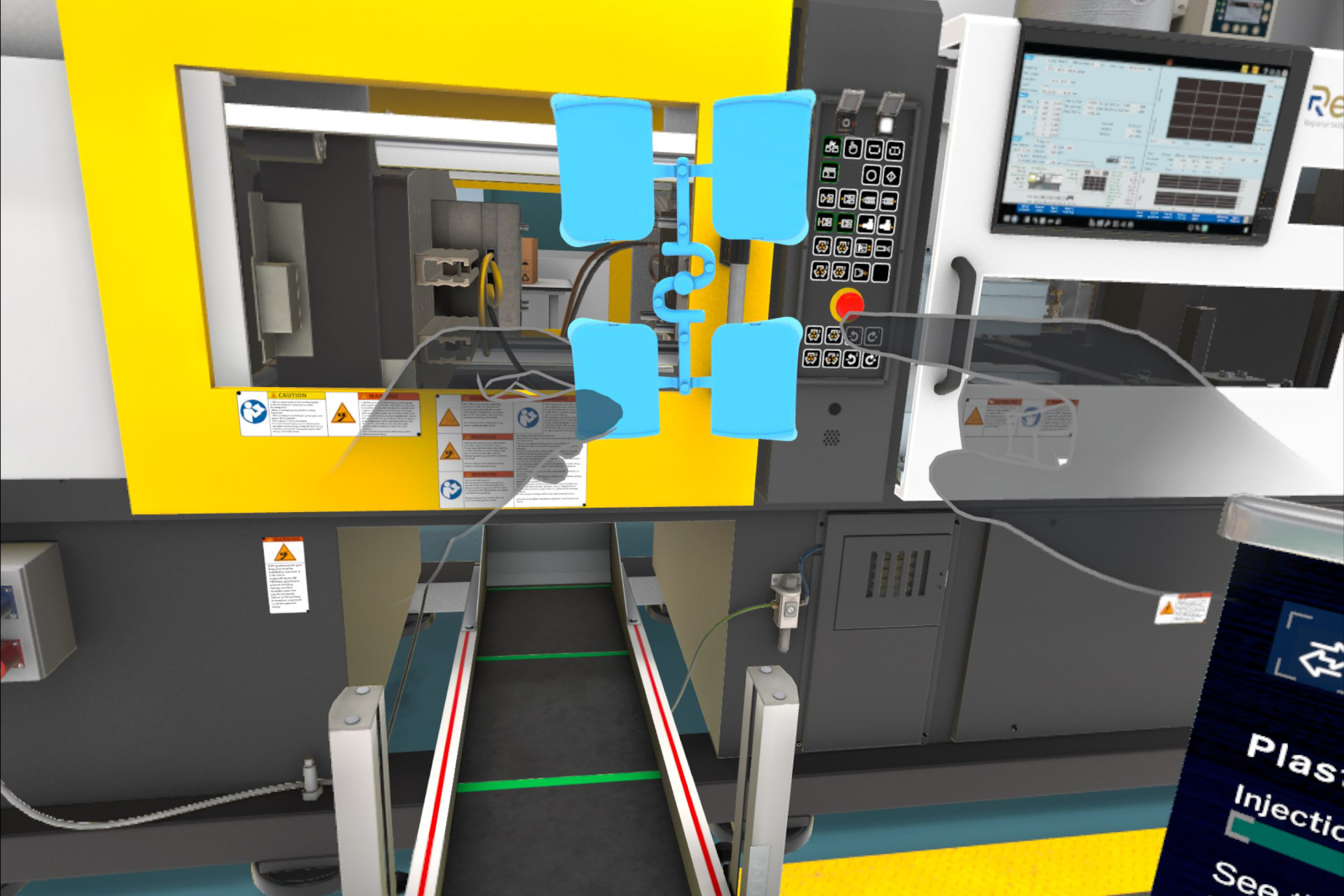
Realistic environment created for the learning module
-
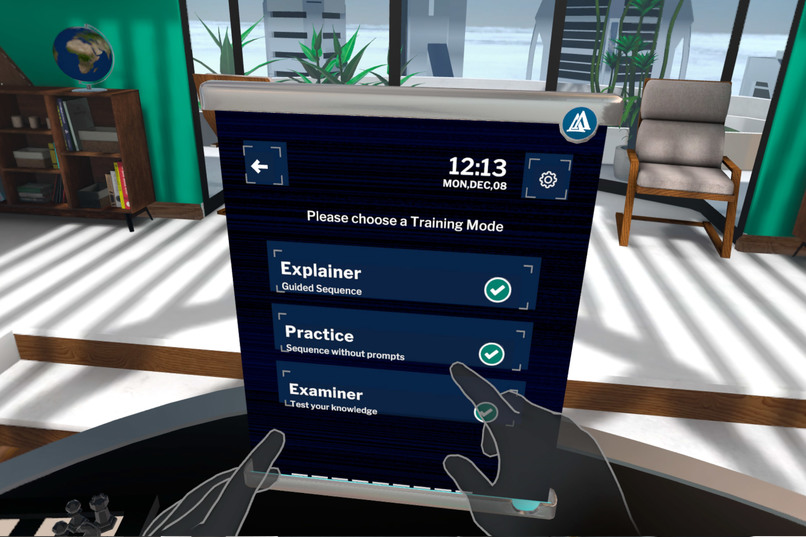
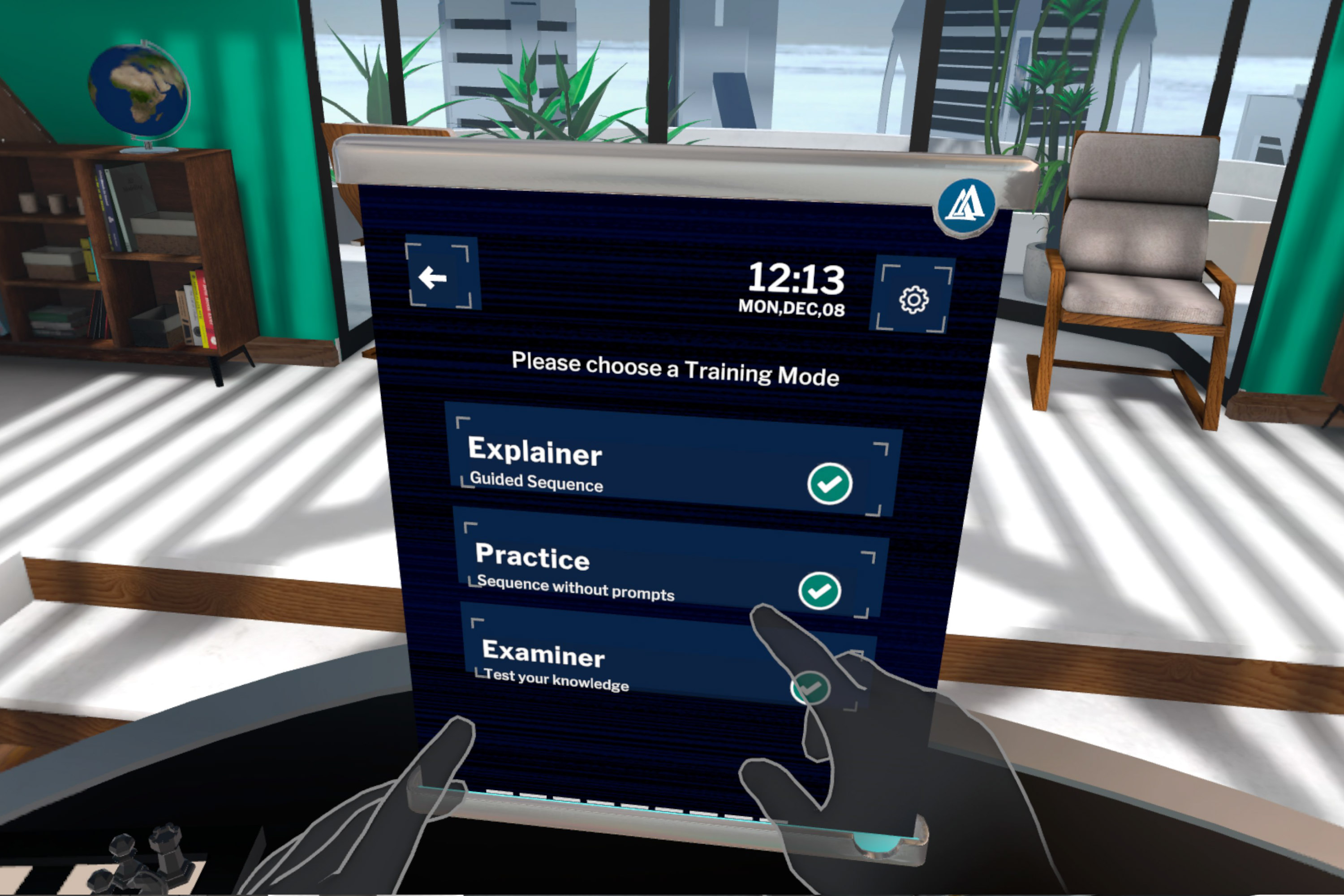
Our new procedural assessment framework screen selection
-
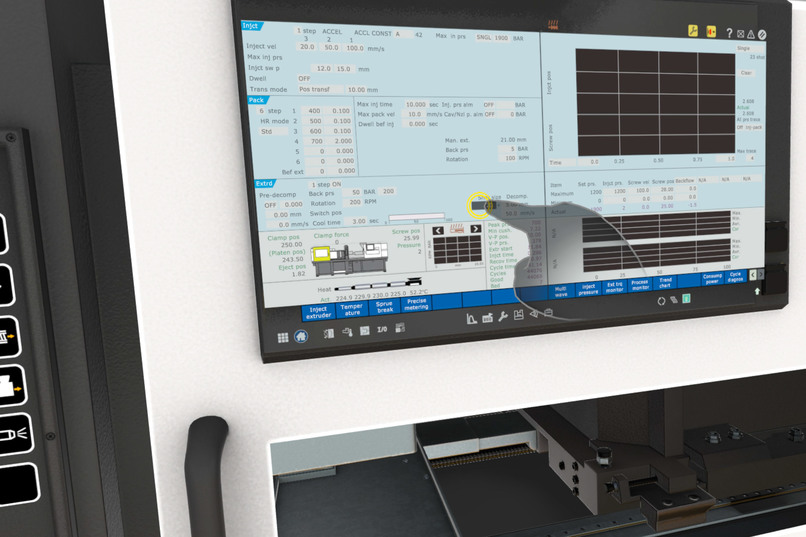
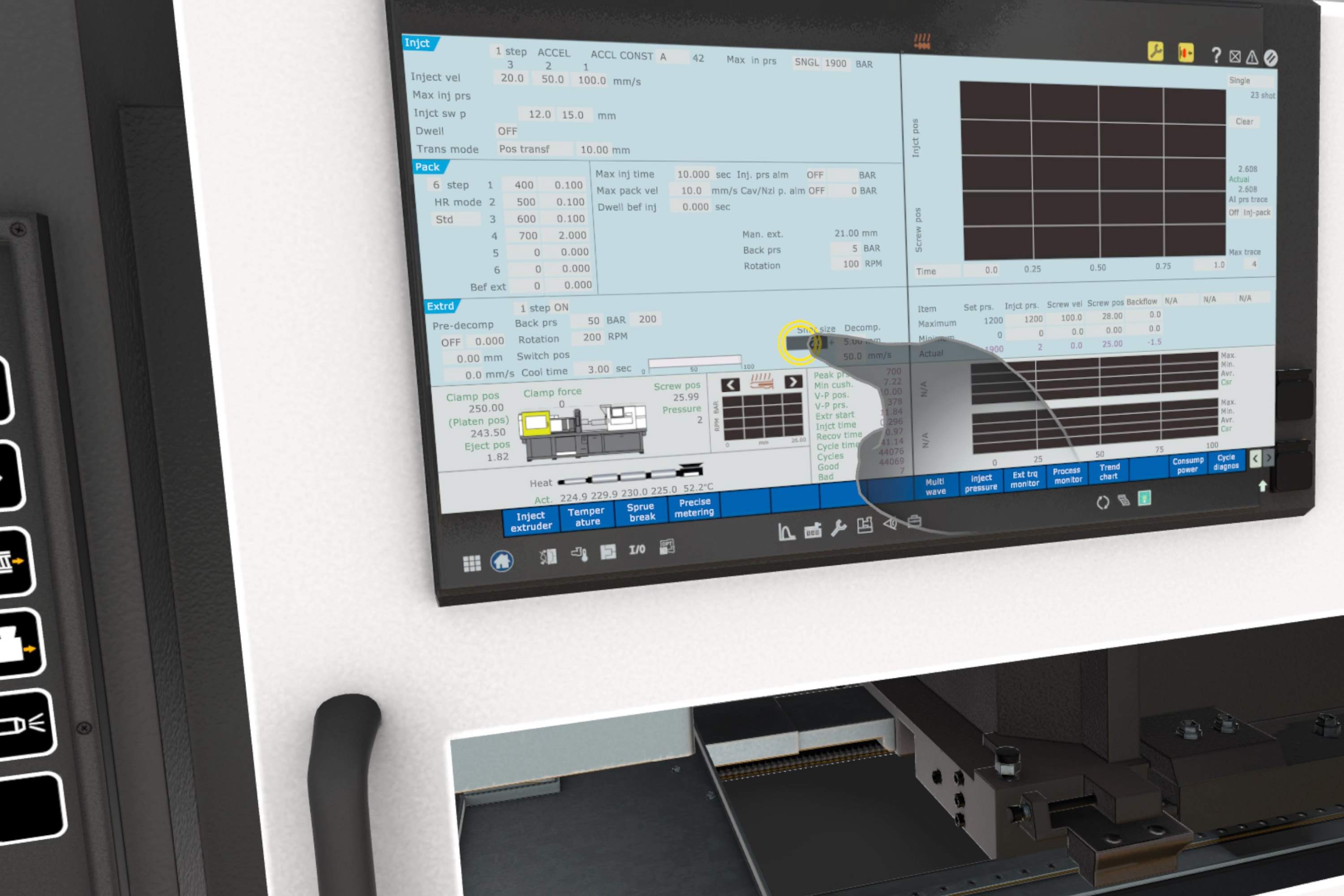
The learner estimates an initial value. The actual value is procedurally generated on each play session.
-
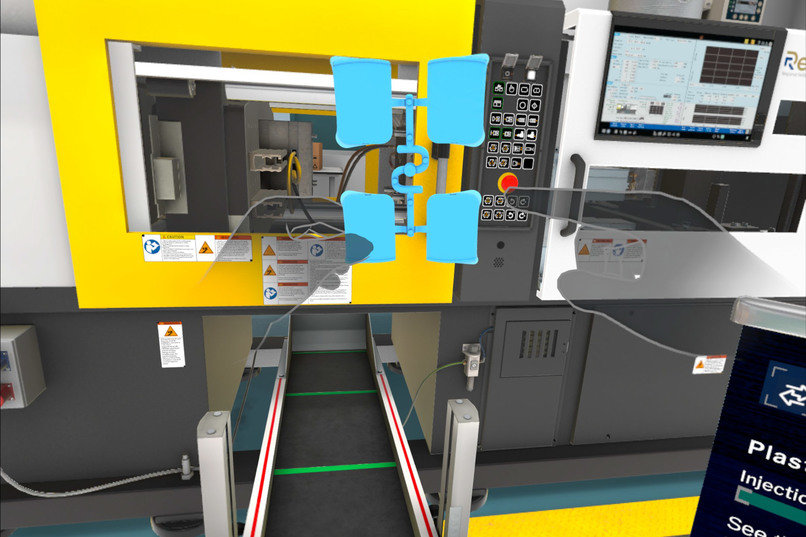
The learner inspects a realistic part, showing whether the estimate was too high or too low
-
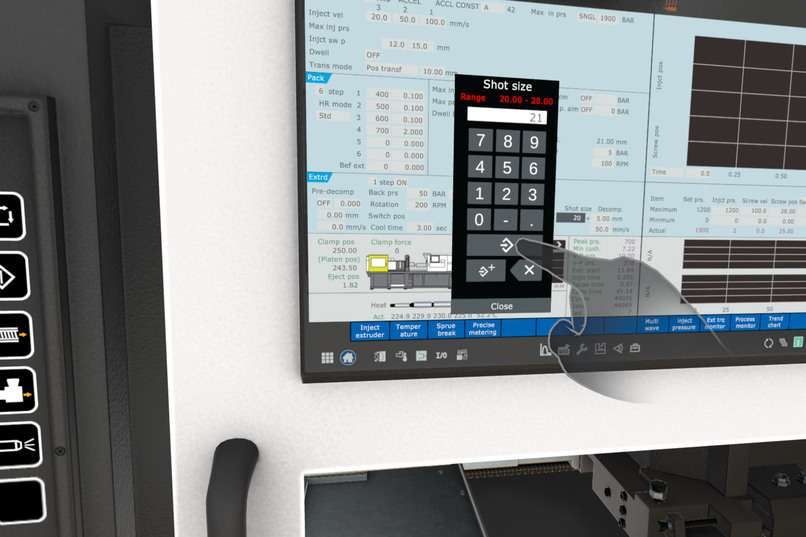
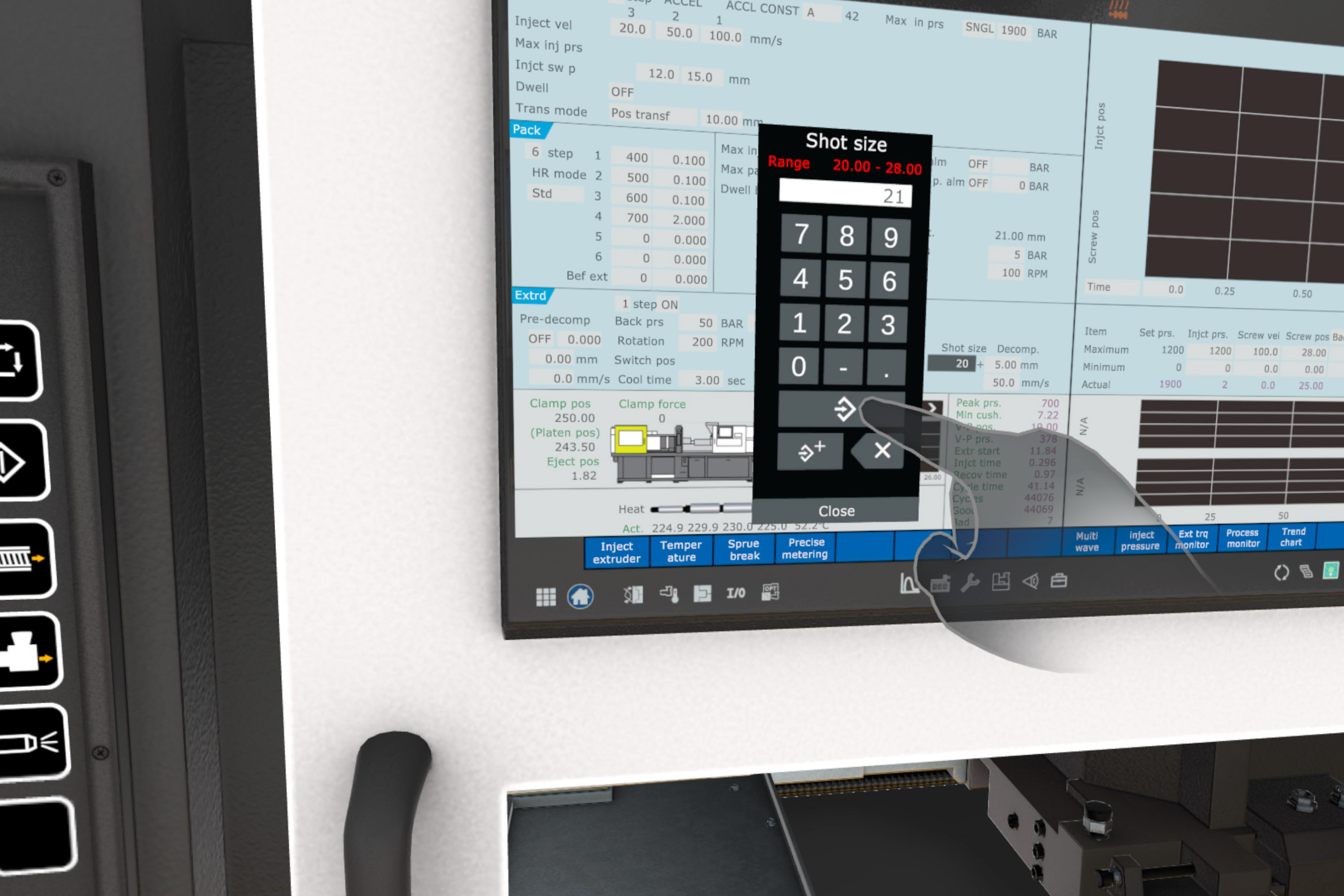
Estimate is adjusted based on feedback.
-
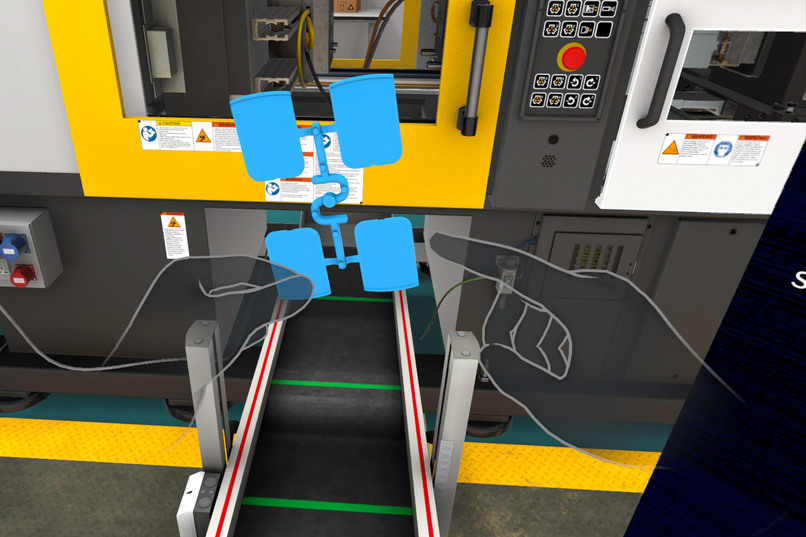
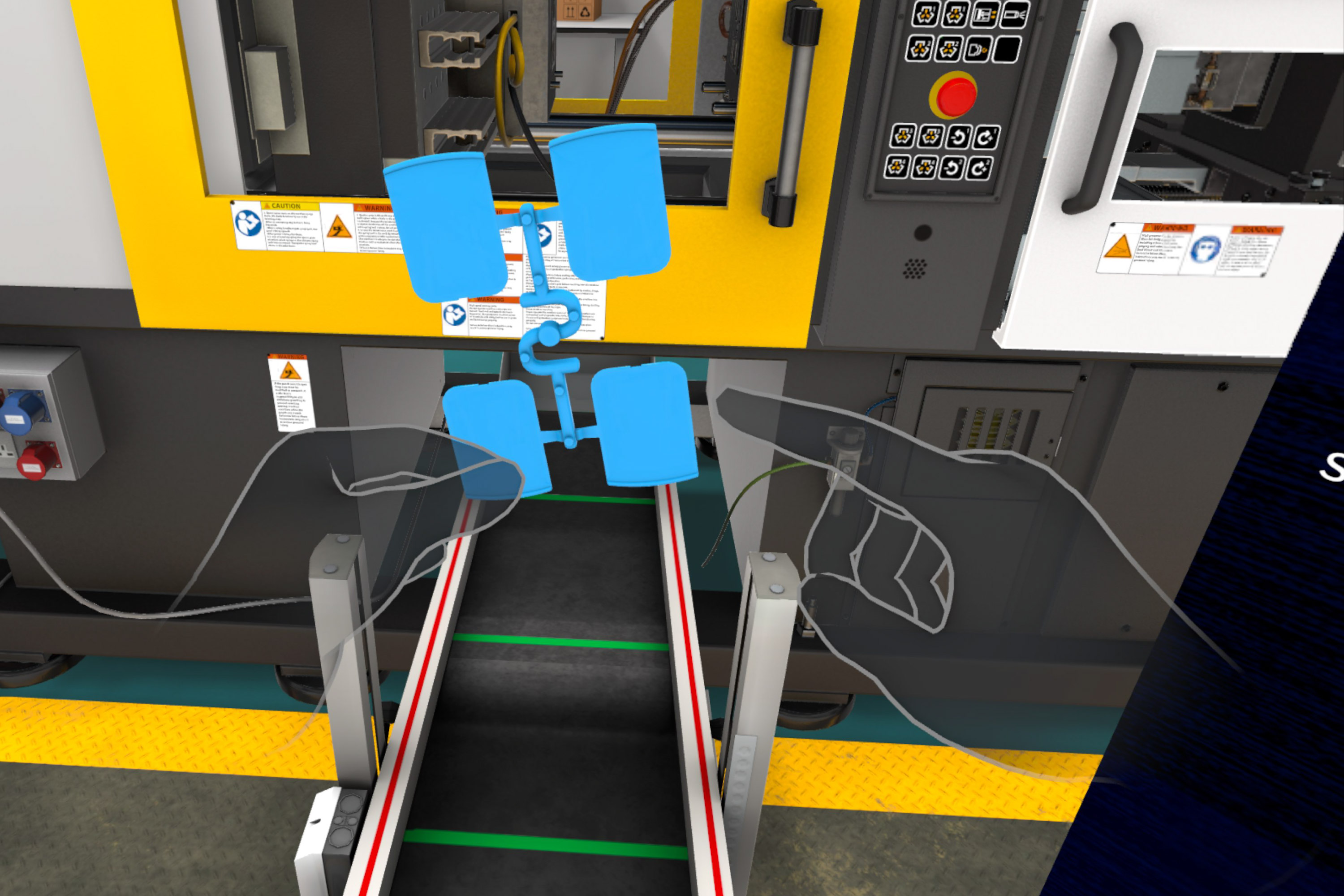
The final inspection confirms correct values
What it does
Our project transforms passive VR tutorials into active, competency-based assessments. It is a highly realistic injection moulding machine simulator built as a significant update to our Avatar Academy platform. Trainees learn procedures and then enter an adaptive assessment mode, where they must diagnose randomised part defects (short or flash) and adjust the machine settings to produce a perfect part. This ensures they master the underlying principles, not just memorise a sequence. The entire experience is designed for hands-only interaction, using intuitive visual & audio cues to create a natural and accessible learning environment.
How we built it
We built the core experience for Meta Horizon OS using Unity 6 and our own internal SDK. To achieve industry-grade realism, we modelled the environment and machine using photogrammetry scans and high-resolution photos of actual equipment. The key innovation—a procedural logic for our assessment framework—was implemented with custom C# scripts that randomise key variables and manage the part quality system. For interaction, we fully leveraged the Meta Hand Tracking SDK, designing clear visual feedback (like highlights and animated guides) to replace physical controllers and create a more immersive "learning by doing" feel.
Challenges we ran into
The primary challenge was architectural. Implementing the new procedural assessment mode was not just creating a bespoke experience; it was a fundamental platform upgrade to Avatar Academy. We had to design and integrate this new system—with its variable logic, state management, and feedback engine—in a way that was robust, reusable, and had zero impact on the stability of dozens of existing training modules. This required careful planning of new code abstractions and rigorous testing to ensure backward compatibility.
Accomplishments that we're proud of
We have moved past on-rails simulation to create a true assessment tool. The assessment mode requires critical thinking and problem-solving, which dramatically increases training transfer to the real world. Achieving this without disrupting existing client deployments was a critical engineering victory. Of course, the core achievement remains creating an assessment that genuinely tests and develops user skill.
What we learned
We learned to engineer for scale within a live product ecosystem. This project reinforced the importance of modular, decoupled system design when introducing major new capabilities. The technical process deepened our team's expertise in creating data-driven training simulations that can reliably assess user competency, which is a foundational skill for the future of VR-based professional training.
What's next for Avatar Academy?
The new procedural assessment framework will become the standard for all new competency-based training on our platform. We will immediately begin applying this "Competency Mode" architecture to other high-value industrial procedures in our pipeline. Furthermore, we plan to enhance the system by integrating analytics to provide detailed performance dashboards for trainers, quantifying proficiency gains in ways that were not previously possible.
For access, click the link provided, launch Avatar Academy and press 'Login to Account' with the following credentials: Username: Horizon PIN: 1234 Once you have logged in, you will arrive at the 'My Training' page. Choose the Injection Moulding Course to begin.
Built With
- amazon-web-services
- angular.js
- blender
- c#
- metaxrcoresdk
- metaxrinteractionsdk
- metaxrinteractionsdkessentials
- node.js
- unitycloud
- virtualreality


Log in or sign up for Devpost to join the conversation.