-
-
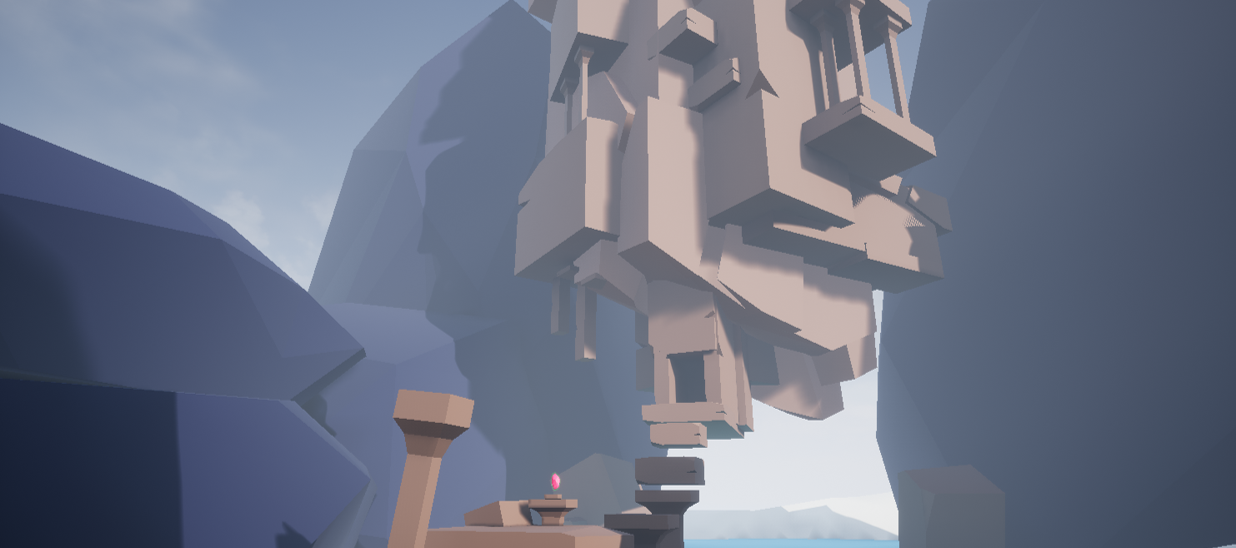
Inspiration
-
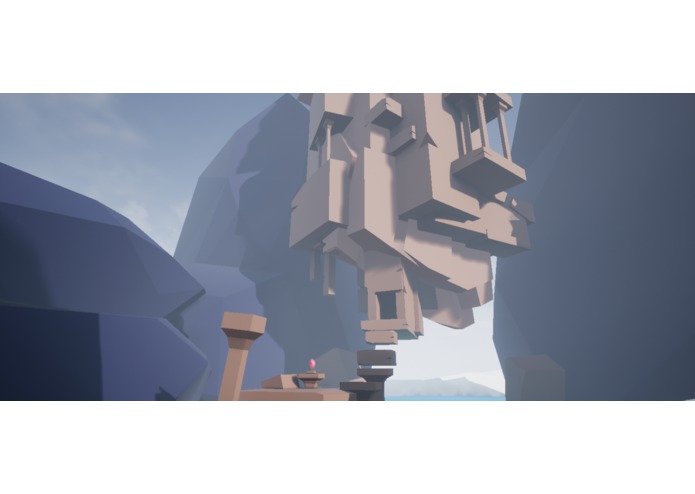
Level 1
-
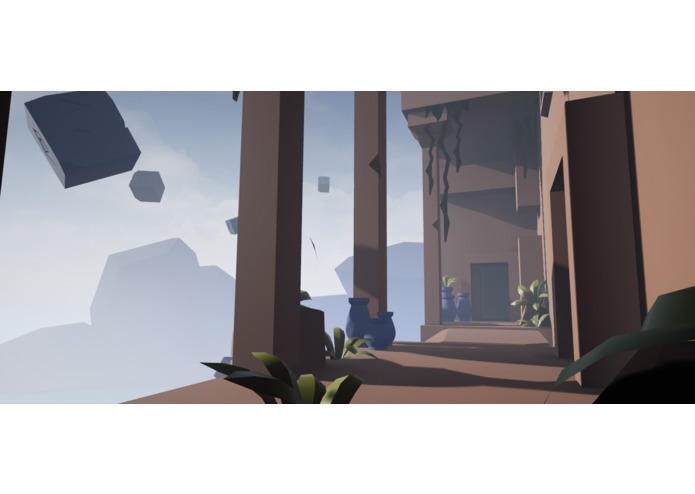
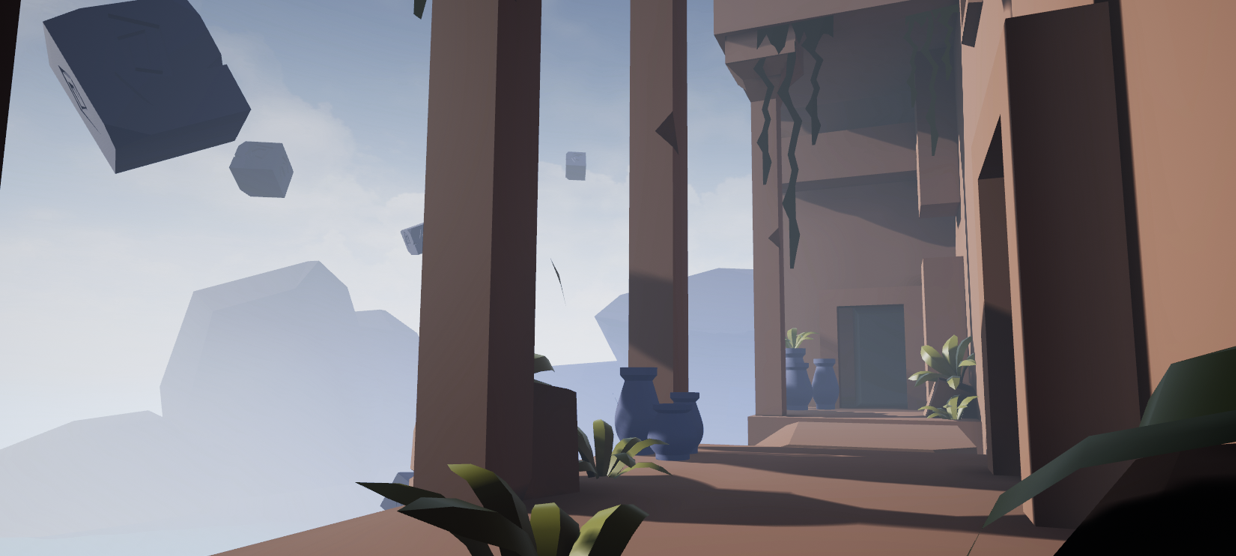
Level 2
-
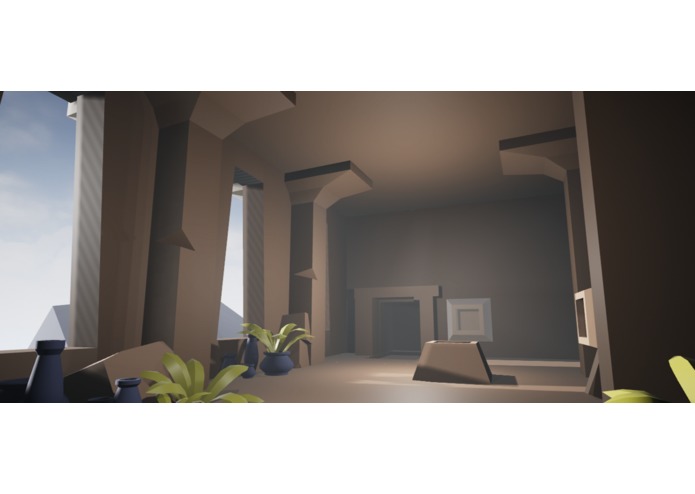
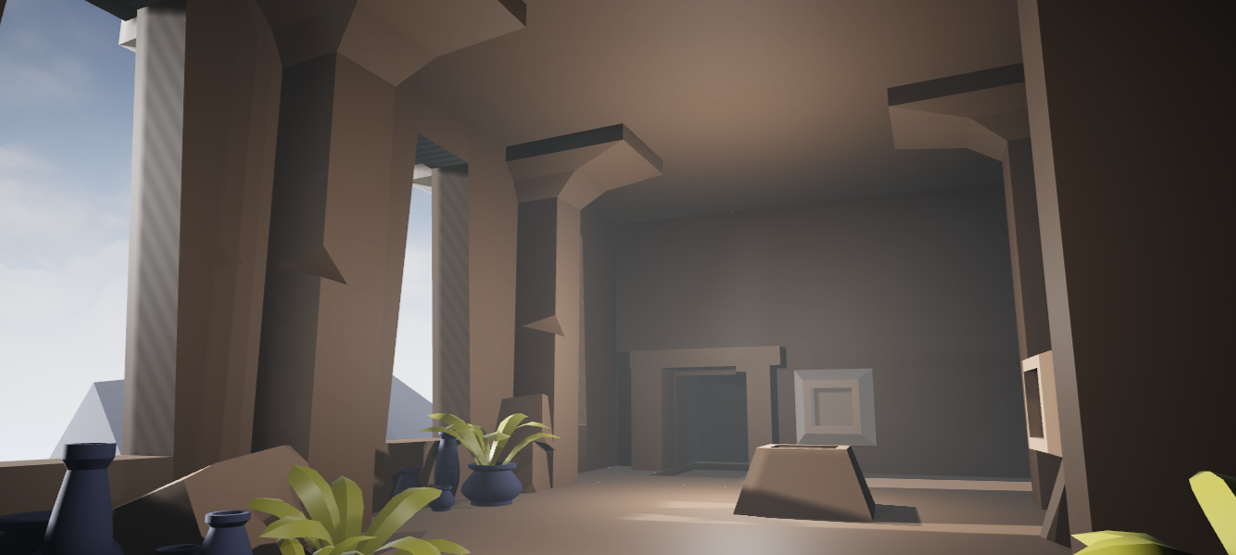
Level 3
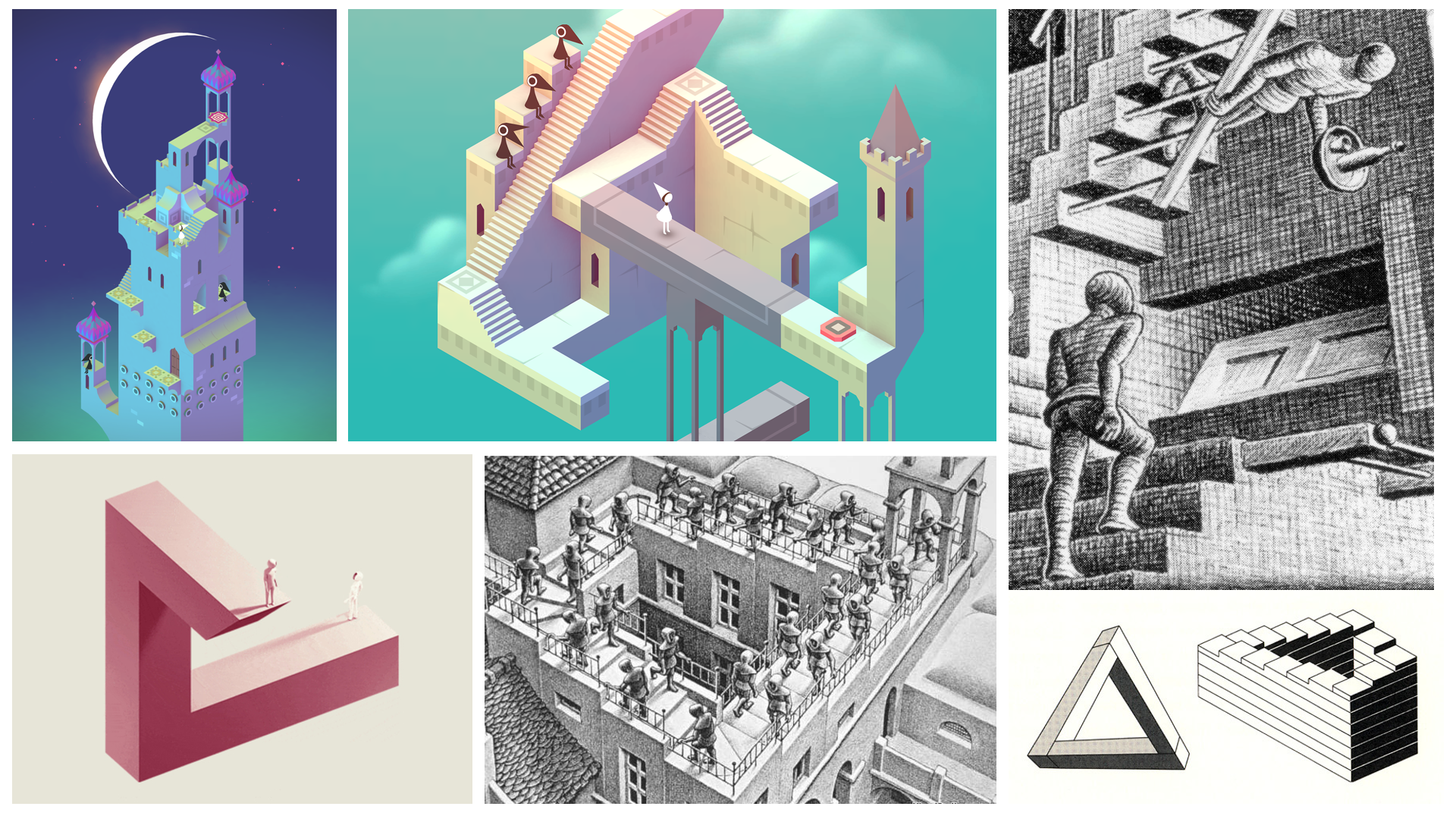
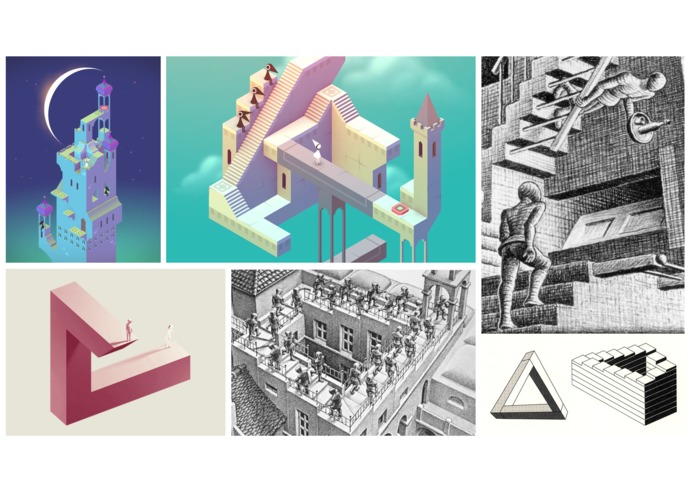
Inspiration
Inspired by the game Monument Valley and Escher-esque optical illusions, I wanted to see if we could create a game in 3D that pushed the boundary of perception, illusion and gameplay. Luckily, 7 other people at the Seattle AR/VR hack felt the same way and wanted to join forces.
Our team for the weekend:
Ishita Kapur - Producer Agatha Tutia - UX Lead Terence Tolman - Concept Artist/Game Designer Simon Manning - Game Designer Eric Carter - Developer Victor Brodin - Developer Kyla Park - Jr. Developer William Mortl - Jr. Developer
Story
You have returned from a long journey of trials and tribulations to the city of your ancestors, Mattana.
But something is amiss...
The Crystal of Mattana has been displaced. You must return it to the tallest tower.
What it does
Ava is a VR-based adventure-puzzle game. Your goal is to return the Crystal of Mattana to the tallest tower with the help of Ava, the guardian of the crystal. In the game, Ava manifests as your astral projection/body double. Using your motion controllers, you can project her to parts of the environment that you can't teleport to. Since she mirrors your motion, you can orient and position yourself such that she does the same and "unlocks" puzzles in each level.
How we built it
We built Ava using Unreal Engine for HTC Vive. We also used Blender and other lightweight protoyping tools (read pen and paper) to bring our ideas to life.
Challenges we ran into
Optical illusions in 3D don't work the same way that they do in 2D. We knew this going in but did a few quick smoke tests to figure out if there is a "close enough" translation. Here's attempt 1, that helped illuminate why illusions are hard! https://youtu.be/aERaAJFQEmU
Simon, one of the designers on the team had a breakthrough moment where he figured out how to "shard" a 3d object and offset the pieces along the same axis, such that a user moving left to right may get a vantage point where the pieces align. While we didn't get around to implementing a observer-based game mechanic, we were pretty thrilled by the possibility of building on top of it. https://www.youtube.com/watch?v=yn87GH6TC0I
Accomplishments that we're proud of
We not only had a playable game at the end of the hack, but one that was engaging for those who tried it! We've had a chance to demo the game at local meetups since then and it's really rewarding to see people enjoying the gameplay and "figuring it out".
Also, while the hackathon was only 2 days, we cherished every snack break, coffee run and dog park visit. We got to know each other as teammates, as friends and members of the broader Seattle AR/VR community. I'm so proud to say that our team dynamic was super supportive and full of gratitude to be working with each other on a shared vision.
What I learned
- It's nice to start off with an idea. But, it will evolve and that's a good thing!
- Constraints are awesome. Developers not being able to do something is just as useful in them being able to hit it out of the park with a different thing. It helped scope and prioritize.
- Communication is key. The fast pace of a 2 day hack meant that it was surprisingly easy to have different people on the team get out of sync on numerous things - level design, story arc, magic moments etc. It took frequent check-ins and proactive updates to stay on the same page.
- There are always different levels of expertise on the team. If you happen to be the producer or someone with deep experience in VR, find a way to mentor or help a less experienced teammate contribute to the project in some way, even if it's small.
- Find the gaps! There's always something that needs to be done that nobody else has time to think about - whether that's scraping the Youtube audio library for sound and music to go with your project; or setting up a quick playtest and recruiting hack attendees to give you feedback; or ordering food for your starving teammates. Find the gap and fill it.
- Most importantly, have fun!

Log in or sign up for Devpost to join the conversation.