Inspiration
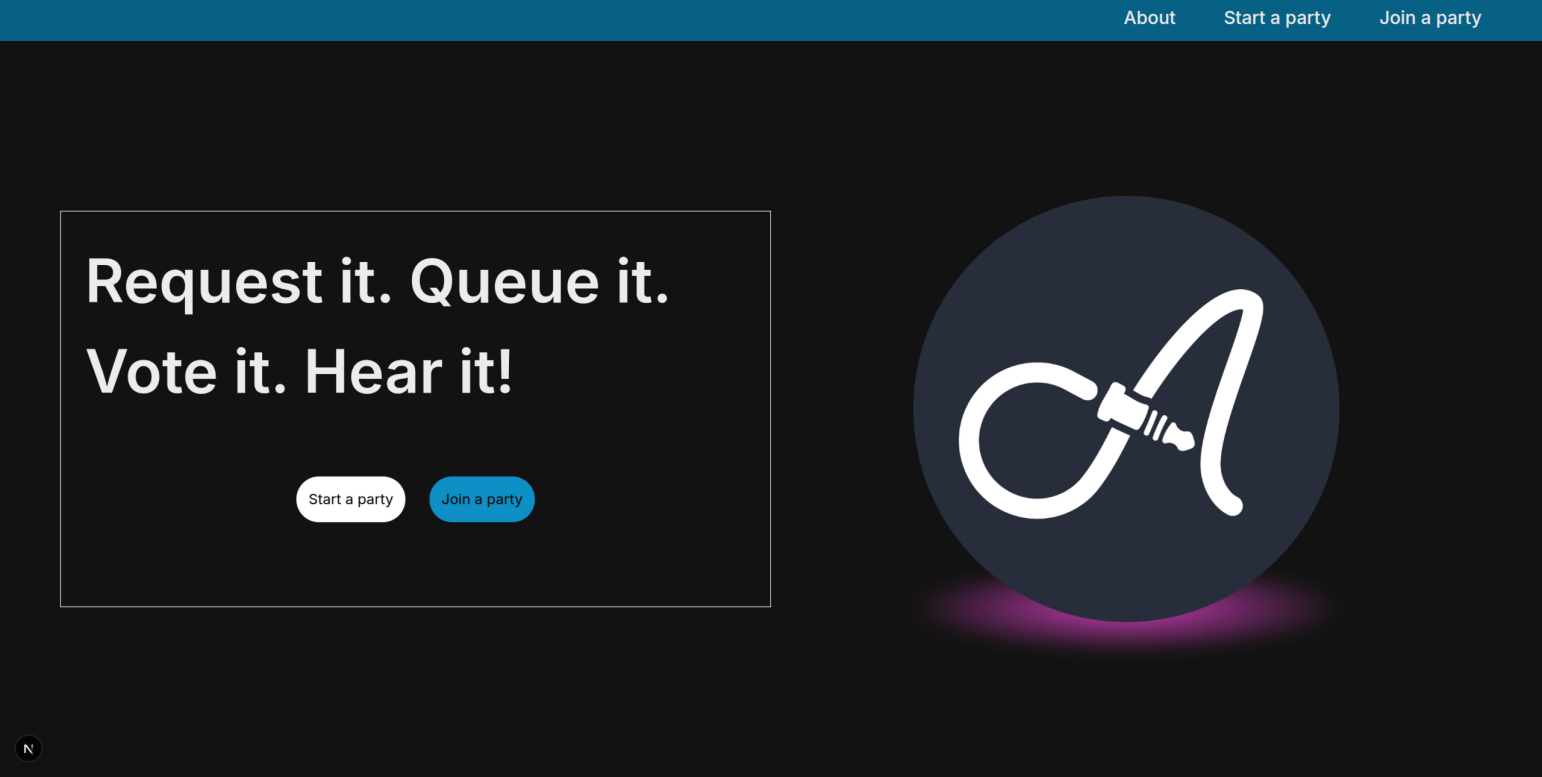
Have you ever been at a party where everything is going great… except for one thing: the music? Someone grabbed the aux and suddenly it’s miss after miss. The vibe is dying, and nobody wants to be the person who takes over the playlist. That’s why we built Auxilify - a way to bring everyone at the party into the music selection and create a playlist the whole room can enjoy.
What it does
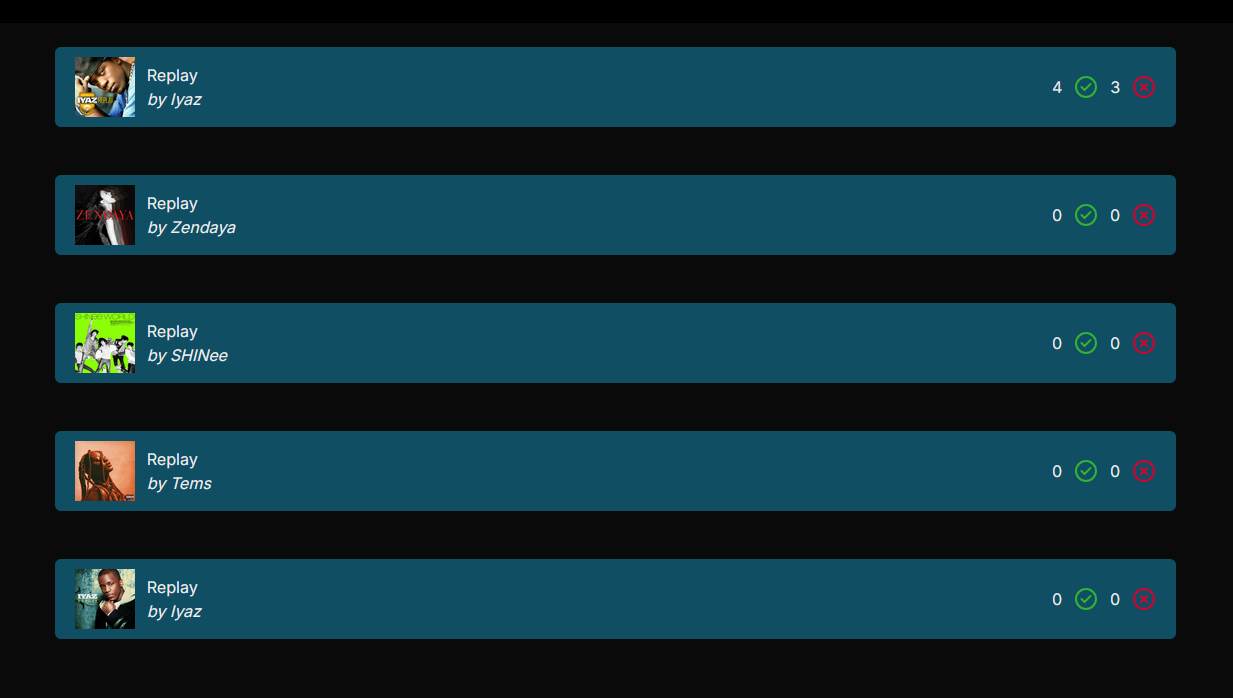
Auxilify is a web app that lets users create online rooms where they can host a “party” and invite friends to collaborate on a shared playlist. Once songs are added to the queue, everyone in the room can react by upvoting songs they like or downvoting songs they don’t. Popular songs rise to the top of the queue, while songs with enough dislikes can be removed entirely. The queue syncs directly with the host’s Spotify account, allowing the playlist to play in real time while the group collectively shapes the vibe.
How we built it
We built Auxilify using the Next.js framework to handle both the frontend interface and backend logic. To integrate music playback, we used the Spotify API, which allows users to search for songs and connect their Spotify accounts so requested tracks can play directly through the host’s device. For persistent data, we used MongoDB to store information such as the current party session and the songs in the queue.
Challenges we ran into
As many of us were new to hackathons, one of our biggest early challenges was project management - figuring out how to divide tasks and keep everyone aligned while building quickly. We also took a risk with our tech stack by choosing to learn Next.js during the hackathon itself. While it was exciting, it also meant spending a lot of time troubleshooting framework-specific issues and figuring out why things weren’t working.
On top of that, we ran into some classic GitHub hurdles while collaborating on the same repository - from merge conflicts to figuring out why pushes weren’t going through. Finally, we realized partway through the hackathon that our initial scope was too ambitious, and we had to scale back some planned features in order to deliver a working product.
Accomplishments that we're proud of
Even though the project isn’t perfect, we’re really proud of how far we were able to take it in such a short amount of time. This hackathon was a great learning experience for all of us. It gave us valuable experience collaborating on a real project, working with new technologies, and solving problems together under time pressure. It was also the first time our team had worked together, so it was exciting to see what we could build as a group.
What we learned
We learned that building projects, especially in a limited timeframe, is challenging and requires careful planning and coordination. At the same time, we gained hands-on experience with useful technologies like Next.js and MongoDB, and a much better understanding of how to approach future projects. If we were to do this again, we’d have a much clearer idea of how to plan our scope and organize our workflow.
What's next for Auxilify
In the future, we’d love to continue developing Auxilify by implementing the additional features we originally planned. These include customizable party rooms and an AI-powered assistant that can analyze the playlist to help set the mood by, for example, dynamically changing the visual theme of the party room or recommending songs that fit the vibe.
Our goal is to make Auxilify an even more interactive and engaging way for friends to shape the soundtrack of their gatherings together.
Built With
- figma
- github
- mongodb
- next.js
- spotify
- tailwind-css
- typescript


Log in or sign up for Devpost to join the conversation.