Inspiration
Most network-attached storage units act as static bit buckets: terabytes of raw audio, video footage, surveillance feeds, and documents sit idle because organizing them manually is a massive bottleneck. I wanted to transform local hardware into a privacy-first, autonomous intelligence hub. Instead of sending sensitive media to external cloud APIs with ongoing costs and latency, I was inspired to leverage local compute and the UGOS ecosystem to index, transcribe, and search data entirely on-device.
What it does
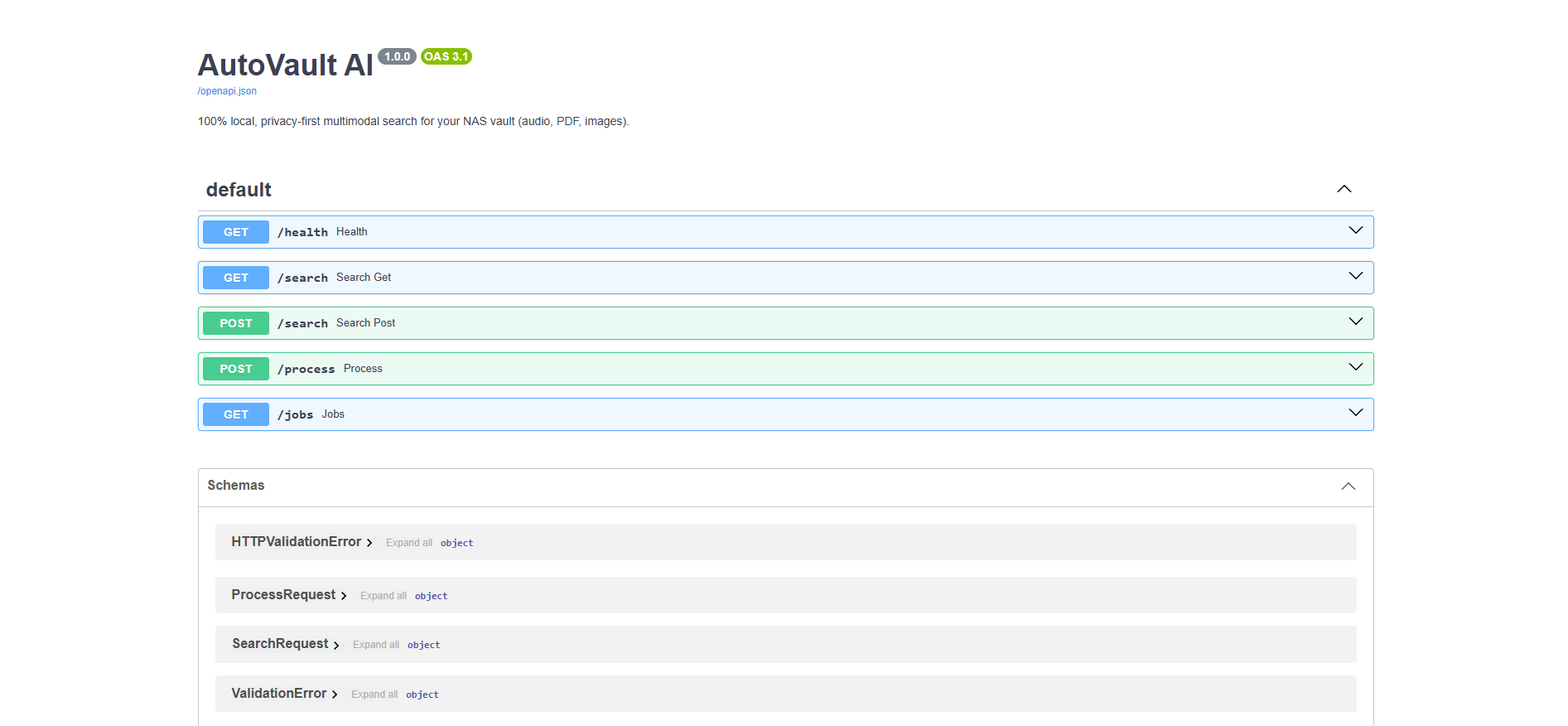
AutoVault AI is a local multimodal intelligence engine built specifically for UGREEN AI NAS. It continuously monitors designated folders for new media and documents, automatically executing background processing pipelines:
- Automated File Ingestion: Watches local directories for incoming audio logs, video streams, CCTV clips, and documents.
- Local AI Processing: Runs Whisper for audio transcription, OCR for document text extraction, and frame-sampling algorithms for media indexing without external API calls.
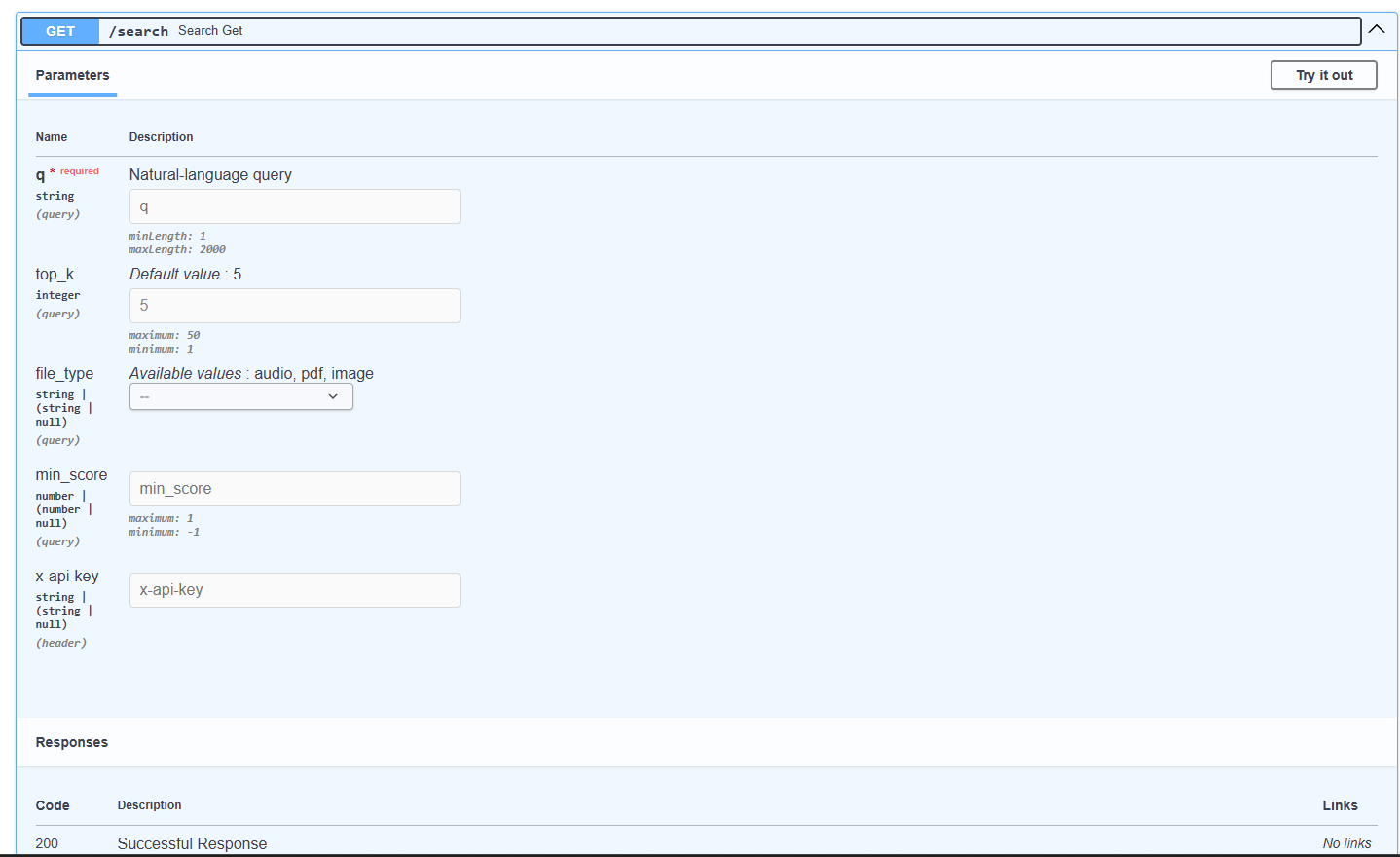
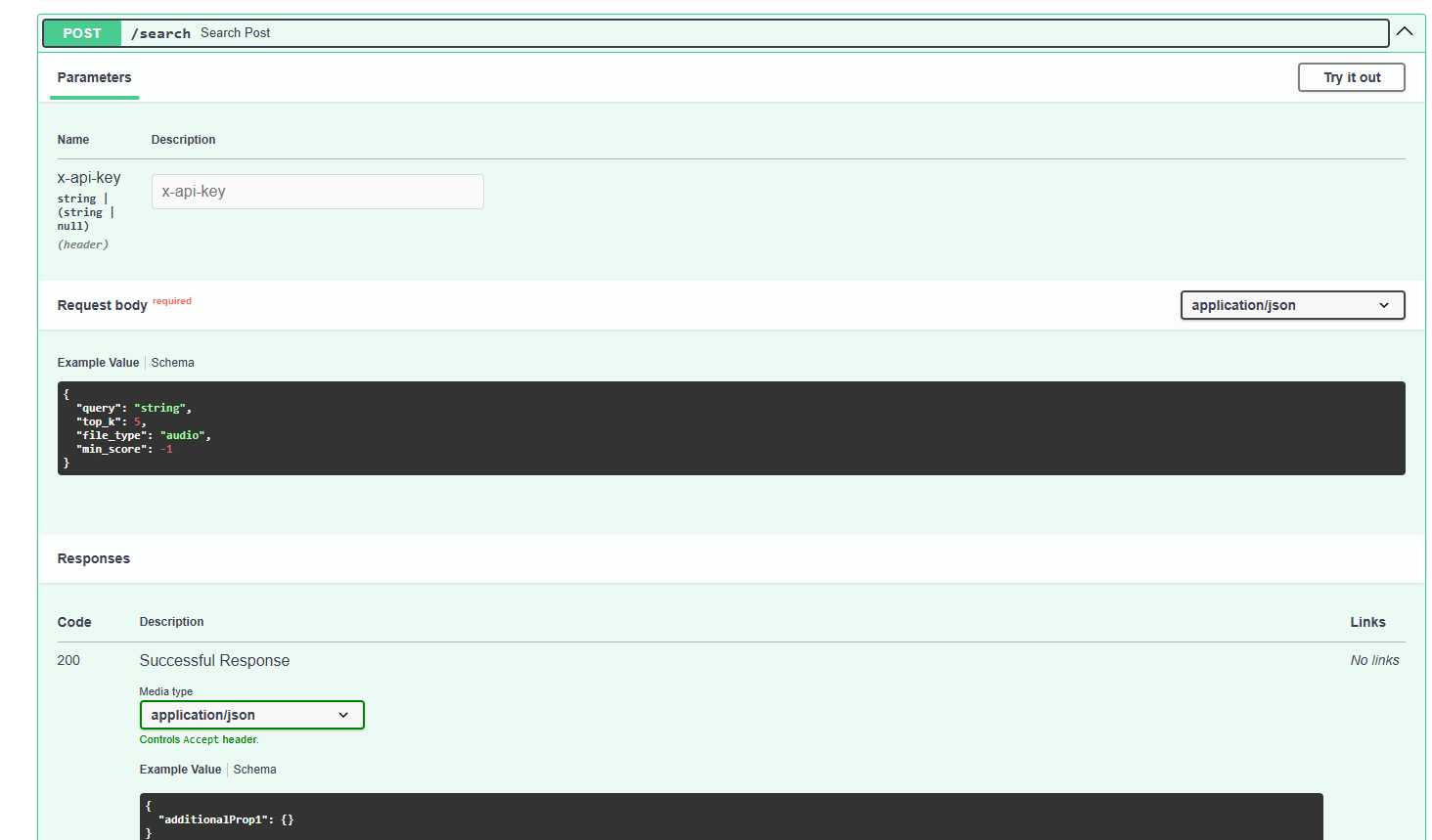
- Natural Language Semantic Search: Allows users to query their local vault using plain language via UGOS (e.g., "Find the clip from Thursday where we discussed the API migration" or "Show all footage where a vehicle enters the frame").
How I built it
I built AutoVault AI using Python and Docker integrated into the UGREEN Skill Developer Package and UGOS:
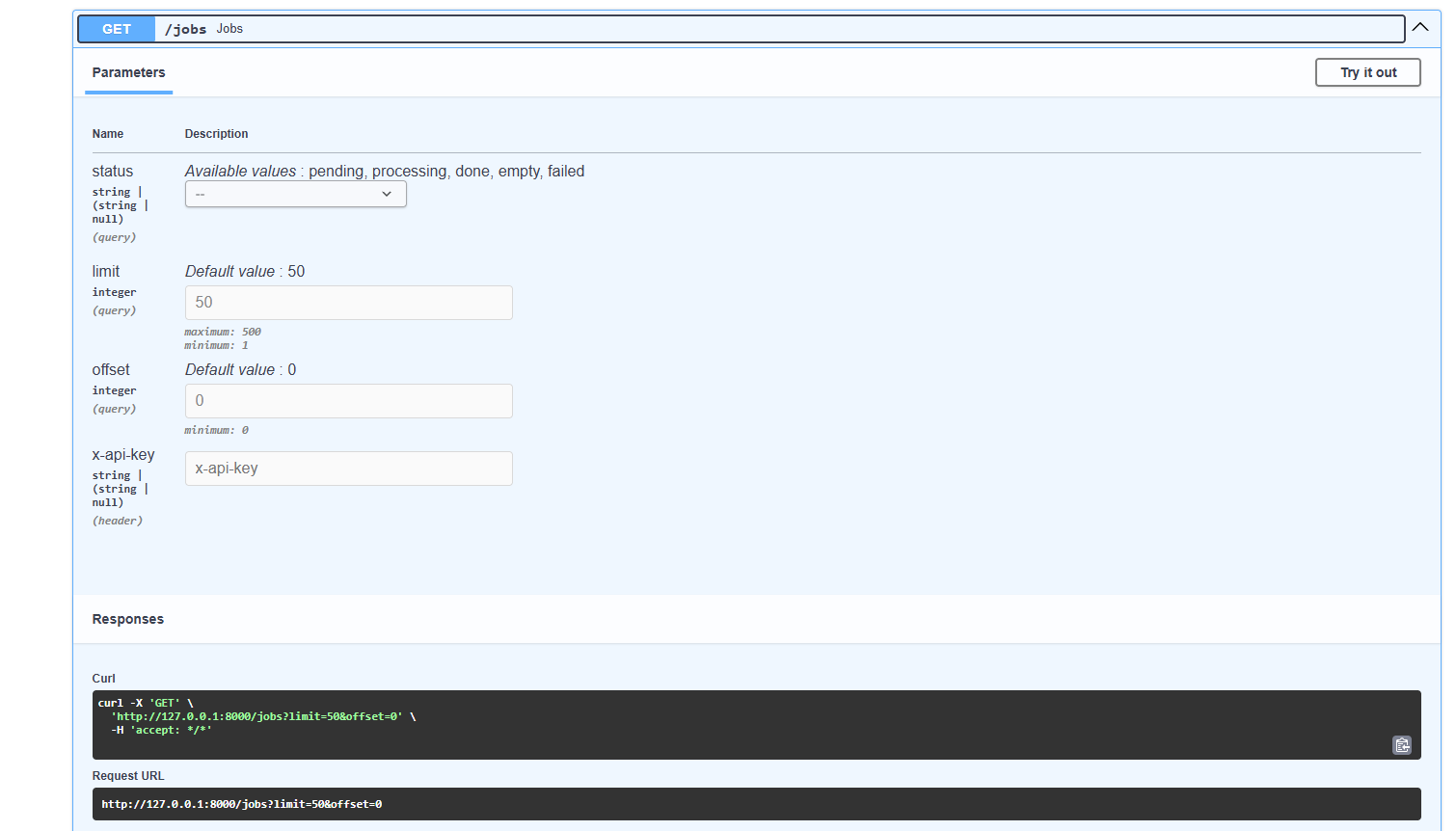
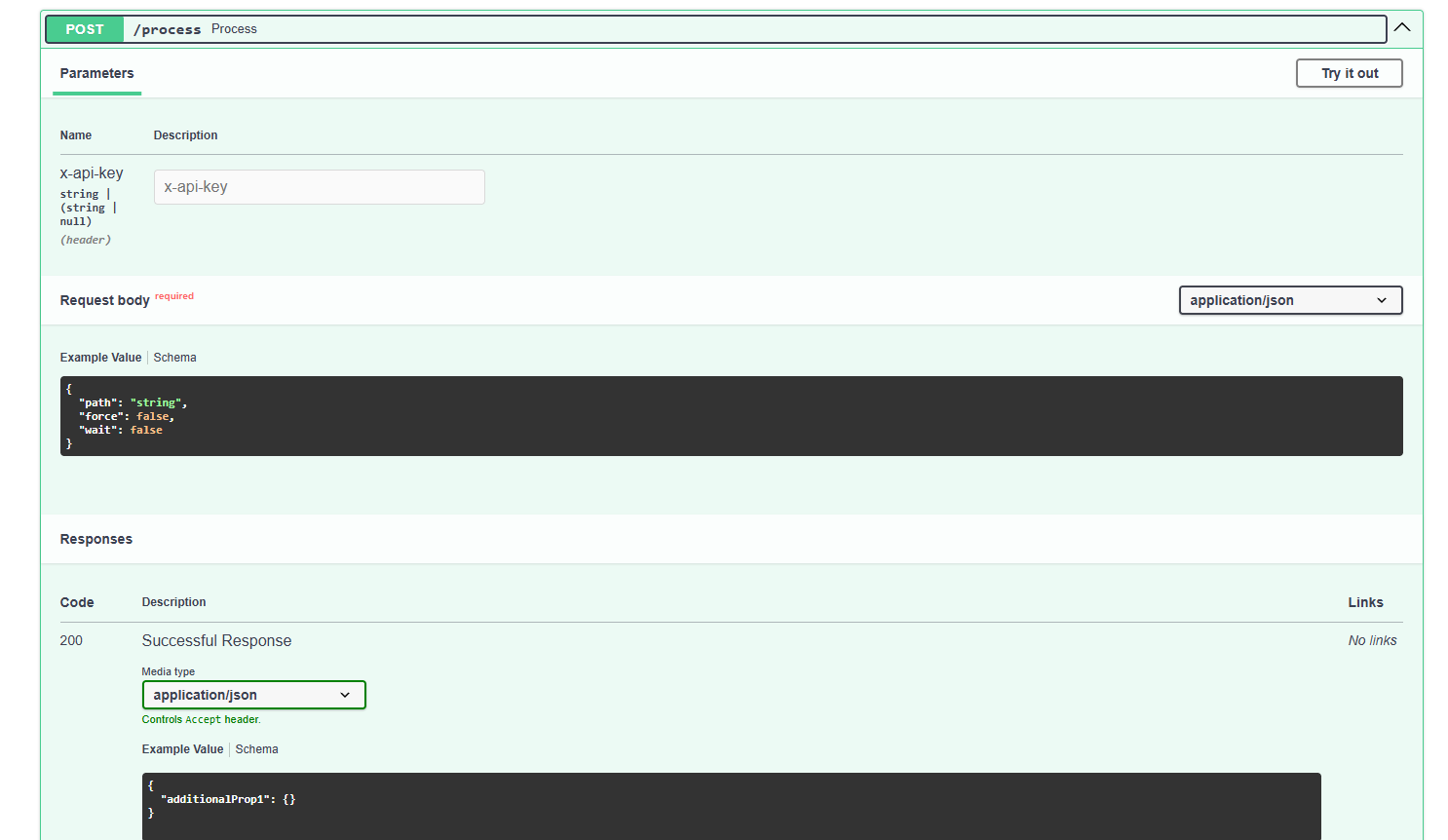
- Backend Architecture: Developed a Python-based background daemon running inside a lightweight Docker container to handle file system events and queue processing tasks.
- Transcription & Extraction Engine: Integrated local Whisper models for speech-to-text conversion alongside Tesseract OCR for text extraction from scanned files.
- Vector Indexing & Search: Built a local embedding pipeline using SQLite and FAISS to store vector embeddings on disk, enabling fast semantic similarity search across extracted transcriptions and metadata.
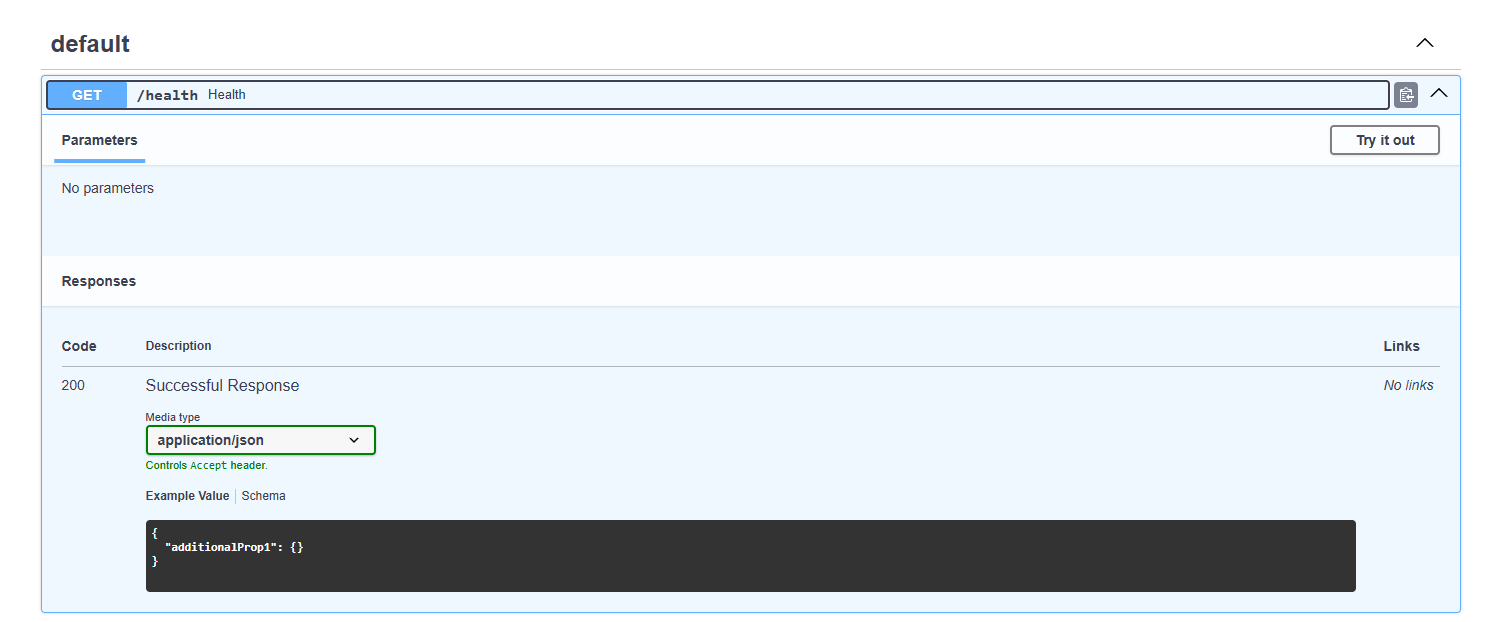
- UGOS Skill Integration: Configured the skill registration parameters to expose direct search and query hooks natively through the UGOS AI assistant interface.
Challenges I ran into
- Resource Constrained Optimization: Running local transcription and embedding models alongside NAS system operations required fine-tuning batch sizes and quantization levels to keep CPU/GPU memory footprint minimal.
- Asynchronous Task Management: Handling heavy file ingestion without blocking system reactivity required setting up an efficient background queue using SQLite state tracking to prevent redelivery of jobs during system restarts.
- Cross-Format Media Pipeline: Supporting diverse file containers (MP4, MKV, WAV, PDF) required building robust fallback parsers to cleanly handle corrupted streams or unsupported codecs without failing the execution loop.
Accomplishments that I'm proud of
- 100% On-Device Privacy: Accomplished complete multimodal transcription and retrieval with zero external network dependencies or third-party cloud API calls.
- Seamless UGOS Integration: Packaged the entire workflow into a clean, reproducible Skill Developer Package that installs and executes natively within the UGOS environment.
- High Efficiency Indexing: Achieved real-time speech transcription and sub-second semantic retrieval across gigabytes of local test media files.
What I learned
- UGOS Architecture: Gained deep experience in building skill packages for UGOS, understanding how custom AI skills interface with local file permissions and system services.
- Local Model Quantization: Mastered optimizing open-source AI models (Whisper and embedding encoders) for constrained local edge environments.
- Vector Store Management: Deepened my knowledge of lightweight vector search optimization on local Linux file systems.
What's next for AutoVault AI
- Real-Time Video Event Detection: Incorporate lightweight local computer vision models (such as YOLOv8) for automatic object and face tagging in surveillance feeds.
- Multi-Language Expansion: Extend automated transcription support across multi-language audio tracks with automated translation summaries.
- Custom Knowledge Graphs: Expand document analysis into an interconnected local knowledge graph to map relationships across disparate PDFs, notes, and meeting transcripts.

