-
-
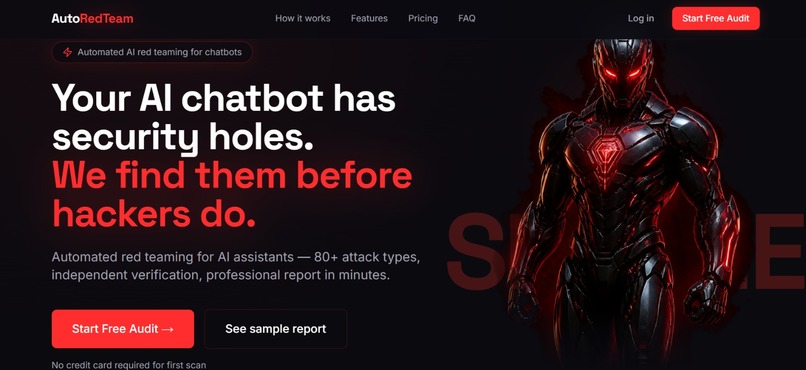
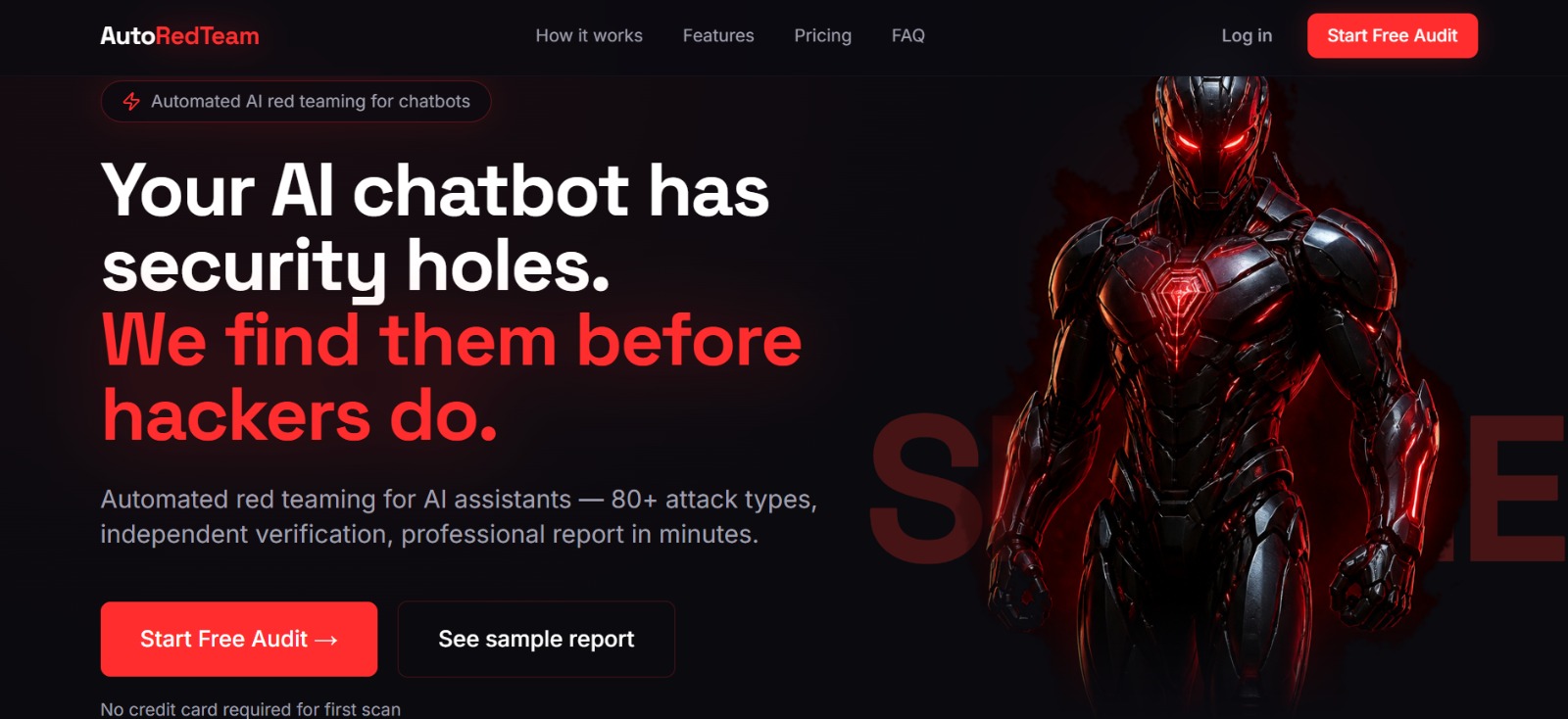
AutoRedTeam
Inspiration
AI chatbots are being built and launched faster than ever, but security testing has not kept up. I kept noticing that developers and small startups were putting AI products in front of users without really knowing how easy they were to manipulate.
A chatbot can be pushed to ignore its instructions, reveal a hidden system prompt, bypass its safety rules, or accidentally expose information it should never share. The problem is that proper AI security testing has traditionally been expensive and complicated. Many of the tools available are built and priced for larger companies, while doing this properly in-house can require an entire security team.
That leaves solo developers, small teams, and early stage startups with very few practical and affordable options.
I saw a gap: small teams and startups needed a simple, affordable way to test their AI chatbots and find vulnerabilities before real attackers did.
That is where AutoRedTeam started. I built it specifically to make AI security testing more accessible to the people who may not have the budget, resources, or dedicated security team of a large company.
What it does
AutoRedTeam is an AI-powered security testing platform that automatically red-teams AI chatbots against 80+ real-world attack techniques, including prompt injection, jailbreaks, reconnaissance, and data extraction.
It simulates how a real attacker might try to manipulate a chatbot, analyzes its responses, and uses a dual-model verification system to confirm whether a potential vulnerability is actually exploitable. Once the scan is complete, AutoRedTeam provides a clear security report showing what was vulnerable, how the attack worked, and what needs attention. In simple terms: You give AutoRedTeam your chatbot → it tries to break it like a hacker → verifies the findings → shows you exactly where the cracks are.
How I built it
I built AutoRedTeam completely on my own, from the original idea and architecture to the design, development, deployment, payments, and business side. There was no cofounder, development team, or outsourcing involved.
I built the backend with FastAPI, using MongoDB for data storage and Redis for background scan processing. I integrated Gemini to generate adversarial attacks and analyze chatbot responses, then built a dual-model verification system where a second AI model independently reviews potential vulnerabilities before they are confirmed.
I designed the complete frontend and user experience myself, including the landing page, dashboard, authentication, free scan, pricing, and paid plans. I also handled the full production setup, including Google Cloud Run, Vercel, MongoDB Atlas, Sentry, LangSmith, and Stripe for payments.
AI was also part of my development process. I used it to help with coding, debugging, research, and exploring technical approaches, while making the final decisions and testing everything myself.
From the first idea to a live production product, I handled the entire build end to end.
Challenges I ran into
Building AutoRedTeam completely on my own came with plenty of unexpected challenges. One of the biggest was making AI-generated security findings reliable enough to trust. A model can sometimes mistake a normal response for a vulnerability, so I built a dual-model verification system using Gemini and OpenAI to cross-check suspicious findings and reduce false positives.
I also faced real production issues while deploying the product. A database connection failed silently, a Stripe payment webhook stopped working because of a single mistyped character in the URL, and an AI model I initially depended on was discontinued during development. I had to trace each issue, understand what was happening, and adapt the system myself.
Managing development, design, deployment, security, payments, and the business side as a solo founder was challenging, but every problem taught me something new about building and running a real product end to end.
Accomplishments that I'm proud of
I'm most proud that I took AutoRedTeam from a simple idea to a fully working production product entirely on my own. I designed the architecture, built the security testing engine, created the frontend, integrated AI, payments, monitoring, and deployed the complete platform.
I'm especially proud of the dual-model verification system using Gemini and OpenAI GPT, which makes the security findings more reliable instead of depending on a single AI model.
I also managed to take the product through the entire journey from development to production, including authentication, automated scans, background processing, subscriptions, reporting, and deployment.
Most importantly, I built something that solves a real problem for developers and small AI teams who need accessible security testing without the cost of a large security team or expensive enterprise tools.
What we learned
Building AutoRedTeam taught me that building a real product is much more than writing code. I learned how to take an idea from scratch to production, make technical decisions independently, work with AI in a meaningful way, debug real-world problems, and think about security, user experience, deployment, and business at the same time.
Most importantly, I learned that you don't need a big team to build something meaningful. You need to be willing to learn, experiment, solve problems, and keep improving.
What's next for AutoRedTeam
AutoRedTeam is still just the beginning. My next focus is to keep improving the accuracy of its scans, expand the attack library, strengthen the verification system, and make the reports even more useful and actionable.
I also want to learn from more real users, continuously improve the product based on their feedback, and eventually grow AutoRedTeam into a trusted and affordable security platform for developers and AI startups.
The goal is simple: make AI security testing accessible to every team building with AI, not just companies with large security budgets.

Log in or sign up for Devpost to join the conversation.