-
-
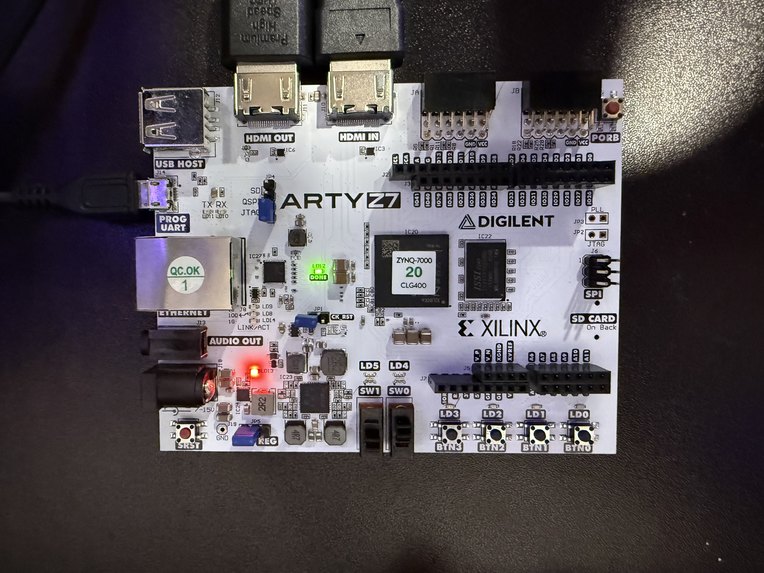
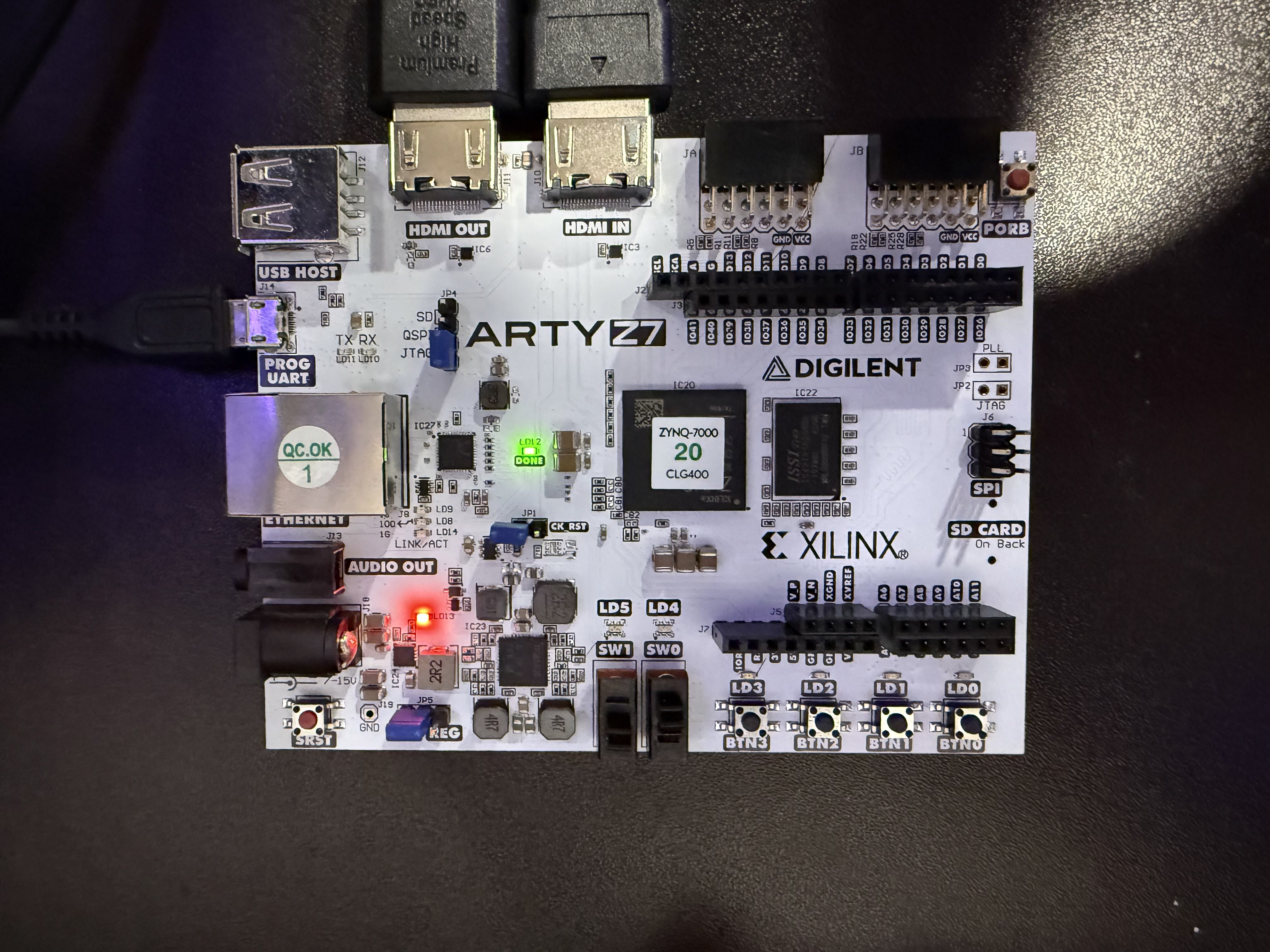
Development board powered on and operational
-
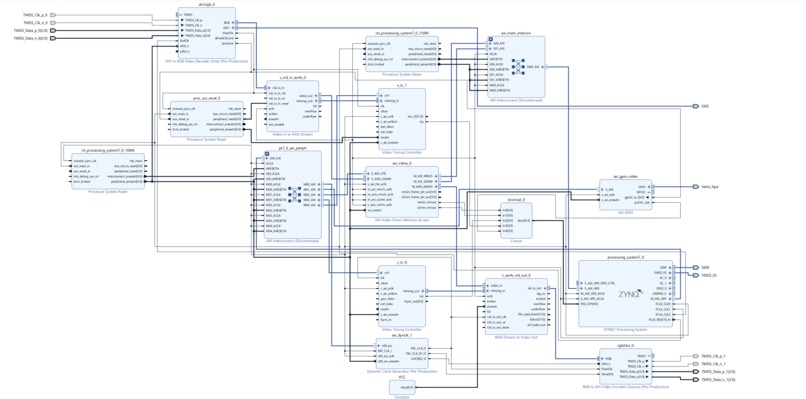
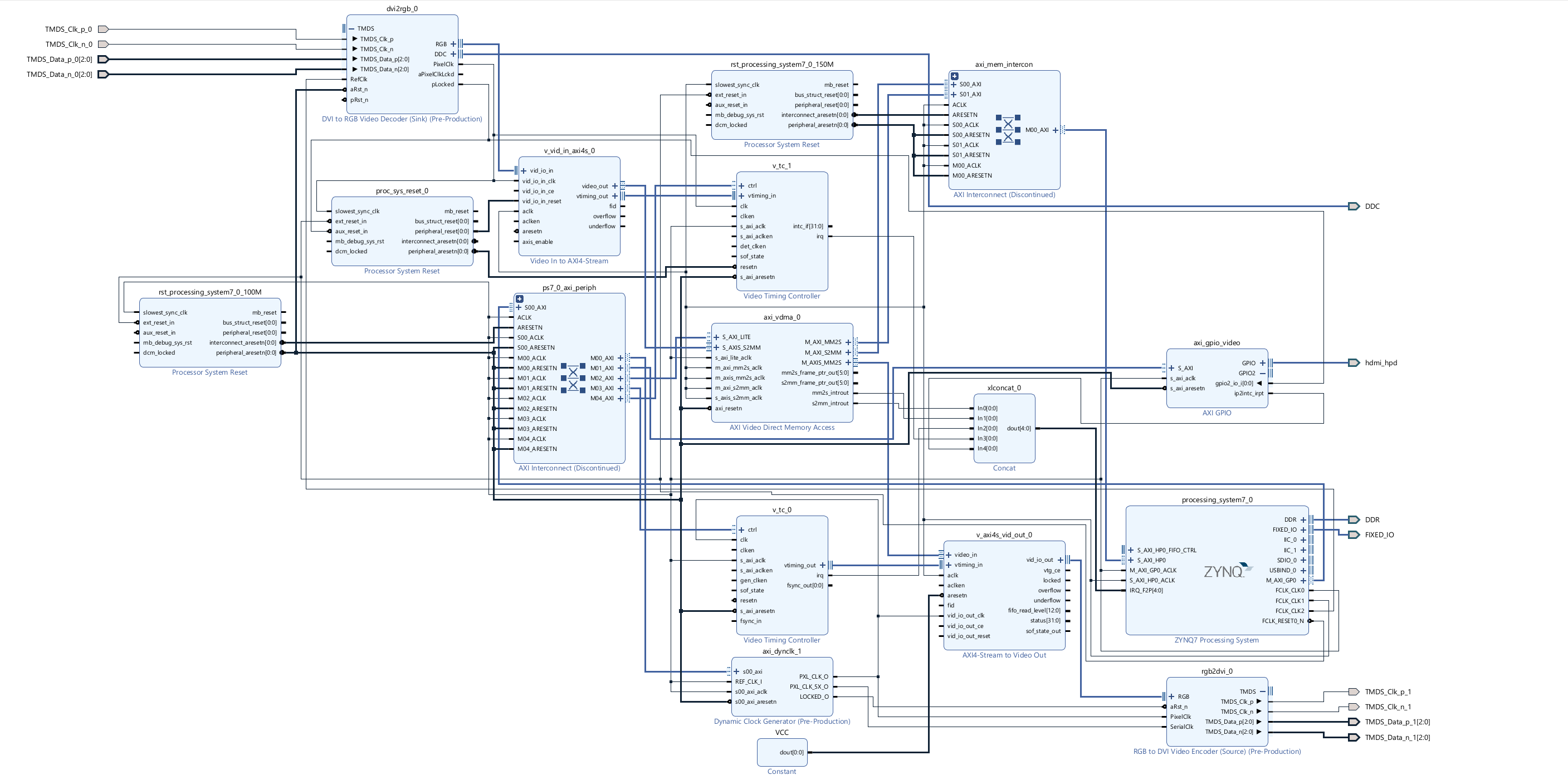
Block Diagram of HDMI input and output
-
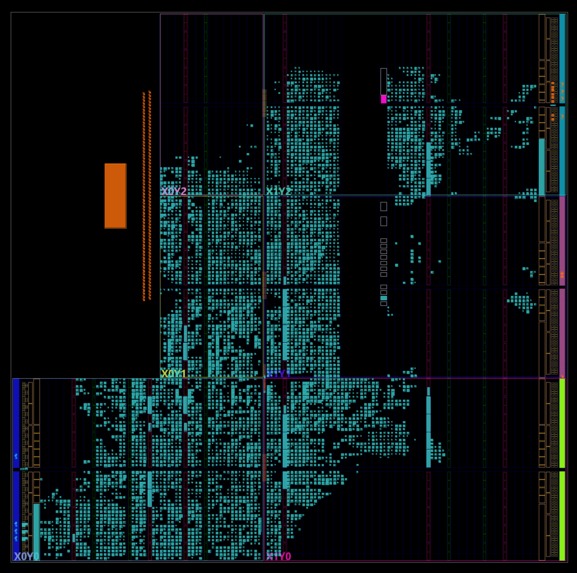
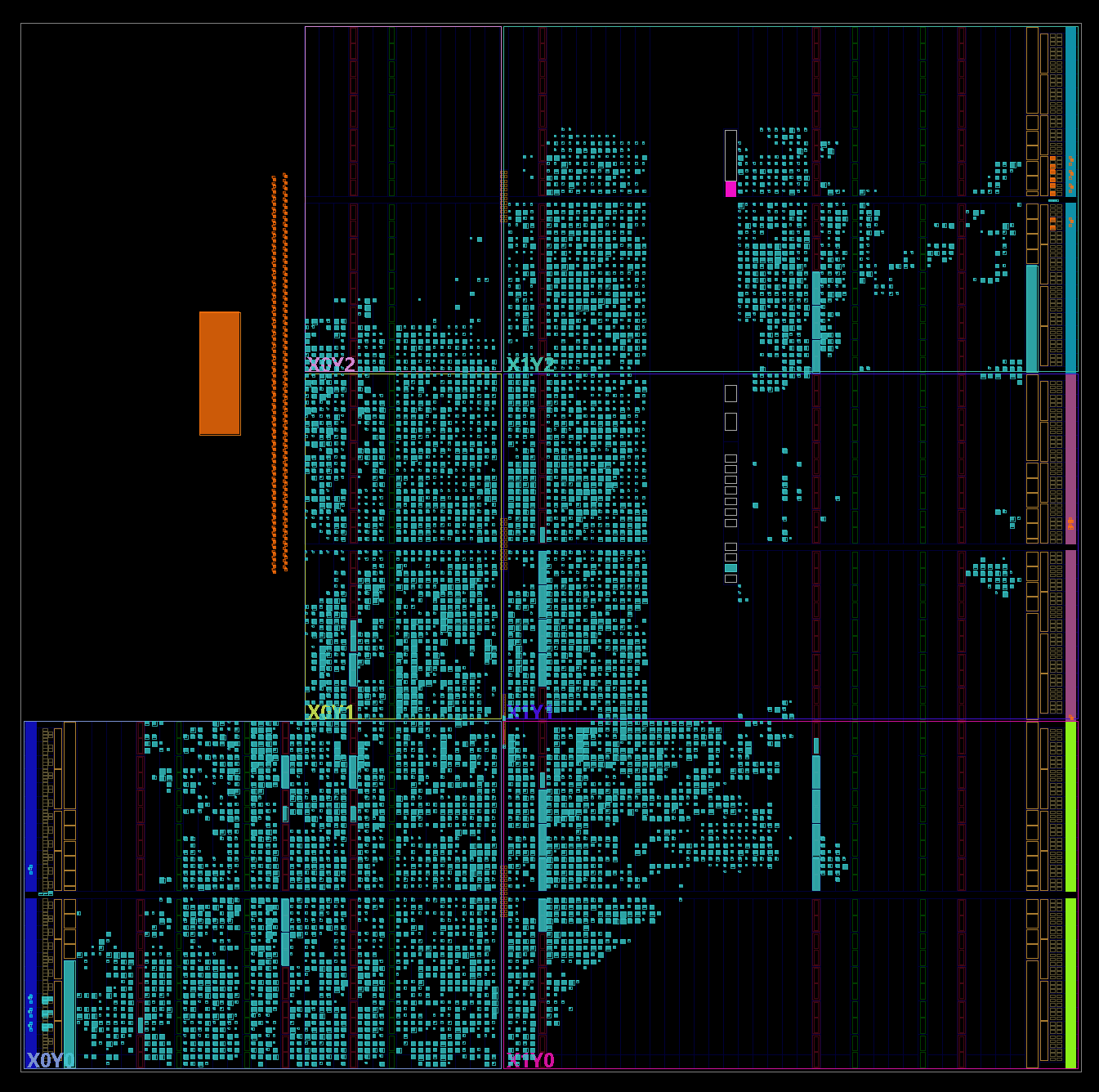
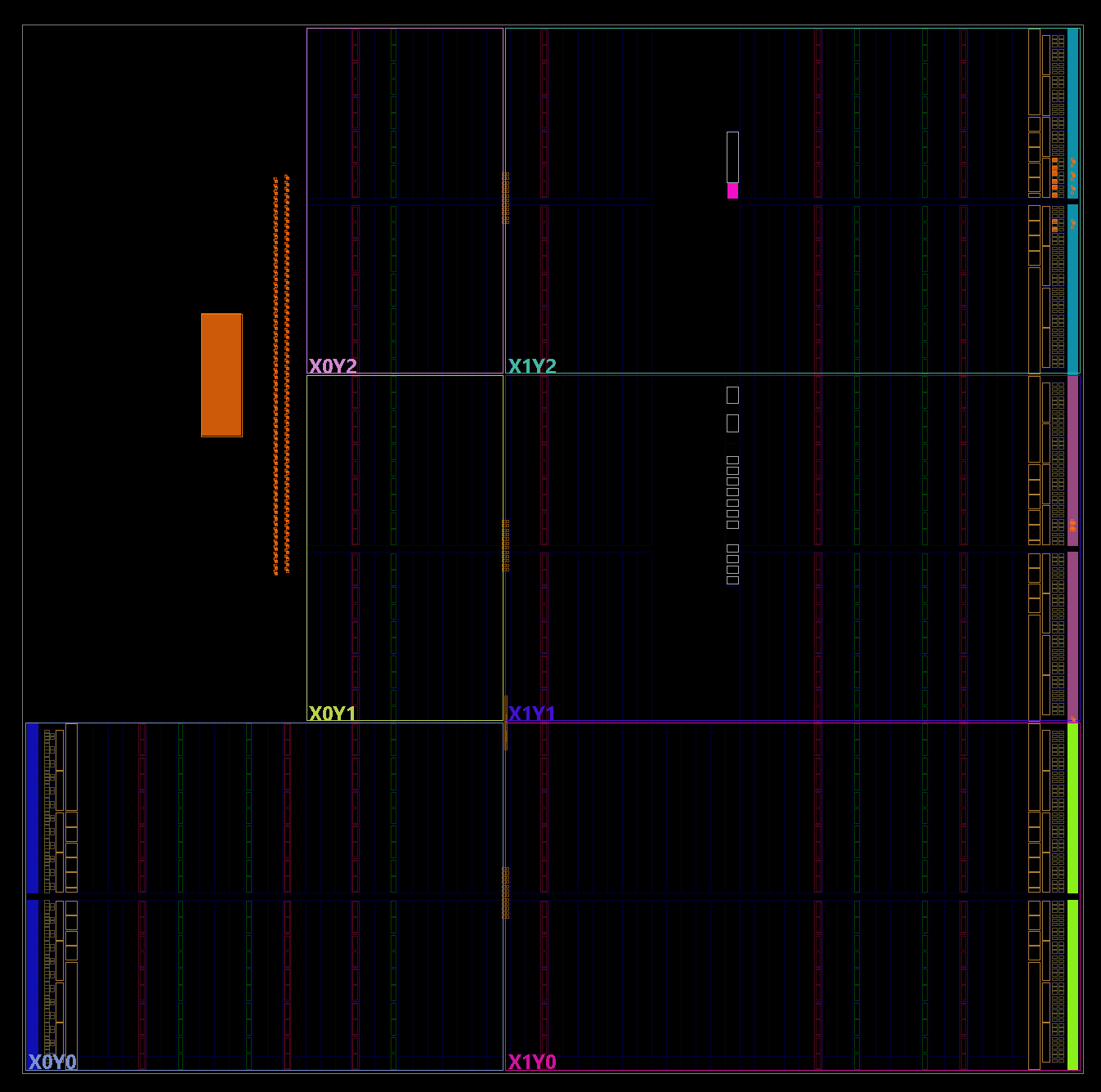
Image of the implemented design
-
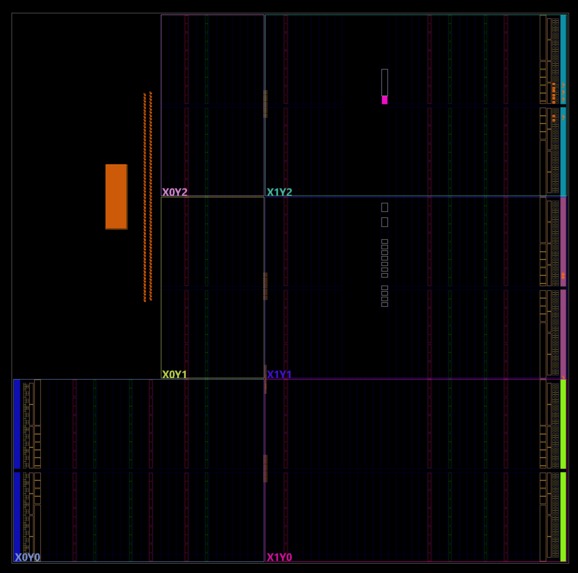
Image of the synthesized design
-
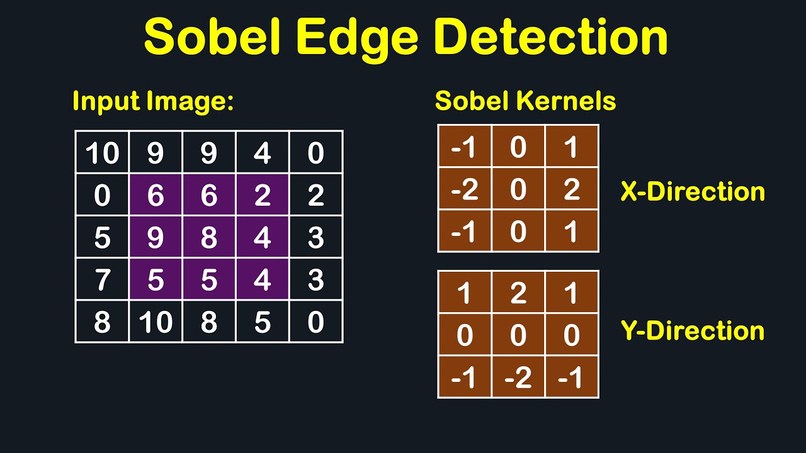
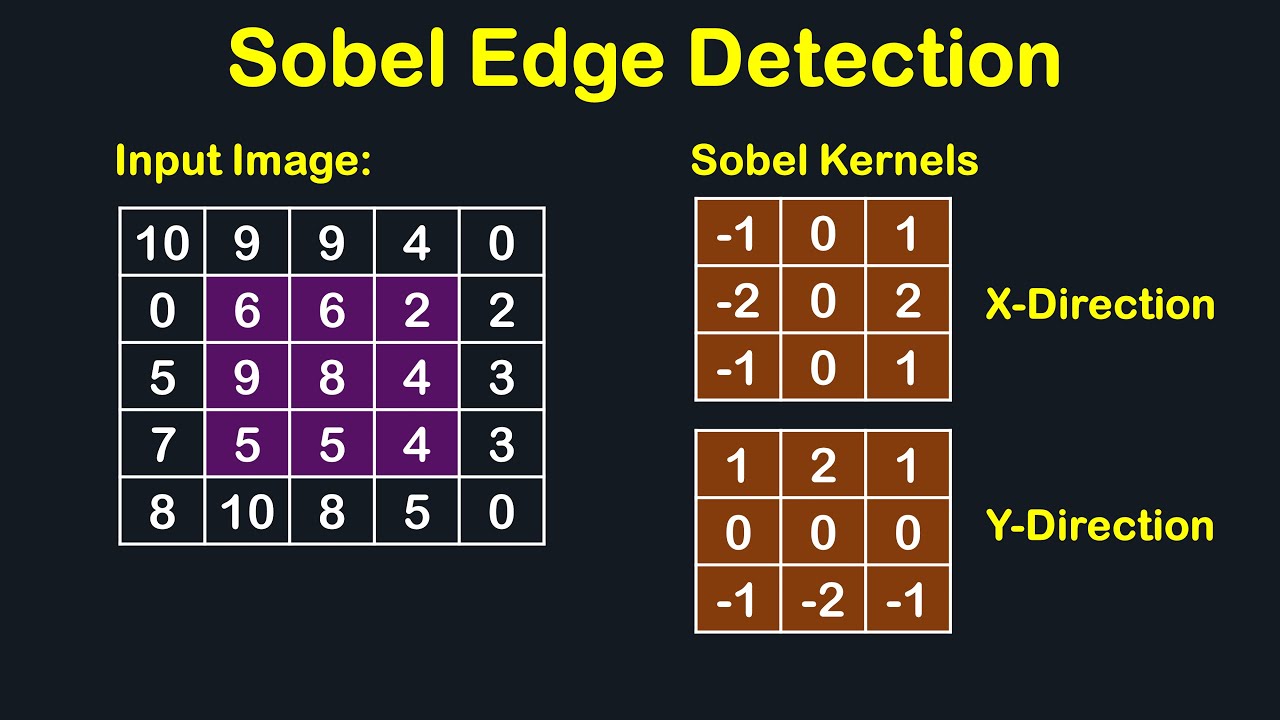
Sobel Detection System Method
Inspiration
When dealing with products in manufacturing to vehicles and identifying defects in maunfacturing, Sobel Edge Detection systems are very useful in detecting irregular patterns on products. By allowing quality inspection using automated algorithm and electrical
What it does:
It grabs a image and using ciruit embedded analysis, it should detect the rough edges of the image and give a result of what edges were detected from the Sobel Edge Detection system.
How we built it:
Using various software like Python, html, and java, we troubleshooted possible files and with coding methods. In the end, we choose to stick with chip processing method using Xlinix and iceStick Evaluation.
Challenges we ran into
Every step of the process was a hurdle to overcome. The Arty Z7 utilizes both a FPGA and a SOC which must work in unison for even the most basic programs. This meant that the timing all had to be synced as well as the information being parsed. Version control was also a massive hassle as there were several resources which would each operate on different versions of the Vivado suite so finding compatibility took a while.
Accomplishments that we're proud of
We were able to correctly program the board in order to run simple C programs on the embedded chip. Additionally, we were able to create a block diagram of the logic behind HDMI input and output so embedded system can utilize those ports. We learned how to use an Arty-Z7 Board, Vivado, VHDL, Batchfiles, TcI, and Verilog.
What we learned
How to configure a ArtyZ7 board using various software, familiarity with various logic design concepts.
What's next for the Project
- Apply filters to the video feed as well as reducing the latency and increasing the resolution.
Built With
- arty-z7
- batchfile
- c
- tcl
- verilog
- vhdl
- vivado
- xlinis

Log in or sign up for Devpost to join the conversation.