-
-
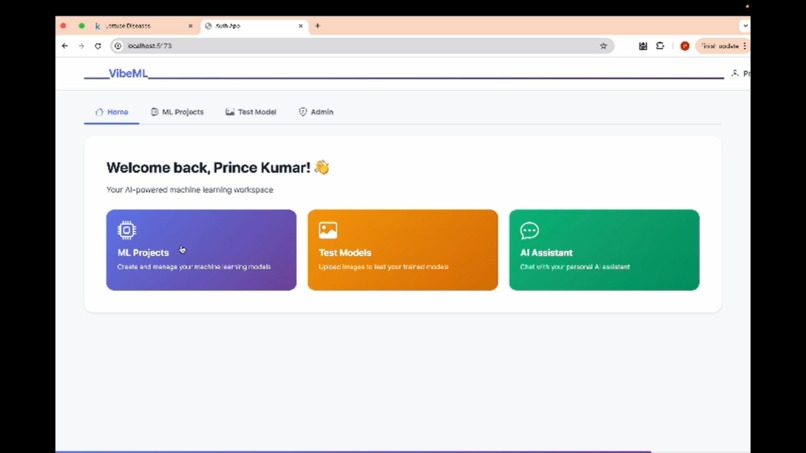
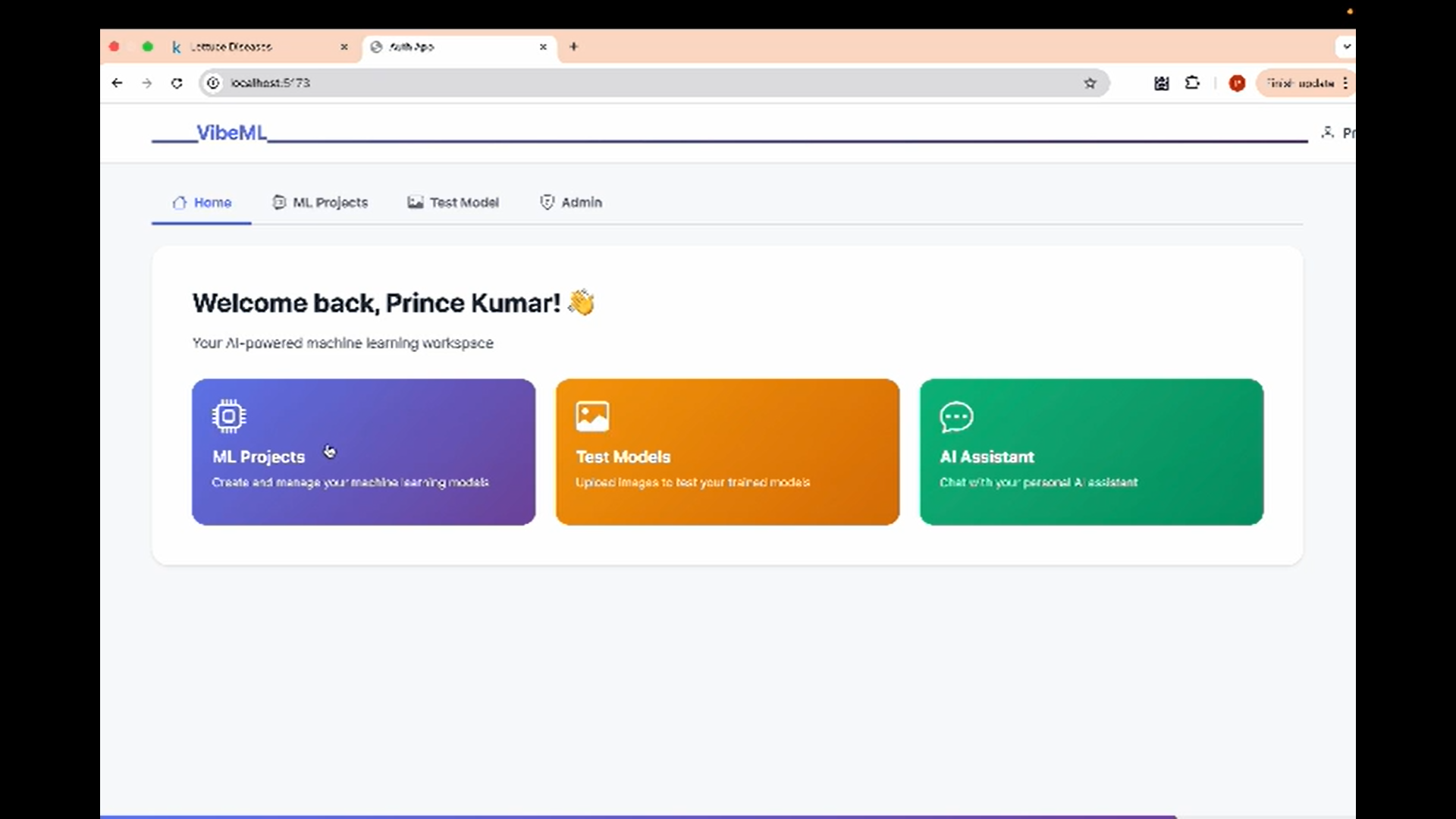
Home Page
-
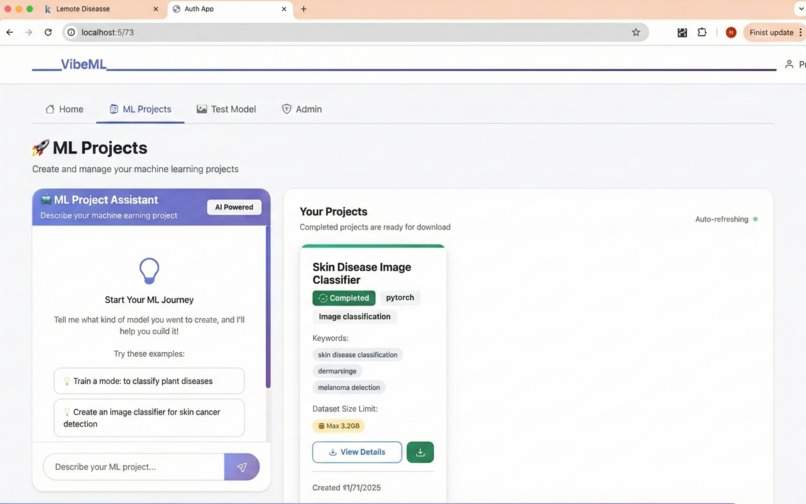
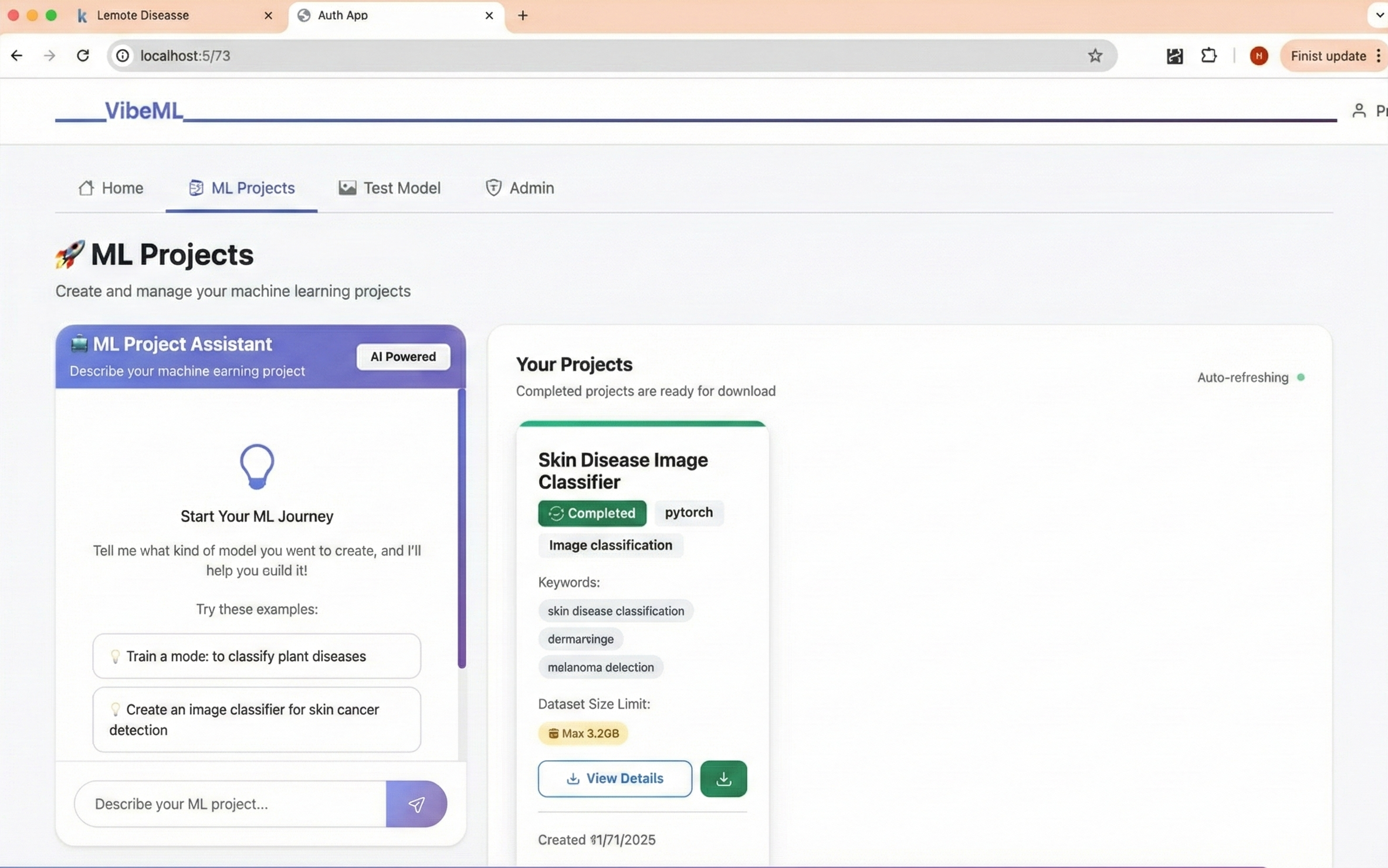
ML Projects Page
-
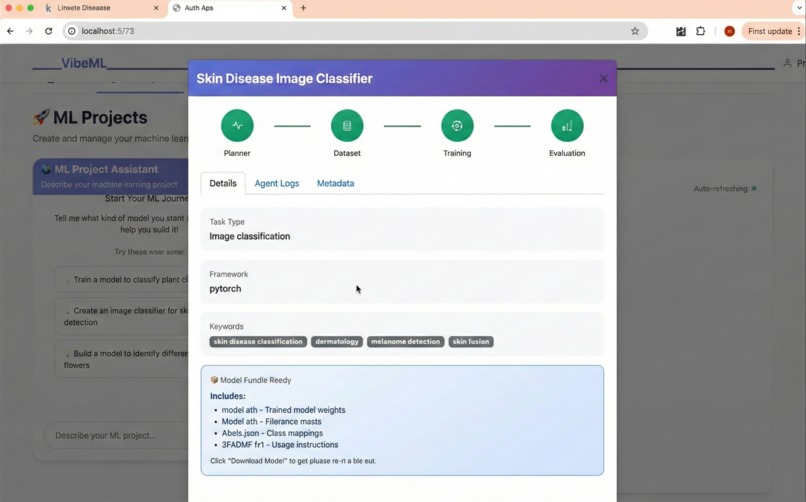
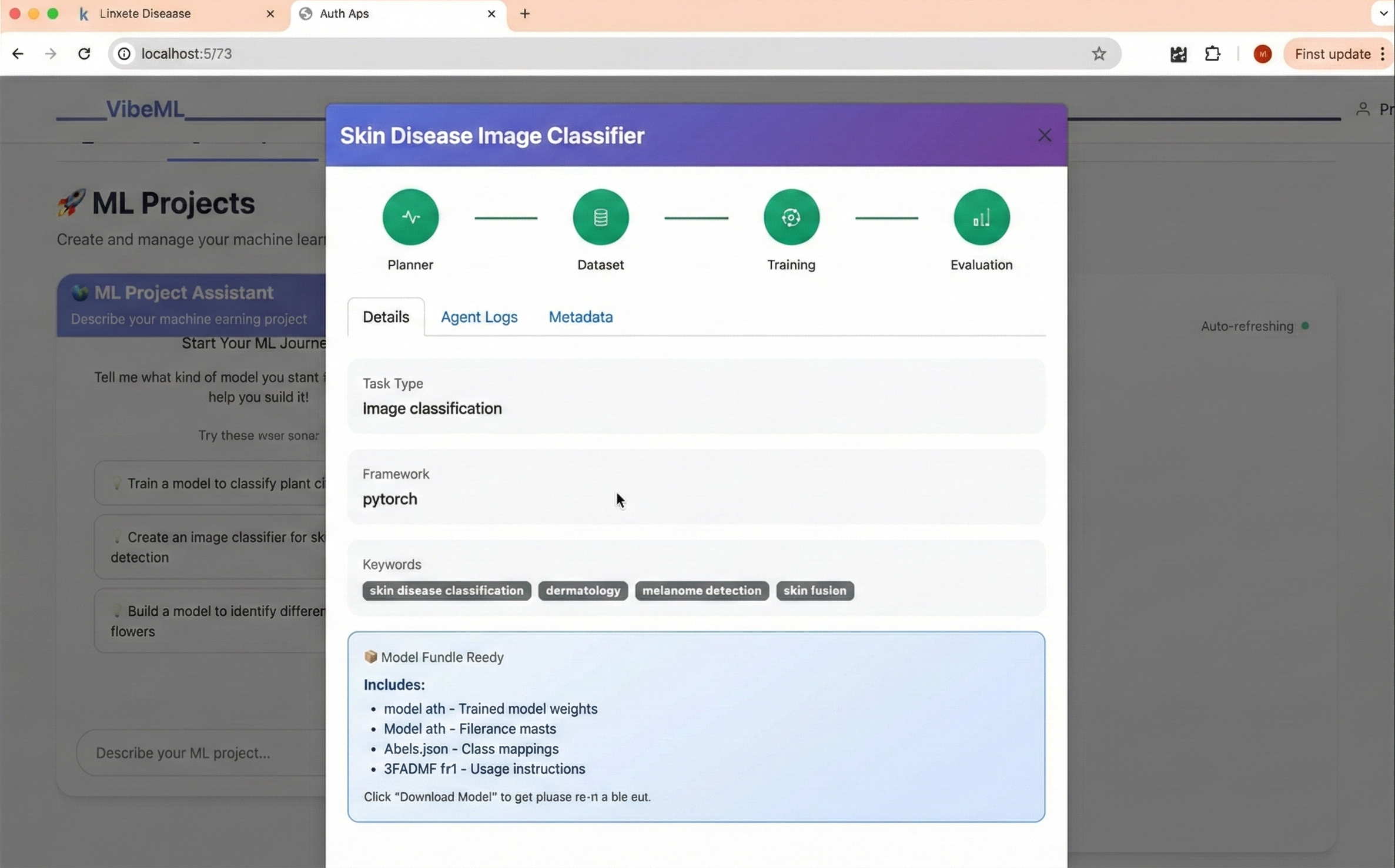
Trained Model Page
-
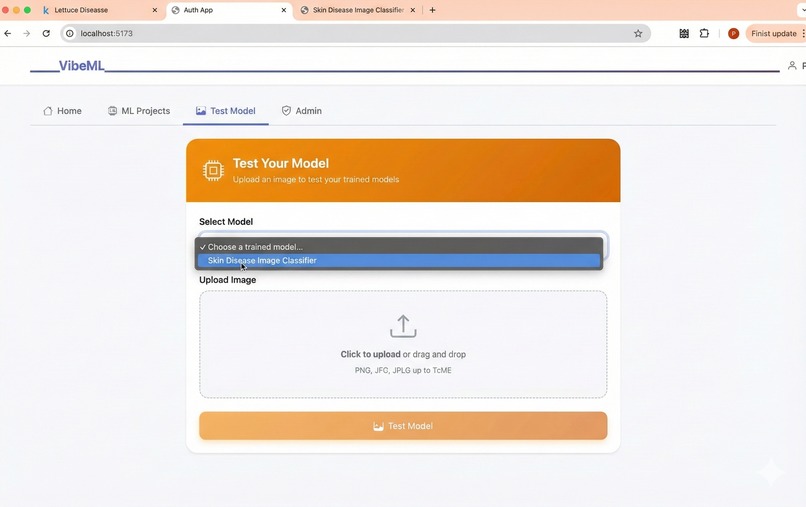
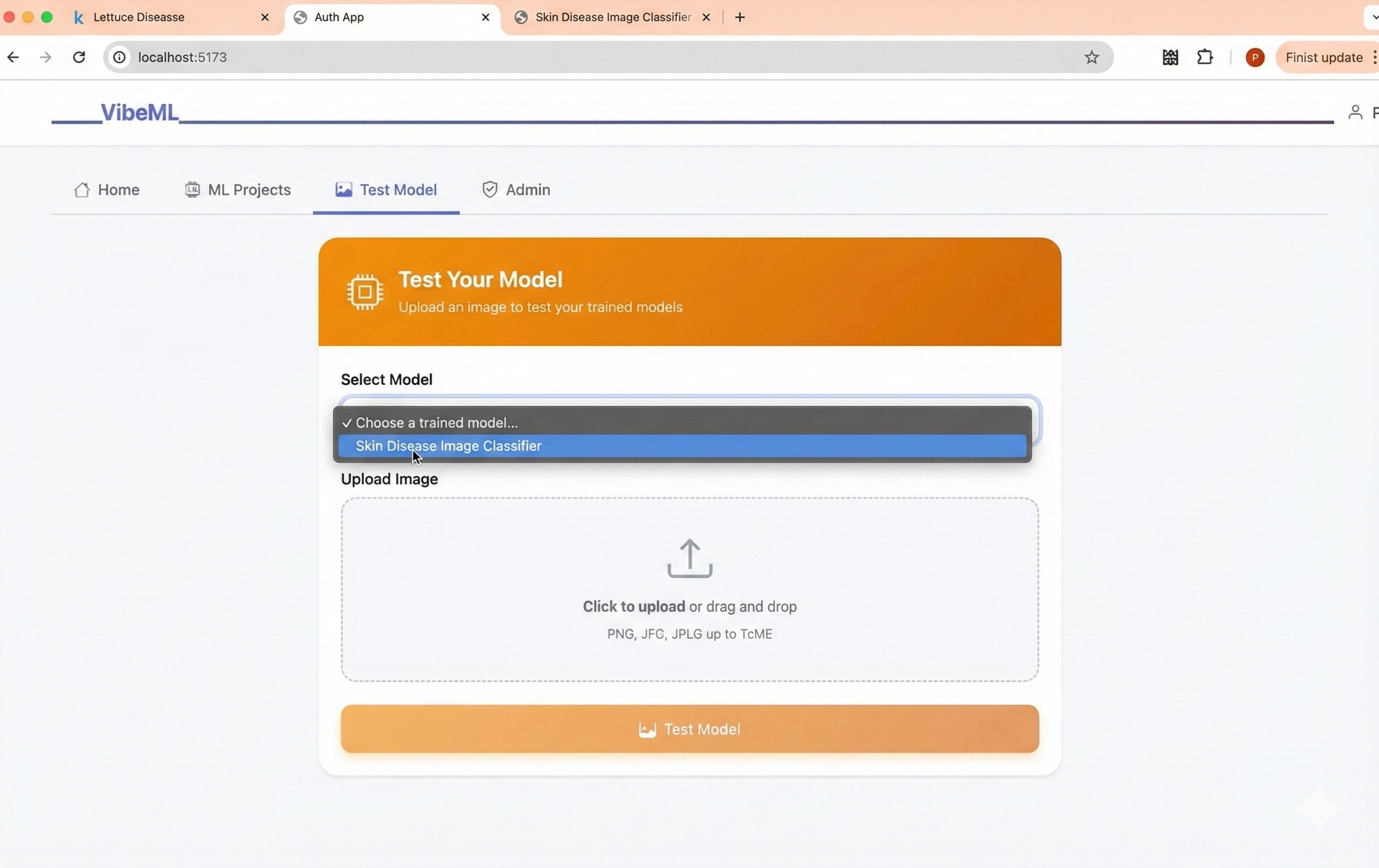
Test Your Model Page
-
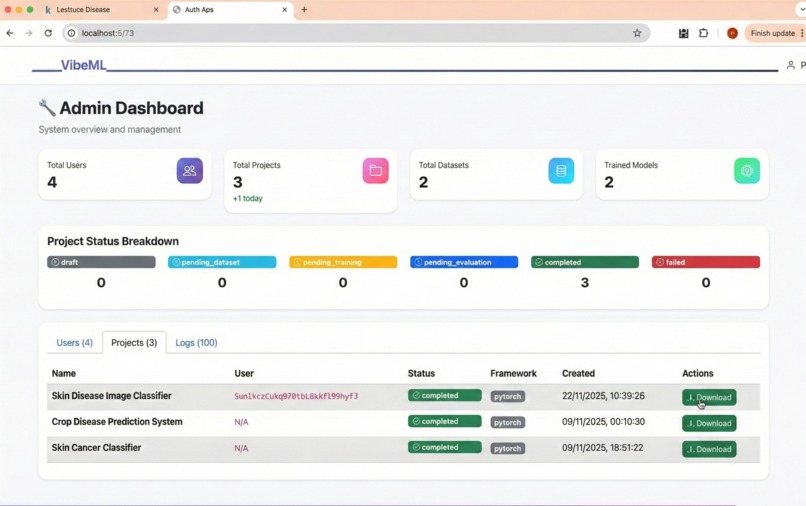
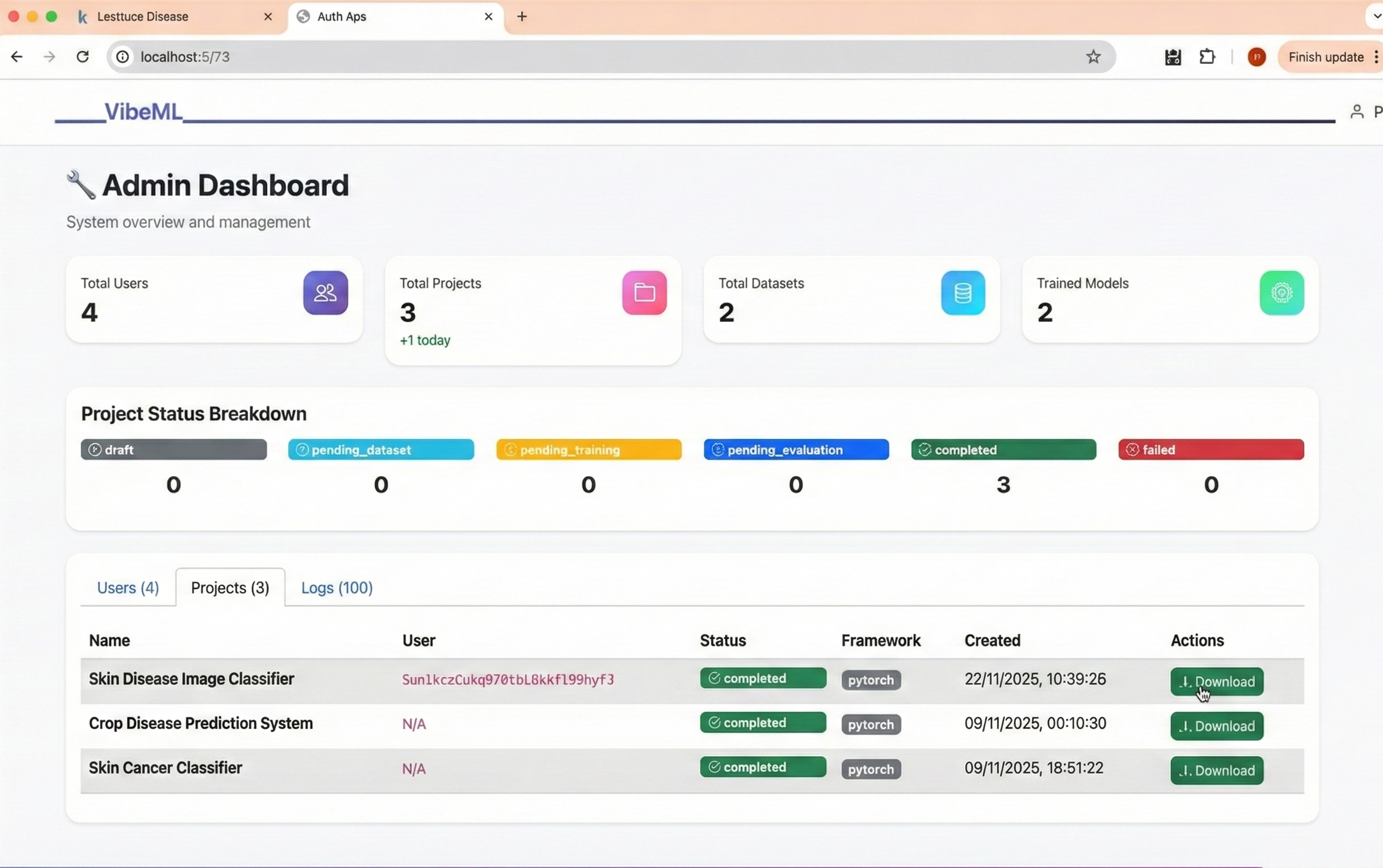
Admin Dashboard Page
-
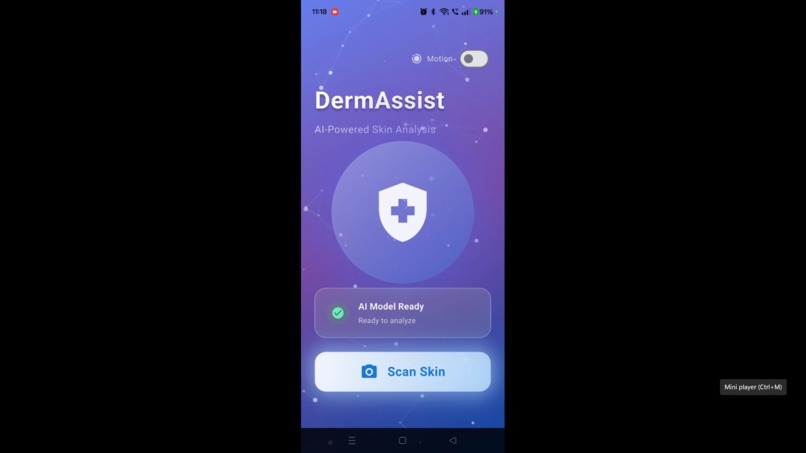
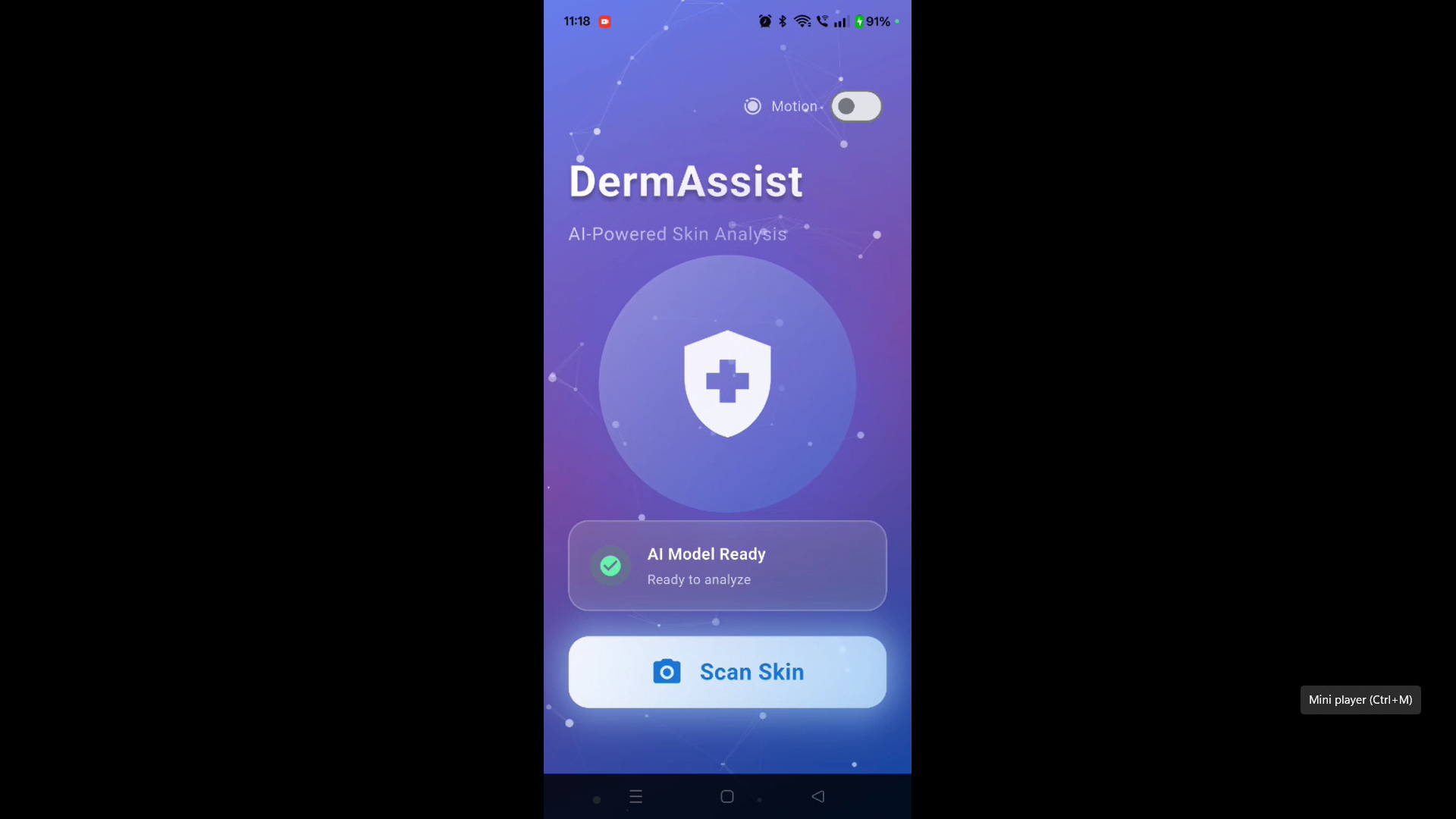
DermAssist Mobile App Home Page
-
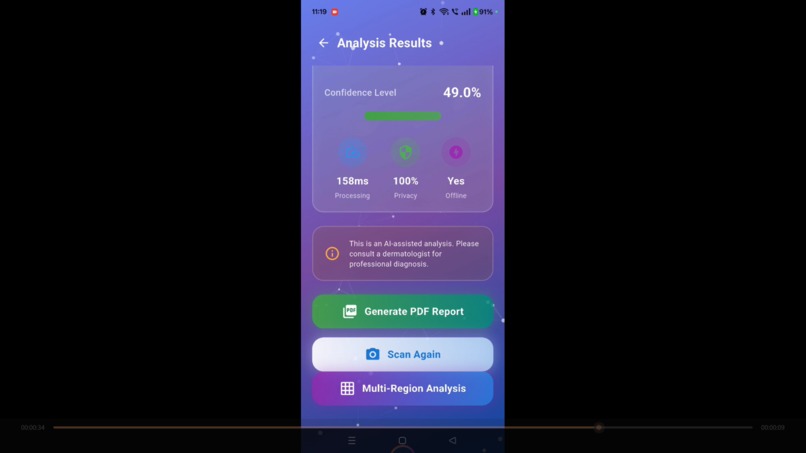
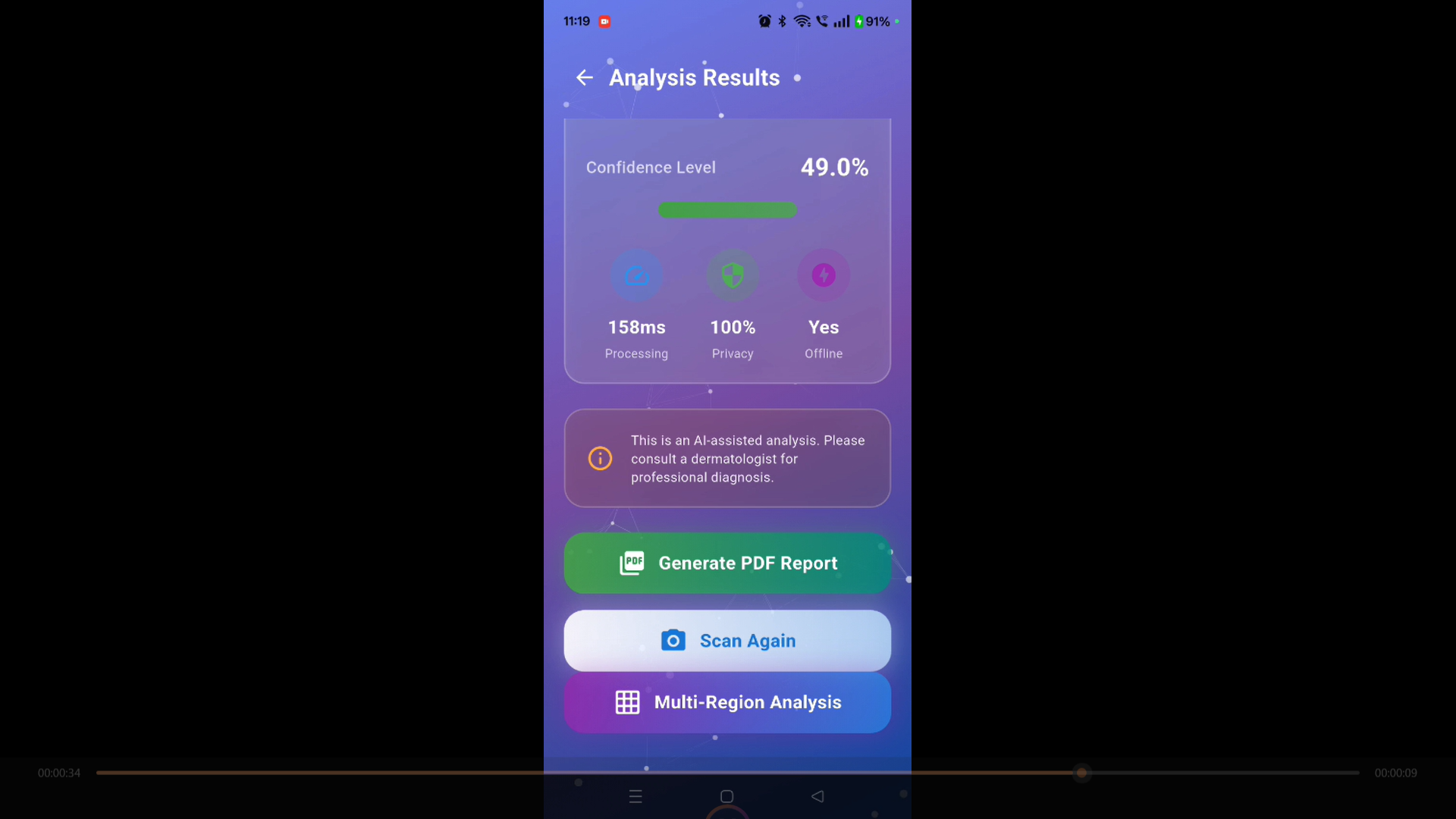
Test Results Page
Inspiration
We wanted to solve a fundamental problem in machine learning: building an ML model still requires too much manual effort, technical skill, and time. Tasks like dataset discovery, preprocessing, training, and evaluation often take hours—even for experts.
This inspired us to ask a bold question: What if AI could build ML models on its own?
AgentHive was born out of this idea:
An AI system that uses multiple agents to automatically find datasets, train models, evaluate them, and return ready-to-use results—all from a simple natural language request.
What it does
AgentHive is an autonomous multi-agent AutoML system.
A user can simply type:
“Build a plant disease detection model.”
And AgentHive:
Understands the request using a Planner Agent (powered by Gemini)
Searches Kaggle for a relevant dataset
Uploads it to Google Cloud Storage
Trains a PyTorch model
Evaluates accuracy
Generates a downloadable model bundle
Everything is handled by independent agents coordinated through Supabase.
We also built DermAsist, a Flutter app using one of the trained models to predict skin fungal and dermatological conditions. This demonstrates how AgentHive-generated models can be used in real-world applications.
How we built it
We designed AgentHive as a modular multi-agent system:
MCP Server + Gemini LLM to interpret natural language requests
Planner Agent to convert the request into ML tasks and dataset keywords
Dataset Agent to auto-fetch datasets from Kaggle and upload them to GCP
Training Agent using PyTorch to train models on cloud-hosted datasets
Evaluation Agent to compute accuracy and create exportable model bundles
Supabase to coordinate agent workflow via project status updates
Google Cloud Bucket for dataset and model storage
React + Flutter frontends for testing and mobile deployment
Every agent runs independently on FastAPI and communicates only through Supabase state changes, making the system highly scalable and fault-tolerant.
Challenges we ran into
Combining multiple agents into one smooth workflow
Ensuring all agents sync correctly using Supabase states
Handling large Kaggle datasets and uploading them to GCP
Integration difficulties between Node.js backend and Python agents
Managing cross-service authentication (Kaggle, Supabase, GCP)
Time-consuming model training on limited hardware
Real-time logging and debugging across distributed systems
Accomplishments that we're proud of
Built a fully functional AI-Agent AutoML pipeline
Integrated Kaggle → GCP → PyTorch → Supabase end-to-end
Created a live mobile app (DermAsist) using a VibeML-trained model
Achieved successful autonomous dataset detection, training, and evaluation
Designed a modular system that can easily scale to new agent types
Demonstrated a real-world medical application using our generated model
What we learned
How to design and orchestrate multi-agent systems
Cloud integration best practices (Supabase, GCP Buckets)
Building AutoML pipelines and training models automatically
Handling asynchronous workflows and distributed systems
Flutter integration with ML models
Proper debugging and logging for multi-service architectures
Importance of modular design in large AI systems
What's next for AgentHive
Add CSV, tabular, and time-series support
Create a Hyperparameter Tuning Agent
Add an Explainability Agent (Grad-CAM, confusion matrices)
Build a Model Deployment Agent (auto-generated prediction API)
Create a model marketplace where users can download agent-generated models
Extend to NLP, audio, and multimodal datasets
Improve real-time monitoring and dashboards for agent workflows


Log in or sign up for Devpost to join the conversation.