-
-

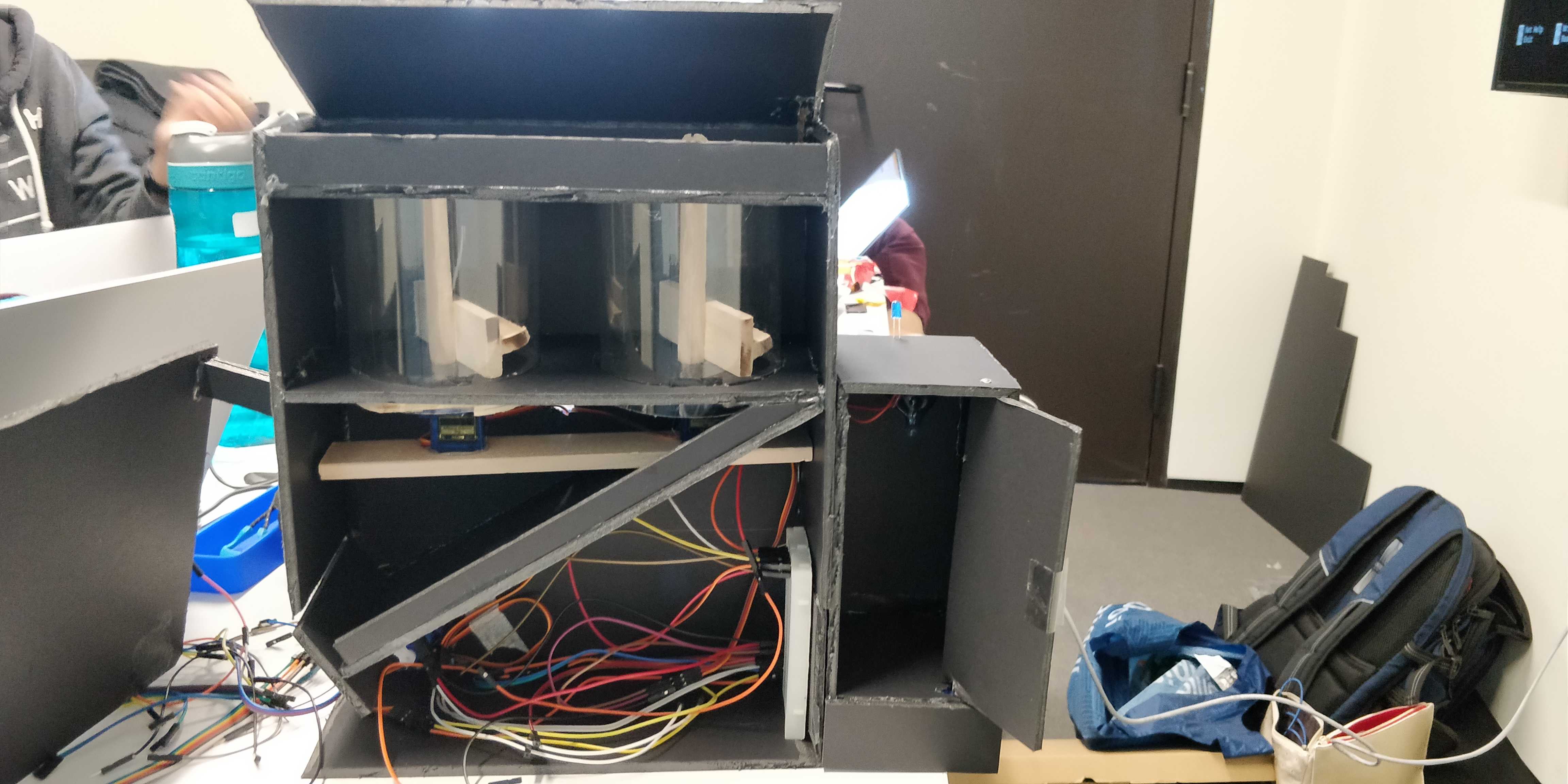
Uncovered AutoMed
-
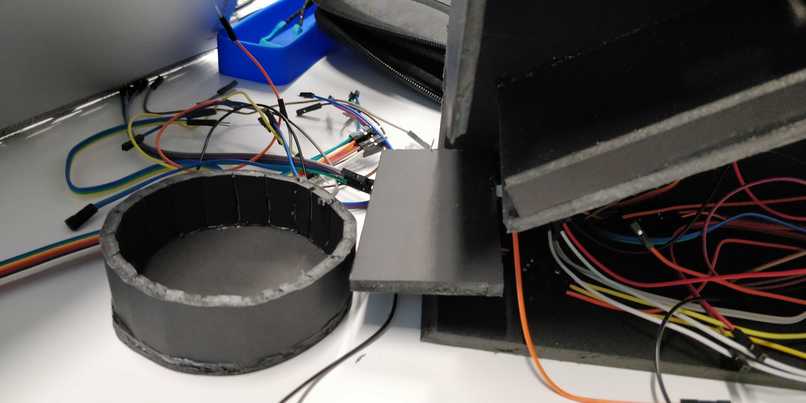
Pill basket
-
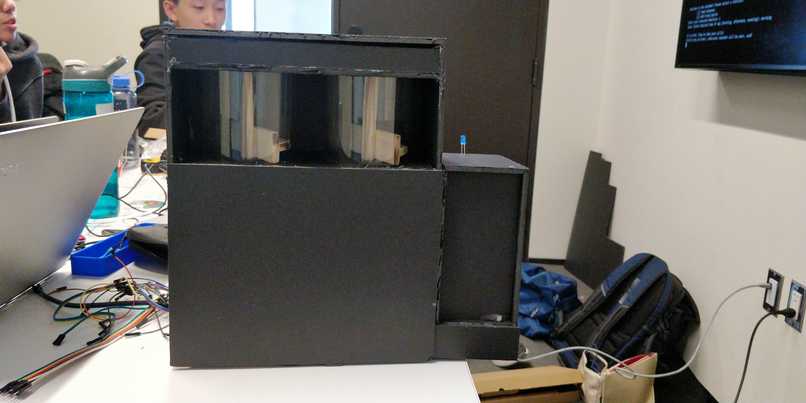
Covered AutoMed
-

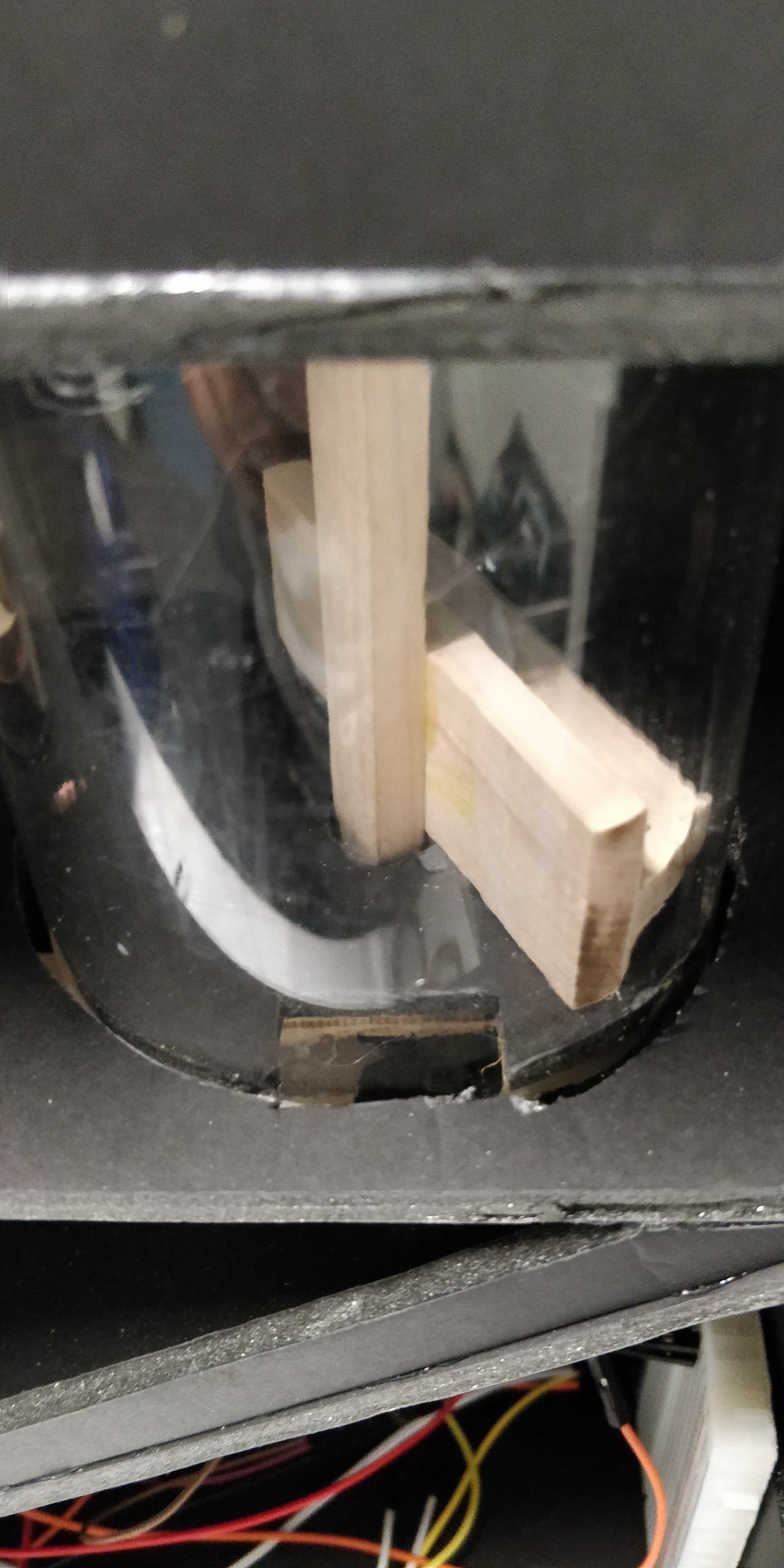
Pill dispensing mechanism


Inspiration
We wanted to ease the complicated prescription medicine process, especially for elderly people who have to juggle multiple prescriptions at the same time.
What it does
The AutoMed dispenses medication, at the right time, in the right quantity for the patient. It prevents the patient from taking the incorrect medication, or the incorrect amount of medicine. It also uploads data to MongoDB, so that the patient's pharmacist and doctor can monitor the patient's progress on their medication. In addition, the patient and pharmacist can be reminded to refill the prescription when the medication runs low.
How I built it
We built the AutoMed using Python3 running on a Raspberry Pi, which controls all the servos and leds.
Challenges I ran into
Initially, we attempted using the Dragon 410c and Pynq Z1, but we could not get the GPIO to properly interface in order to control the motors. As a result, we switched to the Raspberry Pi.
Accomplishments that I'm proud of
We're proud of the proof of concept dispenser we created.
What I learned
Research and choose the right hardware ahead of time!
What's next for AutoMed
We hope to expand this to allow further push reminders and functionality for the patient, doctor, and pharmacist. For example, expiry date reminders can be set, in addition to reminders if the patient forgets to take their medication. Missed medication can be tracked and reported to the doctor, allowing them to track and/or recommend alternatives or best courses of action. Specialized medication storage can be incorporated, such as lock storage for opioids or refrigerated storage for antibiotics. An option to add non-prescription medication, such as Advil, Benadryl, or Tylenol. We'd also like to incorporate a GUI and a touchscreen on the AutoMed, to allow for easy use by the patient.

Log in or sign up for Devpost to join the conversation.