-
-
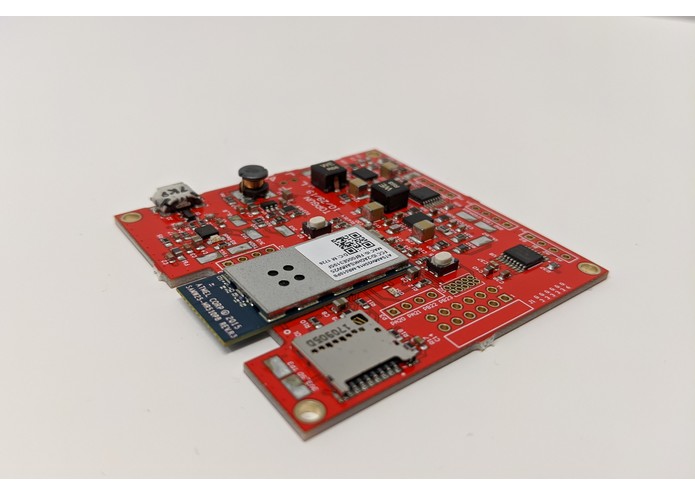
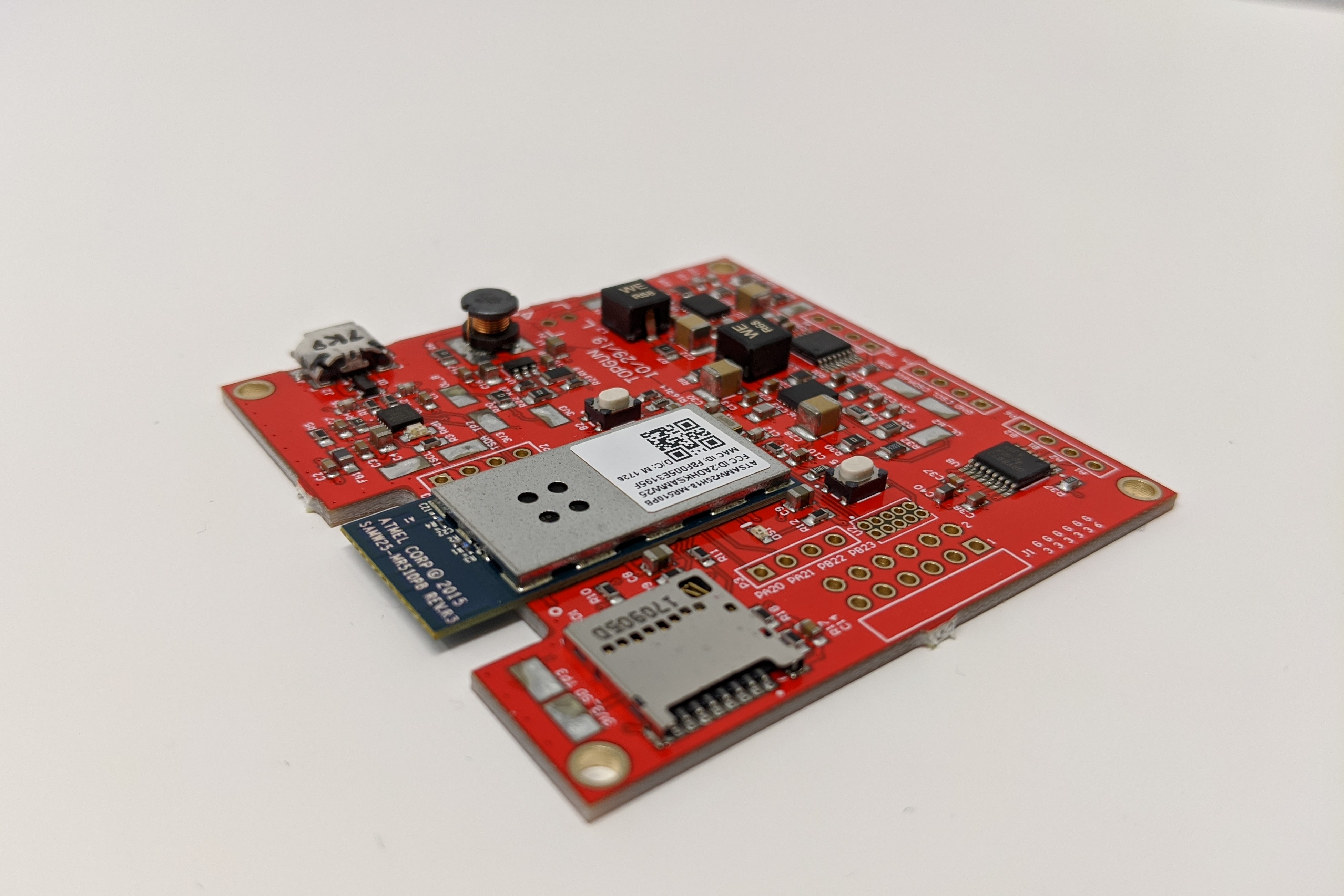
Board
-
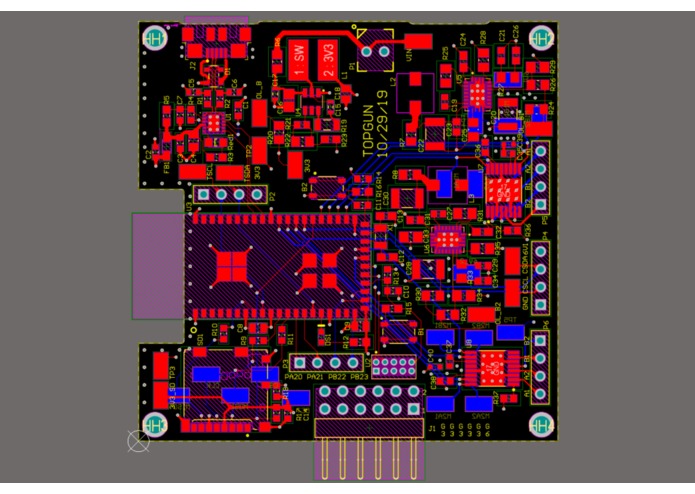
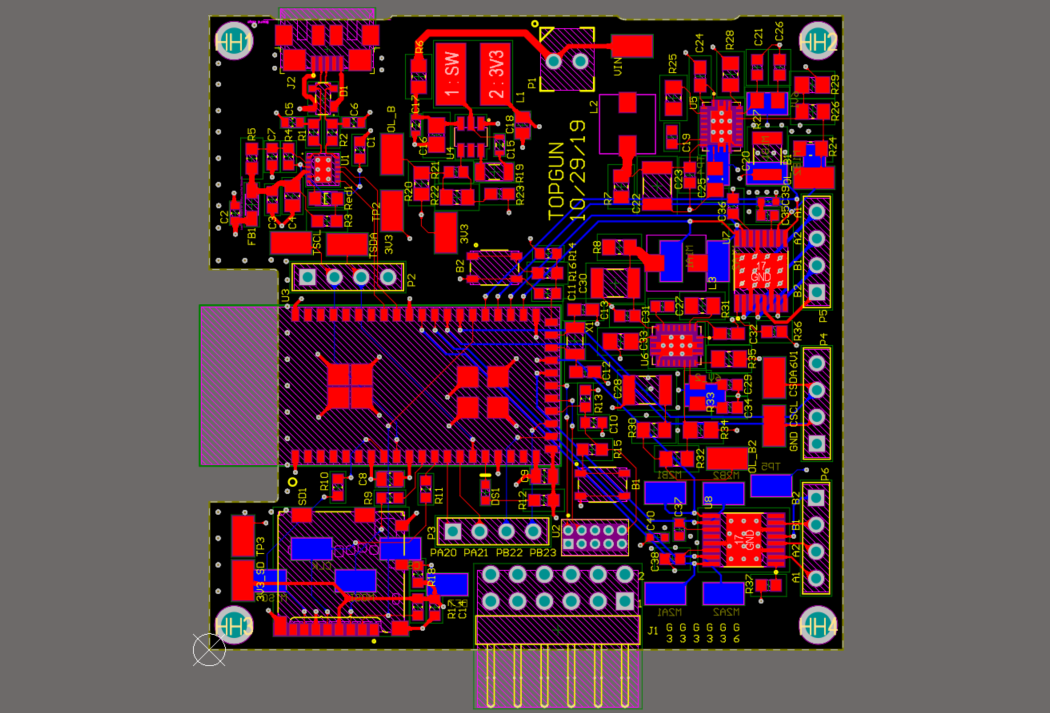
PCB Design
-
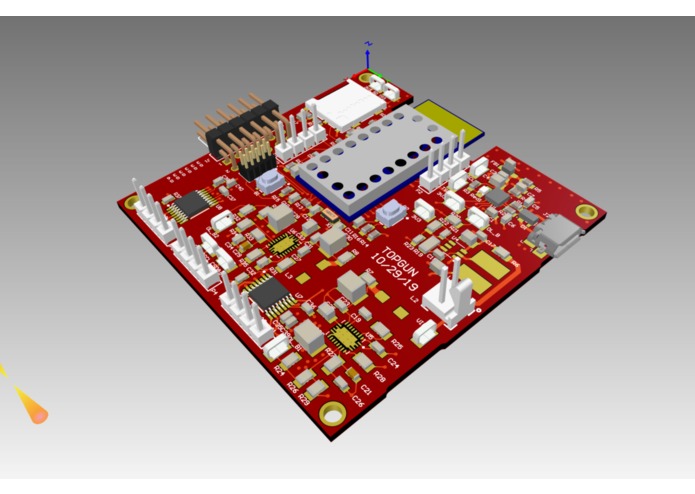
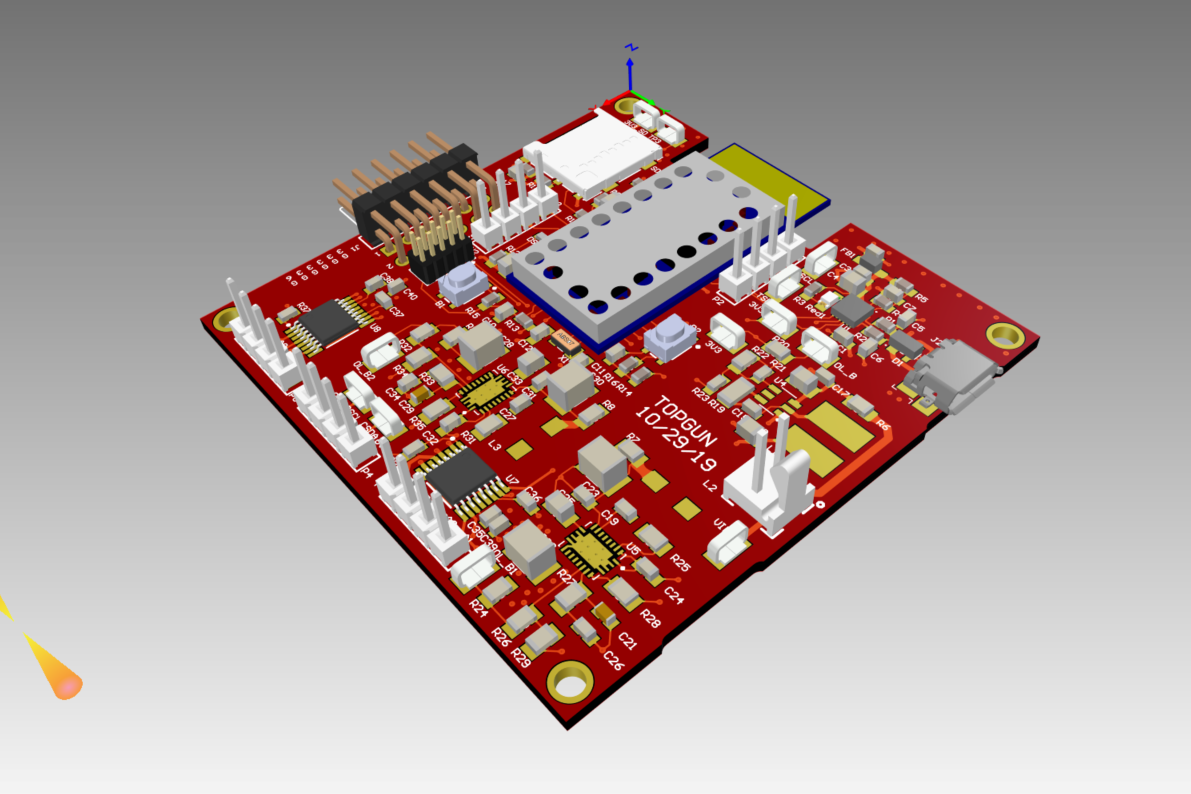
PCB Design (3D)
-
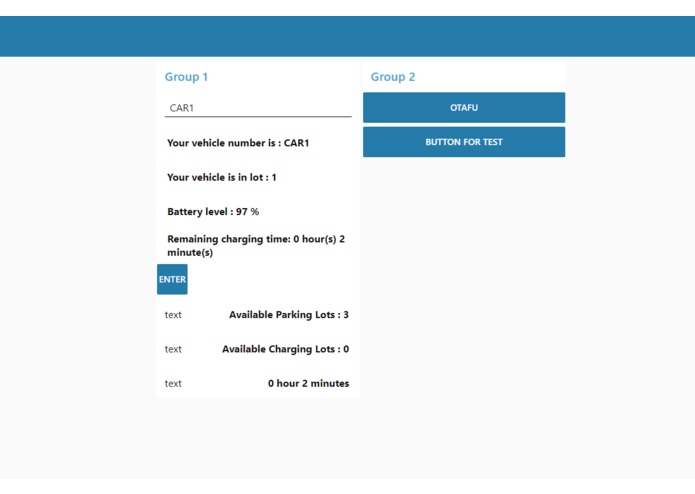
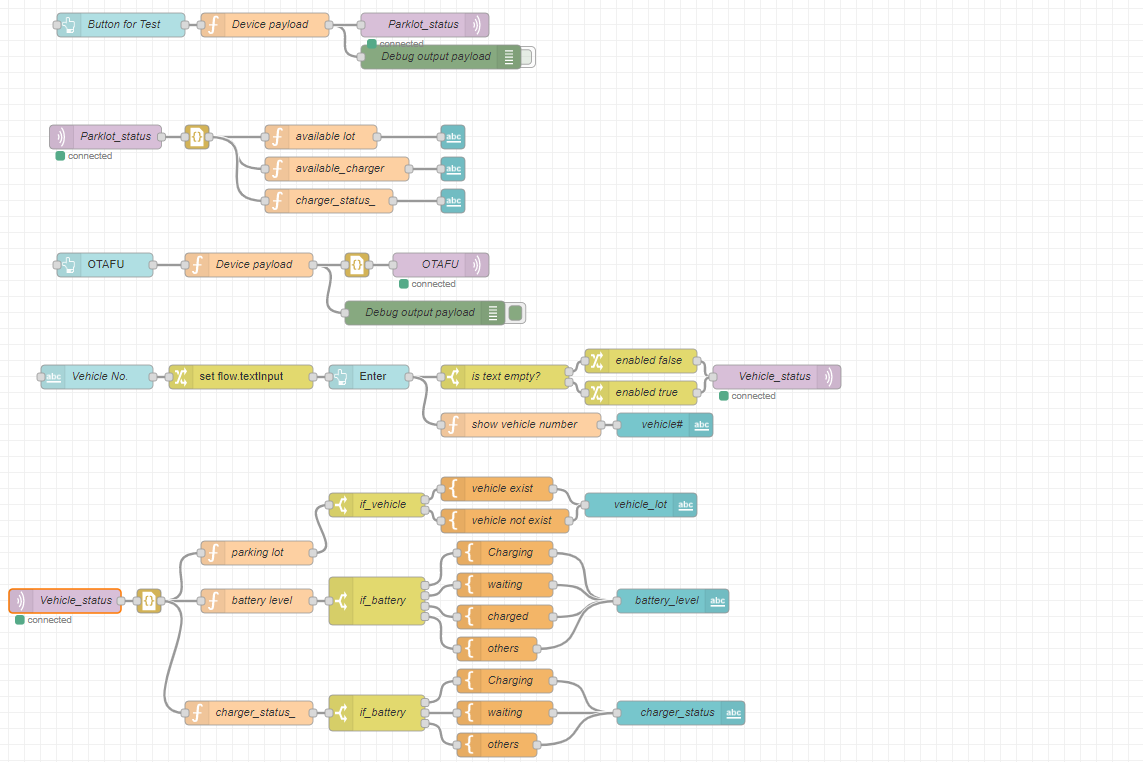
Node-Red (backend)
-
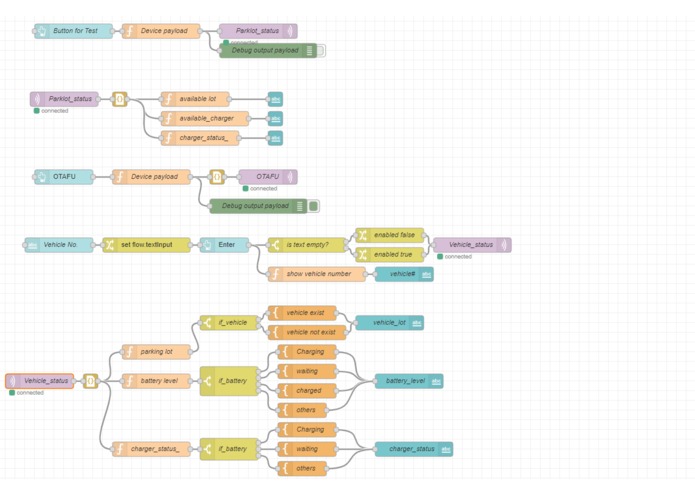
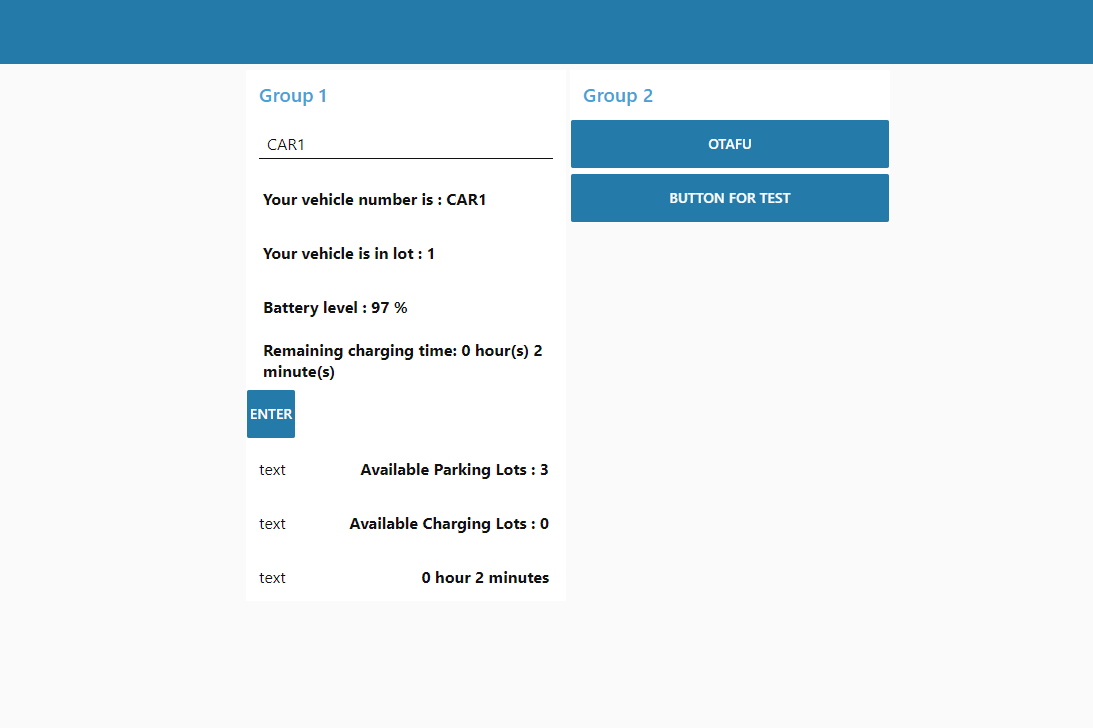
Node-Red (dashboard)
Inspiration
Nowadays, electrical cars become more and more popular. However, users are concerned about the mileage of their vehicles since charging port is not ubiquitous, and charging their vehicles will take a longer time than traditional cars. Thus, we want to create an automatic parking building with high land usage efficiency and charging port availability. The ultimate goal is to be friendly to the environment and live with a sustainable development lifestyle.
What it does
As we mentioned above, the parking lot is completely automatic. Users just need to provide their car information: plate number and whether it needs to be charged. Then they are free to go! Our mechanical system will automatically move the car to the proper position. Users could supervisor the condition of their vehicles via our IoT website portal. Later, when they come back, they only need to provide their plate numbers and our mechanical system will automatically take the car.
How we built it
We developed the project in two phases: the software part and hardware part. The software part is to design boot loader and MQTT in Atmel Studio with ASF. The hardware part is rather complicated and time-consuming. We customized our PCB board from schematic to layout within the past two months. It took a while to eliminate all design rule errors in Altium and put all components into proper positions. The next step is to build up the mechanical system for the real parking building. It involves to laser cut all the shapes properly and accurately meanwhile calibrate two motors to lift and transfer vehicles into correct parking position precisely.
Challenges we ran into
The mechanical system is quite challenging for us since both of us are electrical engineering. The whole parking control system contains two potions: lifting vertically and shifting horizontally. Both of them are controlled by stepper motors. Both stepper motors have to be accurate so that cars will not be hurt.
In the PCB design process, our board has four layers, and most of the components go to the top layer. Thus, we have to use up all spaces and that took a restricted plan, and we are glad we ultimately made that.
Accomplishments that I'm proud of
We customized our own PCB from schematic to layout. We built up a real mechanical system for the parking building. We applied IoT technology to update vehicles in the parking lots.
What we learned
We have learned the PCB design process in Altium.
We have learned hardware programming via HAL.
We have learned power management on the circuit board.
We have learned how to coordinate actuators and sensors.
What's next for Automatic Parking Lot
We might need to optimize our codes to make the transferring path as quick as possible so users do not need to wait. We might need to add identity authorization and security checking for our parking lots. We might need to refine some of our physical structures to make the parking model more robust.
Built With
- c
- customized
- iot
- pcb
- samd21


Log in or sign up for Devpost to join the conversation.