-
-
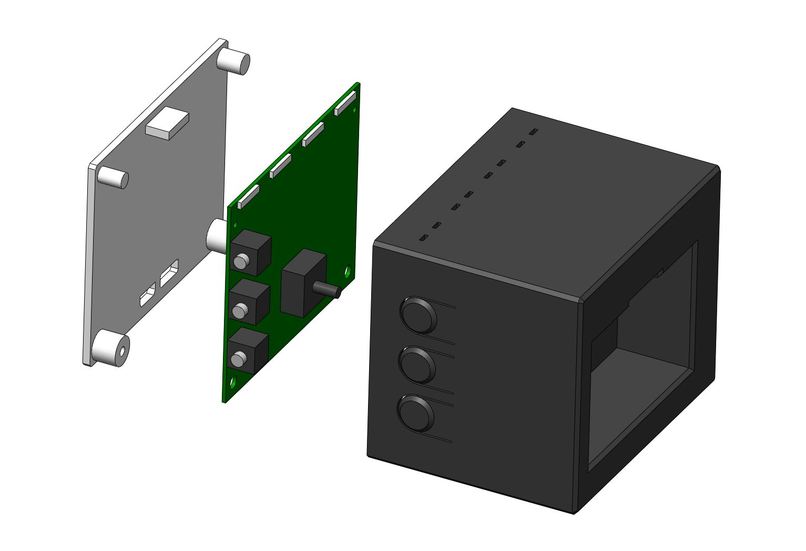
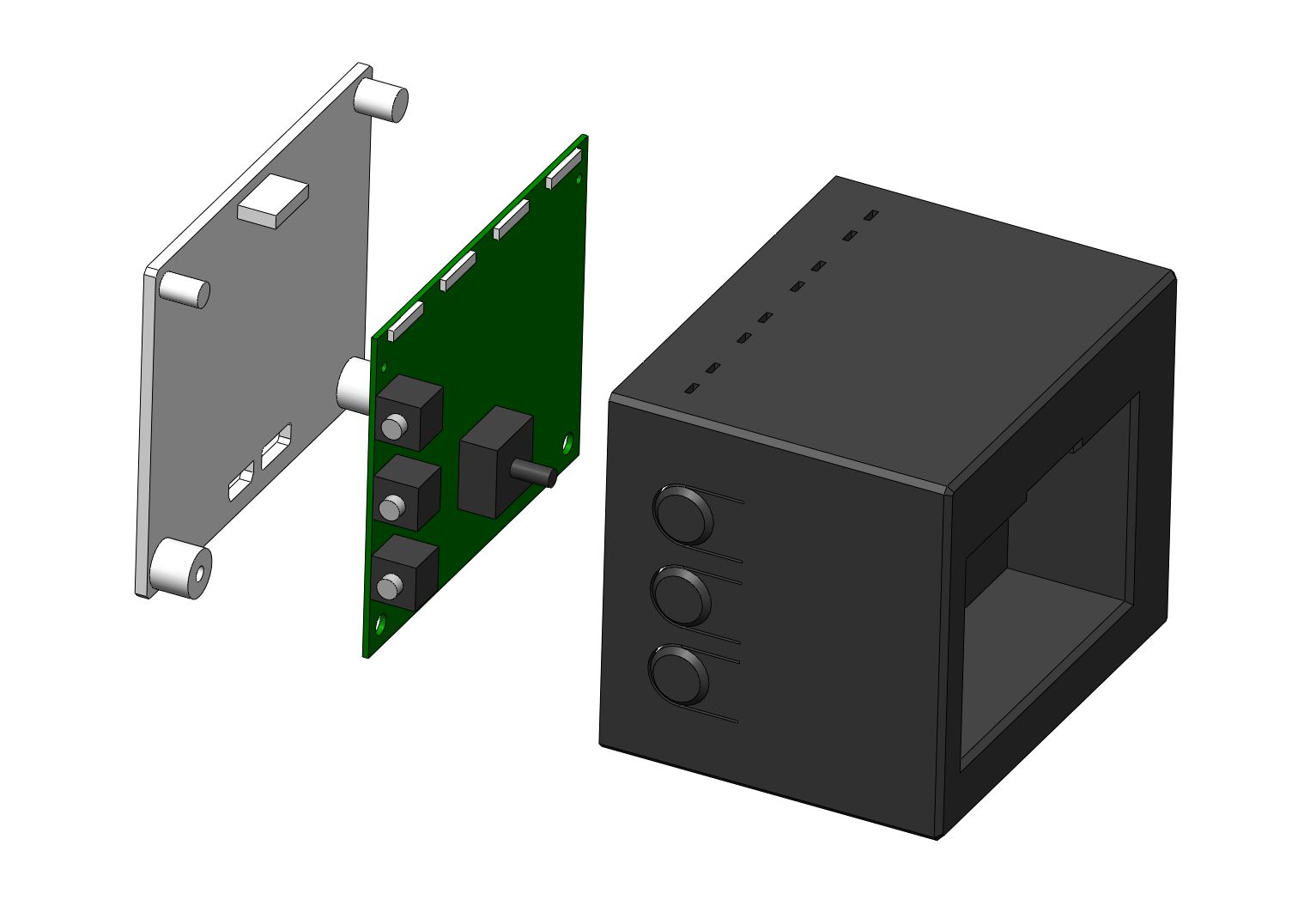
an exploded view of the case
-
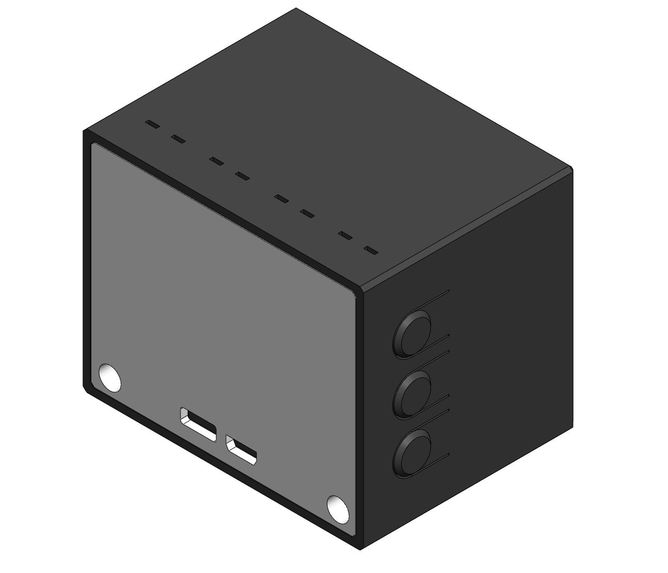
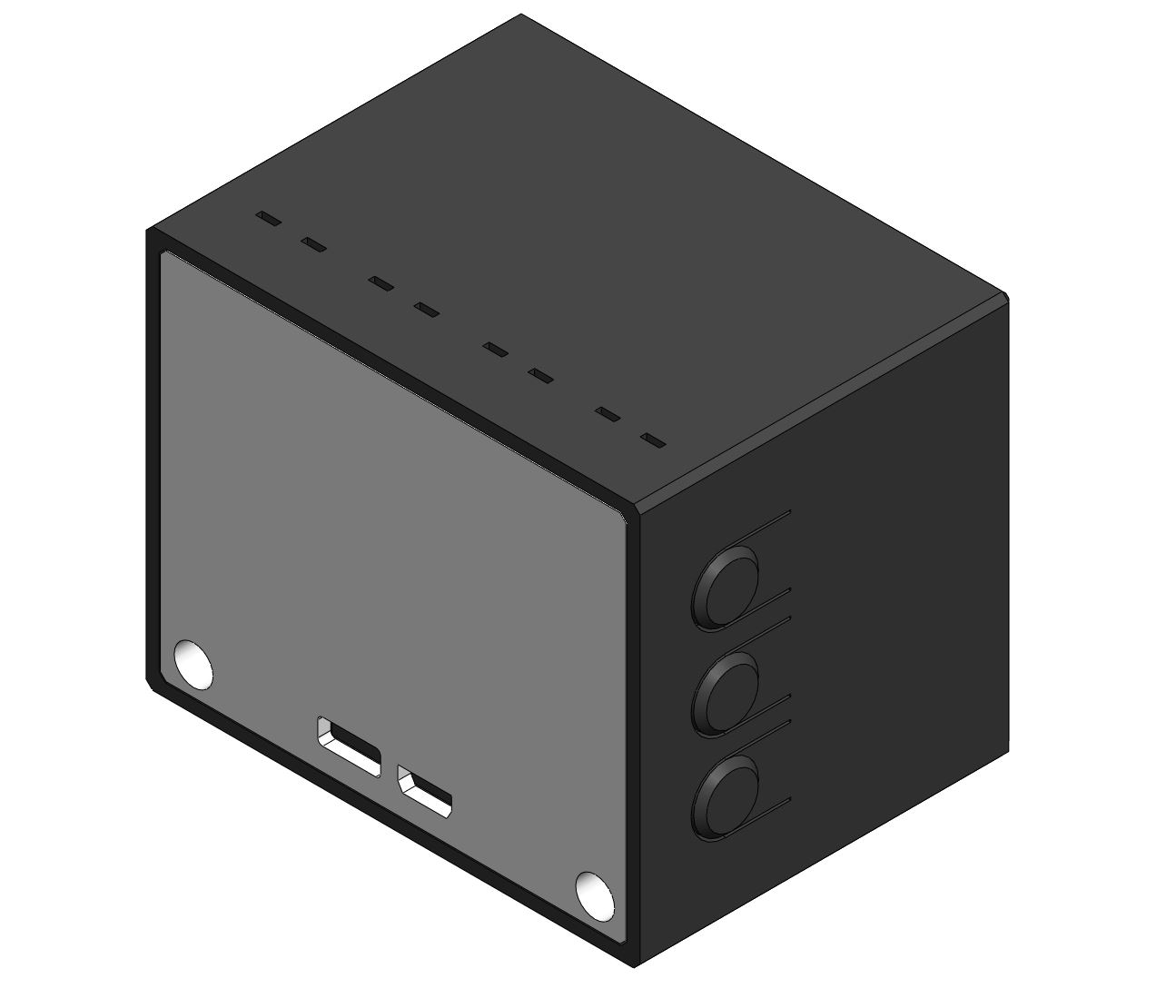
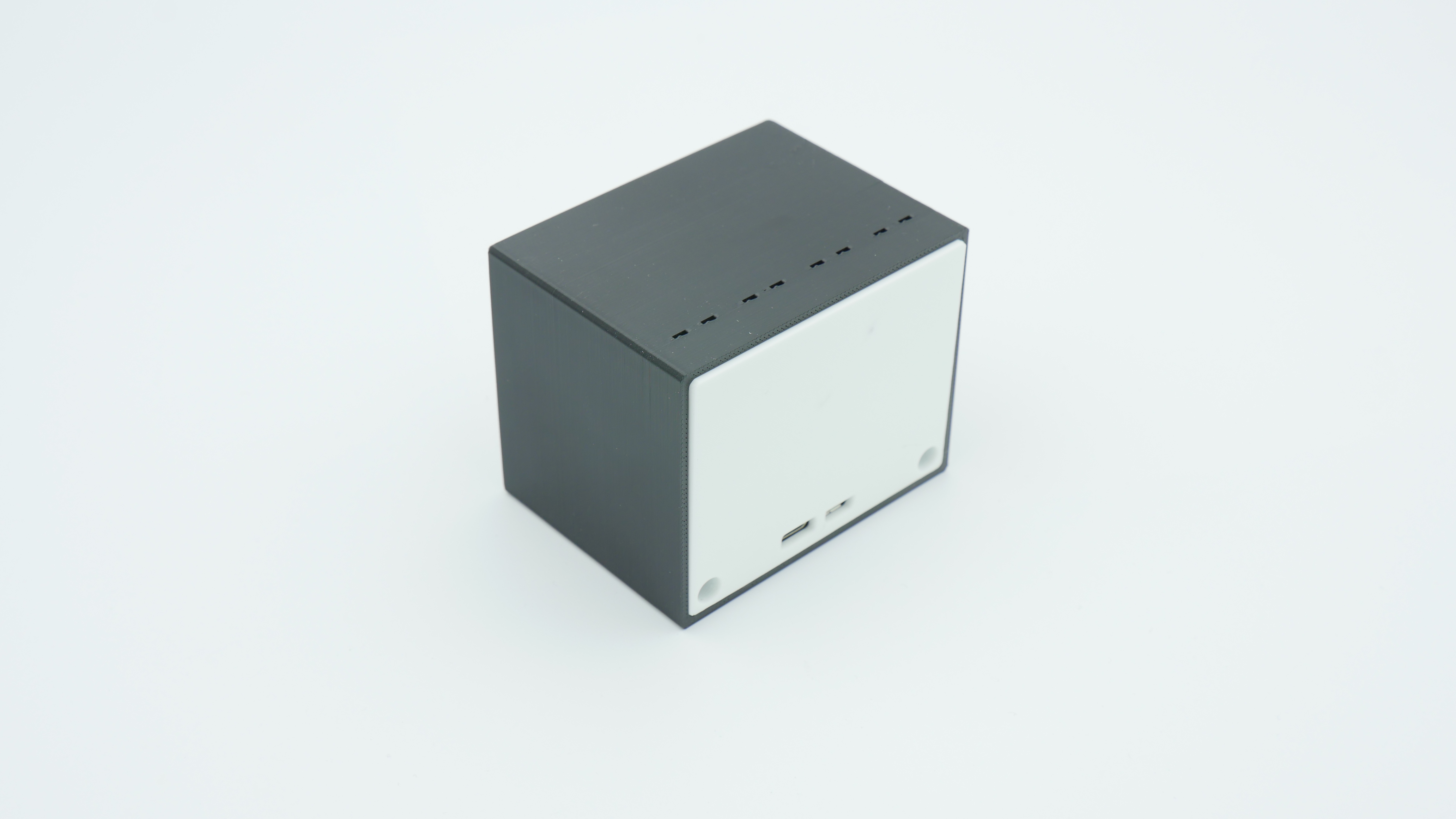
rear side of the case showing the power ports
-
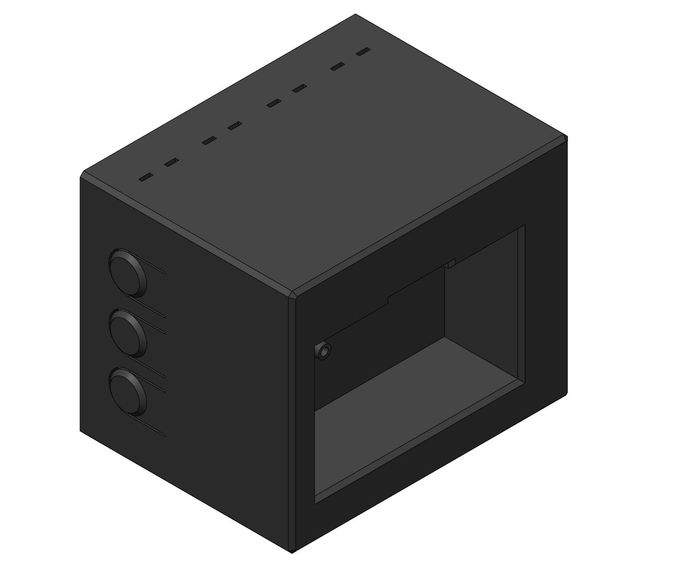
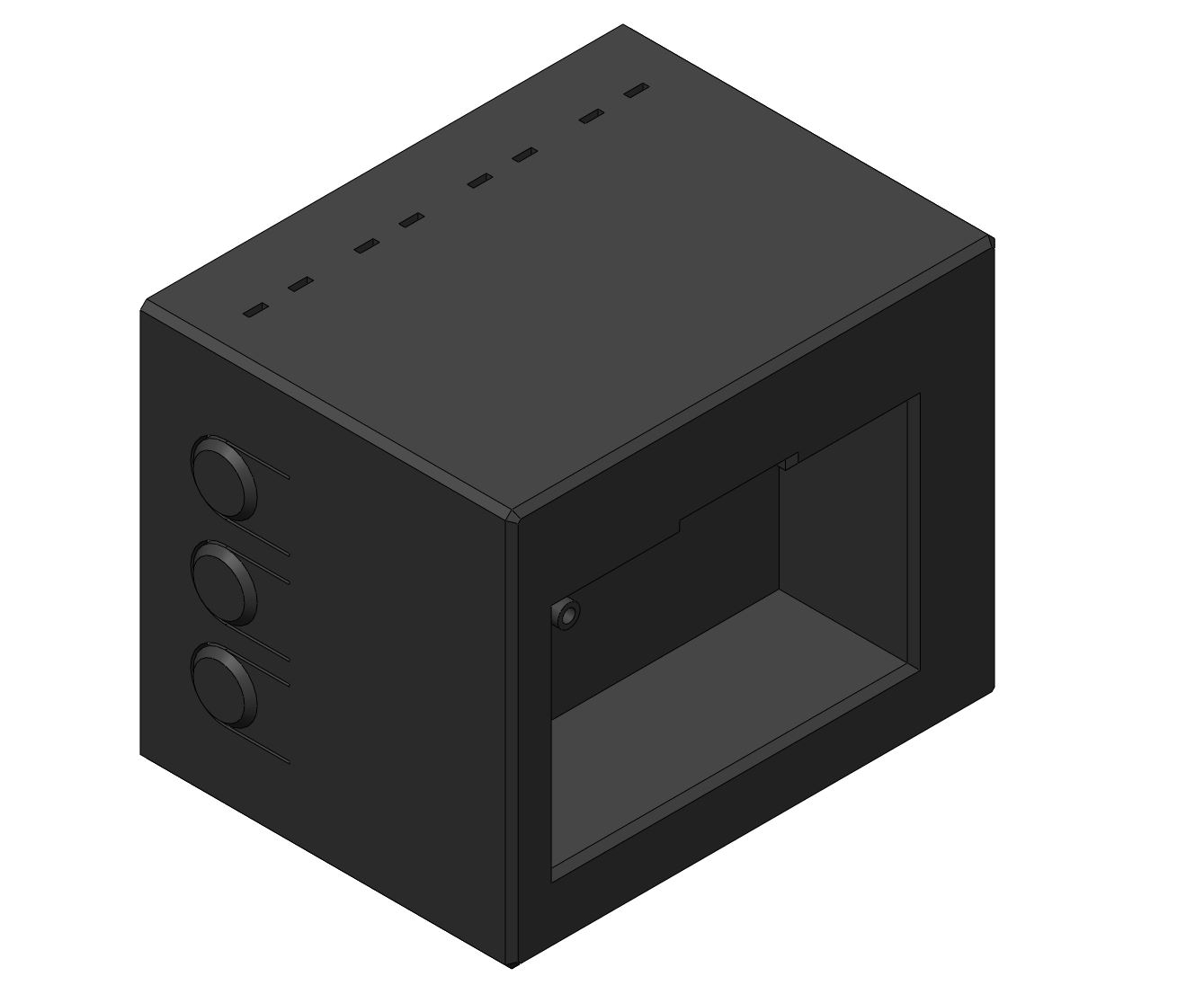
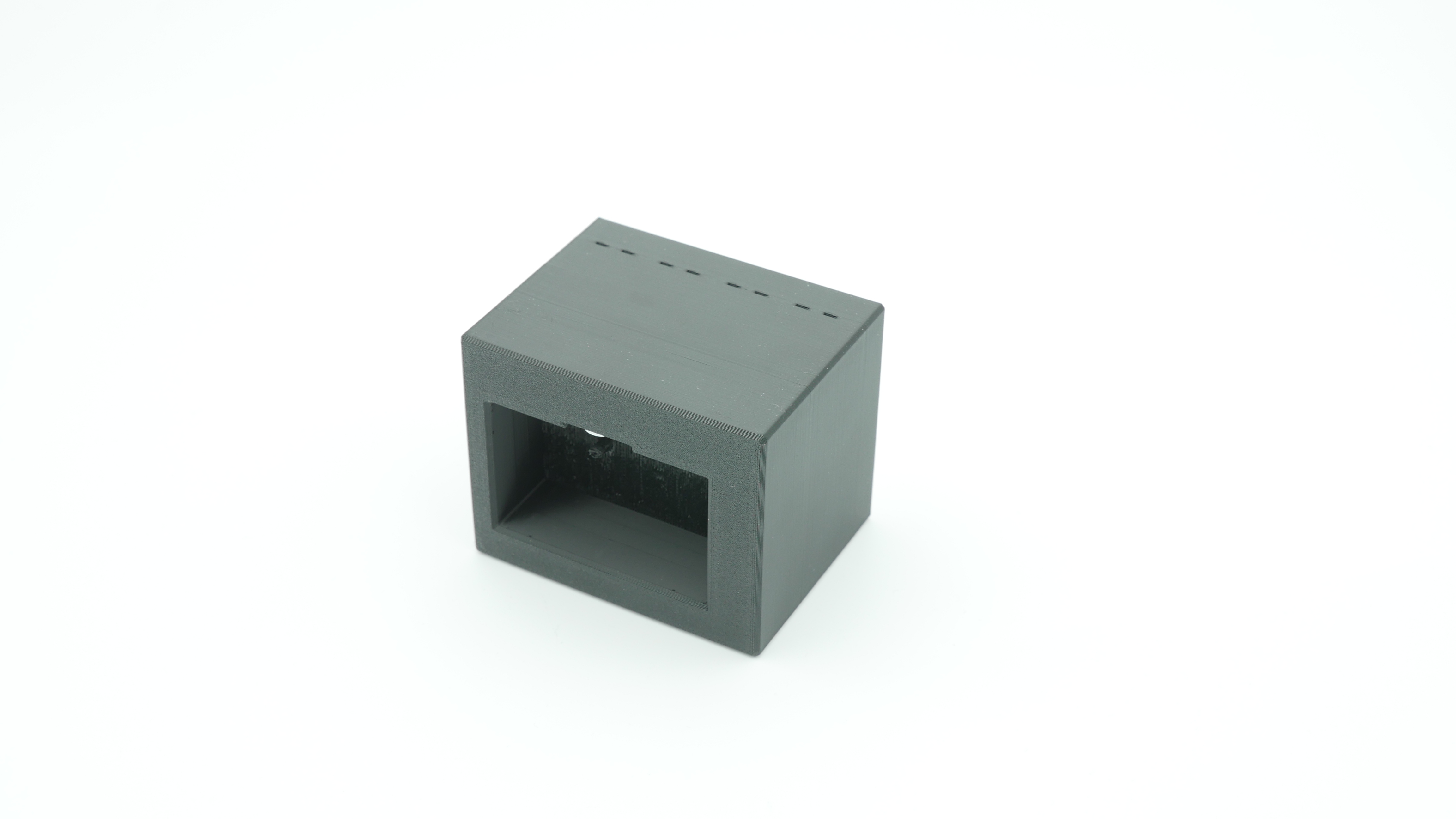
front side of the case into which the smoke machine is inserted
-
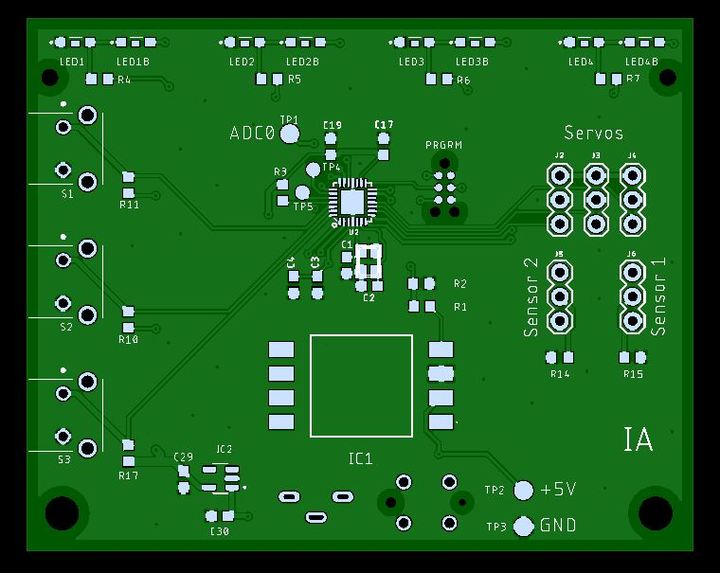
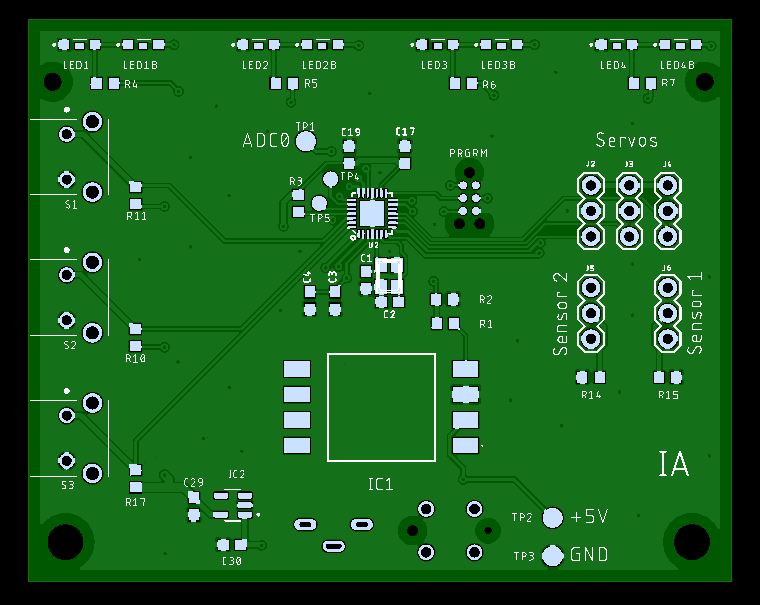
top layer of the PCB
-
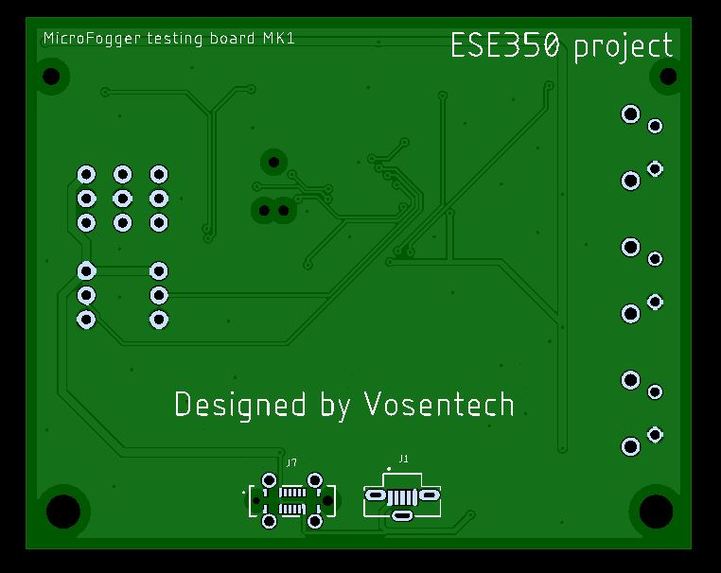
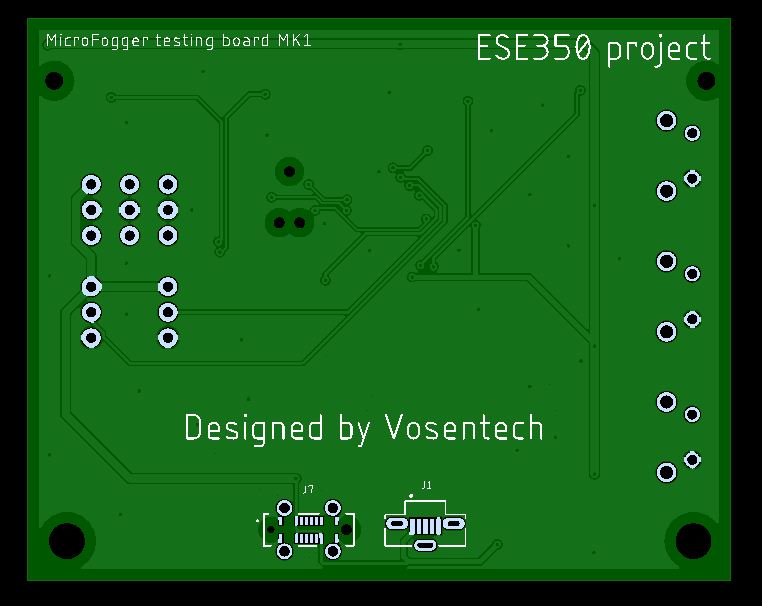
bottom layer of the PCB
-
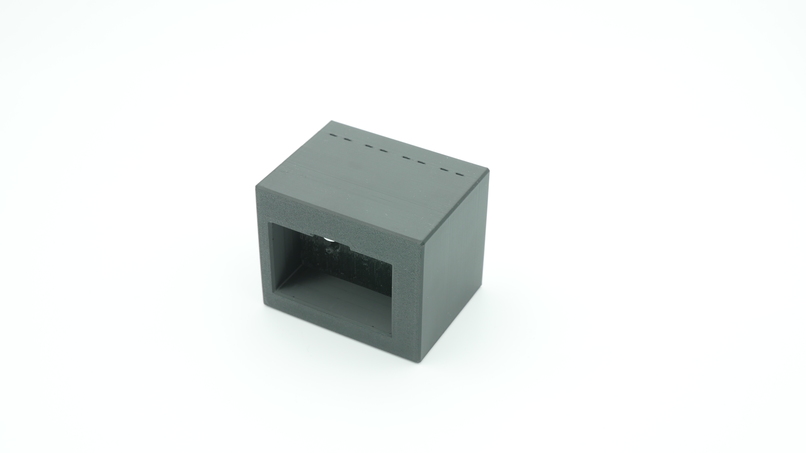
front view
-
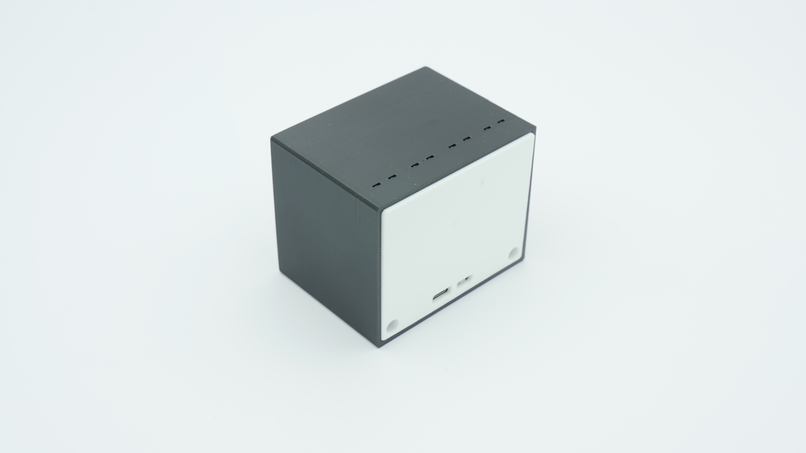
back view
In a mass-manufacturing environment, final quality control is of paramount importance. Sending out imperfect or faulty products can result in costly return processes, and can come at the expense of a company’s reputation. That being said, in low to medium sized production runs, quality control is often performed by a worker. The downside of this is the potential for mistakes to still slip by due to the human aspect and also increases costs due to having to pay salaries. An automatic or semi-automatic solution would decrease costs and would be significantly more reliable.
Inspiration I run a small manufacturing company where we make affordable mini smoke machines, so an automated quality testing device would be invaluable in improving product quality, detecting issues and increasing productivity.
What it does Using a servo motor, the tester activates the smoke machine by pressing the triggering button. After allowing a few seconds for the pump to spool up, it measures the pressure at the outlet of the device. As long as the pressure is greater than the minimum requirement, it shows a green indicator. If the smoke machine does not pass the test, a blinking warning light is displayed to show an error. Additionally, a temperature and moisture sensor a built into the outlet port to monitor other parameters. Finally, another LED changes brightness depending on the pressure, to show a continuous visual indication of how the smoke machine is performing.
How we built it Using Eagle, I designed a rudimentary PCB that allow an smd-packaged atmega48A to interface with the various sensors, LED, servos and power ports. There are are a number of elements on the circuit board such as pulldown resistors, voltage dividers, voltage regulators, headers and decoupling capacitors. Next, using Sledworks, I created a case to house this circuit board and allow for easy handling and insertion of the smoke machine
Challenges we ran into Everything was pretty simple apart from programming in C. Despite the seemingly-easy logic, it took me a very long time to get it to work.
Accomplishments that we're proud of The nice, clean, functional PCB
What we learned Embedded programming
What's next I intend to add this tool to our company's quality testing process to improve operations.
demo video https://youtu.be/7wRJfJM_lWA
Built With
- c
- eagle
- solidworks

Log in or sign up for Devpost to join the conversation.