
Inspiration
As new technologies arise and automation becomes easier, there is a need for companies to eliminate manual as well as repetitive tasks that are done by humans. Those works not only make employees feel bored mentally but also affect employees physically. For example: employees who perform same movements in an extended period of time can develop symptoms such as tendinitis and carpal tunnel. Beside concerns for employee's health, companies can lose competitive advantages against their competitors when they do not use machine learning and AI to automate repetitive tasks.
With the rise of Machine Learning and AI, companies should definitely apply these technologies to not only automate the manual works but also be flexible to react to changes in different situations.
With the above thoughts in mind, the “Recommendation Engine for TTs” use case is an example of why automation is needed. There is wasted energy of humans who have to read description of issues and identify which issues should be assigned to which teams. This repetitive and tedious task can definitely be automated through machine learning and AI by using historical data to analyze and detect certain keywords in the incident descriptions (NLP). Afterwards, classification model can be developed by using python code.
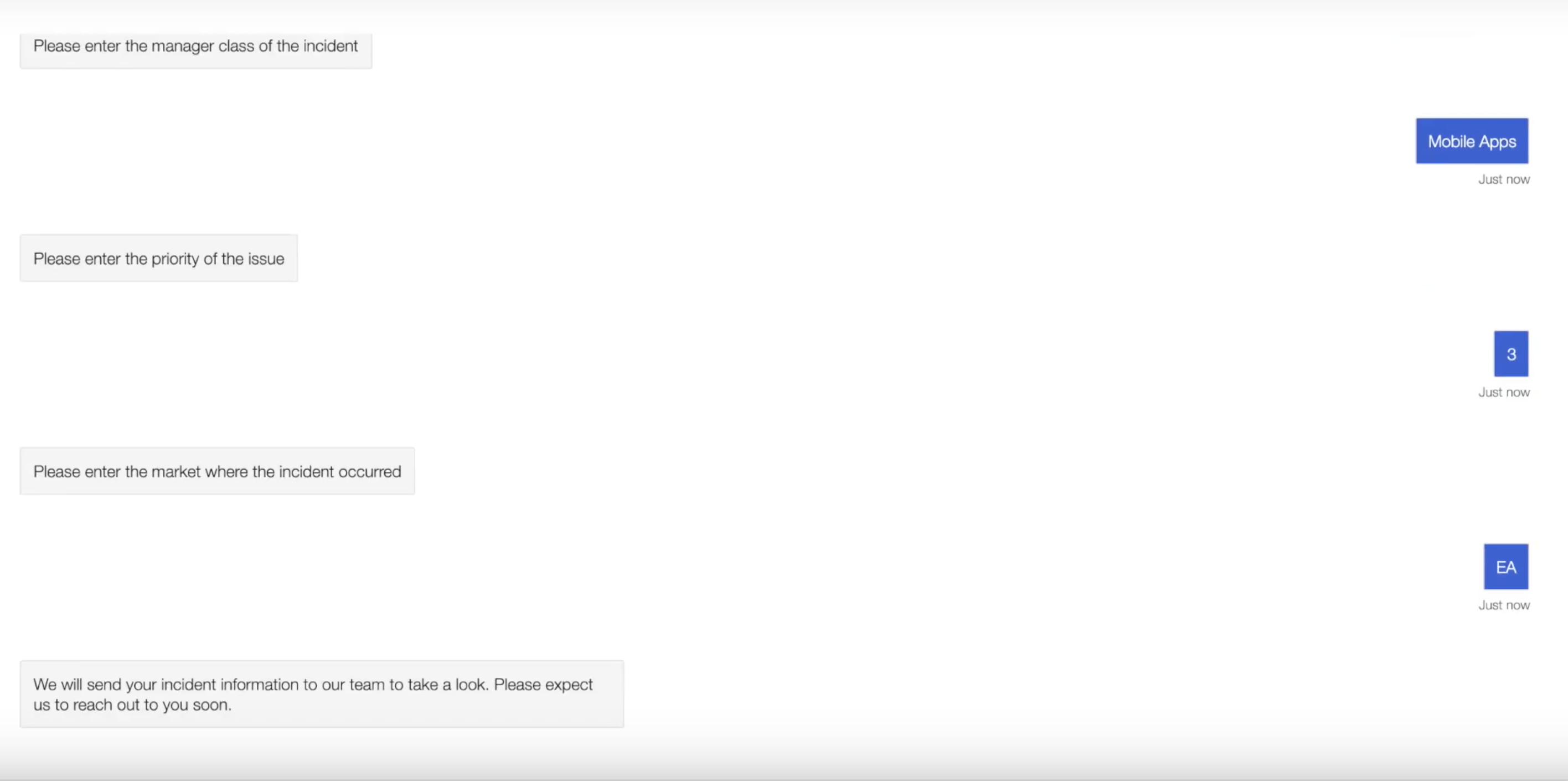
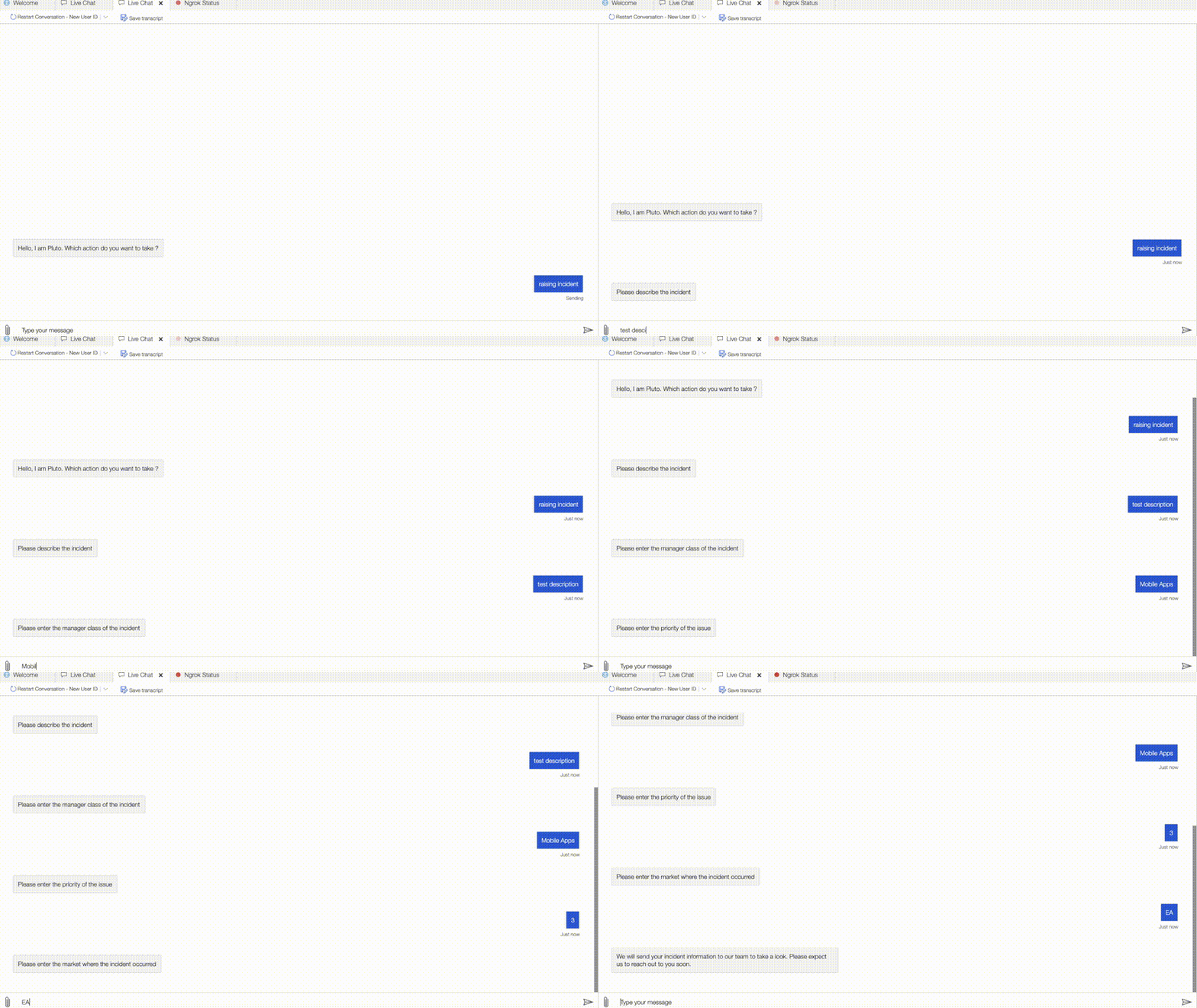
Further, customers do not have to make a phone call and can easily raise incidents by connecting with a bot called Pluto. The data will be sent to computer to analyze and assign the tickets to the right team. This automated process saves time for both customers and companies.
What it does
Using machine learning technology (NLP) to analyze data collected in the past 10 months. Based on the information about groups that resolved and closed the incidents, machine learning model was built. The model allows computers to suggest which team should be assigned certain incidents. The impact of the automated process is significant since it improves the operation efficiency and eliminates manual works for the employees. Further, a chat bot, called Pluto, was developed using Azure bot.
Chat Bot Demo: https://youtu.be/MDhWkzFeA4U
How we built it
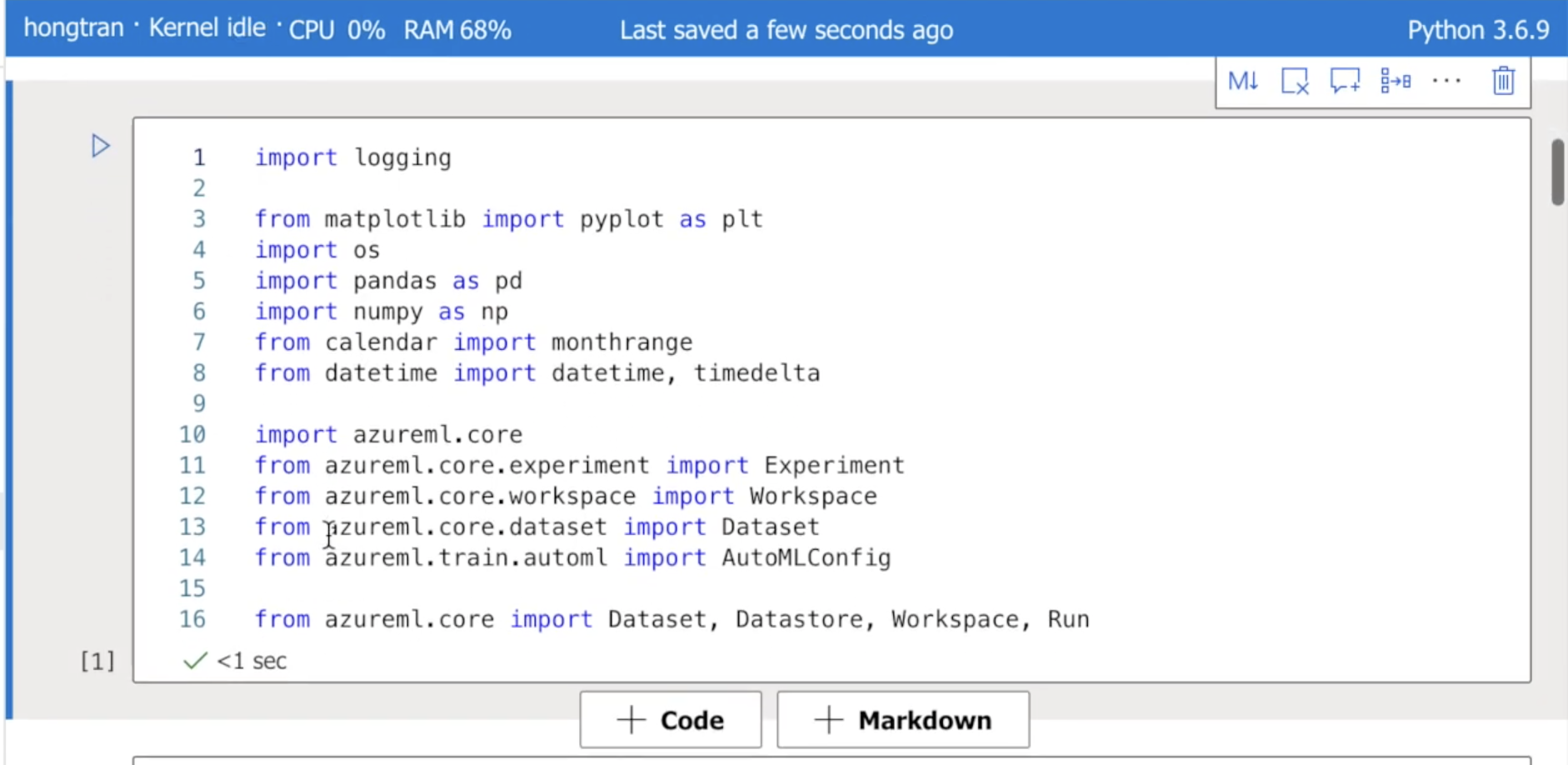
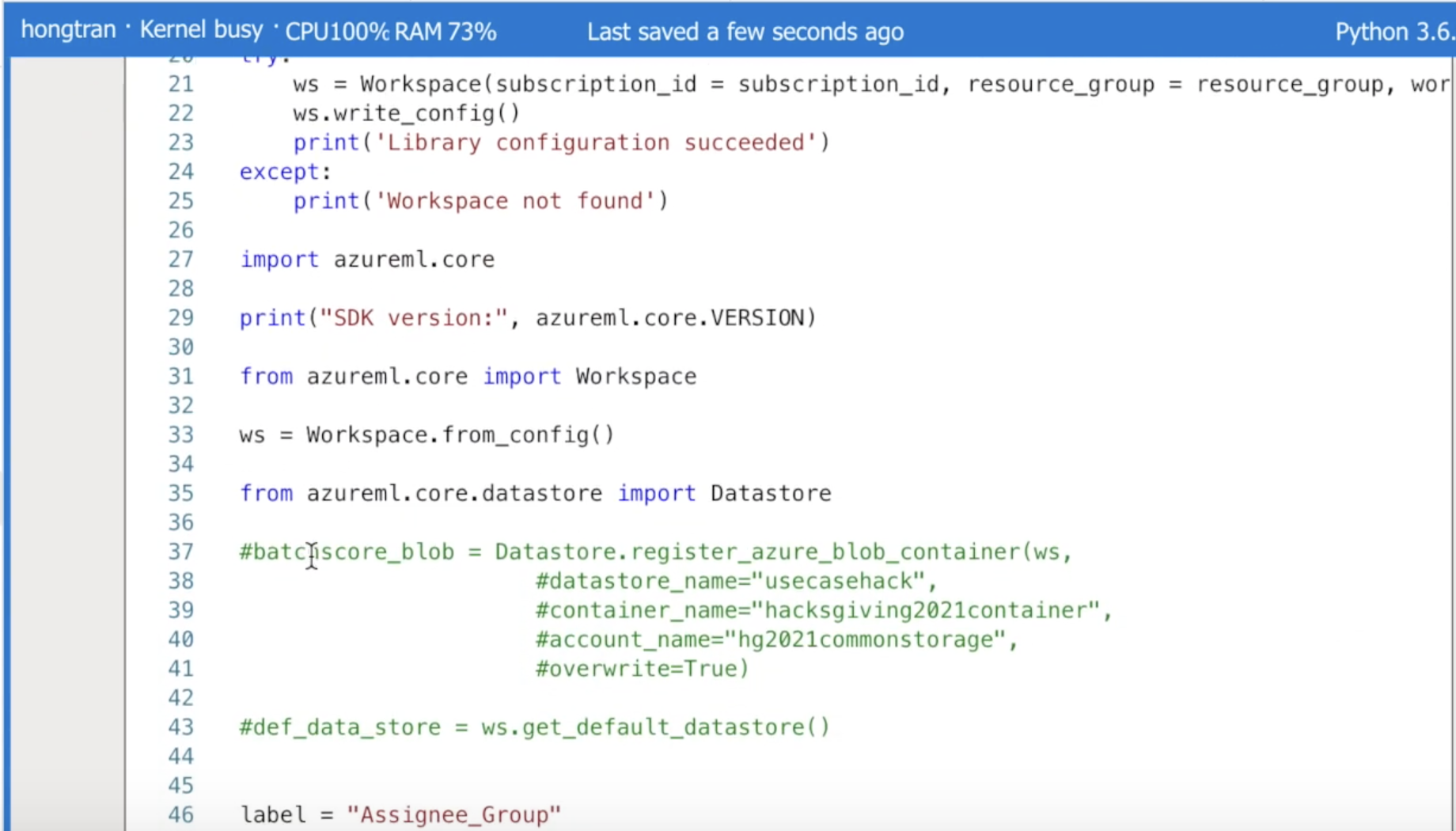
I built the process by first creating a Microsoft Azure account. Through the Microsoft Azure portal, I set up a Machine Learning resource, which is a platform to launch the Microsoft Azure Machine Learning Studio. I also set up compute which is the base for the applications to run in cloud. The next step is setting Datastores which are the bases for setting up the datasets for models. When developing machine learning model, I used Notebooks to write code and to load data in to run the process (NLP for text analysis, python code for developing classification model). Further, I used Automated ML and Designer as alternatives so that I have options to choose the best models for the data set. Finally, I developed Pluto chat bot using Azure Bot.
Challenges we ran into
The quota and the power of the GPU
Accomplishments that we're proud of
Setting up the Azure environment
Finding different ways to develop Machine Learning model: Notebooks, Automated ML, Designer
What we learned
- Azure Machine Learning.
- Resource Capacity in running and training the datasets
- Tip and tricks to raise the capacity such as using GPU machine with default NC6, reducing the amount of iteration during run, etc.
- NLP and Azure Text Analytics
What's next for Automated Issue Assignment and Operation Improvement
- Automated email notifications to teams to take action and resolve the issue
- Connect chat bot to feed data directly to the machine learning datastores
Built With
- automl
- azure
- bot
- ml
- natural-language-processing
- python


Log in or sign up for Devpost to join the conversation.