Inspira🔹 Inspiration
Brain tumors are among the most critical medical conditions where early detection can save lives. Manual MRI interpretation is time-consuming, error-prone, and varies with radiologist experience. We wanted to create an AI-powered solution that reduces errors, supports radiologists, and makes diagnostics faster and more accessible.
🔹 What it does
Our system automates brain tumor detection from MRI scans using Convolutional Neural Networks (CNNs).
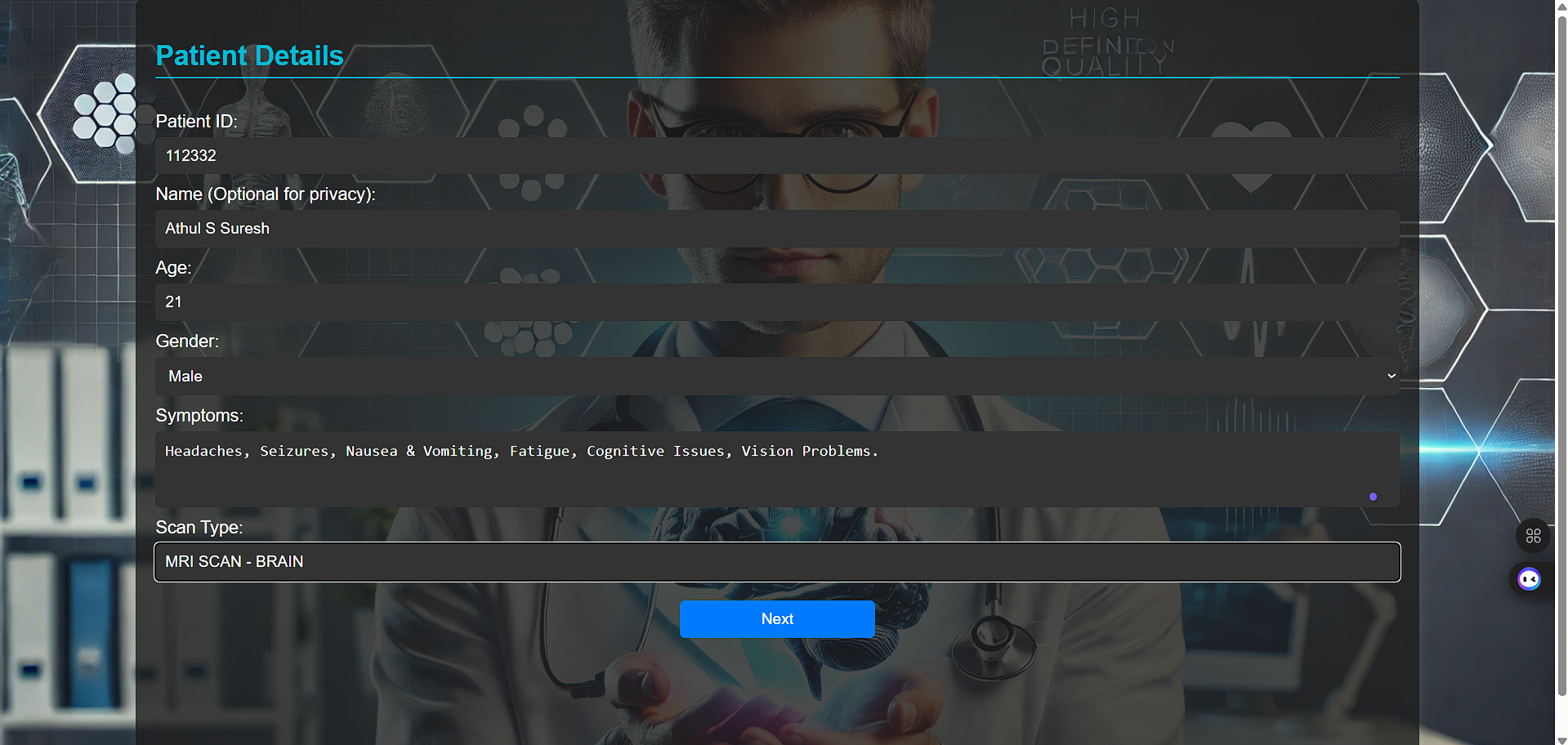
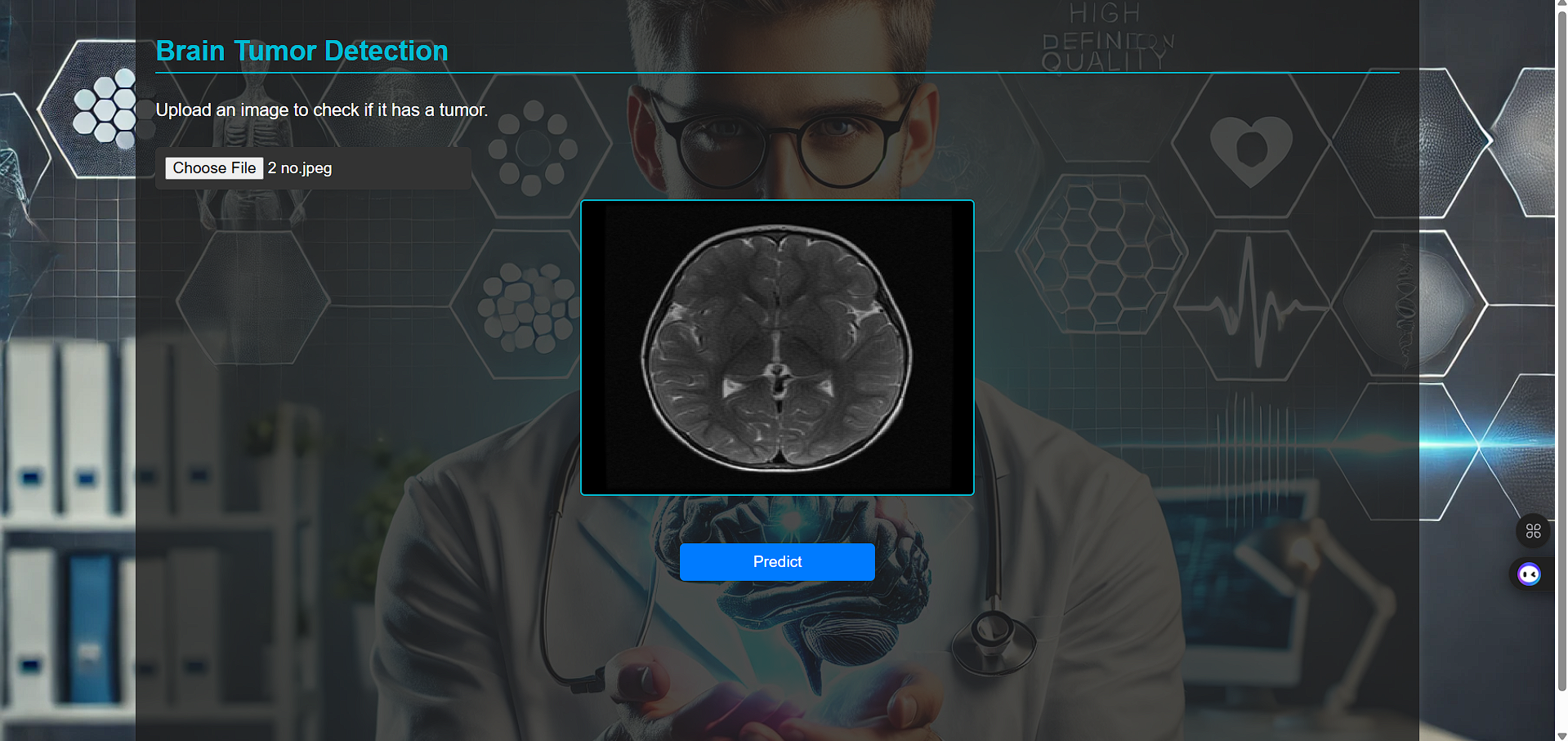
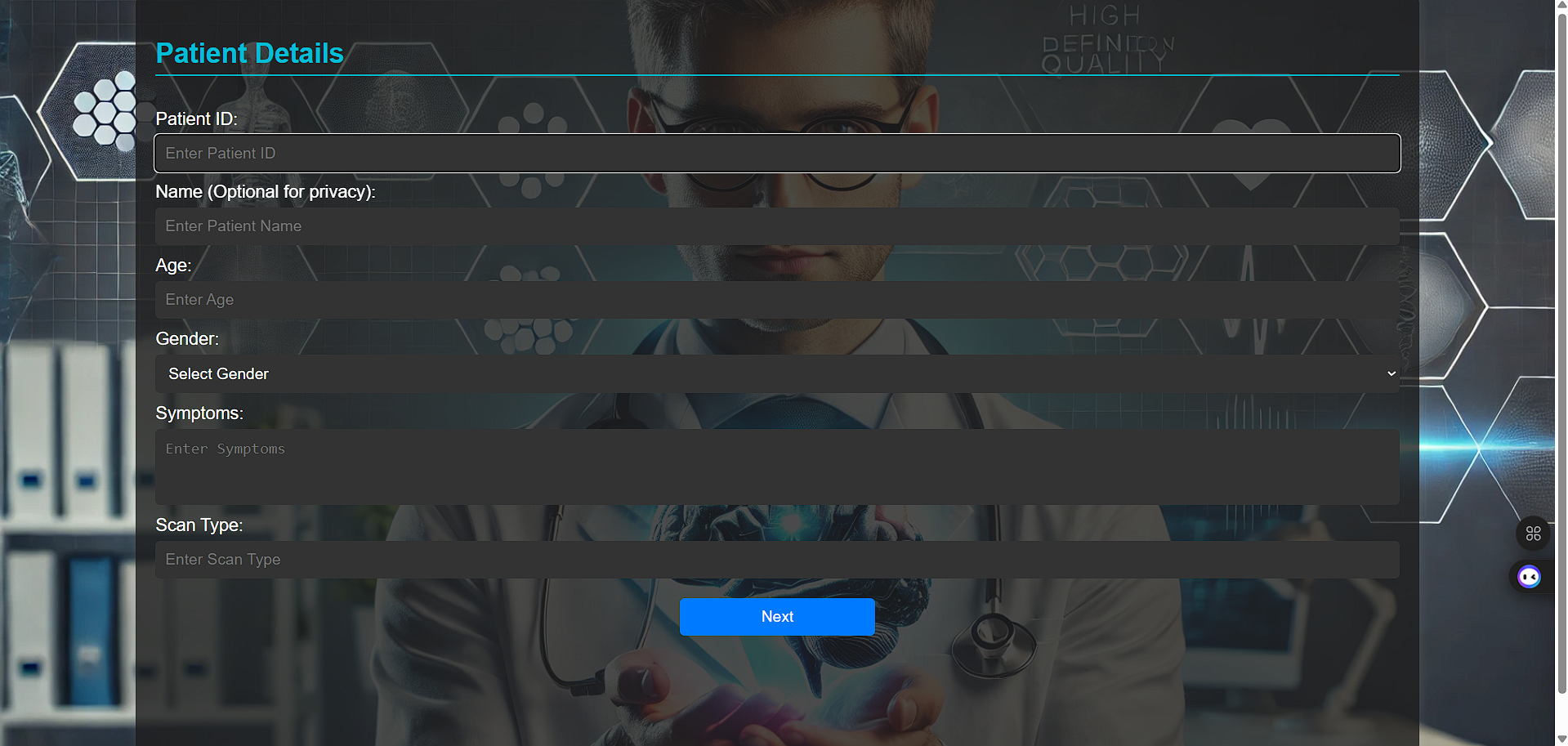
Upload an MRI scan → AI analyzes it in real time.
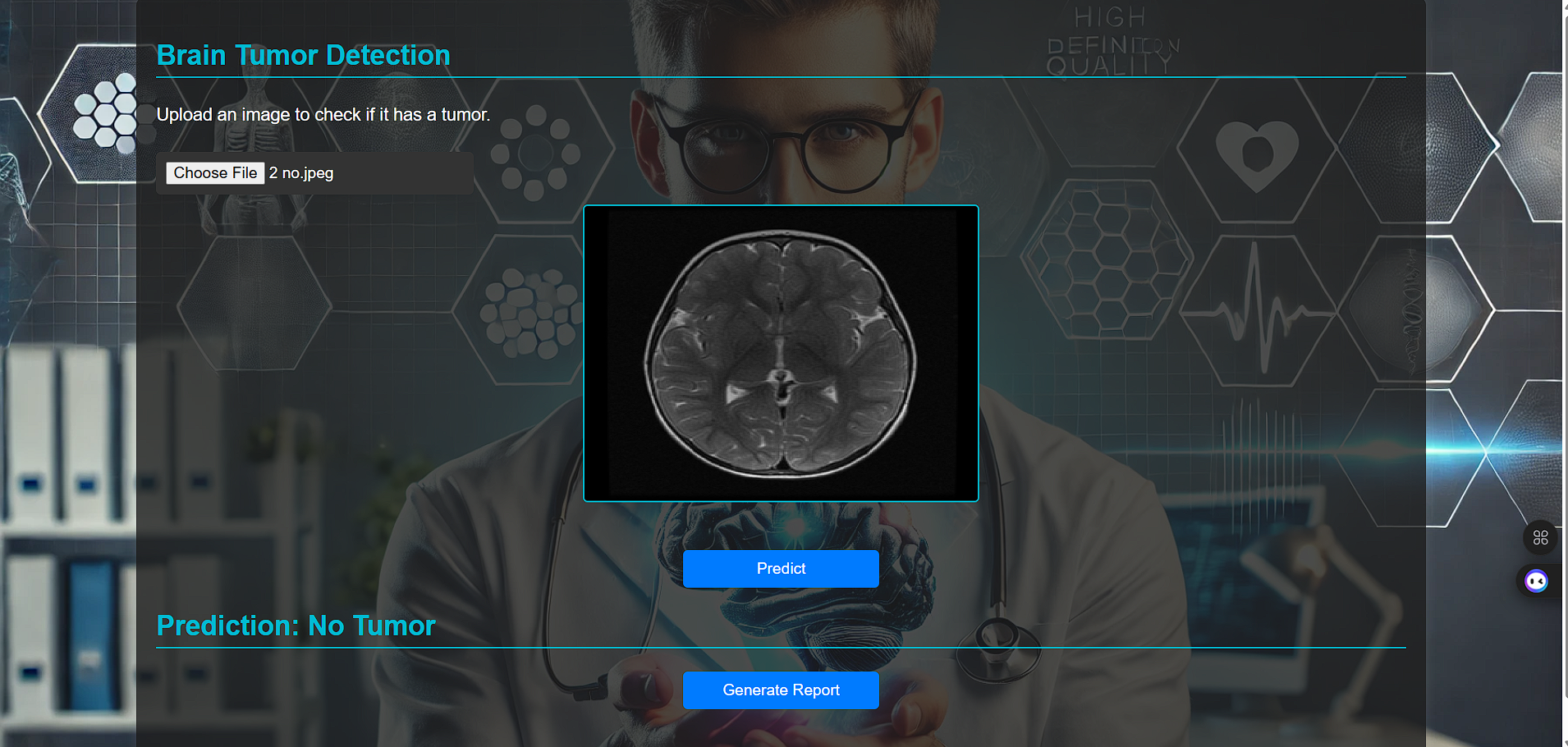
Detects if a tumor is present or not.
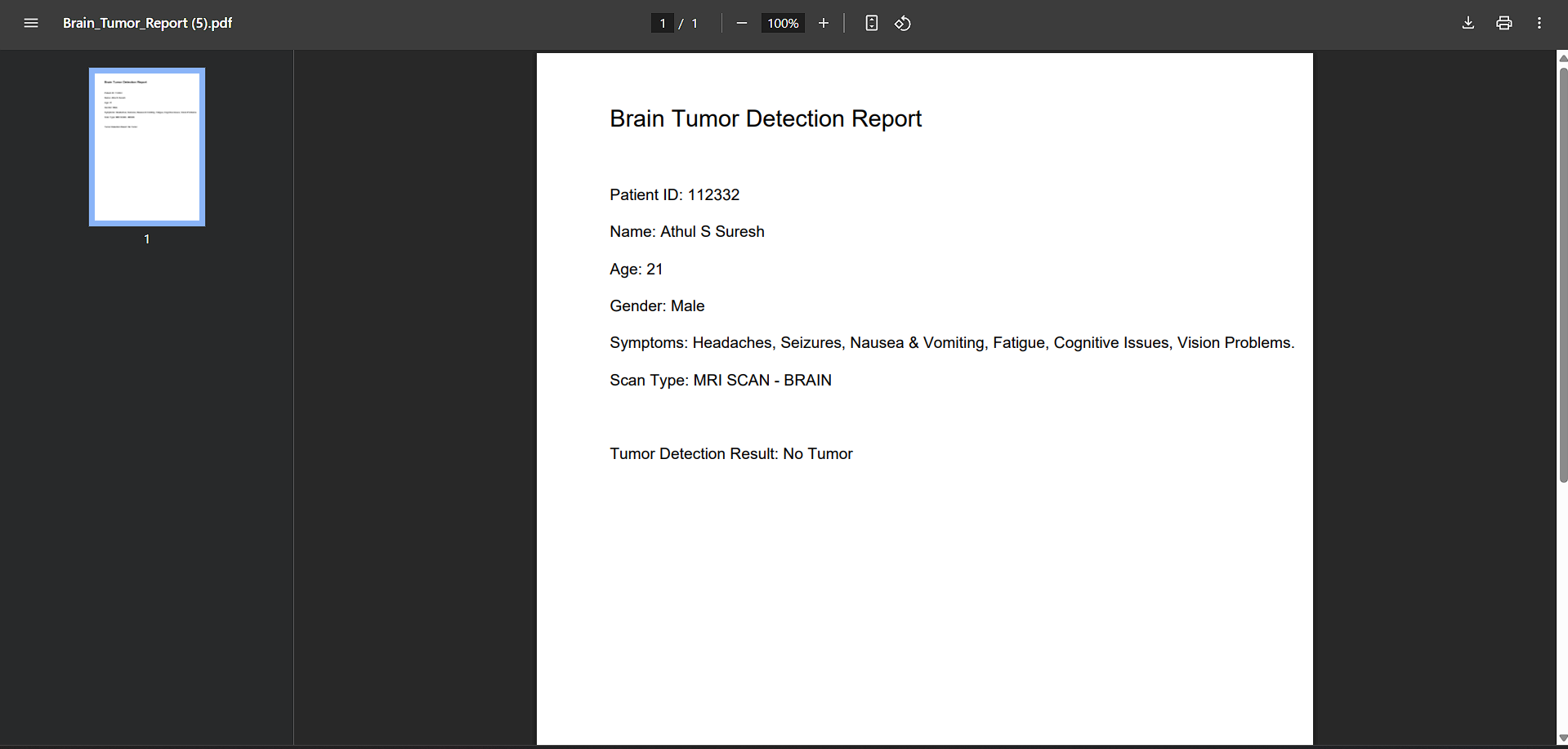
Generates probability-based reports with confidence scores.
Stores past analyses for future reference.
Supports telemedicine integration for remote diagnostics.
🔹 How we built it
Frontend: React.js, Bootstrap, HTML5, CSS3, JavaScript
Backend: Flask + Django REST API (Python)
AI Model: Fine-tuned ResNet-50 with PyTorch & TensorFlow for MRI classification
Image Processing: OpenCV, Pillow, NumPy for preprocessing (noise reduction, contrast enhancement, normalization)
Database: MySQL (primary), SQLite (development)
Deployment & Tools: GitHub, Docker, Jenkins, Postman, Selenium, VS Code
🔹 Challenges we ran into
Handling MRI variability (different scanners, resolutions, modalities).
Segmentation accuracy for isolating tumor regions.
Maintaining data privacy while complying with HIPAA & GDPR.
Ensuring real-time performance for clinical use.
Building trust in AI predictions through interpretability (Grad-CAM, heatmaps).
🔹 Accomplishments we’re proud of
Successfully developed an AI model with high accuracy in tumor classification.
Integrated automated report generation for doctors and patients.
Designed a user-friendly web platform for real-time analysis.
Created a solution that can extend healthcare access in remote and underserved regions.
🔹 What we learned
How to combine AI with healthcare workflows.
The importance of explainable AI (XAI) in medical applications.
How to build secure, scalable cloud-ready systems for sensitive medical data.
🔹 What’s next
Expand the dataset for better generalization.
Improve tumor segmentation with advanced deep learning models (e.g., U-Net).
Deploy cloud-based services for real-time telemedicine.
Obtain regulatory compliance (FDA/CE) for clinical adoption.
Enhance explainability tools to make AI decisions fully transparent.tion
What it does
How I built it
Challenges I ran into
Accomplishments that I'm proud of
What I learned
What's next for Automated Detection of Tumors in Brain MRI
Built With
- aes-256-encryption
- bootstrap
- cloud-based-telemedicine-integration
- css3
- css3-frameworks-&-libraries:-flask
- django
- django-(optional)
- django-rest-framework
- docker
- docker-(for-containerization)
- flask
- flask-rest-api
- gdpr-compliance
- git
- github
- github-(version-control)-apis-&-tools:-flask-rest-api
- grafana
- hipaa-&-gdpr-compliance-other:-visual-studio-code
- hipaa-compliance
- html5
- javascript
- jenkins
- jenkins-(ci/cd)
- jest
- jest-(frontend-testing)
- mysql
- numpy
- oauth2
- opencv
- pillow
- pillow-database:-mysql-(primary)
- postgresql
- postgresql-(optional)
- postman
- postman-(api-testing)
- prometheus
- pytest
- pytest-(backend-testing)-security:-ssl-encryption
- python
- pytorch
- rbac
- rbac-(role-based-access-control)
- react.js
- selenium
- selenium-(ui-testing)
- sqlite
- sqlite-(development)-cloud-&-deployment:-cloud-based-telemedicine-integration
- ssl-encryption
- tensorflow
- visual-studio-code


Log in or sign up for Devpost to join the conversation.