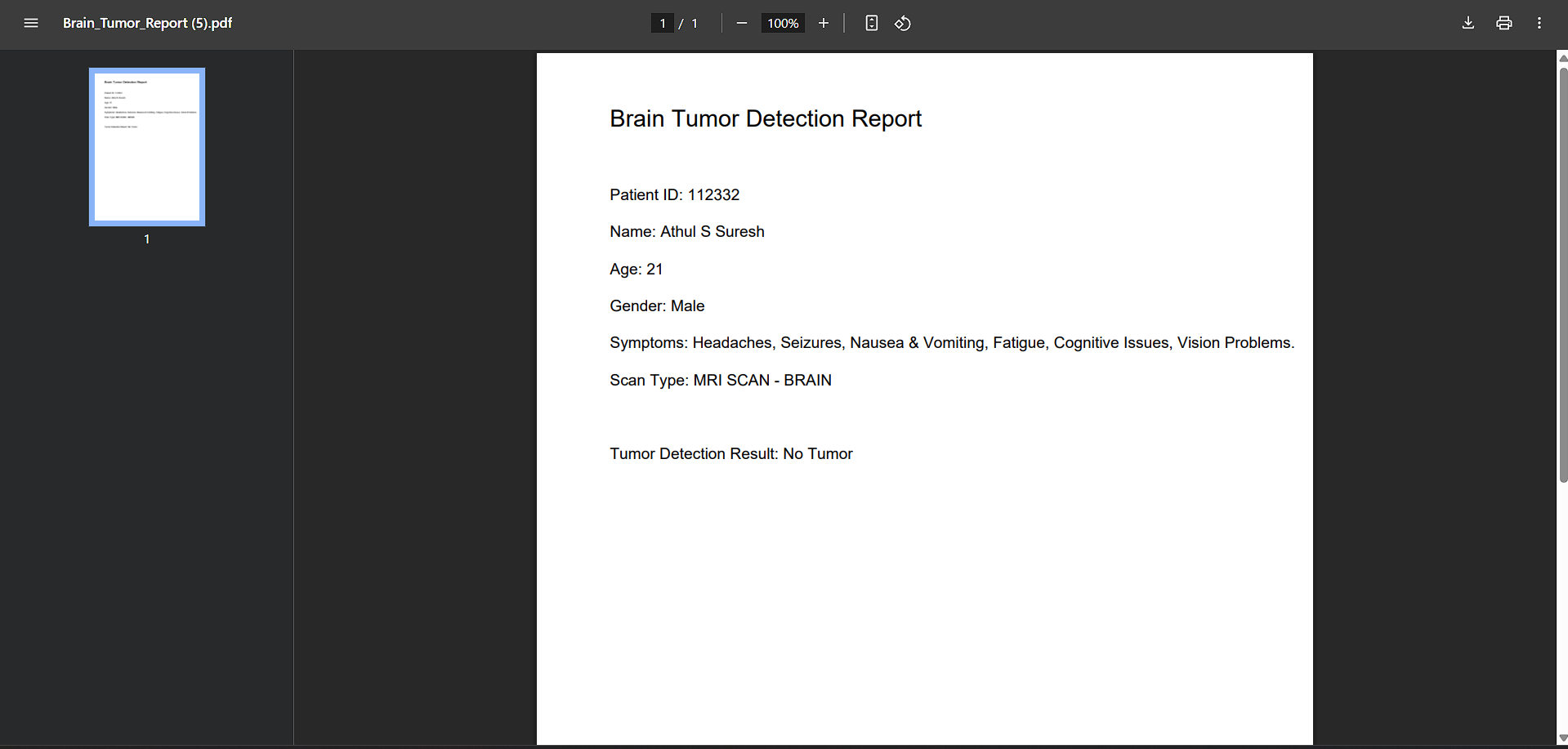
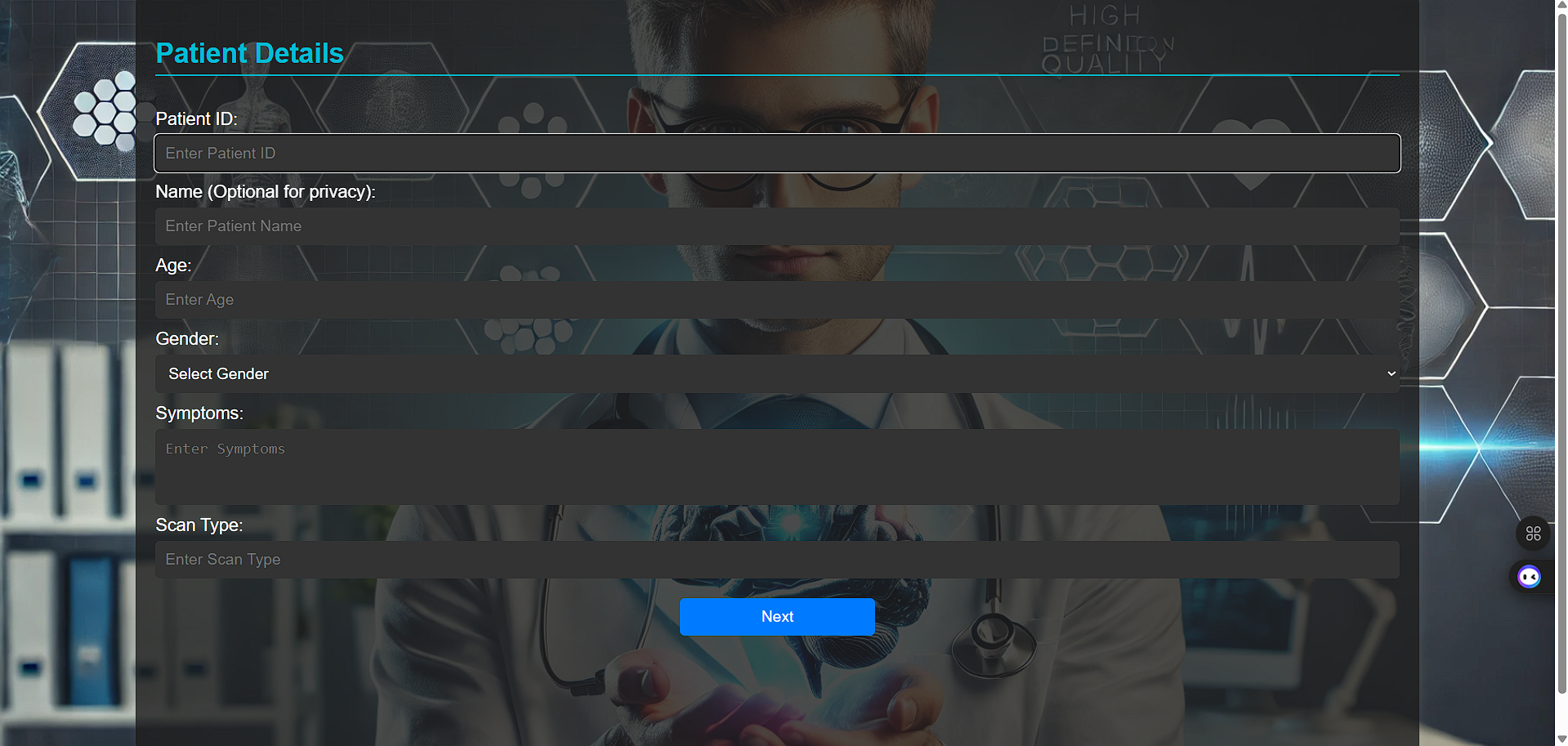


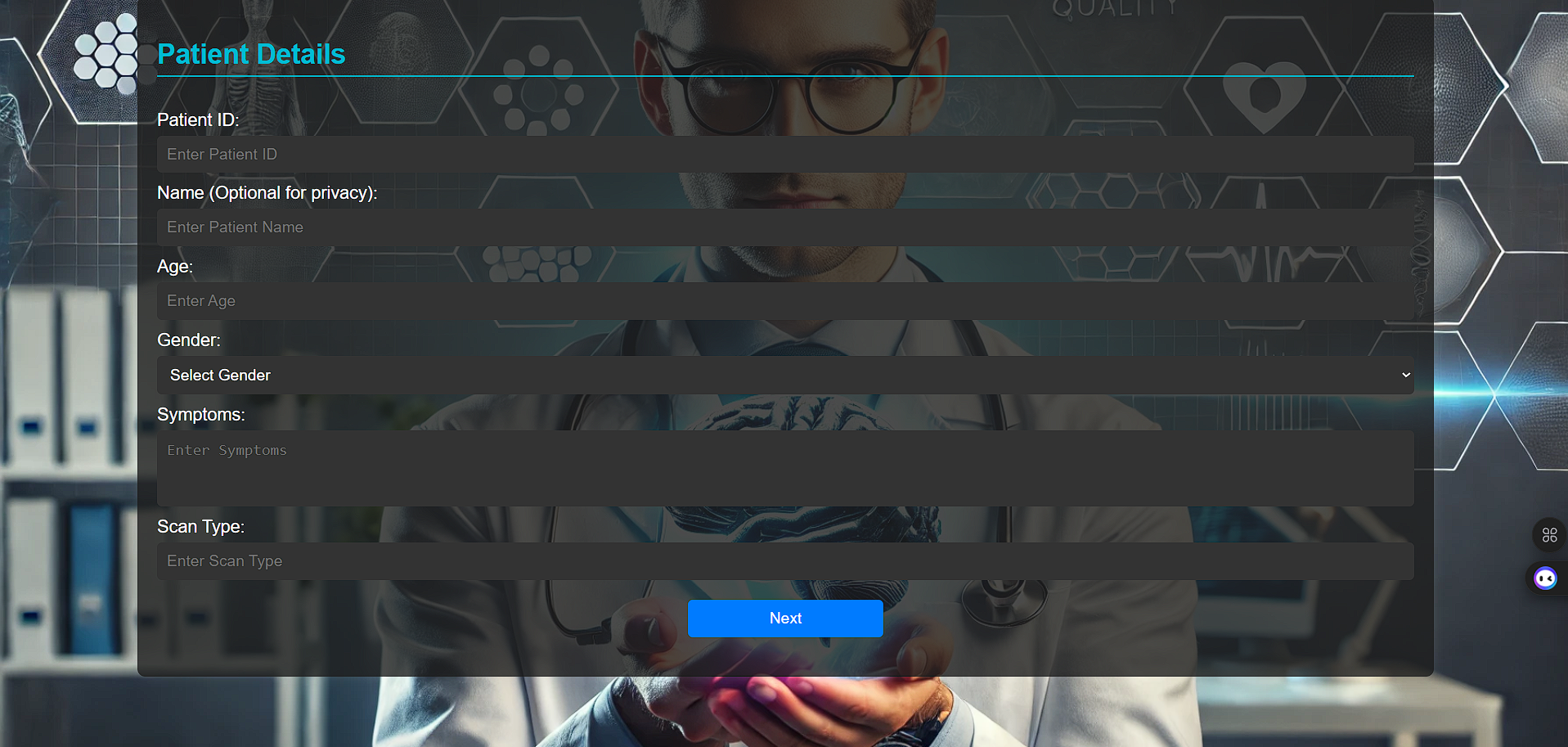
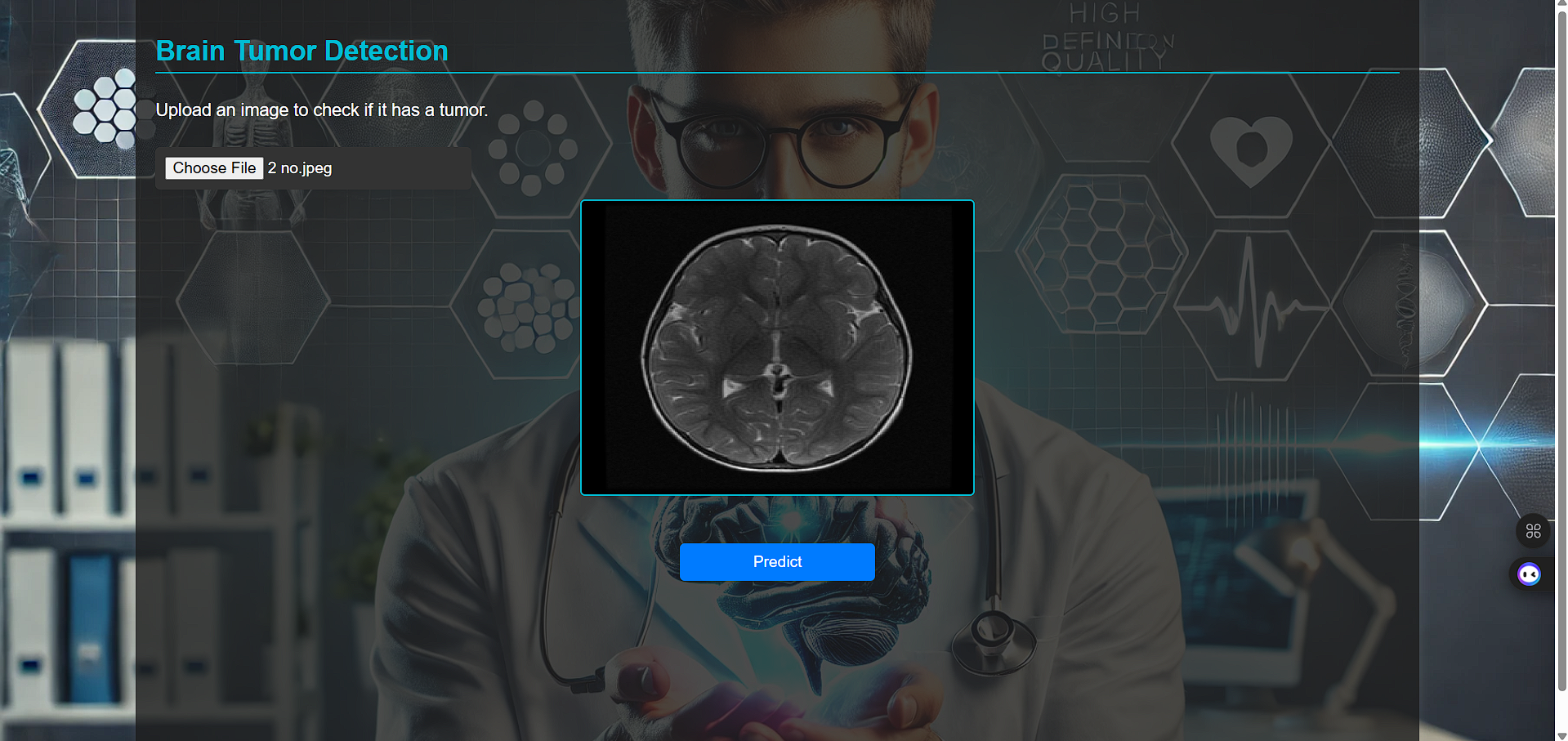
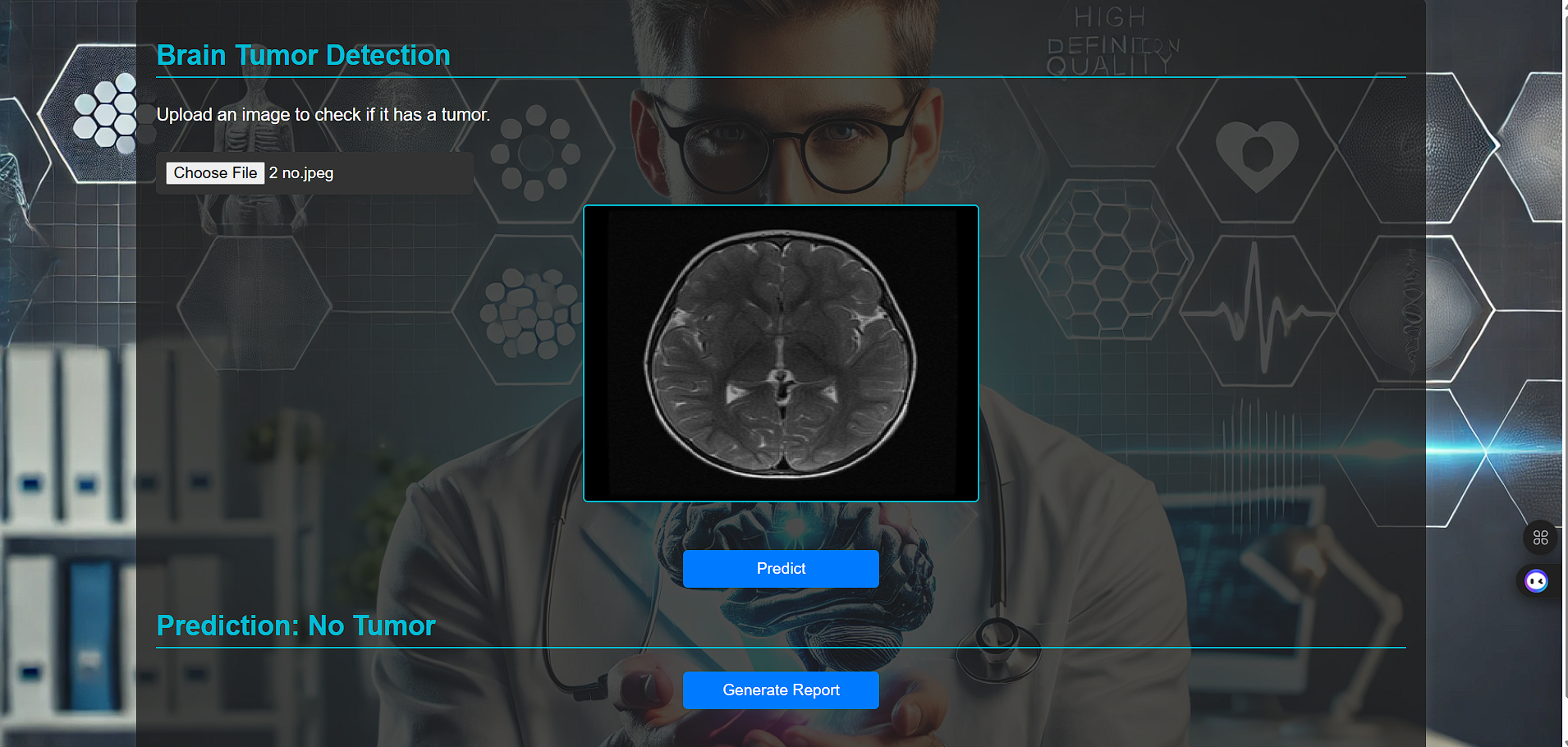
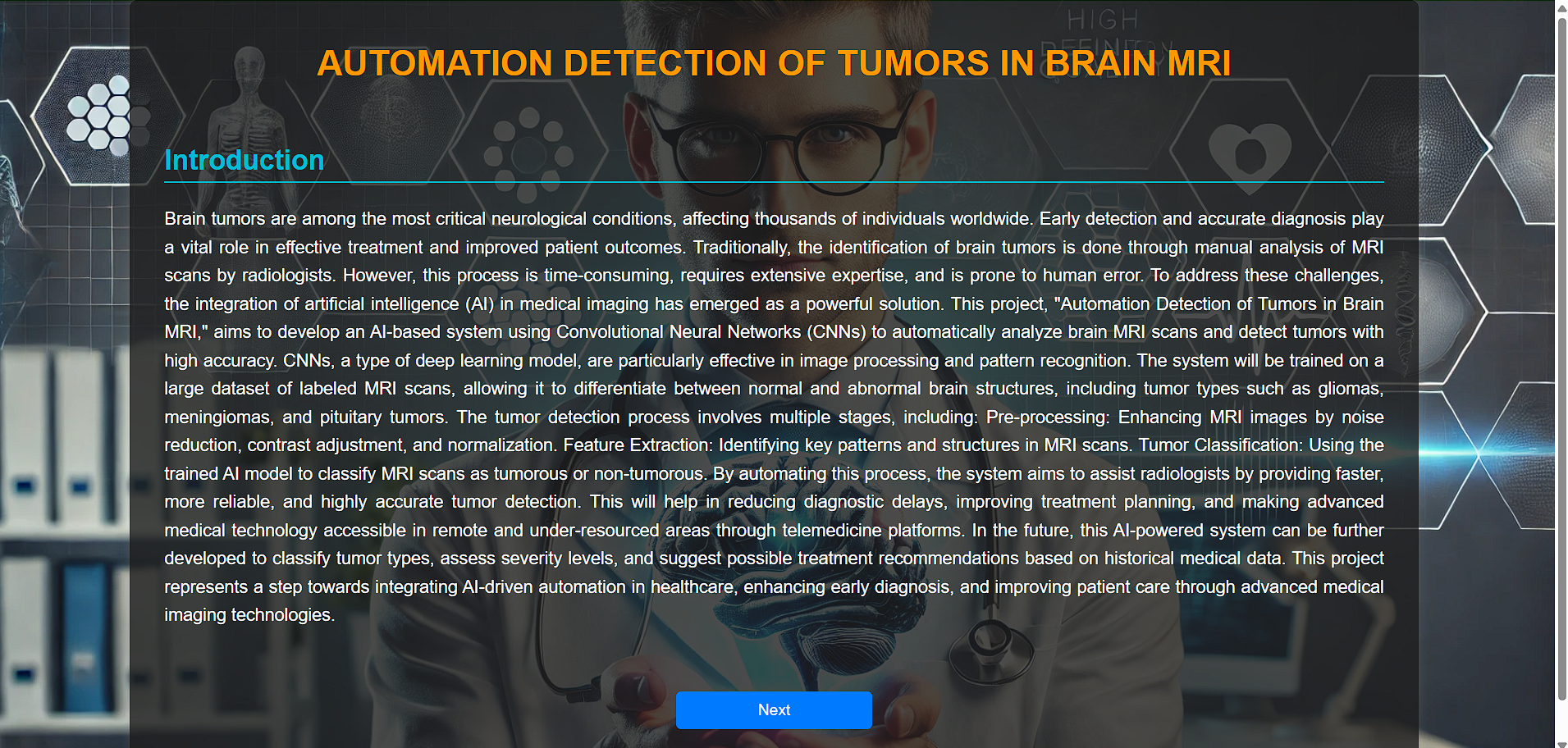

This project was born from the idea of improving the way brain tumors are detected using MRI scans. Traditional methods depend heavily on manual analysis, which can be time-consuming and may vary between experts. I aimed to build a deep learning model that assists medical professionals by rapidly and accurately identifying possible tumor regions in brain images.
By applying artificial intelligence to medical imaging, this solution strives to support early diagnosis, reduce workload, and enhance diagnostic confidence.
🌟 What Sparked the Idea My interest began after reading about the critical role of early diagnosis in treating brain tumors.Knowing how machine learning is being used in other fields, I thought: "Why not apply it here, where lives are at stake?"
That curiosity led me to explore AI-driven approaches to medical imaging and build a system that could assist radiologists.
🧑💻 Development Process Dataset Used: I utilized open-source MRI datasets (e.g., from Kaggle) containing labeled images of brains with and without tumors.
Data Preparation: I resized the images, normalized pixel values, and augmented the dataset (rotation, flipping, etc.) to make the model more robust.
Model Design: A custom Convolutional Neural Network (CNN) was created using Python libraries like TensorFlow and Keras. The model focused on binary classification:
Class 0: No Tumor
Class 1: Tumor Present
Mathematical Concepts: The core of the model revolves around convolution and optimization algorithms. For example, convolution operation is represented by: Performance Check: I used key metrics:
Accuracy
Precision & Recall
F1-Score
🧠 Lessons Gained Practical experience handling real-world medical datasets
Building deep neural networks for image classification
Applying image enhancement and preprocessing techniques
Understanding evaluation metrics in a healthcare context
Tackling overfitting with dropout and regularization strategies
🧱 Roadblocks Encountered Class imbalance: More images without tumors made training tricky.
Overfitting risks: The model performed well on training but not always on validation sets.
Resource demands: Training deep models required a lot of computing power.
Explainability: Ensuring results could be visualized and made sense clinically.
🧾 Closing Thoughts Working on this project gave me new insights into how machine learning can support critical fields like healthcare. While it’s not meant to replace medical experts, this system demonstrates how technology can assist in early detection and possibly lead to quicker treatments. This is just a step toward more accessible, AI-assisted medical tools.
Built With
- python
- tensorflow

Log in or sign up for Devpost to join the conversation.