-
-
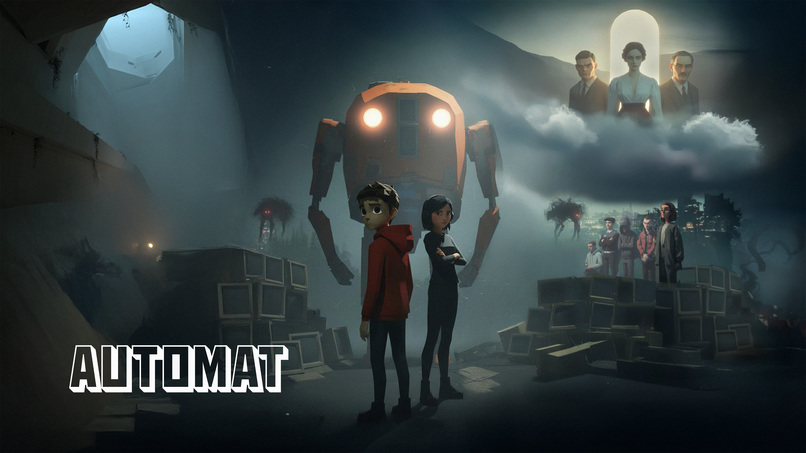
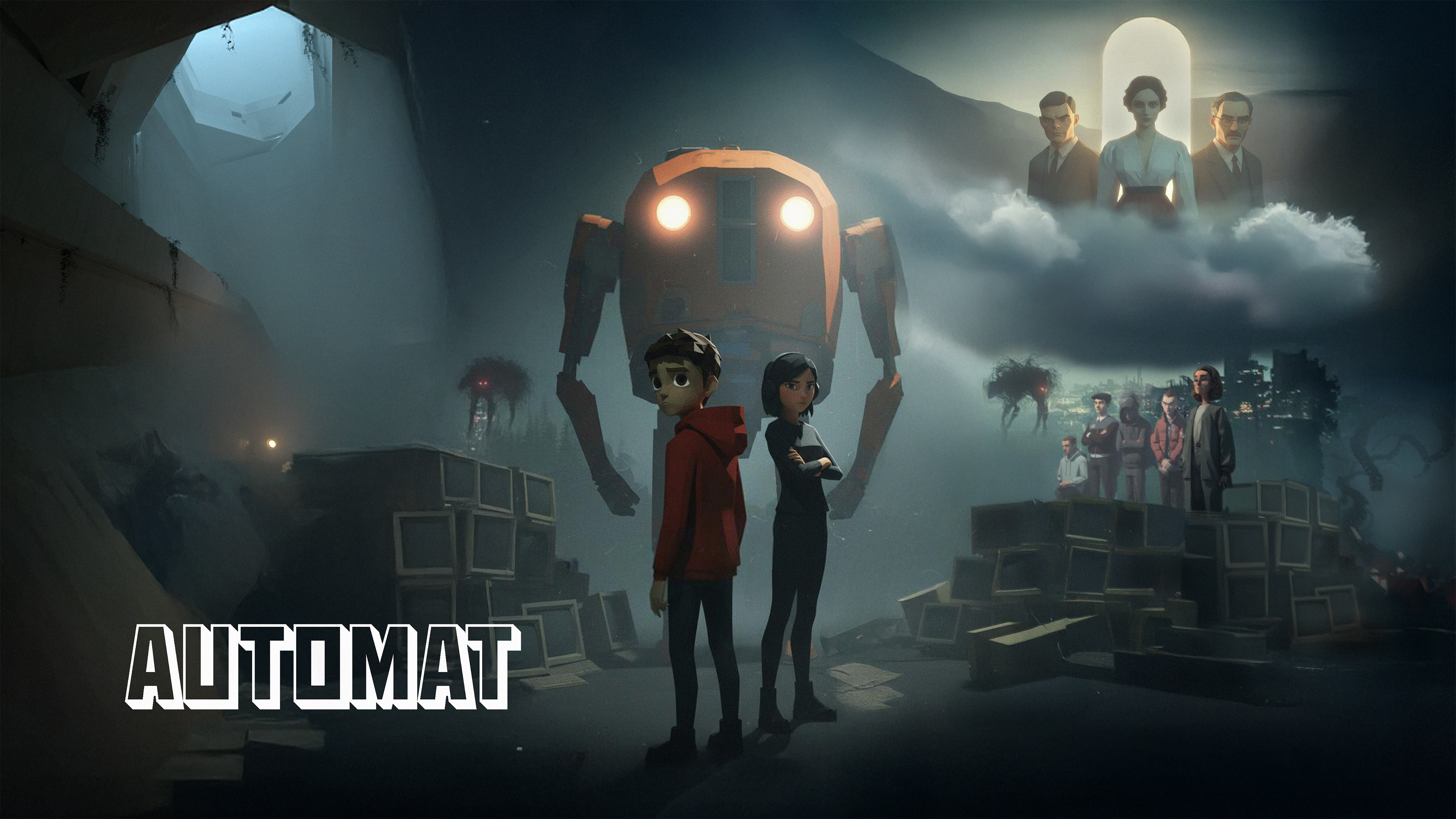
main cover with main talent
-
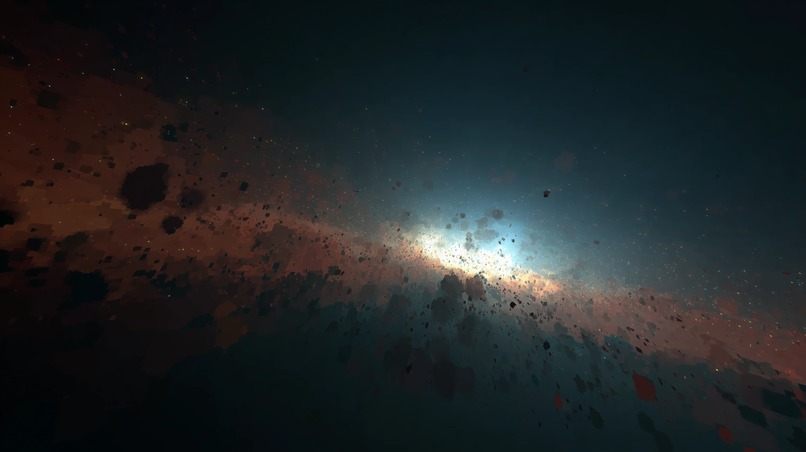
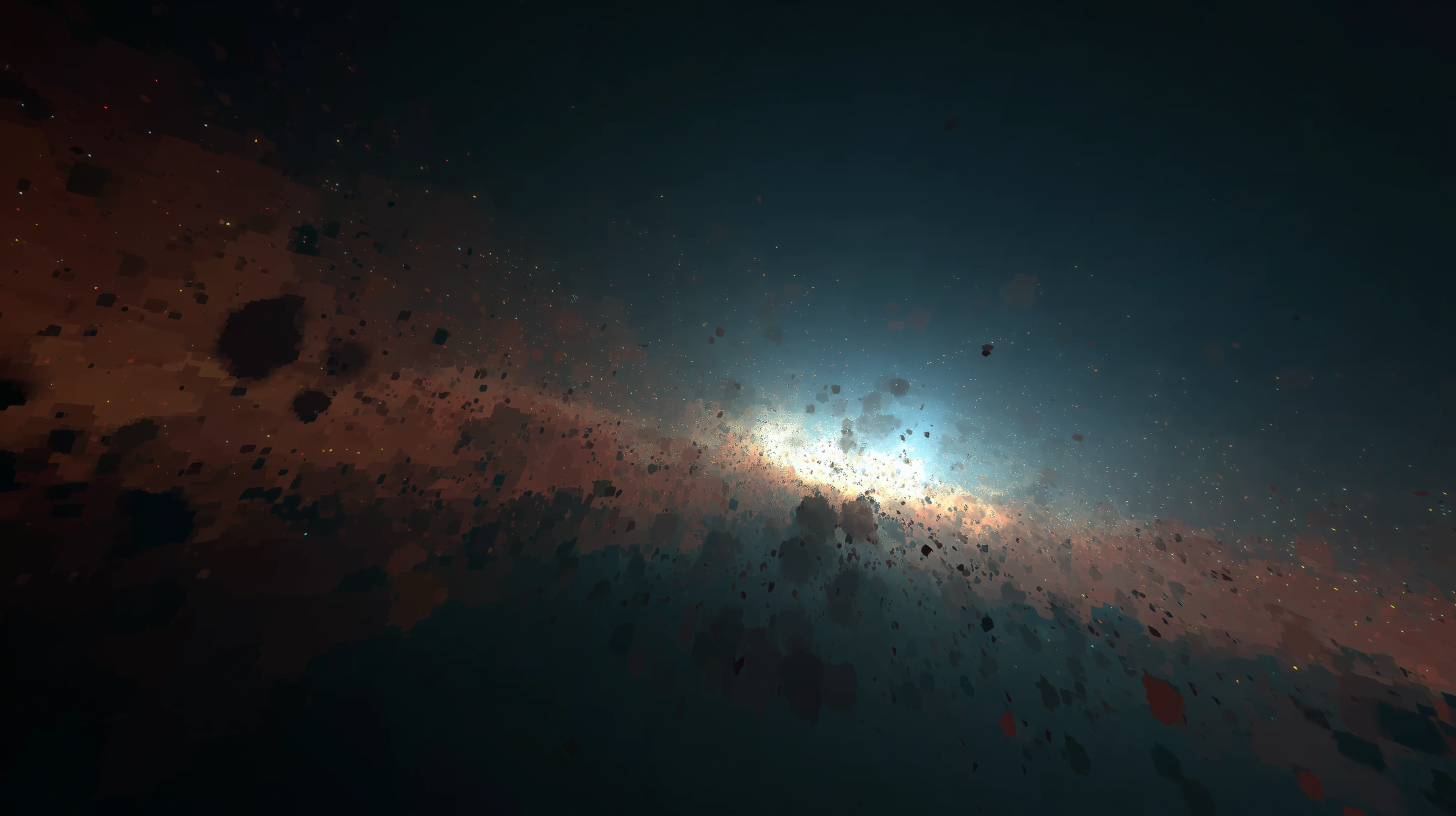
speaking of timetravel, maybe here we went back a bit too far...
-
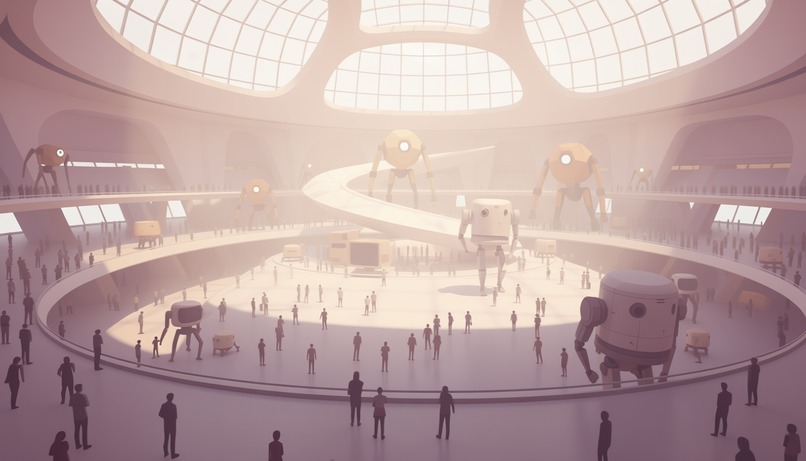
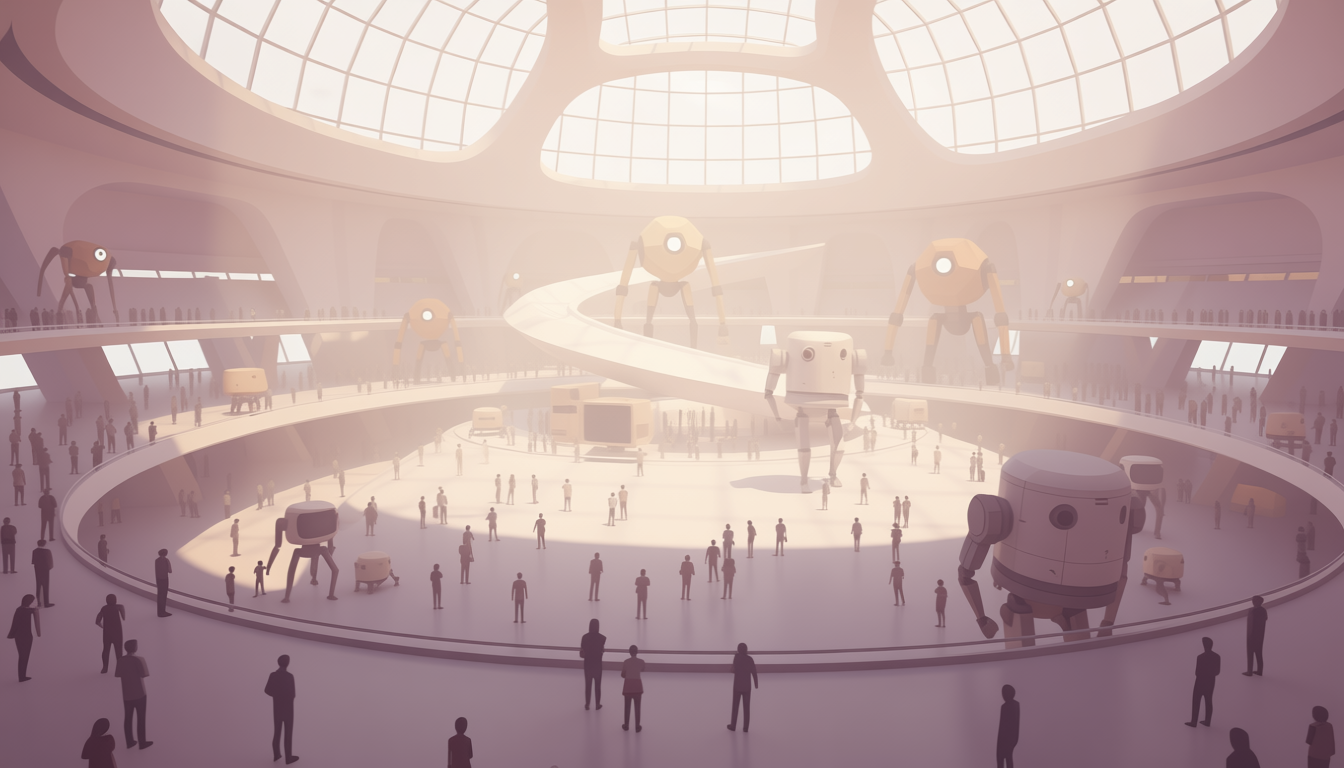
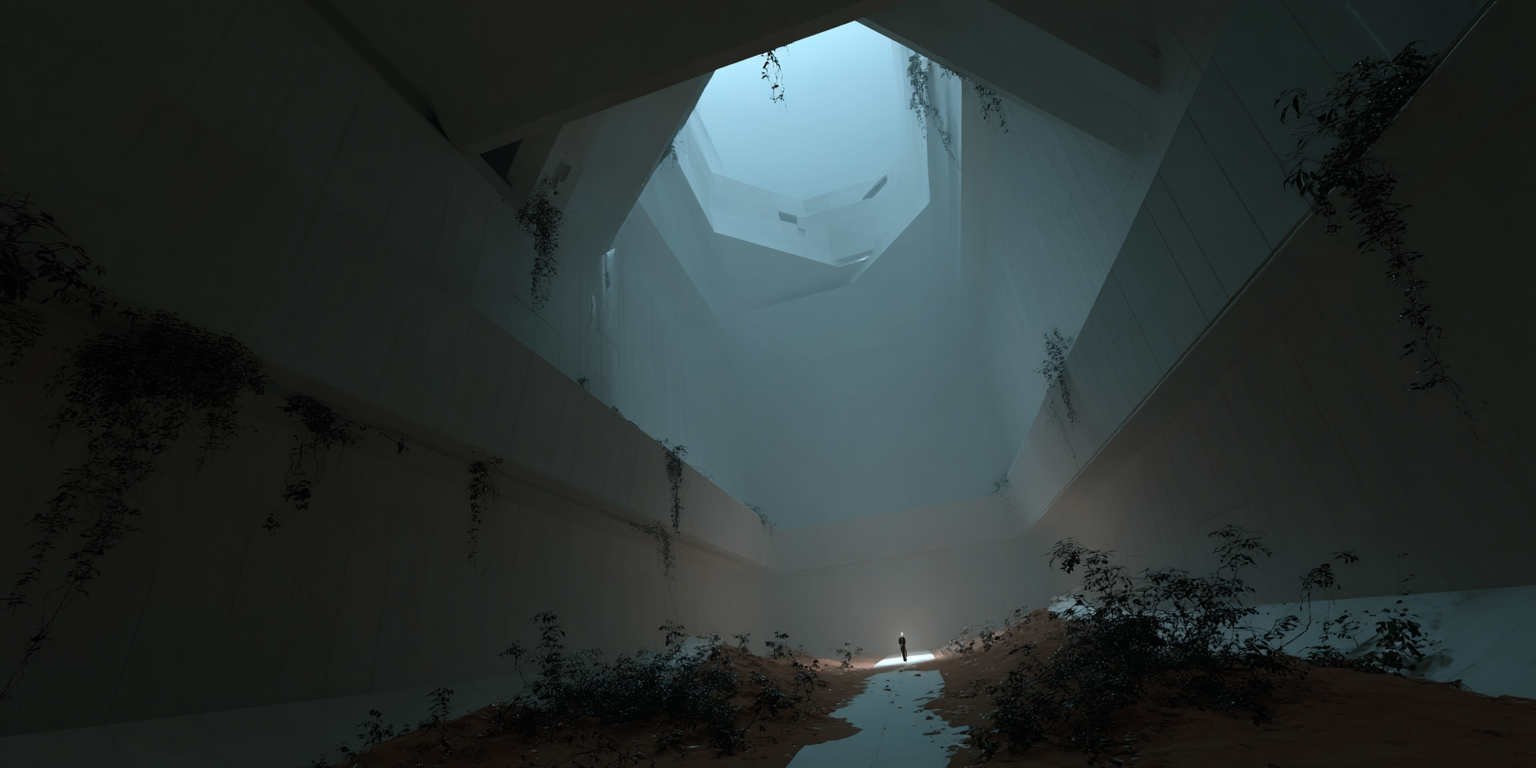
museum of ai - starting point of the journey
-
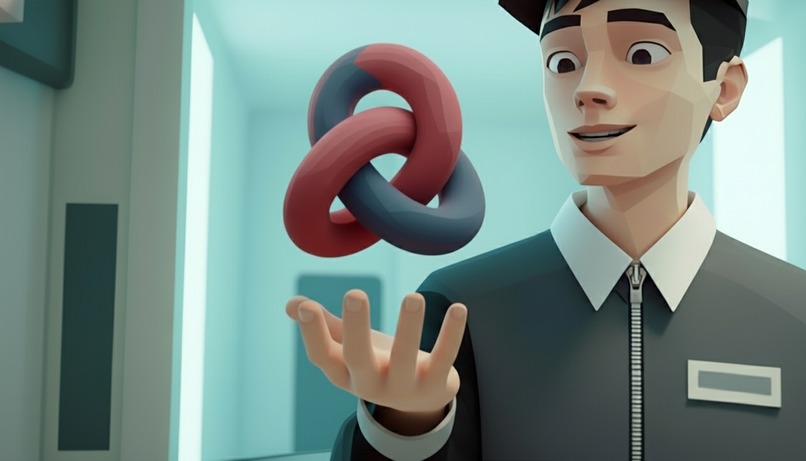
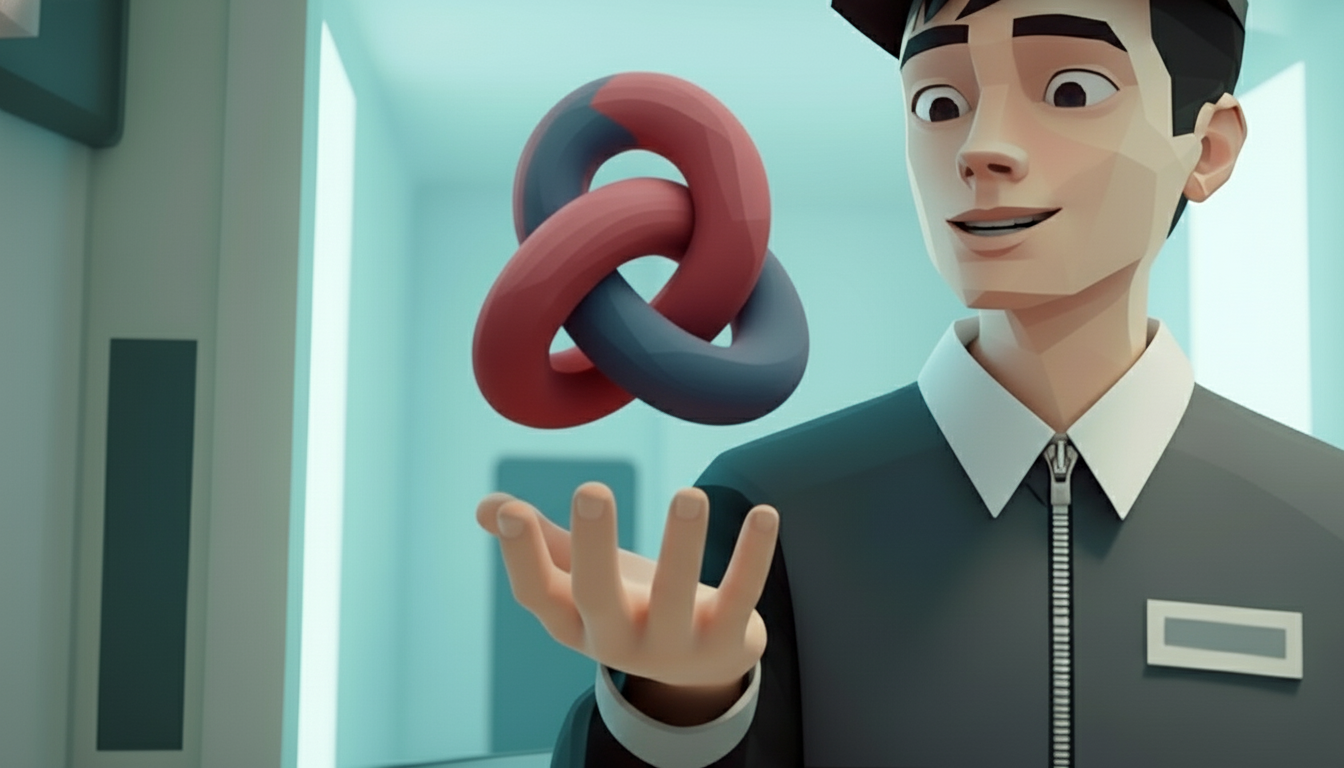
the player is accompanied by a hovering knot called K-AI inspired by the drawings of M C Escher
-
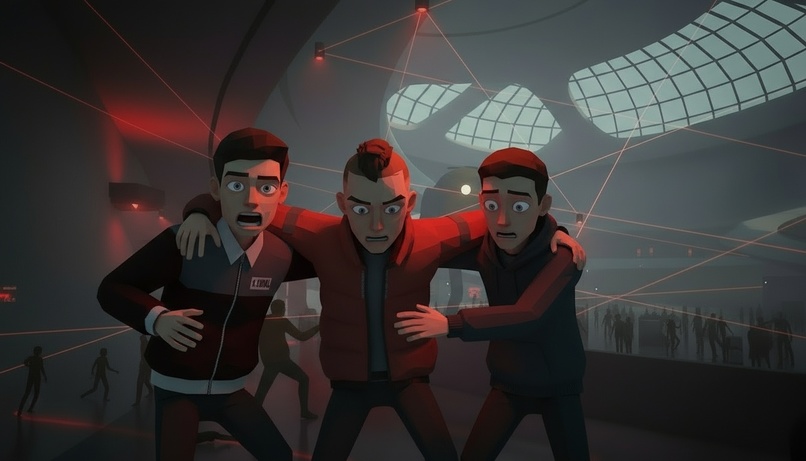
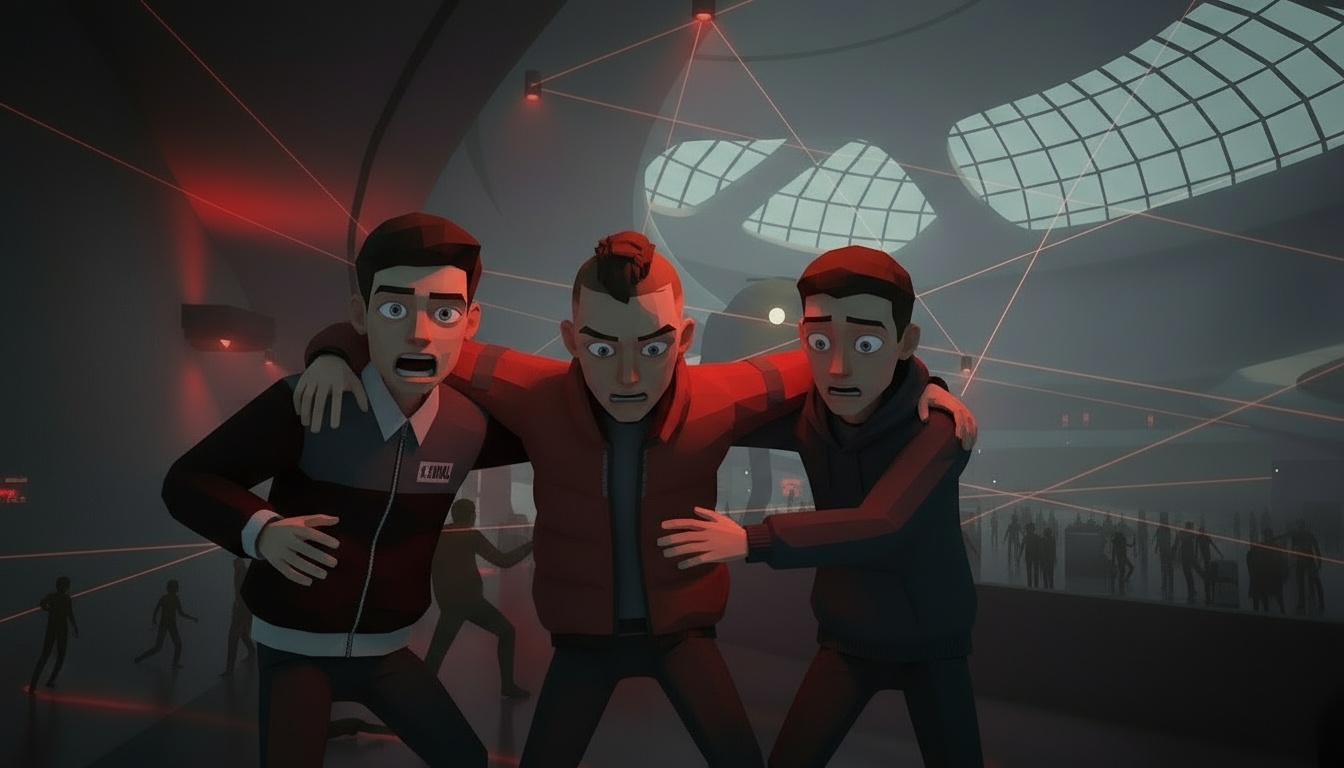
group of bullis during alarm in the museum
-
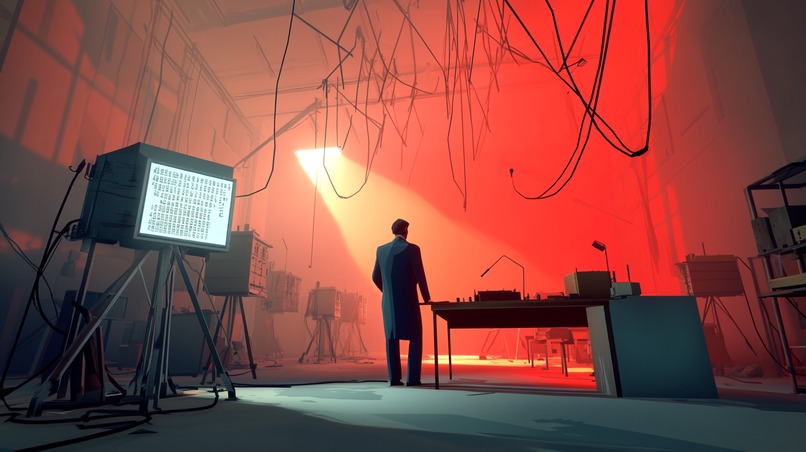
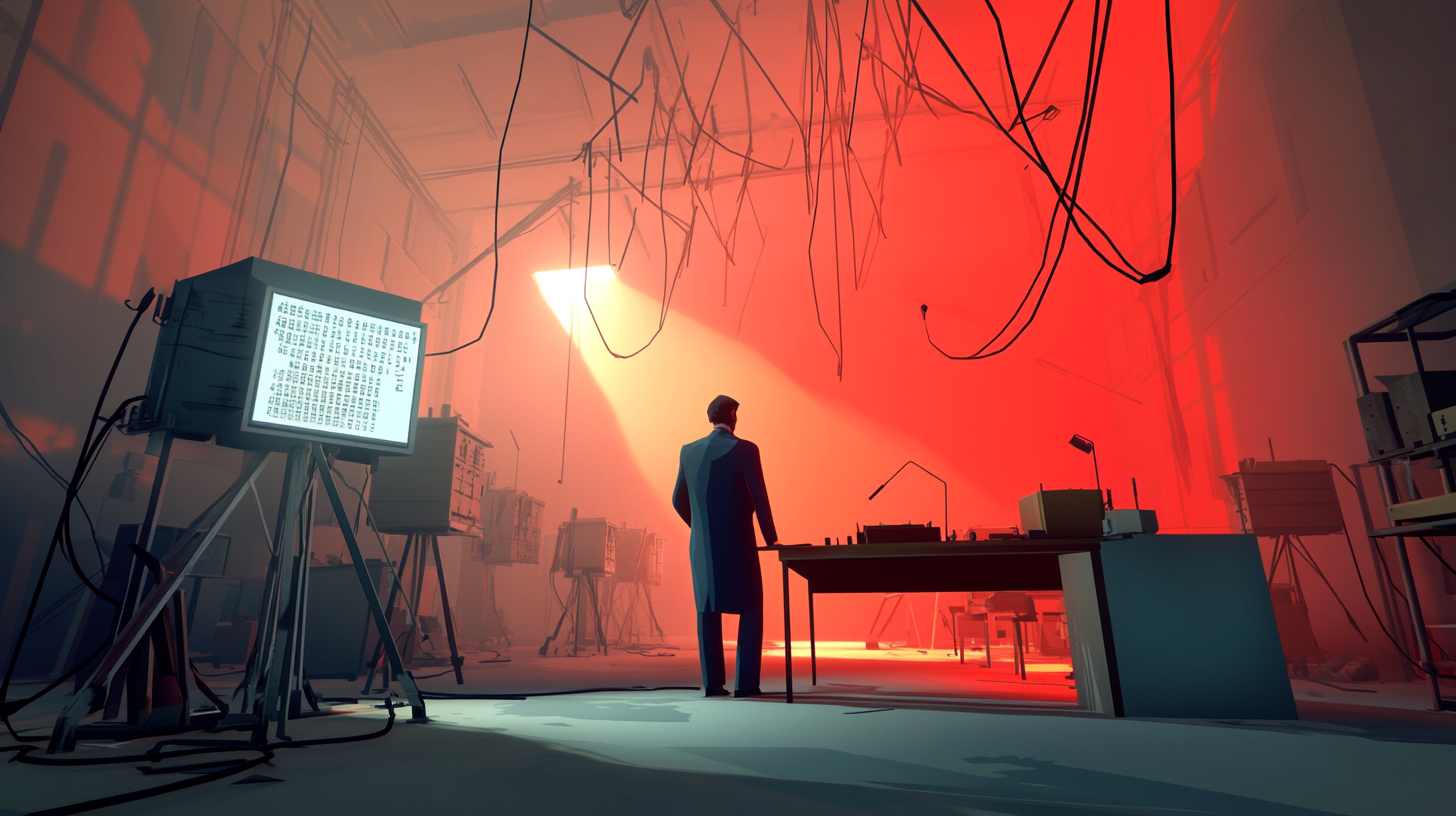
Alan Turings lab
-
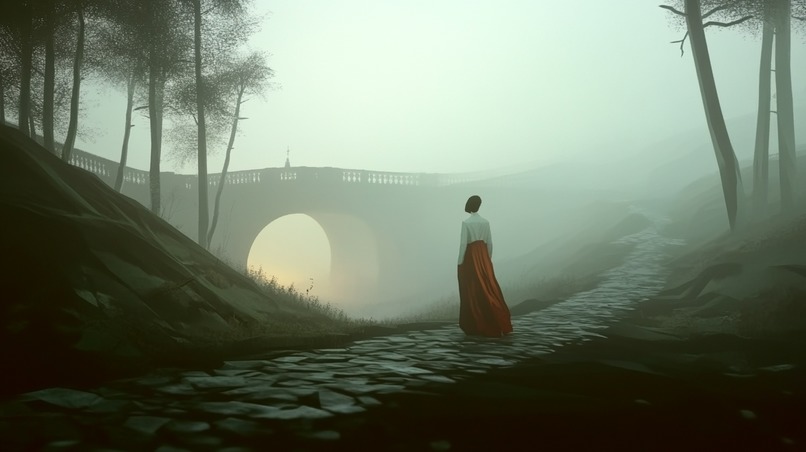
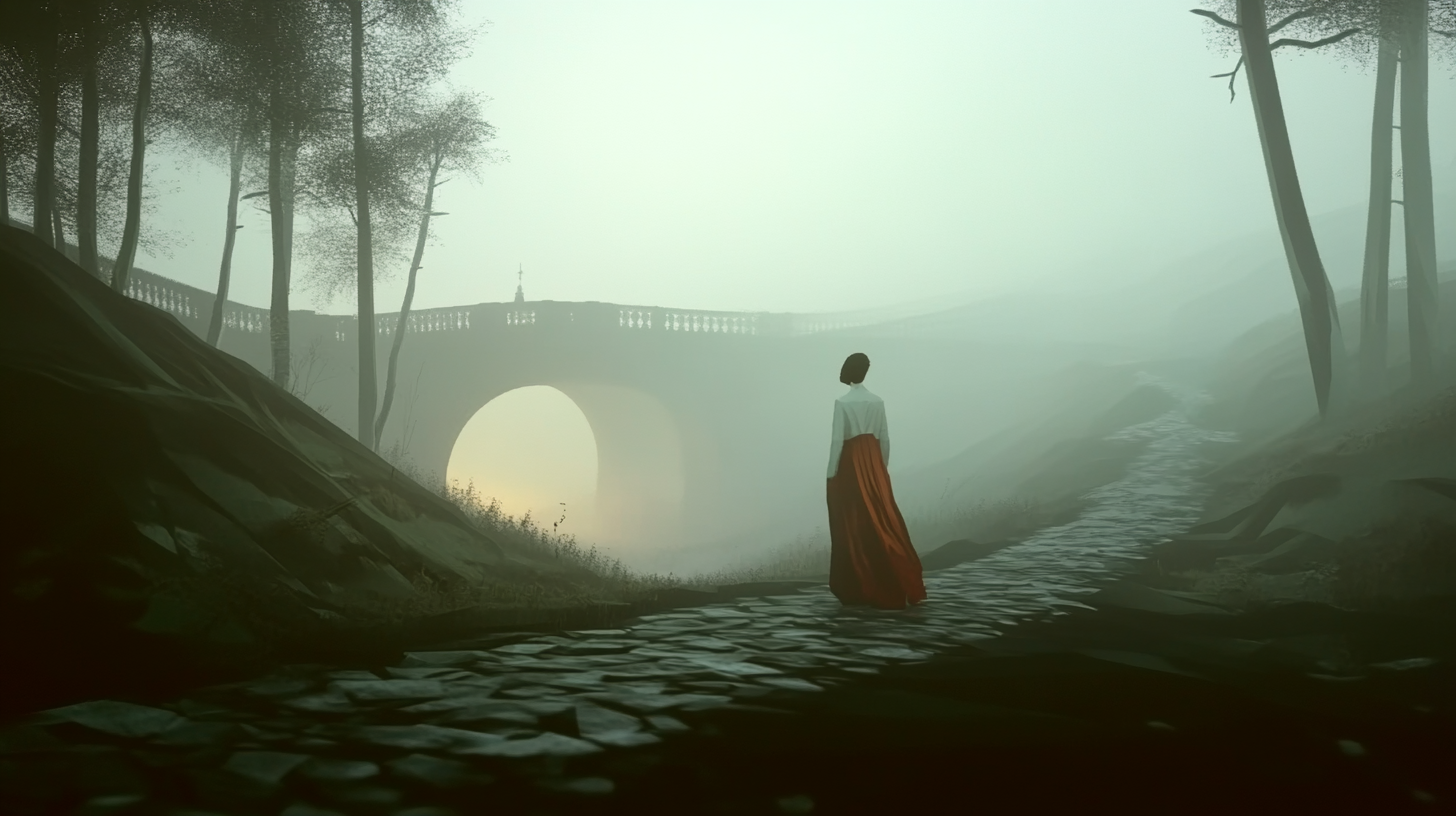
Ada Lovelace in her victorian garden
-
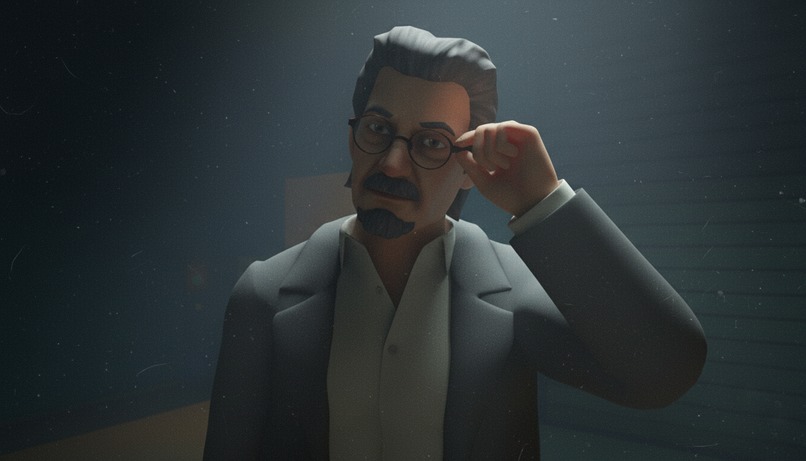
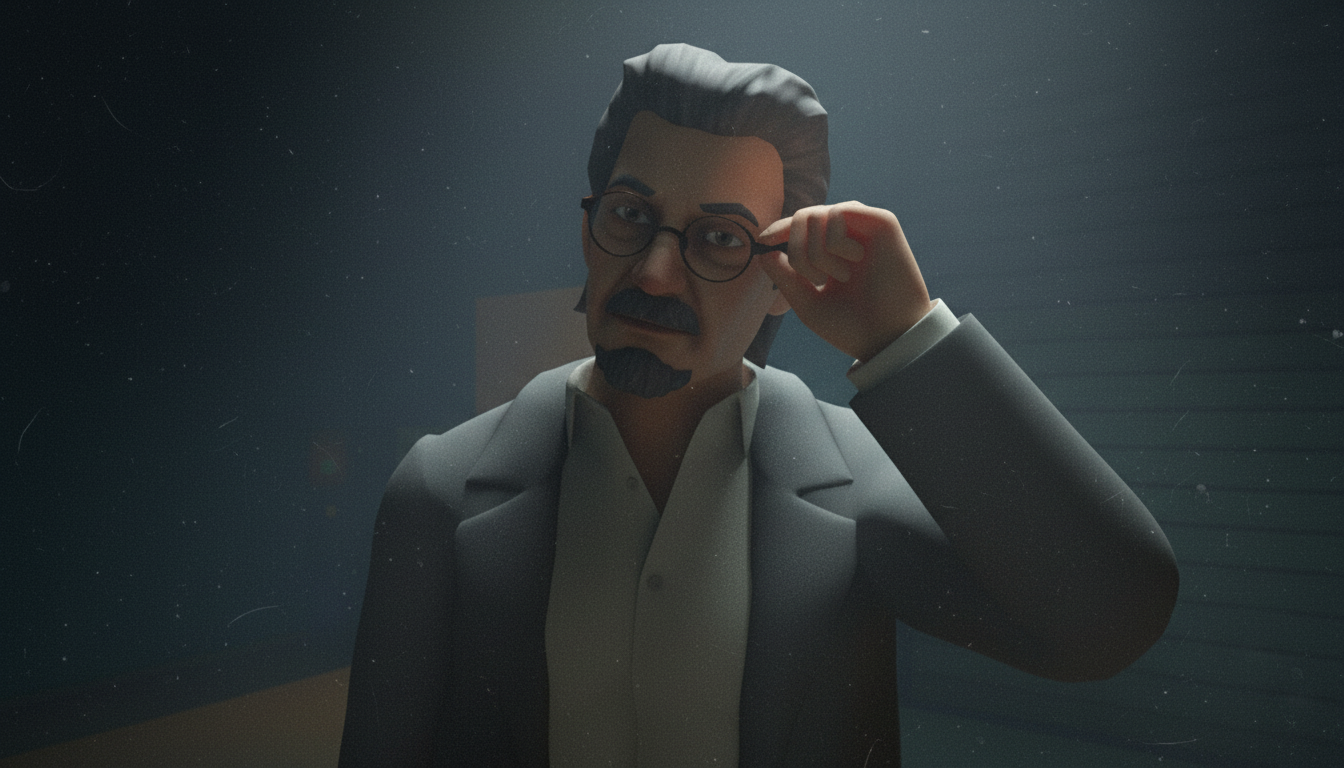
Josef Weizenbaum in his 1960s AI-lab at MIT - speaking to ELIZA
-
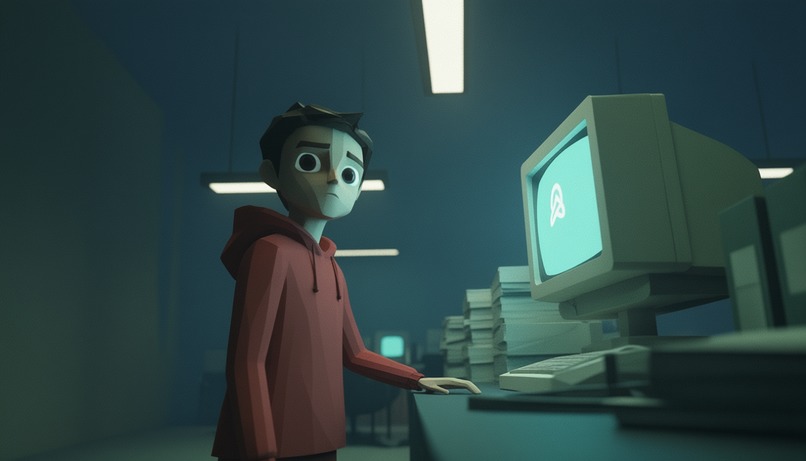
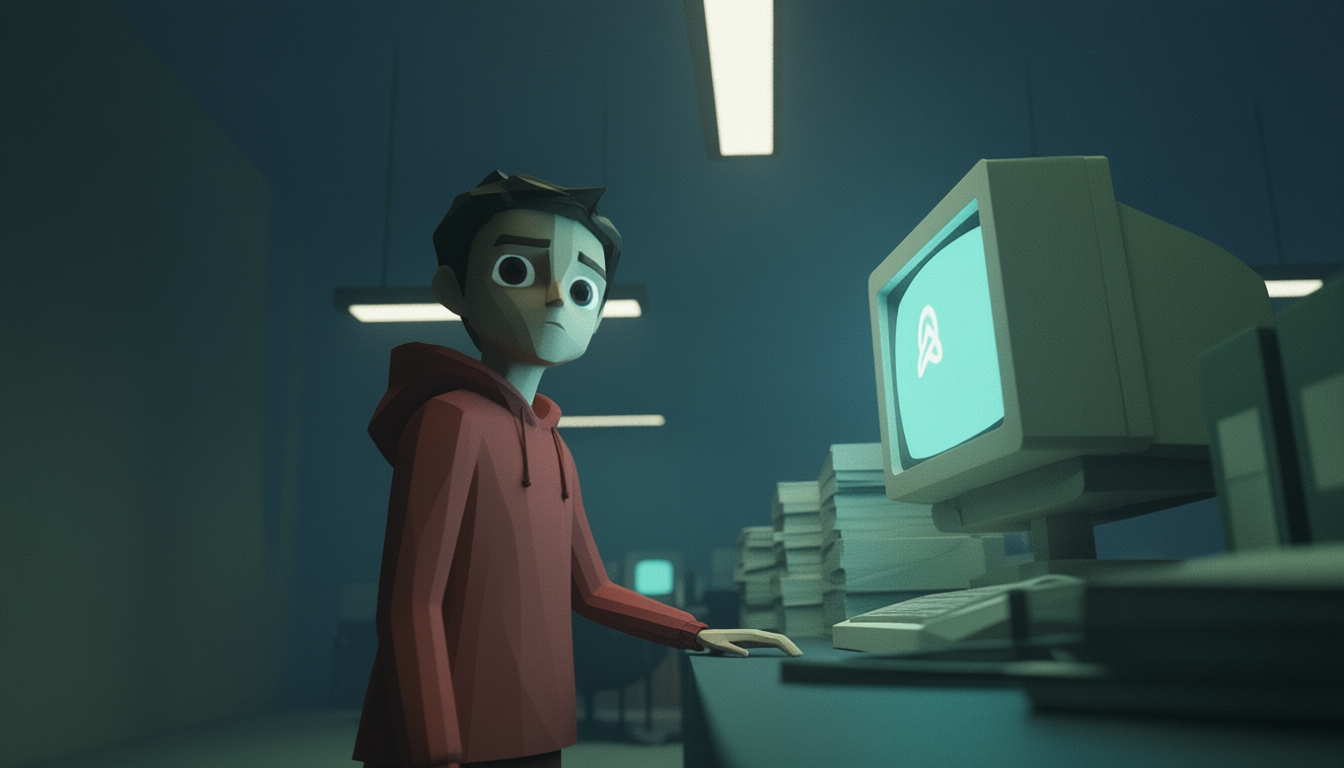
the main character in MIT lab
-
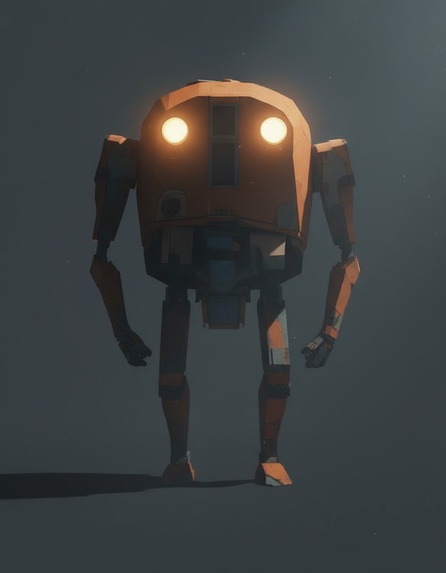
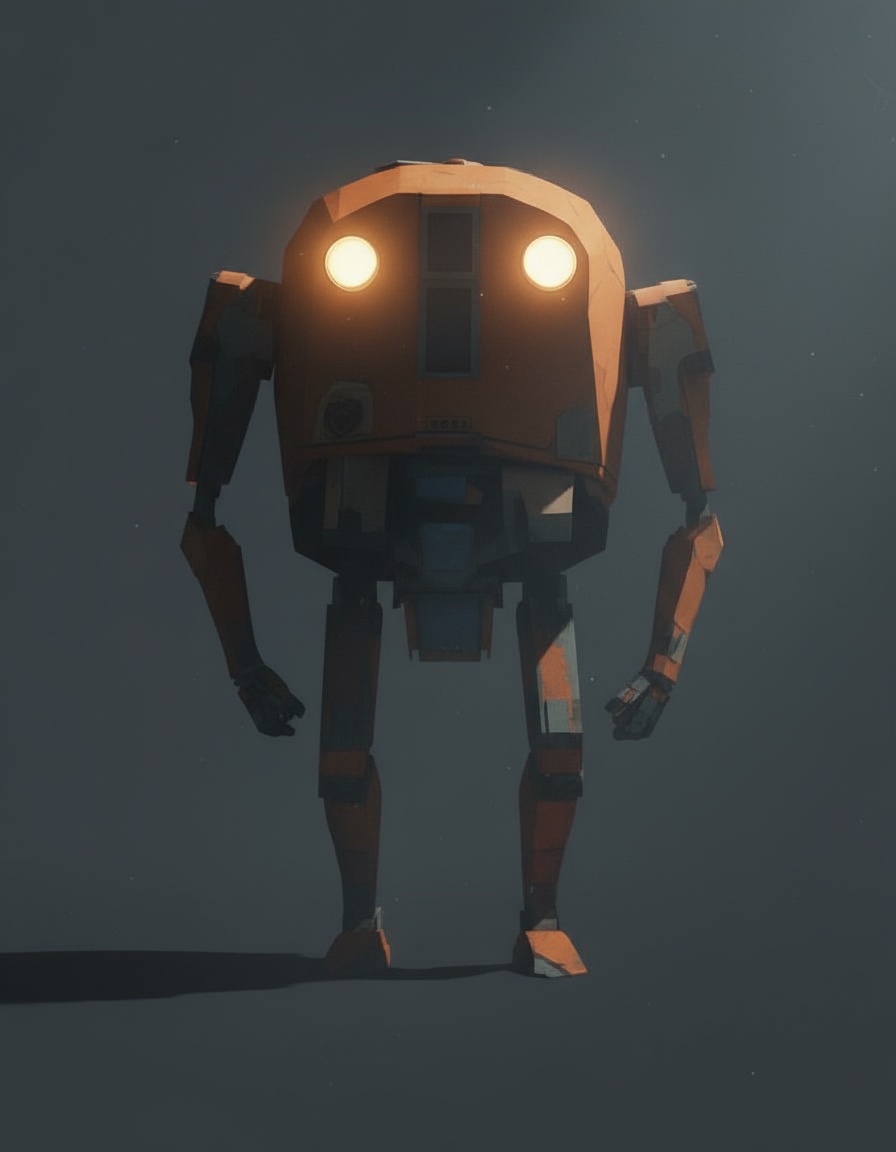
ROK is a heavy cargo mecha that doesn´t speak much...
-
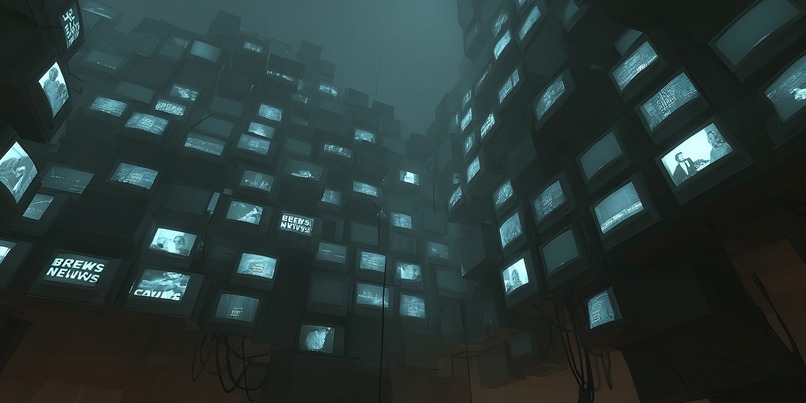
junkyard
-
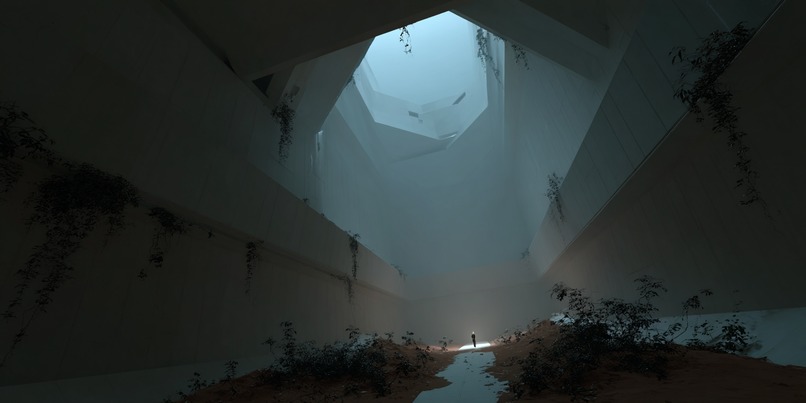
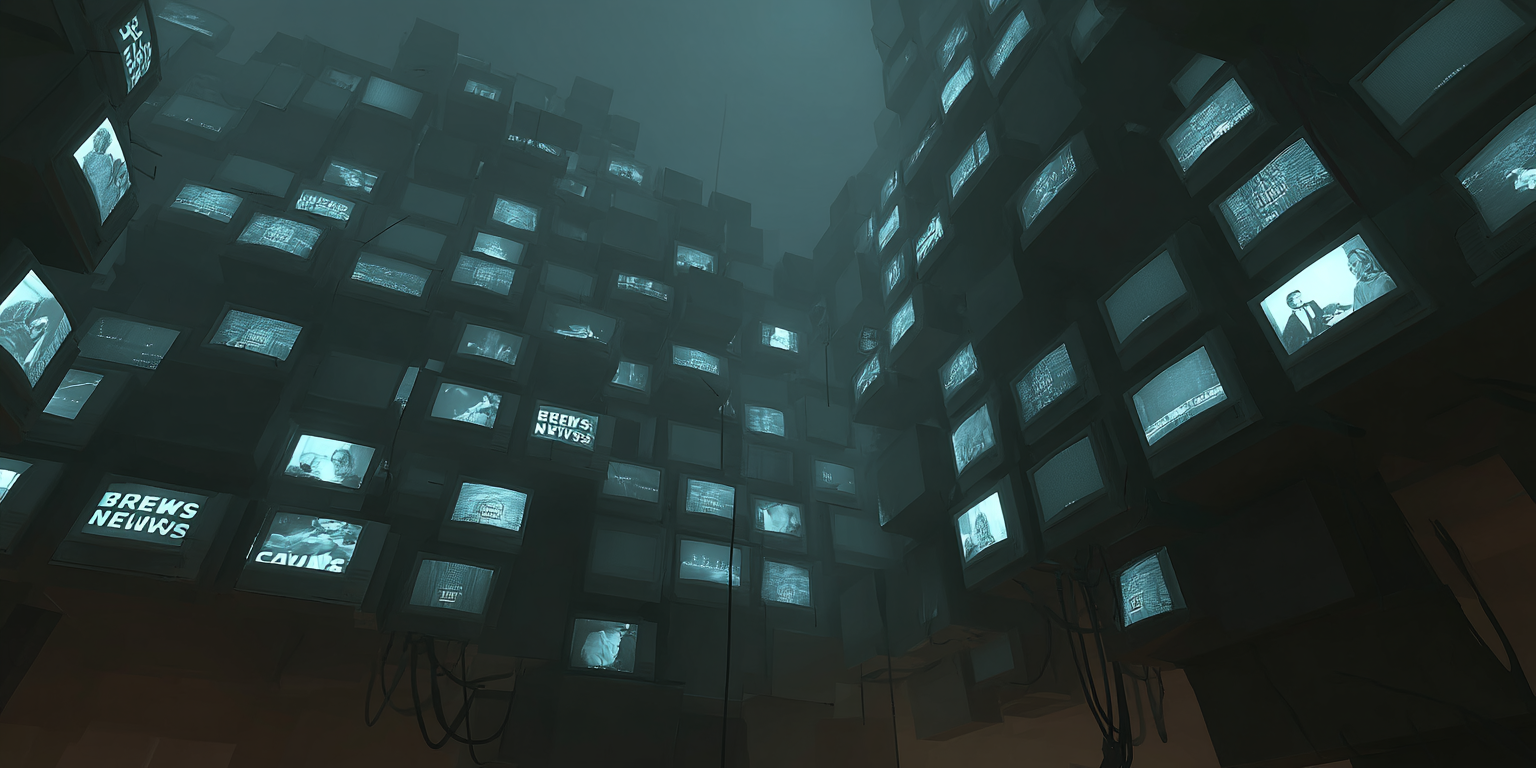
archive beneath the museum
-
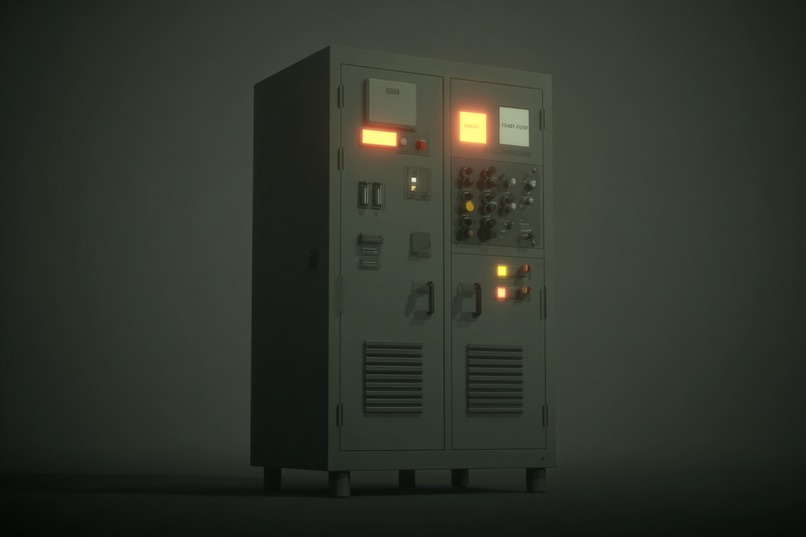
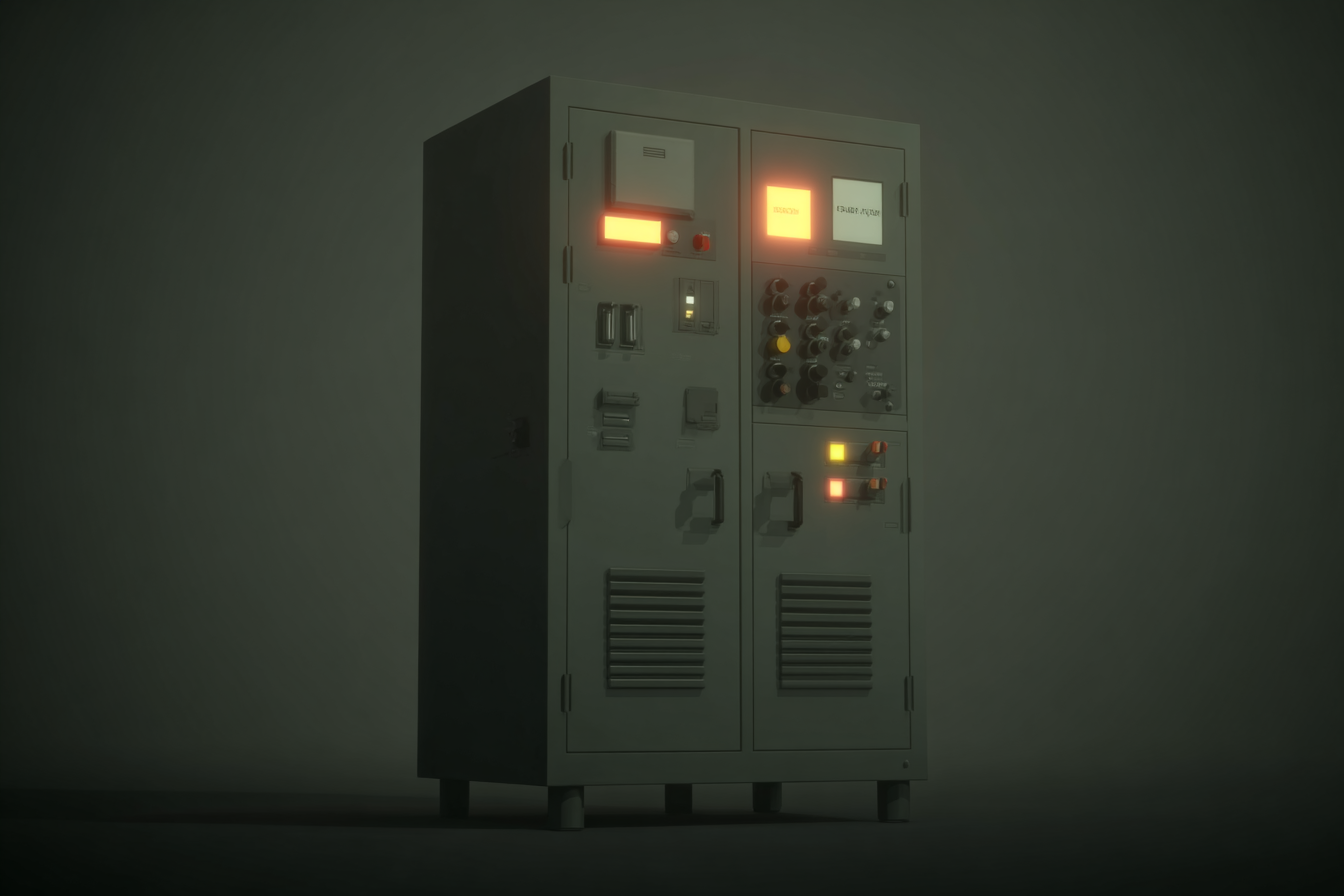
one example for easy asset creation
Inspiration
A question from my own kids sparked the project: “How do we know what’s real when AI can generate everything?” This moment pushed me back to the beginnings of computing — to Ada Lovelace, Alan Turing, Joseph Weizenbaum — and made me realize that young people deserve an experience that helps them navigate AI critically, playfully, and without fear.
What it does
Our prototype is a short, bilingual VR mini-game (about 15 minutes) that takes players on a small narrative journey through the early history of computing. It introduces teens to Ada Lovelace, Alan Turing, and Joseph Weizenbaum in a playful, atmospheric way — not as lessons, but as encounters. Through simple puzzles, dialogue, and guided interactions, players experience how logic, patterns, and questions shape our relationship to technology. It’s not a comprehensive teaching tool; it’s a spark. Something that invites teens to become more curious, more attentive, and maybe more critical when they think about AI in their everyday lives.
How we built it
This is my first game, and building it felt like stepping into a new artistic universe. With the right partners and the right tools, we managed not only to create a prototype but to develop a fully functional bilingual mini-game — an interactive VR experience of about 15 minutes that can be used in educational settings as well as in cultural and public contexts.
We used Unity and Blender as our foundation, and many of the 3D assets were generated through img-to-3D pipelines, which opened creative doors I never expected. The low-poly, matte-shader aesthetic grew naturally from this hybrid process. Alongside the VR build, we created 2D animations that introduce young players to the wider AUTOMAT universe before they step into the immersive, interactive world. This combination helped us open up the entire IP and guide kids smoothly from story to exploration.
For me as a professional filmmaker, this process was almost transformative. Technology lifted so many barriers: it allowed me to create worlds that would have been impossible to finance or produce traditionally, and it showed me how new media can expand storytelling in ways that are adventurous, deeply inspiring, and incredibly educational.
Challenges we ran into
We faced challenges on almost every level — technical, narrative, and personal. Since this is the first game I’ve ever made, many fundamentals had to be learned on the fly: interaction design, VR optimization, puzzle logic, and Unity workflows. Creating believable historical spaces with limited resources forced us to combine tools in unconventional ways, especially when generating 3D assets through img-to-3D pipelines and integrating them cleanly into Unity.
Another challenge was finding the right tone for young players. We wanted the game to be accessible without feeling childish, thoughtful without becoming didactic. And of course, we had to develop a bilingual experience from the start — which doubled the work on interfaces, voice, scripts, and pacing.
Finally, VR itself posed its own restrictions: performance constraints, comfort issues, and the constant need to simplify geometry, lighting, and mechanics while keeping the atmosphere intact.
Accomplishments that we're proud of
Despite all of this, we managed to build something that feels cohesive, emotional, and technically robust — especially for a first attempt. We created a fully functional VR prototype that runs smoothly, works in two languages, and is already being used in educational and cultural contexts.
I’m proud that we didn’t just make scenes or experiments — we made a playable mini-game with a clear beginning, middle, and end. We also defined a visual identity for the larger AUTOMAT universe, including 2D animations and a distinct low-poly aesthetic. More importantly, we proved that with the right partners and modern tools, it’s possible to expand filmmaking into interactive, immersive spaces — even without a traditional game development background.
For me personally, this prototype is the start of something much larger: a new way to tell stories, to teach, and to reach young audiences in a world shaped by algorithms and AI.
What we learned
The learning curve was incredibly steep, but it was worth every hour. Building this prototype showed me how powerful it can be when young people are invited to explore technology in a playful, intuitive way. I don’t claim that our VR experience teaches media literacy in any complete sense — but we created a small, coherent story that can spark curiosity, raise questions, and encourage teens to look at AI with a more critical, attentive eye.
What surprised me most was how even simple interactions in VR can open emotional and reflective spaces. The prototype doesn’t aim to explain everything; instead, it offers a first step, an invitation. It’s a short game — a beginning — but one that made me rethink how we can blend history, narrative, and interactivity to help young audiences engage with the world of algorithms in a fresh and accessible way.
What's next for AUTOMAT VR
This prototype has become the foundation for a much larger IP. Over the past months, we’ve pitched AUTOMAT at several international markets and received an unexpectedly strong and encouraging response. That feedback confirmed for us that the world and characters we created resonate far beyond a 15-minute mini-game.
Our next step is to develop a full game, building on everything we learned during the prototype phase. Whether the next version will remain a VR title or evolve into a more accessible tablet-first experience is something we’re currently evaluating — both options offer meaningful ways to reach young audiences.
In parallel, we are preparing financing for our 2.5D animation series, which expands the same storyline and characters into a broader narrative universe. The VR prototype and the animated series together form the base of a scalable transmedia project designed to help teens navigate AI with curiosity and critical thinking.
Looking further ahead, we plan to build a platform — and eventually an app — that connects students, parents, and teachers in this fast-changing AI era. It will serve as the central hub for the AUTOMAT universe: a unique, accessible wiki, a practical “adviser” for everyday AI questions, downloadable school materials, and even small pieces of merchandise that make the themes fun and relatable. Our goal is to offer a reliable, playful point of orientation in a world where AI shapes more and more of young people’s daily experiences.
AUTOMAT is still at the beginning of its journey — but this prototype proved to us that the world we’re creating has the potential to grow across formats, platforms, and educational contexts.

Log in or sign up for Devpost to join the conversation.