-
-
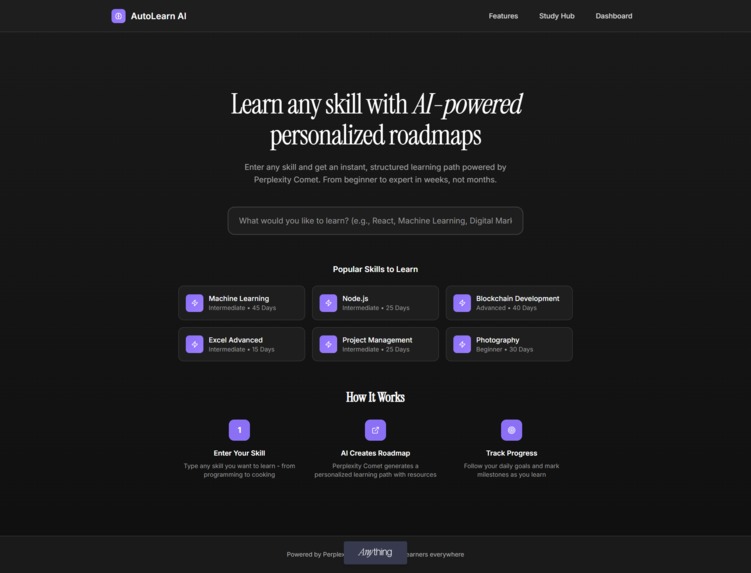
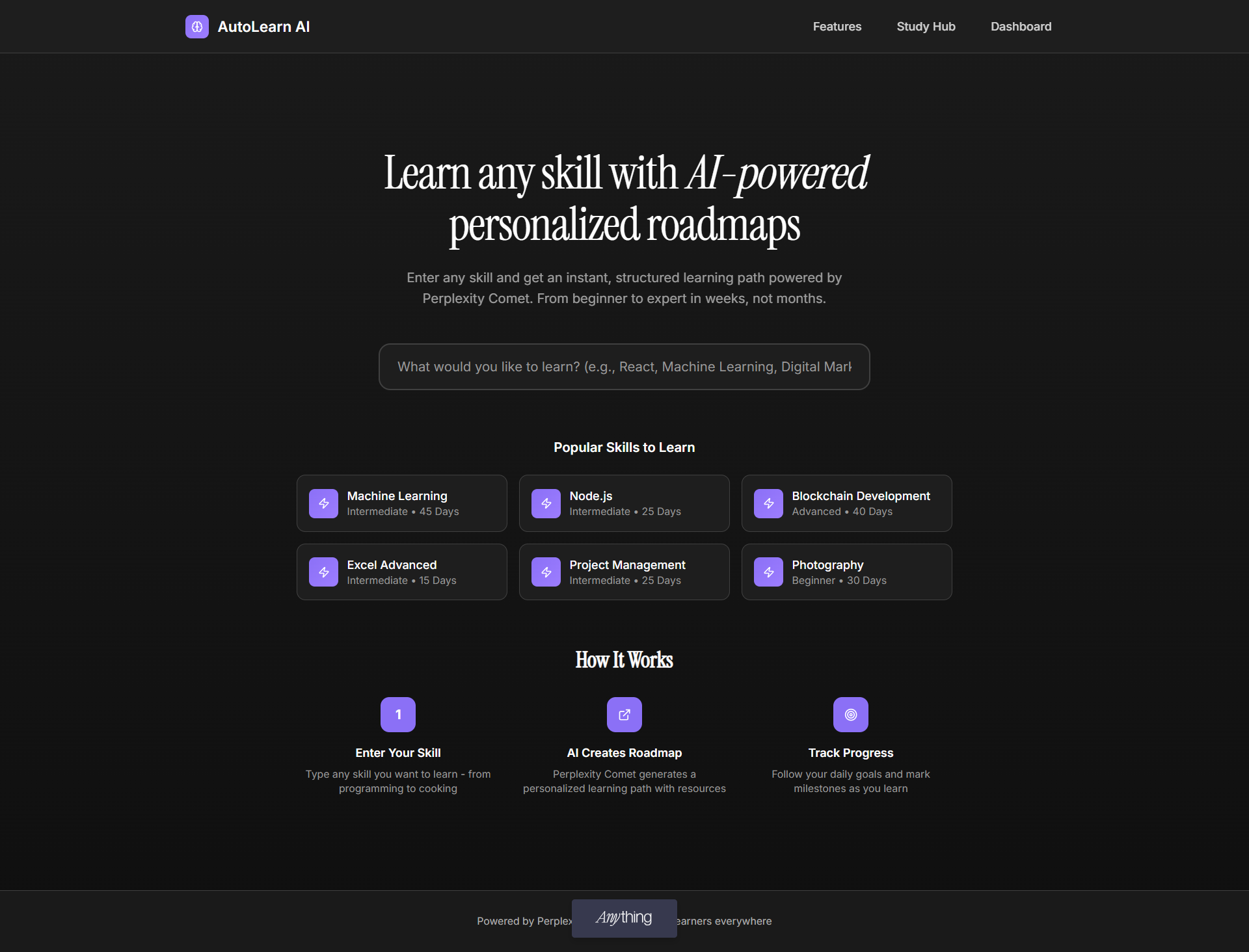
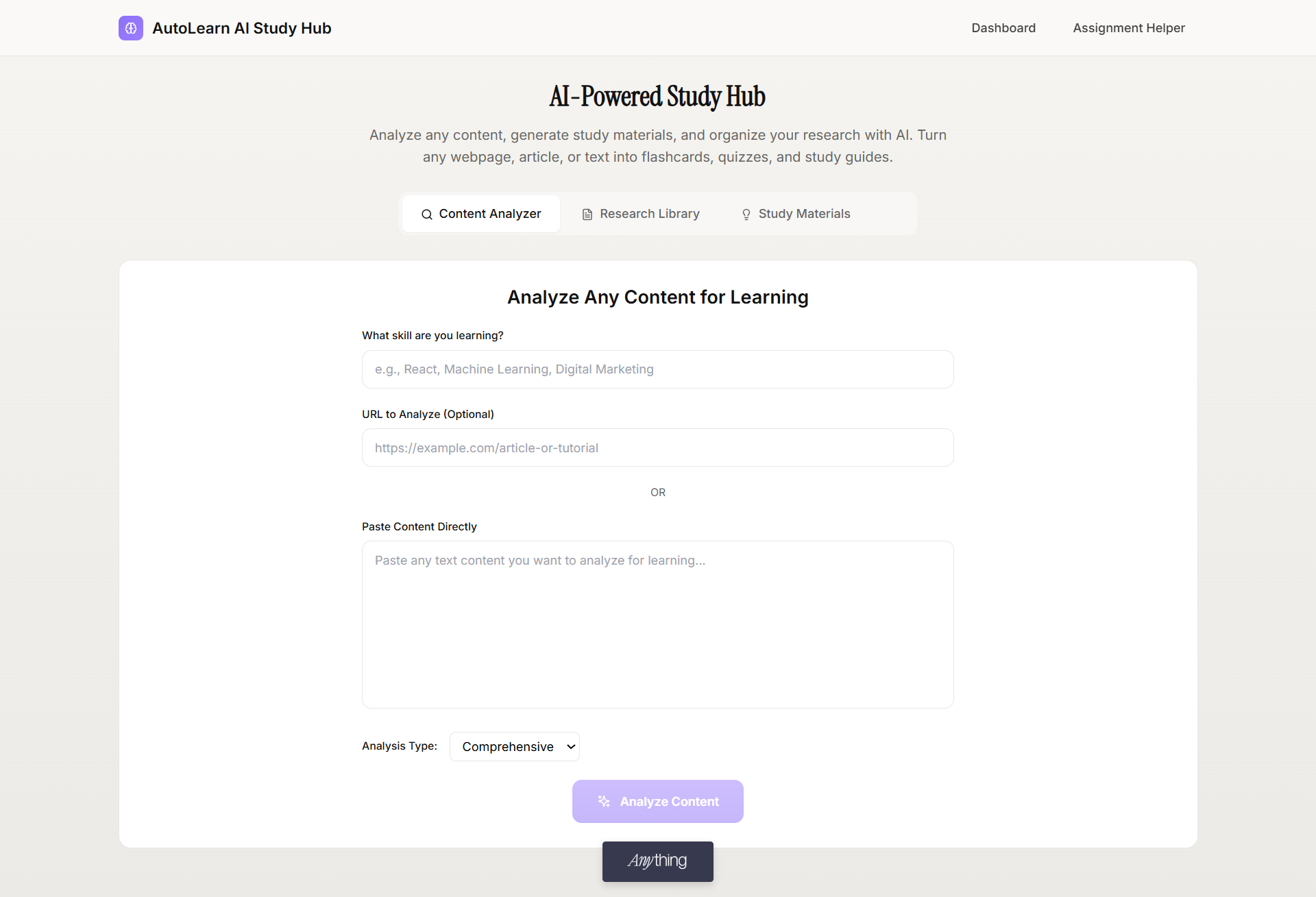
Homepage
-
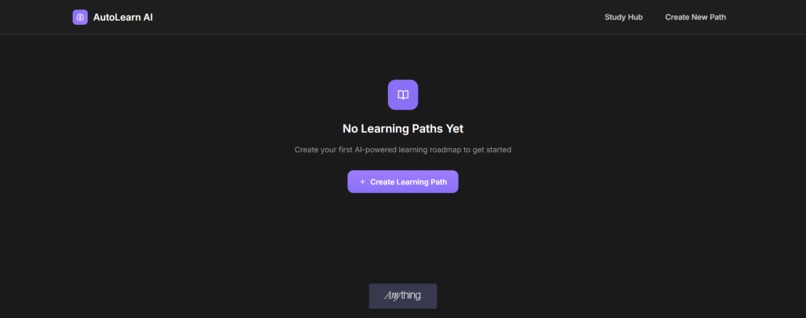
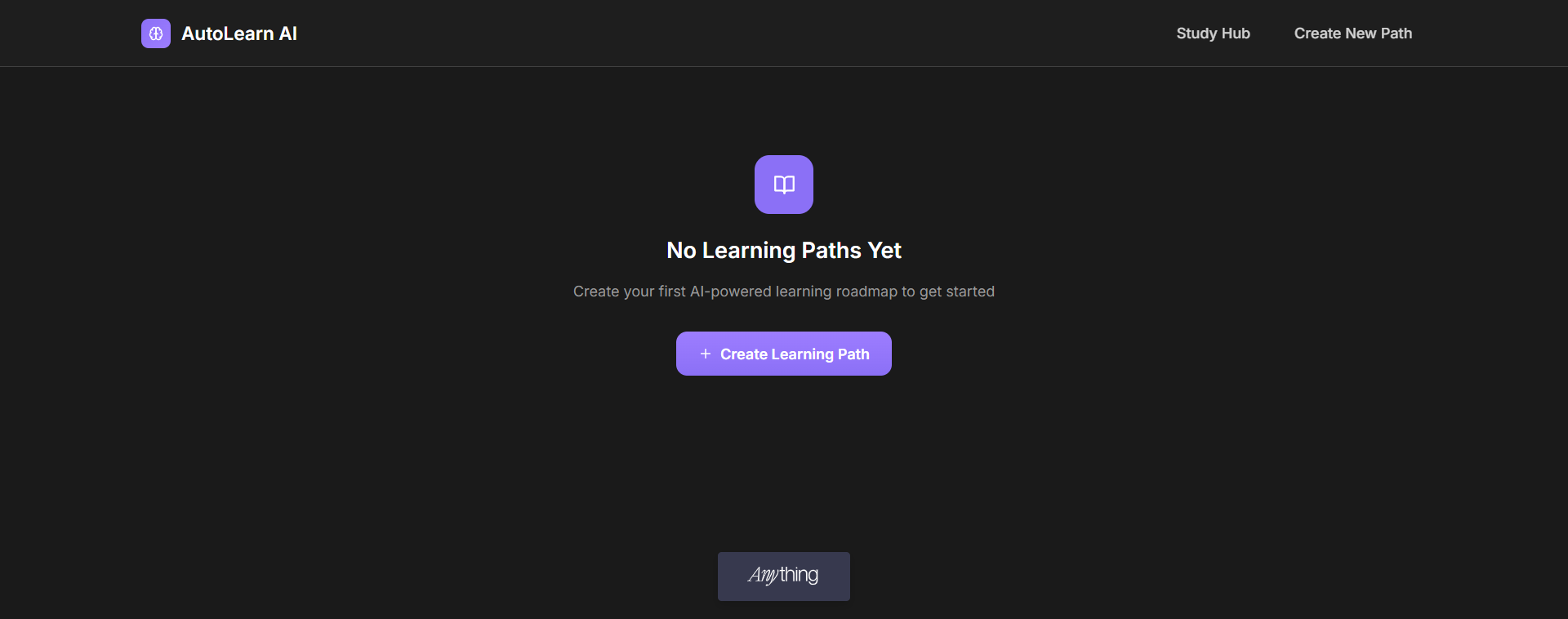
Dashboard
-
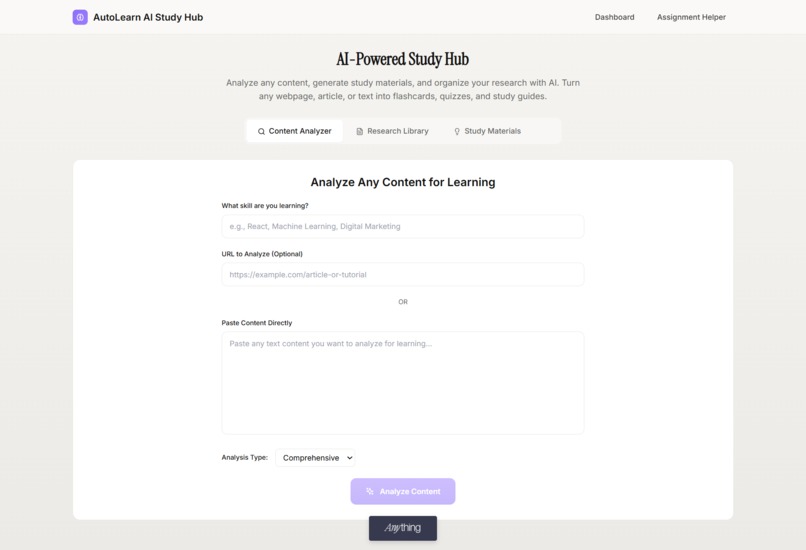
Path generator
-
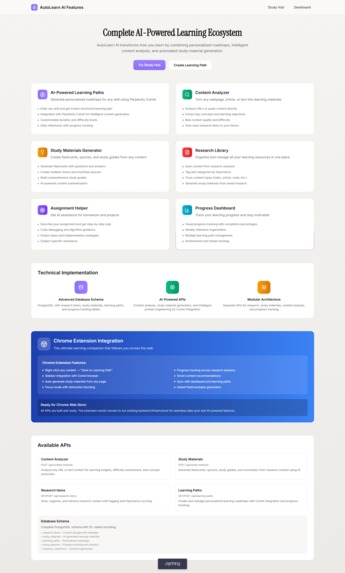
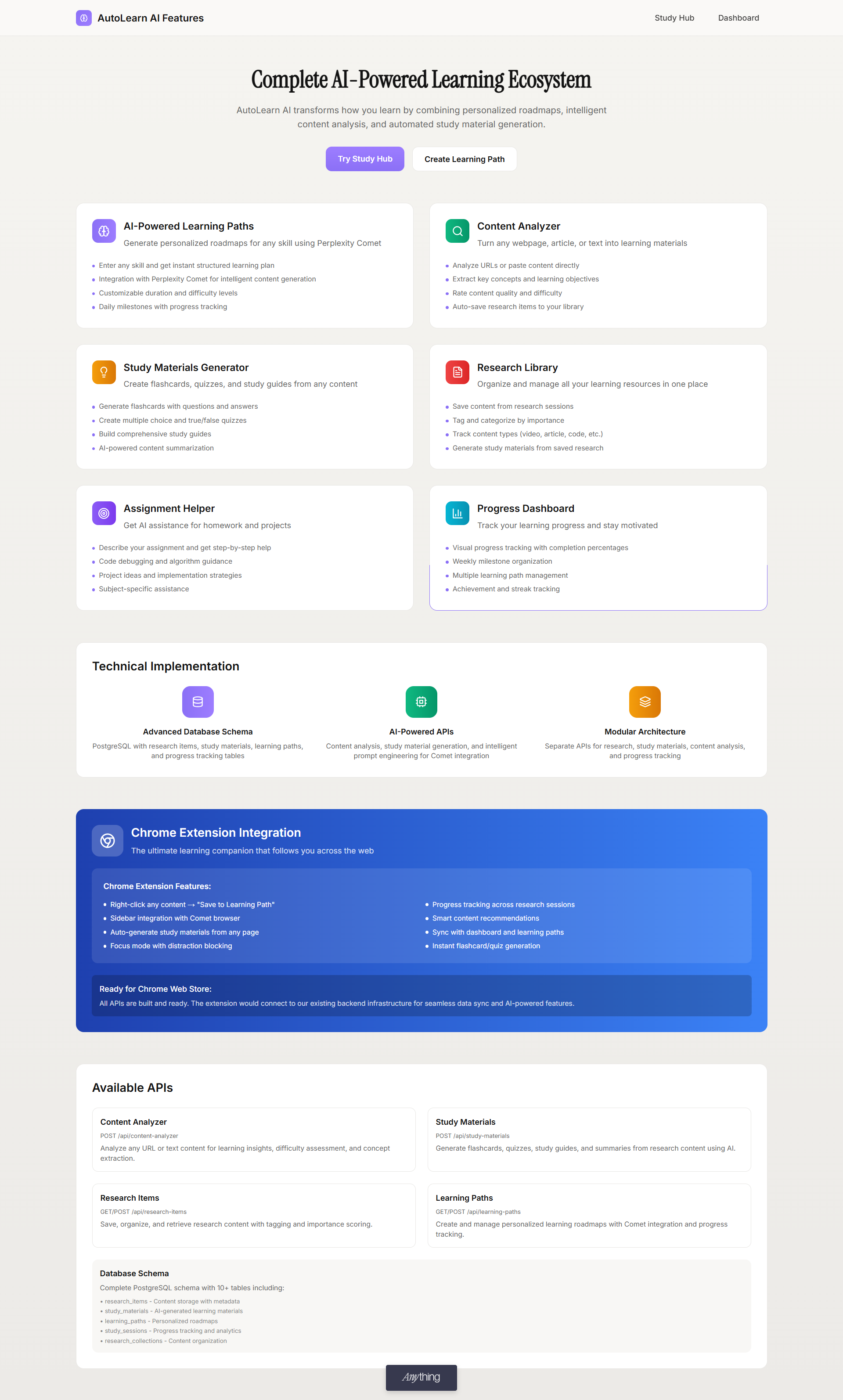
Features page
-
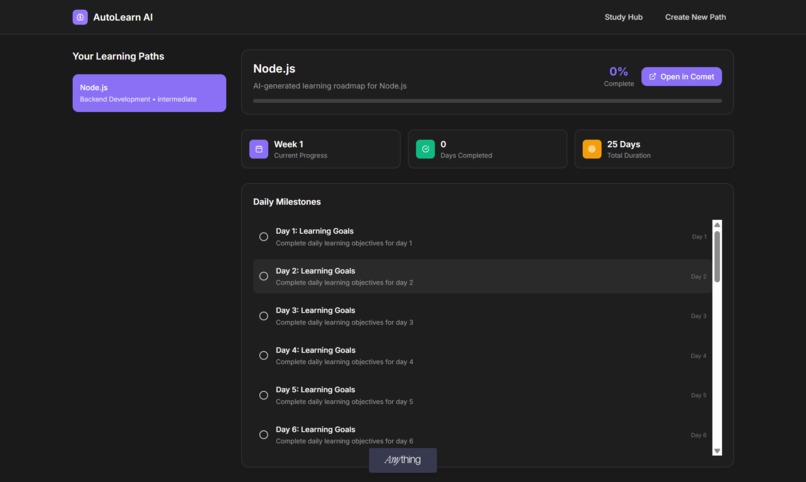
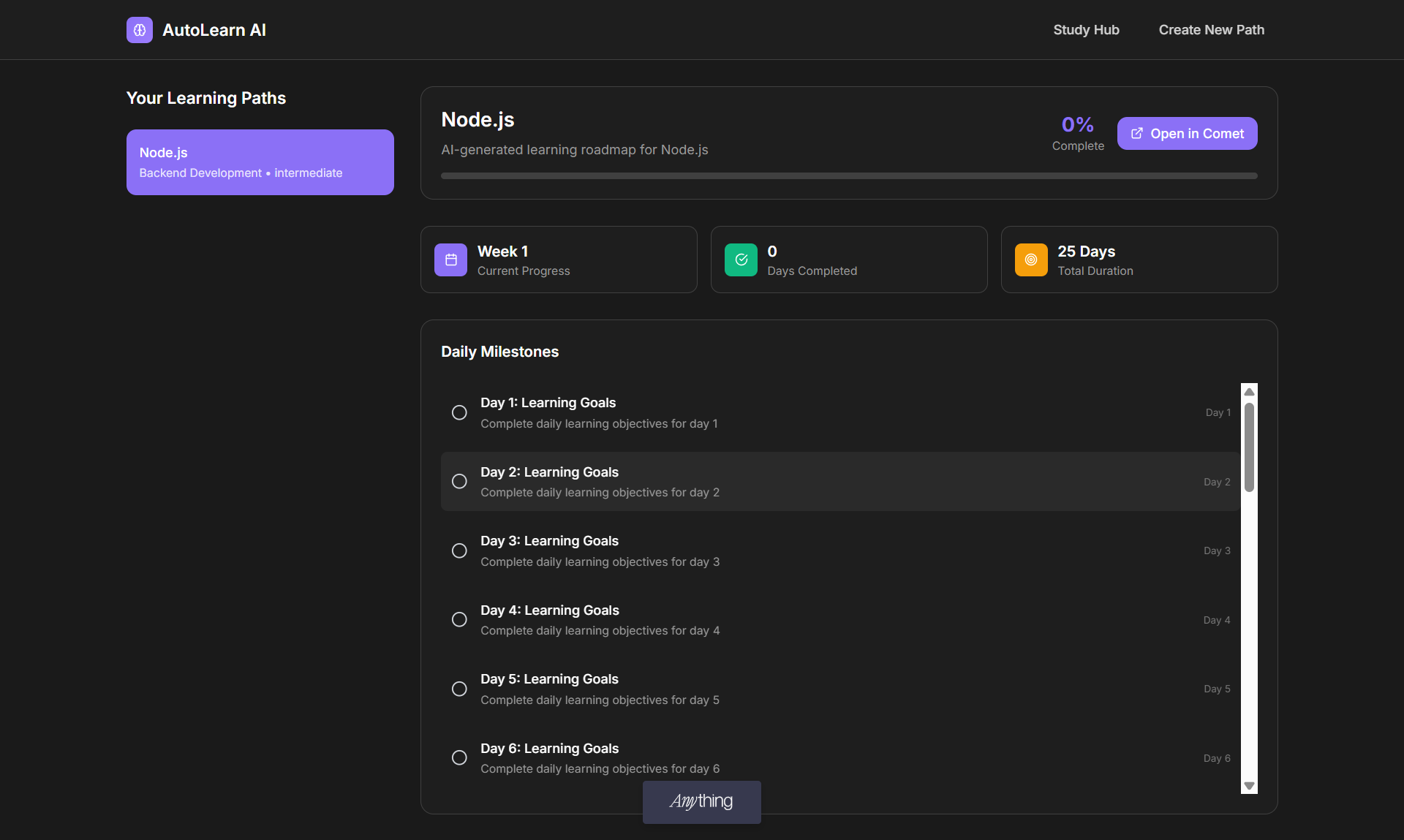
Learner Dashboard
-
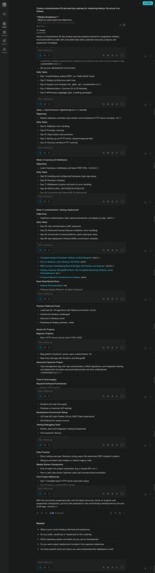
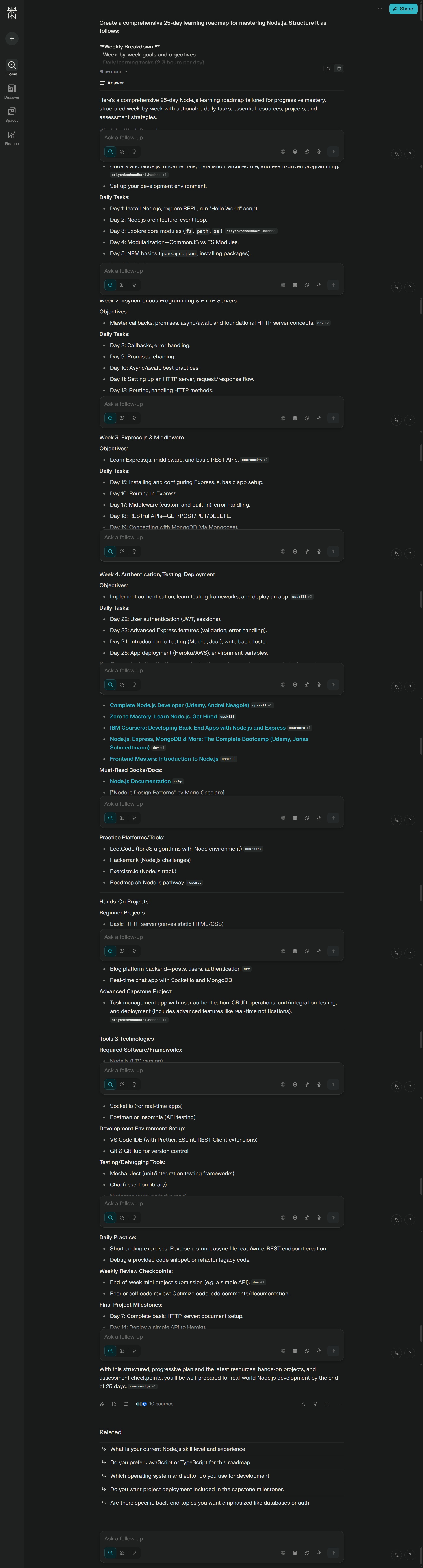
Redirection of perplexity by the AutoLearn AI
Inspiration
Learning today is scattered across so many places. Students jump between webpages, videos, PDFs, GitHub repos, Reddit threads and long articles. The problem is not lack of information but the difficulty of turning all this information into something structured and easy to learn.
We imagined a system that could take anything a student is reading and instantly convert it into study materials. Something that behaves like a tutor, a research assistant and a study partner at the same time. That idea gave birth to AutoLearn AI.
What it does
AutoLearn AI transforms any piece of content into a complete learning experience.
Users can enter a skill to get a personalized learning path. They can open the Study Hub to analyze any URL or text. The system extracts key ideas, difficulty level, time needed and study value. Everything is saved automatically in the Research Library where users can organise, rate and categorise their learning materials. From any saved item, the platform generates flashcards, quizzes, summaries and full study guides.
AutoLearn AI turns simple browsing into actual learning.
How we built it
We designed the system as a full-stack learning ecosystem.
The Study Hub is the core, containing a content analyzer, a research library and a study materials generator. AI-powered APIs process webpages, extract meaningful information and save it with smart tags and metadata. Study materials such as flashcards, quizzes and summaries are created through structured prompts that connect with agentic browsing tools like Comet. The database stores research items, materials, learning progress and user sessions. Everything is linked together so the flow feels seamless from content discovery to learning.
Challenges we ran into
The biggest challenge was figuring out how to turn any webpage into clean, structured learning output. Maintaining context for the AI, designing the right prompts and handling different types of content required several iterations. Building a research library that feels simple but still powerful was also tricky. We worked hard to ensure that AI processing, research organization and the UI remain fast and smooth even when handling large amounts of data.
Accomplishments that we're proud of
We are proud that AutoLearn AI can turn any article, video or document into meaningful study material within seconds. We built a smooth Research Library that supports tags, content types and importance ratings. We created complete study materials like flashcards, quizzes and guides that update instantly from user content. Most importantly, the entire learning workflow feels natural and intuitive, which is exactly what we aimed to achieve.
What we learned
We learned how powerful structured AI prompts can be when combined with real-world workflows. We gained experience in building content analyzers, designing learning-focused data models and integrating multiple AI capabilities with perplexity comet browser into a single flow.
We also realised how important user experience is when creating tools meant for students and self-learners.
What's next for AutoLearn AI
Our next steps include adding spaced repetition, collaborative learning features, improved progress insights and a full Chrome extension. We also plan to introduce voice-to-summary tools, multi-source synthesis and a mobile app. The goal is to evolve AutoLearn AI into a complete, AI-driven learning companion that supports every step of the learning journey.
Built With
- 14
- app
- css
- next.js
- postgresql
- prisma
- react
- router)
- shadcn
- sqlite
- tailwind
- typescript
- ui


Log in or sign up for Devpost to join the conversation.