-
-
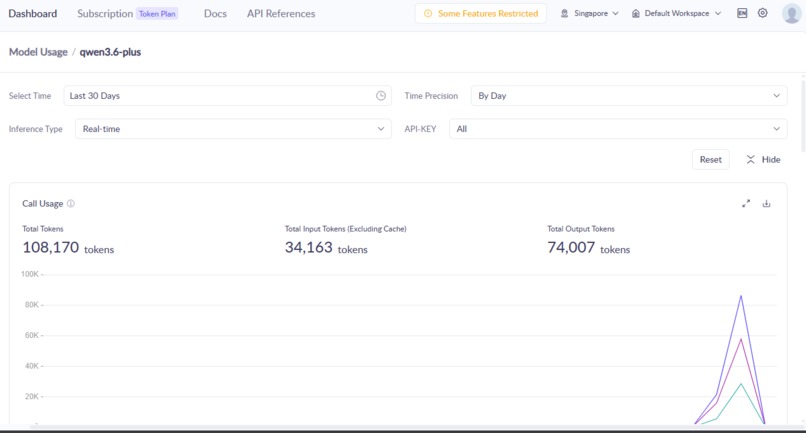
qwen-model-usage-qwen3.6-plus
-
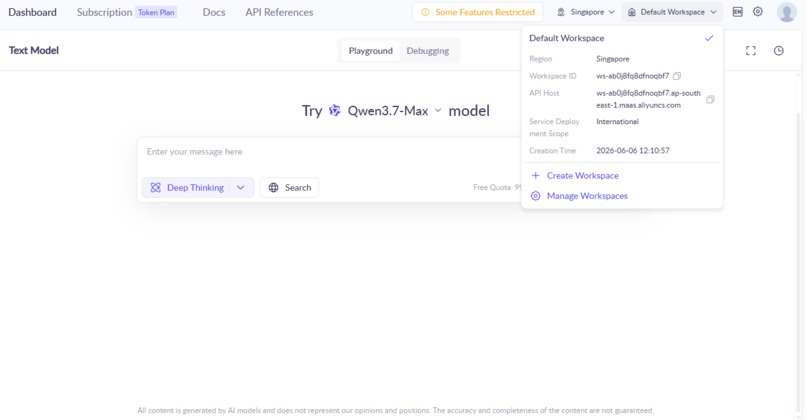
alibaba-model-studio-workspace
-
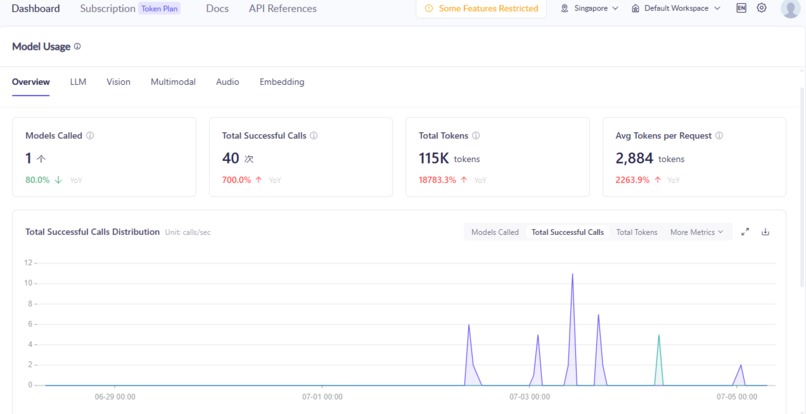
qwen-model-usage-qwen3.6-plus-extra
-
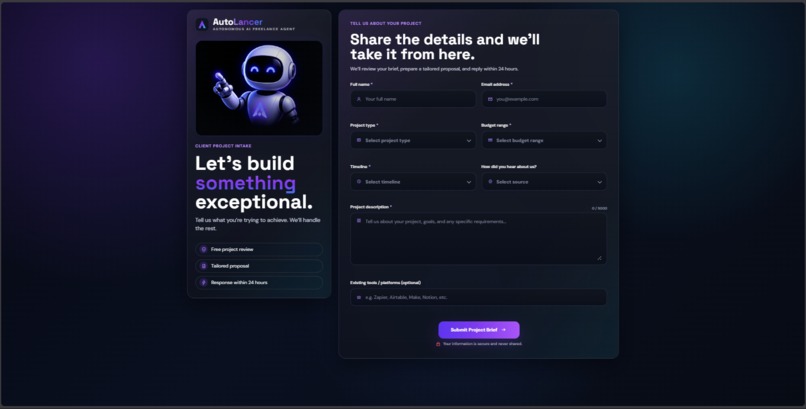
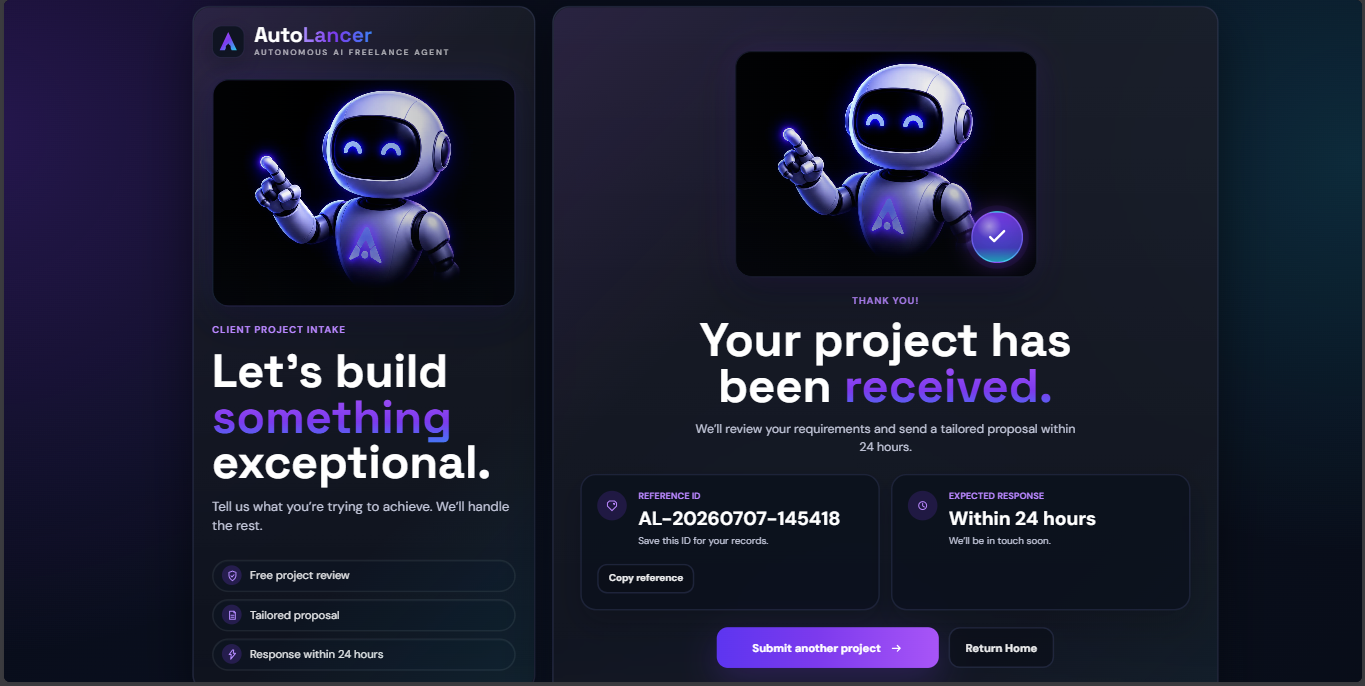
AutoLancer Frontend 2
-
AutoLancer Frontend 1
-
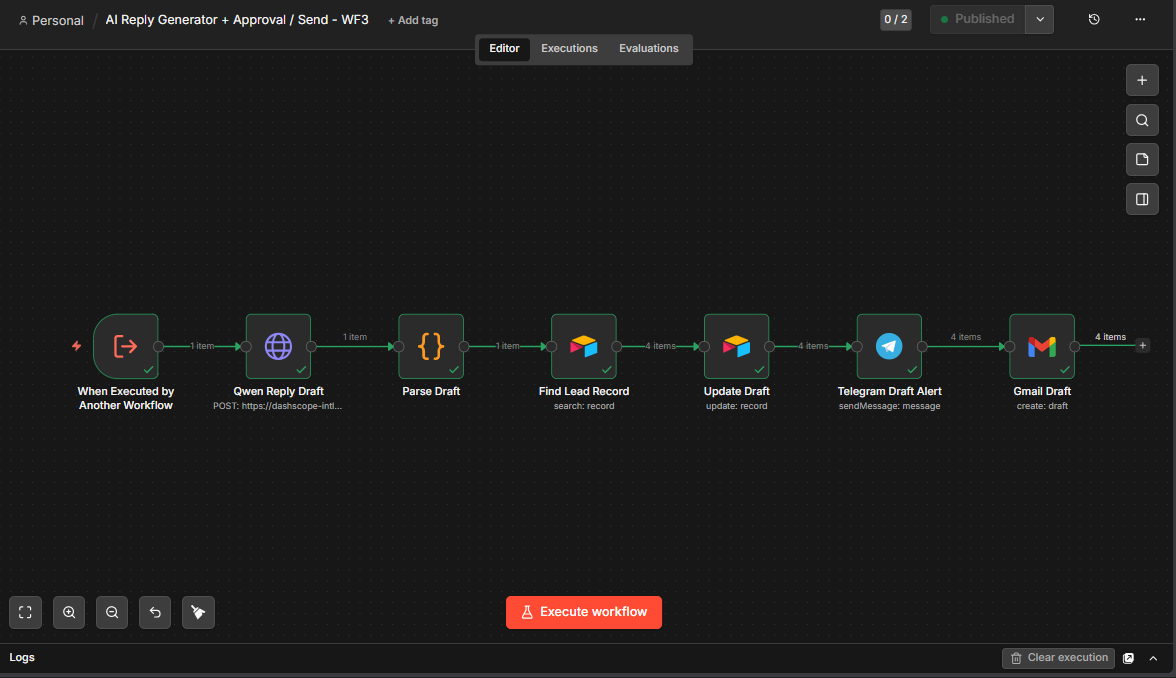
AutoLancer - N8n Backend Workflow 3
-
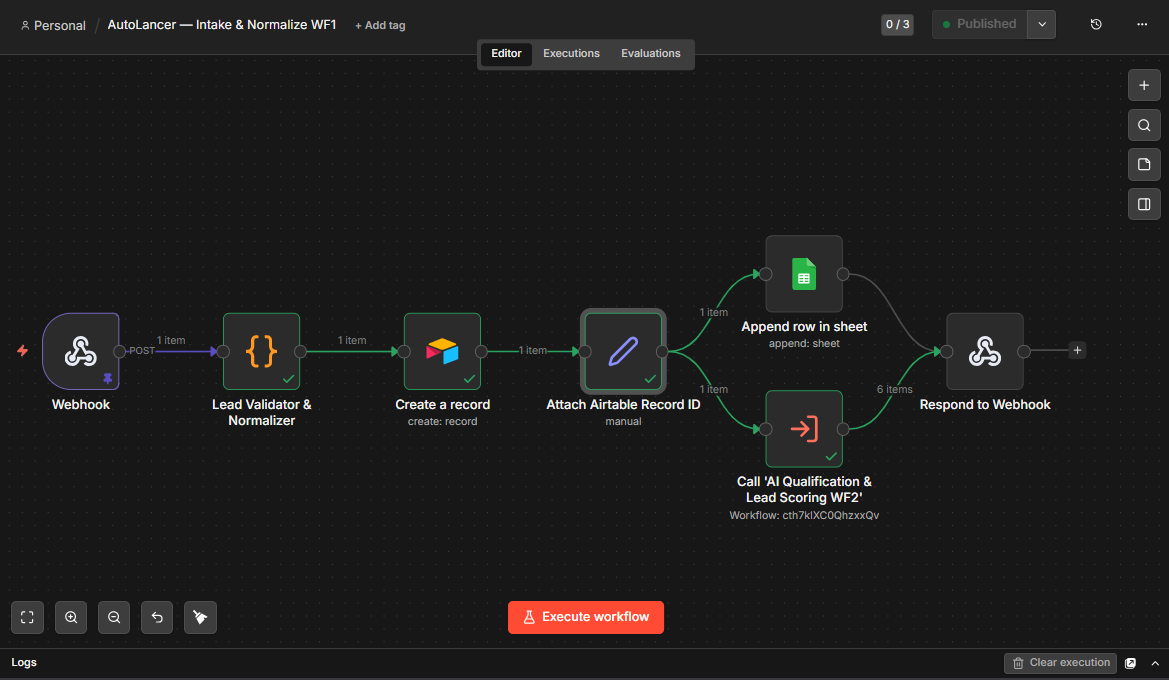
AutoLancer - N8n Backend Workflow 1
-
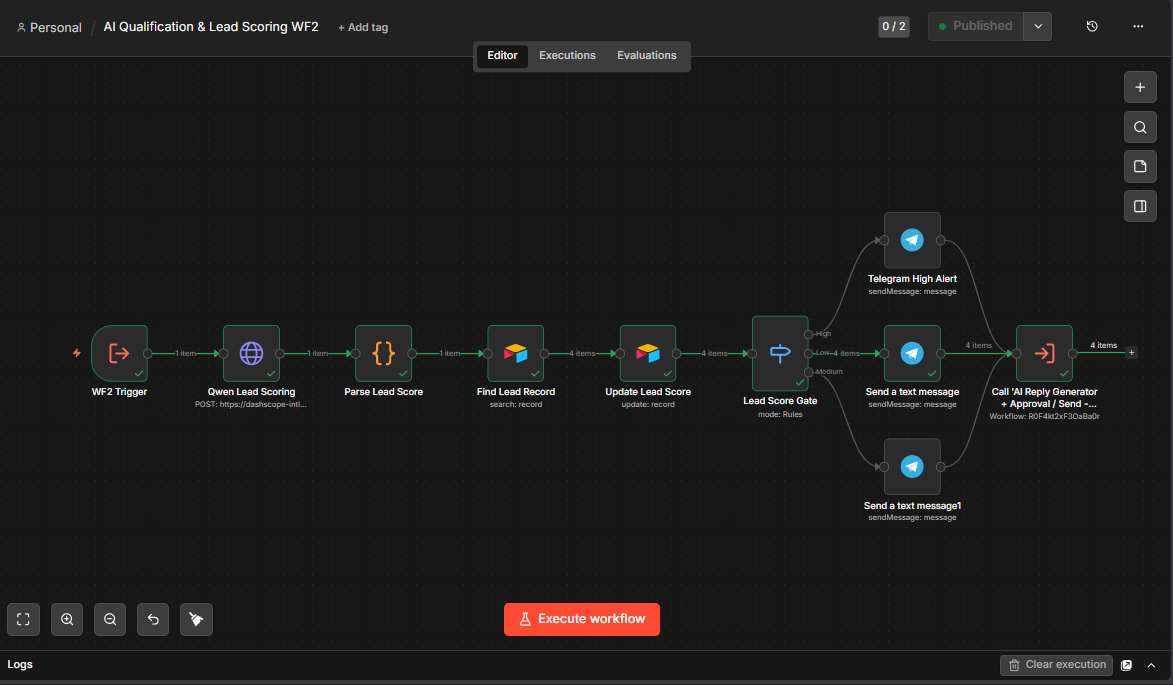
AutoLancer - N8n Backend Workflow 2
Inspiration
AutoLancer was inspired by a problem I kept noticing in freelance service work: inbound leads usually come through forms or email, but the process after that is still very manual. A freelancer has to read each inquiry, figure out whether the lead is worth pursuing, decide how urgent it is, and then draft a suitable reply. That takes time, creates inconsistency, and makes it easy for good leads to sit too long without a response.
I wanted to build something that acts like an AI-powered lead operations assistant for a solo freelancer — a system that can capture leads, qualify them intelligently, and prepare the next reply before the freelancer even opens their inbox. That idea became AutoLancer.
What it does
AutoLancer is an AI-powered lead intake, qualification, and reply drafting system built for freelancers and small service businesses.
It automates three major parts of the inbound lead workflow:
- Lead intake & normalization — captures a project inquiry from a public form, validates the submission, normalizes the data, and stores it.
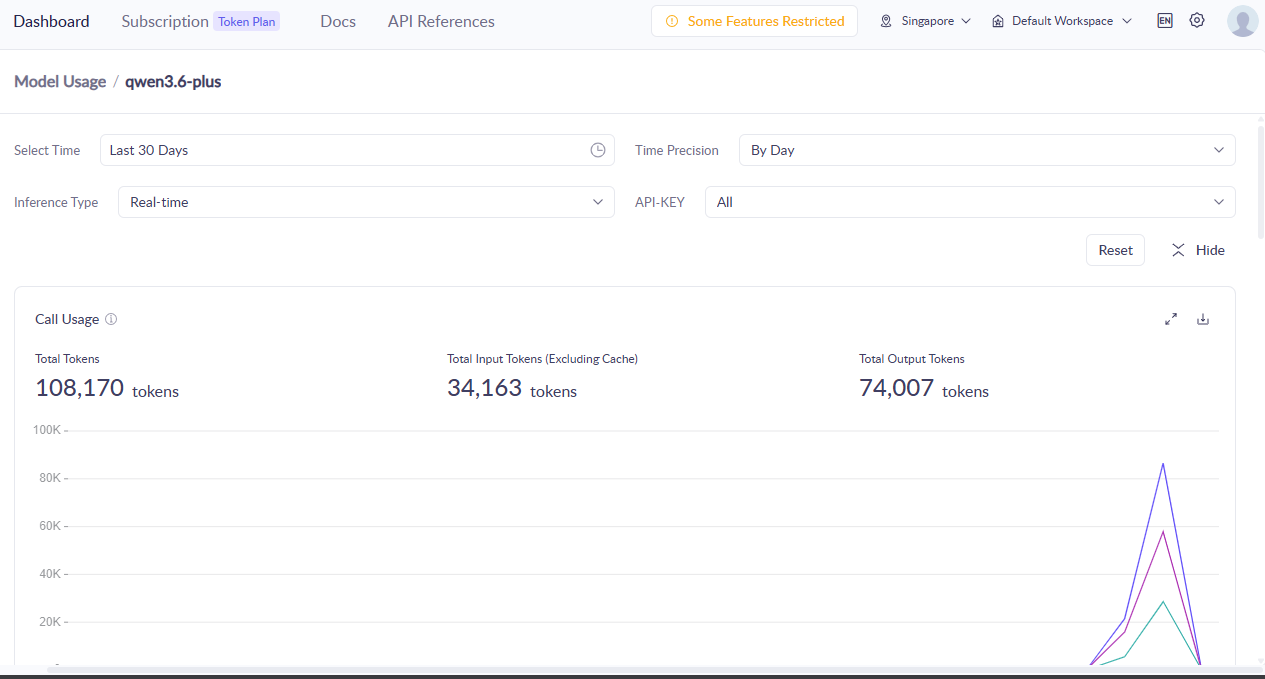
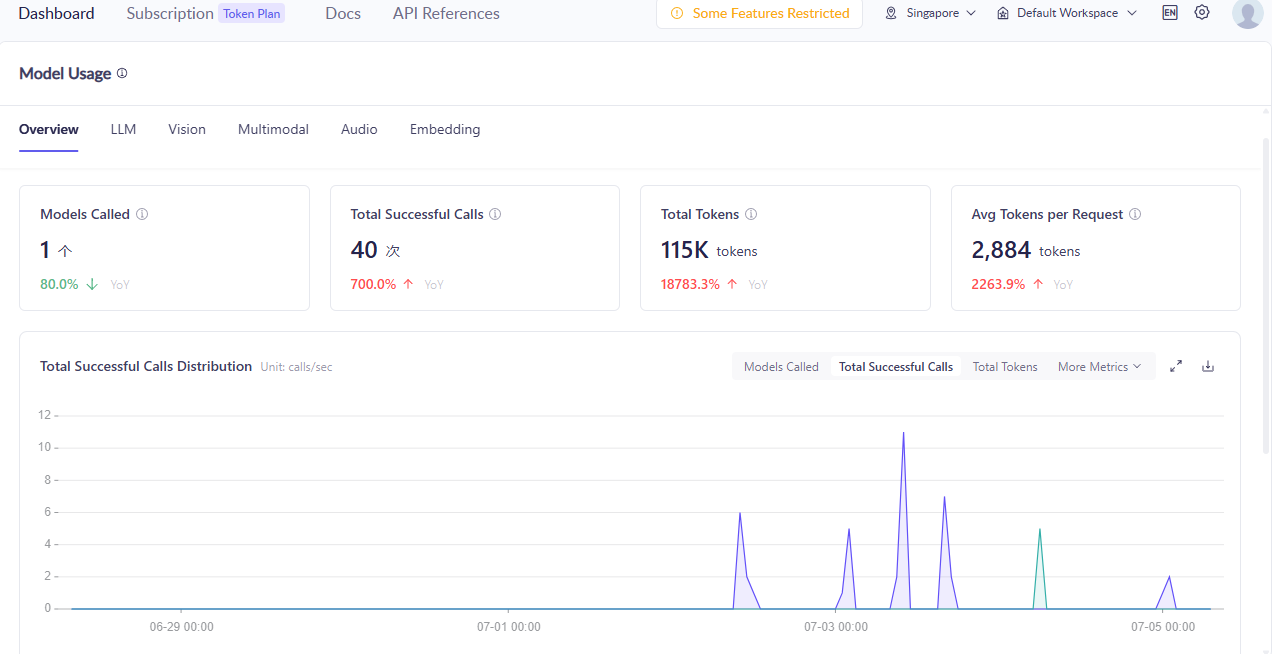
- AI lead qualification & scoring — sends the lead details to Qwen Cloud to score the lead based on budget, timeline feasibility, project fit, description quality, and source quality.
- AI reply drafting — uses Qwen Cloud again to draft the best next email reply based on the lead’s score, category, and reasoning.
Once the lead is processed, AutoLancer updates the lead record, logs it, sends a Telegram alert, and prepares a Gmail draft for the freelancer to review before sending.
In short, it helps a freelancer move from “new inbound inquiry” to “qualified lead with a ready-to-review response” much faster.
How we built it
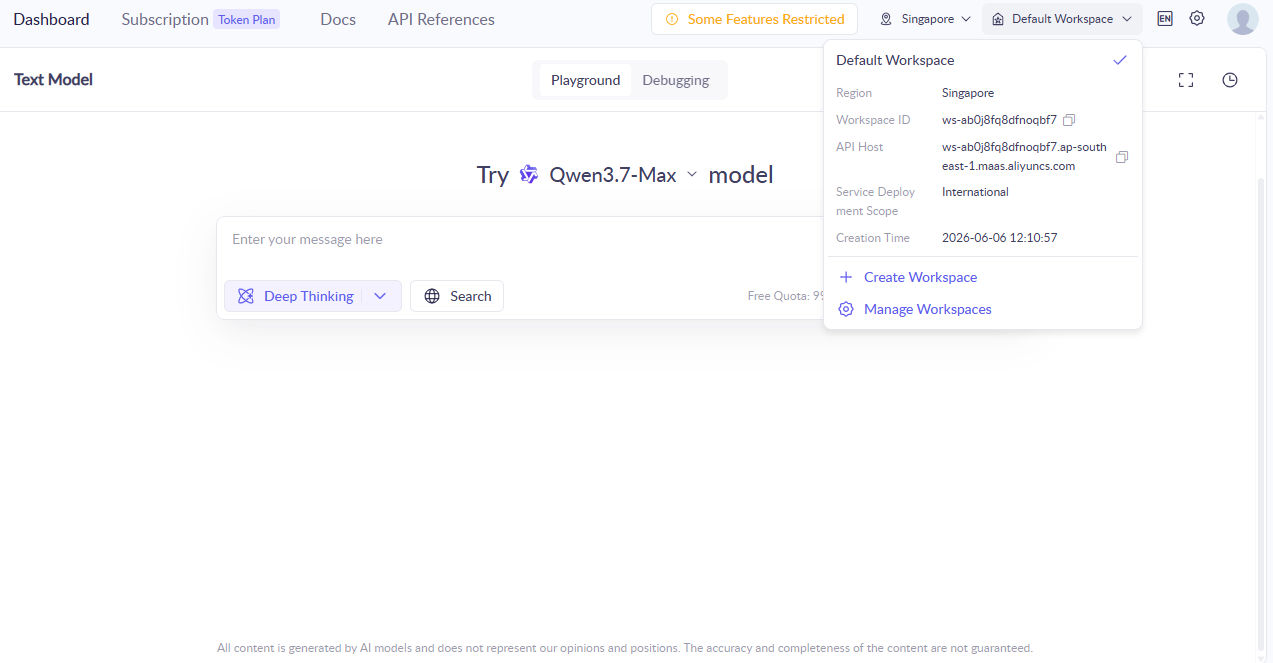
AutoLancer is built as a modular workflow system using n8n as the orchestration layer, with Qwen Cloud as the intelligence layer and Airtable / Google Sheets / Gmail / Telegram as the data and action tools.
The implemented version has three core workflows:
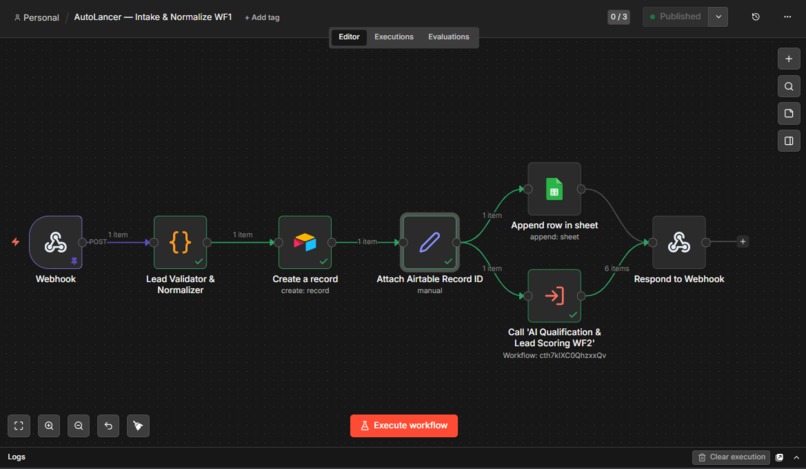
WF1 — Lead Intake & Normalization
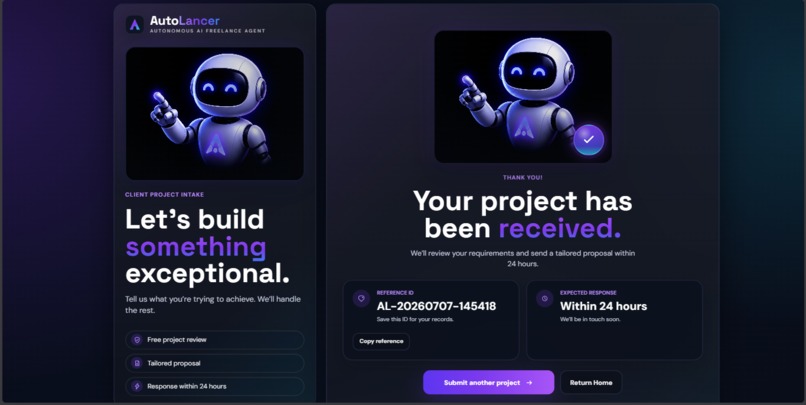
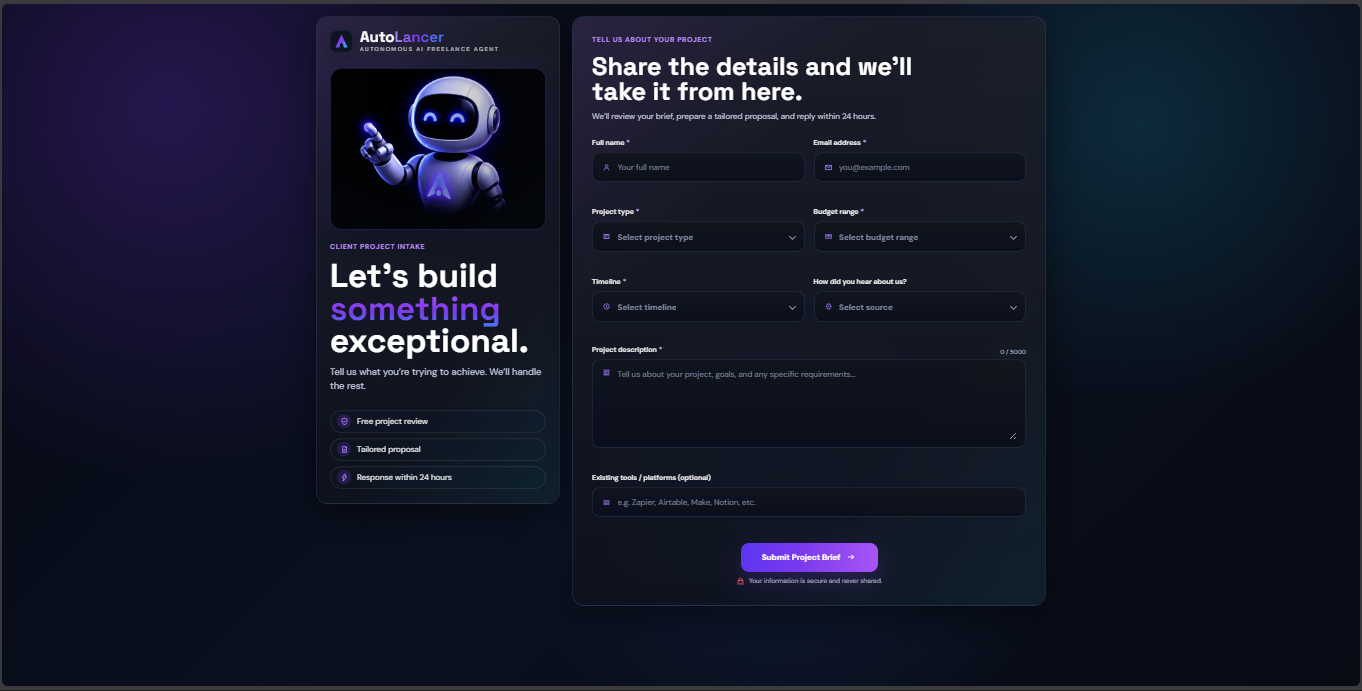
The frontend form is hosted publicly and sends submissions into an n8n webhook. WF1:
- receives the lead,
- validates required fields,
- normalizes label/value pairs into machine-friendly fields,
- stores the lead in Airtable,
- logs a backup record in Google Sheets,
- and passes the lead into the scoring workflow.
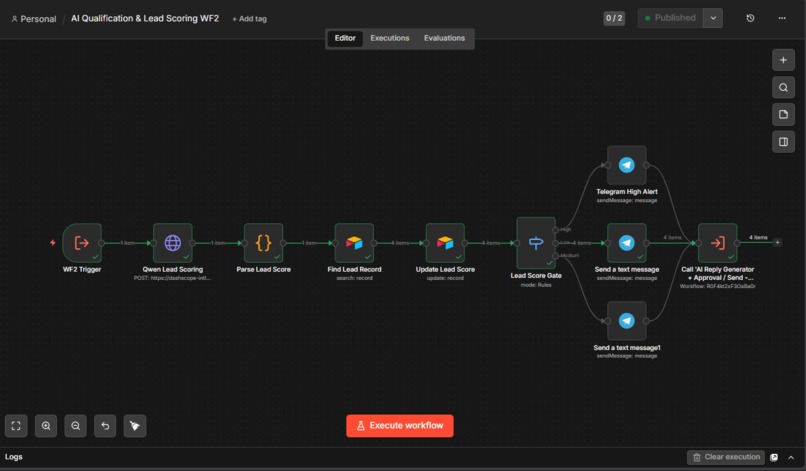
WF2 — AI Qualification / Lead Scoring
WF2 takes the normalized lead and prepares a scoring request for Qwen Cloud. Qwen evaluates the lead using weighted criteria and returns a structured JSON response with:
- a lead score,
- a qualification category (
high,medium, orlow), - and reasoning.
That result is parsed and written back to Airtable.
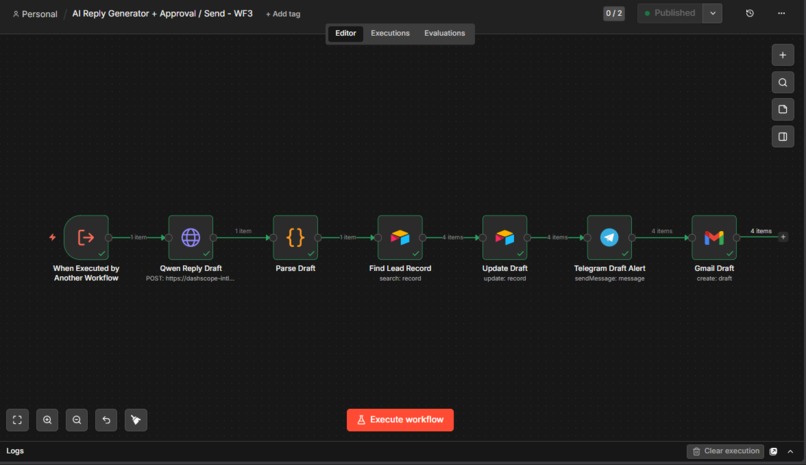
WF3 — AI Reply Drafting + Notifications
WF3 takes the scored lead and sends another request to Qwen Cloud, this time asking it to draft the best next email response for that lead. The workflow then:
- parses the returned draft,
- stores it in Airtable,
- creates a Gmail draft,
- and sends a Telegram alert to the freelancer.
This creates a human-in-the-loop workflow where the freelancer still reviews the final reply, but the time-consuming triage and first-draft work is already done.
Challenges we ran into
One of the biggest challenges was making sure data stayed consistent across multiple workflows. Because AutoLancer is split into WF1, WF2, and WF3, fields like lead_id, Airtable record references, normalized values, and AI results had to be passed cleanly from one workflow to the next. A missing field in one stage could break updates or downstream actions later in the pipeline.
Another challenge was handling strict JSON responses from the AI layer. WF2 and WF3 both depend on Qwen returning machine-readable JSON so that n8n can parse the output and continue the workflow. That meant I had to be careful with prompt design, payload formatting, and error handling to avoid malformed responses breaking the automation.
I also had to think beyond “just making it work” and focus on whether the system would actually be useful in a real freelancer workflow. The scoring logic, reply behavior, and notification flow had to feel practical and commercially sensible, not just technically impressive.
Accomplishments that we're proud of
ne of the things I’m most proud of is that AutoLancer is not just a single AI call wrapped in a demo UI — it’s a real multi-step workflow system with clear separation of concerns.
I’m proud that I was able to:
- build a working end-to-end lead pipeline from form submission to drafted reply,
- use Qwen Cloud in two distinct roles: lead scoring and reply generation,
- structure the workflows so they are modular and easier to extend later,
- keep a human-in-the-loop review step instead of over-automating sensitive client communication,
- and turn a freelancer pain point into something that feels like an actual product rather than a hacky prototype.
The final system demonstrates a realistic business workflow where AI is not just generating content, but actually helping make decisions and move work forward.
What we learned
Building AutoLancer taught me that AI workflow systems are only as strong as their orchestration layer. Prompting matters, but so do payload design, field mapping, database updates, and how reliably each workflow hands off to the next one.
A few of the biggest lessons were:
- Structured prompting is critical when AI output feeds downstream automation.
- Workflow design matters as much as model quality — the model can be great, but if the system can’t pass data cleanly between steps, the experience breaks.
- Freelancer operations is a strong use case for practical AI automation because so much of the work around lead handling is repetitive but still important.
- Modular architecture makes iteration easier — separating the system into WF1, WF2, and WF3 made debugging, improving, and documenting the project much more manageable.
What's next for AutoLancer
The current version of AutoLancer focuses on the most critical part of the freelancer lead pipeline: lead intake, AI qualification, and AI reply drafting. For the hackathon, I prioritized getting that core flow working end-to-end through WF1, WF2, and WF3 so the system could reliably capture a lead, score it with Qwen Cloud, and prepare the next reply for the freelancer.
The next step is to extend AutoLancer beyond lead handling into a fuller freelancer operations system by implementing the next two planned workflows that were already part of the product roadmap:
WF4 — Client Onboarding / Conversion Workflow
Once a lead has been qualified and the freelancer decides to move forward, AutoLancer can continue the process by automating onboarding. The planned workflow would:
- move an approved lead into a client onboarding stage,
- send a structured onboarding email or intake form,
- collect missing project details,
- generate a client record or project handoff package,
- and prepare the client for delivery kickoff.
This would turn AutoLancer from a lead-response assistant into a tool that also helps convert qualified leads into active projects.
WF5 — Invoice / Payment Confirmation Workflow
The second planned workflow is the finance handoff layer. Once a lead becomes a confirmed client, AutoLancer could:
- generate an invoice request,
- send payment instructions or a payment link,
- track payment confirmation,
- and update the project/client status automatically.
This would make the system useful not just for qualifying and replying to leads, but also for moving them through the first operational steps of becoming a paying client.
Bigger vision
Long term, I want AutoLancer to become a lightweight AI operating system for freelancers — one that doesn’t stop at replying to leads, but supports the full pre-project workflow from inquiry → qualification → reply → onboarding → payment readiness.
In that fuller version, AutoLancer would help freelancers:
- respond faster to inbound opportunities,
- keep lead handling consistent,
- reduce manual admin work,
- and create a smoother path from “new inquiry” to “active paying client.”
The hackathon version proves the core intelligence layer and workflow orchestration. The next version expands that foundation into a more complete end-to-end freelancer automation system.


Log in or sign up for Devpost to join the conversation.