-
-

Slide 1
-

Slide 2
-
Slide 3
-
Slide 4
-
Slide 5
-
Slide 6
-
Slide 7
-

Slide 8



Do you ever wake up with a stuffy nose seemingly out of nowhere? Unless you're getting sick, it's because of the dry air. Now that it's winter, we have the heat constantly running, which in turn causes the ventilation system to dry out the air in our rooms.
The fundamental problem with automated humidifiers is that they have a built in humidity sensor on the machine. So, once the air directly surrounding the machine gets humidified, which doesn't take much, the humidifier turns off. It does not do an effective job at humidifying a bigger space, let alone an entire room.
The idea for AutoHumid came as a solution to this dilemma: an automated humidifier with a remote sensor. With this fix, you can get a more accurate reading of the temperature and humidity levels in a room and have better climate control.
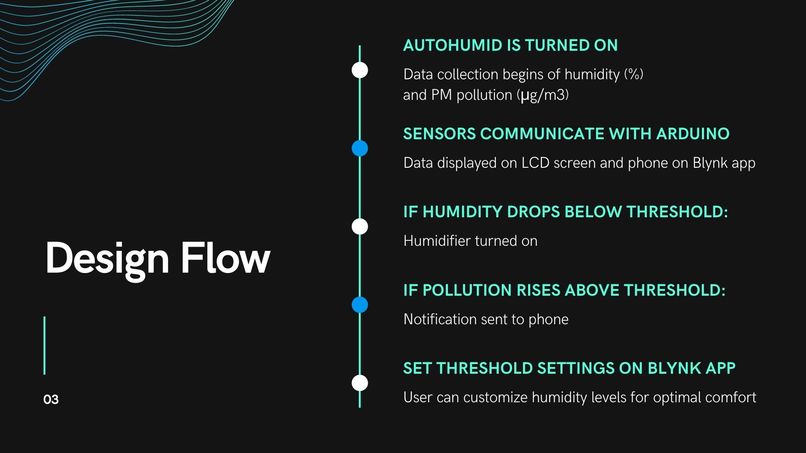
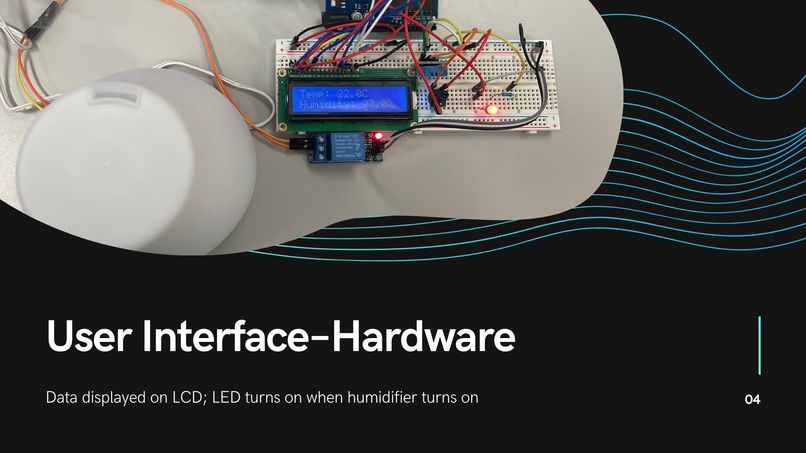
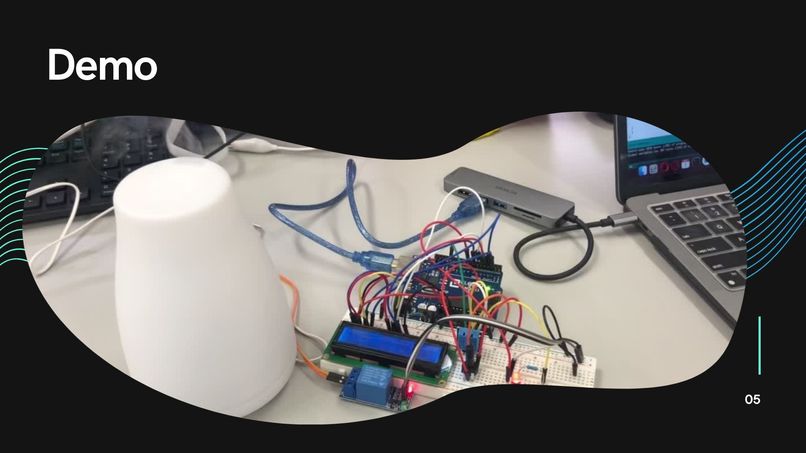
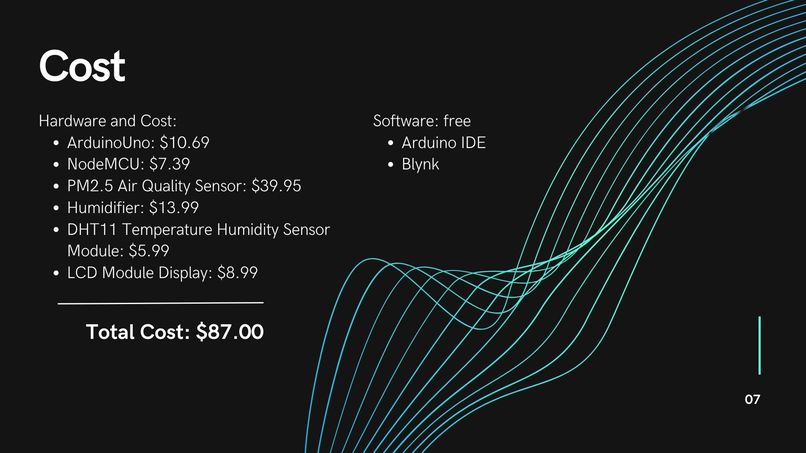
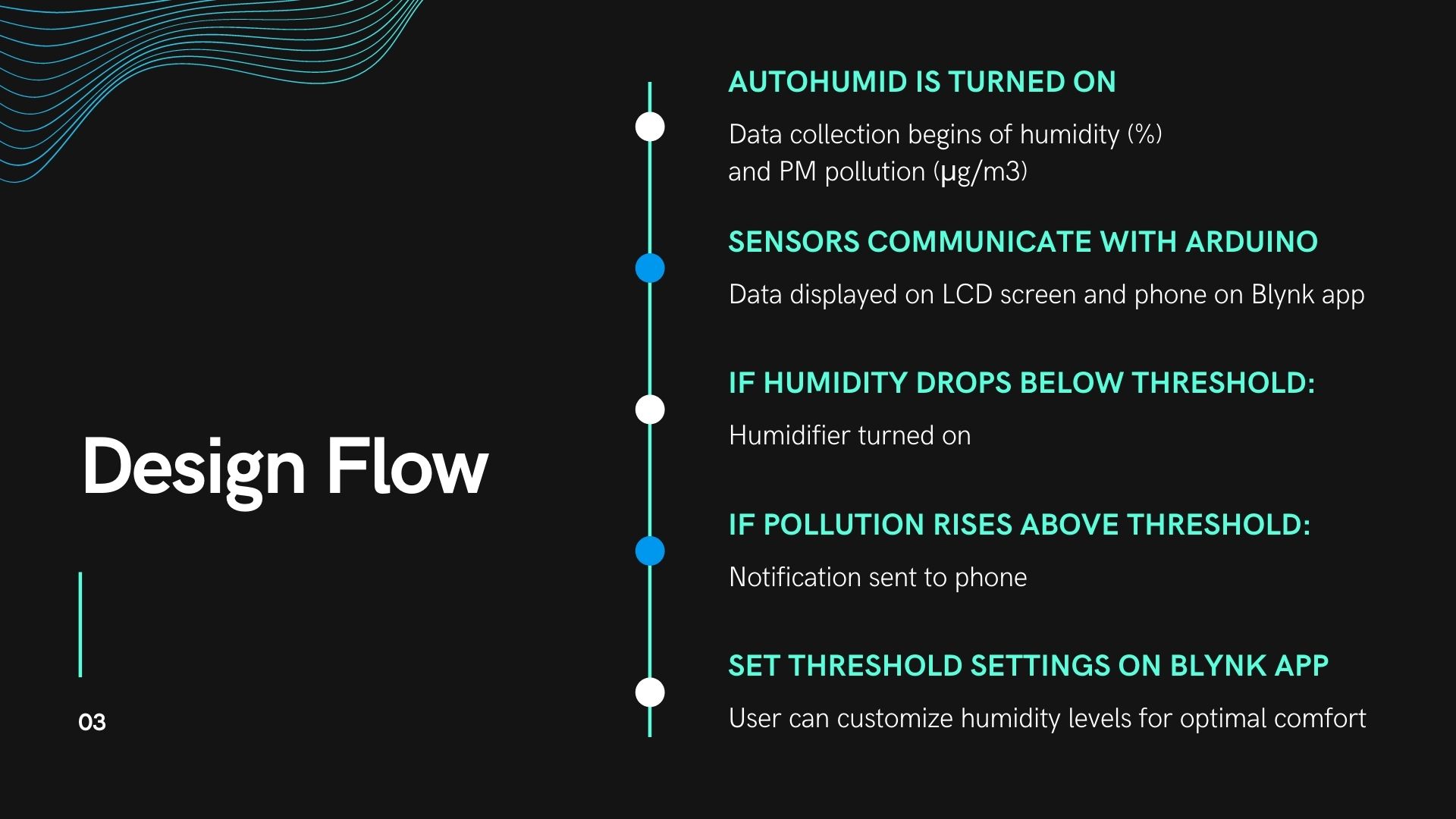
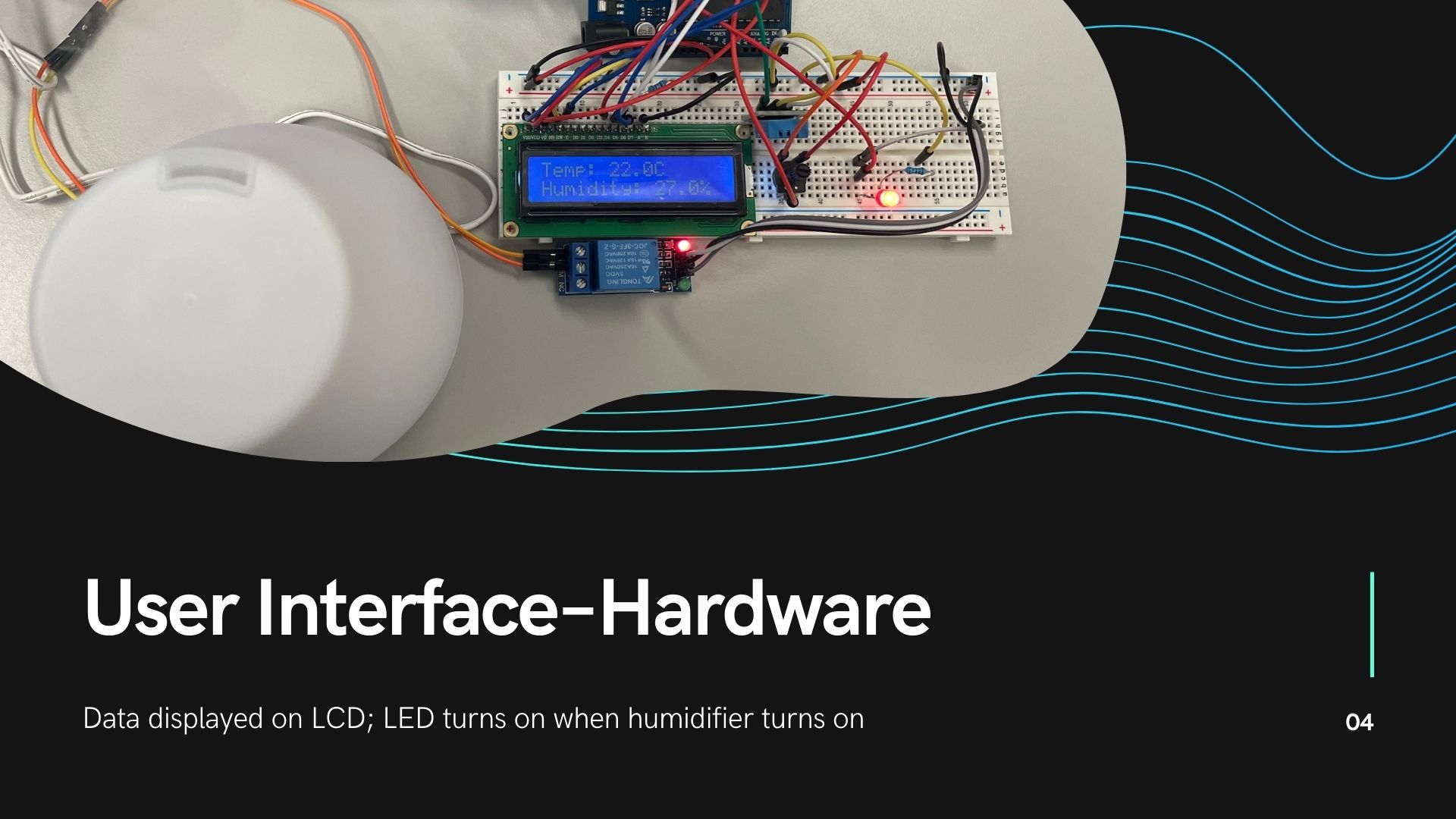
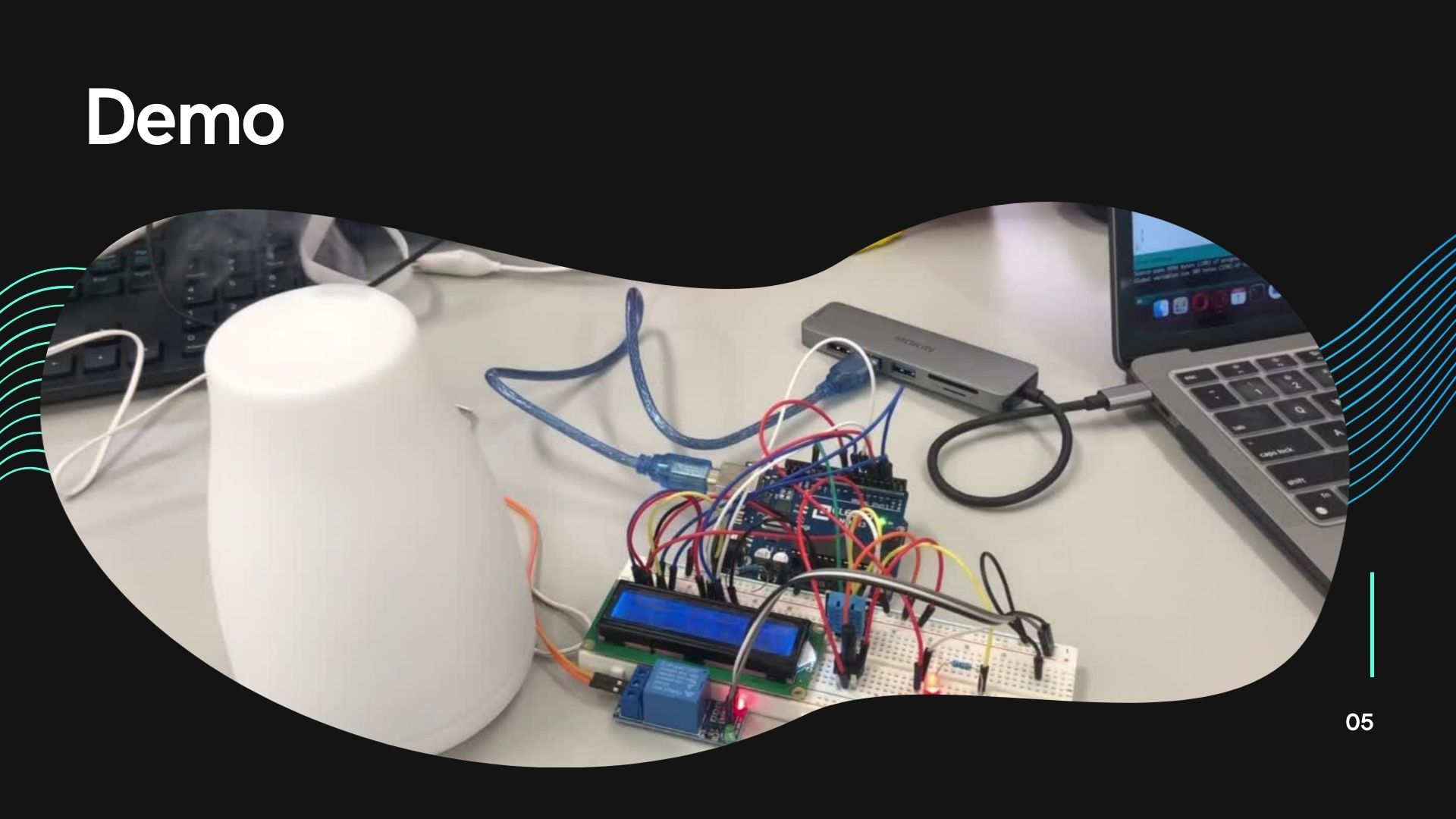
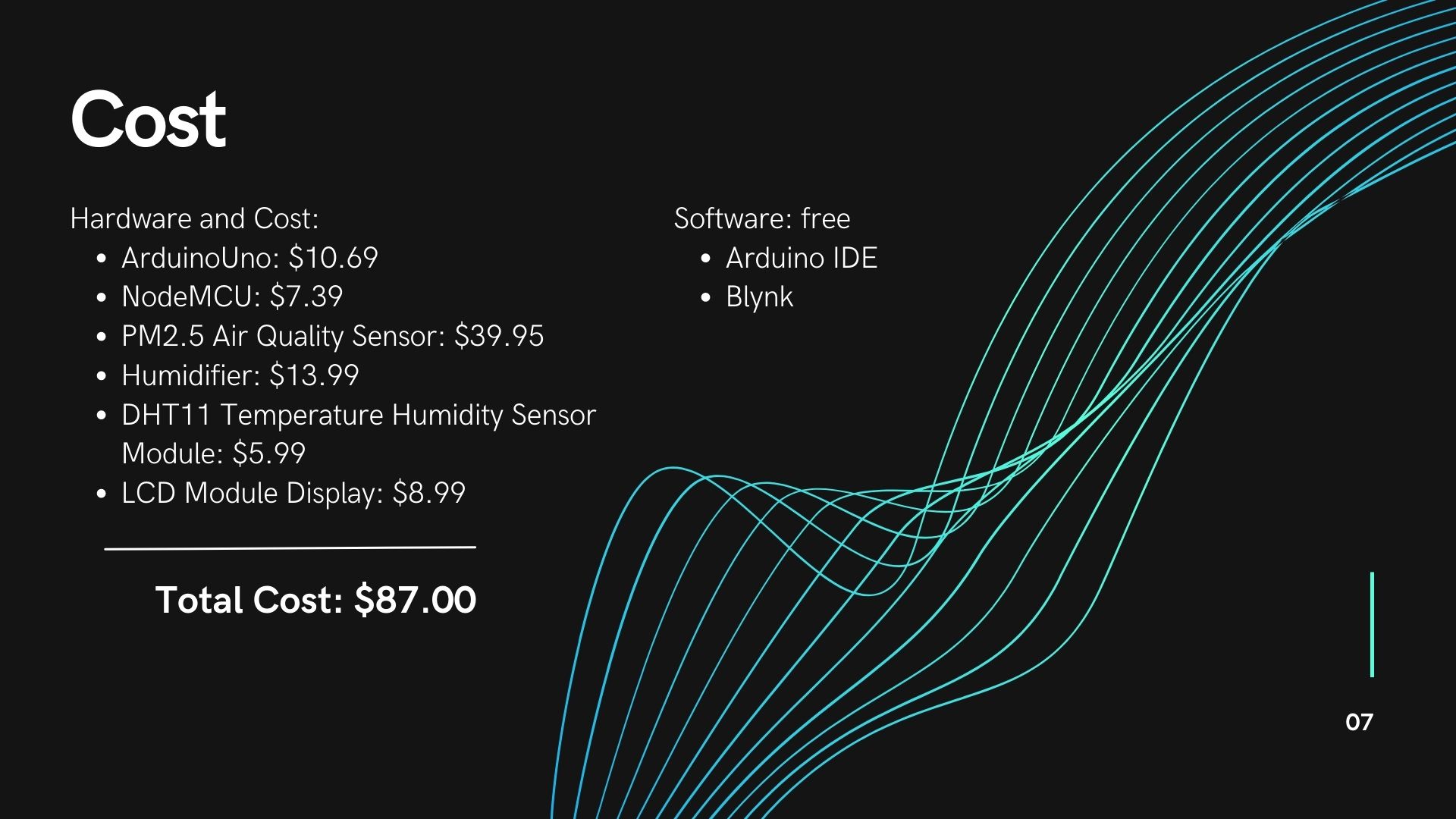
We built our device with ArduinoUno. Both the DHT11 and PM2.5 sensors connect to Arduino. The temperature and humidity levels are then displayed on the LCD screen. We use a relay to toggle the humidifier on and off. There are a couple feet of space (in wires) between the humidity sensor and the actual humidifier.
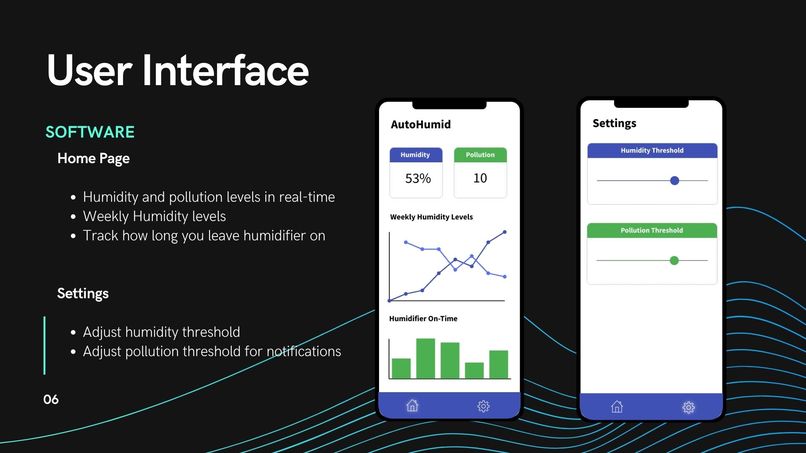
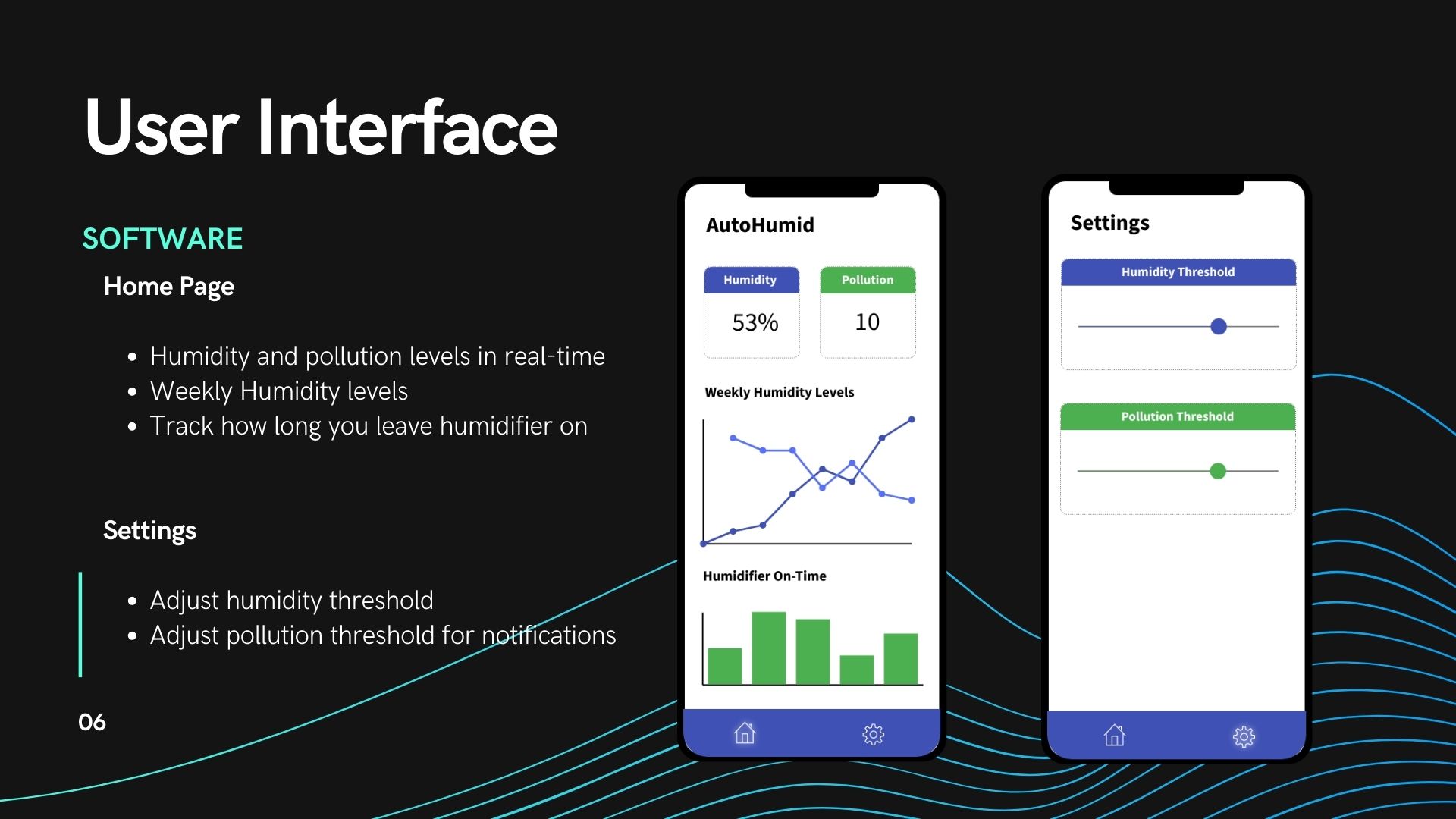
The IoT component of our project is to have everything controlled from an app on your phone. Through Blynk, we can send all the data (temp, humidity, PM2.5) to the cloud and get real time displays on your phone. Through your phone, you can also set humidity and pollution thresholds to change the default; if humidity dips below the set threshold, the humidifier automatically turns on, and if the pollution rises above the threshold, a notification is sent to your phone. Though we were unable to get the NodeMCU code working, this is how we envisioned the IoT working.
We have the slides and our demo provided below.
Built With
- arduino
- blynk

Log in or sign up for Devpost to join the conversation.