-
-
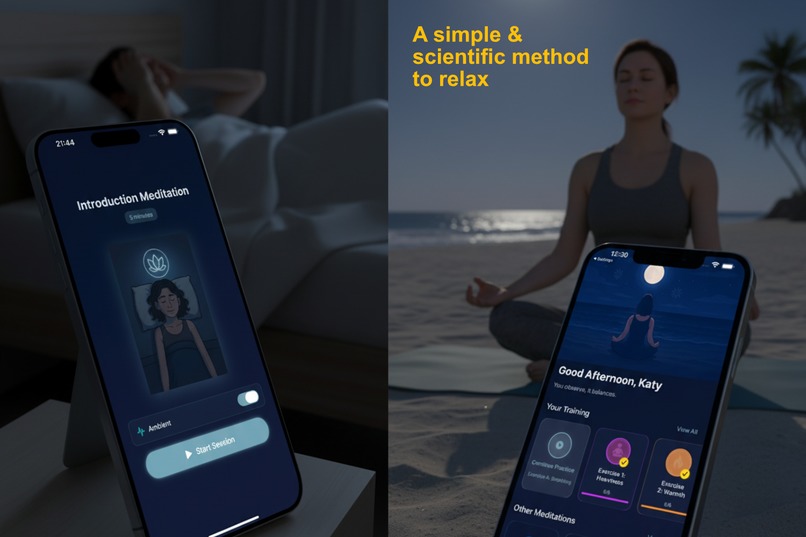
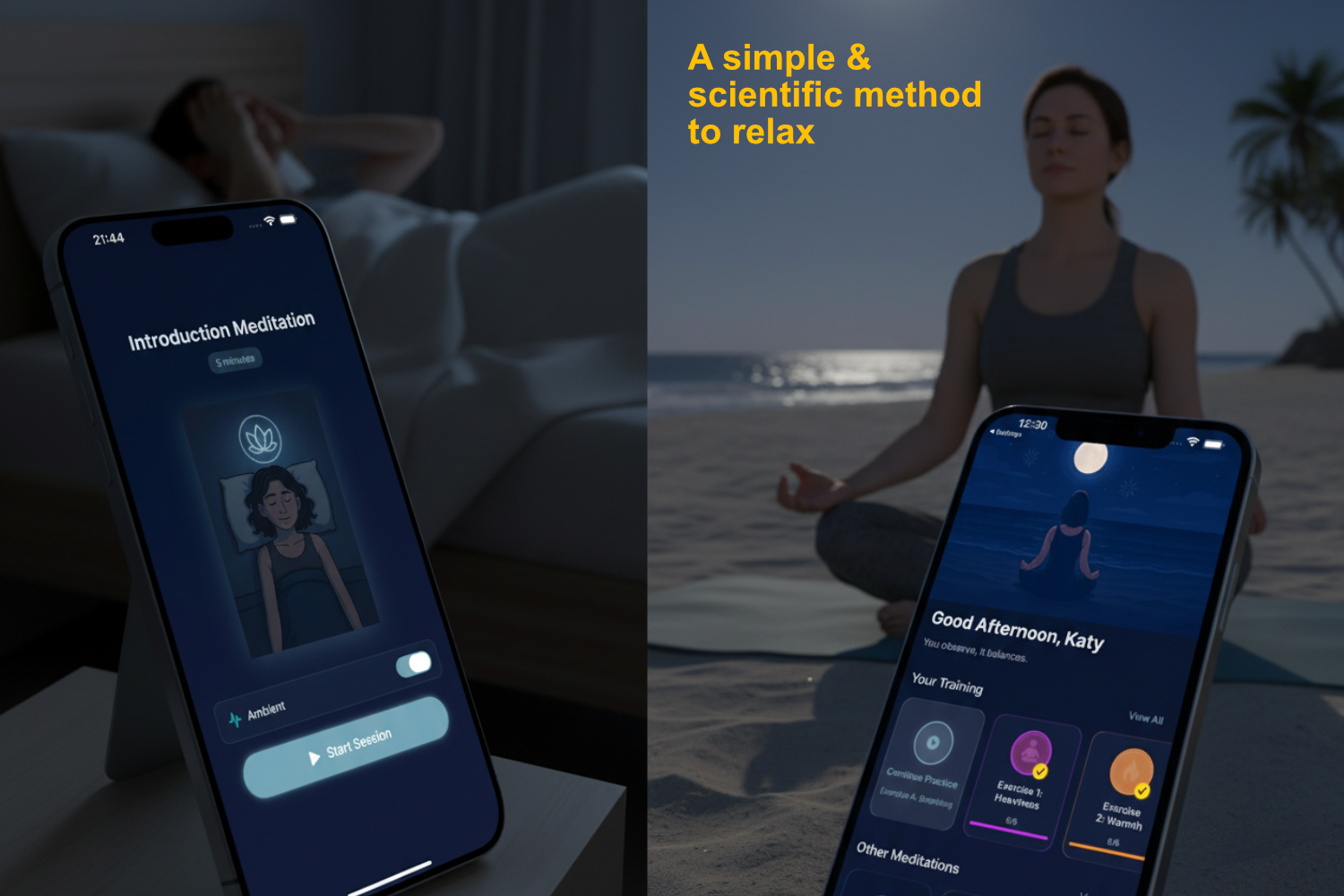
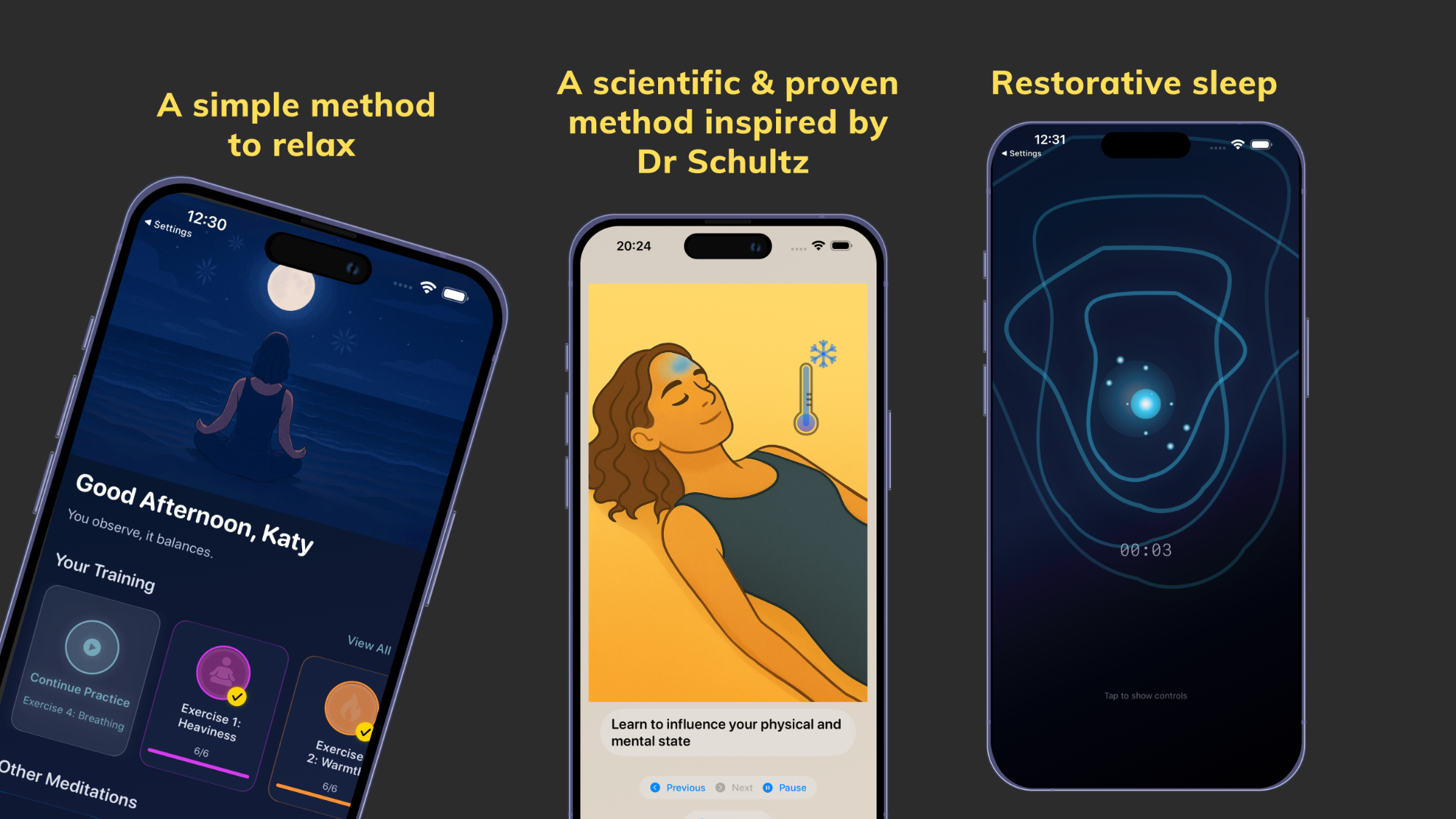
A simple & scientific method
-
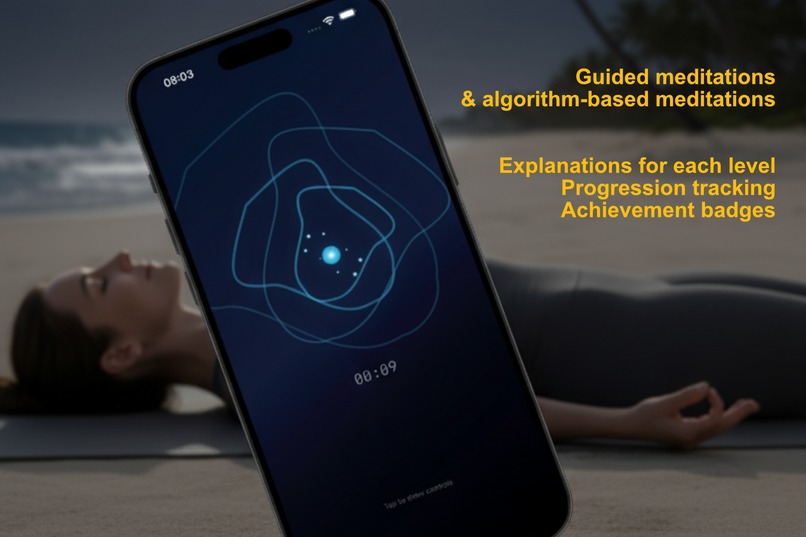
2 types of meditations
-
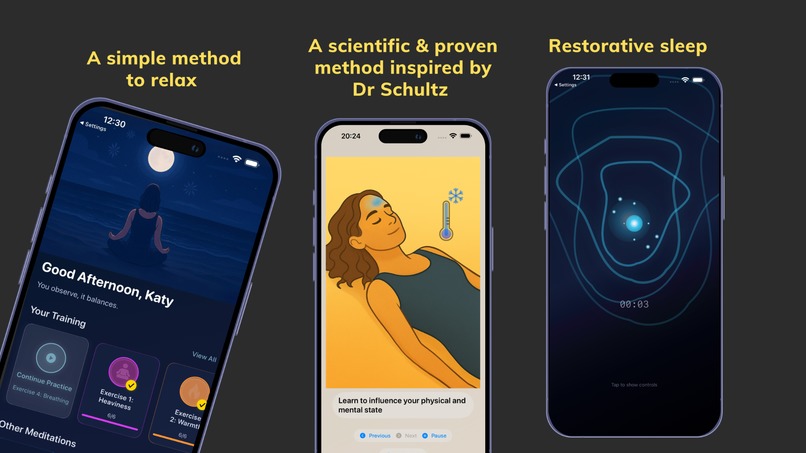
Visuals for the store
-
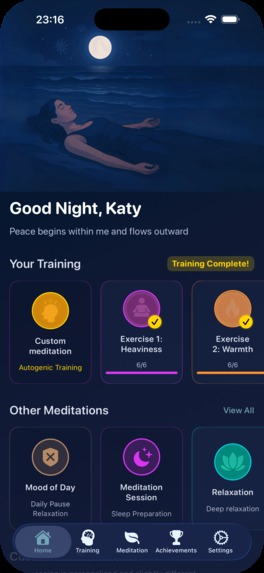
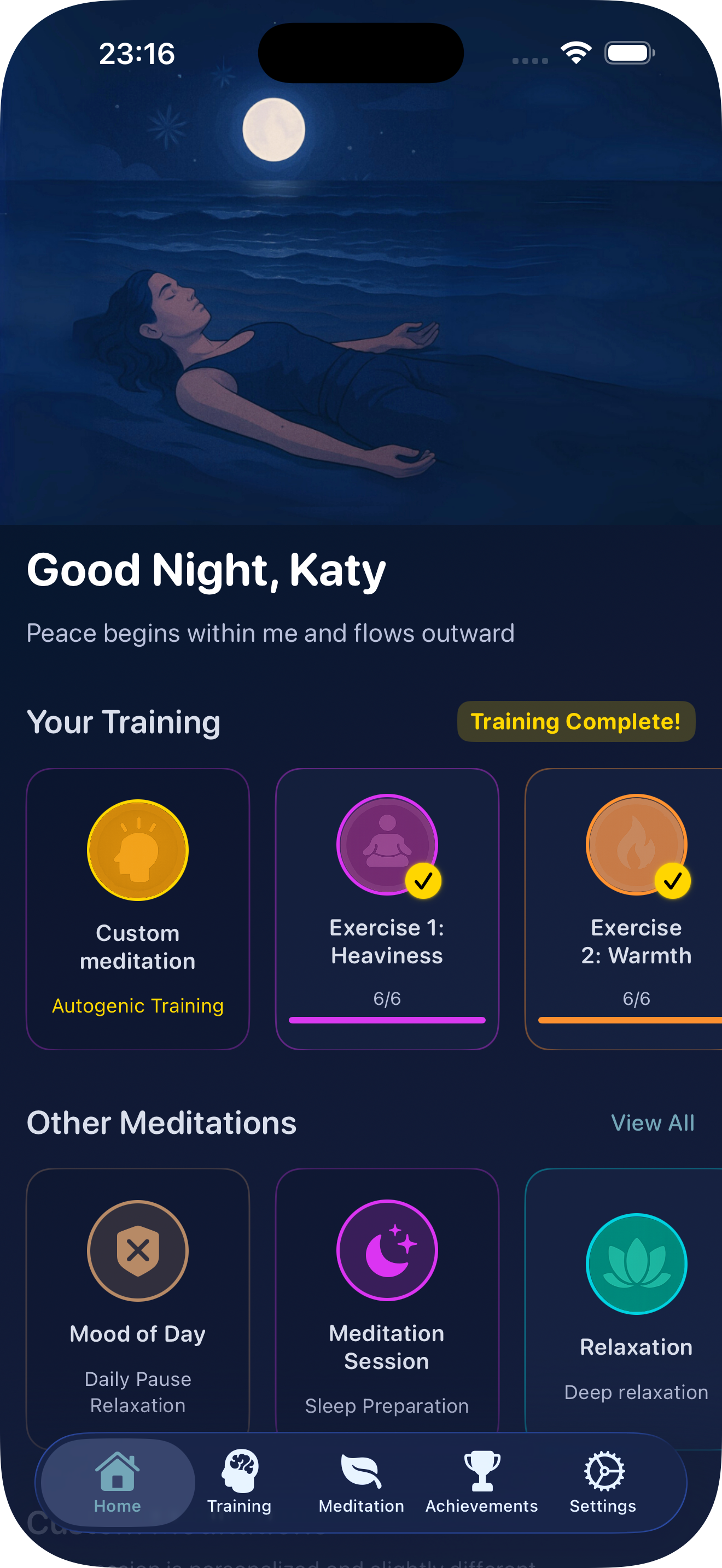
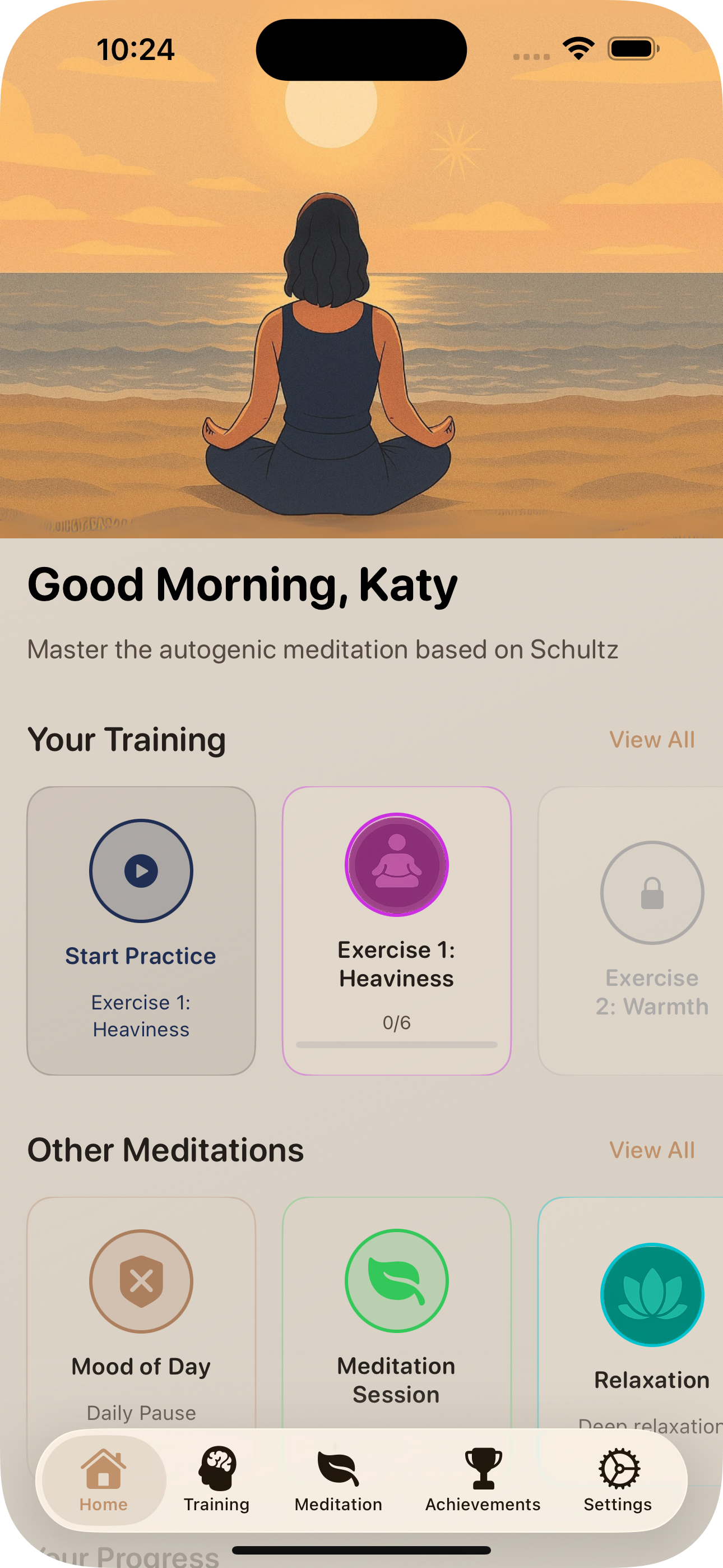
Homepage
-
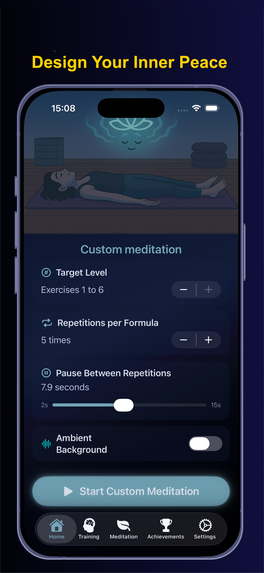
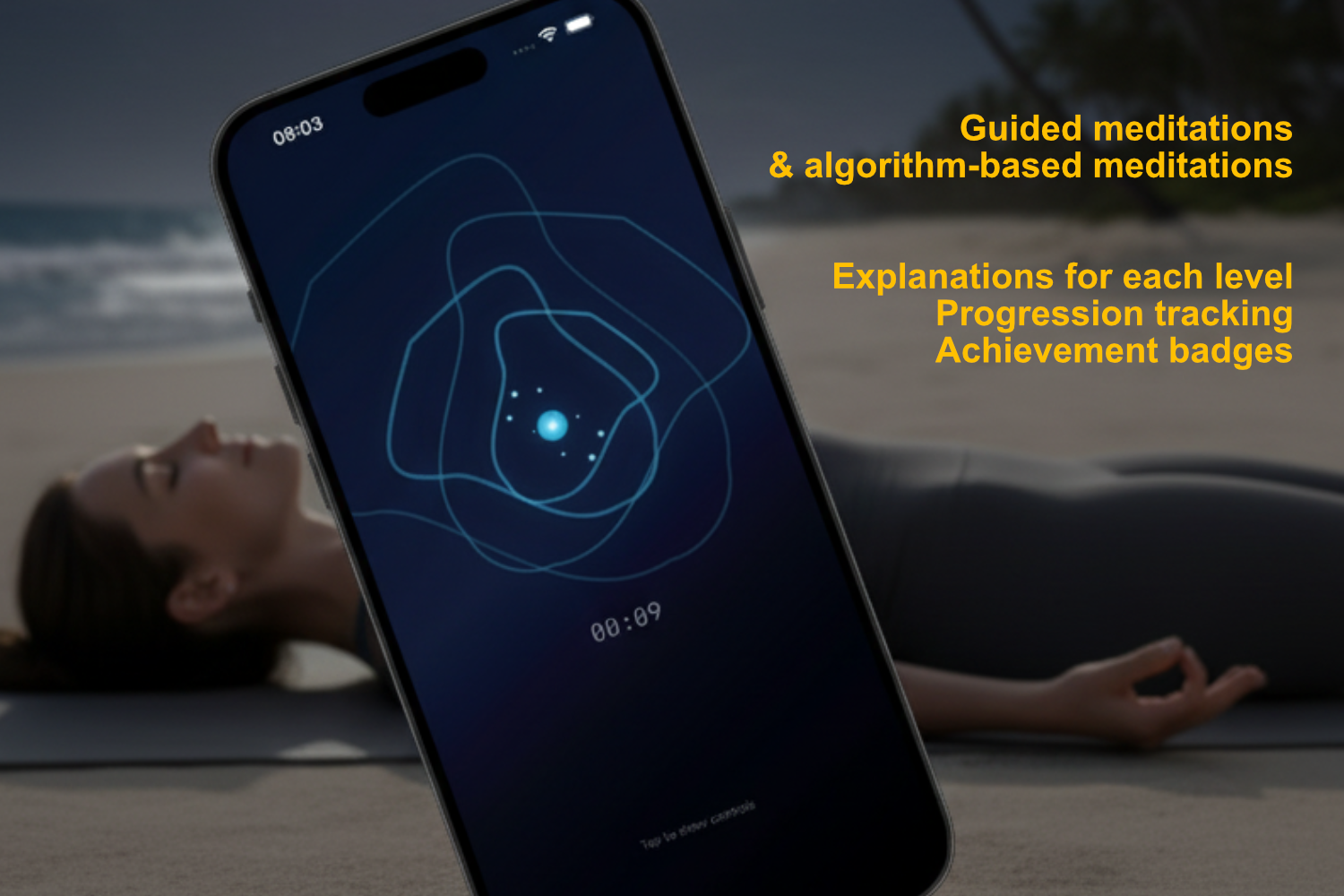
Algorithm-based meditation
-
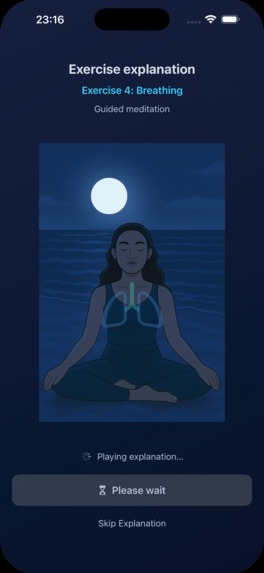
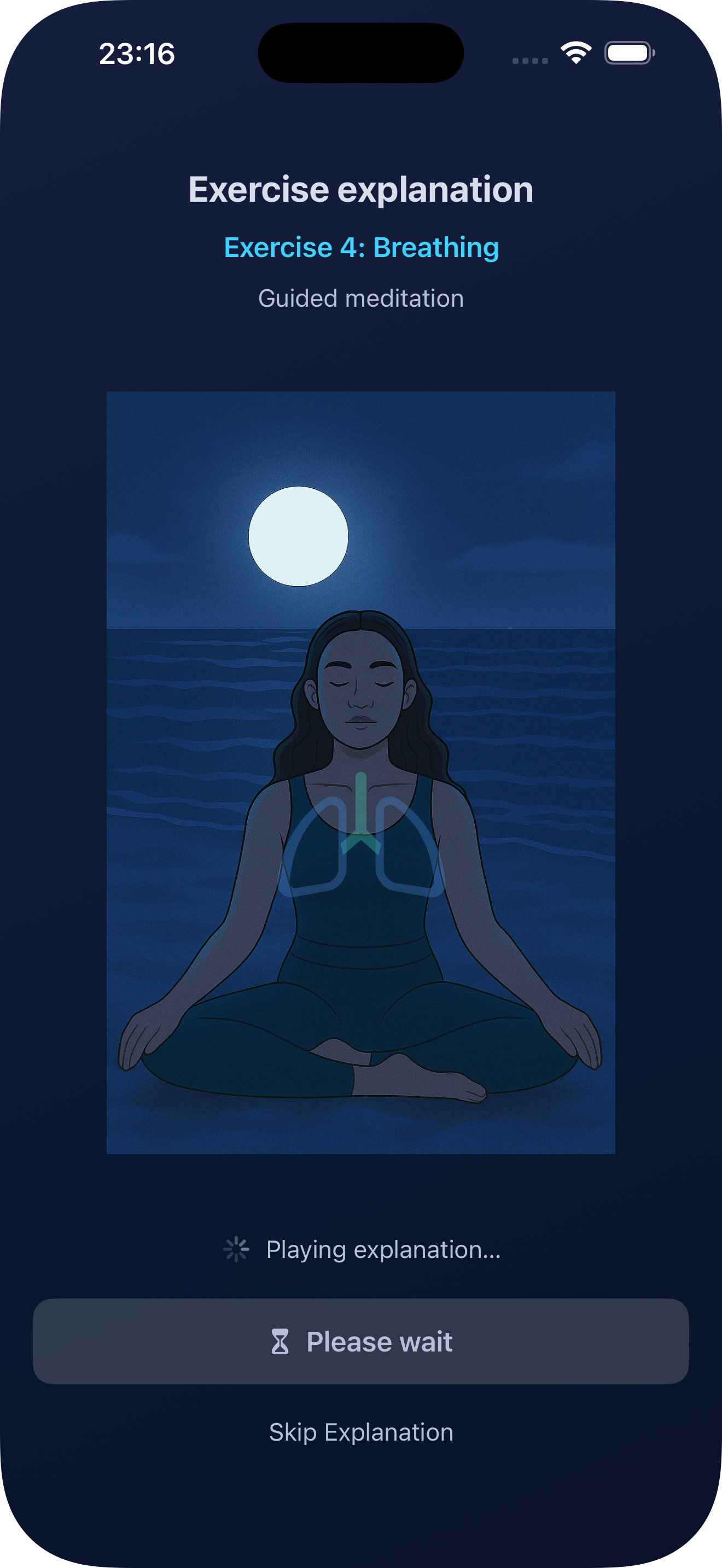
Explanations (audio)
-
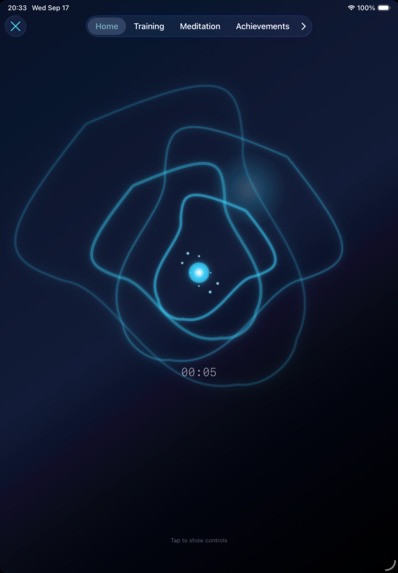
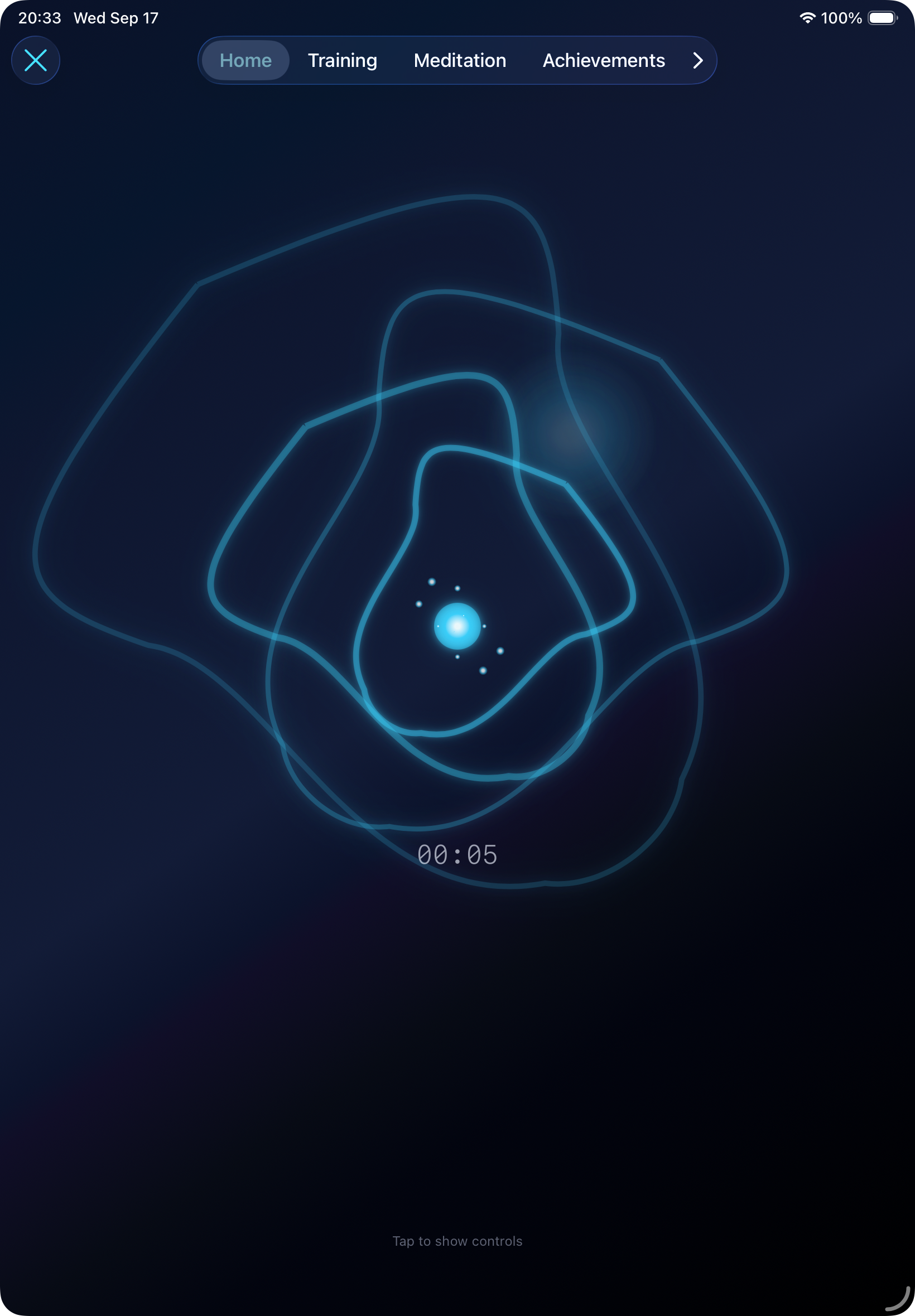
Meditation (on iPad)
-
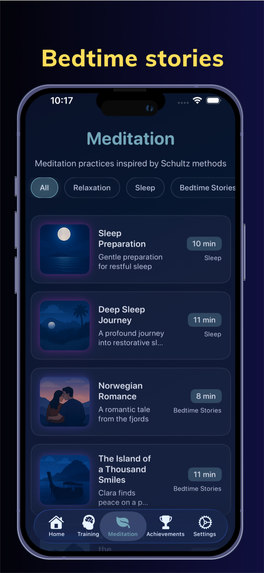
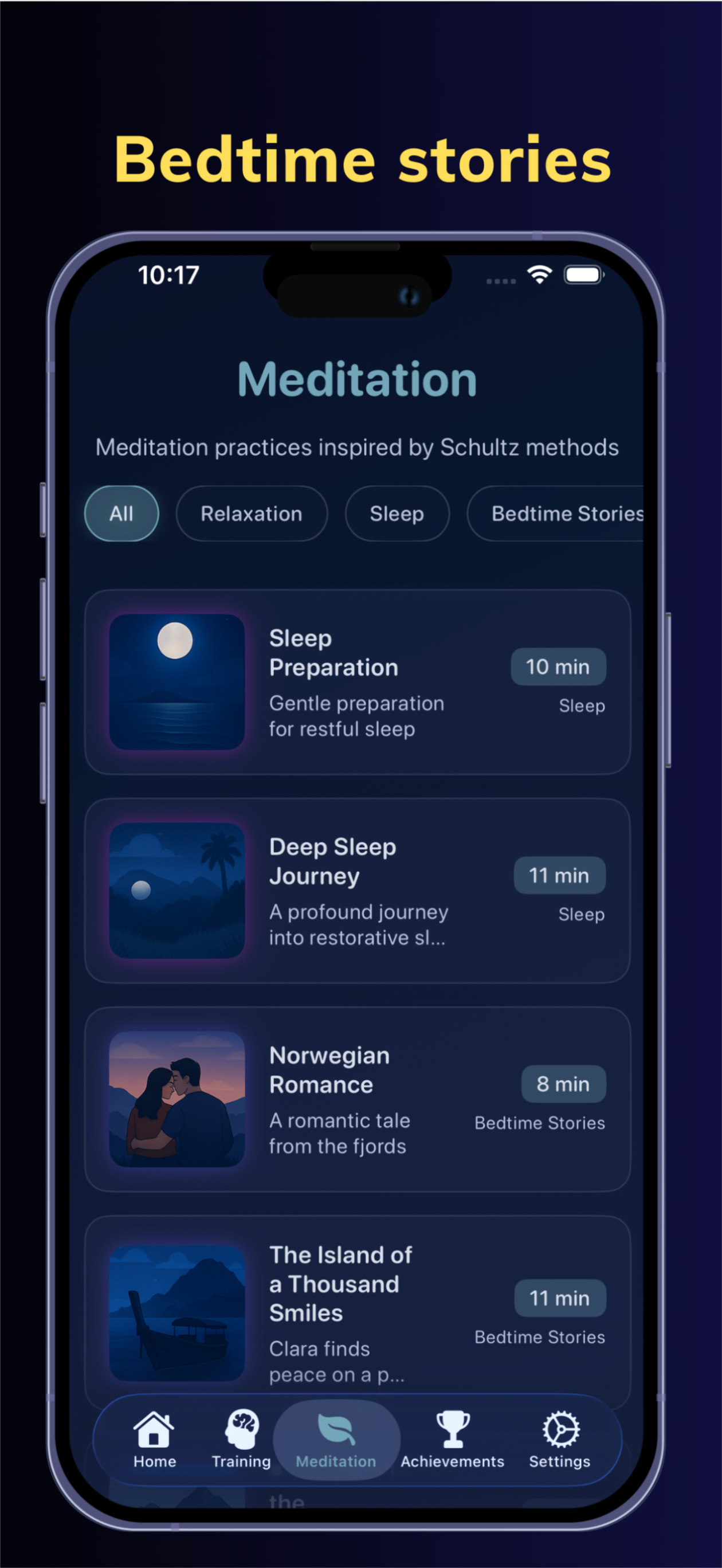
Bedtime stories
-
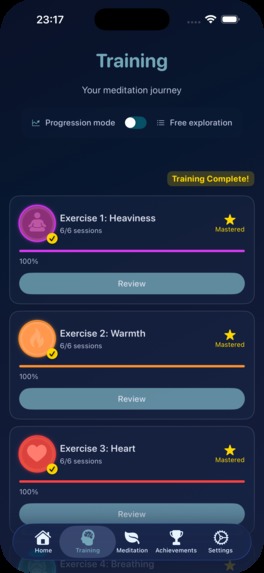
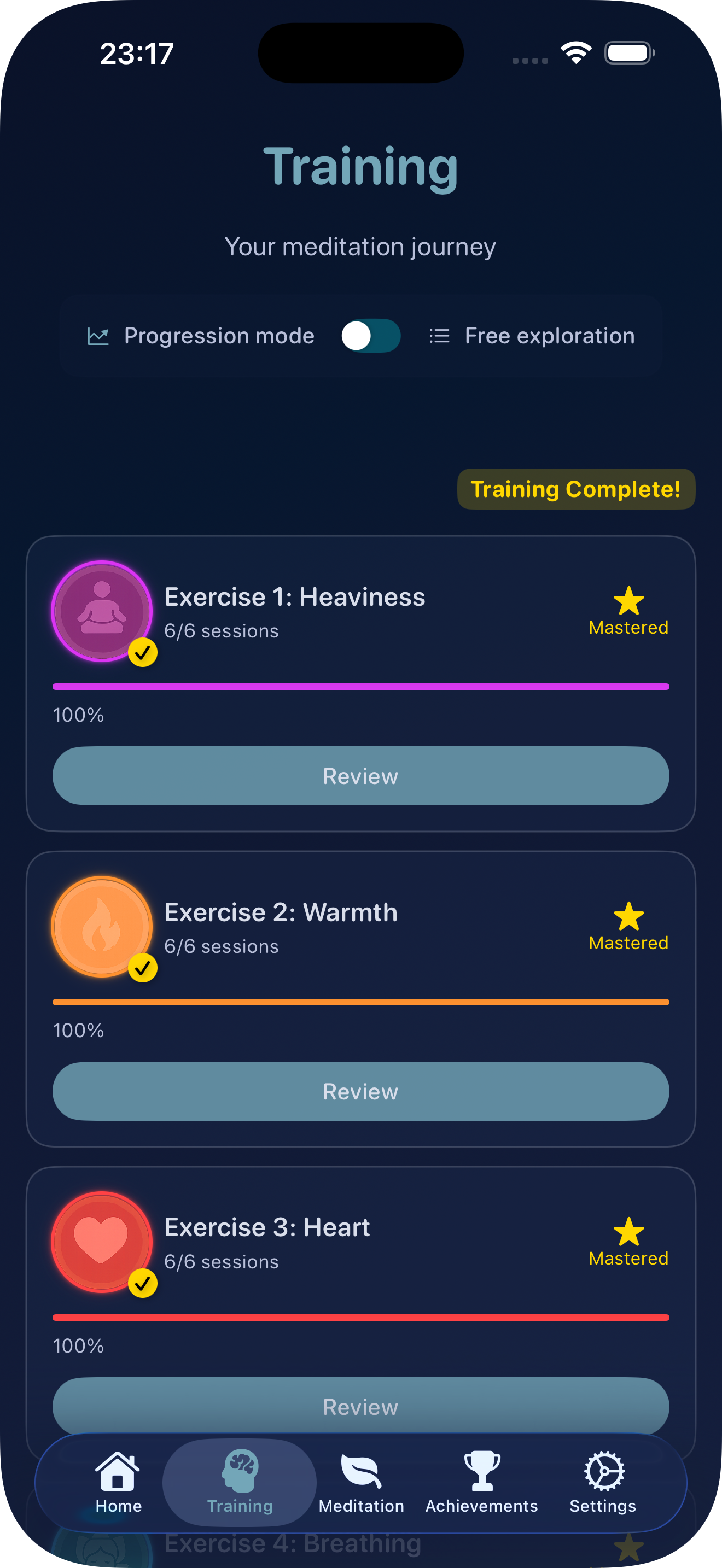
Progression with achievements
-
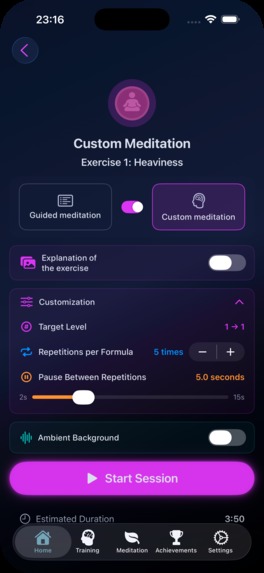
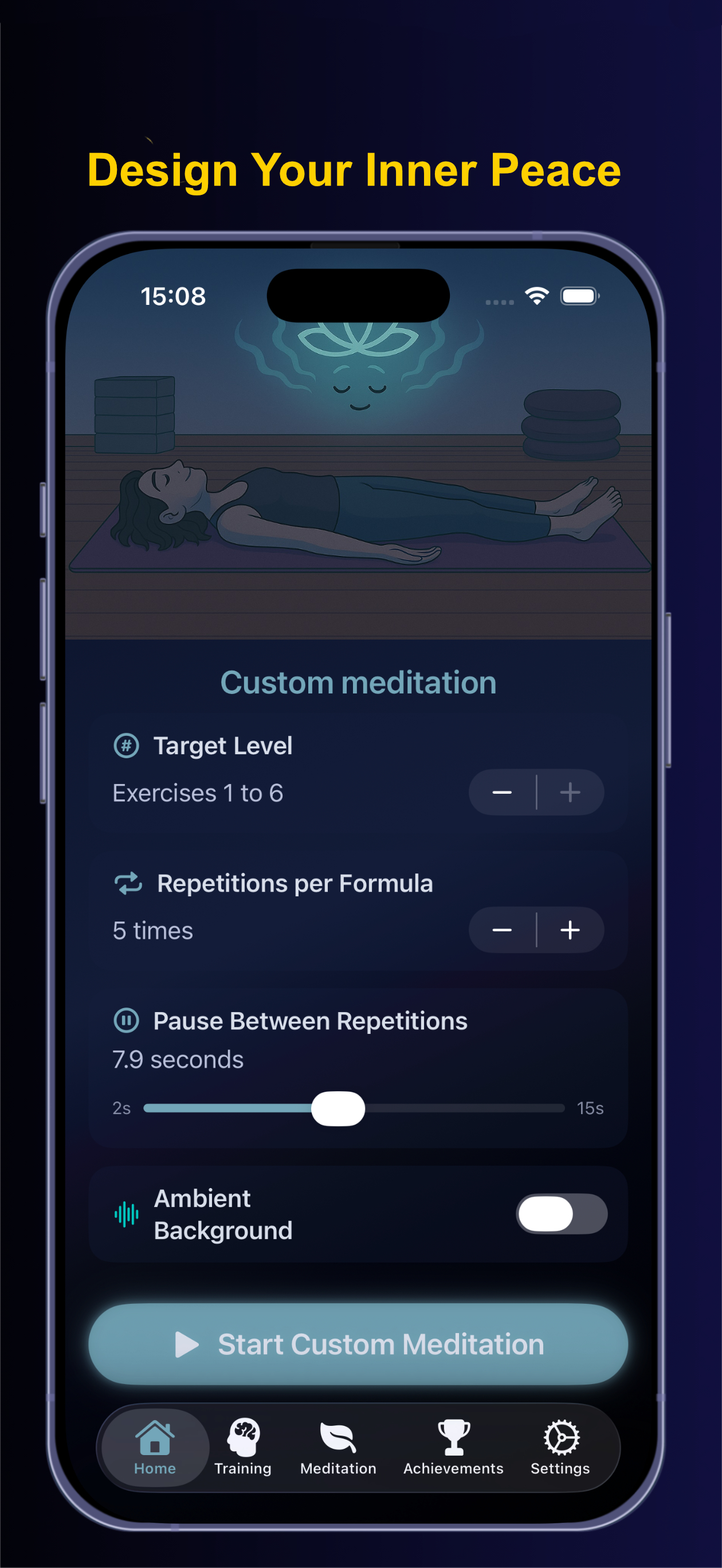
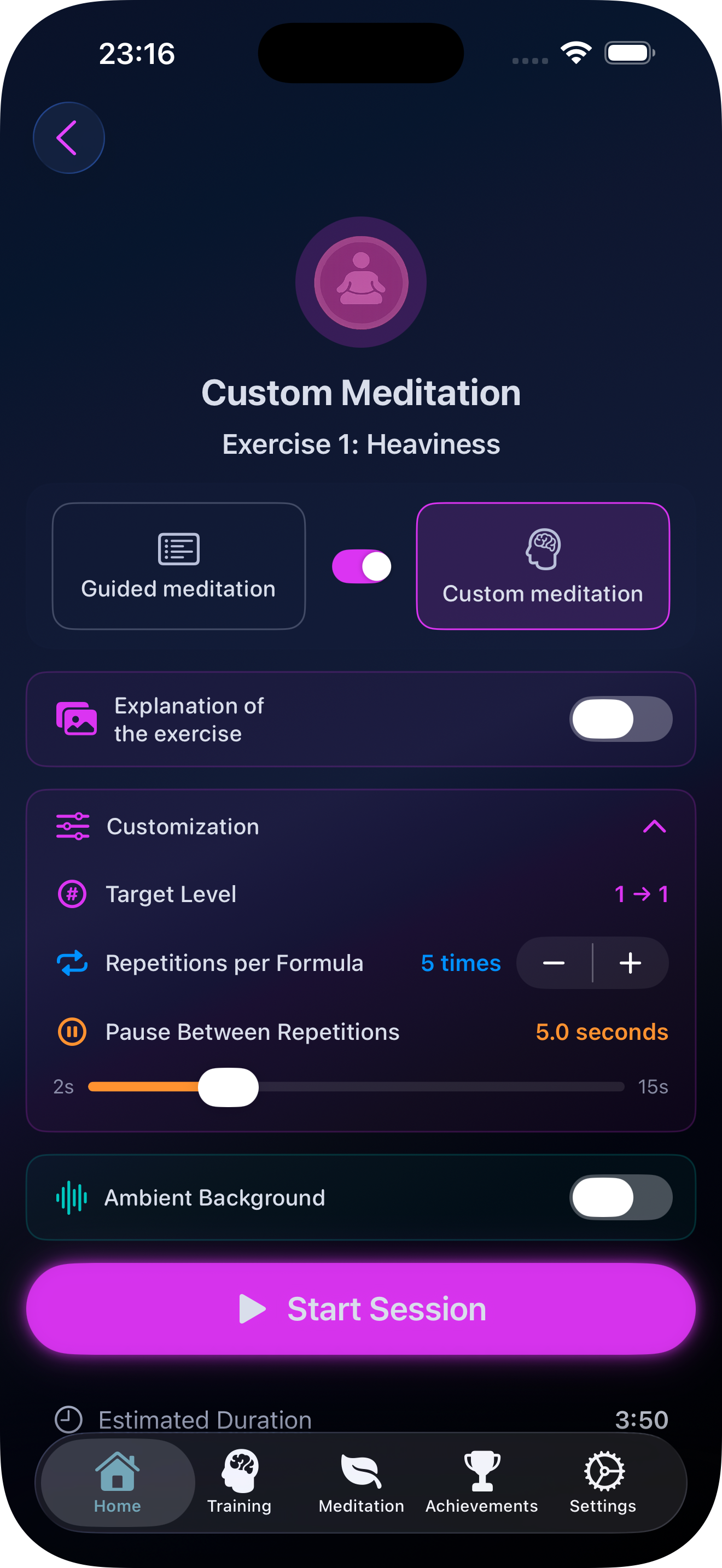
Custom meditation in progression mode
-
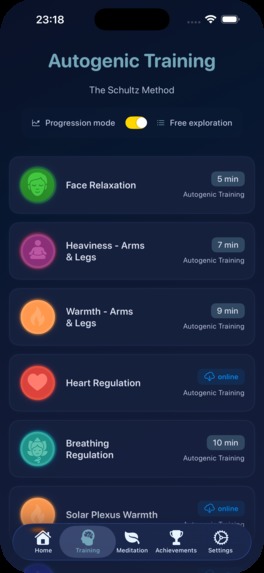
Free exploration mode
-
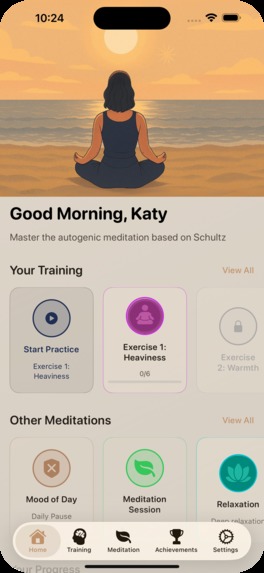
Day mode
-
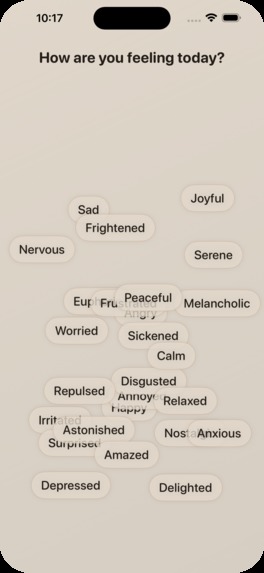
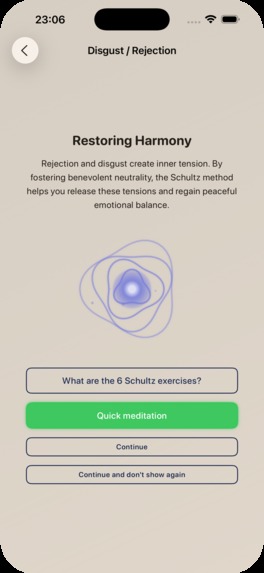
Onboarding view
-
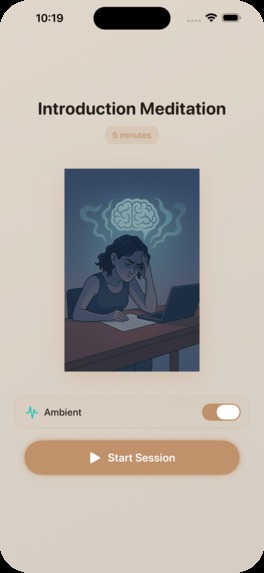
Onboarding - meditation
-
Onboarding - mood
-

icon

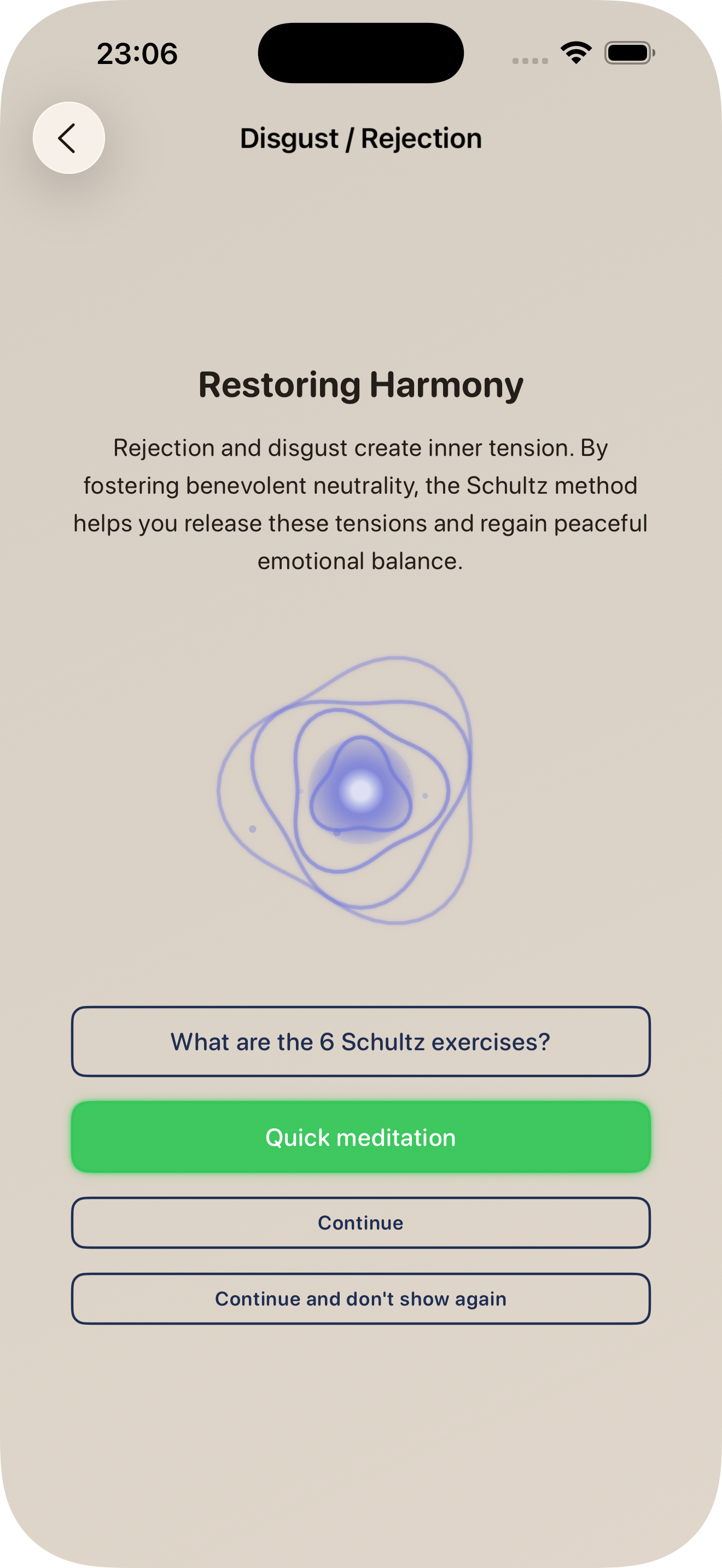

Here's your hackathon submission intro for Autogenia:
Inspiration
During my studies, stress overwhelmed my nights: racing thoughts, fragmented sleep, exhaustion carrying into the next day. That's when I discovered autogenic training through a professor: a scientifically proven relaxation method developed by Dr. Johannes Schultz around 1920. Simple phrases, passive concentration, and a structured progression that teaches the body to self-generate calm through a form of auto-hypnosis: very simple, but one has to do it regularly to see the effect. It transformed my sleep, and I've used it ever since. But I realized there was no dedicated nor recent app in English or French that followed the authentic clinical sequence with proper pacing and safety guidelines.
What it does
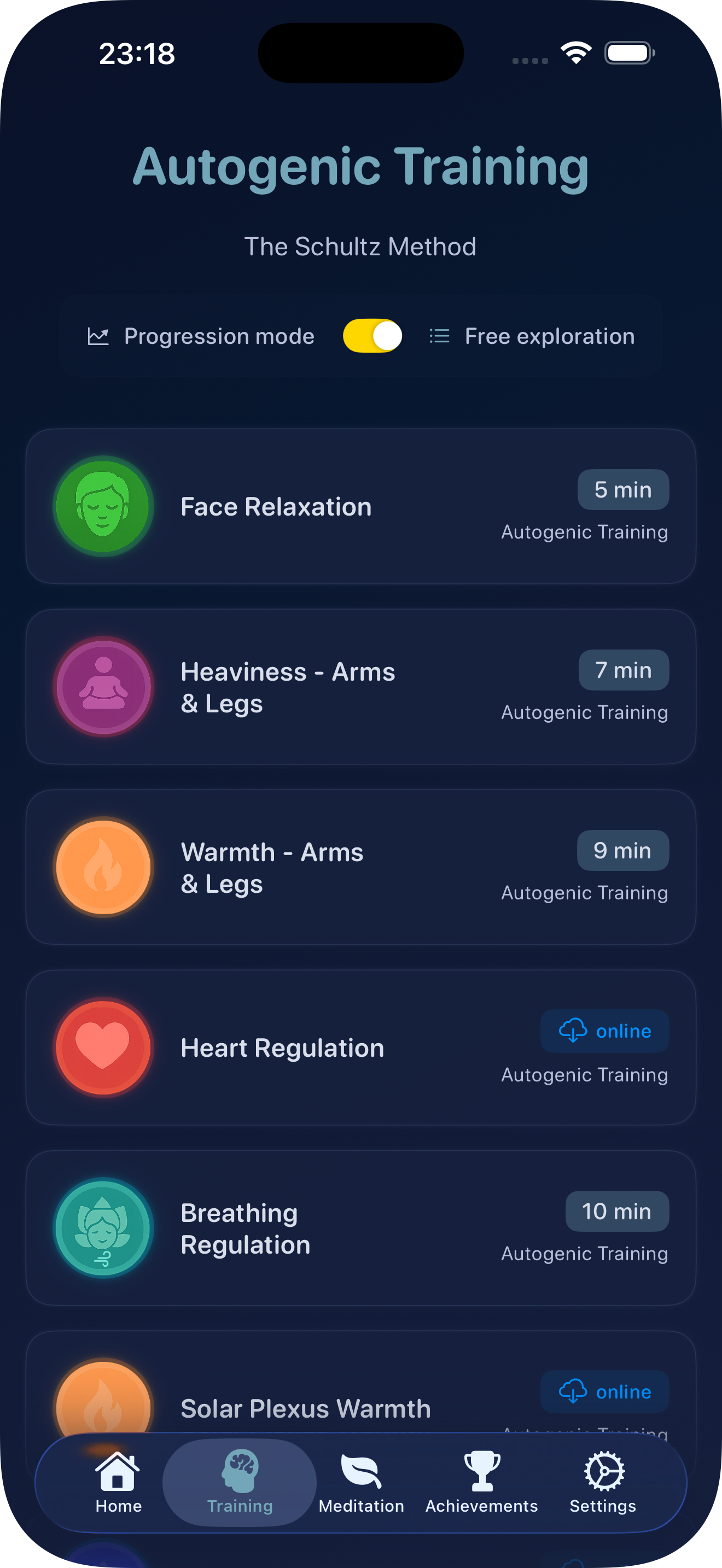
Autogenia teaches you autogenic training step-by-step: six progressive exercises (heaviness, warmth, cardiac regulation, breathing, abdominal warmth, cool forehead). It's designed for people who are either beginning their meditation practice or are more advanced. It's for those who need real, measurable physiological change, not just generic relaxation.
2 modes
- A guided mode, the app explains the principle, guides you through each module with audio sessions, and tracks your progression while respecting the method's core principle: observe, don't control.
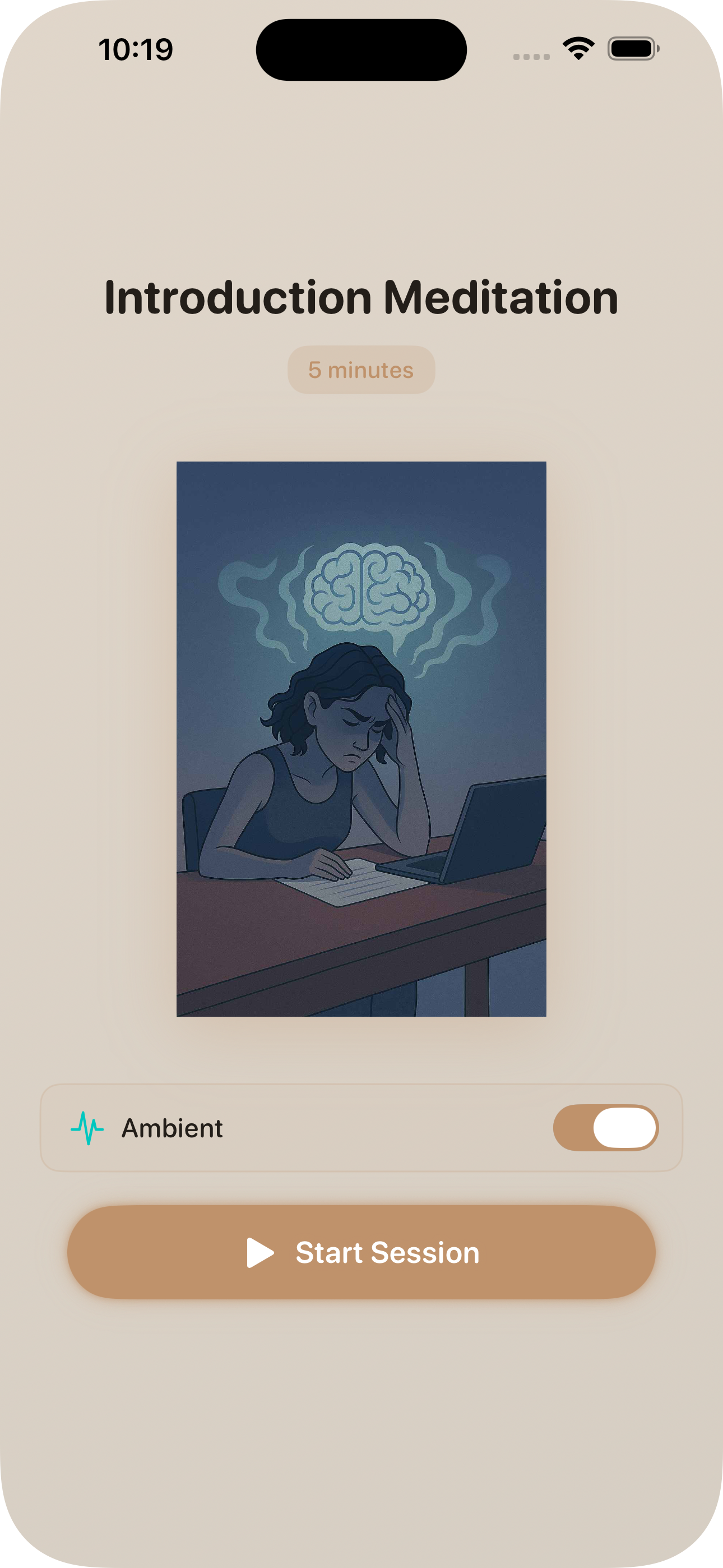
- An algorithm-based custom mode: the app introduces you to a meditation and repeats the formulas to induce a state of relaxation. This mode randomly selects different combinations of sentences and is always different. It is closer to the pure "Schultz" method, but might be a bit tricky for beginners to really feel it. For more advanced users, this mode is more efficient, as they don't want the explanations. In this mode, meditation changes depending on the time of day (night or day), guiding the user toward sleep or a return to active life.
How we built it
It was built using Swift code with Xcode, with the help of Claude/Perplexity, Nano Banana (gemini)/Perplexity and Sora for visuals, Eleven Labs for voice narration and Firebase for tracking user progression and session data. Affinity Photo and Designer were used for the graphics, Reaper and Audacity for audio editing / denoise.
Challenges we ran into
The biggest challenge was finding a balance between a complex progression logic and an authentic pace. Autogenic training cannot be rushed; cardiac regulation only occurs after mastering heaviness and warmth, and some users need several weeks to develop their interoceptive awareness. I had to implement incentive systems that encourage long-term practice without putting pressure on users or gamifying a method that requires patience and consistency. I also needed a mode for more advanced users, which is why I added an algorithm for personalized meditations: each meditation is different every time, as it combines different phrases and formulations that are randomly picked.
Accomplishments that I'm proud of
Better sleep, thanks to this app, is the first success that validates this approach. I used the app to improve the intuitive experience and the way users are drawn into meditation, toward a form of self-hypnosis.
What I learned
I learned to code with Swift and Xcode, database integration and authentication with Firebase to track individual progress, and the on-demand system for storing audio offline. Most importantly, I learned how to strike the right balance between user experience and clinical explanations, maintaining the proven structure of the method while creating engaging and encouraging digital interactions.
What's next for Autogenia
More personalized meditations based on moods, perhaps with different voices, and more targeted meditations: students, young professionals, or people with ADHD or attention disorders.

Log in or sign up for Devpost to join the conversation.