-
-
AutoEcoCharge
Inspiration
AutoEcoCharge was born from a simple observation and a shared ambition. My classmates and I were preparing for a city-sponsored hackathon, eager to create an innovation that could stand out and address a pressing issue. One day, while looking out of our classroom window, we noticed the constant flow of vehicles on a busy bridge that connected two cities in our district. Every night, this bridge would be illuminated for approximately 12 hours, relying on energy generated by hydropower plants—an expensive resource for public lighting.
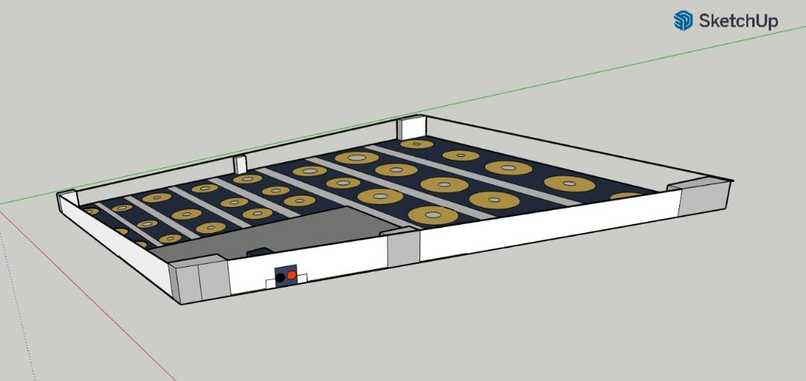
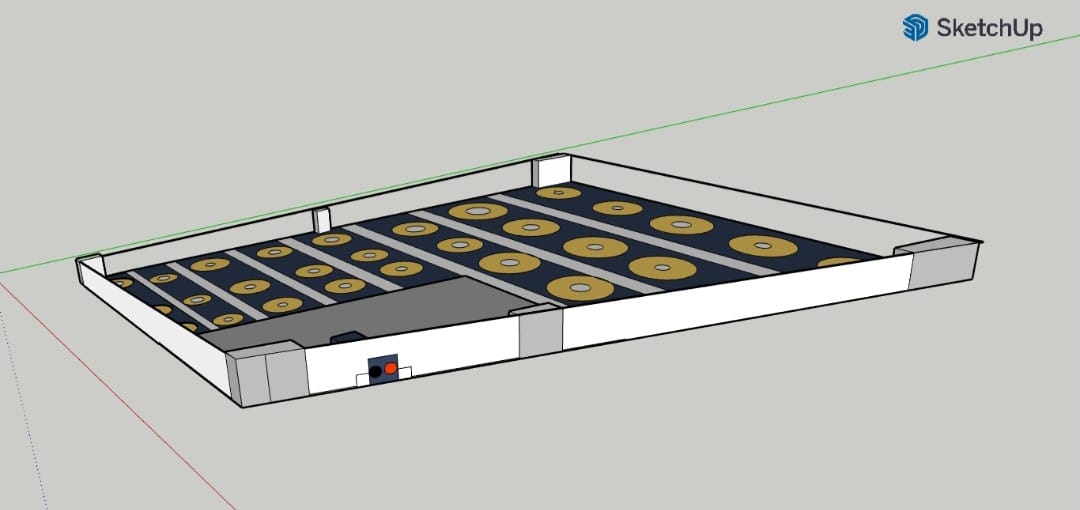
As we observed this scene, it struck us that the kinetic energy produced by these vehicles as they crossed the bridge was being completely wasted. This led us to the idea of capturing that untapped energy and transforming it into electrical power to illuminate the bridge’s streetlights. The solution: AutoEcoCharge, a system of piezoelectric panels installed on roads that harness the kinetic energy from passing vehicles and convert it into sustainable electricity.
Initially, we envisioned this innovation as a way to optimize state resources by reducing public lighting costs, allowing those funds to be redirected to other societal needs. However, as the project evolved, we realized its broader potential. AutoEcoCharge could provide sustainable energy solutions to underserved areas, promote socio-economic development, and find applications in diverse sectors such as parking lots, shopping centers, and residential complexes.
For me, AutoEcoCharge symbolizes innovation and equitable resource distribution. It represents a step toward reducing regional and social inequalities in emerging and developing countries through sustainable technology.
What it does
AutoEcoCharge is a piezoelectric-based energy harvesting system designed to convert mechanical energy from vehicular movement into electrical energy. This electrical energy can then be used to power streetlights and other urban infrastructure, offering a sustainable solution for energy generation in high-traffic areas. Below is a more technical breakdown of how the system works:
- Piezoelectric Energy Harvesting:
Piezoelectric Materials: The system uses piezoelectric sensors (materials that generate electrical charge in response to mechanical stress). These sensors are embedded into the road surface or placed in traffic-prone areas such as highways or bridges.
Mechanical Stress: As vehicles pass over the piezoelectric sensors, the weight of the vehicles applies pressure to the sensors, inducing mechanical stress.
Energy Conversion: The mechanical stress on the piezoelectric materials generates an electrical charge. This is because piezoelectric materials have the property of generating an electric potential when subjected to mechanical deformation, such as pressure or vibrations.
- Power Management System:
Rectifier Circuit: The energy generated by the piezoelectric sensors is typically in the form of alternating current (AC). The system uses a rectifier circuit to convert this AC into direct current (DC), which is suitable for storing and powering devices.
Energy Storage: The converted DC energy is stored in batteries or capacitors, depending on the energy requirements and storage design. These storage systems ensure that the energy can be used when needed, particularly for powering streetlights during the night when vehicle traffic may be minimal.
- Energy Distribution:
Power Grid Integration: The stored energy can be fed into the local electrical grid or directly used to power streetlights, traffic signals, or other public infrastructure.
Smart Grid Integration: In more advanced implementations, the system can be integrated with a smart grid that monitors and controls energy distribution. This allows for optimization of energy use based on real-time traffic conditions and energy demand.
- Sensors and Control System:
Data Collection and Monitoring: The system may include sensors for monitoring traffic volume and the amount of energy being harvested in real-time. This data can be used to optimize the system’s performance and ensure that energy harvesting is maximized during peak traffic times.
IoT Integration: The system can include IoT devices to enable remote monitoring and management. This allows for real-time diagnostics and control of the energy generation and distribution system.
- Scalability and Deployment:
Modular Design: The system can be deployed incrementally, starting with pilot projects in areas with high traffic volumes, and expanding based on the demand and feasibility studies.
Cost Efficiency: The primary benefit of the system is its ability to generate renewable energy at a low cost by leveraging existing traffic infrastructure, reducing the dependency on external electricity sources and helping to offset the energy costs of public lighting.
How we built it
All you need about it you find in the GitHub link available below
https://github.com/DAVI006opaa/Motus-Hack
Challenges we ran into
Creating AutoEcoCharge has been an exciting yet challenging journey, especially because I started with limited resources and little knowledge about key technical areas like machine learning, electronics, and circuit design. As a high school student, I didn’t have access to the tools or funding typically needed to build such a project (I am still a high school student). Sourcing the materials for piezoelectric sensors, circuits, and energy storage systems was particularly tough on a tight budget.
One of the biggest obstacles was the lack of prior knowledge in electrical engineering and how to apply piezoelectric materials. I didn’t know how to properly use piezoelectric pastilles or how to design circuits to convert the kinetic energy from vehicles into usable electrical energy. It was a steep learning curve, especially since I was also trying to figure out how to store that energy effectively and use it for things like street lighting.
The process of converting the energy and managing its flow was also difficult. Understanding how to rectify AC to DC, store it in batteries, and optimize energy output took me a while to get a grasp on. Since I didn’t know much about electronics at the start, I had to rely heavily on online resources like YouTube channels and an MIT course about circuits to help me learn the basics.
Another challenge was figuring out how to integrate smart systems like IoT for monitoring and optimizing energy generation. I knew this would require knowledge in machine learning and data processing, which I wasn’t familiar with at the time. It was tough, but I was determined to make it work.
Even though the journey has been filled with hurdles, I’ve learned a lot along the way. I’ve become more resourceful, taking advantage of every opportunity to learn through online courses, YouTube tutorials, and working with others. Despite not having much experience, the project has pushed me to grow in ways I never expected.
Accomplishments that we're proud of
After creating AutoEcoCharge, our team achieved 3rd place in the city’s hackathon, which led to our project being incubated by the city hall’s startup incubator. This recognition validated our idea and gave us a platform to refine it further.
Despite my limited resources and background, I refused to let challenges define me. Coming from a humble background didn’t stop me from fighting for what I believe in: sustainable energy solutions for socio-economic growth.
This journey hasn’t been easy. With limited knowledge in areas like machine learning and electrical engineering, and the constant pressure of time, we faced numerous obstacles. Yet, through perseverance, self-teaching, and teamwork, we made AutoEcoCharge a reality.
While we are still seeking wider recognition and investment for our project, participating in this hackathon has opened doors for new opportunities. More importantly, it has proven that with determination, innovation, and resilience, any barrier can be overcome.
What's next for AutoEcoCharge
Learning and Improving We’re working hard to learn more about how to make our technology better and stronger. We’re using online courses and connecting with experts to improve our project step by step.
Testing in Real Life Our next goal is to create a better version of our system and test it on busy roads. This will help us see how much energy we can produce and how well it works in real conditions.
Finding Support To grow our project, we’re looking for funding, partnerships, and support from local governments, energy companies, and organizations. With their help, we can turn our idea into a big success.
Helping Communities Beyond saving money on public lighting, we want to bring light to areas that don’t have it. This can make communities safer, support education, and improve daily life.
Reaching More Cities Once we prove our system works well, we want to share it with other cities to help more people and make the world greener.
Inspiring Others We hope AutoEcoCharge shows others that big ideas can come from anyone, no matter their background. We want to inspire people to believe in themselves and work to solve problems in their own communities.
Built With
- c/c++
- comsol
- energy
- firebase
- github
- google-cloud
- google-maps
- matlab
- microcontrollers
- mongodb
- openweathermap
- piezoelectric-sensors
- python
- raspberry-pi
- solidworks
- sqlite
- storage
- tensorflow/scikit-learn
- tinkercad


Log in or sign up for Devpost to join the conversation.