-
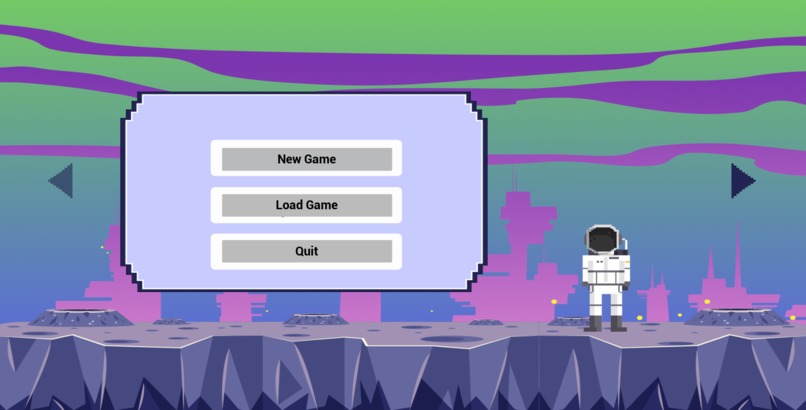
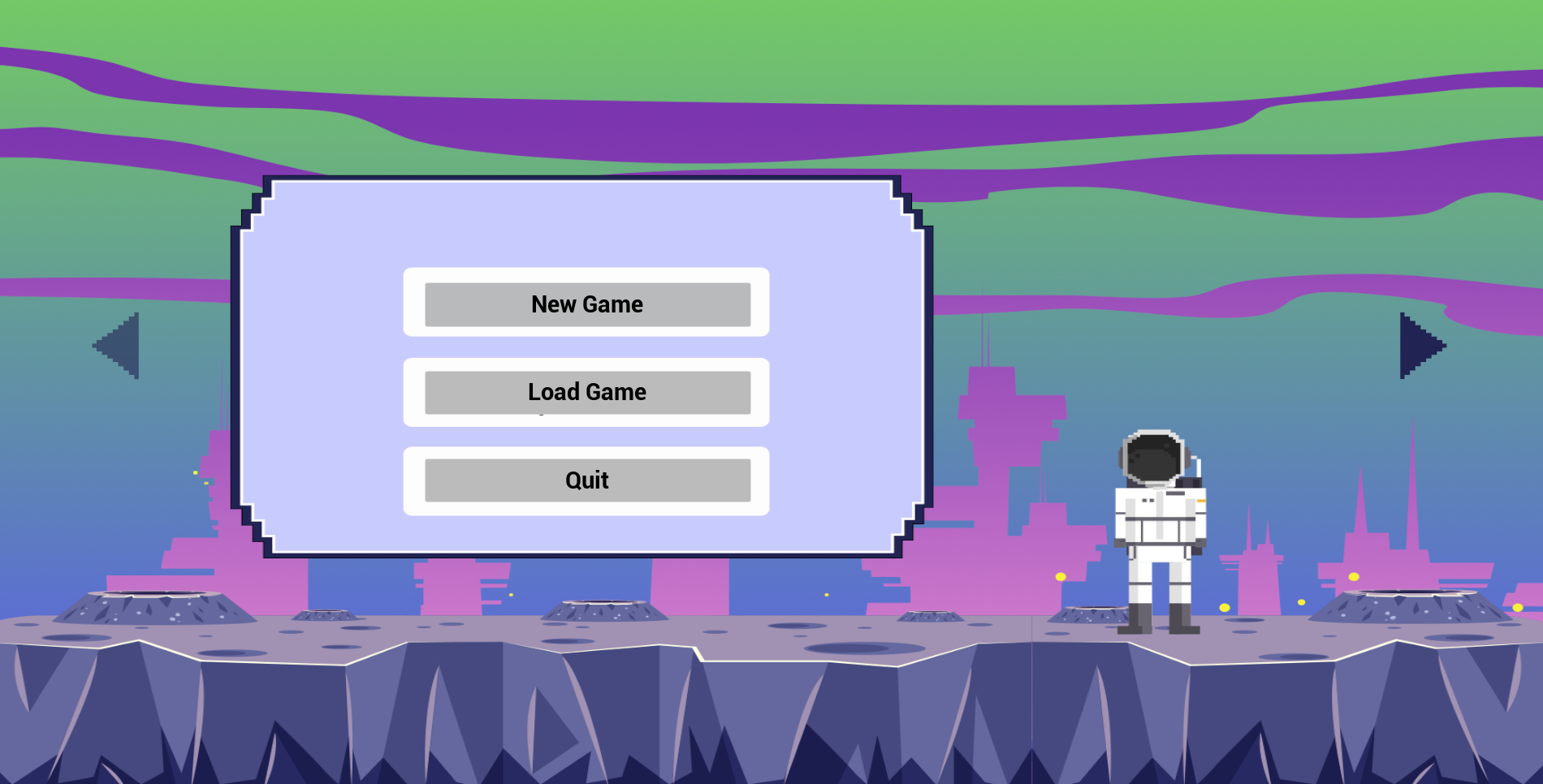
Main Menu
-
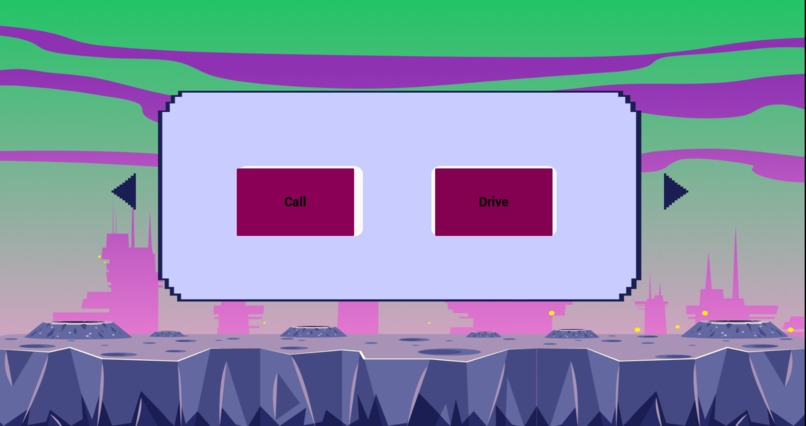
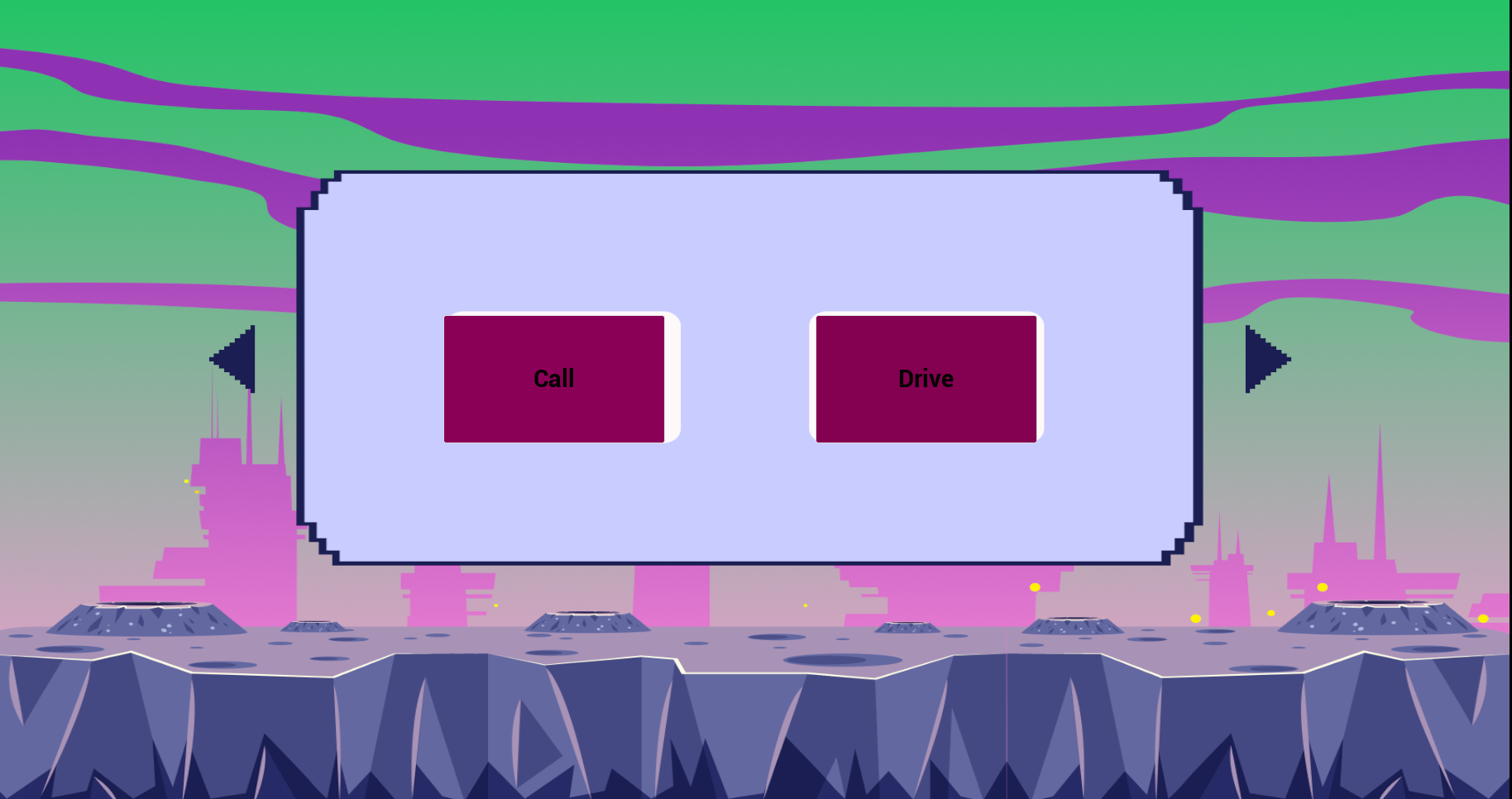
Choice of Order type given to user
-
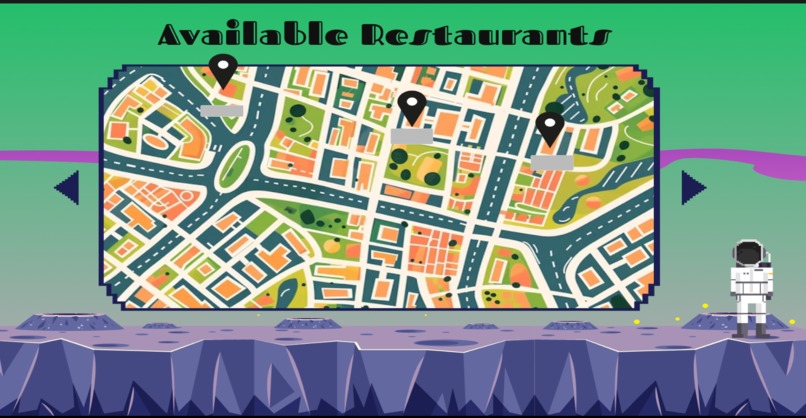
List of Available restaurants shown on a map
-
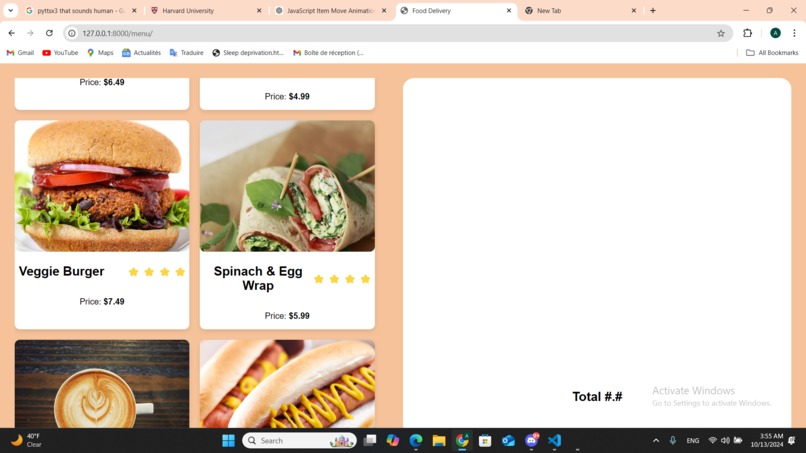
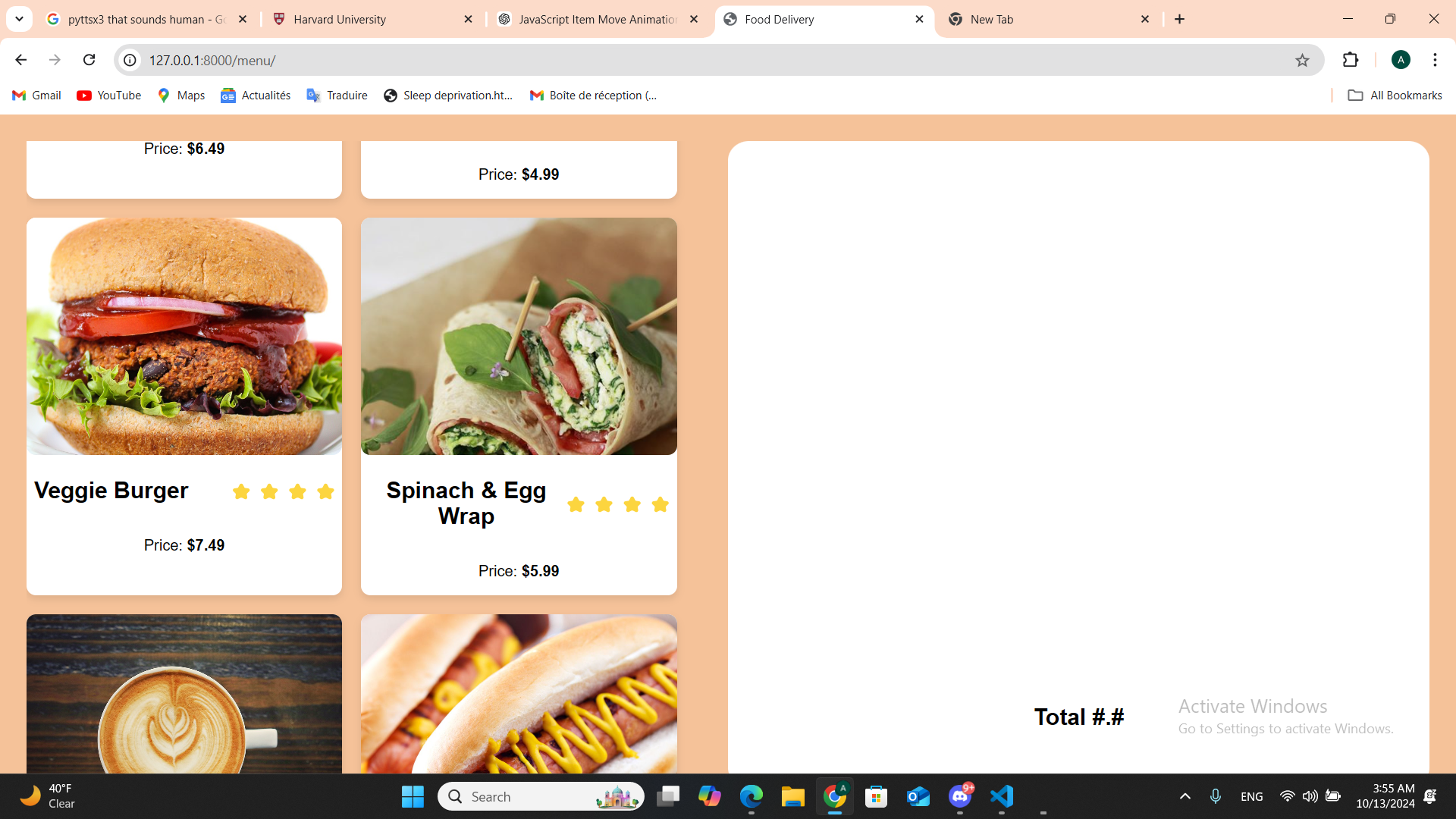
Dashboard before order
-
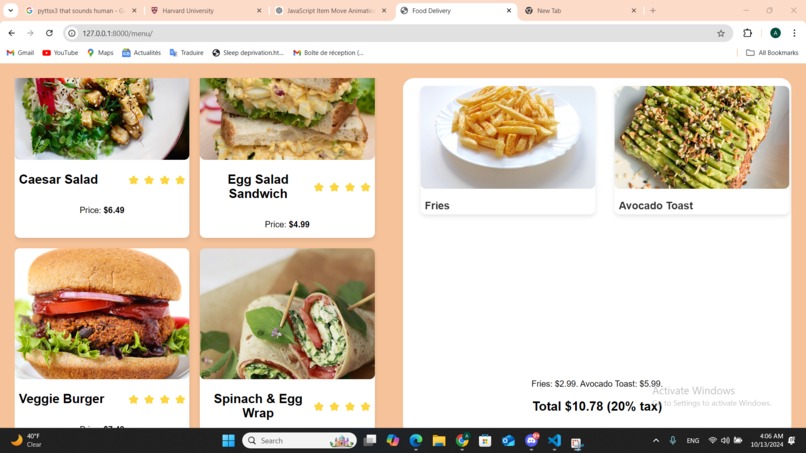
Dashboard after order
-
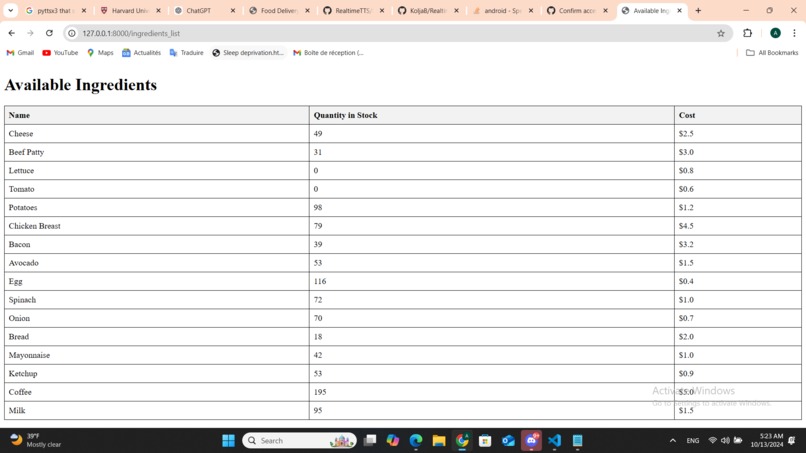
Database



See our pitch for the app here: Pitch!
💡 Inspiration
Imagine you're heading home after a long, exhausting day. You’re hungry, craving something quick and easy. A fast food drive-thru sounds perfect. You pull up, but the speaker crackles. The employee struggles to hear your order over the noise of traffic and the sound of the fryer. You repeat yourself, growing more frustrated. When you finally pull around to the window, you find the order is wrong—again. What should’ve been a quick and convenient stop becomes an experience full of delays and confusion.
This isn't just an occasional hiccup; it’s a systemic issue fast-food chains face every day. McDonald's recently tried automating their drive-thru system with IBM to tackle this, but the results were far from perfect. The very technology that was supposed to speed things up became a roadblock. So, when we heard about the partnership falling apart, we knew there was an opportunity to do better—to reimagine the entire experience.
And that’s how Autodine was born.
We didn’t want to simply fix the problem. We wanted to elevate the drive-thru experience into something truly futuristic, part of a bigger vision for the smart cities of tomorrow. Picture this: a world where ordering at a drive-thru is not just efficient, but seamless and even enjoyable. No more misheard orders, no more repeating yourself over a crackling speaker. Instead, you enter a digital space where you can see your order in real-time, communicated clearly and accurately. Whether it’s background noise, heavy traffic, or the busiest lunch rush, Autodine handles it all with ease.
Our goal is simple but powerful: to rebuild trust in fast food service by tackling the inefficiencies that frustrate customers and hurt businesses. Through Autodine, we're offering a smarter, more reliable way to handle orders that enhances the customer experience while reducing operational stress for the chains.
❓ What it does
Welcome to the future—a future where cities are smarter, services are seamless, and technology helps us, not hinders us. Imagine stepping into a world where everything just works, where you no longer have to worry about miscommunication, long waits, or order mix-ups at a drive-thru. This is the world Autodine offers—a glimpse into the smart cities of tomorrow, where ordering food is as effortless as it should be.
At Autodine, we bring you into our vision of a smart city. Using the latest cutting-edge technology, including Unreal Engine 5 for immersive visualizations, we allow you to see what ordering food in the future will look like. Gone are the days of shouting your order through a crackling speaker. Instead, you enter a sleek, virtual space where you interact directly with our smart systems and drive-thru agents in real time, viewing your order with clarity.
Our app isn’t just about making orders easier—it’s about bringing you into the future of urban living. Through Auto Dine, you experience how automated systems will transform smart cities, making services faster, smoother, and more reliable. We’re not just offering a solution to current problems—we’re painting a picture of how technology will work for us in tomorrow’s cities.
🛠️ How we built it
At its core, our solution has three critical components, working together seamlessly:
AI-Powered Large Language Model (LLM)
We designed an almost real-time system where text-to-speech conversion allows drivers to place their orders naturally and quickly. Using clever prompts and API calls to OpenAI and the restaurant’s web server, the system processes each order with precision, ensuring that there’s no room for error. It creates a fluid interaction between the customer and the ordering system, making communication fast and effective.Web Server Built on Django
To manage the restaurant's operations, we built a robust Django-based web server, modeling a database that reflects real-time restaurant activity. This server handles everything from creating orders to updating the database with incoming information, providing a structured backbone for AutoDine. It’s the beating heart of the system, ensuring that everything runs smoothly behind the scenes.Dynamic Front-End Dashboard
The customer-facing side is a beautiful, interactive dashboard that reflects real-time updates from the web server. Using Server-Sent Events (SSE), the web server continuously feeds the front end with the latest status of orders, so customers always know what’s happening with their food. It’s an interface designed for clarity and simplicity, making sure users have a seamless and engaging experience.
Each of these components plays a vital role in delivering a futuristic solution to an age-old problem—improving the drive-thru experience. But AutoDine goes beyond just food orders: it demonstrates the power of automation, AI, and real-time systems to shape the smart cities of tomorrow.
Autodine isn’t just solving today’s problems—it’s paving the way for a smarter, more connected future.
🧗♂️ Challenges we ran into
1) Getting the real-time text to speech was challenging because we were trying to achieve the most human-like conversation possible, so figuring out when to stop recording and process the audio asynchronously was challenging. We were fortunate enough to find the RealtimeSTT library that uses different techniques to achieve almost real-time speech-to-text.
2) Having both a speech-to-text and text-to-speech operating simultaneously, which both access the operating system and interfere destructively sometimes.
3) The prompt engineering turned out to be a little harder than expected. We used an LLM to parse the user input into a particular format and also interact with the web server, but it wouldn't always follow the format. So we had to chain prompts and insert system messages in-between user messages.
🏆 Accomplishments that we're proud of
We are proud of our execution speed. We came up with this idea, then checked the internet to see whether people had done it before, and apparently McDonald and IBM failed at it. But the uncertainty of whether it would even work didn't stop us from trying, and in two days, voilà.
We are proud of the scalability of our system; for example, we could use it at hospital. Why? Our product is NOT an LLM, i.e., a text generator (though it is crucial for parsing information). Our product is a system that can interact with people and push updates to other services. So we can imagine a device in a consultation room that listens to diagnoses and conversations, or even a video camera that watches people and regularly updates information of interest.
📚 What we learned
We learned that though accredited professionals may take months to develop products and fail sometimes, it doesn't mean that a group of students that don't even know each other are guaranteed to fail. Is that not AWESOME?!
🚀 What's next for Autodine
User Feedback and Iteration:
- Collect feedback from initial users to identify pain points and areas for improvement.
- Iterate on the app's design and functionality based on user insights to enhance user experience.
Expand Use Cases:
- Explore additional industries beyond fast food, such as healthcare, retail, and hospitality.
- Develop tailored features for each industry to meet specific needs and challenges.
Integration with More Services:
- Integrate with various payment systems and loyalty programs to streamline transactions.
- Consider partnerships with major food delivery platforms to expand reach.
Enhancing AI Capabilities:
- Improve the large language model (LLM) for better natural language understanding and response generation.
- Implement machine learning algorithms to predict user preferences and personalize the ordering experience.
Mobile App Development:
- Create a dedicated mobile app to enhance accessibility and user engagement.
- Incorporate features like geolocation to guide users to the nearest participating locations.
Marketing and Awareness:
- Launch targeted marketing campaigns to raise awareness about Autodine’s benefits and features.
- Engage in community outreach to demonstrate the app’s capabilities at local events or food festivals.
Partnerships and Collaborations:
- Seek partnerships with restaurants and fast-food chains to pilot Autodine in real-world environments.
- Collaborate with tech companies to leverage advanced technologies, such as computer vision for order verification.
Focus on Data Security and Privacy:
- Ensure robust security measures are in place to protect user data and comply with privacy regulations.
- Educate users about data security features to build trust.
Scalability Enhancements:
- Optimize the backend infrastructure to support increased user load and data processing as the app scales.
- Plan for geographical expansion, targeting regions with high drive-thru usage.
Long-Term Vision:
- Continue exploring the intersection of automation and customer service to innovate beyond the initial concept.
- Envision Autodine as part of a broader smart city ecosystem, contributing to seamless urban living.

Log in or sign up for Devpost to join the conversation.