
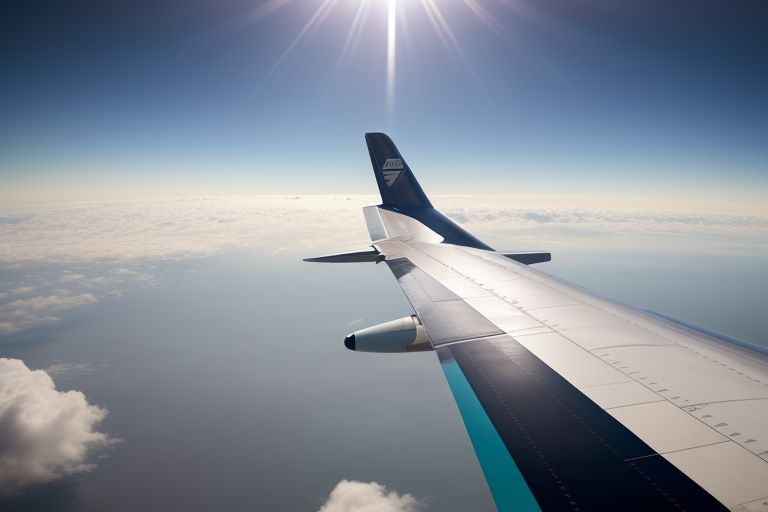
Inspiration
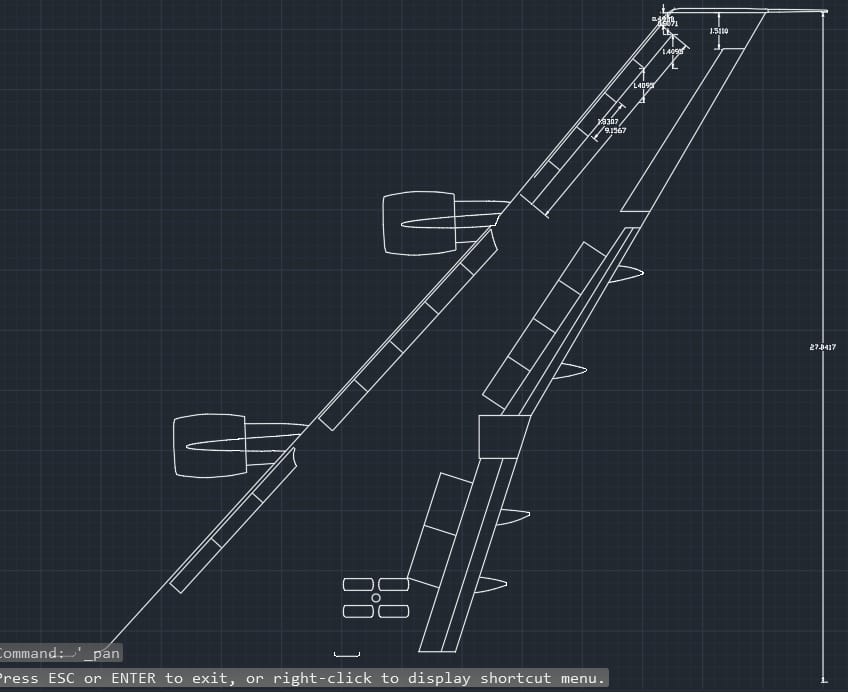
The inspiration for the AutoCAD Airwing project came from the desire to thoroughly examine the Boeing 747-300 model and create a precise AutoCAD drawing based on its dimensions from DWG models. The project aimed to delve into the intricacies of airplane design, with a focus on the wings and their components.
What it does
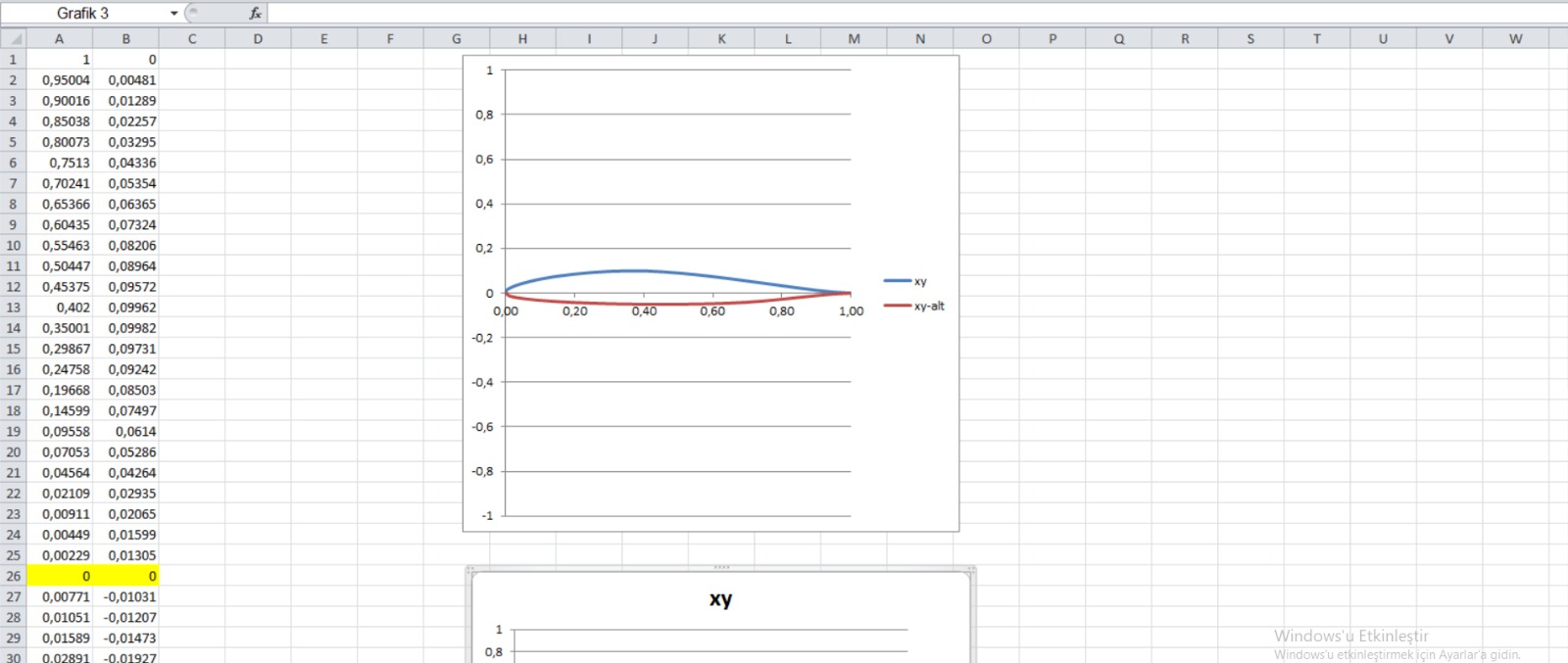
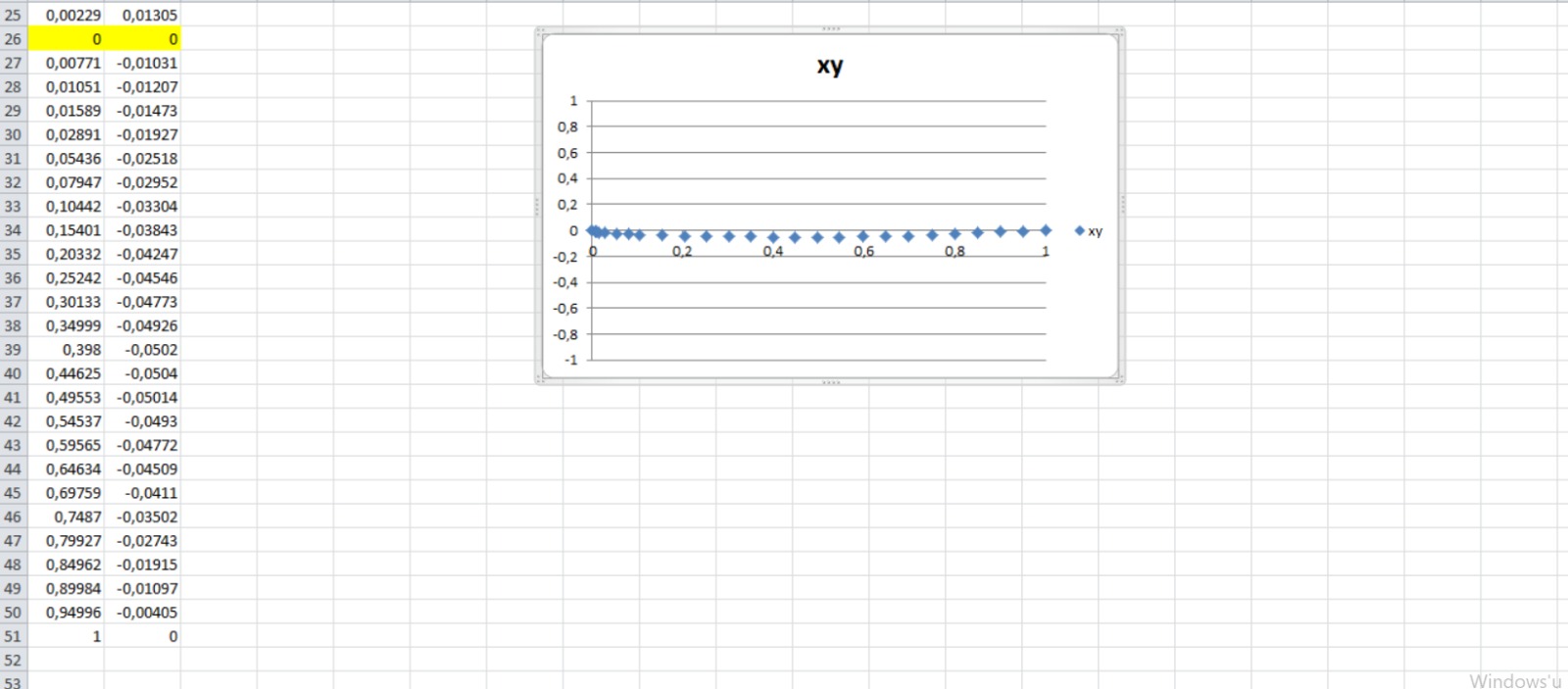
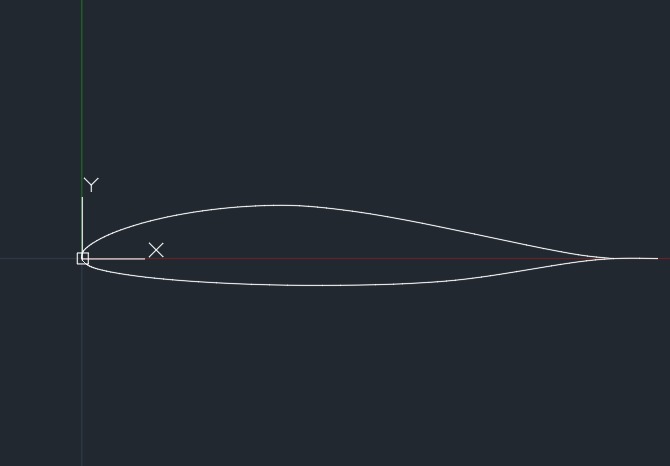
The project involves the examination of the Boeing 747-300 model and the creation of an AutoCAD drawing. The study content covers fundamental aspects of airplanes, including propulsion methods, wing structures, and how aircraft engines and wings contribute to flight. The AutoCAD drawing process includes verification using an Excel chart to validate the generated profile using NACA codes.
How I built it
The project was built through a systematic approach. Initial faulty AutoCAD drawings were addressed by creating a corrected version based on the original dimensions obtained from DWG models. Weekly meetings were held for collaboration, progress discussions, and report preparation. External sources, such as Wikipedia and airfoil tools, were referenced for additional information.
Challenges I ran into
The project faced challenges with initially faulty AutoCAD drawings. These challenges required careful correction to ensure accuracy in the final AutoCAD drawing. Additionally, the verification process using NACA codes presented its own set of challenges, which were addressed through the creation of an Excel chart for validation.
Accomplishments that I'm proud of
One significant accomplishment is the successful correction of the AutoCAD drawing, ensuring that it accurately reflects the original dimensions of the Boeing 747-300 model. The creation of an Excel chart for validation demonstrates a commitment to precision in the study. Regular weekly meetings for collaboration and progress updates also contribute to the project's success.
What I learned
The project provided valuable insights into the complexities of airplane design, specifically focusing on the Boeing 747-300 model. The correction of faulty AutoCAD drawings enhanced proficiency in using AutoCAD for accurate representations. The verification process using NACA codes and Excel further expanded understanding and skills in aerodynamics.
What's next for autocad airwing project
Moving forward, the AutoCAD Airwing project could explore additional aspects of airplane design, possibly extending the study to other aircraft models. Further refinement of the AutoCAD drawing process and exploring advanced features or tools within AutoCAD could be considered. Continued collaboration and regular meetings may contribute to the ongoing improvement and expansion of the project.
Project Overview:
Objective: Examination of the Boeing 747-300 model, creating an AutoCAD drawing based on its dimensions from DWG models.
Collaboration: Weekly meetings were conducted to discuss progress and prepare reports. AutoCAD Drawing:
Source: Drawing obtained from DWG models initially.
Issues: Initially, there were faulty AutoCAD drawings. Correction: A corrected AutoCAD drawing was created based on the original dimensions.
Study Content:
Introduction: Overview of airplanes, including their propulsion methods (jet engine, propeller, or rocket engine) and the main components (wings, tail, flight controls, engine, and propeller).
Wings: Explanation of wing components such as airfoil, leading edge, trailing edge, and other features. Discussion of wing profiles, including convex, concave, and symmetrical profiles. Wing Structures: Description of single spar wings (monospar) and multi-spar wings (multispar), divided into three parts: Wing Box (Box Beam).
How it Works:
Propulsion: Aircraft engines start the rotation of propellers, generating forward motion. The shape of the propellers and the pressure difference created during rotation contribute to the aircraft's movement.
Lift: As the aircraft moves forward, the wings create a pressure difference, resulting in a net upward force that lifts the plane. AutoCAD Drawing Process:
Verification: A chart in Excel was created to validate the profile generated using NACA codes.
References:
External sources were used for additional information, including Wikipedia, a source about airplanes, and a resource on airfoil tools.
Additional Information:
Notes: Ensure clarity and consistency in the presentation of the study's content. Include specific details about the AutoCAD drawing process, challenges faced, and lessons learned. Feel free to provide more specific questions or areas you would like further clarification or assistance with!
Built With
- airfoil
- autocad
- naca
- nasa
- spline


Log in or sign up for Devpost to join the conversation.