-
-
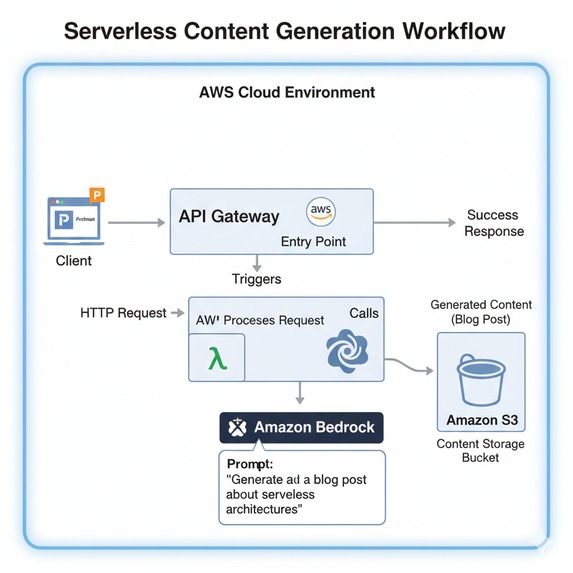
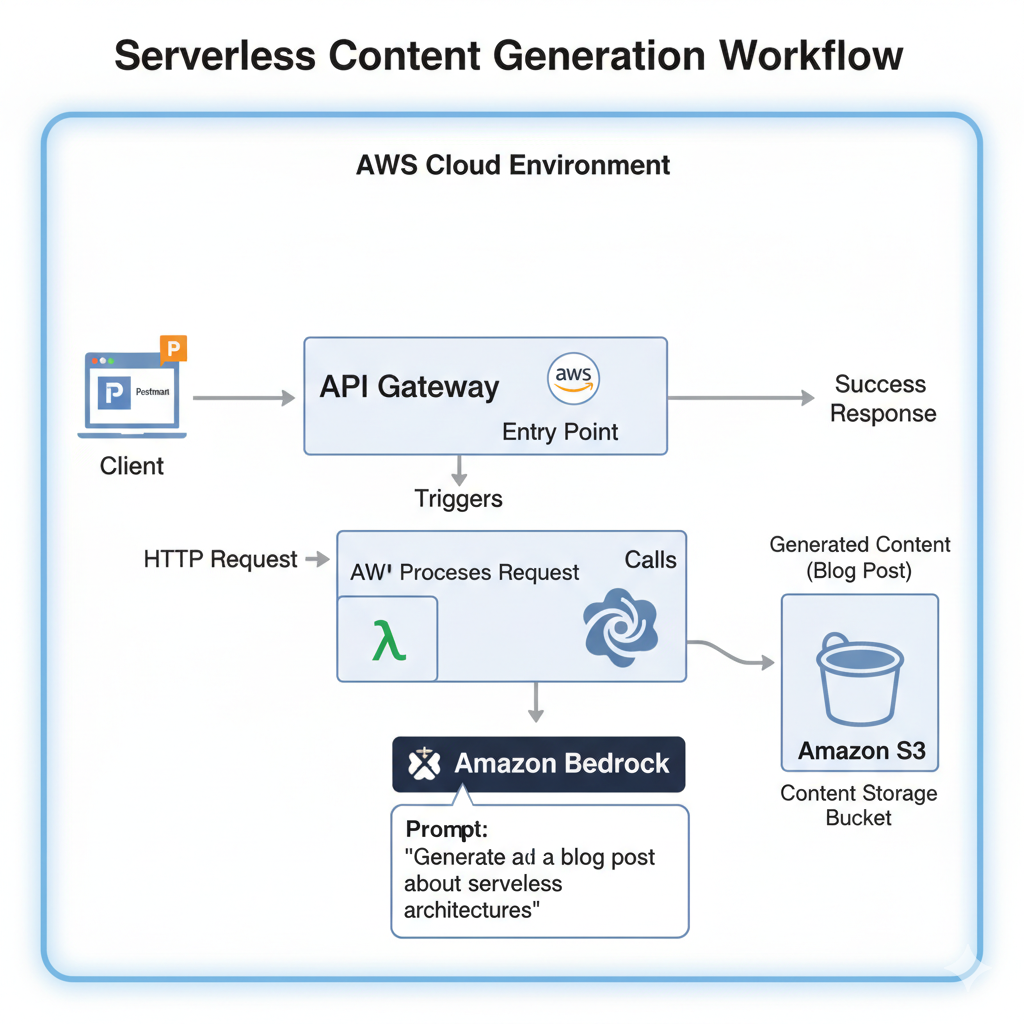
Architecture of the Project.
Inspiration
What it does
How we built it
Challenges we ran into
Accomplishments that we're proud of
The Spark: From Content Treadmill to AI Co-Pilot The inspiration for this project wasn't a single flash of brilliance, but rather a slow burn of frustration. As a developer and occasional content creator, I was all too familiar with the "content treadmill." The constant pressure to publish high-quality, relevant blog posts to engage an audience and improve SEO is relentless. It's a battle fought on two fronts: time and creativity.
Traditional content creation is slow. Brainstorming, outlining, drafting, editing, and optimizing can take days. When powerful Large Language Models like Llama 3 became more accessible, I saw everyone building simple "text generators." You'd input a title and get a generic, often soulless, article back. This felt like a missed opportunity.
The true potential wasn't in replacing the writer, but in building an intelligent co-pilot. What if a tool could handle the grunt work—the structure, the initial draft, the SEO boilerplate—freeing up the human creator to focus on what they do best: adding unique insights, personal stories, and a genuine voice? That was the idea that sparked this project.
How We Built It: A Multi-Stage Architecture This project is more than a single prompt to an API. It’s a structured workflow designed to mirror the process of a professional writer.
The Frontend: We started with a clean, minimalist user interface built with React and styled using Tailwind CSS. The goal was to make a complex process feel intuitive. The user is guided through a step-by-step journey, from defining their topic to generating the final piece.
The Backend: A Node.js server with Express acts as the brain of the operation. It manages user requests and communicates with the Llama 3 API. This intermediary is crucial for implementing our core logic.
The Core Logic (Prompt Chaining): The real magic is in the "prompt chaining" workflow. Instead of one massive, generic prompt, we make a series of targeted API calls:
Stage 1: Ideation & Outlining: The user provides a topic, target audience, and desired tone. Our backend sends a carefully engineered prompt to Llama 3 asking it to act as a senior blog editor and generate a detailed, SEO-friendly outline.
Stage 2: Sectional Drafting: Instead of generating the whole article at once, the user generates it section by section. For each section, our backend sends a new prompt that includes the entire outline for context plus the specific heading to be written. This keeps the AI focused and ensures the article is coherent.
Stage 3: Optimization: Finally, we have specialized prompts for generating multiple title options, meta descriptions, and identifying relevant LSI keywords.
What We Learned: Key Takeaways and Revelations This journey was an incredible learning experience, extending far beyond just coding.
Prompting is an Art and a Science: The quality of the output is directly proportional to the quality of the input. We learned that a well-crafted prompt that assigns a role, defines an audience, provides context, and sets clear constraints is the difference between a masterpiece and a mess.
The "Human-in-the-Loop" is Irreplaceable: The best results came when the AI provided the foundation and a human provided the finishing touches. The tool is a force multiplier, not a replacement.
What we learned
What's next for Blog_Generation_Using_llama3
Built With
- and
- ec2
- here's-a-concise
- okay
- s3-for-storage
- single-line-summary-of-the-core-tools-and-tech-used-in-the-blog-generation-project-(api-gateway-version):-python-(boto3)-on-aws-lambda
- ssm-for-ami-lookup
- triggered-by-api-gateway
- using-bedrock-(llama-3)-for-generation


Log in or sign up for Devpost to join the conversation.