-
-
-
-
-
-
-
-
cline
Aurora
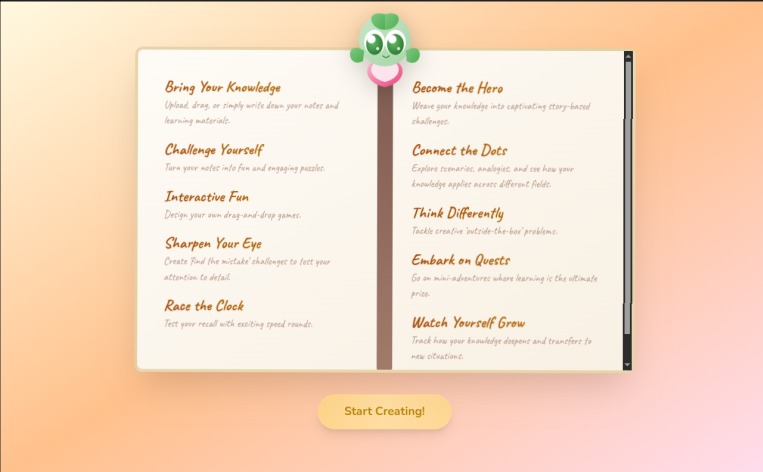
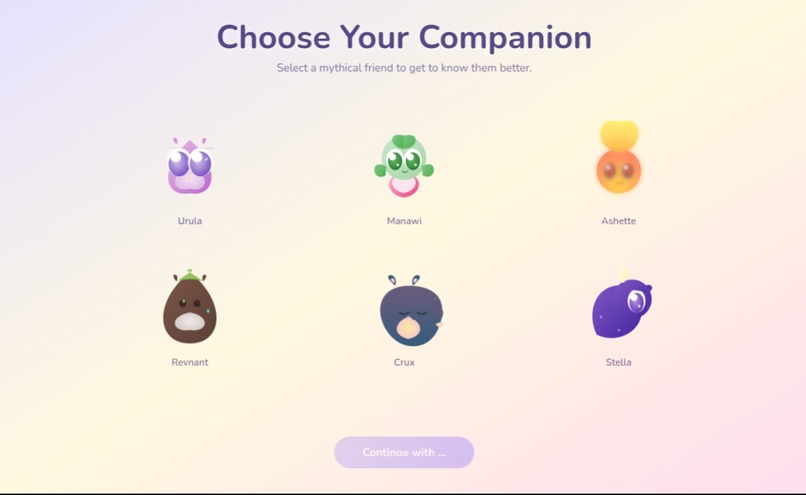
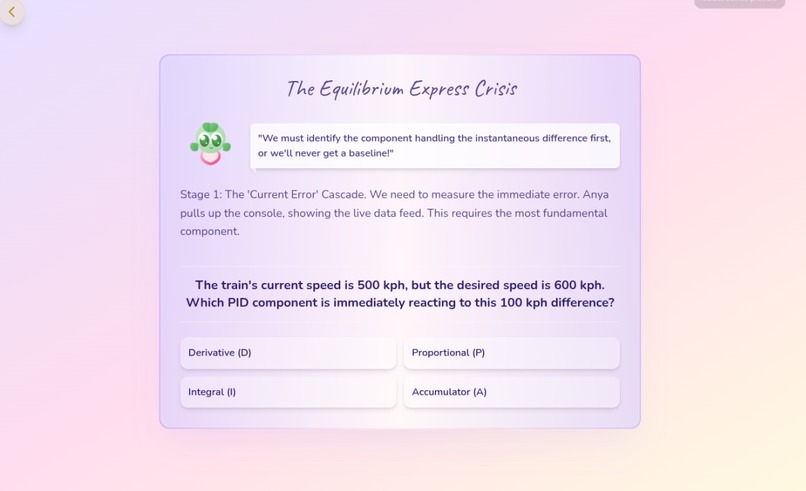
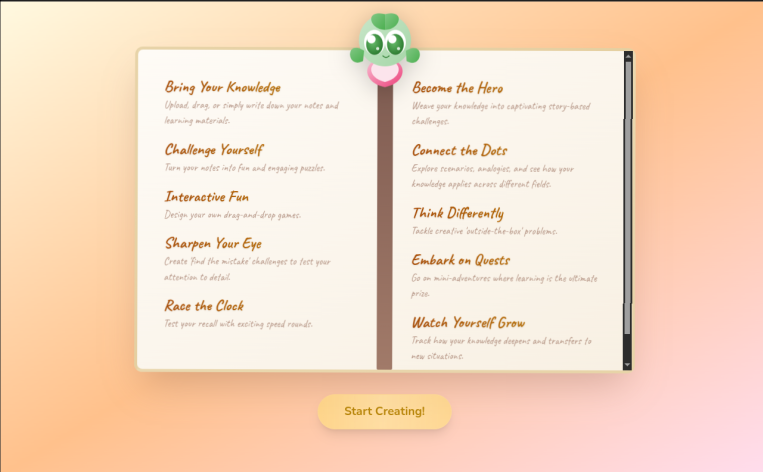
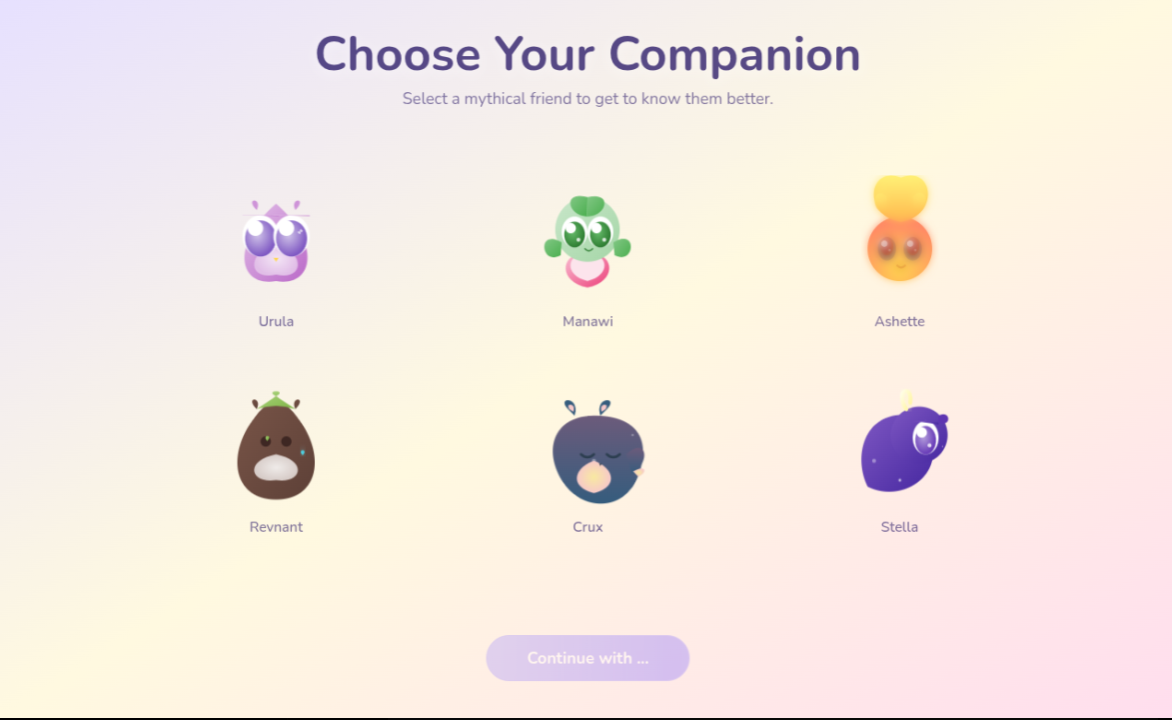
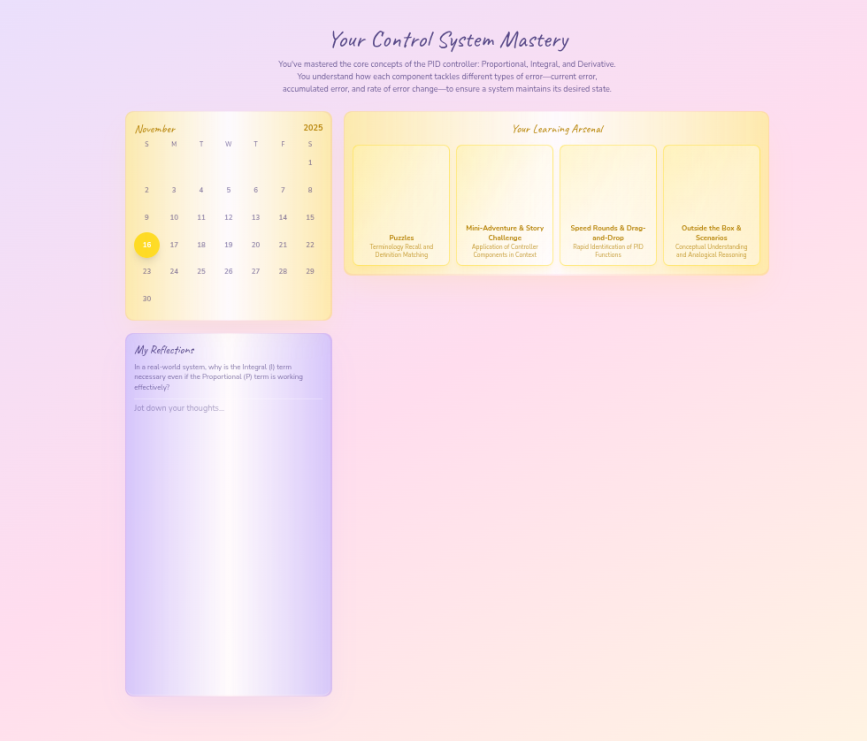
Aurora is an interactive web application that transforms static notes and study materials into a variety of engaging, AI-generated games and challenges. It combats study fatigue by pairing learners with a charming, animated companion, making the process of reviewing and mastering material feel like a personalized adventure.
What does it do?
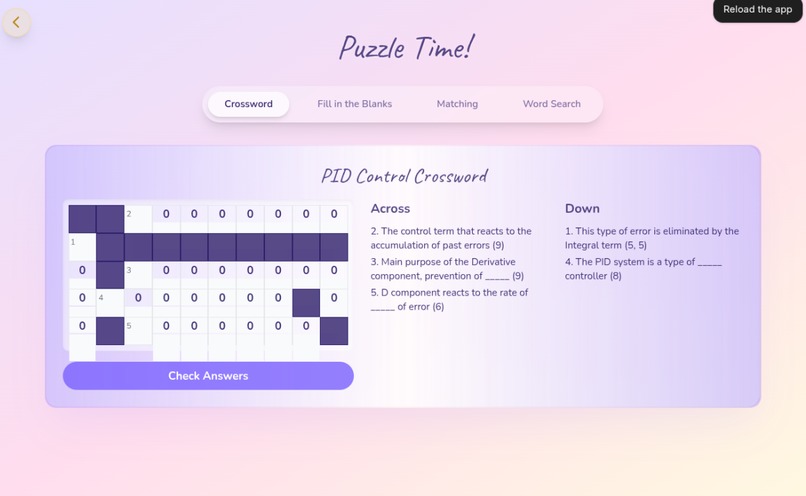
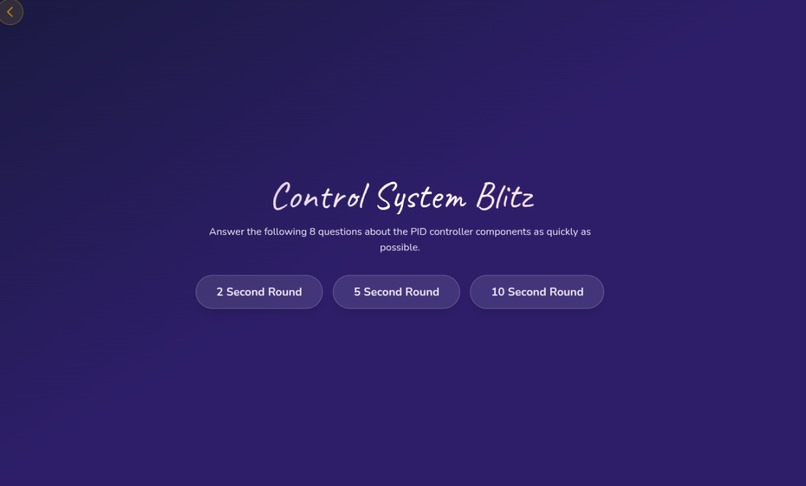
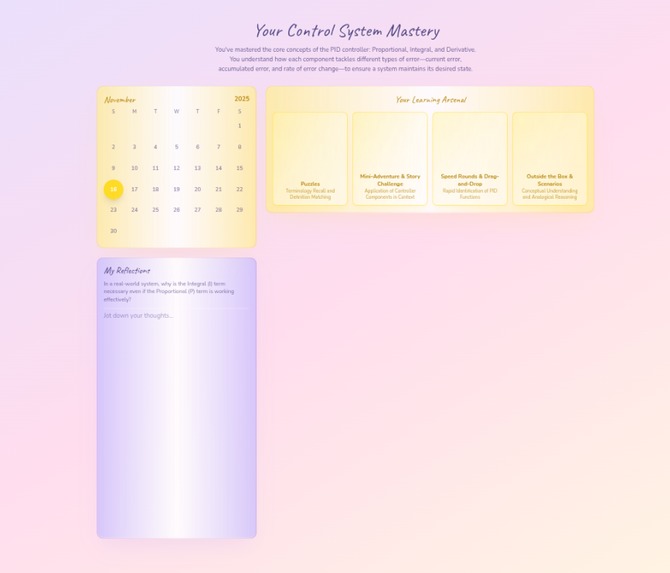
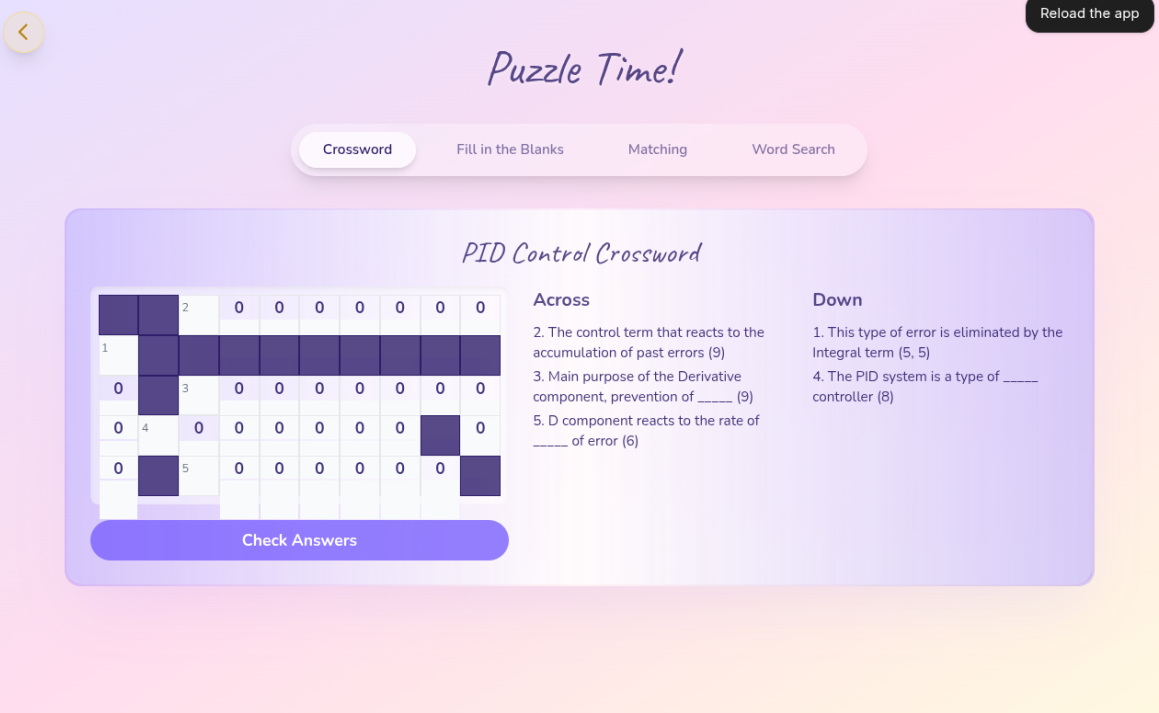
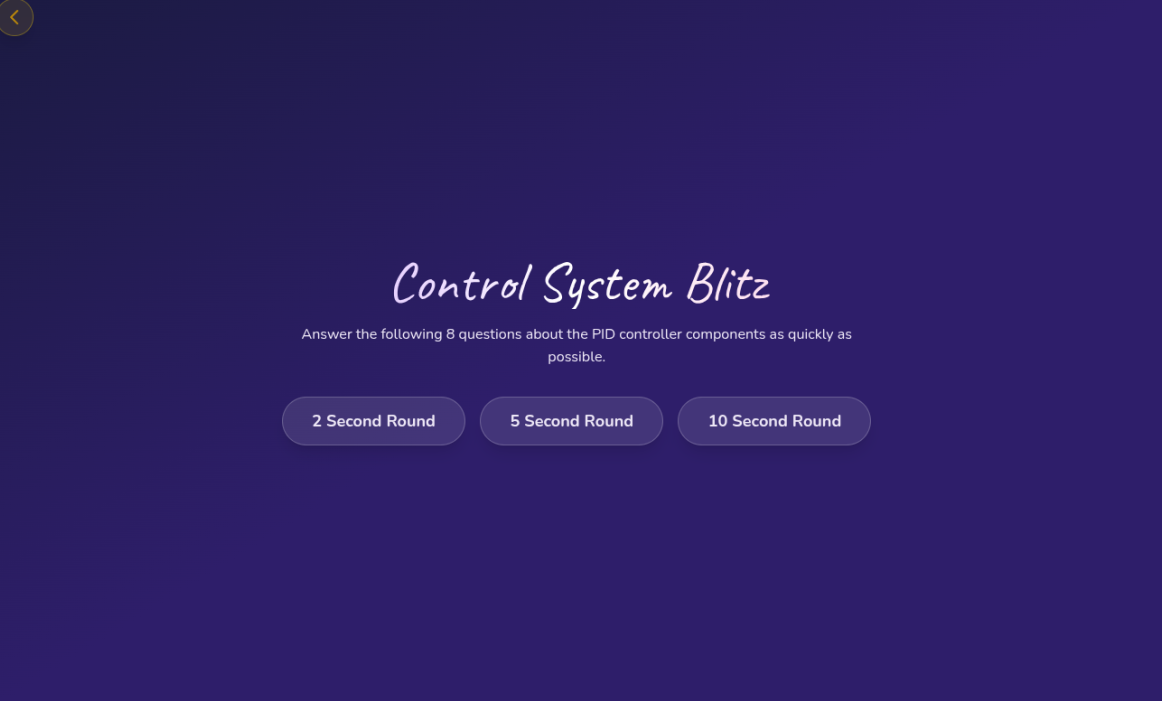
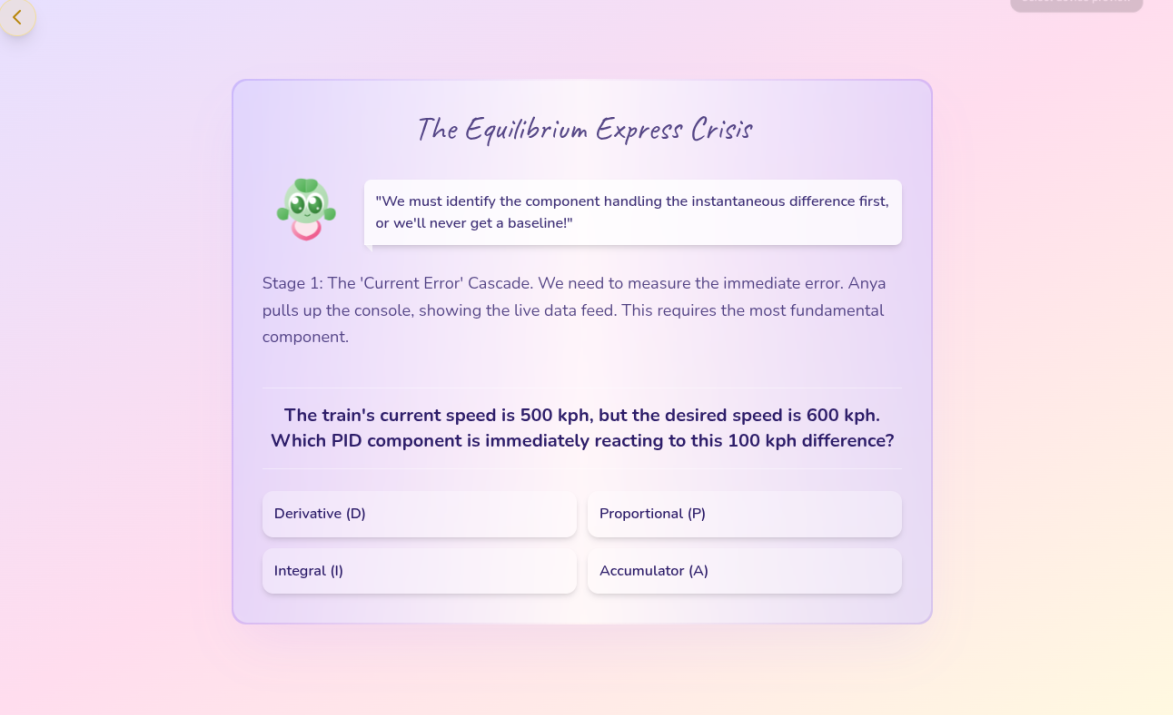
Users input their study notes (by pasting text or uploading a file). Aurora's AI then analyzes the content and allows the user to choose from over a dozen different activity types. These aren't just generic quizzes; they are context-aware games like story-based challenges, "find the mistake" exercises, drag-and-drop categorization, and speed rounds, all built directly from the user's own material. A progress-tracking dashboard helps users visualize their learning journey.
Inspiration
I was inspired by the universal struggle of making studying an engaging, sustained effort. Traditional methods like rote memorization and passive reading can be isolating and ineffective. I wanted to leverage the power of AI and gamification not just to test knowledge, but to make the process of learning active, delightful, and personally resonant. The companion system was inspired by the emotional connection people form with tools like language learning apps, providing encouragement and a sense of shared purpose.
I was particularly inspired by: The deep engagement of story-driven video games. The personalized touch of AI companions. The cognitive science behind active recall and varied practice.
I wanted to build a tool that didn't just deliver information, but crafted an experience around it, making "studying" something students might actually look forward to.
How
Frontend: React with TypeScript for a robust and type-safe user interface, styled with Tailwind CSS for rapid and responsive development.
Core AI: Google Gemini API, which powers the dynamic generation of all games, stories, and challenges from the user's input text.
Version Control: Git and GitHub for collaboration and code management.
Which track
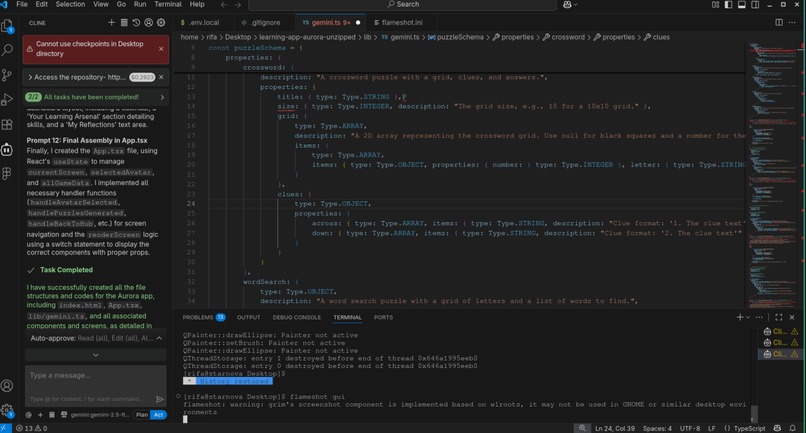
Automate Learning Make Learning Fun Built with Cline CLI
Challenges
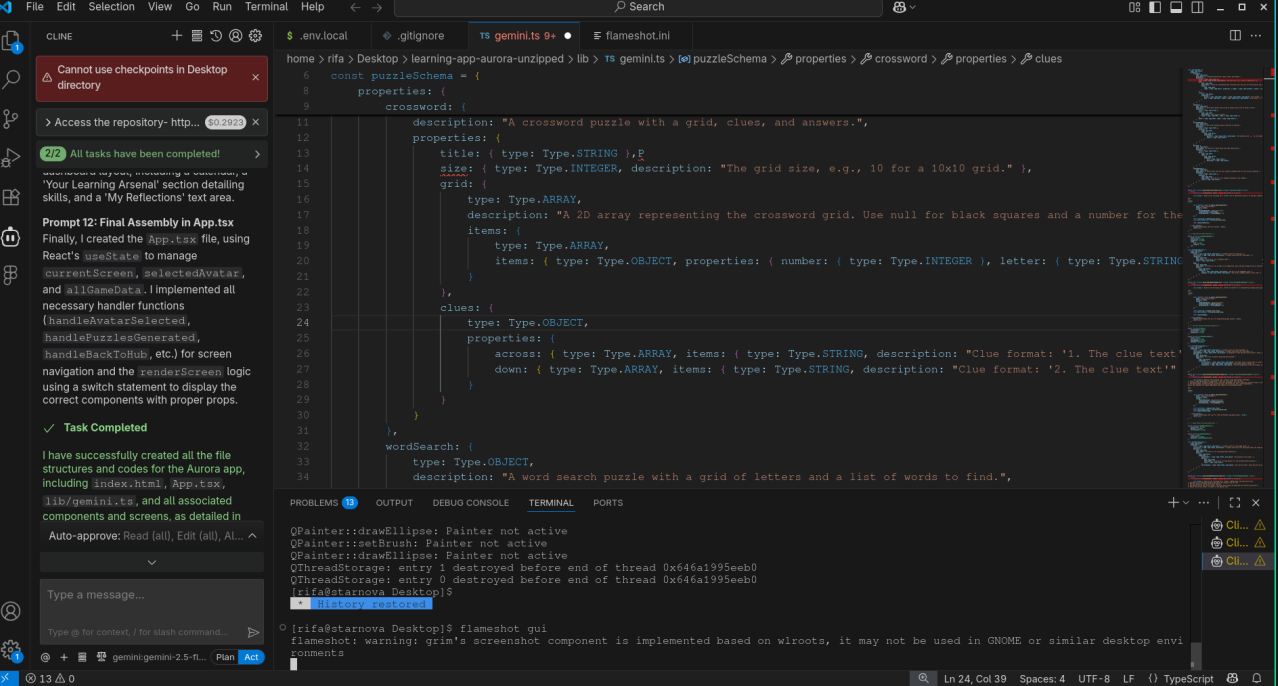
Structuring AI Output: One of the biggest challenges was getting the Gemini API to return consistently structured, parseable data for the games. Overcame this by creating very specific prompt templates and implementing robust error handling and data validation on the frontend.
State Management for Complex Games: Managing the state for multi-step adventures and dynamic games like drag-and-drop within React was complex. I had to carefully design the component hierarchy and state hooks to keep everything in sync without bugs.
Balancing Creativity and Scope: With so many ideas for game types, I had to prioritize a core set of features that demonstrated the vision without becoming unmanageable in a 48-hour hackathon. I focused on building a few game types very well to serve as a proof of concept.
What's next
Expanding the Game Library: Adding more activity types, such as flashcard-based duels or collaborative multiplayer challenges.
Enhancing the Companion: Giving the companion more personality, dialogue, and allowing it to "level up" alongside the user, providing more targeted encouragement.
Spaced Repetition Integration: Implementing a smart scheduler that uses spaced repetition algorithms to resurface past topics in games at optimal intervals for long-term retention.
Community & Sharing: Allowing users to share their created activity sets with classmates or a public library, fostering a community-driven learning ecosystem.


Log in or sign up for Devpost to join the conversation.