-
-
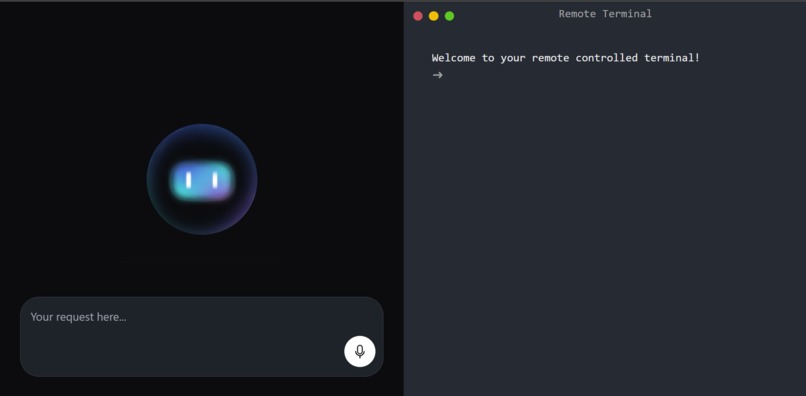
Aurora
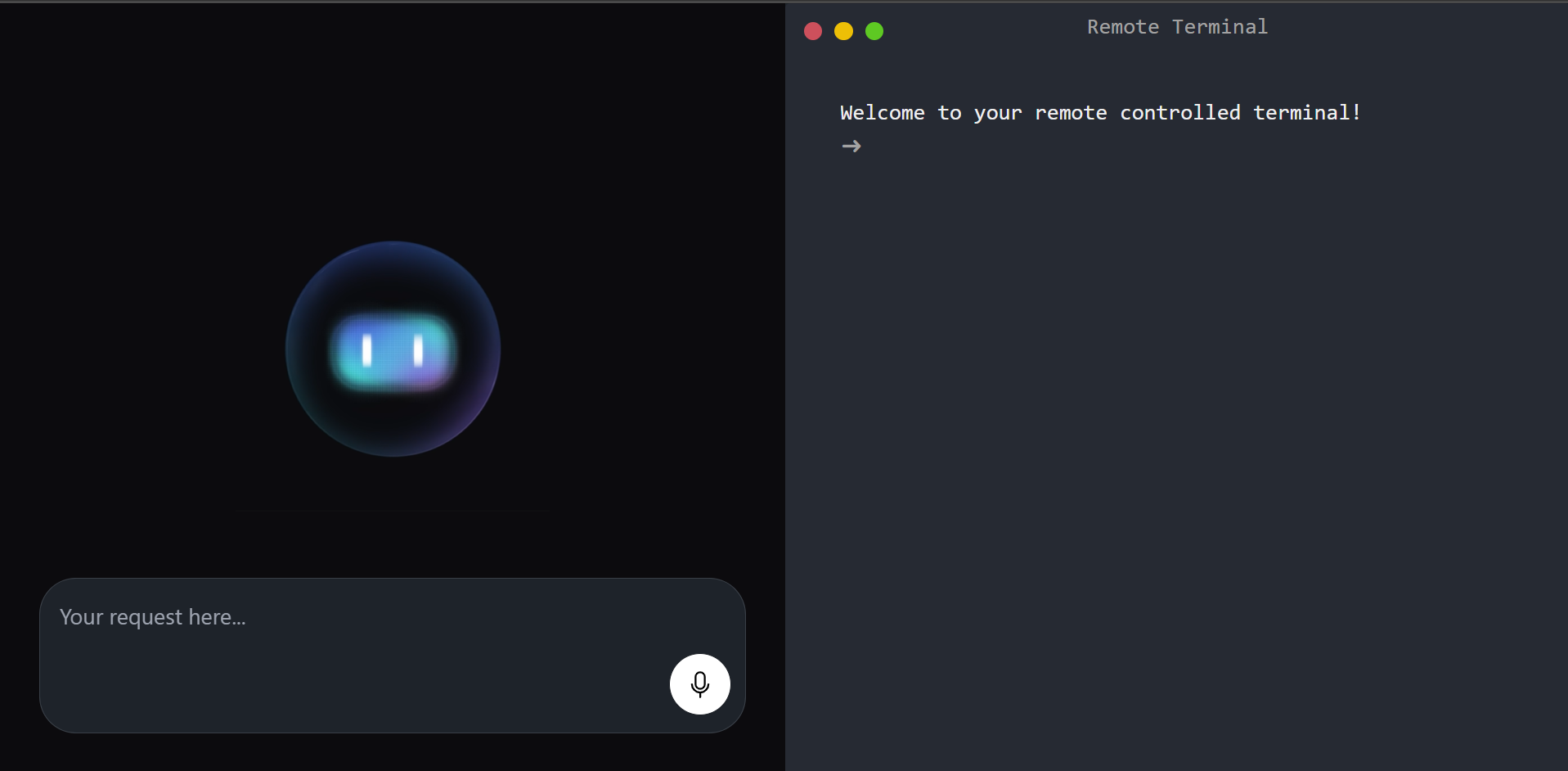
Aurora 🌌
Inspiration
Our journey began with a simple idea: what if we had a friendly AI to help manage and secure our computers? We were inspired by classic AIs like GLaDOS (but definitely the nicer kind!) and envisioned an agent that could make configuring and protecting your PC a breeze. With a passion for networking and large language models, we set out to build a tool that brings these ideas to life.
What It Does
Aurora is a cybersecurity agent that controls a remote PC by analyzing your input and providing the exact commands you need. It’s like having a smart assistant that understands your security needs and helps you take control of your system safely and efficiently.
How We Built It
- Frontend: Built with React and styled using DaisyUI.
- Backend: FastAPI server written in Python, which handles requests and command processing.
- Remote Execution: Uses an SSH executor to send commands to our VM.
- LLM Integration: Leveraged Groq APIs to integrate free large language models.
Challenges We Ran Into
We hit a few bumps along the way:
- UI Design: We aren’t the strongest in UI design, so we relied on prompt-based approaches to help craft our components.
- Agent Infrastructure: Striking the right balance between command accuracy and response time was a real challenge, but it taught us a lot about system integration.
Accomplishments We're Proud Of
One of our biggest wins was getting remote control execution to work seamlessly.
What We Learned
This project taught us the intricacies of working with agent infrastructures and remote command processing. We gained valuable experience integrating diverse technologies and learned how to quickly adapt and solve real-world problems under time pressure.
What's Next for Aurora
We’re not stopping here! Our next steps include:
- Enhancing system reliability and refining command handling.
- Expanding Aurora’s features to create an even more robust cybersecurity agent.
Thank you for checking out Aurora ✨💫.
Built With
- daisyui
- fastapi
- groq
- javascript
- python
- react


Log in or sign up for Devpost to join the conversation.