-
-
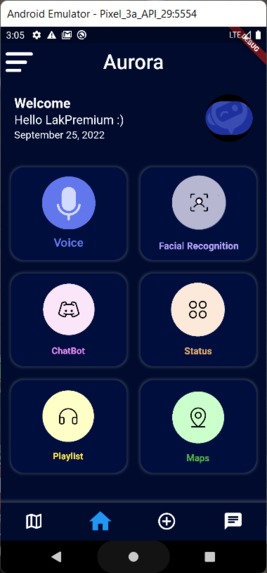
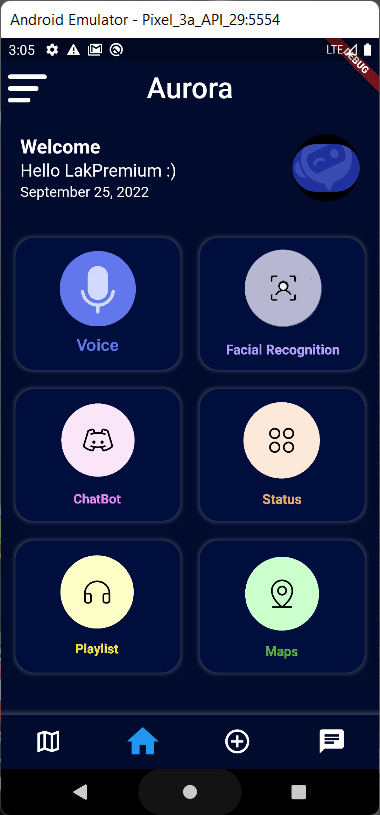
Home Screen
-
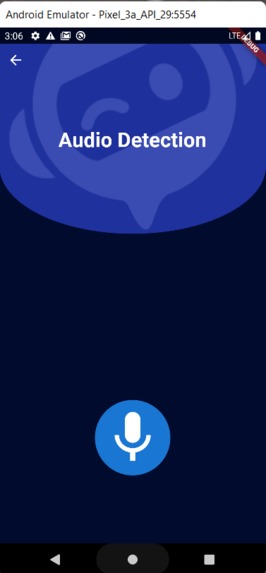
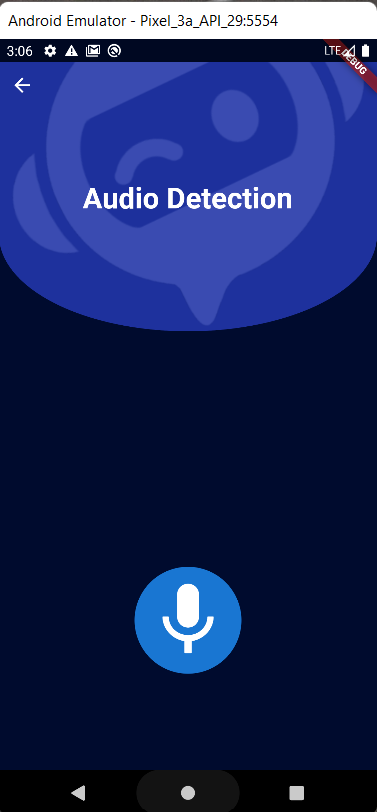
Audio Detection Screen
-
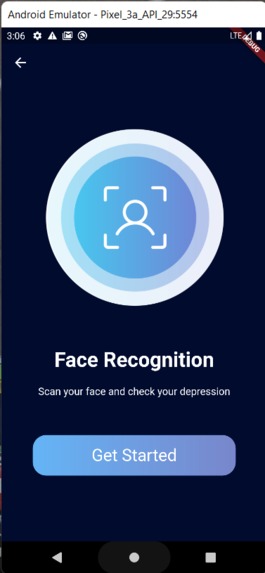
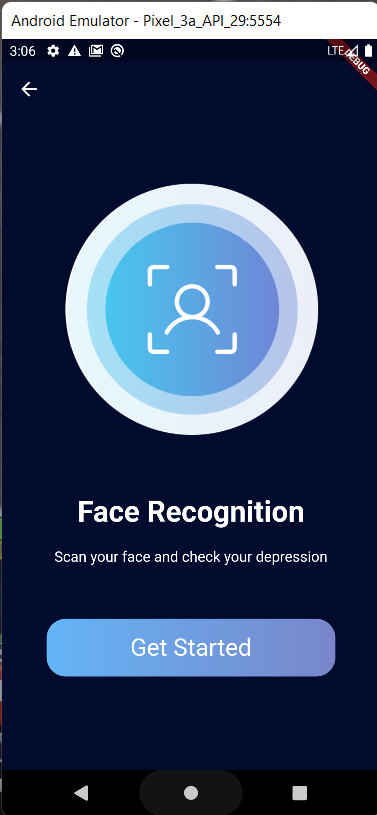
Face Recognition Screen
-
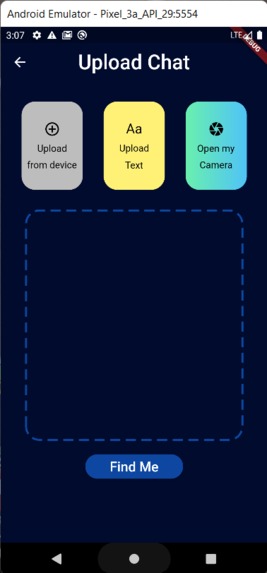
Media Screen
-
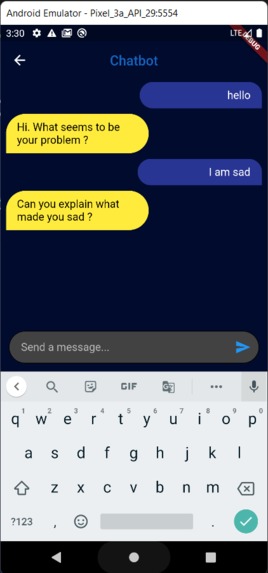
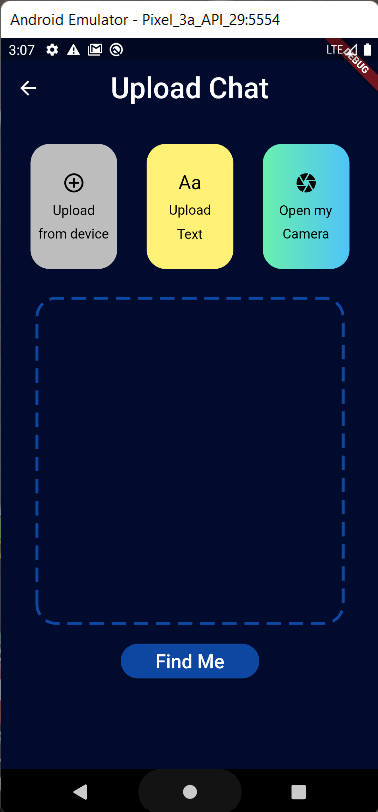
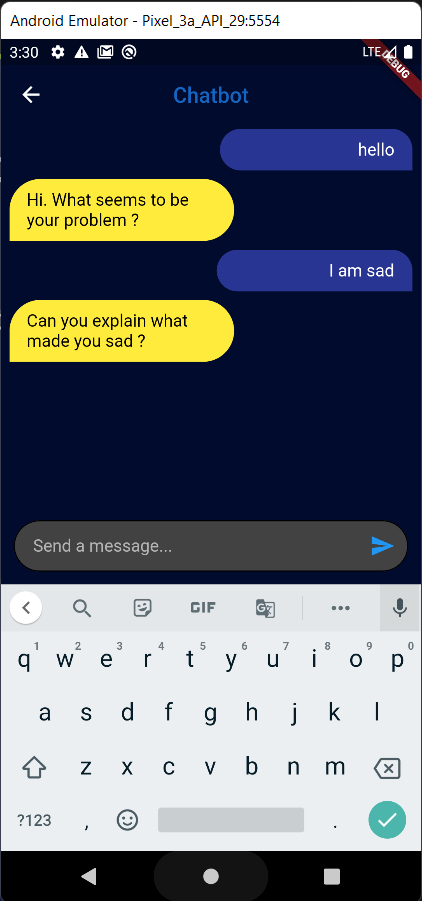
Chatbot Screen
-
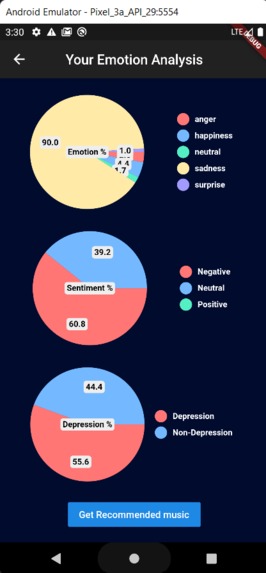
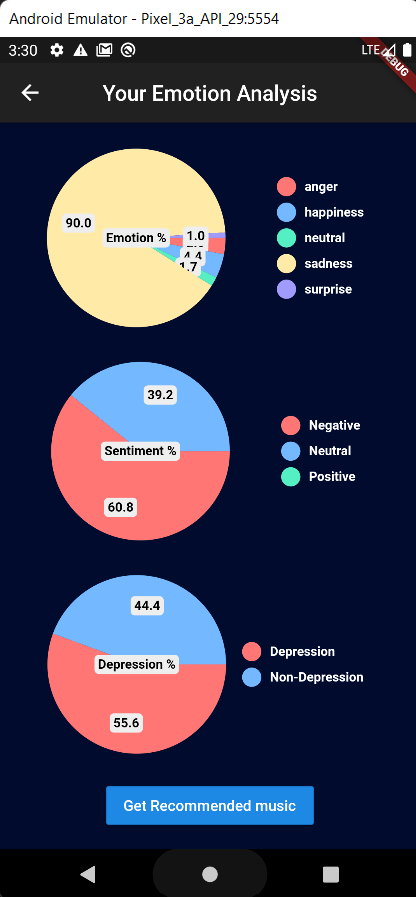
Analysis Screen
-
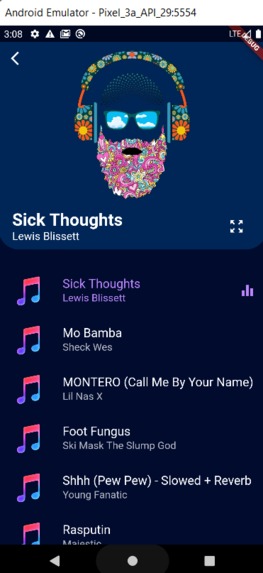
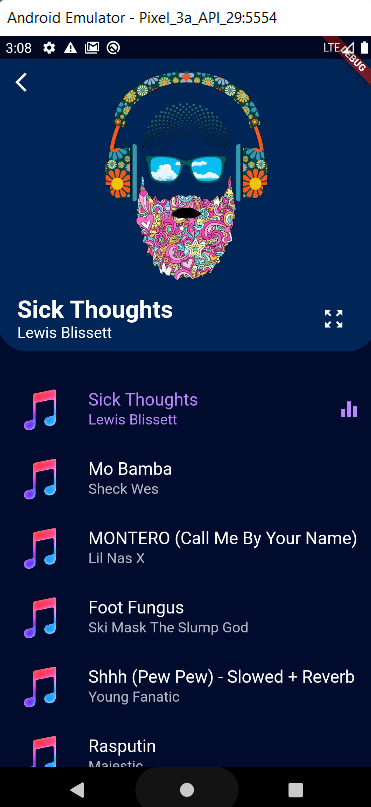
Music Player Screen
-
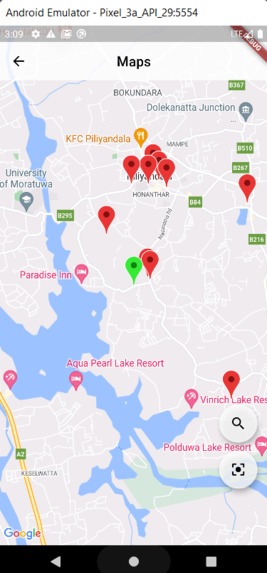
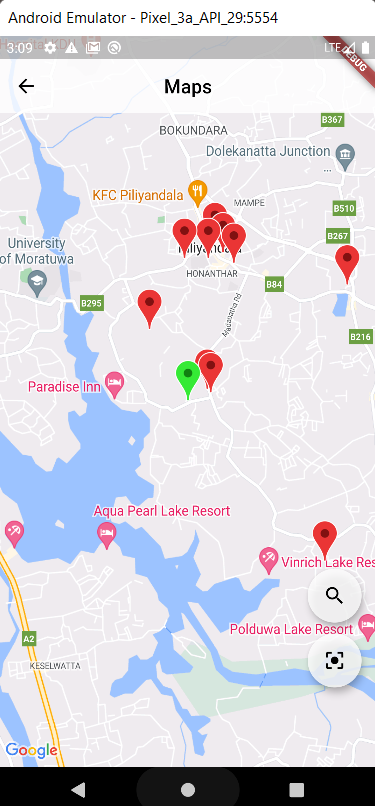
Maps Screen
Aurora - A Platform for Diagnosing and Treating Emotional Disorders
Team 1
Link to full video (Demo+Presentation): https://youtu.be/5pENdW3rKlE
Inspiration
The number of people suffering from emotional disorders has risky-rocketed dramatically in recent years. The covid-19 pandemic highlighted the importance of mental health. Globally, the "mental health pandemic" affected over 300 million people. According to statistics, 45 percent of suicides are caused by a mental illness. Because of the high cost of treatment, more than 75% of people in middle and low-income countries do not receive necessary treatment.
Aurora is built to tackle this issue!
What it does
Due to this reason, we merged medicine and technology to create AURORA, an emotion detection, and treatment application. AURORA's main goal is to provide a virtual environment for people who want to see if face any emotional disorder or to provide an effective treatment course for people who already know face any emotional disorder but are too embarrassed to meet with a therapist or consultant in person
How we built it
We used an array of technologies and also built a mobile application. We built the emotion, depression, and suicidal detection models from the text model using BI-LSTM, emotion detection from speech using 1D CNN, and facial emotion detection using 2D CNN. We used python as our main language and used the following libraries: Keras, Tensorflow, Flask, Librosa, and many more. We were striving to build state-of-the-art models and we were able to achieve that. We also built a mobile application using Flutter and Dart.
Challenges we ran into
There were very limited data sets when working, especially with emotion detection. We need to use techniques such as Data Augmentation and take a closer look at our model architecture.
The system had several large components which needed to be implemented in a short time frame. We had to work together to make sure that all the components were in sync.
Since the models were computationally expensive, to train, we had to make several optimizations to the models to make sure that they could be trained in a reasonable amount of time.
We also faced a lot of power cuts due to fuel shortages in the country.
Accomplishments
We were able to develop a multimodal emotion and depression detection and treatment system. The application can diagnose through text, voice ad images. Once diagnosed, a particular condition can be treated with music therapy, psychotherapy, and many other methods. We were able to achieve this in a concise period. We were able to get together and work as a team to achieve this and didn't let any barrier get in our way.
What we learned
We got good Internal exposure to problem-solving and AI. This datathon also helped us to improve our Team Work skills, Communication Skills, and Version control and also helped us learn new AI skills. The mentors were very helpful and we were able to learn a lot from them. We also worked with docker and got hands-on experience working on a remote workspace.
What's next for Aurora
The AI models can be deployed in the cloud within a Human-in-loop infrastructure. This makes continuous training, evaluation, and deployment easier. It will also prevent the AI models from degrading, translating to higher ROIs.
Improving security will be a huge enhancement. The Data handled will need to be encrypted and Data regulations need to be followed since clients come from across the globe. Two-factor authentication can also be incorporated into the applications
Finally, Data is Key. No matter how good the model architecture is, the model will not perform well if the data is not good. We will need to collect more data and also improve the data quality.
Built With
- api
- flask
- natural-language-processing
- python
- tensorflow

Log in or sign up for Devpost to join the conversation.