-
-
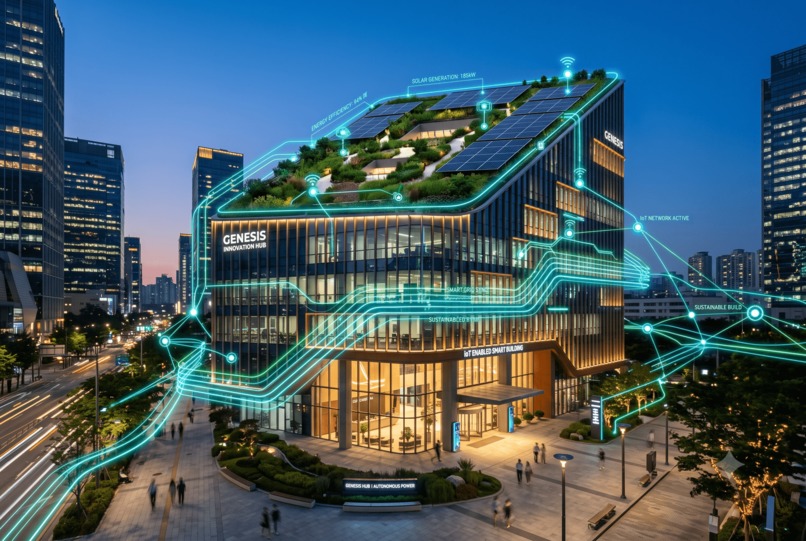
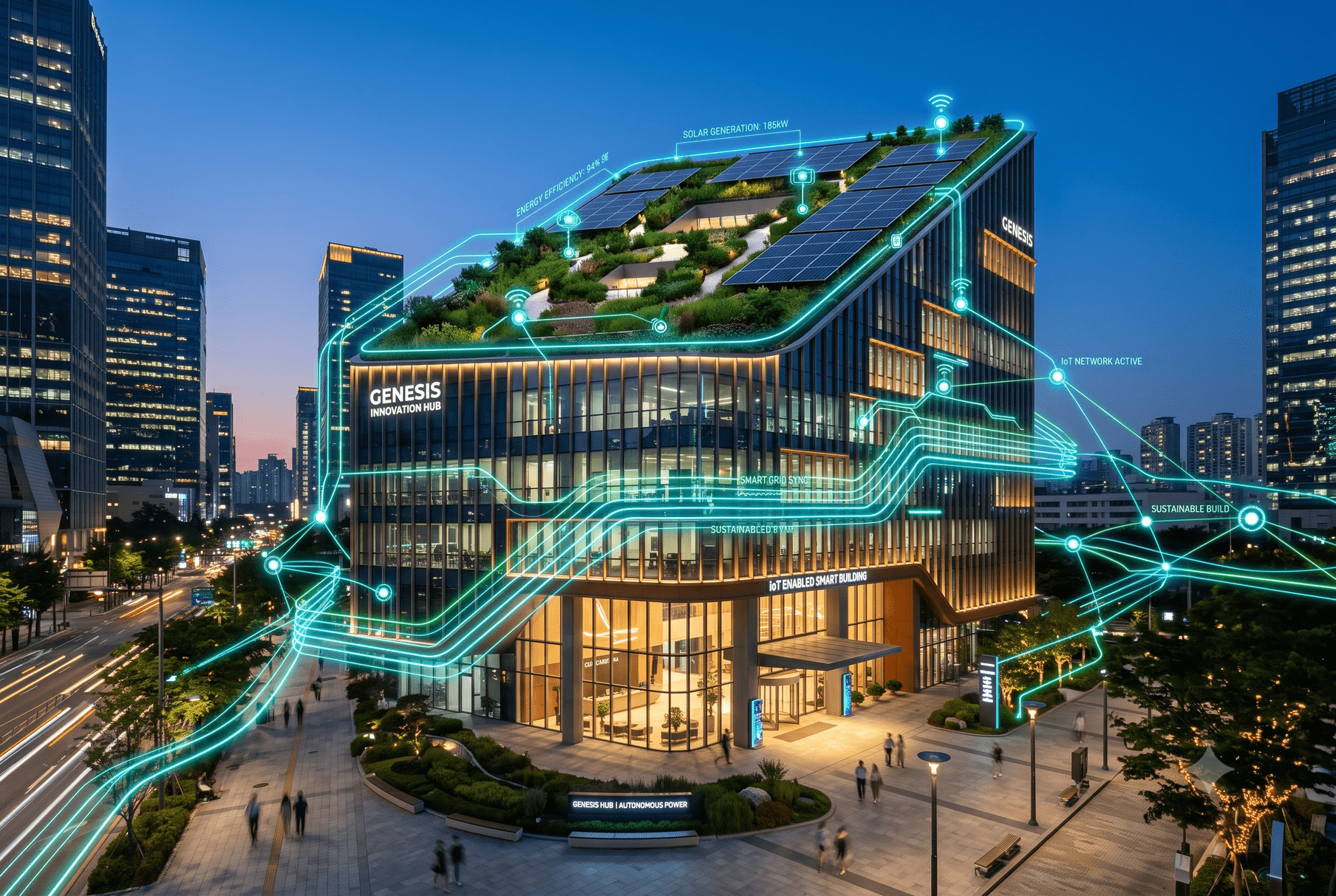
Conceptual visualization of AuraSync AI's green infrastructure, featuring IoT-driven energy and HVAC optimization.
-
-
-
-
-
-
-
Inspiration
Commercial real estate accounts for nearly 40% of global energy consumption, yet much of this energy is wasted on heating, cooling, and lighting empty spaces. Traditional Building Management Systems (BMS) rely on static schedules and reactive thermostats. We recognized a critical gap: buildings lack the spatial awareness to adapt to human movement in real time. We were inspired to design a framework that transforms passive infrastructure into an active, intelligent ecosystem that prioritizes both sustainability and operational efficiency.
Problem Statement
Current energy management approaches fail because they operate on generalized assumptions rather than granular realities.
- The Problem: HVAC and lighting systems run at peak capacity regardless of actual room occupancy, leading to massive energy waste and inflated carbon footprints.
- The Limitation: Existing smart thermostats only measure temperature in localized zones, failing to account for how many people are actually in a room, which direction they are moving, or how ambient environmental factors (like sunlight) impact micro-climates.
- The Impact: Facility managers face soaring utility costs, and corporate sustainability targets remain unmet due to inefficient legacy infrastructure.
Proposed Solution: What it does
AuraSync is a conceptual, decentralized smart-building architecture that dynamically regulates energy consumption. Instead of relying on static schedules, AuraSync AI proposes a network of non-intrusive IoT occupancy sensors, thermal mapping nodes, and ambient light detectors.
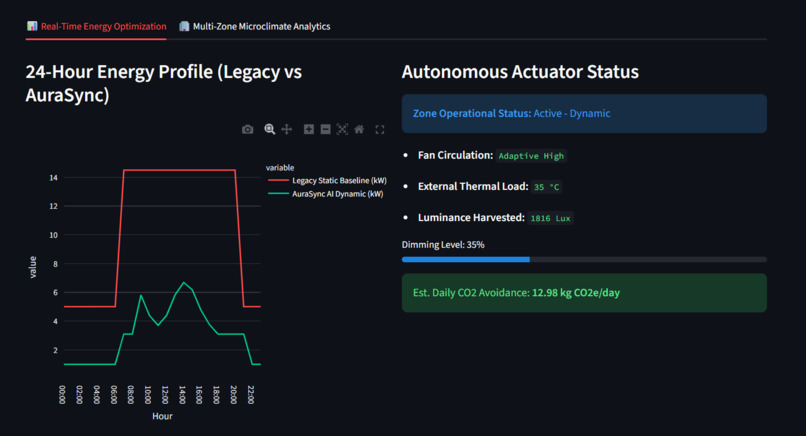
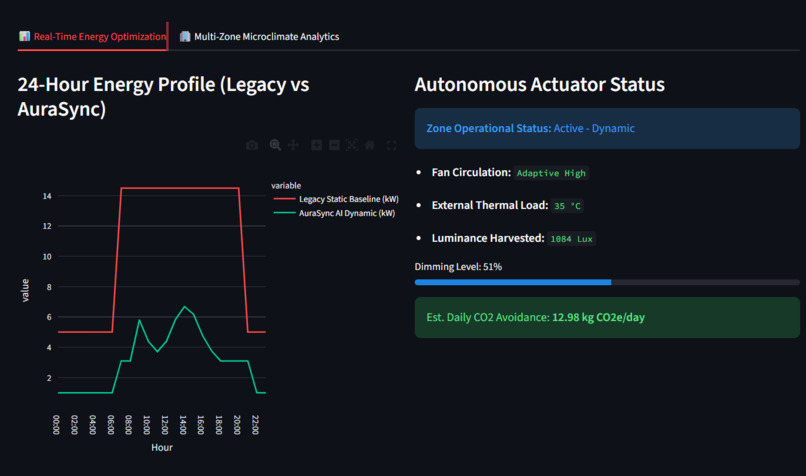
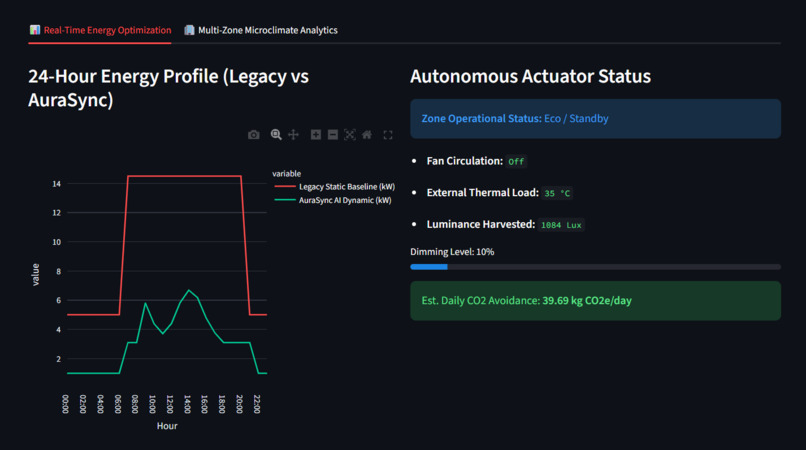
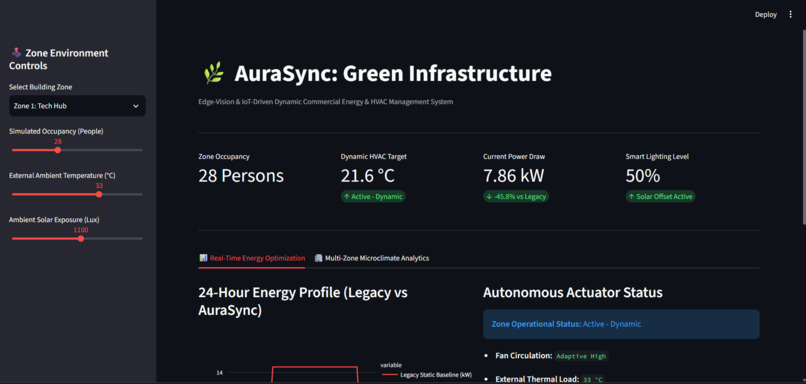
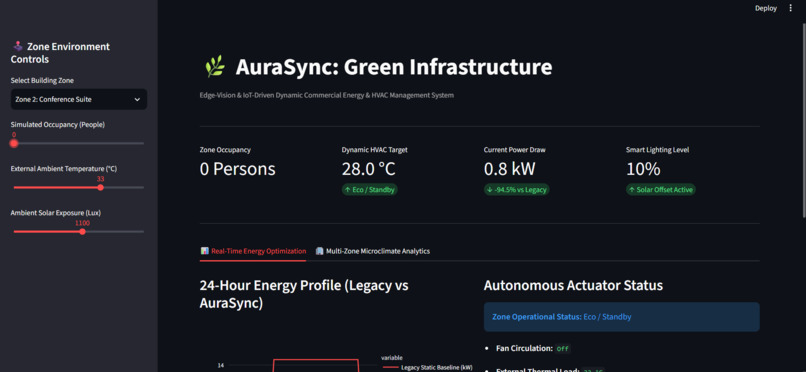
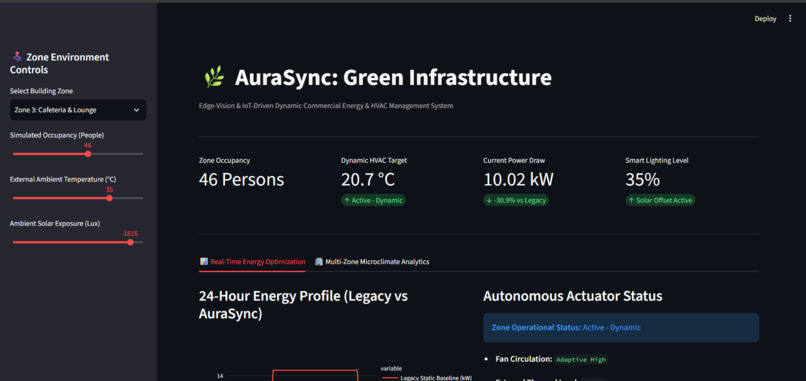
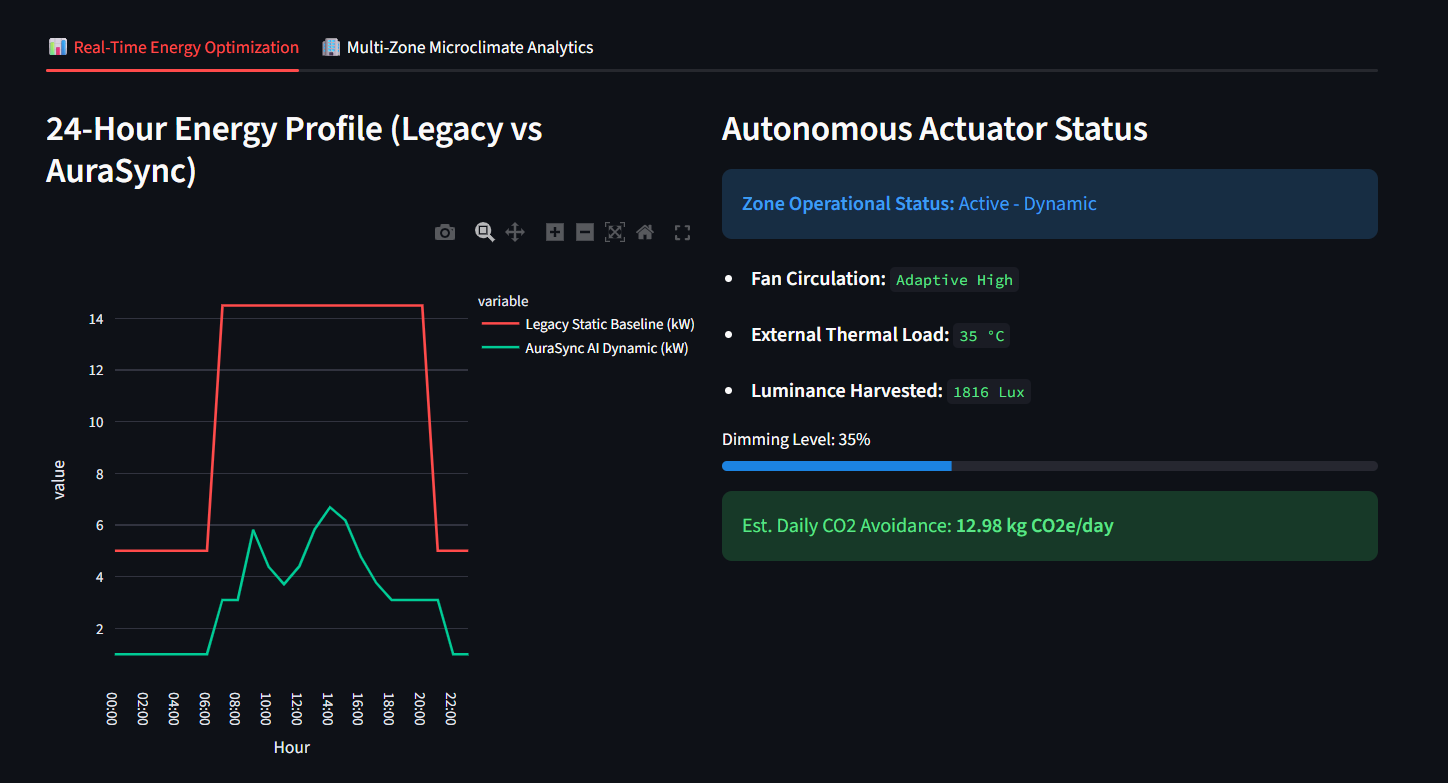
By feeding this real-time data into a predictive model, the system autonomously micro-adjusts HVAC airflow, dims lighting in unoccupied sectors, and optimizes energy loads based on grid demand and time-of-use pricing. Our model is designed as a modular retrofit, allowing older buildings to integrate this intelligence without requiring a multi-million-dollar infrastructure overhaul.
Innovation & Uniqueness
Our core innovation is moving away from centralized, cloud-heavy processing toward Edge-AI sensor nodes.
- Privacy-First Design: By processing thermal and occupancy data at the edge, no personal visual data is ever transmitted or stored, eliminating privacy concerns in corporate environments.
- Predictive vs. Reactive: Rather than waiting for a room to get hot, the system anticipates thermal loads based on historical meeting schedules and current headcounts, pre-cooling spaces only when necessary.
- Financial Feasibility: We designed the business model around an "Energy-Savings-as-a-Service" (ESaaS) structure, meaning building owners can fund the system's integration entirely through the utility savings it generates.
How we designed it
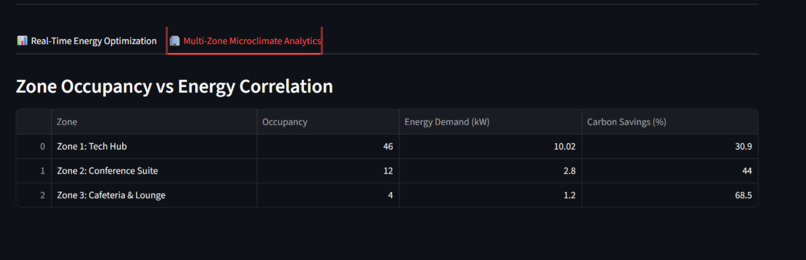
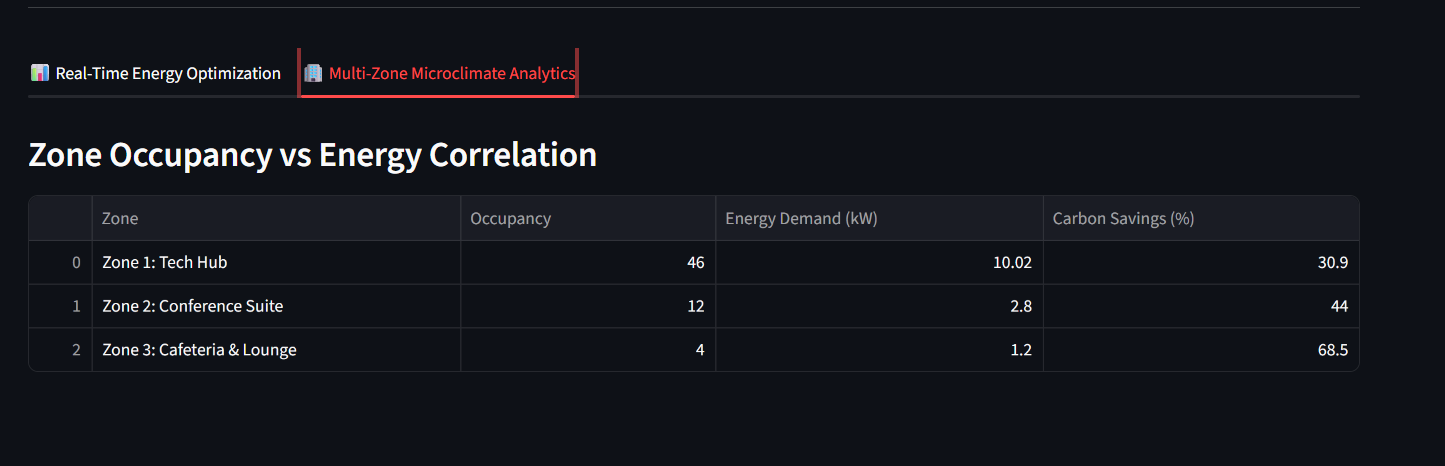
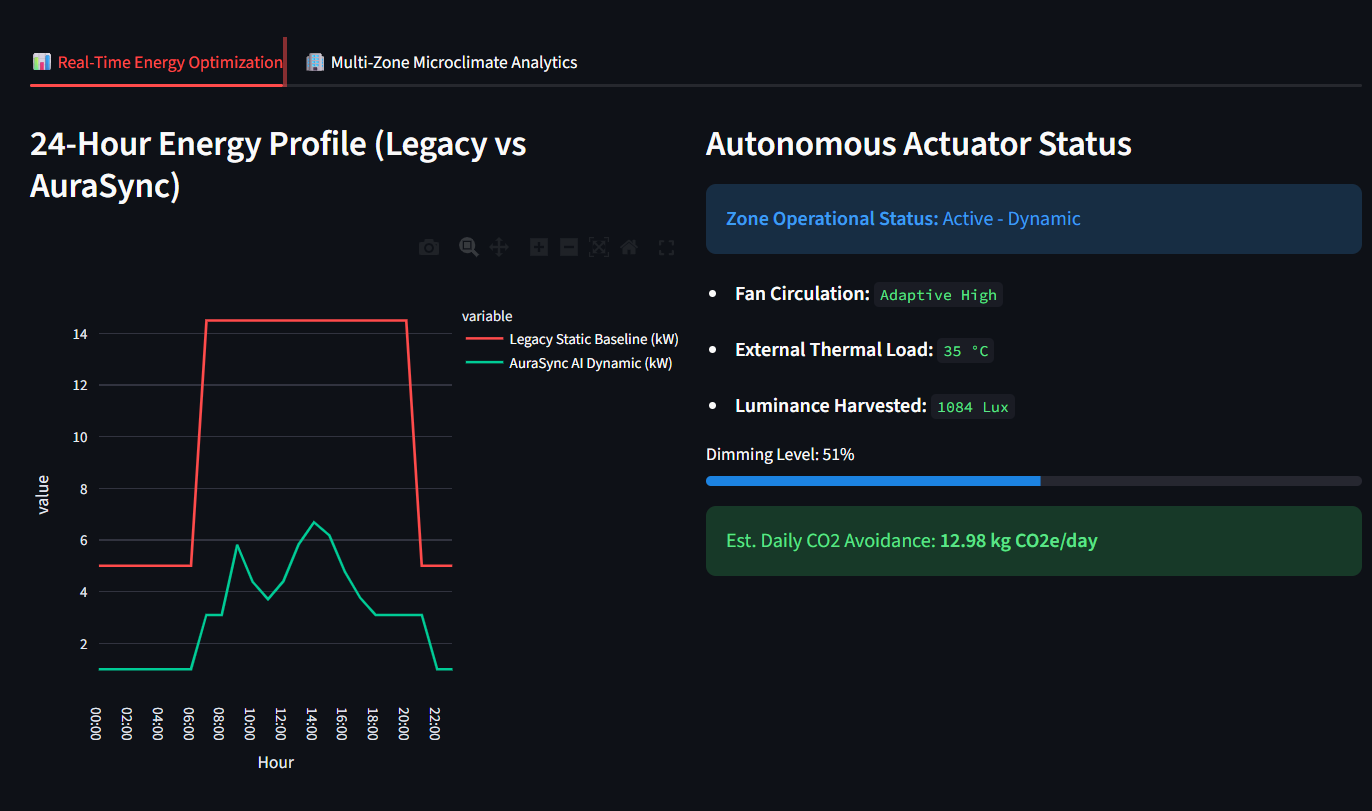
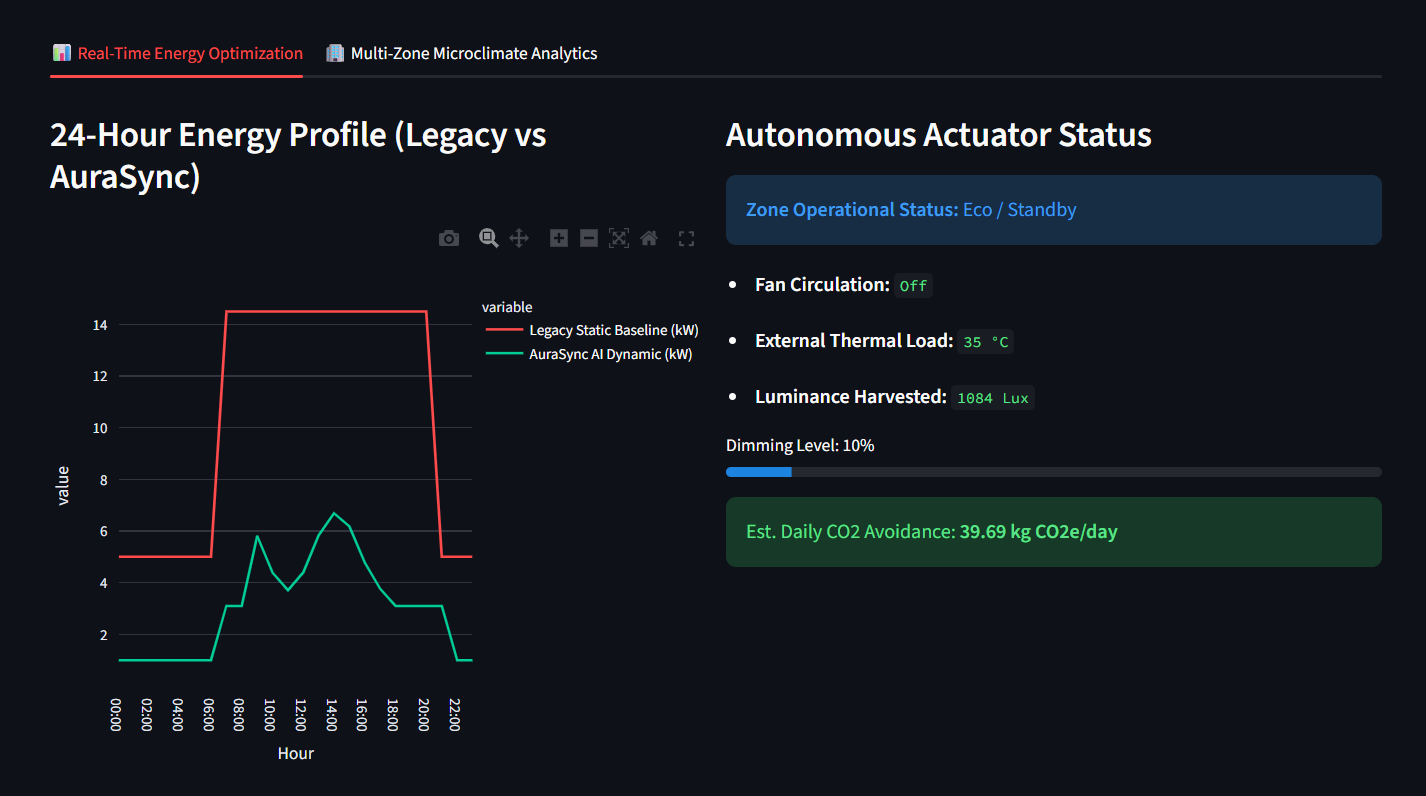
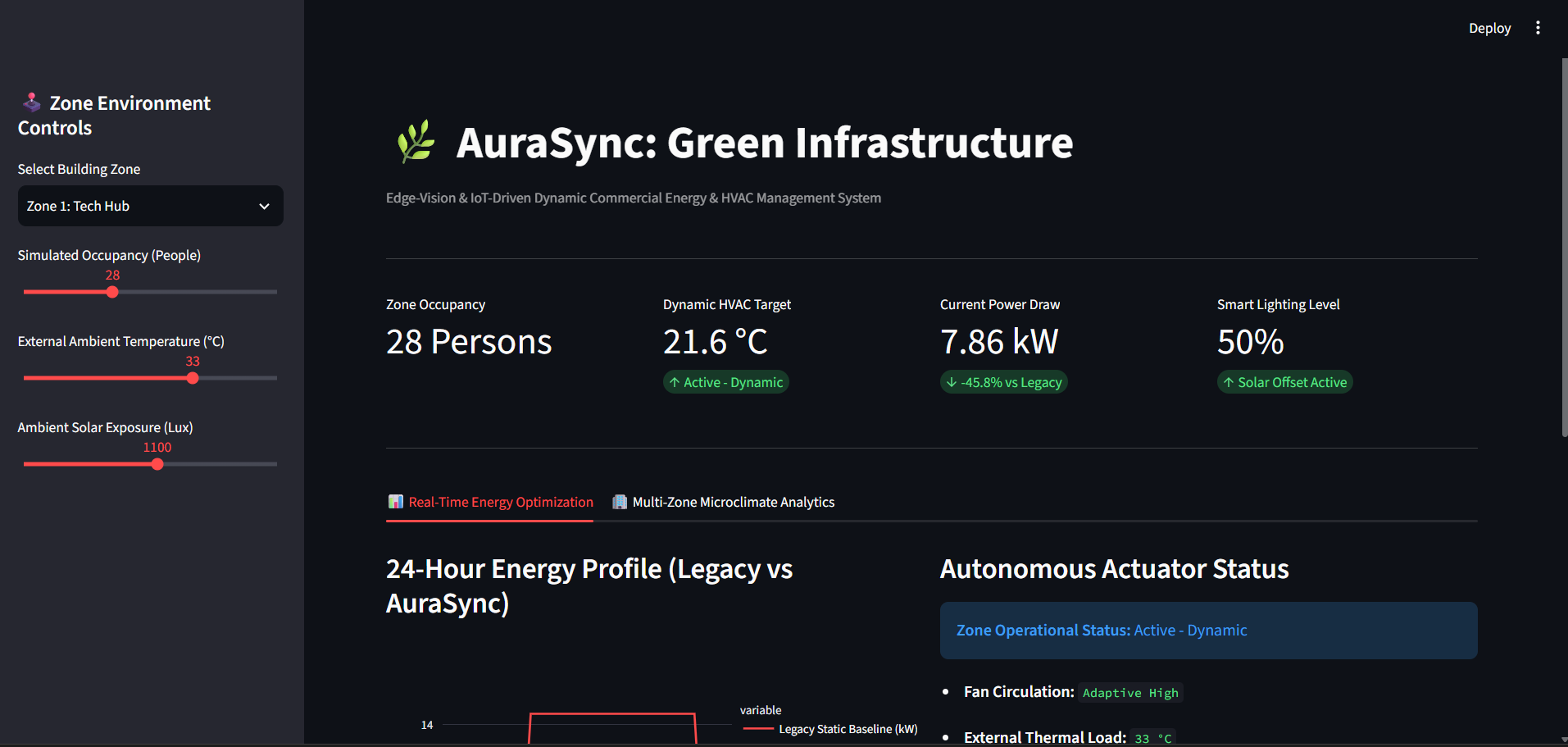
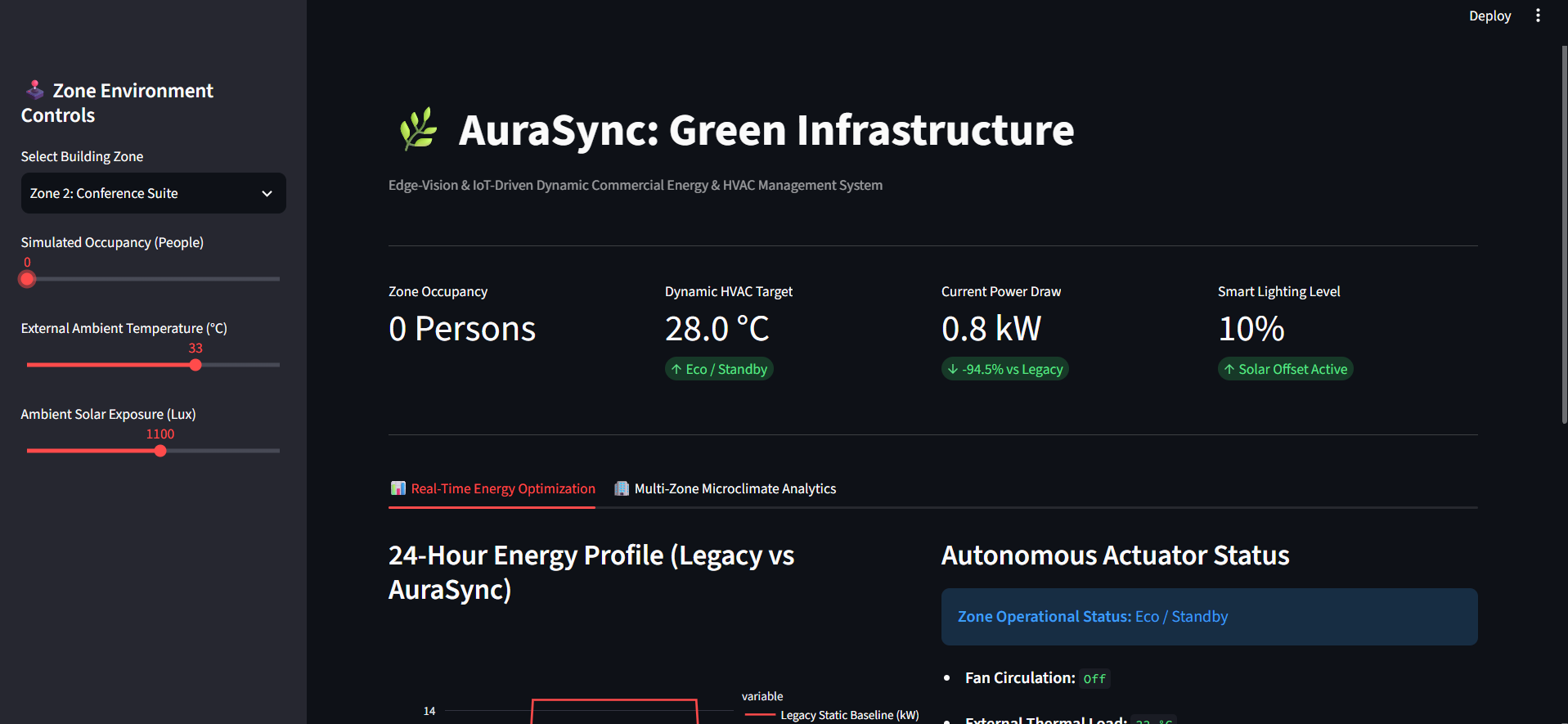
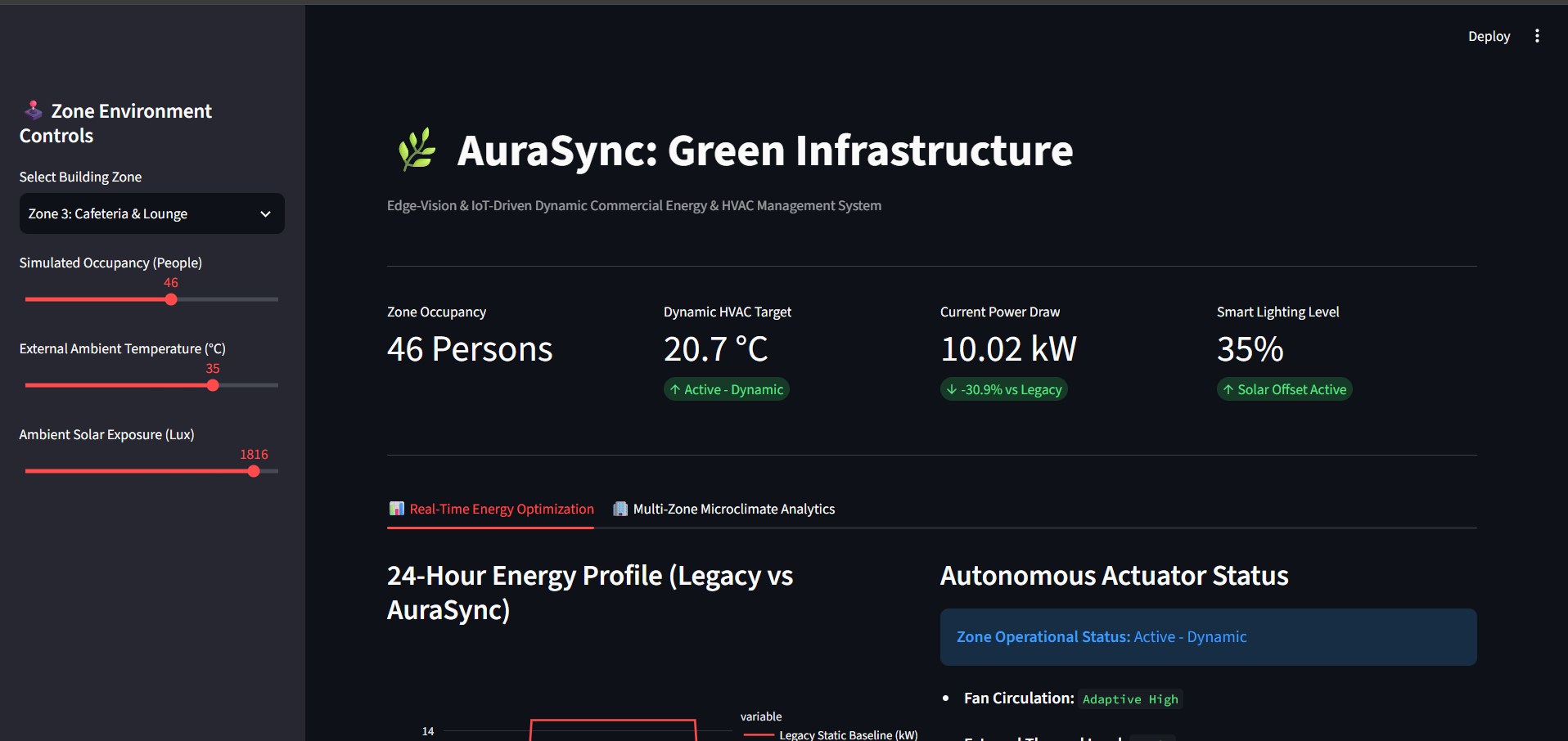
Since this is an innovation and strategy challenge, we focused on system architecture and viability. We mapped the IoT data pipelines, designed the operational workflow between sensor nodes and HVAC controllers, and structured the financial and environmental ROI models. We also developed the conceptual dashboard wireframes to visualize how facility managers would interact with the data.
Challenges we ran into
The most significant conceptual hurdle was designing a solution that works for legacy infrastructure. Tearing out old HVAC systems is cost-prohibitive. We had to innovate a "middle-ware" hardware strategy—proposing bridge controllers that allow modern AI algorithms to communicate with outdated analog building systems.
Accomplishments that we're proud of
We successfully synthesized complex IoT architecture, environmental sustainability goals, and a viable commercial business model into a single, cohesive framework. AuraSync AI is not just an idea; it is a scalable blueprint for urban energy reduction.
What's next for AuraSync
The next strategic phase involves developing a digital twin simulation to mathematically validate our energy-saving hypotheses against real-world weather and occupancy datasets. Following simulation validation, we aim to map out the exact hardware bill of materials (BOM) required to build the first physical prototype node.
Built With
- business-model-canvas
- financial-modeling
- iot-framework
- predictive-modeling
- sustainability-strategy
- system-architecture
- wireframing


Log in or sign up for Devpost to join the conversation.