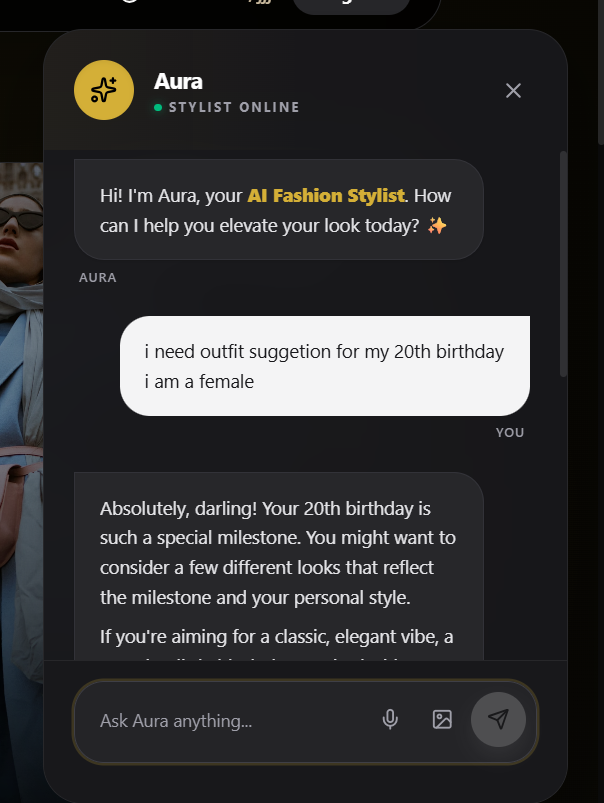
AuraStylist: Redefining Personal Fashion with Amazon Nova Inspiration
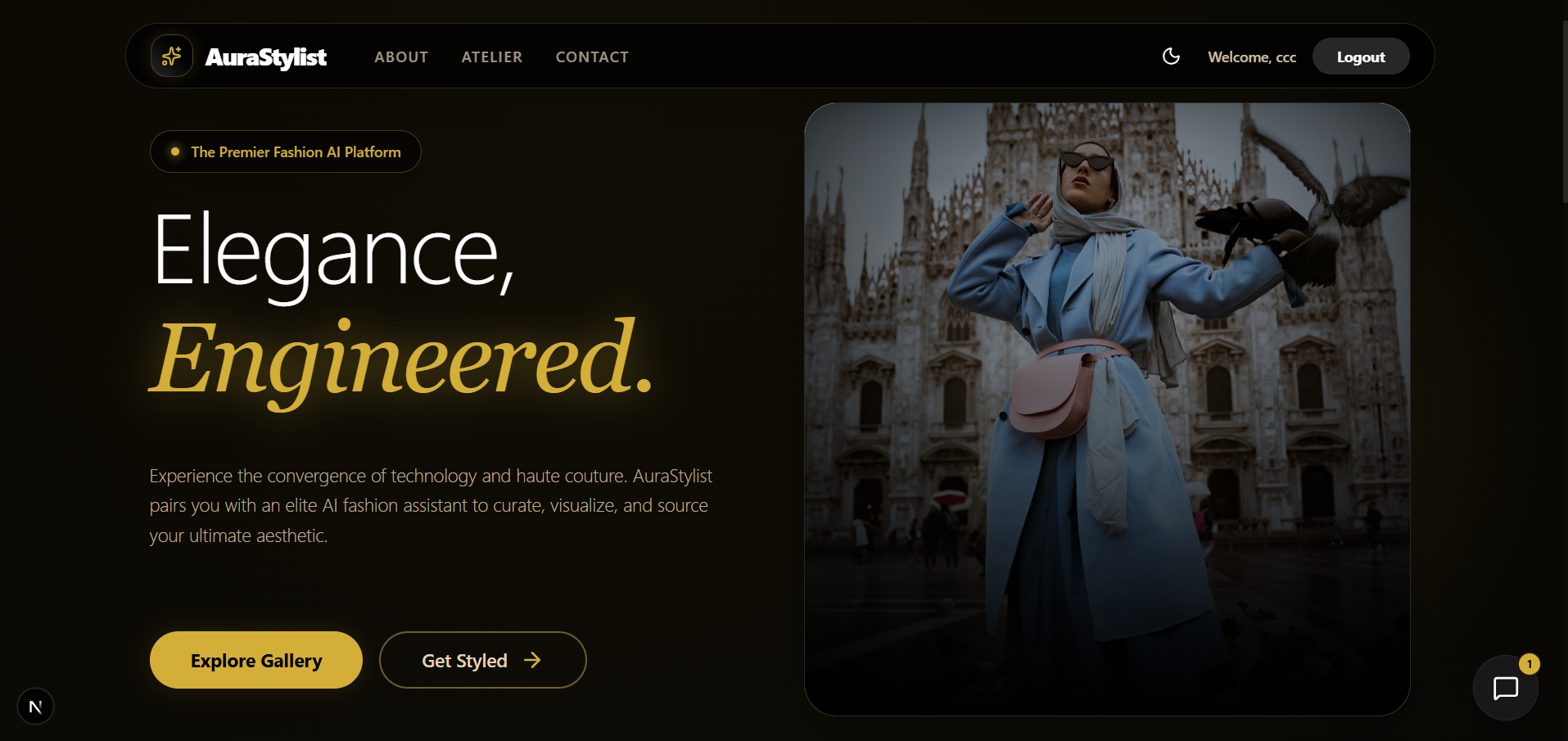
The fashion industry is shifting from generic trends to hyper-personalized expression. However, most styling apps either lack visual depth or fail to bridge the gap between inspiration and actionable shopping. We were inspired to build AuraStylist — a premium AI fashion house that does not simply suggest clothing, but understands a user's physical profile and aesthetic preferences through multimodal intelligence.
What it does
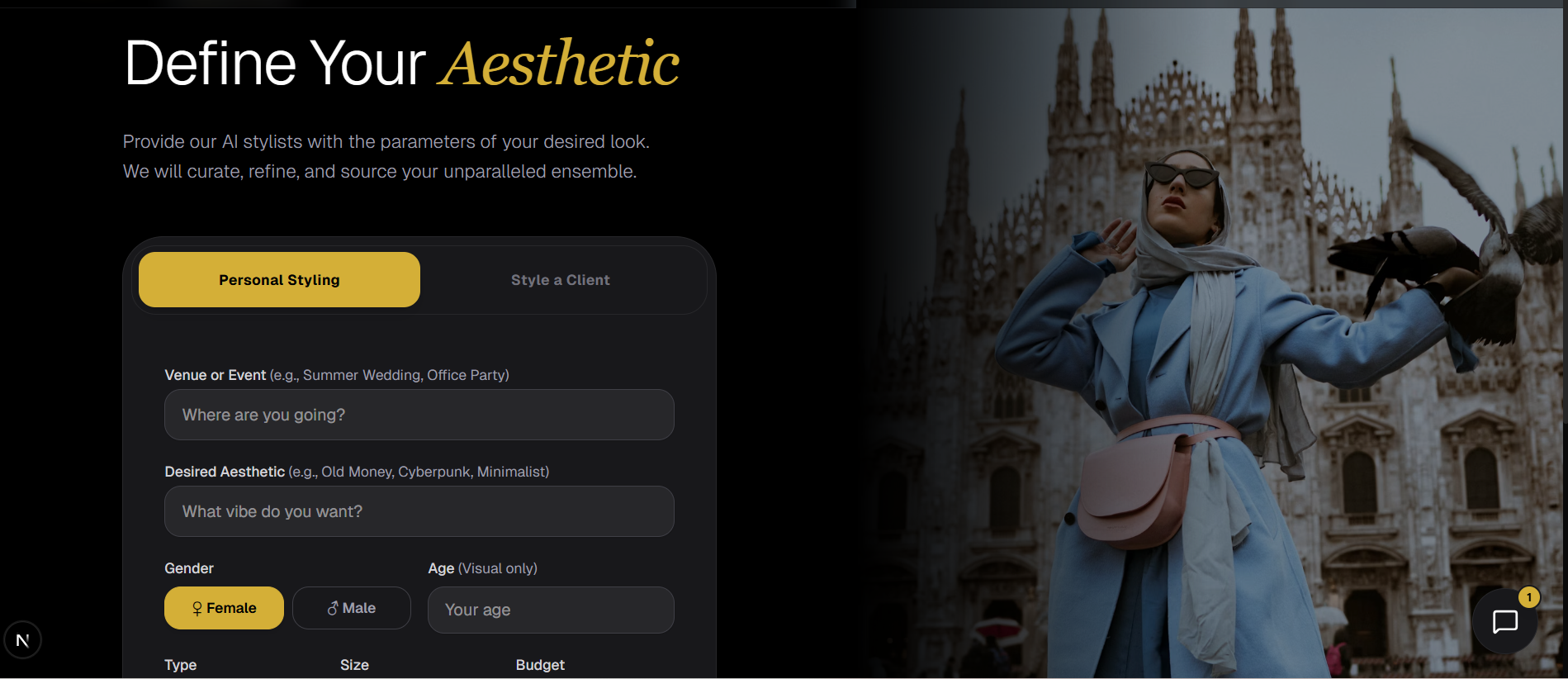
AuraStylist works as a private digital stylist. It analyzes a user's photo to understand:
- skin undertones
- body proportions
- face shapes
It then curates fashion recommendations for specific occasions and venues.
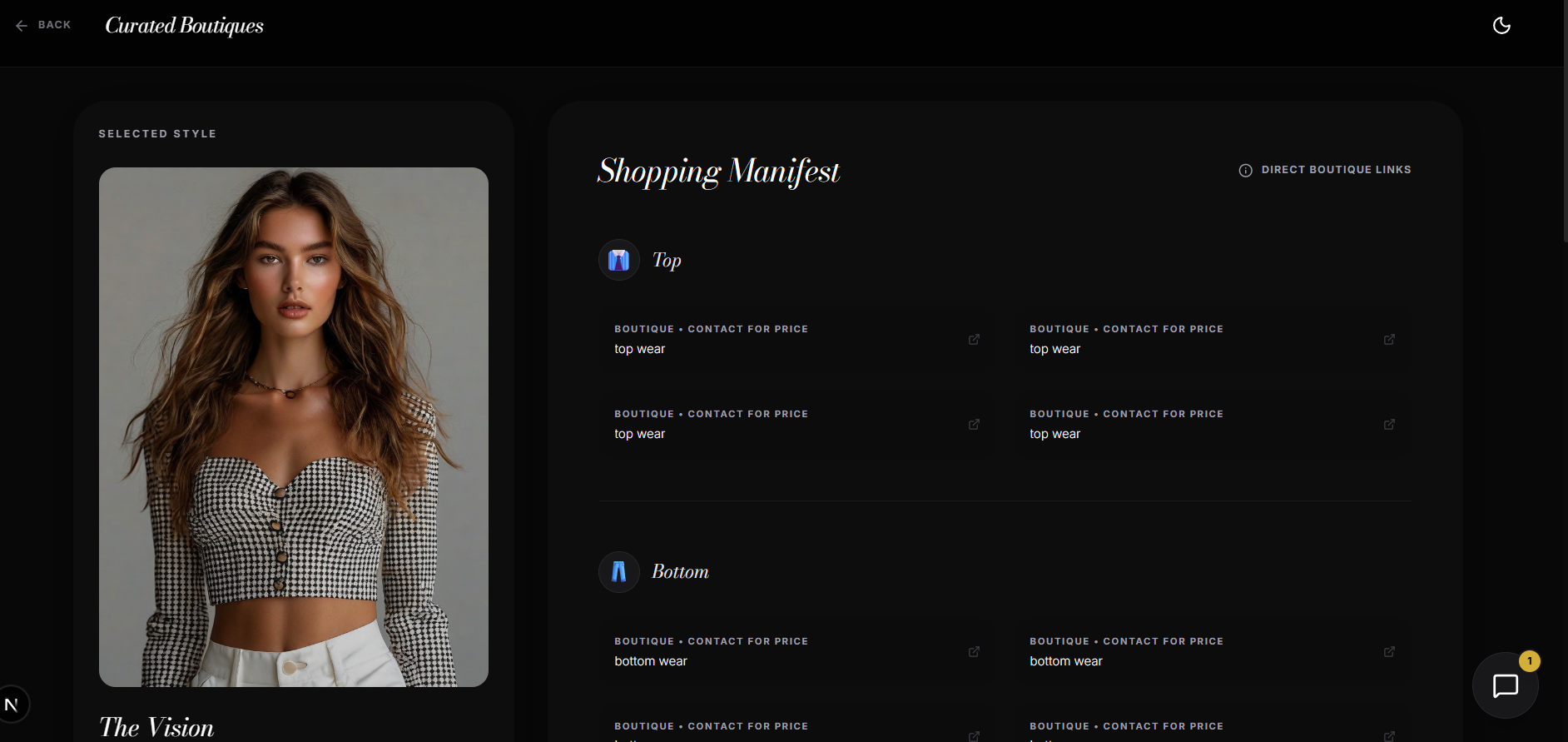
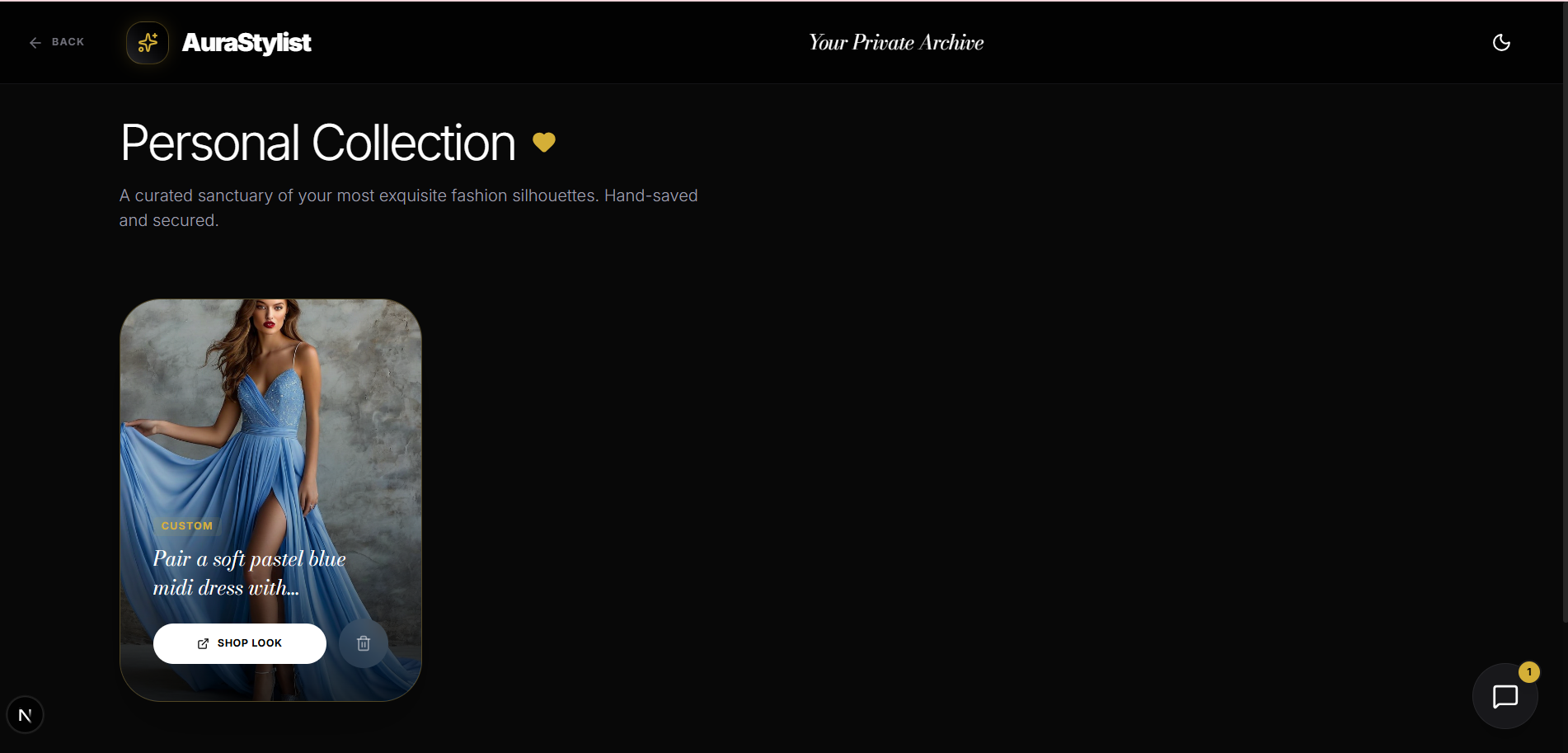
Users can preview these recommendations through AI-generated outfit visuals and directly explore similar products through a multimodal search pipeline that combines visual and textual understanding.
How we built it
AuraStylist is designed as a full-stack platform using:
- Next.js for the premium front-end experience
- FastAPI for backend orchestration
The complete AI pipeline runs on the Amazon Nova family through AWS Bedrock.
The Nova AI Engine
Nova Vision (Omni / Lite)
Acts as the visual analysis layer.
It performs:
- consultation photo analysis
- physical feature extraction
- reference image understanding
- style mood detection
Nova Reasoning (Pro / Omni)
Acts as the styling intelligence layer.
It processes:
- user preferences
- physical profile
- aesthetic references
And generates:
- styling recommendations
- color palettes
- garment suggestions
Nova Canvas
Acts as the visual generation layer.
It creates:
- realistic outfit previews
- style variations
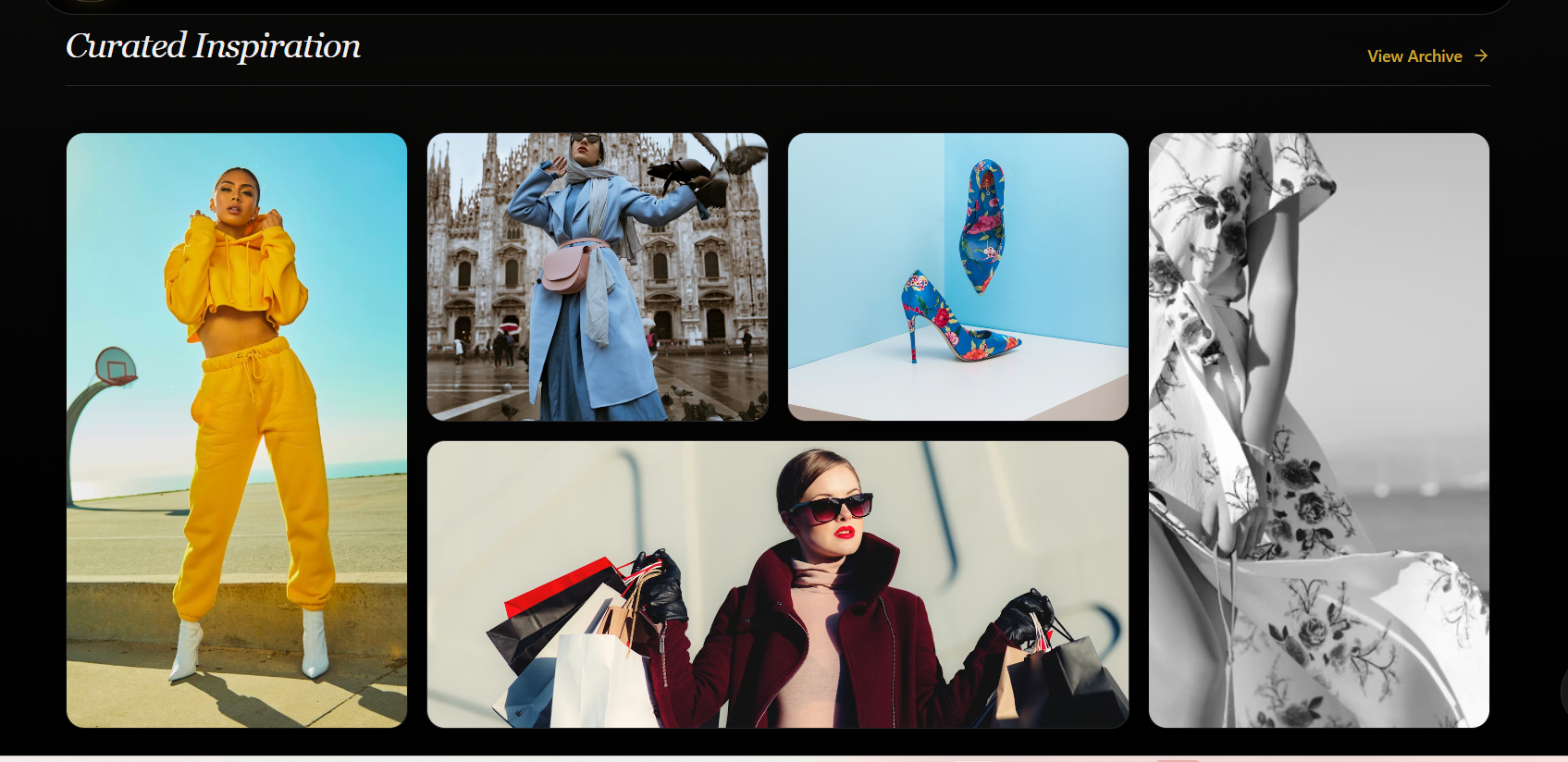
- editorial-quality fashion outputs
Nova Multimodal Embeddings
Acts as the retrieval bridge between generated fashion ideas and searchable products.
It converts:
- outfit images
- style descriptions
into vector representations for semantic retrieval.
High-Precision Shopping Pipeline
AuraStylist uses a multi-layered retrieval architecture:
1. Attribute Parsing
Nova Vision separates generated looks into:
- Top
- Bottom
- Shoes
- Accessories
2. Multimodal Vectorization
Embeddings combine visual and textual context such as:
- fabric type
- color tone
- garment category
3. Vector Retrieval
Integrated with Amazon OpenSearch for similarity search across fashion catalogs.
4. Style Ranking
A ranking layer prioritizes products based on stylistic closeness to the generated recommendation.
Challenges we ran into
A major challenge was maintaining visual-text alignment.
Certain aesthetics such as Cyberpunk Minimalist are difficult to define using keywords alone.
This was improved by using multimodal reasoning, where image references and text prompts were interpreted together.
Another major focus was refining prompt quality so generated outfit visuals stayed visually consistent and premium.
Accomplishments that we're proud of
- Physical-profile-based personalization beyond simple filters
- Fast transition from generated concept to searchable products
- A luxury-style interface that feels product-ready
What we learned
Building with the Amazon Nova ecosystem showed the strength of unified multimodal systems.
Instead of combining unrelated vision and text pipelines, a single family of models improved consistency across:
- analysis
- reasoning
- generation
- retrieval
We also gained deeper practical understanding of vector search systems using OpenSearch.
What's next for AuraStylist
Virtual Try-On 2.0
Using inpainting for direct outfit application on user photos.
Contextual Wardrobe
Allowing users to upload their own wardrobe and receive mix-and-match suggestions.
Social Style Layer
A future feature where users can share style profiles and curated galleries.
Built With
- amazon-nova-canvas
- amazon-nova-lite
- amazon-nova-multimodal-embeddings
- amazon-nova-omni
- amazon-nova-pro
- aws-bedrock
- aws-opensearch
- boto3
- fastapi
- javascript
- lucide-react
- mongodb
- next.js
- pillow
- python
- tailwind-css
- uvicorn

Log in or sign up for Devpost to join the conversation.