-
-

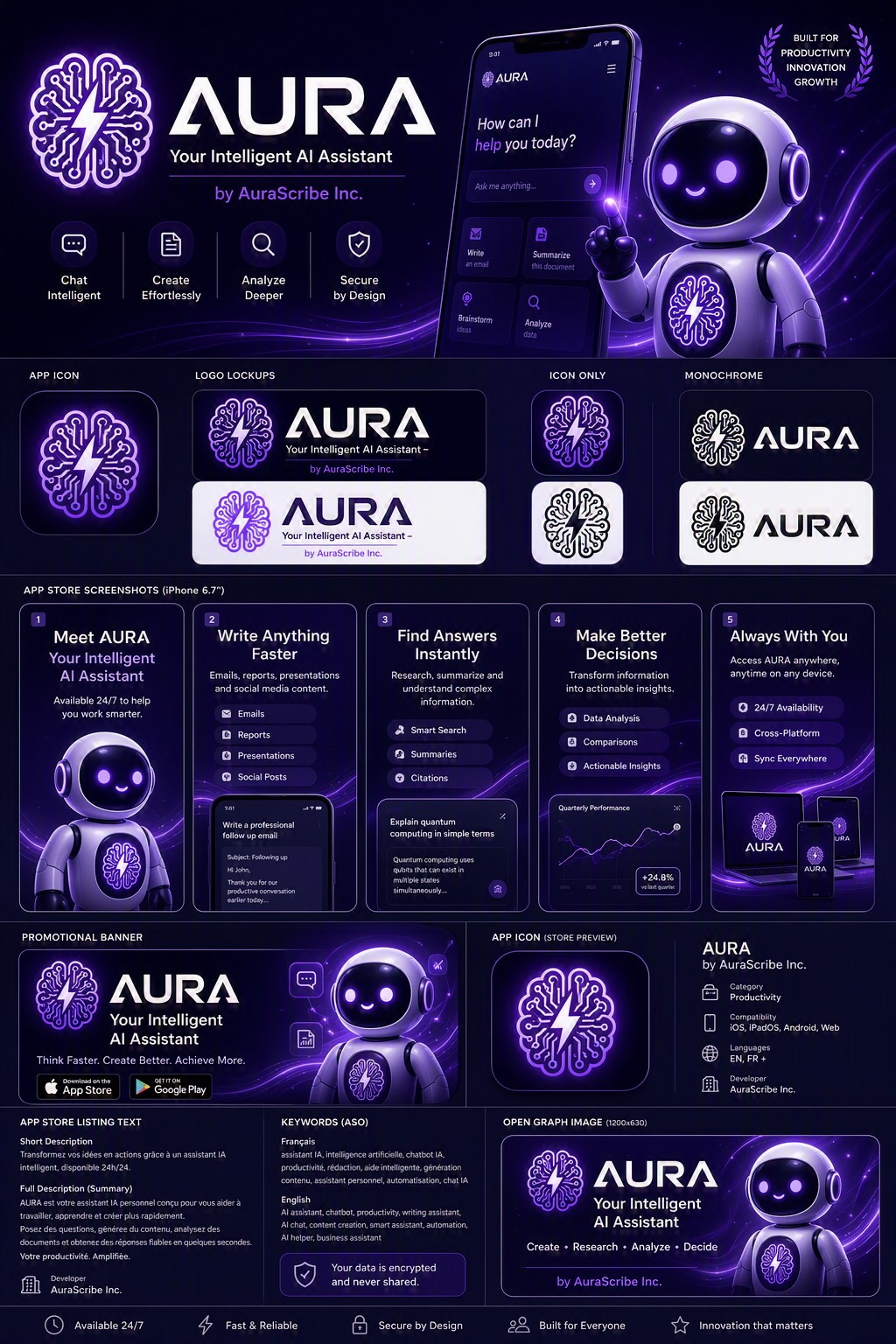
Logo
-

OG_Image
-

OG_image
-
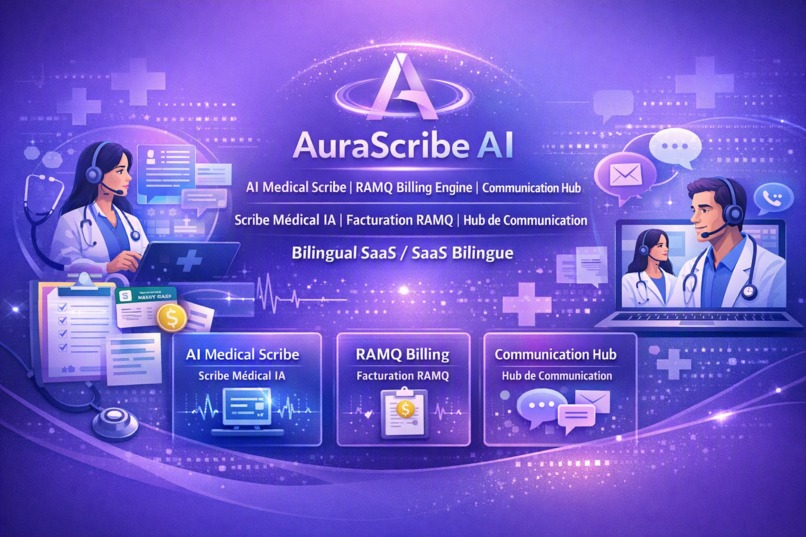
-
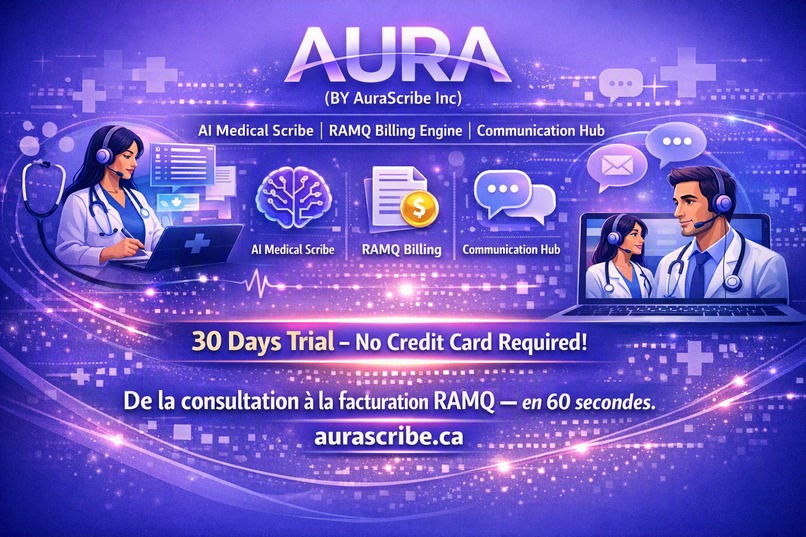
-
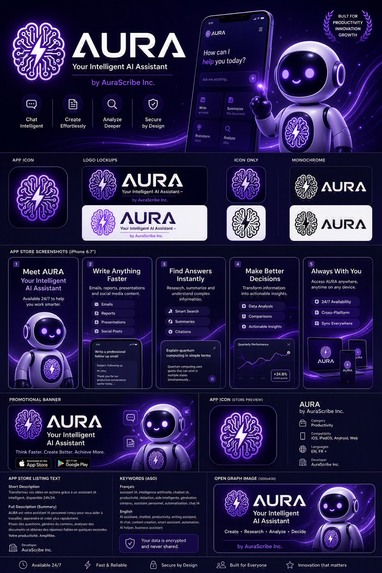
LinkedIn_OG
-

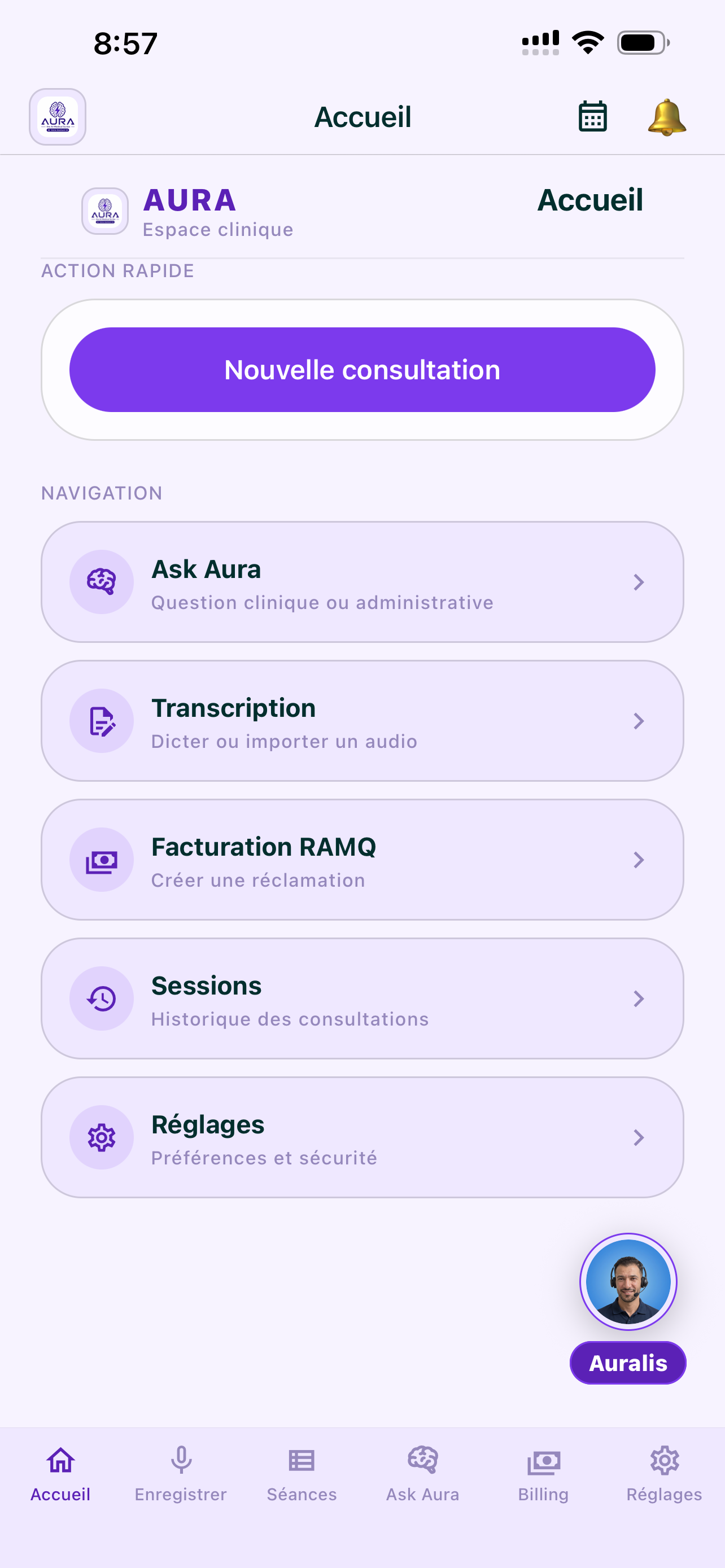
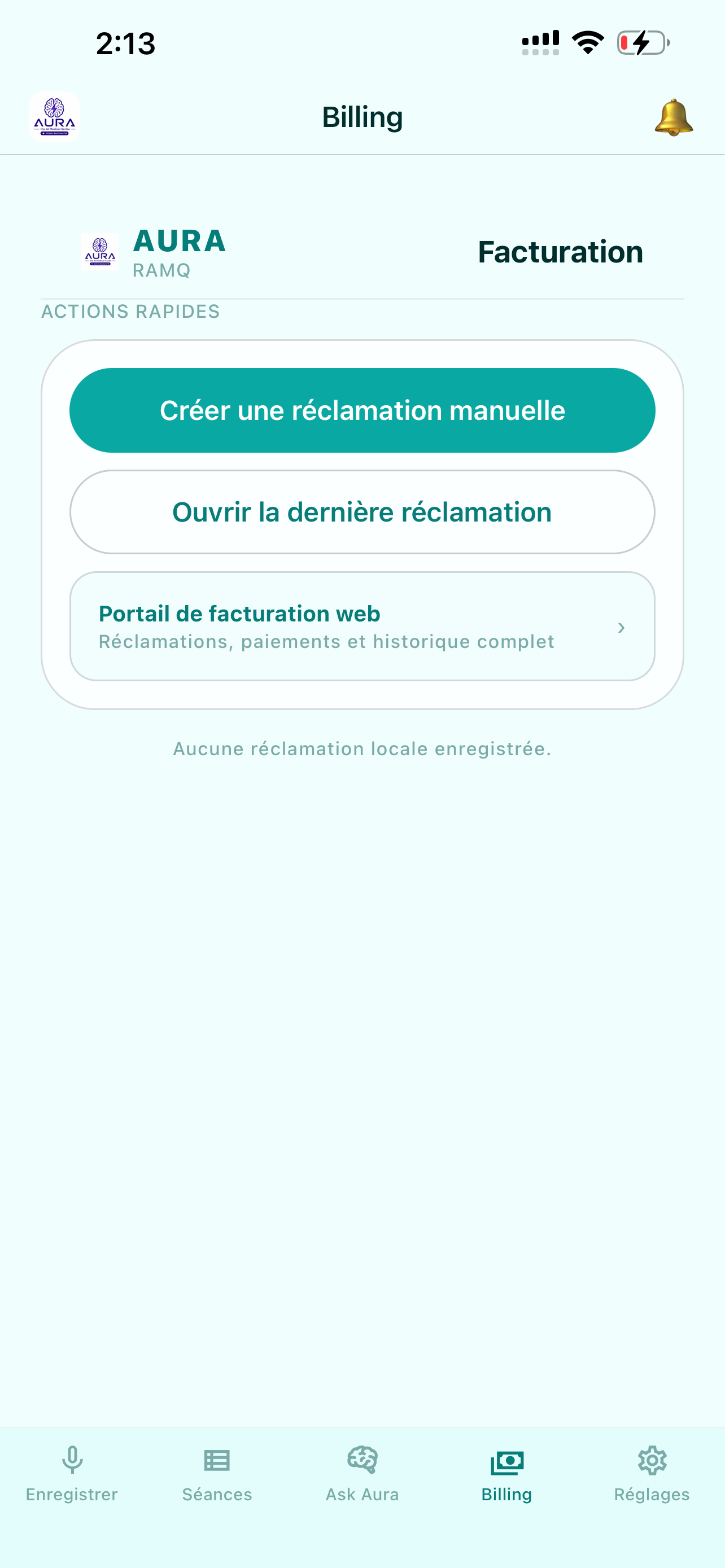
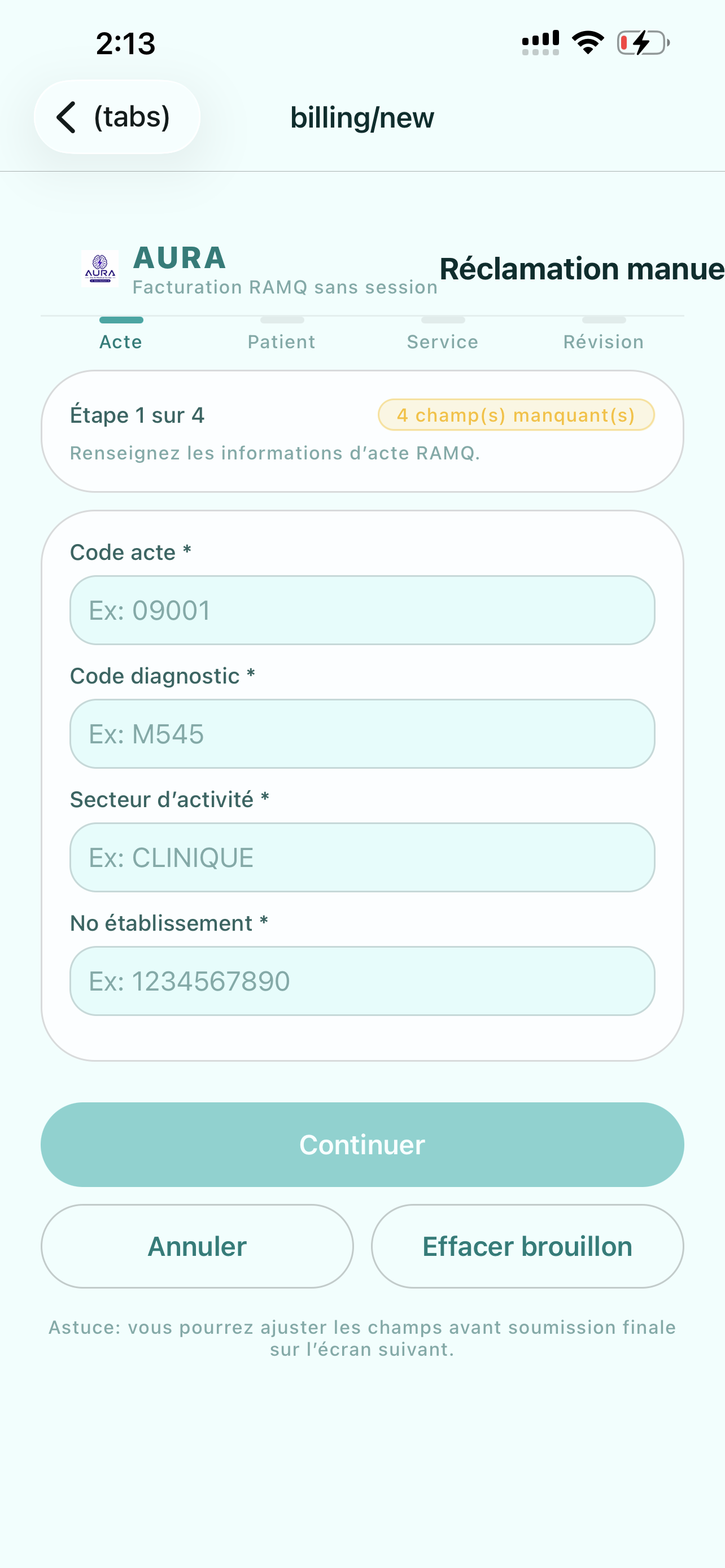
Mobile App
-
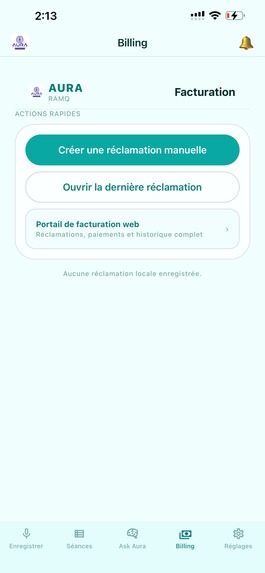
Mobile App
-
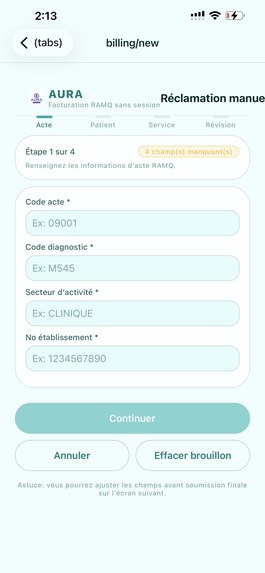
Mobile App
-
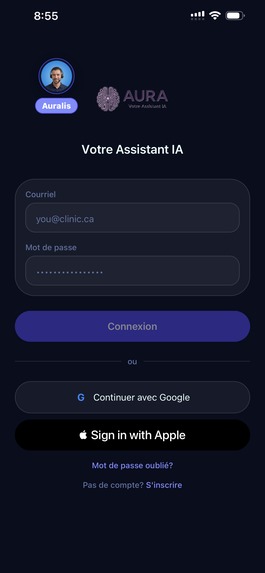
Mobile App



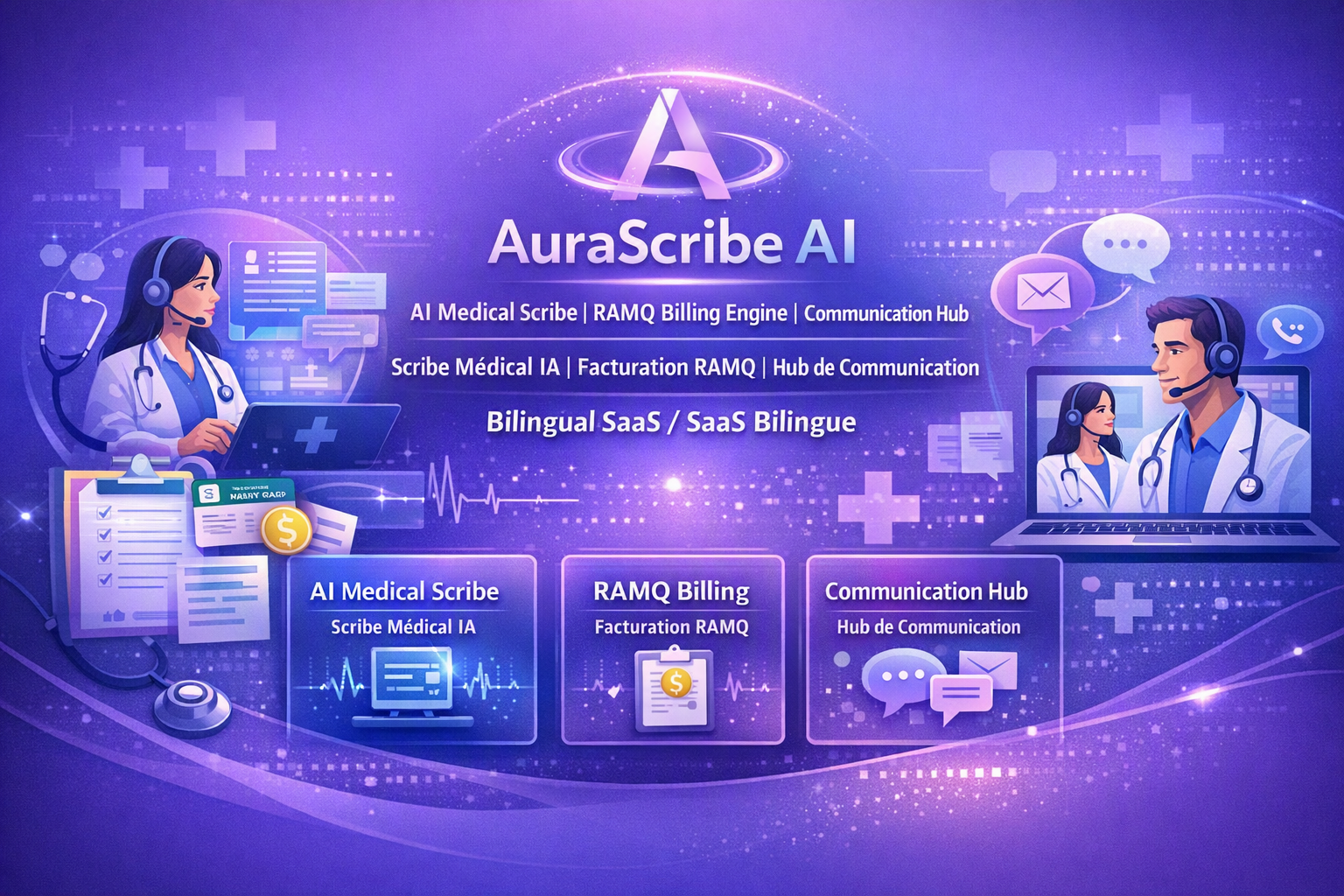
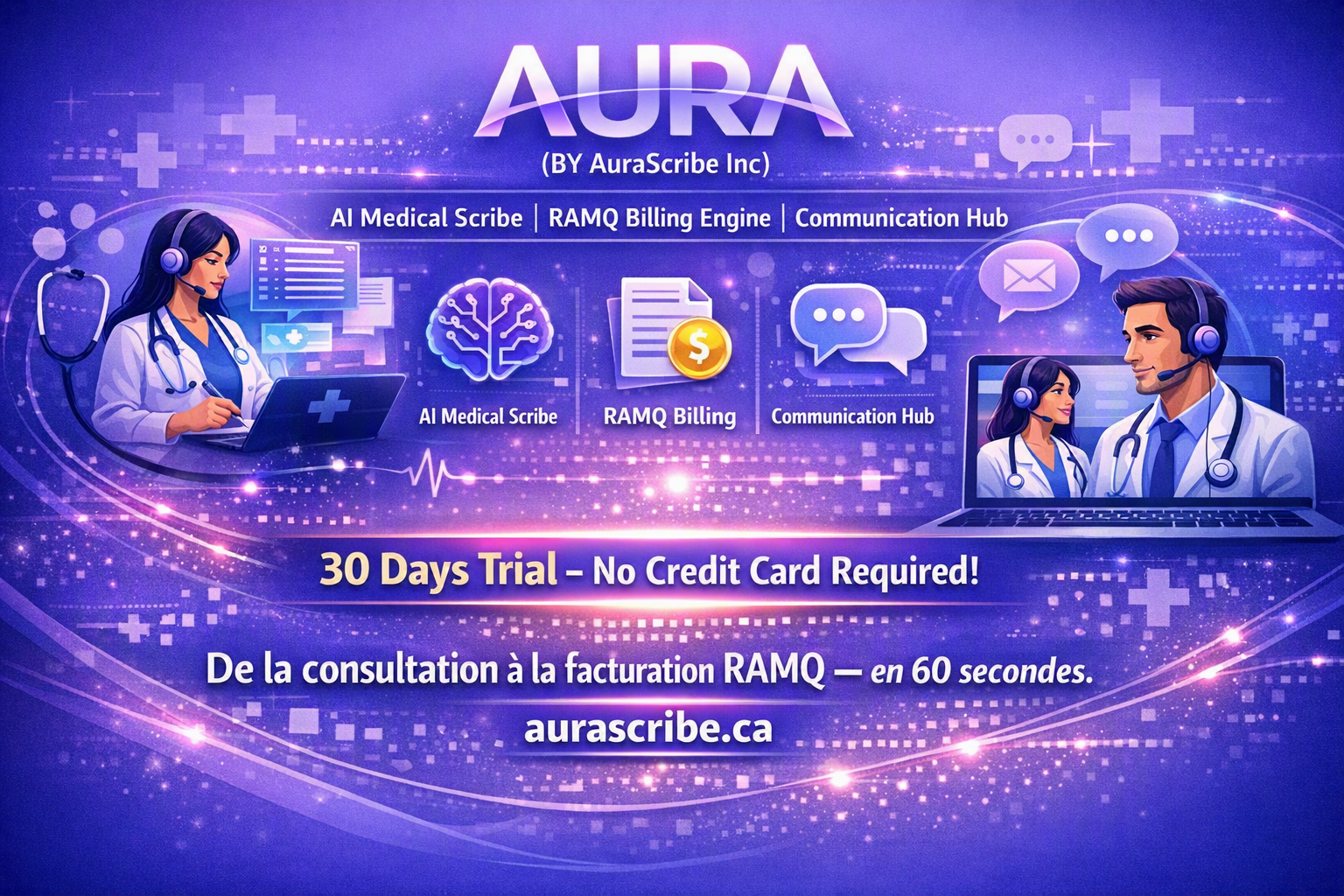
Inspiration
The inspiration for AuraScribe came from a stark reality in the Quebec healthcare system: administrative burnout. Doctors, nurses, and specialists spend hours every day tethered to keyboards, charting instead of focusing on patient care. With recent legislative shifts like Loi 25, healthcare professionals face a double burden—they need to cut down on paperwork, but they must also ensure absolute data privacy and sovereign Canadian hosting. We built AuraScribe to bridges this gap, giving clinicians their time back without compromising security.
What it does AuraScribe AI Platform
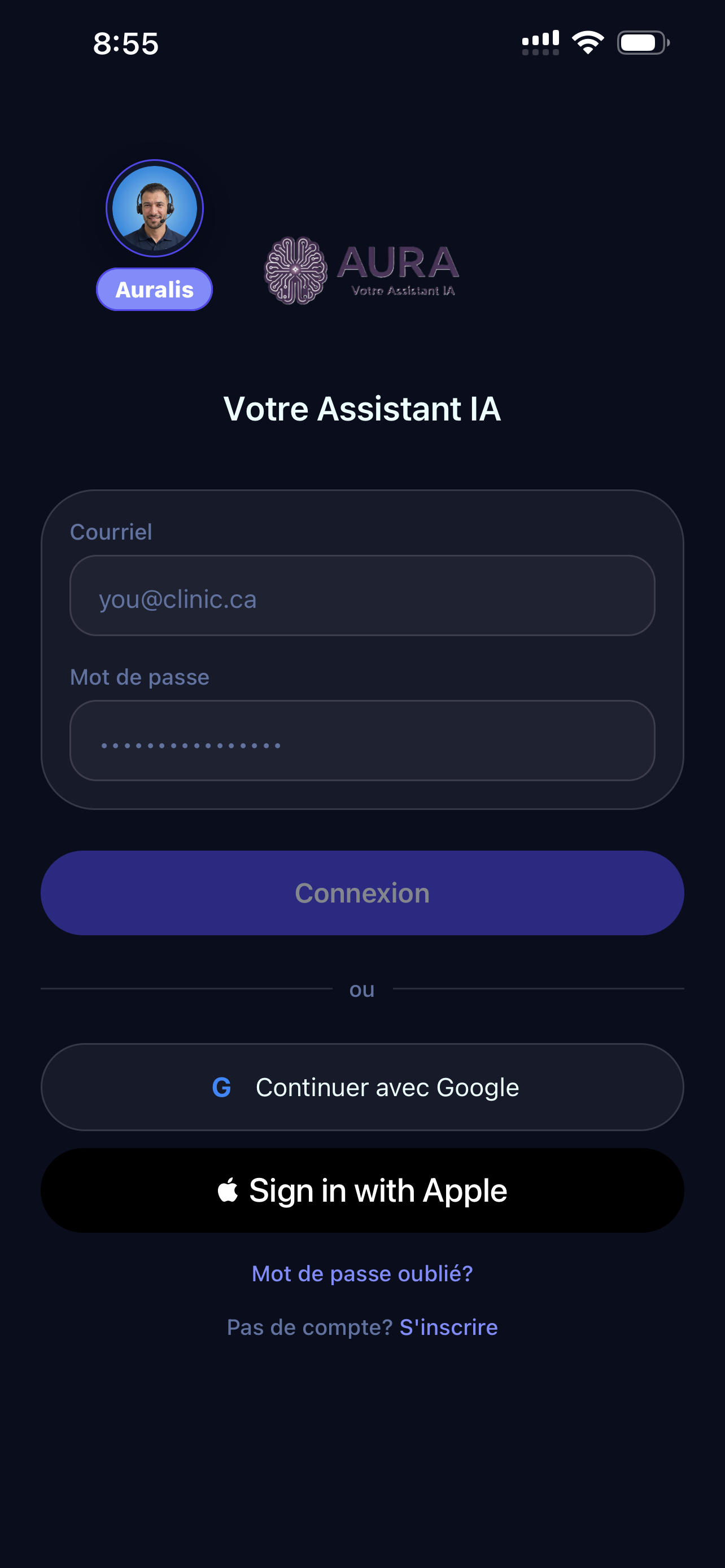
AI-powered medical documentation for Quebec healthcare professionals. Converts patient consultations into structured clinical documents (SOAP notes, MADO forms, referral letters, prescriptions, lab orders, sick notes) with full Loi 25 / PIPEDA compliance. All data stays in Canada. Built and operated by Salah Taileb (CEO & Privacy Officer), Montreal, QC.
How we built it
AuraScribe was architected from the ground up with data sovereignty and clinical accuracy in mind. We developed a secure pipeline that captures audio from patient consultations and processes it through advanced Medical Speech-to-Text models. From there, we utilized customized Large Language Models (LLMs) engineered with medical-domain prompts to parse raw transcripts into structured clinical formats like SOAP notes, MADO forms, referral letters, and prescriptions. To meet strict compliance standards, we implemented end-to-end encryption (at rest and in transit) and containerized our workloads to ensure all data resides strictly on Canadian servers, satisfying both Loi 25 and PIPEDA mandates.
Challenges we ran into
Building a medical AI in Quebec comes with unique hurdles. Bilingual Medical Terminology: Consultations in Montreal often blend French and English ("Franglais") or switch fluidly between the two, requiring our models to handle code-switching and highly specific medical jargon accurately. Strict Privacy Contraints: Ensuring absolute data isolation and satisfying Loi 25 requirements meant we couldn't rely on standard, out-of-the-box API wrappers that route data through US-based servers. Setting up fully compliant, sovereign Canadian infrastructure required rigorous testing and architecture refinement. Structuring Complex Data: Turning a messy, conversational dialogue into a crisp, legally sound MADO form or sick note required intense prompt engineering and fine-tuning to eliminate AI hallucinations.
Accomplishments that we're proud of
We are incredibly proud to have built a fully functional, end-to-end compliant AI documentation assistant as a solo founder/lean team. AuraScribe successfully automates complex, highly specific Quebec medical documentation (like mandatory MADO reporting) that generic AI scribes entirely ignore. Achieving strict Loi 25 and PIPEDA compliance while maintaining a seamless, zero-friction user experience for busy clinicians is a massive win for us.
What we learned
We learned that healthcare professionals don't just want "AI"—they want workflow integration. A perfect transcript is useless if it doesn't seamlessly map to a doctor's mental model of a SOAP note. We also gained deep, practical expertise in navigating the intersection of cutting-edge generative AI and stringent Canadian data privacy laws, proving that localized, highly compliant healthcare tech is entirely viable.
What's next for AuraScribe
The immediate next step is expanding our integration capabilities. We plan to build secure API plugins for major Electronic Medical Record (EMR) systems used across Quebec (like Omnimed, KinLogix, or MYLE) so clinicians can sync documents with a single click. We are also looking into fine-tuning localized open-source models hosted entirely on our own secure Canadian infrastructure to drive down latency and overhead costs even further. Tip for submission: If you used specific technologies (e.g., Python, Next.js, OpenAI API on Azure Canada, FastAPI, etc.), don't forget to list them in the "Built With" tag section of your submission page!
Built With
- fastapi
- javascript
- python
- reacte

Log in or sign up for Devpost to join the conversation.