
Inspiration
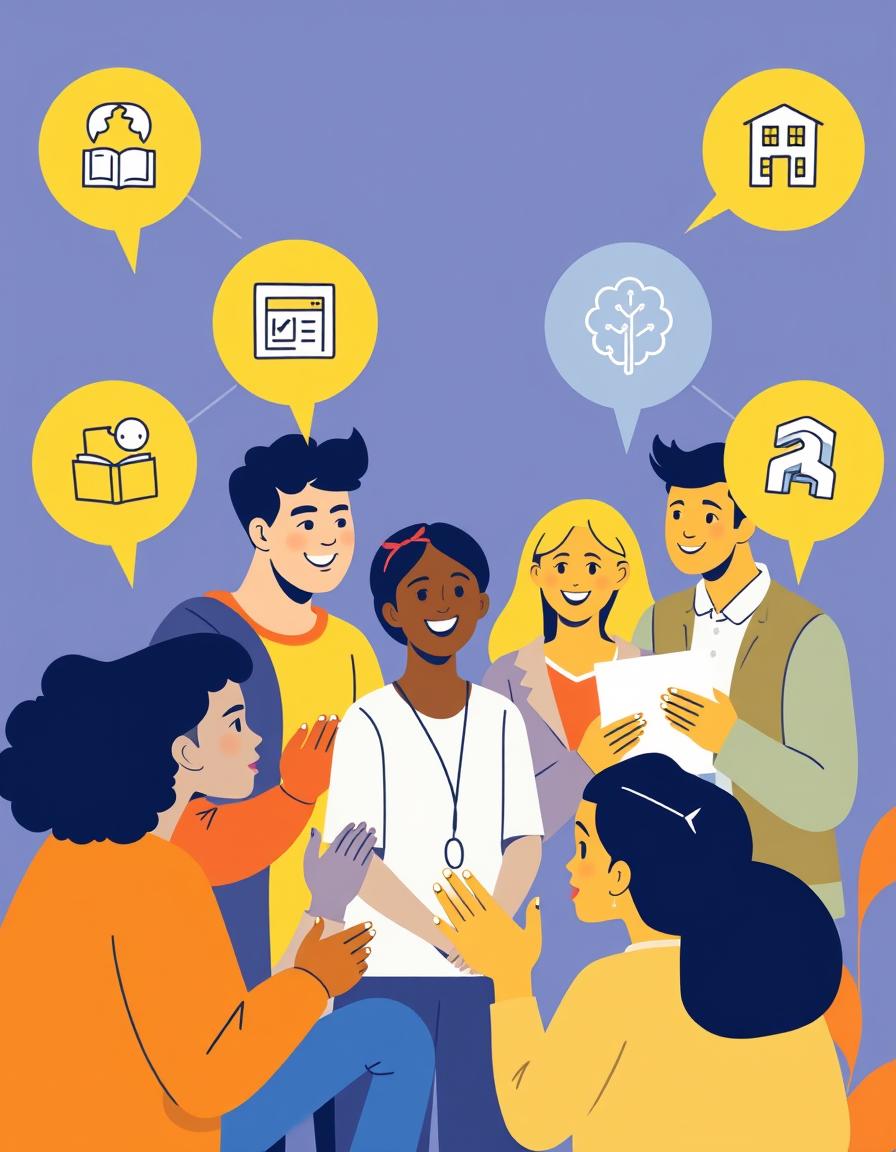
AuraMind was born out of the growing need to address mental health challenges in educational environments. With students and educators facing increasing stress, anxiety, and burnout, we wanted to create a solution that empowers them to take control of their well-being. By integrating technology and mental health resources, we aim to foster a supportive and understanding environment where everyone can thrive.
What it does
AuraMind is a platform designed to support the mental health and well-being of both students and educators. It offers:
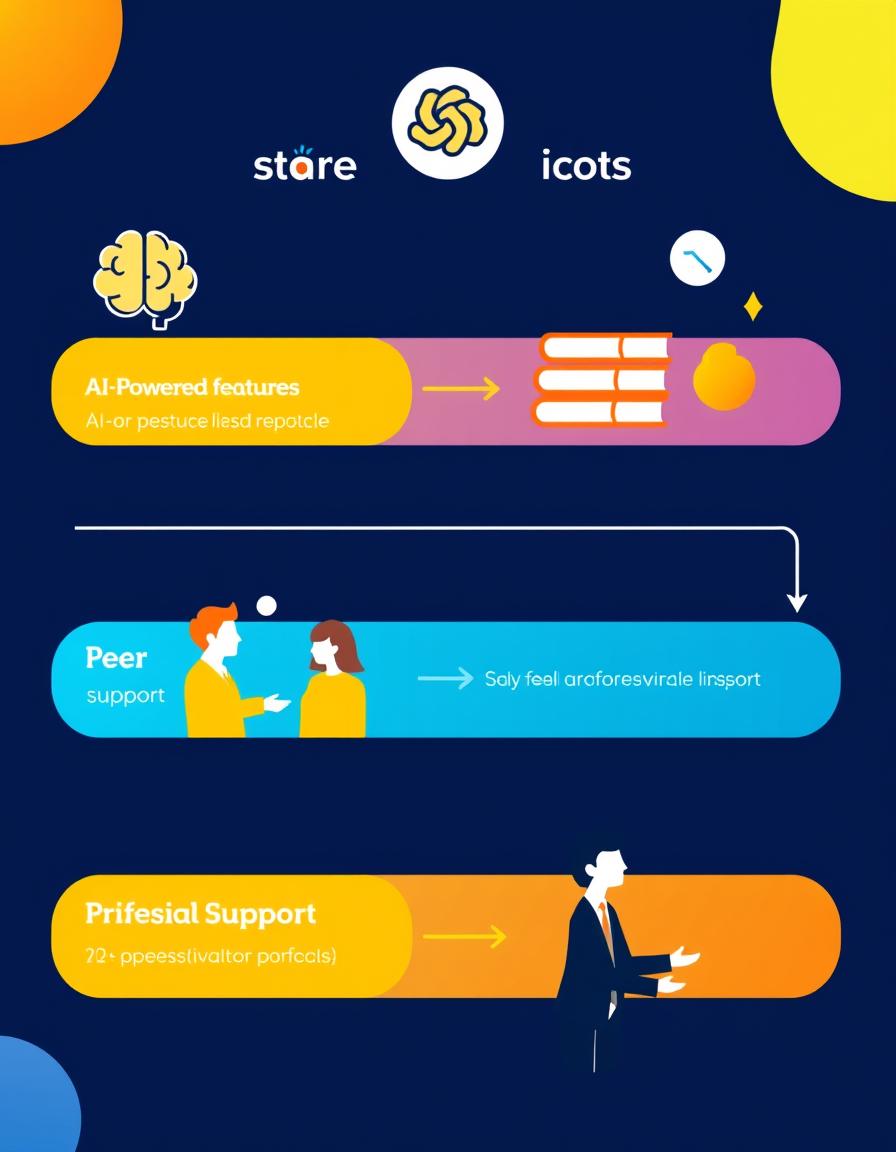
AI-Powered Mood Tracker: Users can log their daily emotions, and the AI provides personalized insights and tips. Mental Health Resource Hub: A curated collection of articles, videos, and self-help tools to educate users on stress management, mindfulness, and emotional resilience. Peer Support Network: A space for students and educators to connect, share experiences, and offer mutual support through forums and a buddy system. Crisis Helpline Integration: Quick access to professional help through a crisis hotline and virtual counseling sessions. Gamified Well-Being: Daily challenges and rewards to encourage healthy mental habits and engagement with the platform.
How we built it
We developed AuraMind using a combination of cutting-edge technology and mental health expertise. Here's how we approached it:
Frontend: Built using React.js to ensure a responsive and user-friendly interface. Backend: Node.js was used for a scalable backend capable of handling numerous requests in real time. AI Technology: Python and TensorFlow helped power the mood analysis system, providing insights into users’ emotional states and suggesting relevant resources. Security: Data encryption and GDPR compliance were implemented to protect user privacy, ensuring a safe experience for all users.
Challenges we ran into
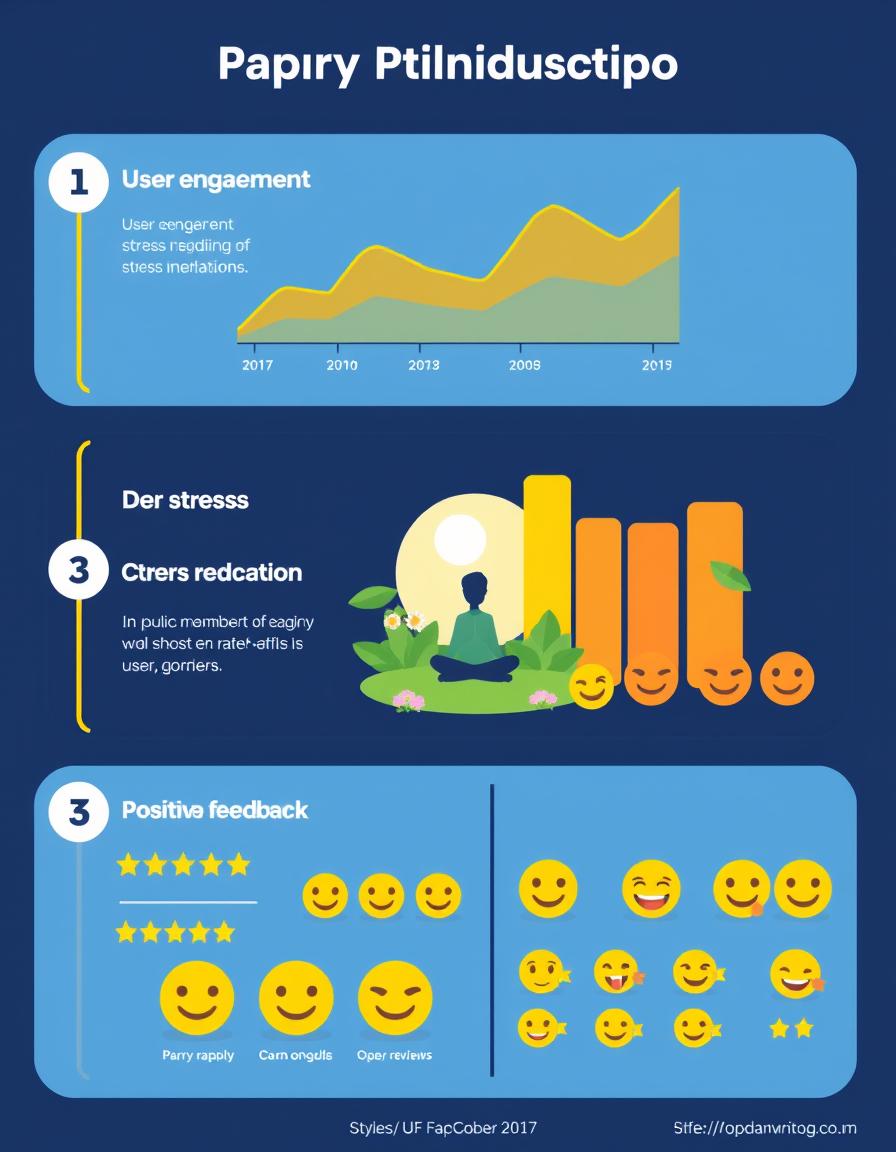
Data Privacy: Ensuring the confidentiality of sensitive user data was a major concern, particularly with minors involved. We had to carefully implement encryption and GDPR compliance to ensure trust. AI Accuracy: Training the AI to provide meaningful, personalized insights was tricky. We had to fine-tune models to ensure they were not only accurate but also sensitive to users' emotional states. User Engagement: Designing a platform that would appeal to both students and educators with different needs required thoughtful, adaptable features. It took time to balance simplicity and depth across the platform’s modules.
Accomplishments that we're proud of
What we learned
Mental Health Sensitivity: We gained a deeper understanding of the challenges faced by both students and educators in terms of mental health, which helped refine our platform's features. Iterative Development: Continuous feedback loops and iterative development allowed us to improve and adjust our platform based on real user experiences and needs. Collaboration Across Disciplines: Working with mental health experts, educators, and developers helped us create a more comprehensive, effective solution that bridges the gap between technology and well-being.
What's next for AuraMind
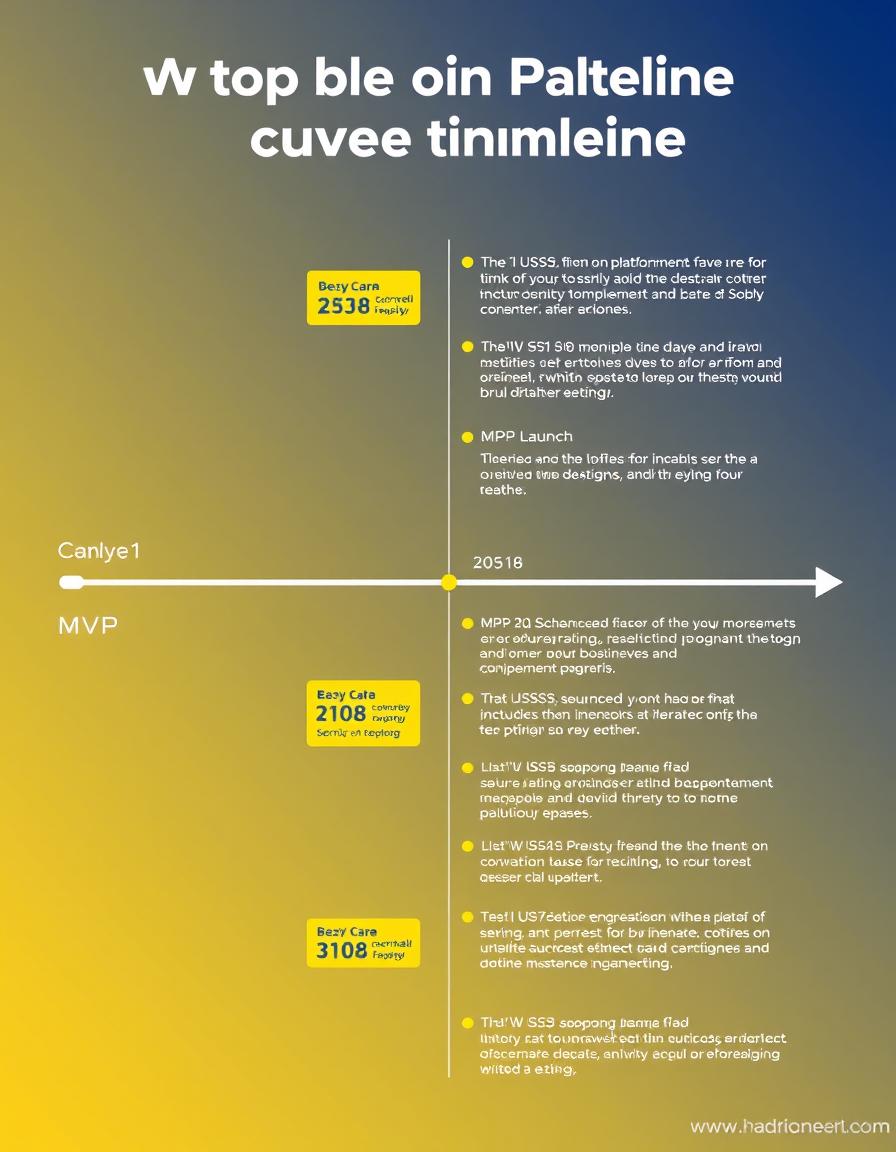
Feature Expansion: We plan to add new features, such as mindfulness courses, stress-relief games, and a peer mentoring program. Global Reach: We aim to expand the platform’s accessibility to other languages and regions to ensure inclusivity for users worldwide. Long-Term Partnerships: We are looking to partner with educational institutions and mental health organizations to scale AuraMind and create a lasting impact on student and educator well-being.
Built With
- gamma
- wikipedia

Log in or sign up for Devpost to join the conversation.