🧠 Inspiration
The post-pandemic world has left many, especially younger generations, grappling with anxiety, burnout, and isolation. Traditional mental health support remains stigmatized, expensive, or hard to access. We envisioned a platform that uses cultural intelligence and AI to support emotional wellness in a private, engaging, and insightful way.
For the Qloo Hackathon, we adapted our mental wellness platform — originally built for another challenge — to integrate with Qloo’s Taste AI™. By combining LLMs with Qloo’s cultural graph, our solution recommends content that truly resonates with a person’s emotional state, from calming music to inspiring shows and uplifting books.
💡 What It Does
AuraCare (Qloo Edition) is a gamified, AI-powered mental wellness platform that helps users manage emotional well-being by connecting their moods with culturally aligned, mood-boosting recommendations.
Using a blend of Qloo’s Taste AI™ and LLM-driven chat, AuraCare offers:
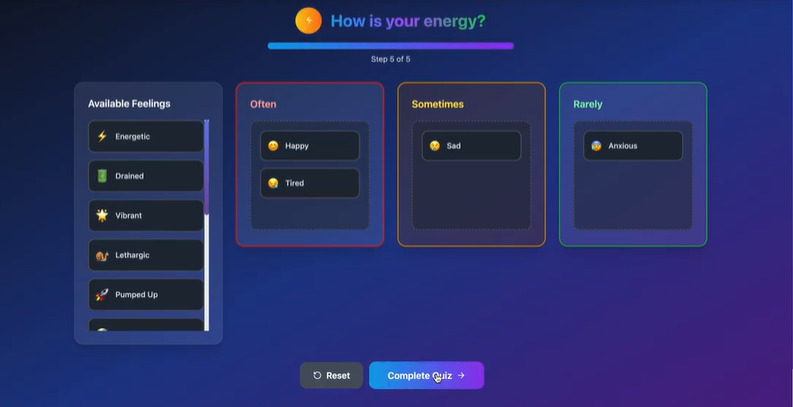
- 🎮 Mood-Based Assessment: Users rate their emotional state via a visual drag-and-drop interface
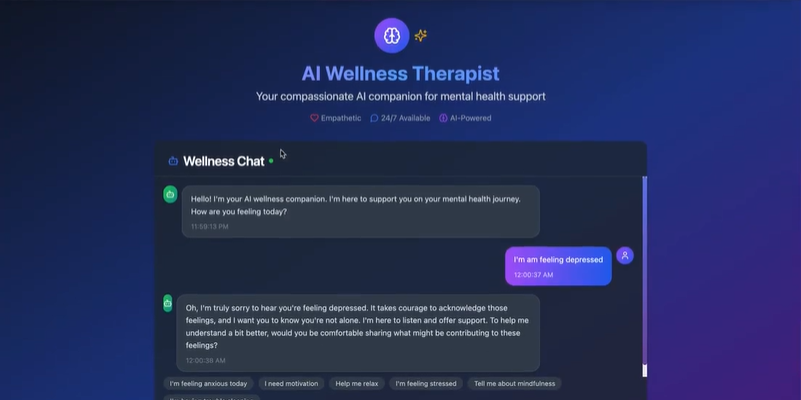
- 🤖 LLM-Powered Chat Support: A ChatGPT/Gemini-based assistant offers empathetic conversation, reflections, and wellness prompts
- 🎧 Taste-Aligned Suggestions: Qloo API recommends music, movies, books, and experiences personalized to the user’s emotional profile
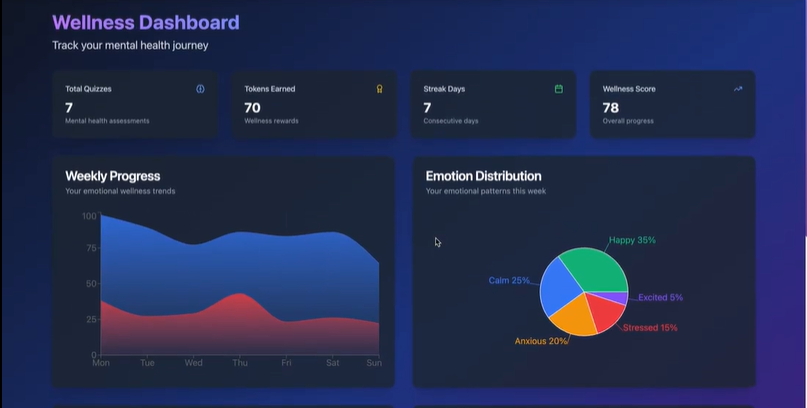
- 📊 Mood Tracker Dashboard: Users can monitor trends, behaviors, and recommended content over time
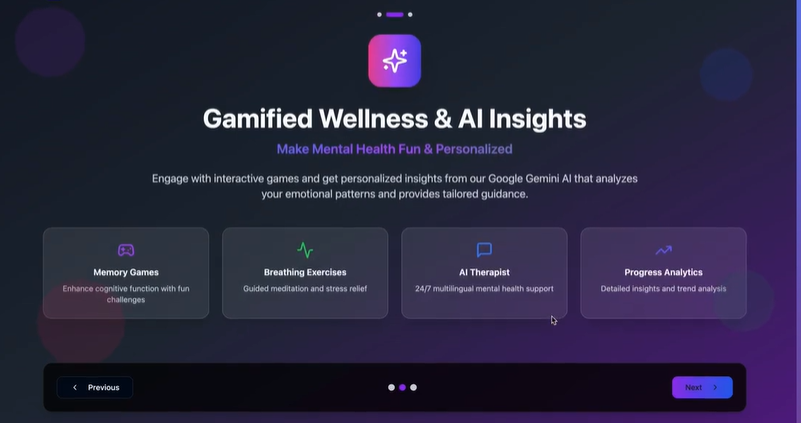
- 🧘 Wellness Mini-Games: Reduce stress, improve focus, and build positive habits
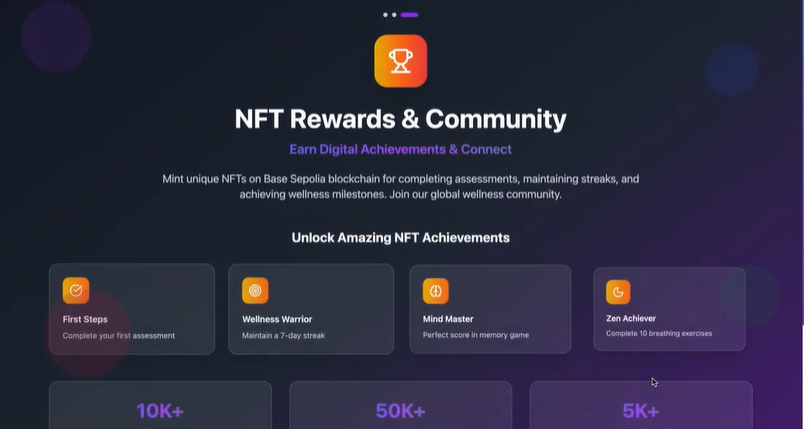
- 🪙 Reward Layer (Optional): Earn tokens/NFTs for daily engagement, streaks, and journaling
🛠️ How We Built It
🧠 AI + LLM
- Gemini Pro (or ChatGPT) for empathetic mental health interaction
- Natural language understanding for emotional tone detection
- Context-aware chat memory to maintain session history
🎯 Qloo API Integration
- Emotion-to-taste mapping: User input (e.g. “I’m stressed”) → “calming music” or “light comedies”
- Semantic recommendations across multiple cultural domains (music, film, books, etc.)
💻 Frontend
- React + TypeScript for modular structure
- Tailwind CSS + Framer Motion for smooth UI/UX
- Zustand for state management
📦 Backend / Other
- Supabase for journaling & user metadata
- NFT minting system (optional) on Base Sepolia
- Ethers.js for blockchain interaction (optional)
🚧 Challenges We Ran Into
- Building emotionally intelligent LLM prompts that feel human
- Mapping vague emotional expressions to semantically relevant Qloo queries
- Balancing simplicity, warmth, and privacy in UX
- Ensuring cultural recommendations feel authentic and comforting
- Harmonizing real-time chat, semantic search, and gamified wellness features
🏆 Accomplishments
- Seamless integration of Qloo’s Taste AI™ for emotion-aware suggestions
- Created a chatbot that understands emotional tone and responds empathetically
- Developed a full wellness assessment UX with gamification
- Positive tester feedback around interface, insightfulness, and personalization
- First-of-its-kind emotion-to-culture recommender driven by both LLMs and Qloo
📚 What We Learned
- The power of contextual, taste-driven personalization
- How LLMs and cultural APIs can jointly craft deeper emotional intelligence
- Designing for mental health requires extra compassion & clarity
- How to translate emotions → behavior → taste → content
- Gamification and self-reflection can reinforce daily mental wellness habits
🚀 What’s Next
🔄 In Progress
- 🌐 Multi-language Support via Google Translate API
- 📱 Mobile App with Offline Support
- 🤝 Anonymous Communities and AI-moderated support groups
- 📊 Deeper Analytics on mood-content interaction
📋 Future Roadmap
- 🧑⚕️ Therapist Portal for professional partnerships
- 🧬 Clinical validation with wellness experts
- 🧾 CSR/Insurance integration for organizational wellness support
- 🧠 Contribute anonymized data (opt-in) to mental health research
- 🌍 Scale to support culturally adapted content for global audiences


Log in or sign up for Devpost to join the conversation.