Inspiration
Traditional identity systems are often fragmented, highly centralized, prone to data breaches, and difficult for marginalized populations to access. Furthermore, physical ID cards are easily lost, stolen, or misplaced, frequently falling into the wrong hands and exposing citizens to identity theft, fraud, and financial exploitation. We were inspired to design a foundational, privacy-first digital infrastructure that eliminates physical card vulnerability, gives citizens absolute ownership over their personal data, and provides a seamless, secure gateway to both public and private services without compromising safety. What it does
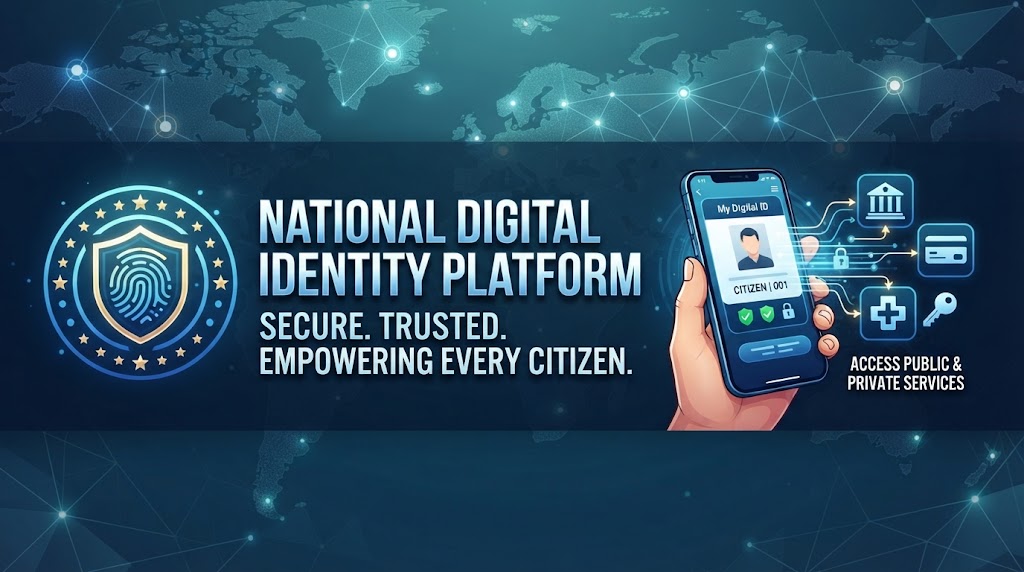
Aura is a next-generation national digital identity platform designed to act as a secure, decentralized bridge between citizens, government services, and private institutions. Key capabilities include:
Cryptographic Verification: Employs zero-knowledge proofs (ZKPs) and decentralized identifiers (DIDs) so citizens can prove attributes (like age or citizenship) without exposing raw personal data or vulnerable identification numbers.

The Citizen Mobile Wallet: A secure app interface allowing users to manage credentials, authorize access requests, and authenticate seamlessly, replacing easily lost physical cards with cryptographic security.

Omnichannel Interoperability: Standardized APIs and SDKs that allow banks, healthcare providers, and municipal services to verify identity instantly and securely.

Offline Resilience: Designed with fallback mechanisms and cryptographic caching to ensure authentication works even in low-bandwidth or intermittent connectivity environments.
How we built it
We structured Aura around a modern, privacy-first technology stack:
Architecture: Follows a decentralized identity framework utilizing W3C Verifiable Credentials and OpenID for Verifiable Presentations.

Security Layer: Integrated zero-knowledge cryptographic libraries to handle attribute verification without centralizing honeypot databases.

Interface & Integration: Developed a modular API gateway for public and private sector onboarding alongside a lightweight, responsive citizen wallet UI concept.
Challenges we ran into
Mitigating Physical Vulnerabilities: Addressing the widespread risk of lost physical ID cards falling into the wrong hands by ensuring cryptographic revocation and multi-factor biometric locking on digital wallets.

Balancing Security with Accessibility: Designing a system robust enough for national security yet simple and accessible enough to prevent digital exclusion for users with varying levels of tech literacy.

Minimizing Centralized Risk: Architecting the data flow to completely avoid a single point of failure or a massive central database that attracts cyber threats, shifting instead toward sovereign, user-held credentials.

Interoperability Standards: Harmonizing how different sectors (finance vs. healthcare vs. civil services) can trust and parse verifiable credentials smoothly.
Accomplishments that we're proud of
Successfully conceptualizing an architecture that eliminates traditional central database "honeypots" and removes the dangers associated with lost physical identification cards by leveraging cryptographic self-sovereign identity principles.

Creating a cohesive, end-to-end vision—from high-level governance and legal frameworks down to the citizen wallet experience.

Crafting a platform identity (Aura) that evokes trust, sovereignty, and modern technological capability.
What we learned
Building identity infrastructure isn't just a software challenge; it’s an exercise in digital trust and human rights. Replacing physical touchpoints like plastic cards with cryptographic mobile credentials drastically cuts down fraud and identity theft risks. Privacy-by-design must dictate the foundational database and cryptographic architecture from day one.

The importance of designing for the edge: an identity system fails if it cannot operate smoothly in low-bandwidth or offline scenarios.
What's next for Aura
Prototype Simulation: Build out a functional end-to-end testnet simulation demonstrating a citizen issuing a verifiable credential, revoking a compromised credential, and authenticating with a mock municipal service.

Policy & Compliance Mapping: Deepen alignment with international data protection frameworks (like GDPR and POPIA standards) to ensure strict legal compliance.

Pilot Ecosystem Expansion: Design developer documentation and sandbox environments for third-party fintech and healthcare partners to test out integration SDKs.
Built With
- cryptography
- openid
- python
- w3c

Log in or sign up for Devpost to join the conversation.