-
-
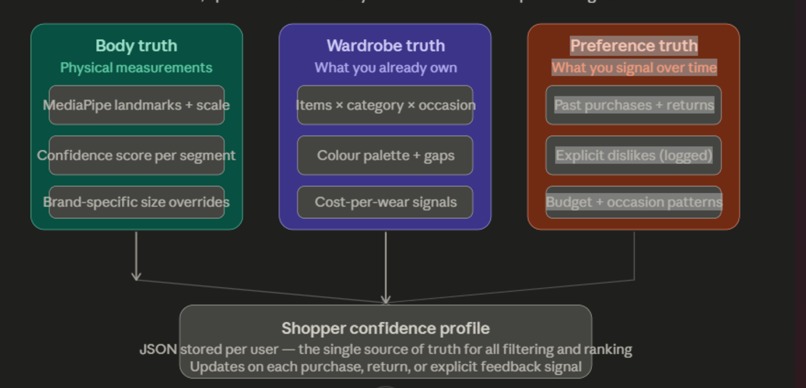
High Level Diagram, check the digital body measurement (demo), get the dress measurements from scraping check the fitting, virtual try on.
-
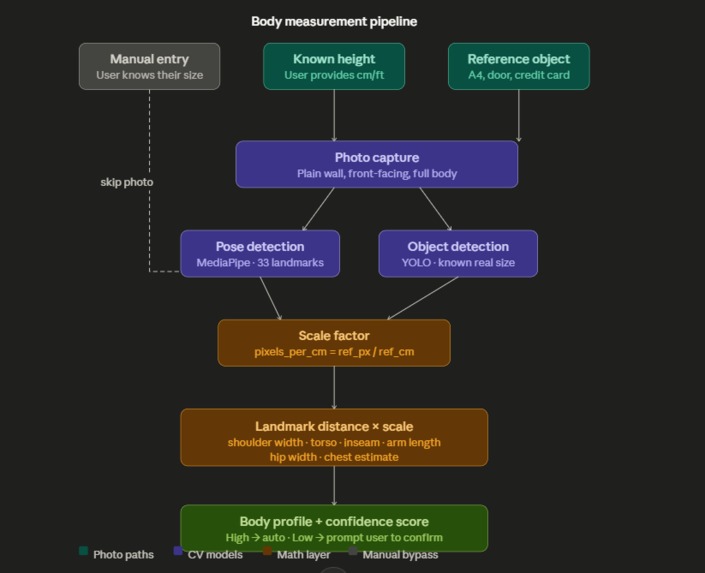
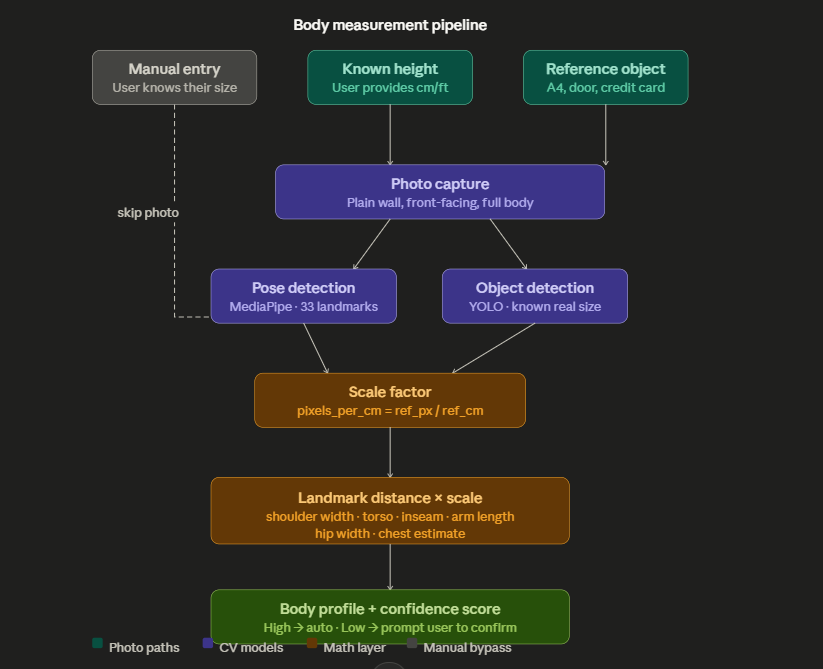
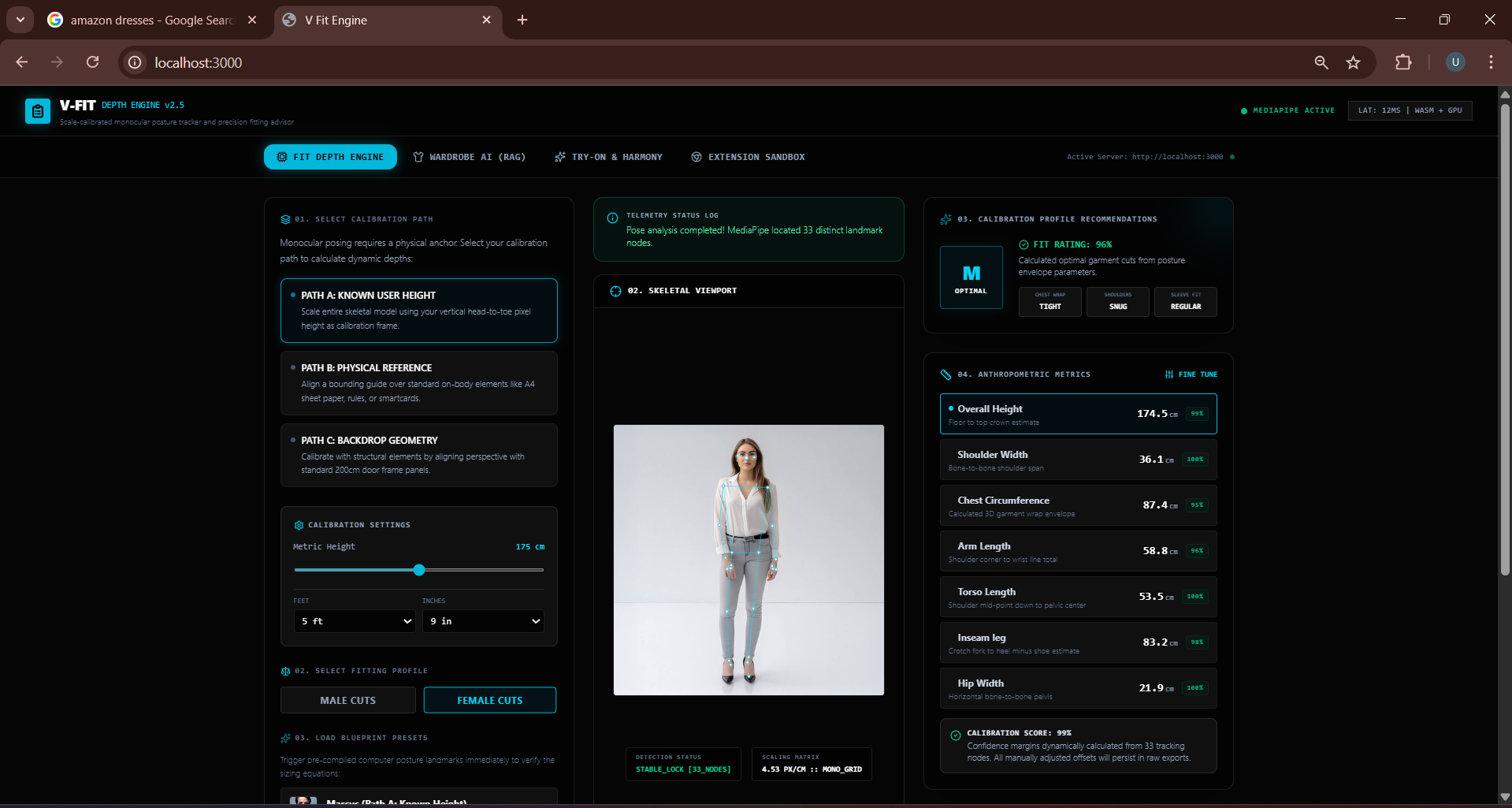
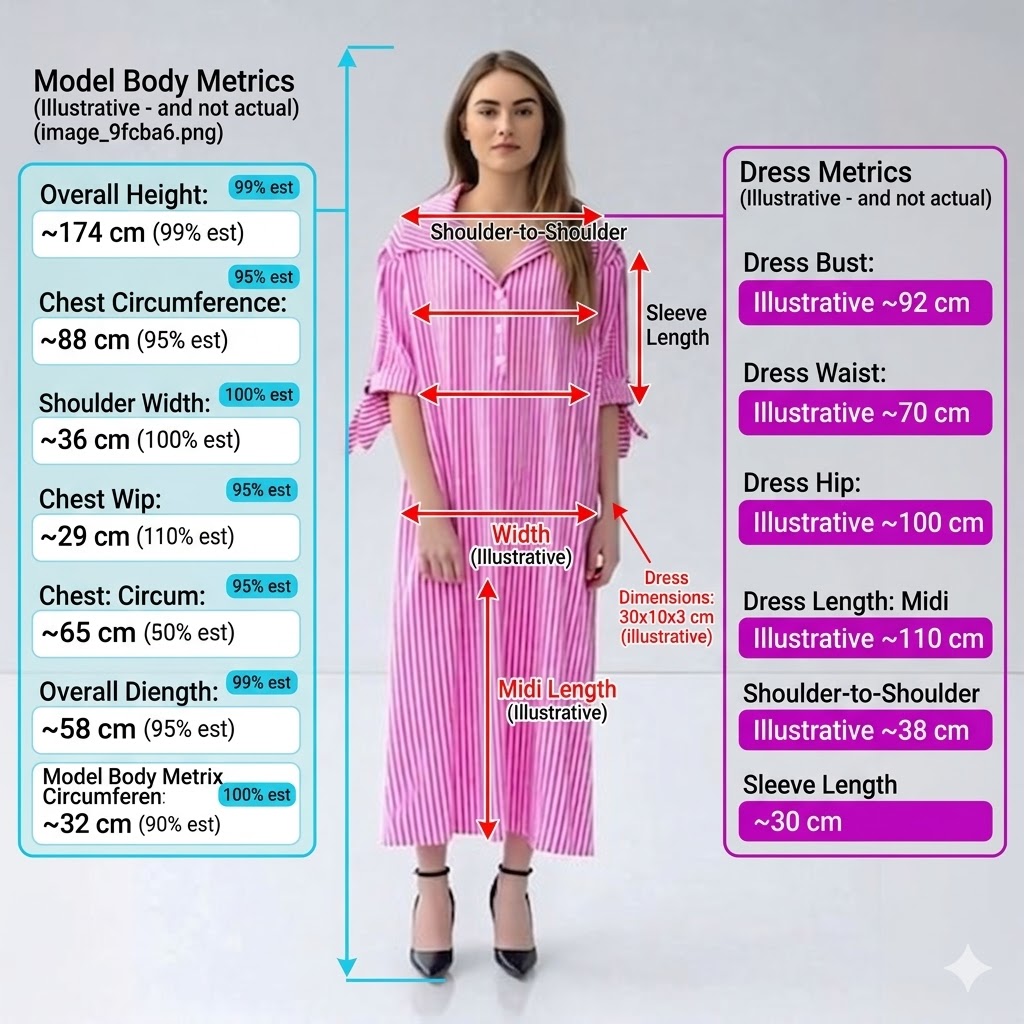
Digital Measurement Algorithm : monocular depth + pose estimation with reference object scaling
-
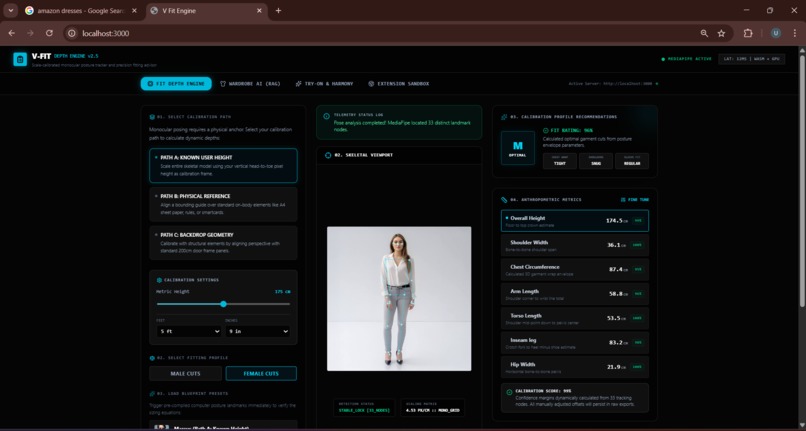
Demo of V Fit Engine ( Body Measurements Algorithm ) which automatically loads into the Browser storage
-
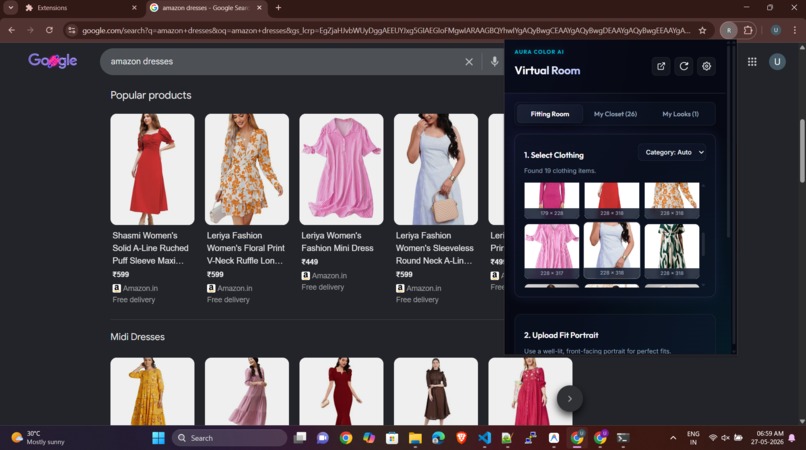
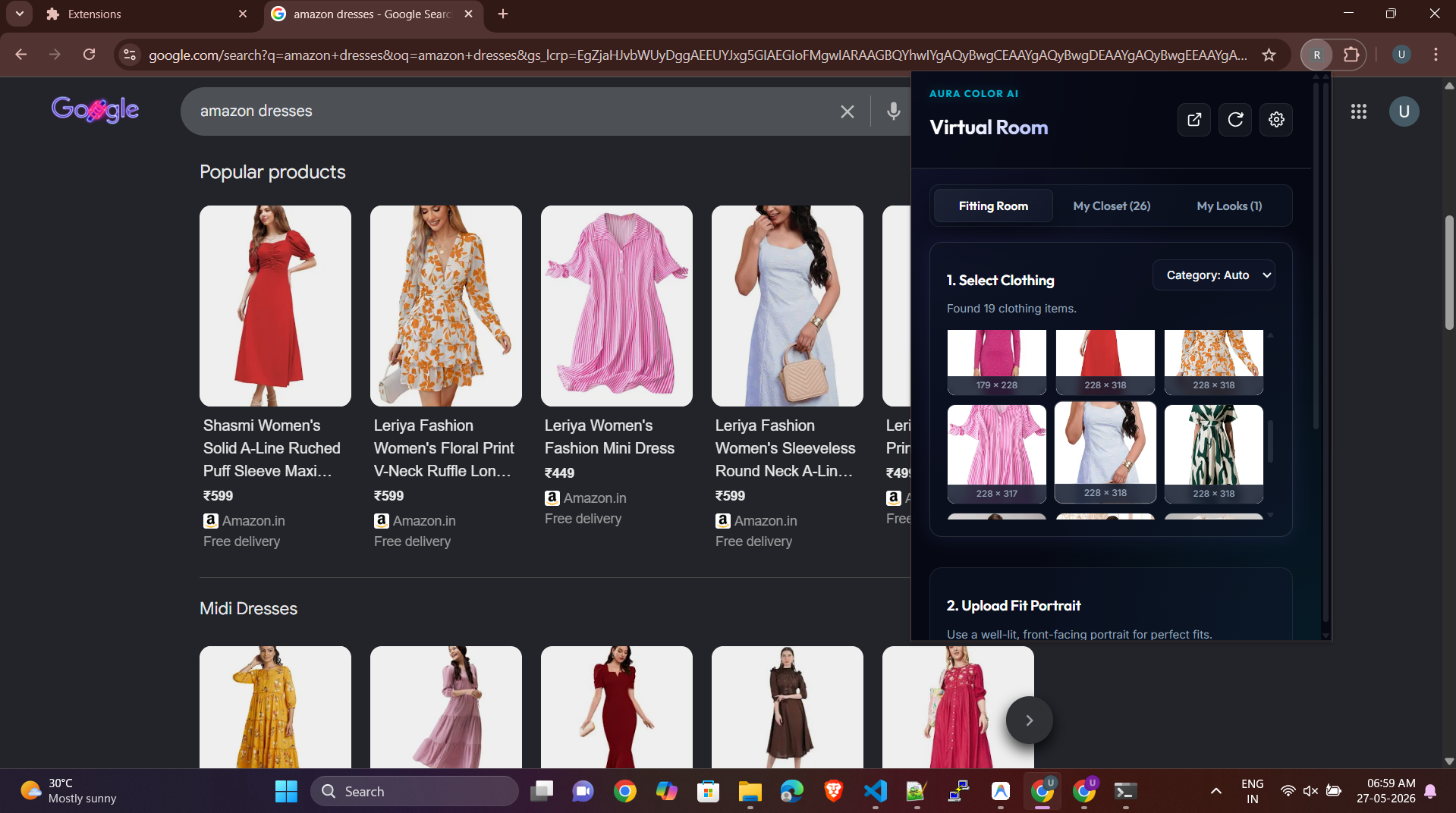
Choose the images from the current webpage from the available gallery
-
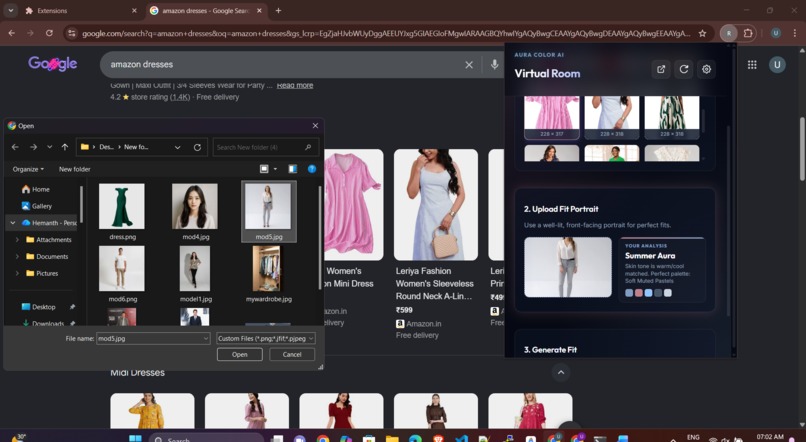
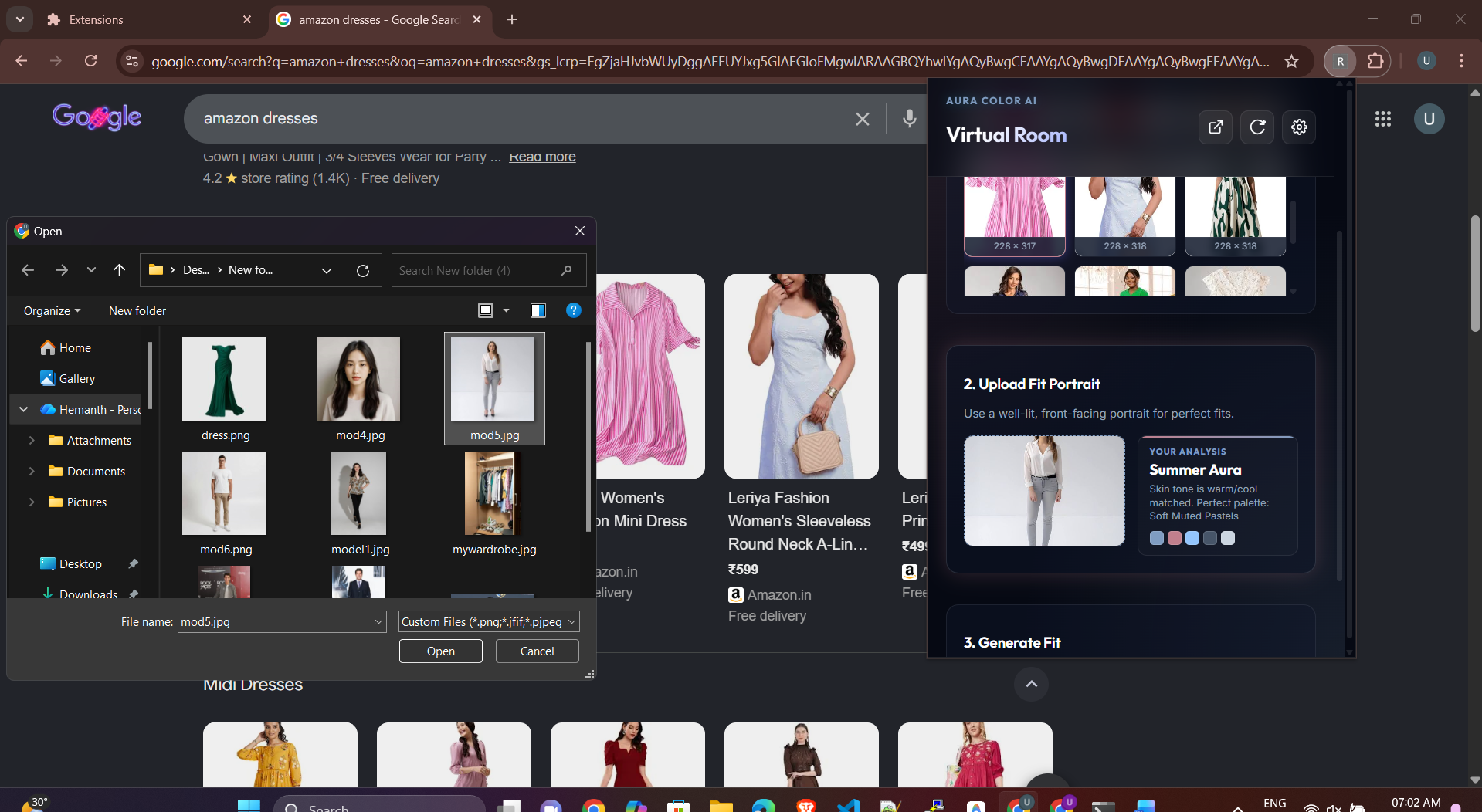
Upload image of yourself
-
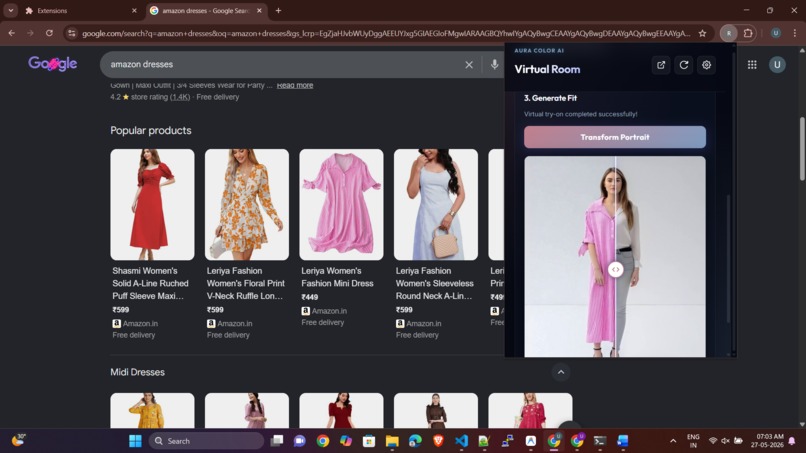
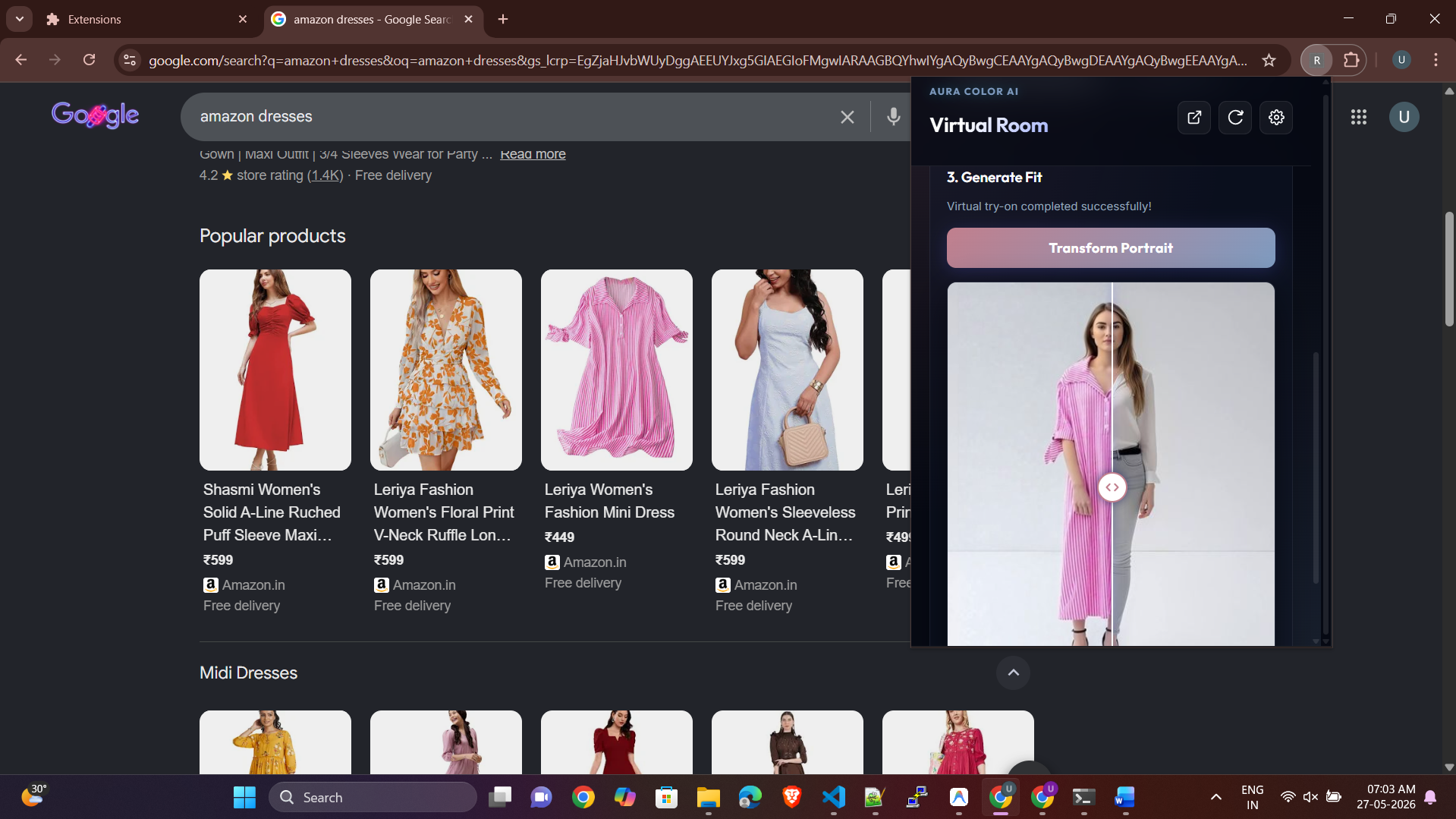
Try it virtually
-
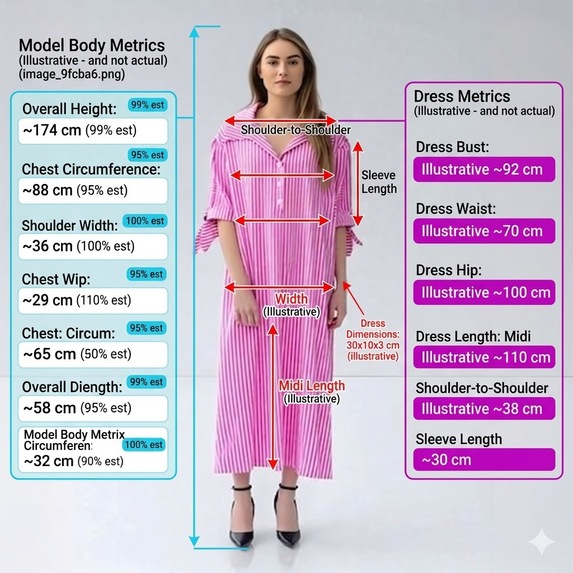
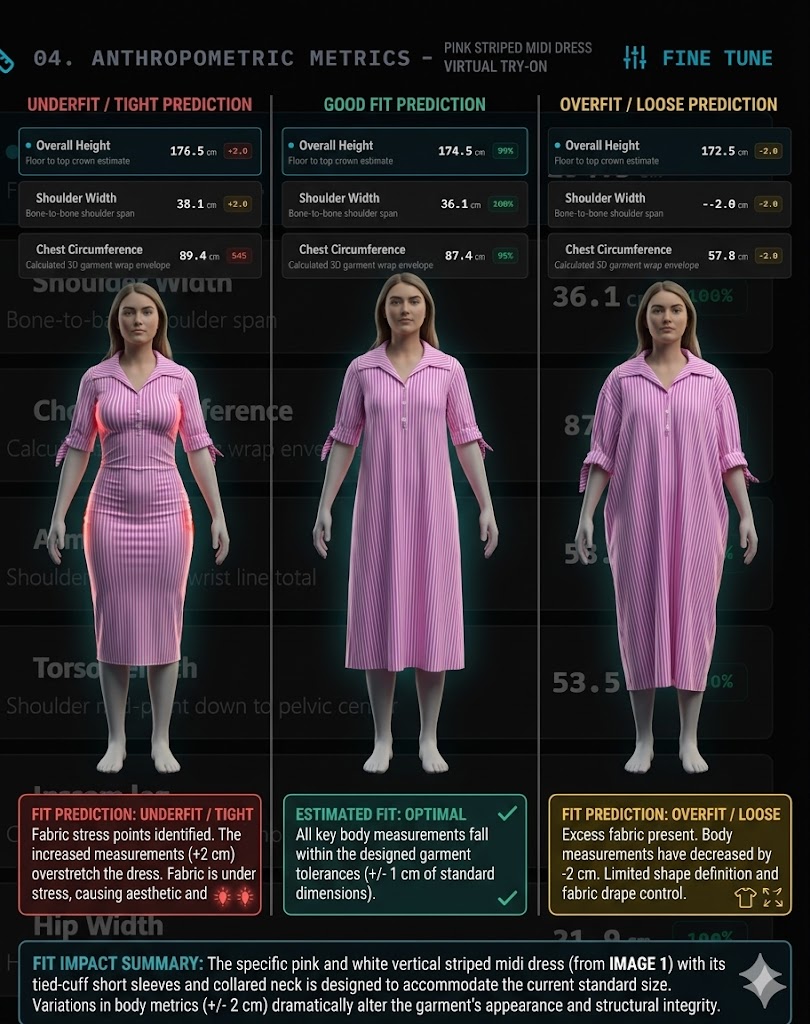
Based on the dress measurements, and body measurements virtual try on image will be generated by Gemini
-
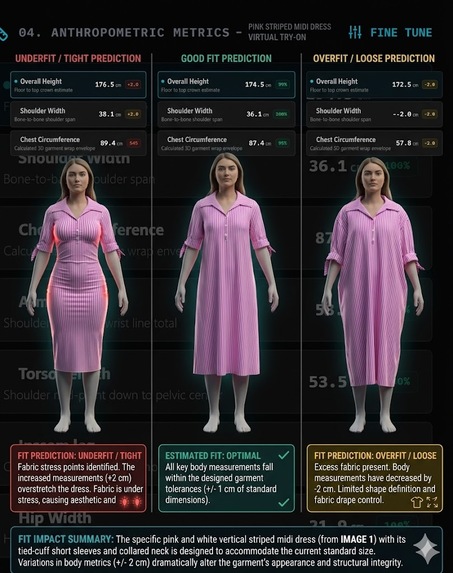
This is future idea of implementing, currently it generated with Gemini
-
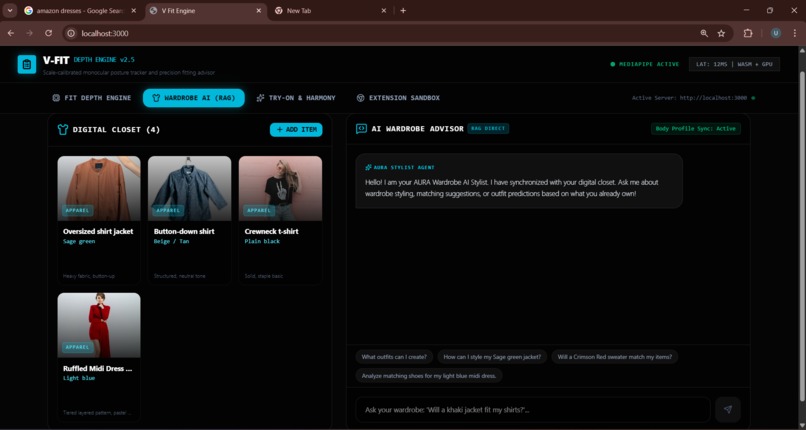
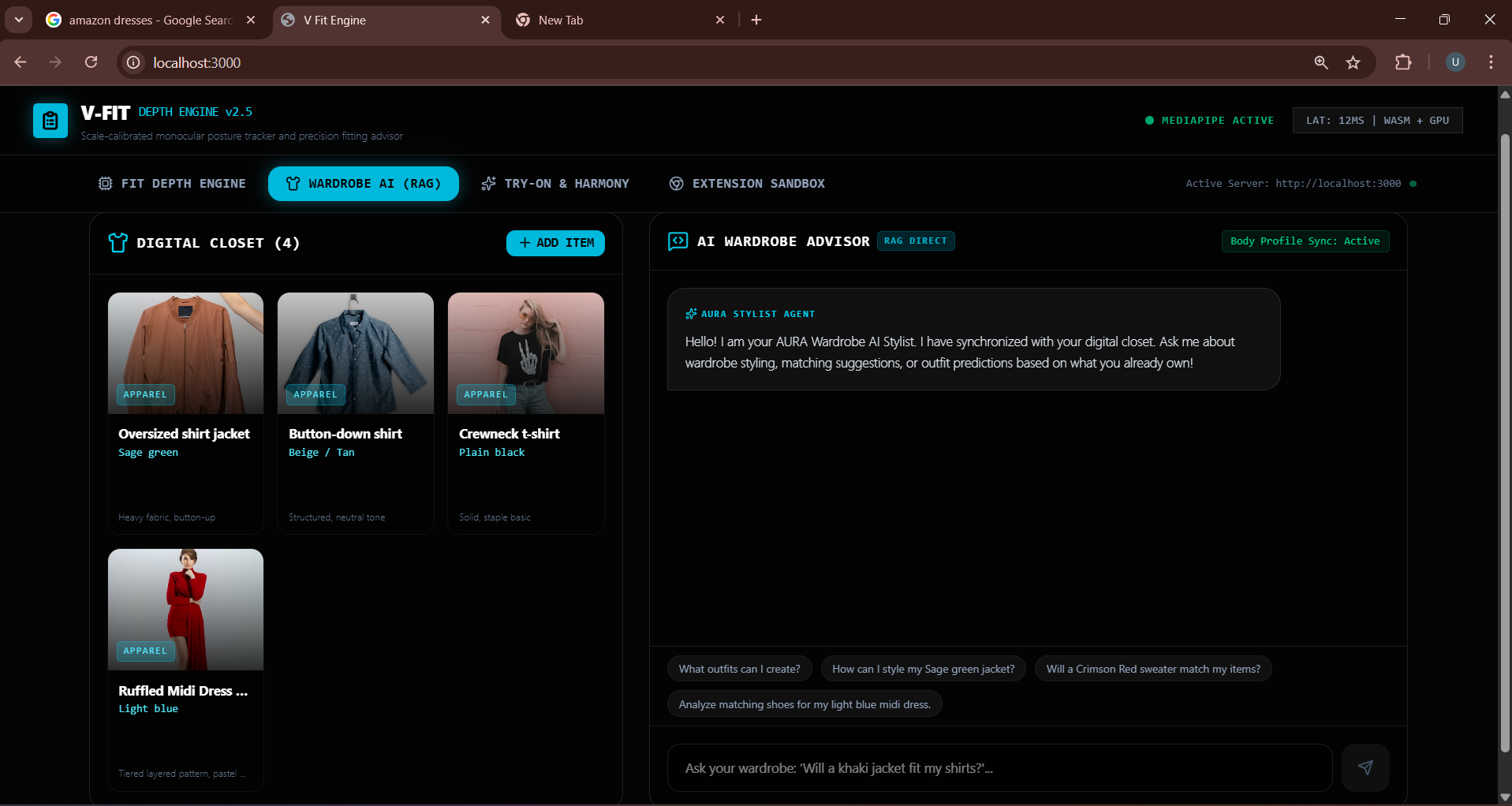
Wardrobe intelligence. Based on dresss u own, if it can be combined with any other dresses it can be able to suggest. It is a text based Rag
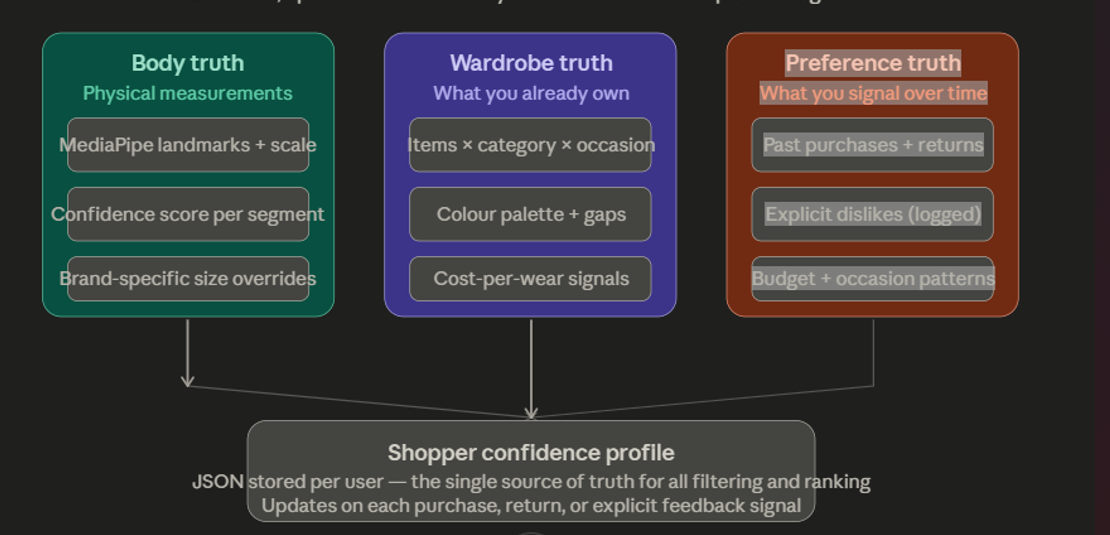
Inspiration
Fashion e-commerce has become extremely efficient at selling more products, but not at helping users buy confidently. Every day, millions of consumers abandon carts, return clothes, or regret purchases because they cannot answer three simple questions before checkout:
- Will this fit my body?
- Will this match my wardrobe?
- Will this actually look good on me?
Modern shopping platforms optimize for infinite scroll, flash sales, and algorithmic recommendations, which often increase decision fatigue instead of confidence. We were inspired by the growing psychological friction in online fashion commerce - sizing uncertainty, wardrobe mismatch, impulse buying regret, and sustainability guilt.
The Statistics Behind the Problem
| Problem Area | Statistics | Why It Matters |
|---|---|---|
| Fashion Cart Abandonment | 78% of fashion carts are abandoned | Users hesitate due to fit and styling uncertainty |
| Apparel Return Rates | 30–40% average return rate in fashion | Clothing is the most returned ecommerce category |
| Fit-Related Returns | 65% of returns happen due to fit/sizing issues | Generic size charts fail users |
| Bracketing Behavior | 58% of shoppers buy multiple sizes intentionally | Increases logistics and reverse shipping costs |
| Can't Try Before Buying | 82% of users say inability to try clothes is the #1 barrier | Creates lack of confidence before purchase |
| Unused Wardrobe | 50% of clothing remains unused for 1+ year | Consumers buy clothes they never wear |
| Clothes Never Worn | 42% of Millennials bought fashion they never used | Shows wardrobe mismatch and impulse buying |
| Impulse Buying | 55% impulse-buy clothes frequently | Fashion is the highest impulse-buy category |
| Regret After Purchase | 48% of women regret impulse purchases | Creates buyer’s remorse and low trust |
| Total Ecommerce Returns | $890B projected in 2025 | Massive financial loss for brands |
| Fit & Size Costs | $230B annually | Returns and logistics caused by sizing issues |
| Return Processing Cost | Up to 70% of contribution margin lost | Returns destroy profitability |
| Virtual Try-On Market | $10.93B market growing at 25.8% CAGR | Huge demand for confidence-driven shopping |
AURA was built to transform fashion shopping from impulsive purchasing into confident decision-making using AI, computer vision, and virtual try-on technology.
What it does
AURA — AI Unified Reality for All — is an AI-powered wardrobe-aware fashion commerce platform that helps users make smarter purchasing decisions before checkout.
AURA solves three major problems in online fashion shopping:
1. Fit & Size Intelligence
AURA predicts whether a dress or apparel will fit the user’s body using computer vision and body estimation algorithms.
The system uses:
- monocular depth estimation
- pose estimation
- reference object scaling
- MediaPipe pose detection
Users upload photos, and AURA estimates body proportions and compares them against apparel measurements to predict:
- overfit
- underfit
- correct fit
Currently, the output is text-based fit confidence, but future versions will generate realistic body-specific outfit previews.
2. Unified Reality Virtual Try-On
AURA integrates Perfect Corp APIs to generate virtual try-on experiences directly on the user's body instead of generic fashion models.
This helps users visualize:
- how apparel looks on them
- styling confidence
- outfit appearance before purchasing
The goal is to reduce visual uncertainty and increase purchase confidence.
3. Wardrobe Intelligence Engine
AURA builds an evolving wardrobe memory system using a text-based RAG pipeline.
Initially, users upload or scan their wardrobe items. The system stores:
- dress names
- categories
- colors
- descriptions
- styling metadata
As users continue shopping and checking out products, the wardrobe knowledge base evolves automatically.
Using generative AI and semantic retrieval, AURA can answer:
- “What matches this?”
- “How many outfits can I create?”
- “Do I already own similar clothing?”
- “Will this work with my wardrobe?”
This transforms shopping into a personalized and contextual experience instead of generic recommendations.
4. Universal Shopping Compatibility via Chrome Extension
AURA includes a Chrome Extension that works across fashion e-commerce websites.
The extension intelligently scrapes:
- apparel images
- product descriptions
- sizing information
- pricing data
The user can select apparel directly from any supported shopping website, and AURA instantly provides:
- fit prediction
- wardrobe compatibility
- virtual try-on preview
- styling suggestions
This allows AURA to act as a universal AI shopping layer across the web.
How we built it
We built AURA as a modular AI-powered fashion intelligence system.
Frontend
- React with Vite
- Chrome Extension for cross-platform shopping compatibility
AI & Computer Vision
- MediaPipe Pose Estimation
- Monocular depth estimation
- Scaling metric algorithms for body measurement approximation
- OpenCV-based preprocessing
Virtual Try-On
- Perfect Corp API integration
Wardrobe Intelligence
- Text-based RAG pipeline
- Semantic search over wardrobe metadata
- Generative outfit reasoning
- Auto-evolving clothing memory
Product Detection
The Chrome extension performs intelligent scraping from fashion e-commerce websites to extract:
- product images
- apparel metadata
- descriptions
- styling information
The entire system was optimized for rapid prototyping while demonstrating a scalable future vision.
Challenges we ran into
1. Accurate Body Size Estimation
Human body measurement prediction from a single image is extremely difficult because:
- camera angles vary
- depth information is missing
- clothing occludes body shape
We addressed this using:
- monocular depth estimation
- pose landmarks
- reference scaling heuristics
Even then, achieving highly accurate measurements remains challenging.
2. Cross-Website Compatibility
Every e-commerce website structures product data differently.
Building a Chrome extension capable of:
- scraping images
- detecting apparel
- extracting descriptions
- maintaining compatibility
across multiple shopping platforms was a major challenge.
3. Building Contextual Wardrobe Intelligence
Most recommendation systems suggest products generically.
We wanted AURA to reason about:
- existing wardrobe
- outfit combinations
- color compatibility
- purchase utility
Building a contextual wardrobe memory system using text-based RAG required careful prompt engineering and semantic organization.
Accomplishments that we're proud of
We are proud that AURA evolved beyond a simple “virtual try-on app” into a complete AI-powered decision intelligence platform for fashion commerce.
Key accomplishments include:
- Building a working Chrome extension compatible with e-commerce websites
- Creating an AI-powered fit estimation pipeline using pose + depth estimation
- Integrating Perfect Corp APIs for personalized virtual try-on
- Developing an evolving wardrobe-aware RAG system
- Combining fit intelligence, wardrobe reasoning, and AR into one experience
- Turning a psychological shopping problem into a measurable AI solution
Most importantly, we created a system that focuses on: “confidence before checkout” instead of simply selling more products.
What we learned
Through building AURA, we learned that fashion e-commerce is not only a shopping problem — it is a behavioral psychology problem.
We discovered:
- users struggle with confidence more than discovery
- too many choices reduce purchasing certainty
- personalization should be contextual, not generic
- wardrobe compatibility is a missing layer in fashion commerce
Technically, we learned:
- monocular body estimation is highly complex
- retrieval systems become powerful when paired with generative reasoning
- AR experiences must prioritize usability over perfection
- AI systems become significantly more useful when grounded in personal context
We also learned the importance of balancing:
- technical ambition
- demo simplicity
- real-world usability
during rapid product development.
What's next for AURA – AI Unified Reality for All
Our long-term vision is to build the “confidence layer” for fashion commerce.
Future plans include:
Advanced Body Intelligence
- More accurate body reconstruction
- Multi-angle body scanning
- Personalized avatar generation
- Realistic garment simulation
AI Image-Based Outfit Generation
Future versions will generate:
- personalized outfit previews
- AI styling suggestions
- photo-realistic try-on results based on the user's actual body measurements and wardrobe.
Smart Wardrobe Graph
Transform wardrobe data into a dynamic AI fashion graph that understands:
- outfit relationships
- usage frequency
- seasonal styling
- repeatability
- cost-per-wear
Personalized Fashion Agent
AURA will evolve into an AI shopping assistant capable of:
- recommending smarter purchases
- avoiding duplicate buying
- predicting wardrobe gaps
- reducing impulsive consumption
Brand Integrations
We plan to integrate directly with fashion brands and e-commerce platforms to:
- reduce return rates
- improve conversion
- lower reverse logistics costs
Sustainability Intelligence
AURA will help users:
- buy fewer but smarter clothes
- improve wardrobe utilization
- reduce fashion waste
- make more sustainable purchasing decisions
Ultimately, our goal is to transform fashion e-commerce from: “buy more” into: “buy confidently.”

Log in or sign up for Devpost to join the conversation.