Inspiration
The project was inspired by the Logitech MX Ink and a noticeable lack of good logic games in XR. As a lover of logic problems and calm mixed reality experiences, I was upset I couldn't find a good one, so I decided to build it myself. This quickly ballooned into a larger idea: why aren't there more variants and sizes in puzzles, and why are solvers so limited?
What it does
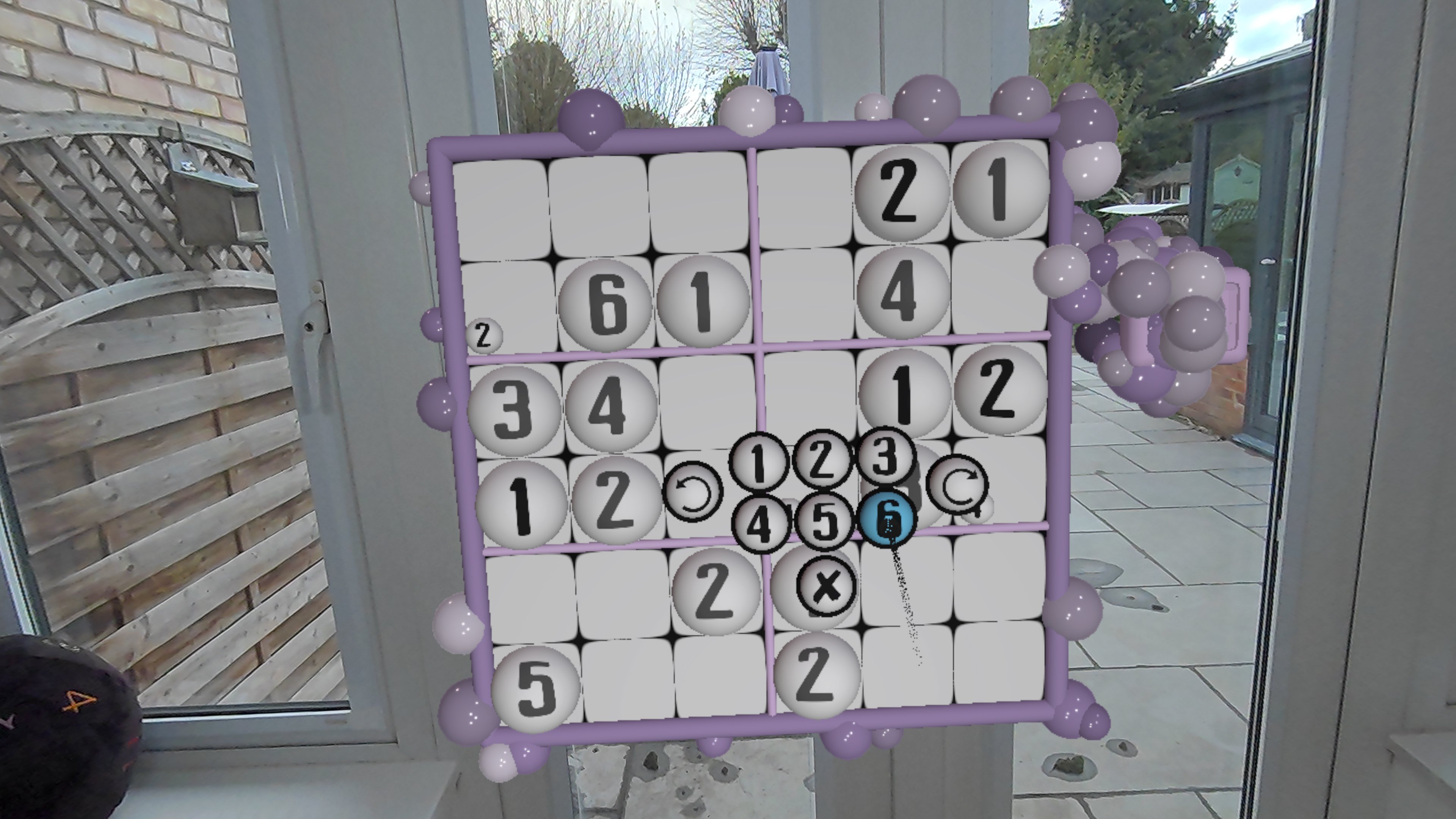
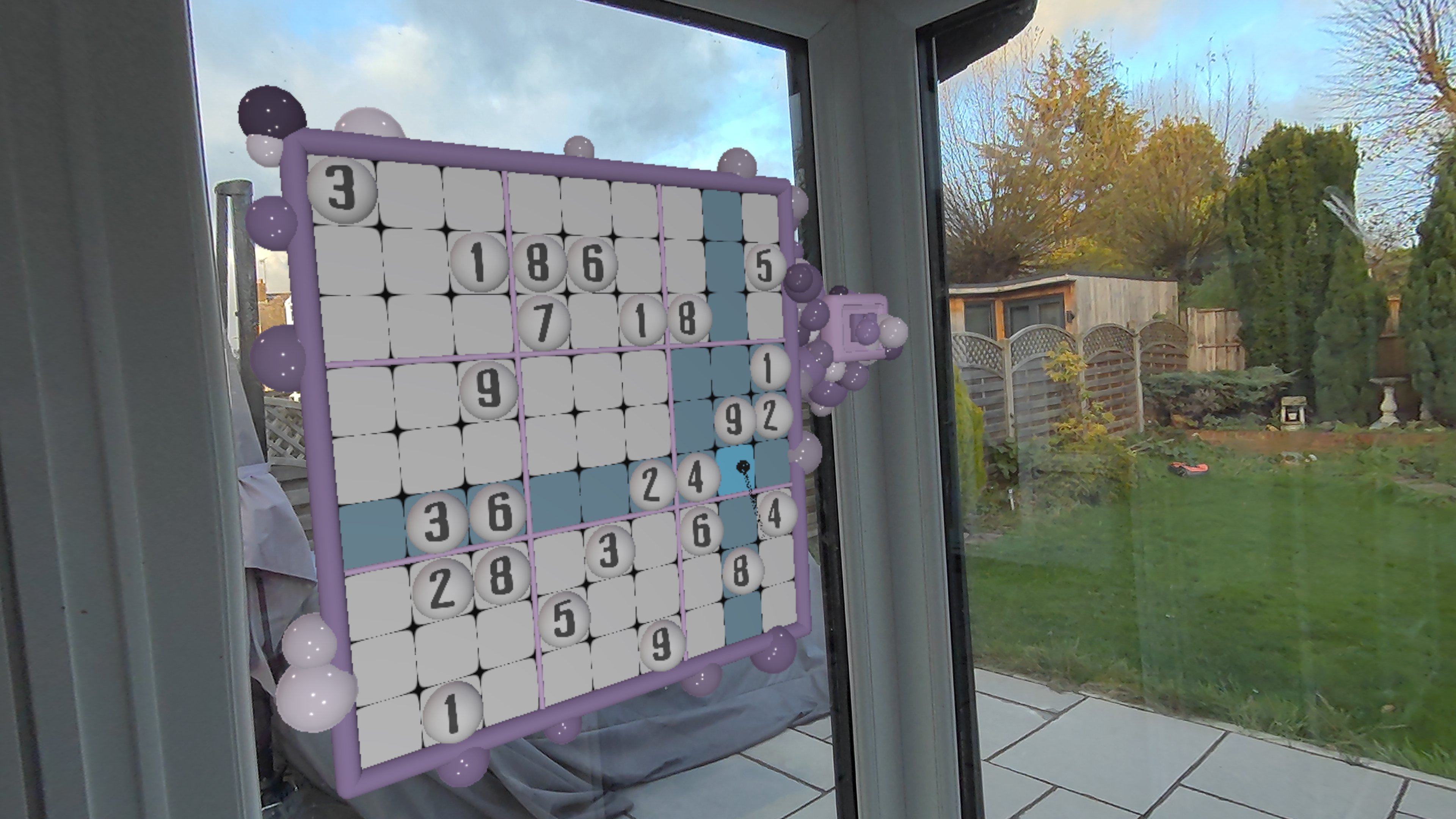
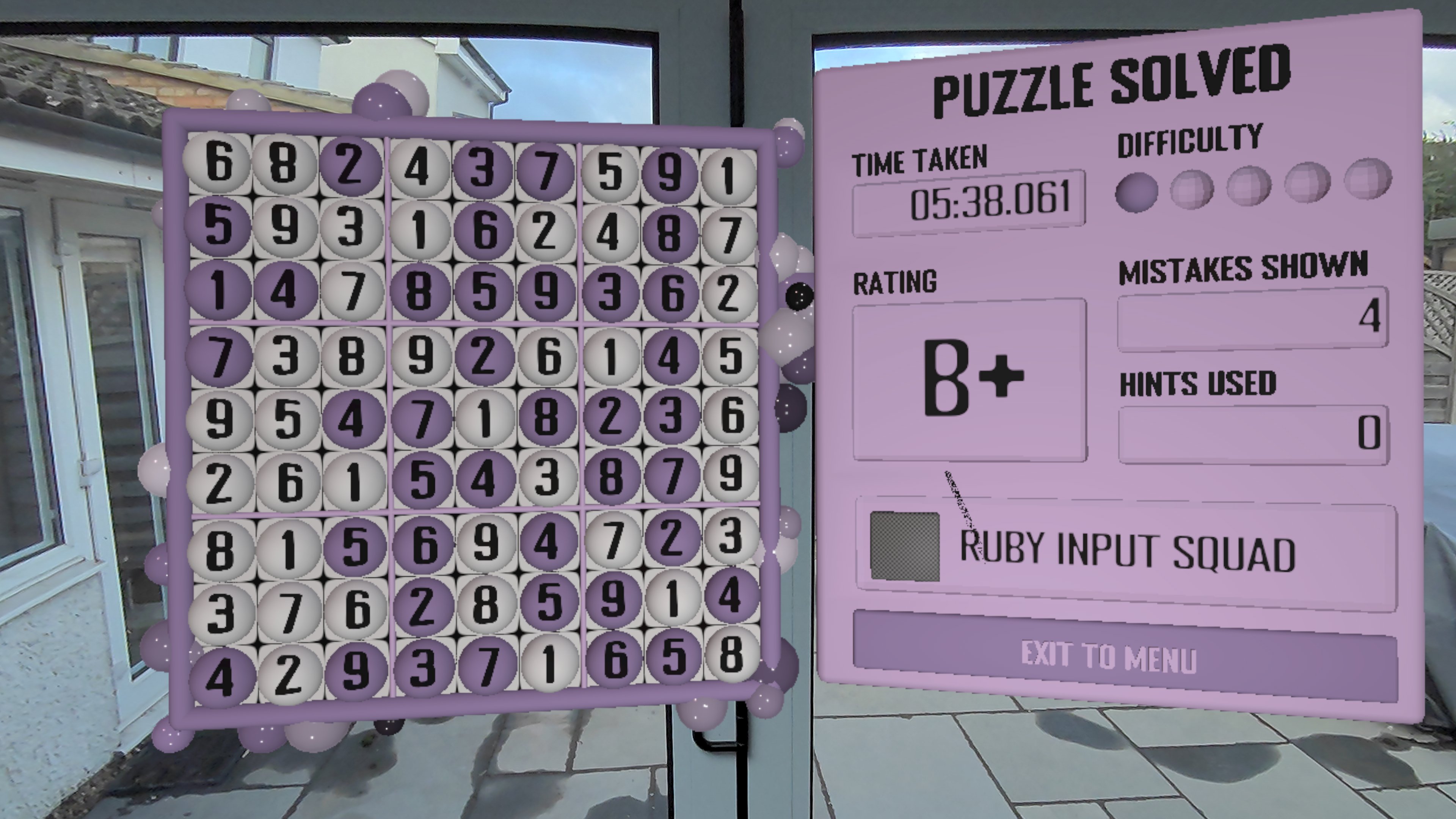
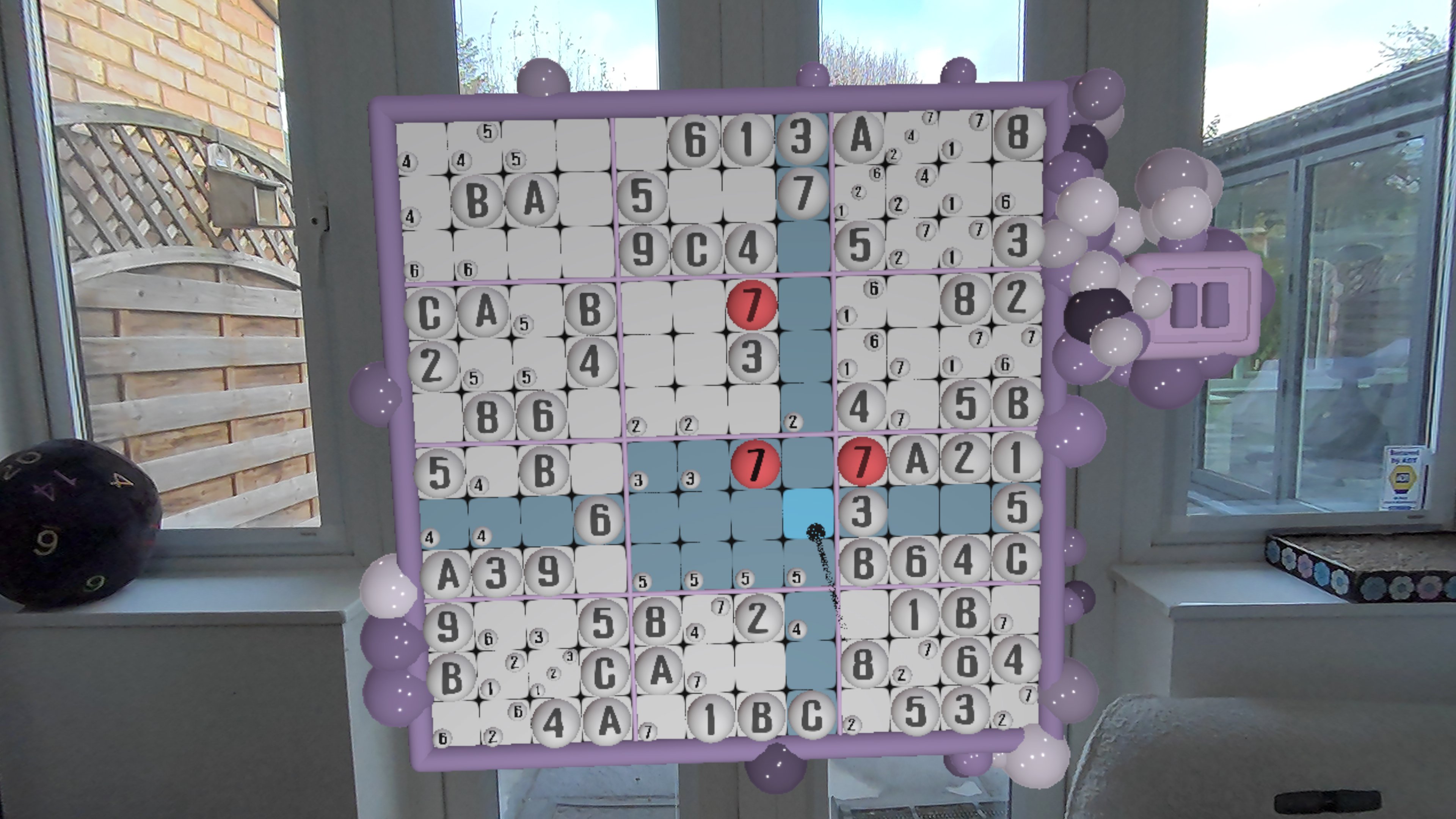
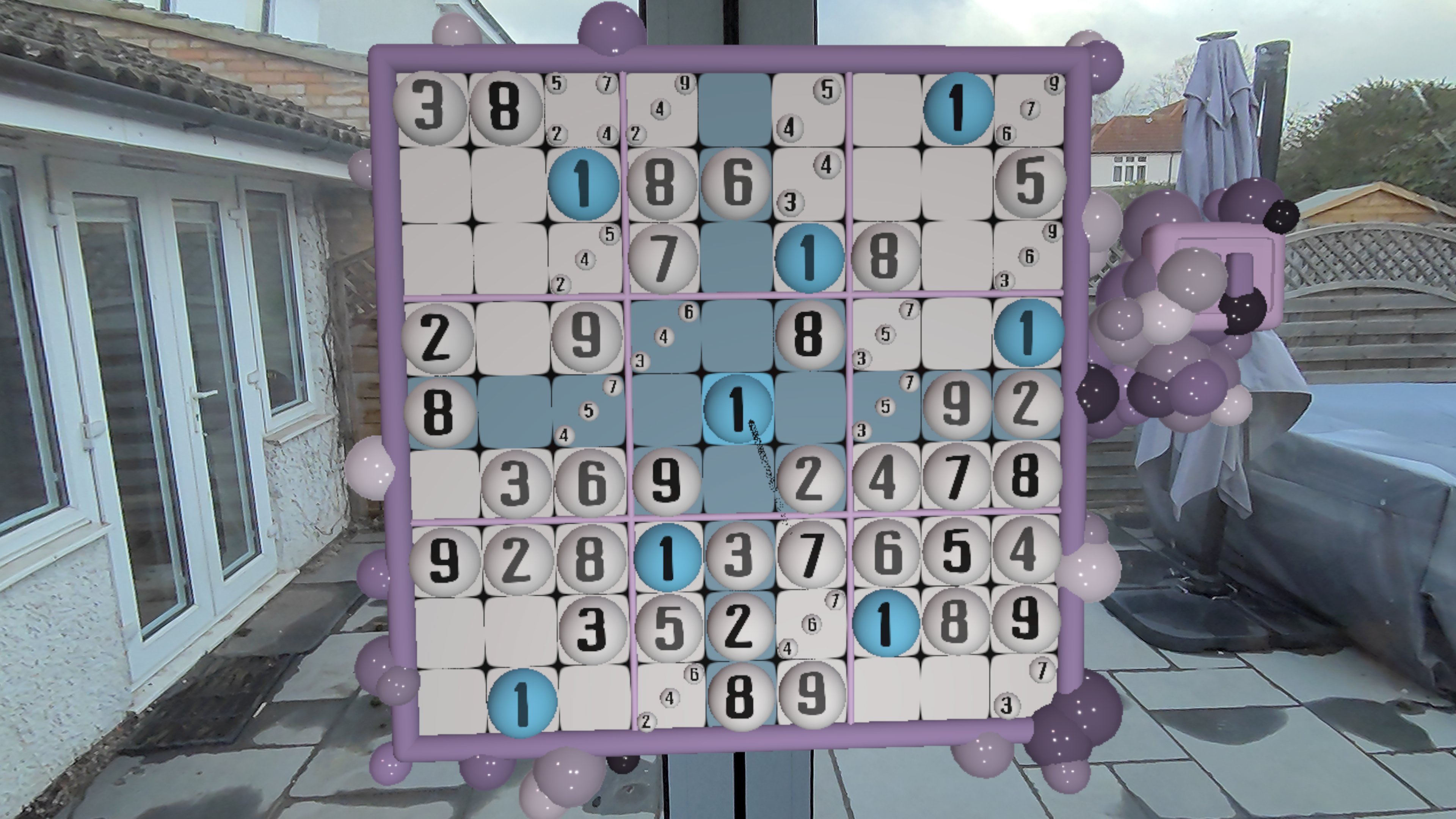
At present, the experience is Sudoku with plain rules in a variety of sizes, powered by a custom Solver and Hint AI. These provide human-style hints to help users solve the puzzles.
How we built it
The system we have built has the capacity to not only solve any constraint-based puzzle (like Nonograms, Battleships, or common logic puzzles) but also provide human-style hints. This is a proof of concept that we plan to launch in early access. We aim to expand to Sudoku variants and new spatial-only rule formats while building out a wide variety of logic puzzle modes.
This AI solver also allows humans to hand-set high-quality puzzles quickly. It acts as a real guide on how a human would solve them, rather than using a brute force method. It works beyond the basic 9x9 grid that most solvers are limited to and easily expands to new constraint-based logic puzzles.
Challenges we ran into
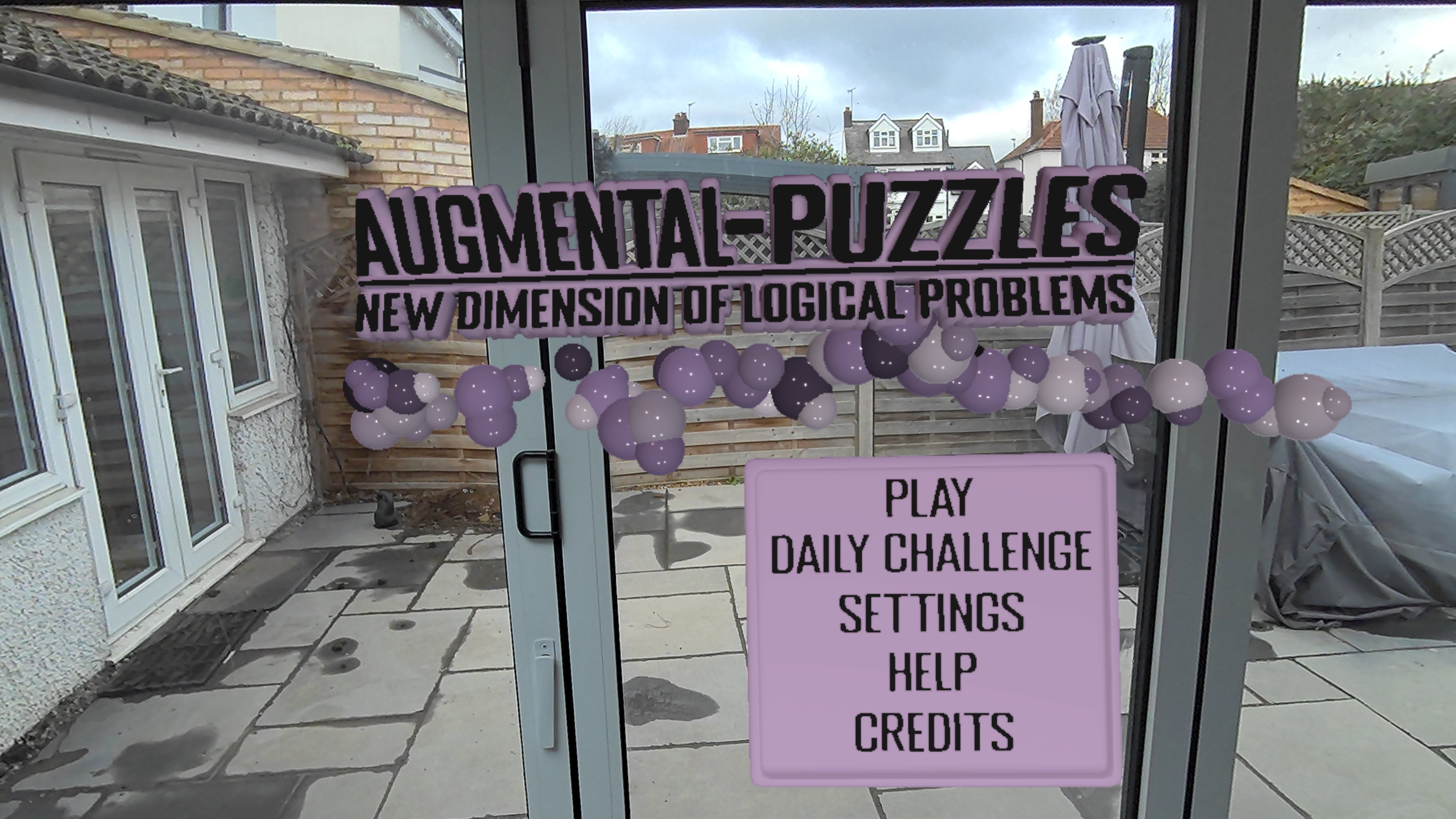
Godot is great for XR but has some renderer limitations. To deliver a satisfying experience, we used a custom compute shader to simulate a ball flocking effect. This aids relaxation and flows from menu page to menu page, keeping consistency and avoiding jarring cuts. There were some challenges around that and the 3D text rendering performance, so we had to rework how text was rendered. Also, for those balls, we found that a path-traced shader using boxes delivered a much higher quality visual while maintaining frame-rate.
The solver itself was quite complex to build. Converting common techniques to set theory and then optimizing them to run on 16x16 puzzles was a challenge that required significant SIMD and profiling work. We are currently using a safety build as we are still debugging some low-level issues with the solver. To address this, we have implemented a lot more user testing for the AI, which we should have done sooner.
Accomplishments that we're proud of
The music combined with the visual effects in the menu provides a really unified experience through the opening menus. While there is a lot of room for improvement, we are really happy with the calming vibes they bring. Also, the AI solver is a great foundation to build on. We are confident in our ability to quickly scale beyond Sudoku, but we wanted to focus in and get the UX just right first. The core experience of playing Sudoku in a headset feels great, and we are really proud of that.
What we learned
A lot of the solver techniques out there, while fast, do not map well to how humans work. Computer-generated layouts are universally scorned, so we had to focus on smart tooling to enable hand-setting and good hints. We also learned that profiling across devices is critically important.
What's next for Augmental Puzzles
We are looking toward our early access launch, building out new modes, nailing those last solver bugs, and getting realtime multiplayer into the title. We disabled the store entitlements and leaderboards for this build, but we need to get our service code finalized to plan for that launch.


Log in or sign up for Devpost to join the conversation.