-
-
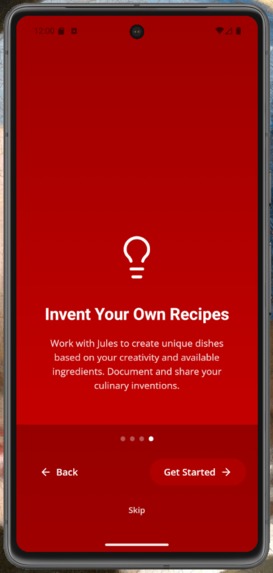
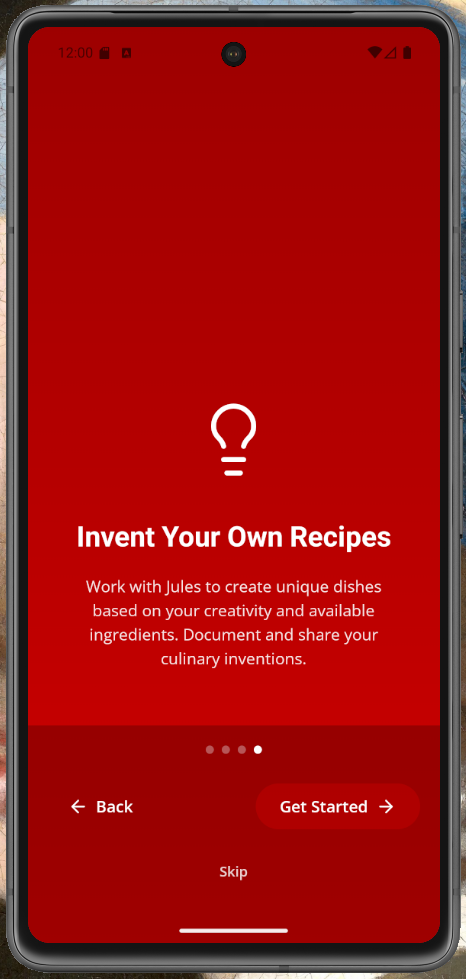
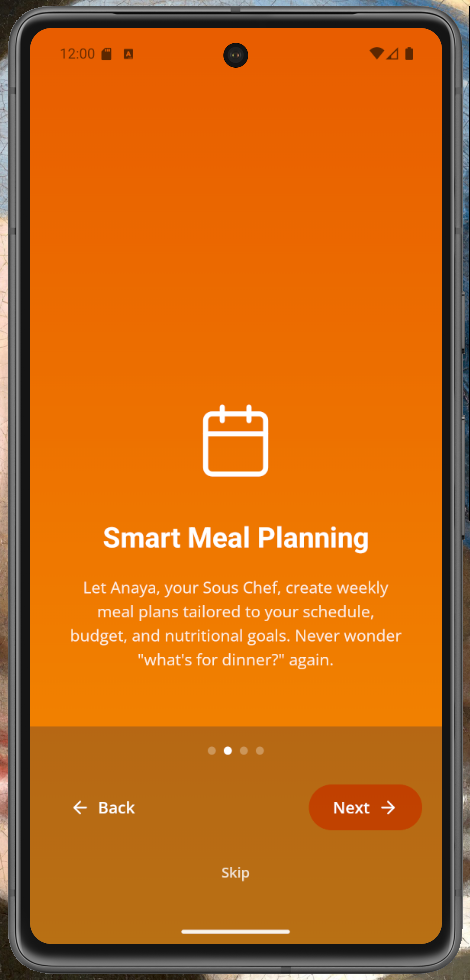
Welcome Slider 4
-
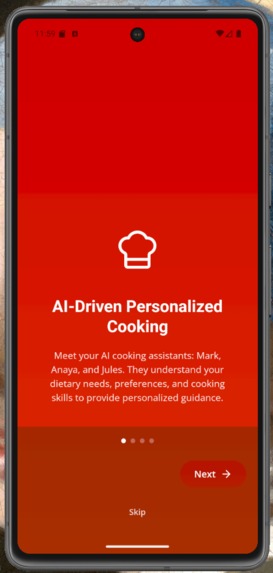
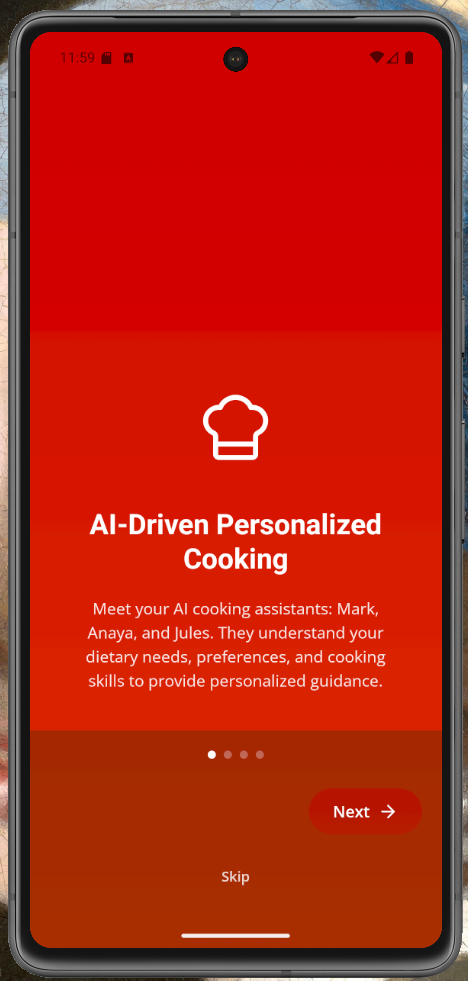
Welcome Slider 1
-
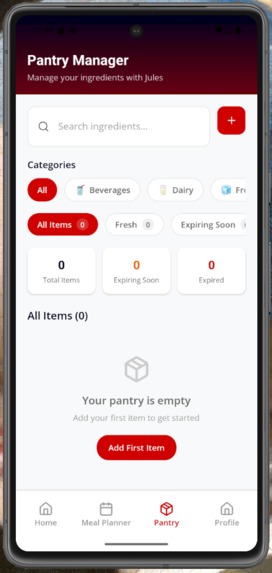
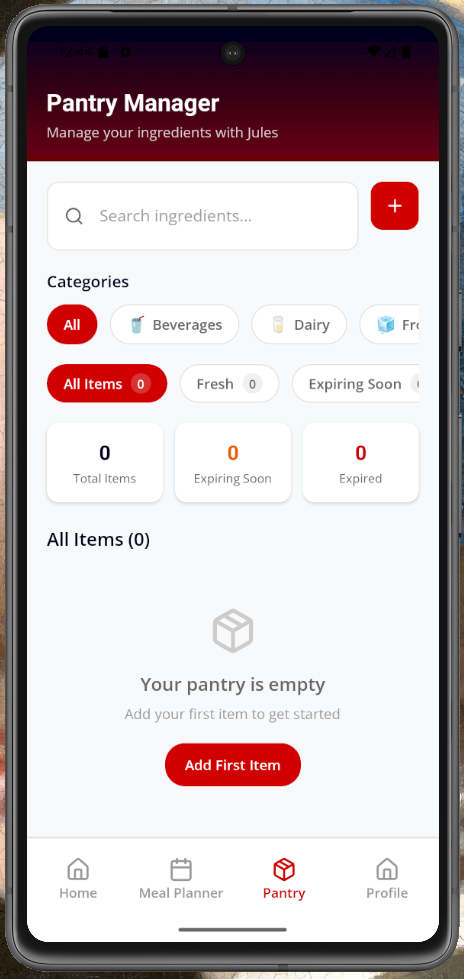
Pantry Manager
-
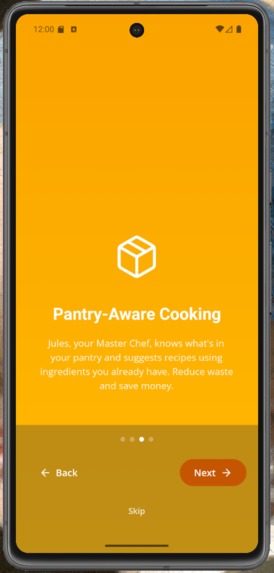
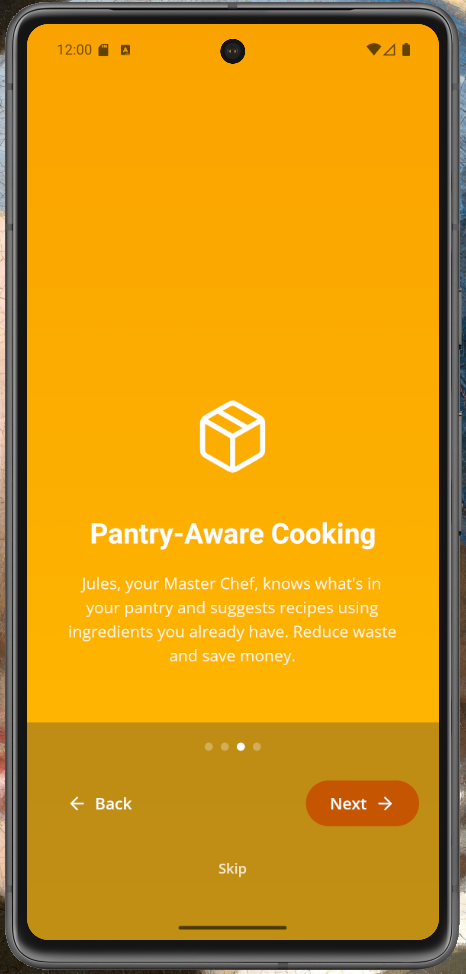
Welcome Slider 3
-
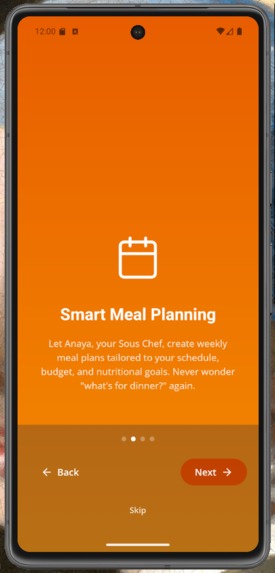
Welcome Slider 2
-
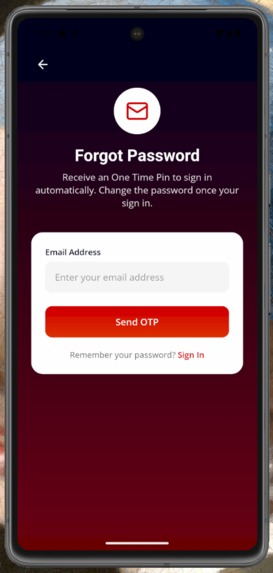
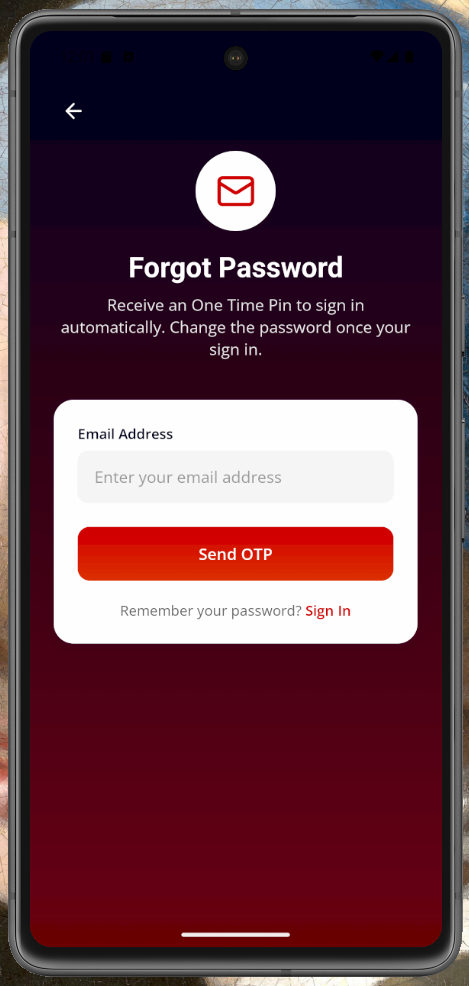
Forgot Password
-
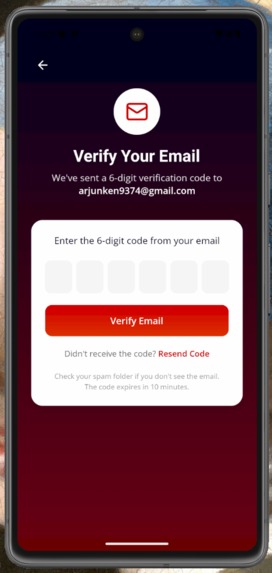
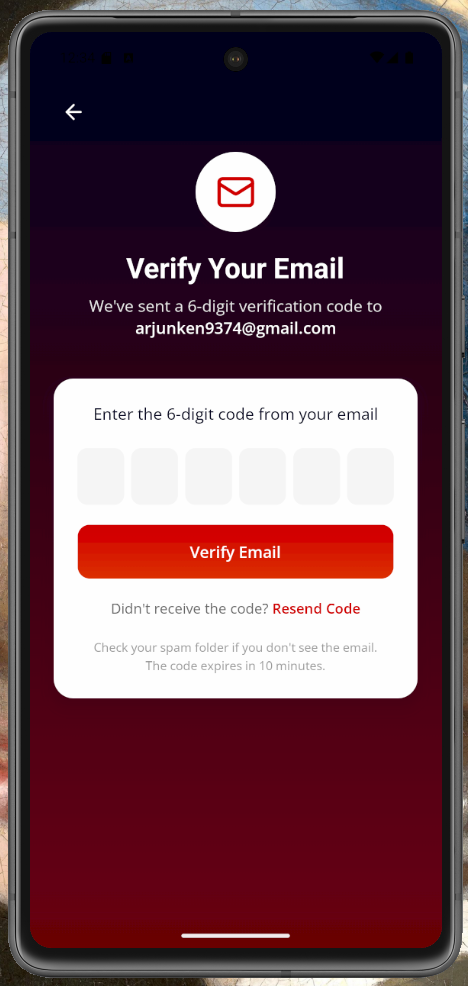
OTP Input to Verify Email
-
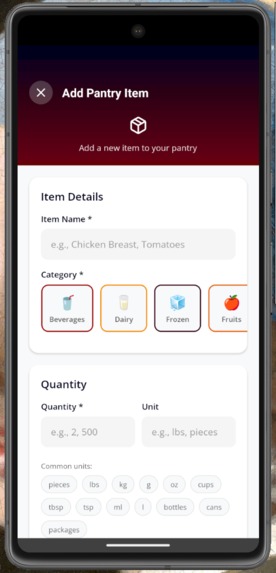
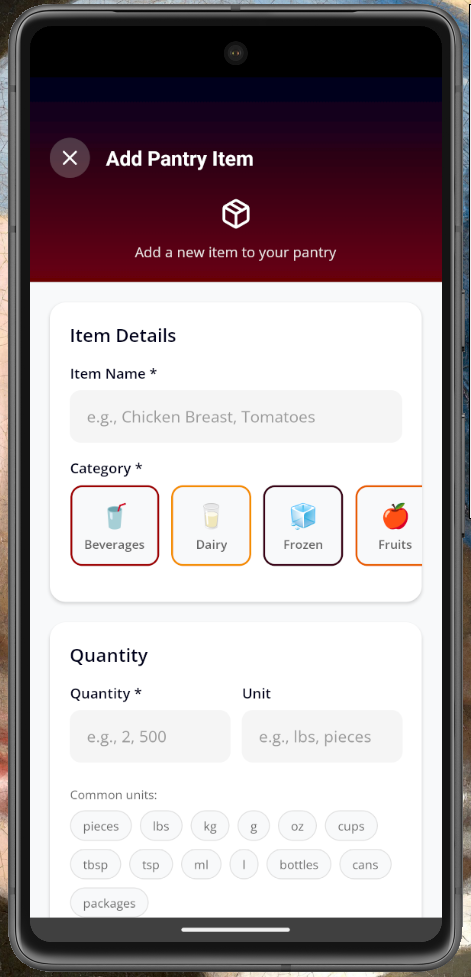
Add Pantry Item
-
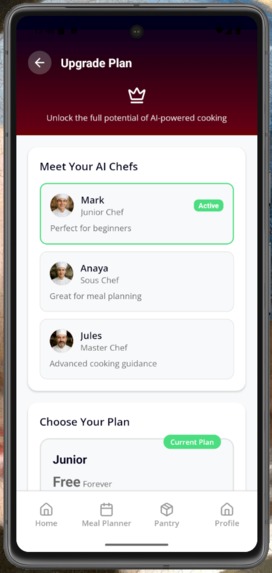
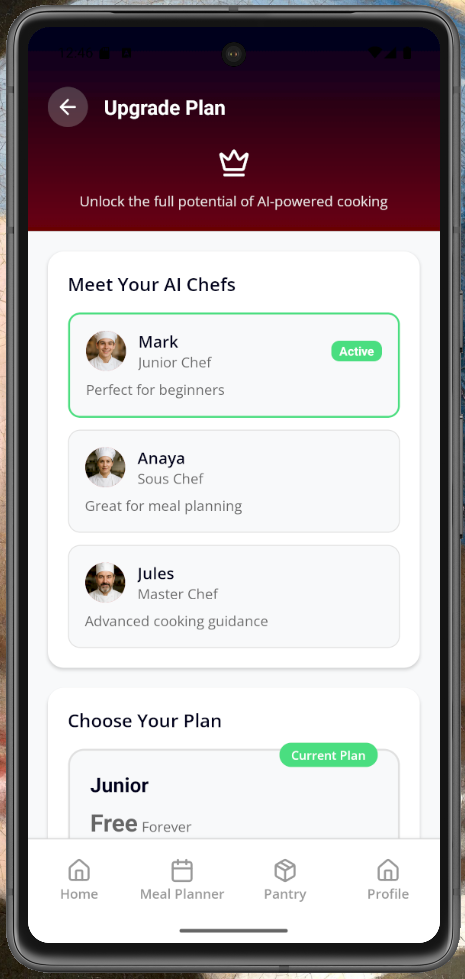
Upgrade Plan
-
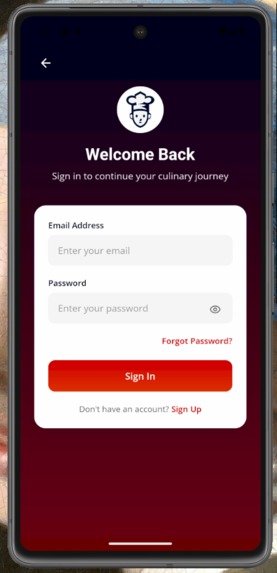
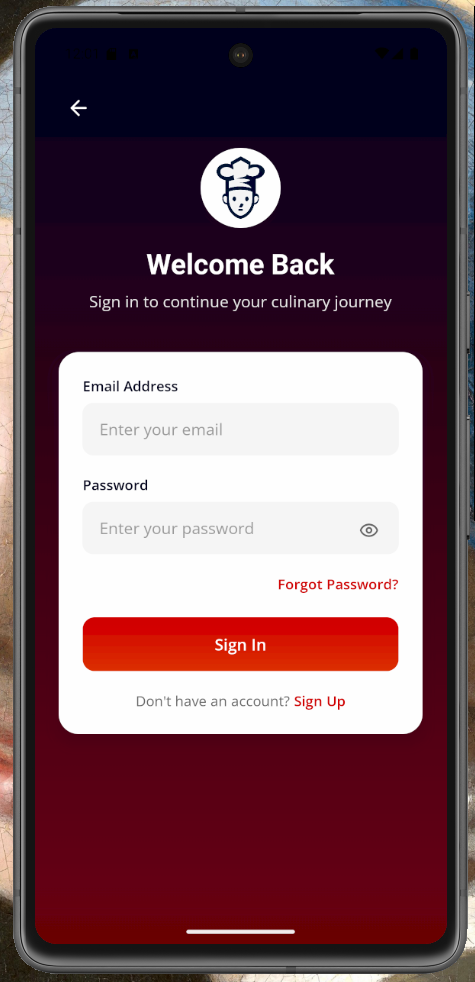
Sign In Screen
-
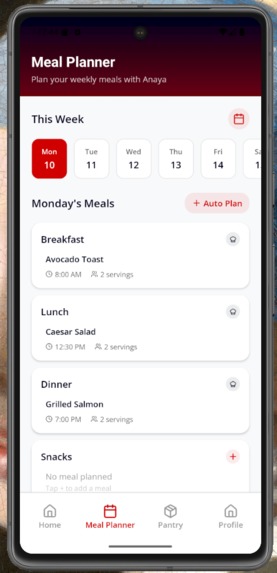
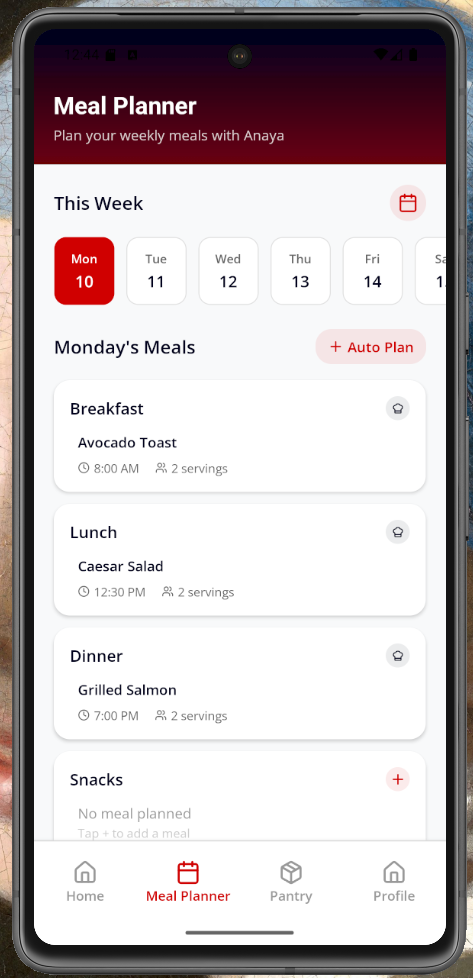
Meal Planner screen
-
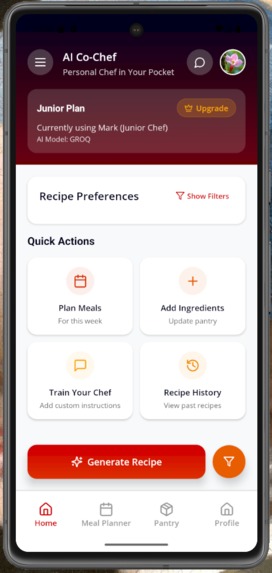
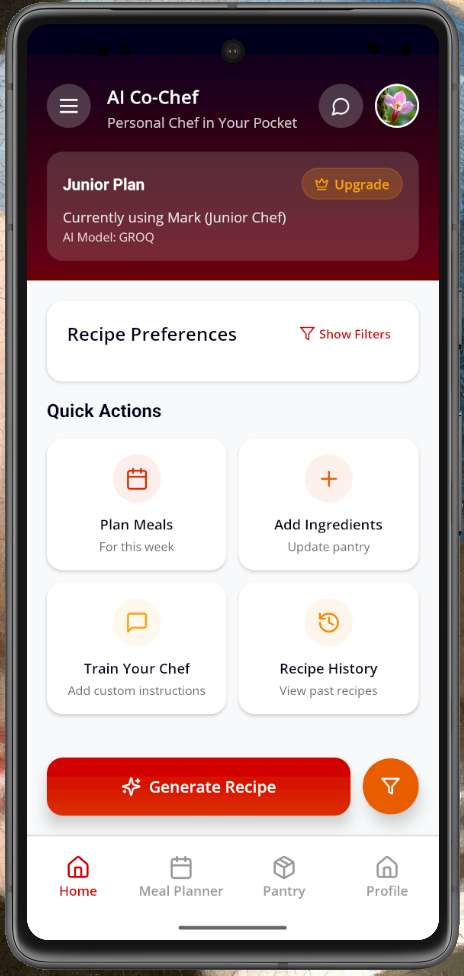
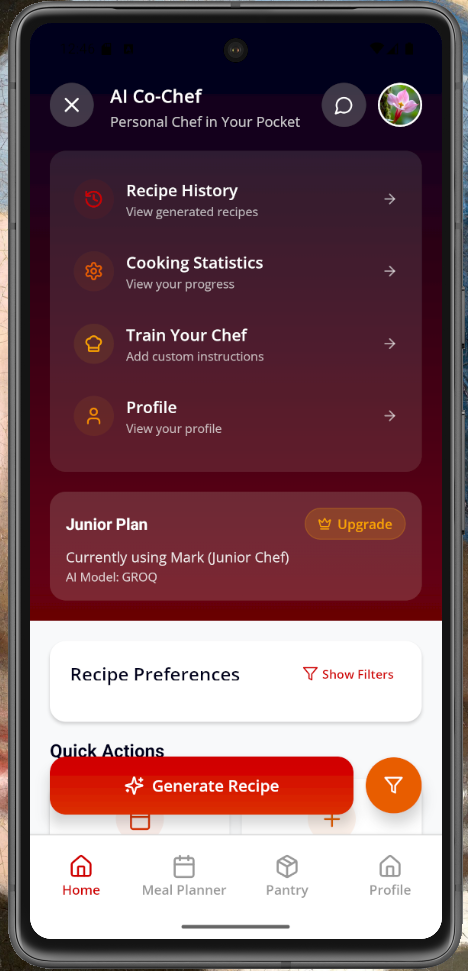
Home Screen
-
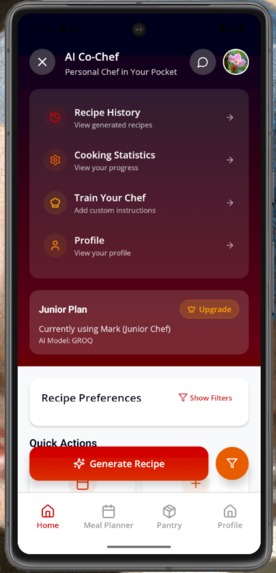
Hamburger Menu Dropdown
-
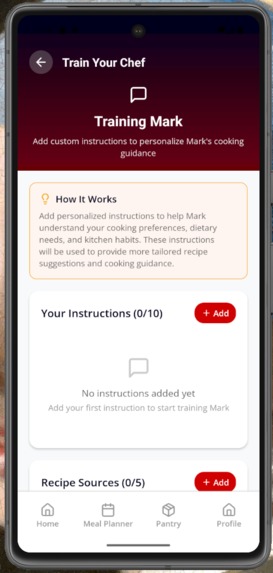
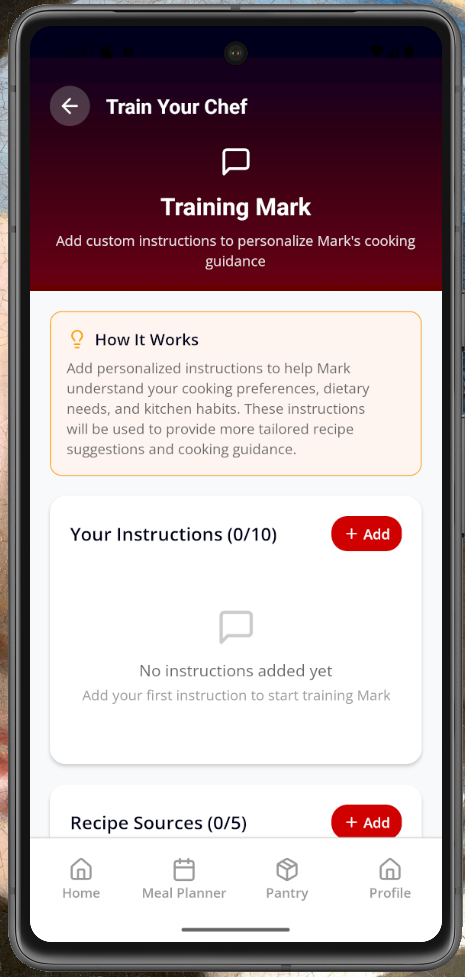
Train your Chef screen
-
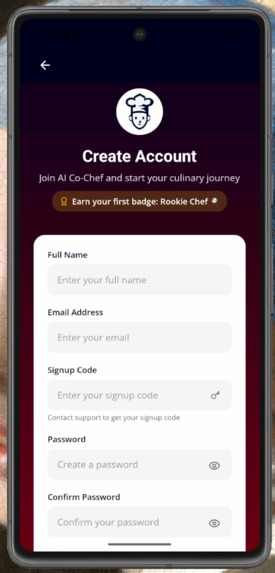
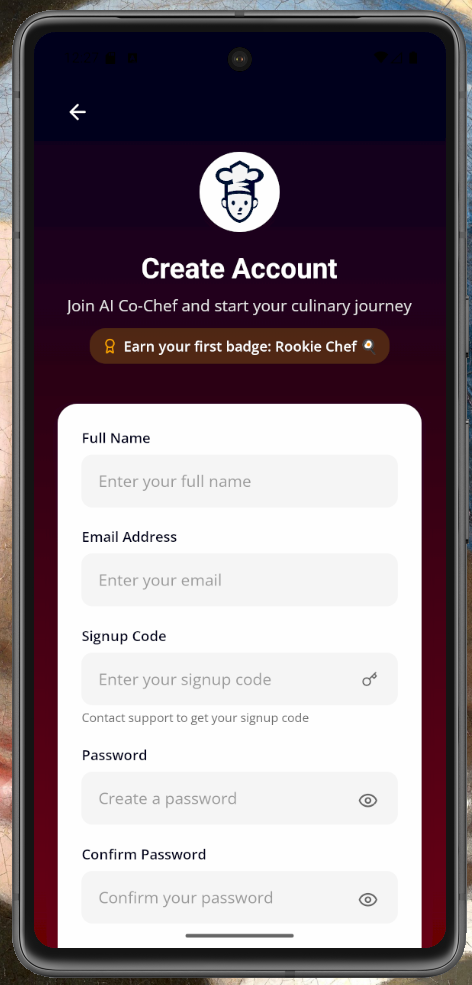
Sign Up Screen
-
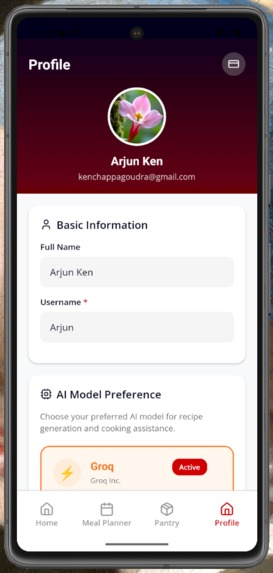
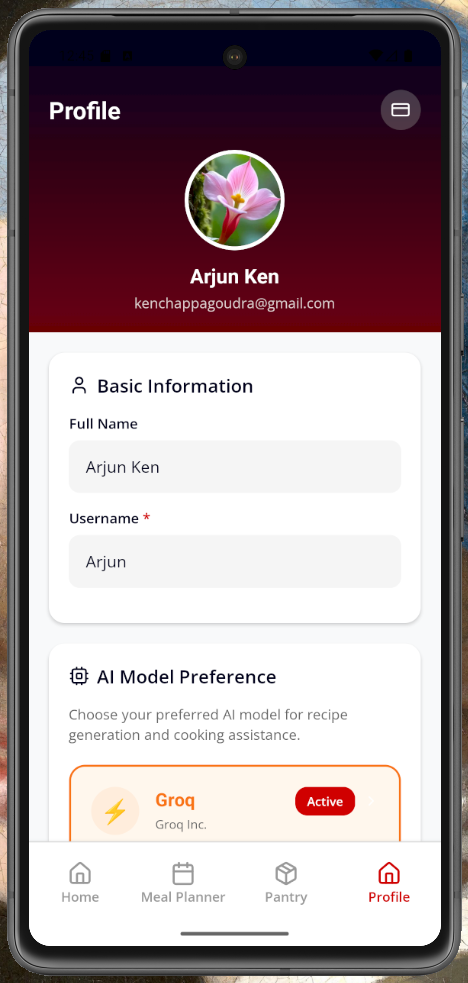
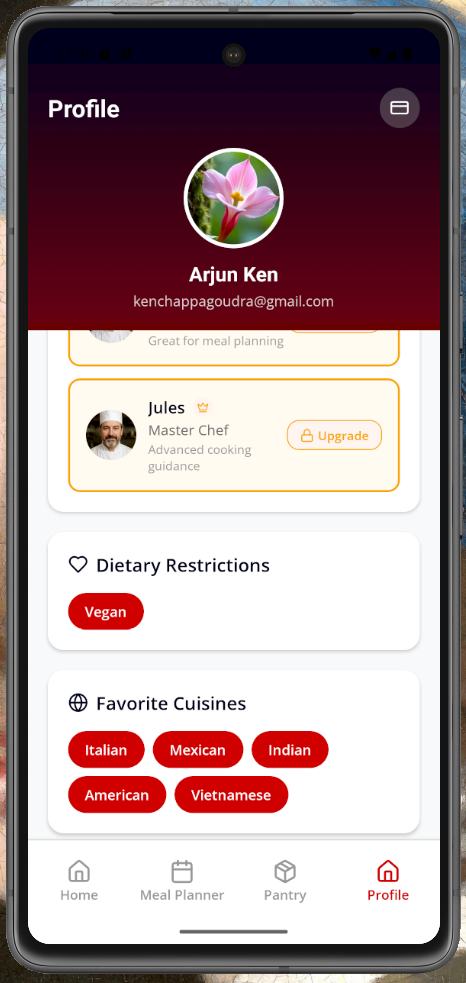
Profile screen
-
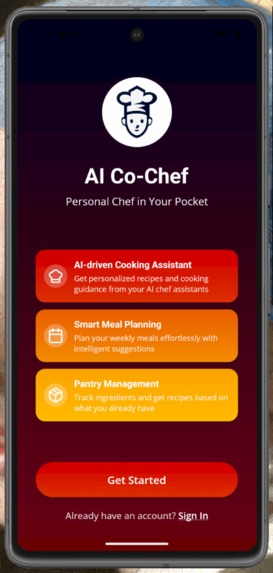
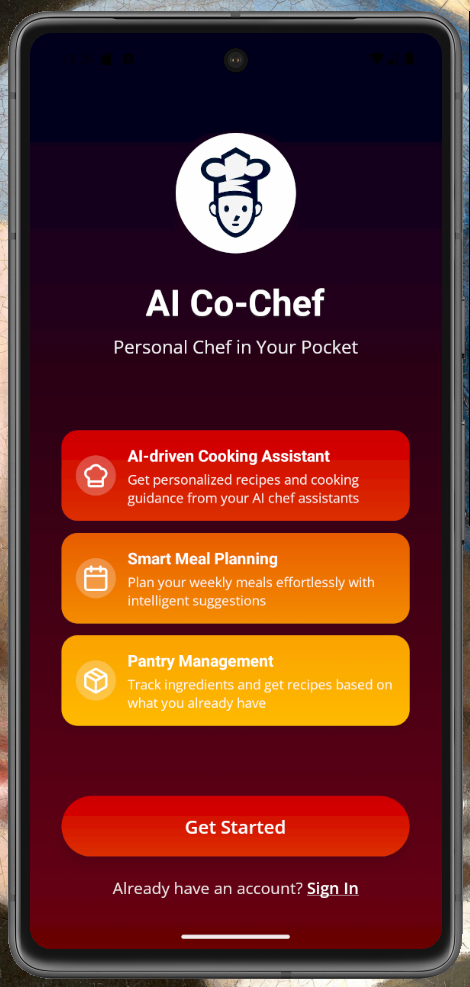
Welcome Screen
-
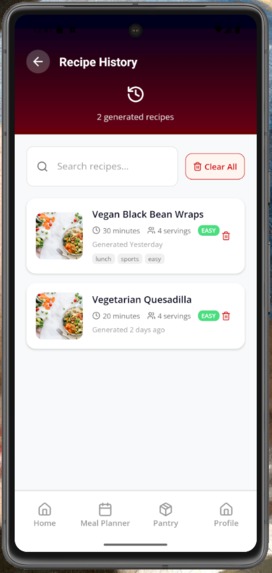
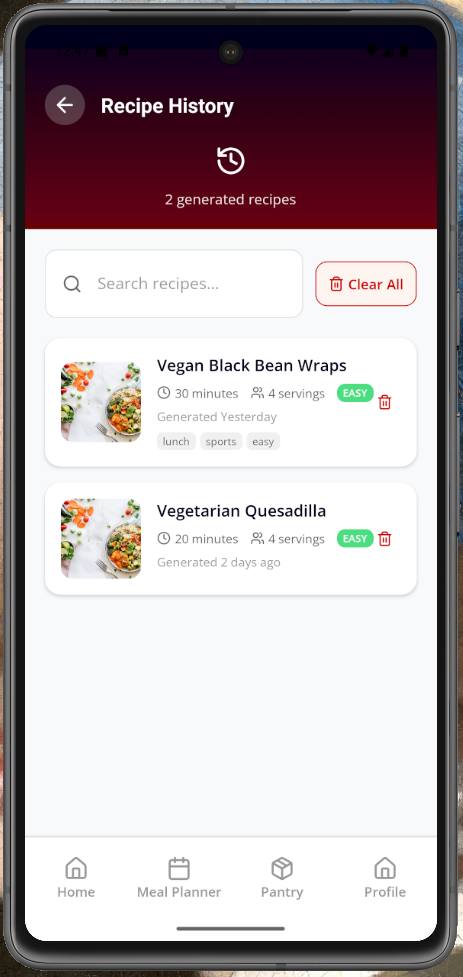
Generated Recipes view
-
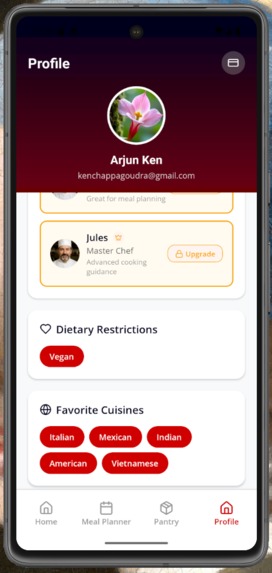
Profile screen bottom
-
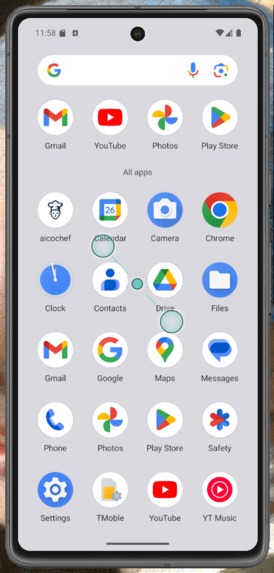
Mobile Screen with App Icon
-
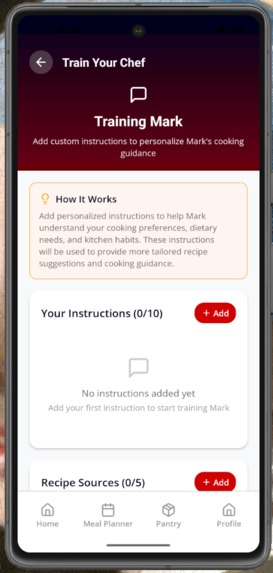
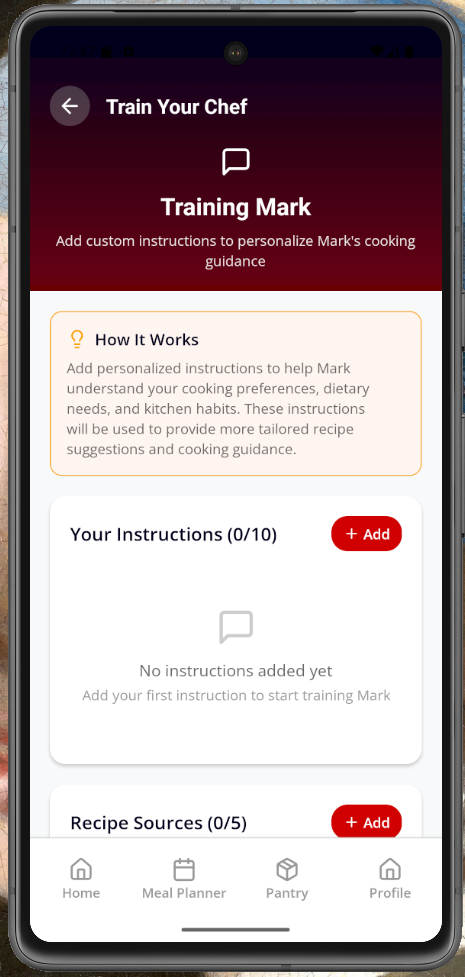
Train your chef screen
-
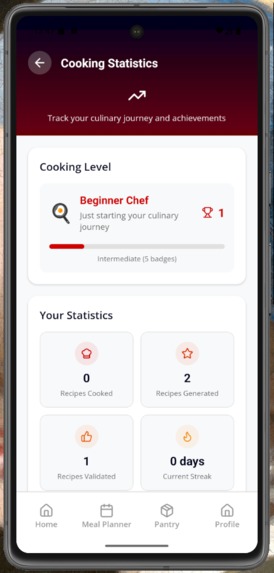
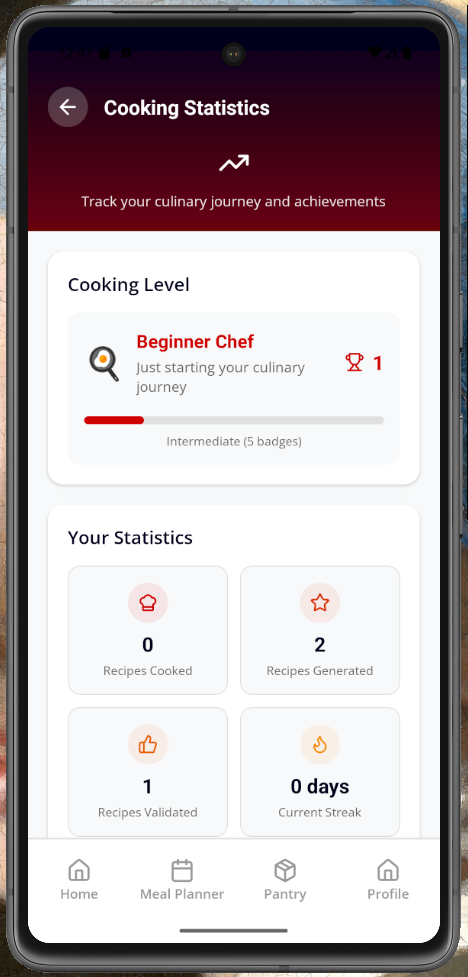
Cooking Stats
-
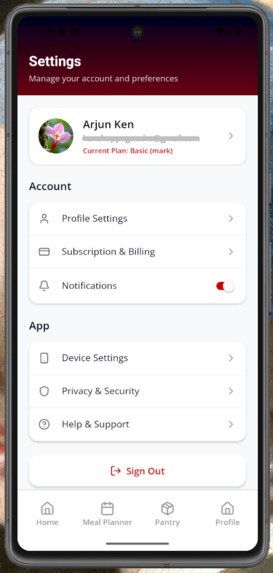
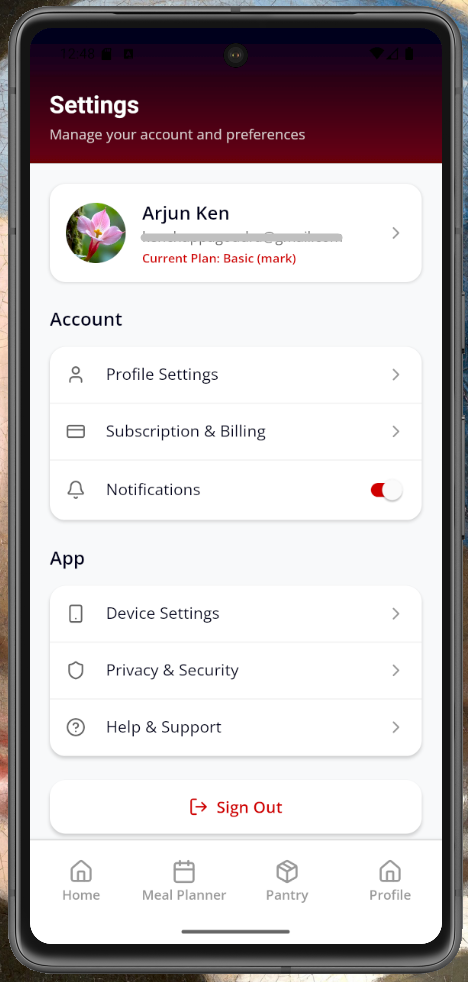
Settings screen
-
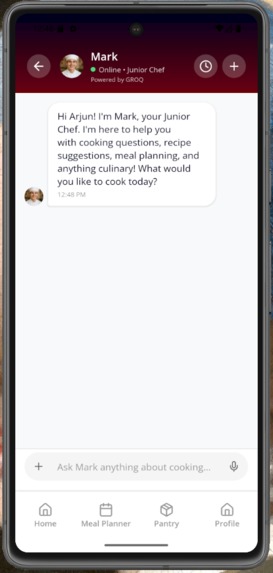
Chat screen
-
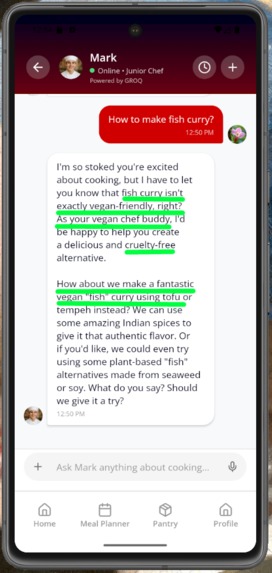
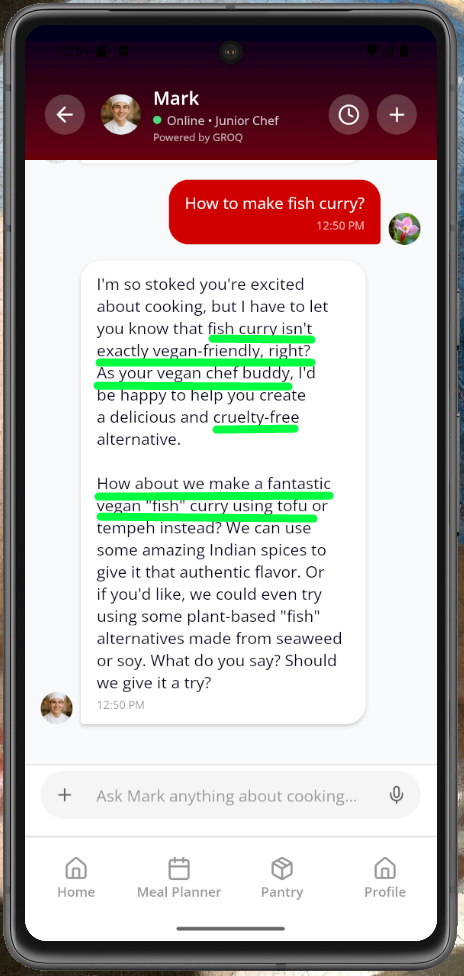
Chef's response in chat
-
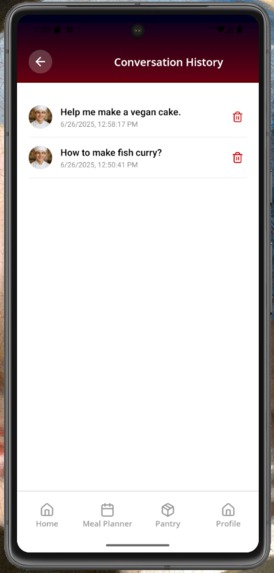
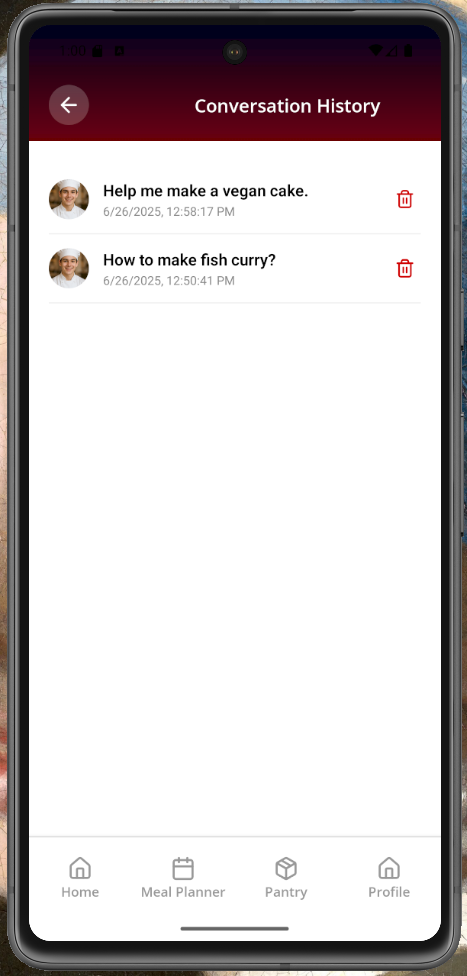
Chat History
-
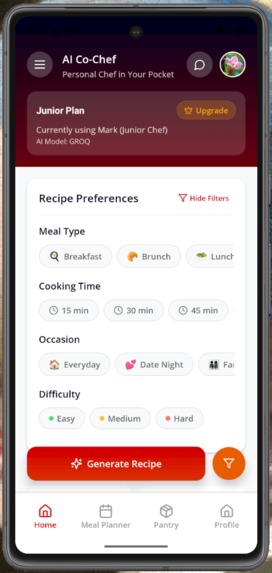
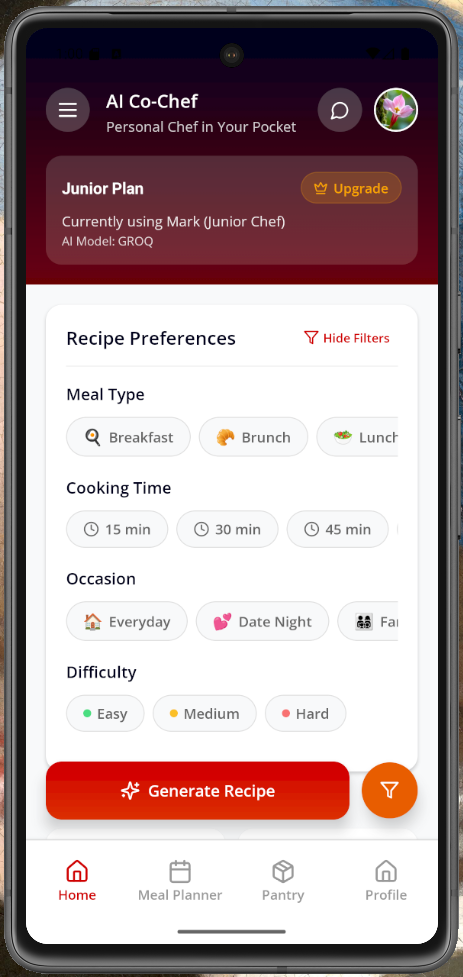
Recipe filters
-
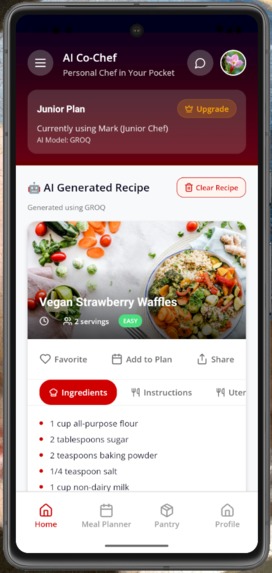
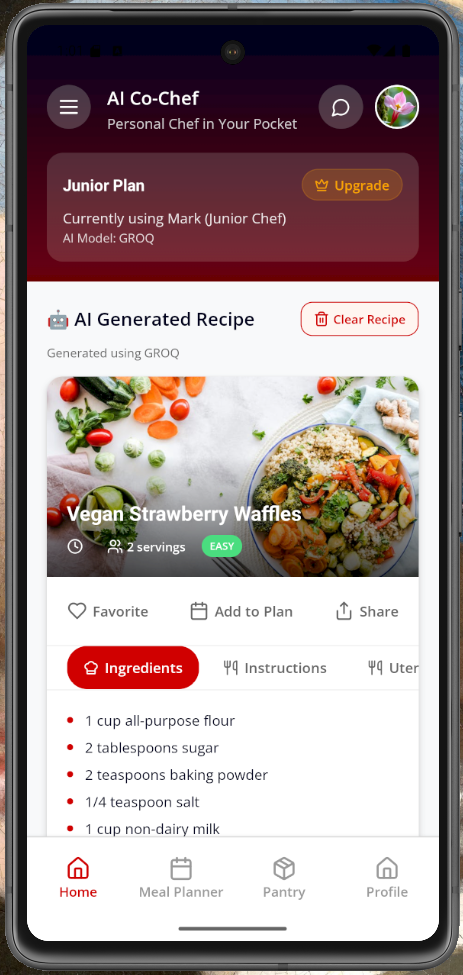
Generated Recipe

What Inspired Us
The inspiration behind AI Co-Chef came from a universal truth: people love food, but struggle with cooking. Whether it's deciding what to make, dealing with missing ingredients, or lacking confidence in the kitchen—home cooking often feels like a chore rather than a joy.
Global research shows:
- People cook ~6.7 meals/week at home globally, mostly to save money (89%) and eat healthier (58%)
- Yet, they face decision fatigue, ingredient anxiety, and time constraints
We saw an opportunity to create something more powerful than a recipe app—an AI-powered co-pilot in the kitchen.
What We Learned
Throughout the capstone and hackathon process, we learned:
- Users don’t need more recipes—they need smarter, context-aware support.
- Cooking is both emotional and logistical—people want confidence, creativity, and convenience at once AI has huge potential in the kitchen—from personalized suggestions to real-time voice guidance Most importantly, we validated our hypotheses with detailed persona simulations across geographies and cooking habits
How we built it
We used Bolt.new to rapidly prototype and launch a cross-platform mobile app designed to feel like a true co-pilot in the kitchen. The preliminary feature set includes:
- Conversational AI cooking assistant: Users can interact with a personalized AI agent to get meal ideas, ask for help while cooking, or explore new culinary techniques.
- Generate Recipe: Users can generate recipes based on filters they apply on top their core personalized preference in terms of dietary restrictions.
- Meal Planner: A built-in planner helps users schedule meals based on their week, lifestyle, and dietary goals.
- Train Your Chef: Users can train their chef to maximum 10 instructions and adding maximum 5 recipe sources in the form of URL
- Cooking Statistics and Badges: App displays some of the key statistics to the user as they progress through cooking and using the app. They also earn badges as they become better at cooking.
- Pantry Management: Users can maintain a digital pantry that updates as they cook, shop, or plan—creating a seamless inventory-to-recipe workflow.
- Choice of AI Models: App lets user to choose their AI Model to fine-tune their conversation with Chefs.
- 3 Chefs: App is bundled with 3 Chefs. User is assigned to Mark, who is a junior chef after the sign up. Users will have to upgrade their plans to use other Chefs who will have to more capabilities as this app continues to shape up in the future.
Our tech stack included:
- React Native (via Bolt)
- Supabase (for user and pantry data)
- Integration-ready foundation for LLM-based responses and vision (image-to-recipe) in future iterations.
- Groq and other LLM integration
Bolt’s no-code/low-code environment enabled us to move fast, experiment with flows, and integrate logic across personalization, planning, and AI-driven suggestion layers—all within a beautifully designed mobile experience.
Challenges We Faced
- Scope creep: With so many possibilities (image recognition, grocery planning, cultural journeys), we had to focus hard on MVP priorities.
- Balancing complexity and usability: Designing a voice-guided experience for beginners and pros alike demanded thoughtful UI/UX tradeoffs.
- Mock intelligence vs. real AI: For the hackathon, we simulated LLM logic with basic integration with a single LLM, Gemini, but designed every element with integration readiness in mind.
- Credit loss for Fixing Issues: Bolt must address this issue. When Bolt makes mistake, our credits are used to correct its mistakes. Sometimes, the worst part is, Bolt can repeatedly do mistake and incrementally fixes the issue at the cost of hundreds or thousands of tokens, which is unfair for the Bolt users.
Accomplishments that we're proud of
- Vision to prototype in days: We translated months of strategic research into a functioning mobile prototype within the hackathon timeline. -Feature clarity: We prioritized high-value, low-friction features grounded in user pain points like decision fatigue and time constraints. -Built around real users: Every design decision—from pantry logic to preset journeys—was rooted in interviews with diverse home cooks across age groups and cultures. -Scalable architecture: We designed the product and UI with clear pathways for future enhancements like grocery integration, image-to-recipe input, and AI-driven dish invention.
What we learned
- Simplicity matters: Many users don't want "more recipes"—they want fewer, better choices tailored to their context.
- Voice and context are game-changers: Users gravitate toward conversational, hands-free experiences when cooking—especially beginners and multitaskers.
- Personalization needs structure: From dietary filters to spice level preferences, thoughtful onboarding makes a big difference in generating relevant recommendations.
- Hackathon timeboxes drive clarity: Being time-bound forced us to focus on MVP-worthy features and avoid overengineering early.
What's next for AI Co-Chef Mobile App
The foundation of AI Co-Chef is strong, but we’re just getting started. Here's what’s ahead:
- Advanced AI Integration: While the current version includes basic integration with Gemini APIs, we’re actively evaluating other LLM options such as OpenAI (ChatGPT), Claude, and domain-specific recipe models hosted on Hugging Face to enhance contextual reasoning and culinary expertise.
- Voice-First Experience: We plan to integrate Speech-to-Text and Text-to-Speech capabilities, enabling natural, hands-free voice interaction for real-time cooking assistance—especially helpful for beginners or multitaskers in the kitchen.
- Premium Cooking Agents: Monetization will be driven through tiered access to specialized AI cooking agents—like a “Master Co-Chef” for advanced techniques or a “Nutritionist Co-Chef” for health-focused personalization, each offering deeper skillsets and exclusive features.
- Grocery Ecosystem Integration: We’ll explore partnerships with grocery APIs to enable fridge-to-cart workflows. This means users could auto-generate shopping lists or order ingredients directly based on AI-generated meal plans and pantry gaps. These next steps will continue to deepen personalization, utility, and delight—bringing us closer to our vision of making AI Co-Chef the most trusted and inspiring AI cooking companion in the world.
ACCESS TO THE APP: Since this is a mobile app, an APK file is provided through a Google drive link below. It should be downloaded and installed in testers mobile phone with Android OS.
DEMO Account: When app is launched, please sign in with these credentials: Email: [email protected] Password: Dem0$321
Built With
- gluestack-ui
- groq
- javascript
- react
- react-native
- supabase


Log in or sign up for Devpost to join the conversation.