Inspiration
Physicians in the U.S see, on average, 20 patients per day. Each patient requires documentation that needs to be written up. This requires physicians to spend roughly 1.3 hours a day writing notes in the clinic and about 1.7 hours writing up notes and documentation outside of work. In total, this amounts to roughly 3 hours daily.
What it does
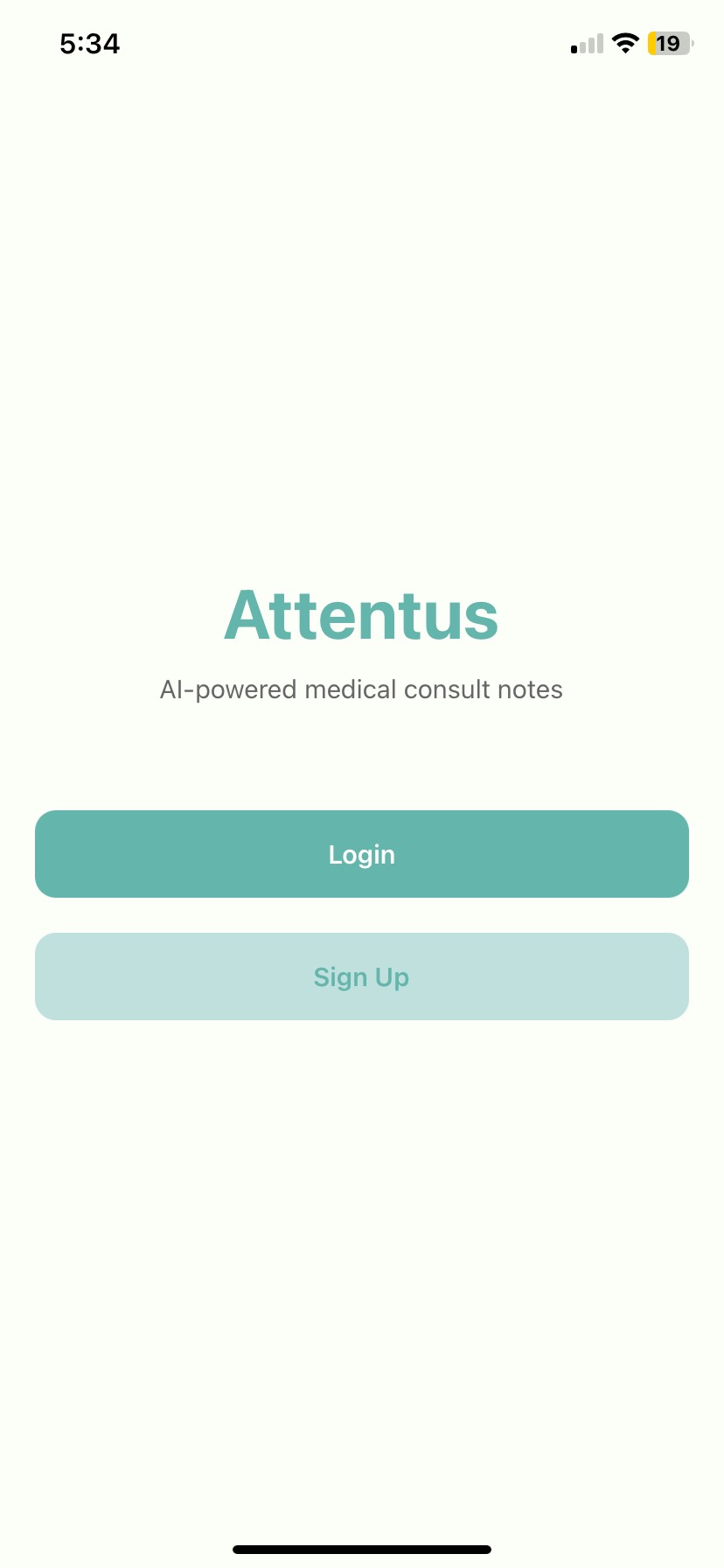
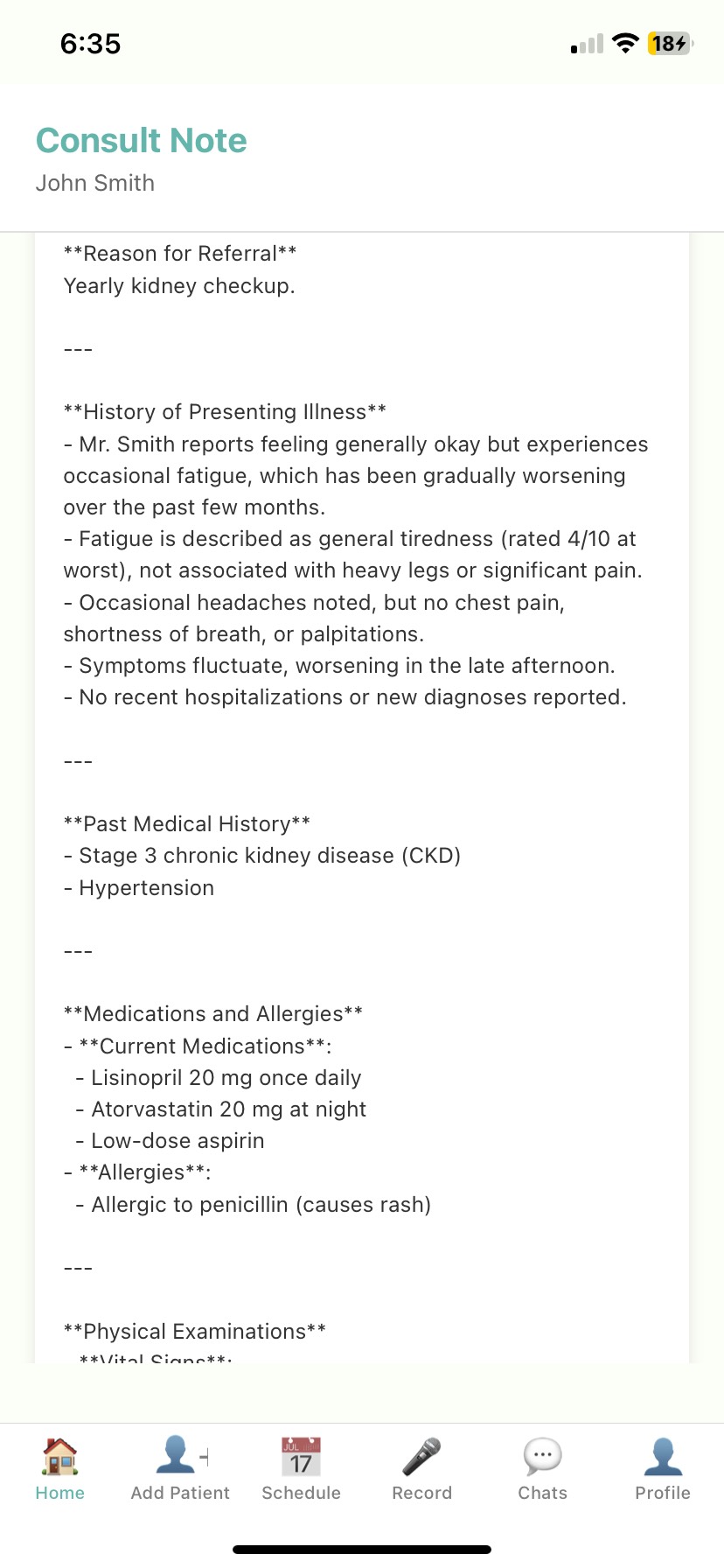
Attentus is a tool designed for healthcare professionals that parses doctor-patient conversations and creates a consultation document. This helps save doctors the additional time they would need to write this up themselves.
How we built it
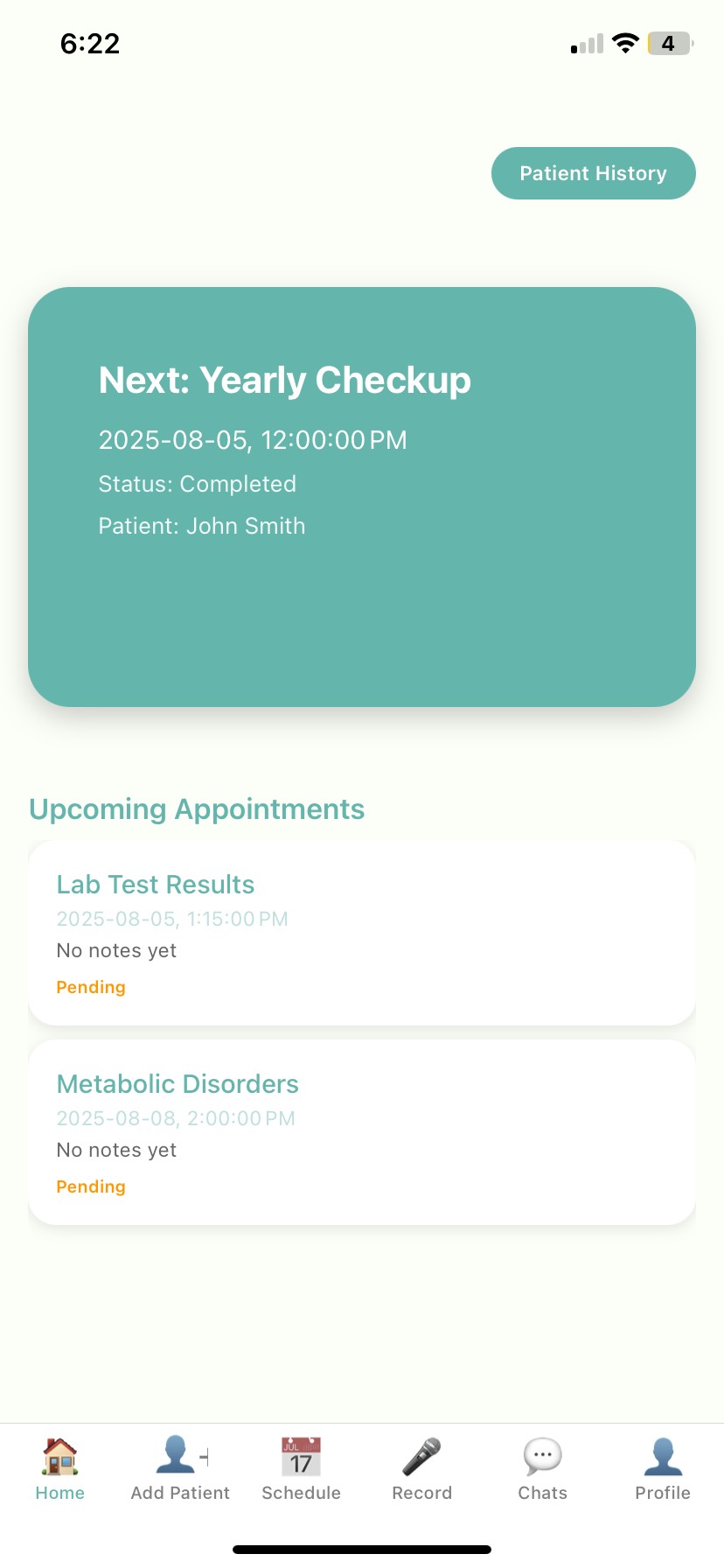
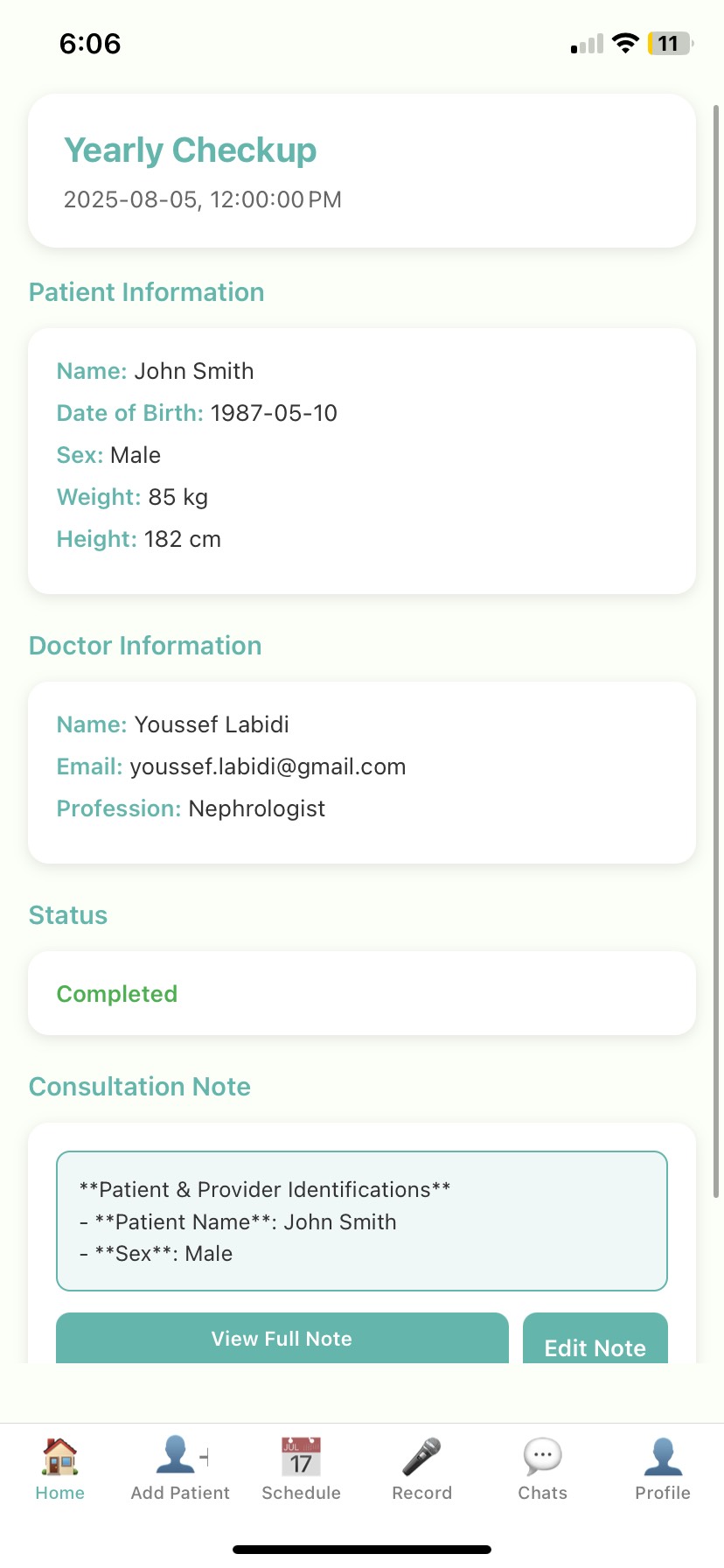
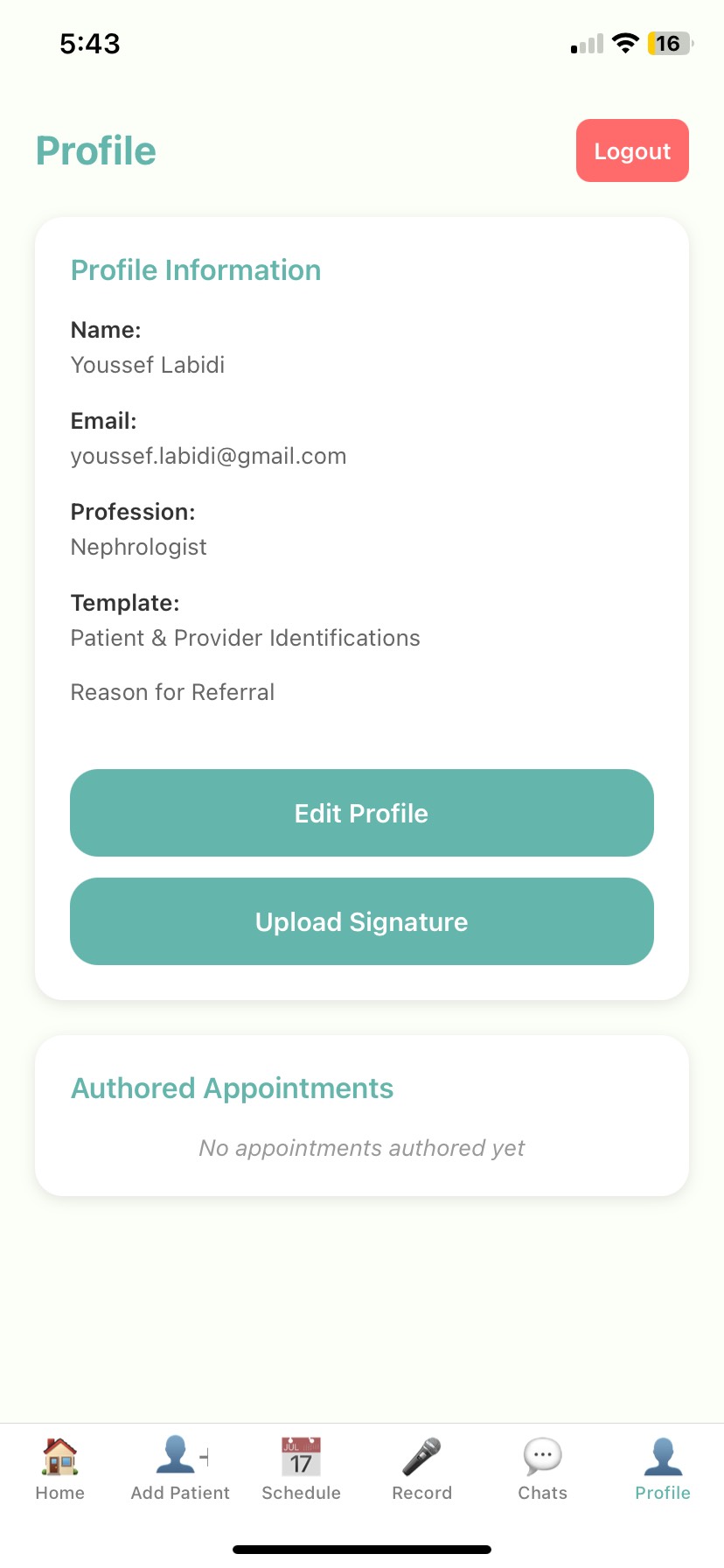
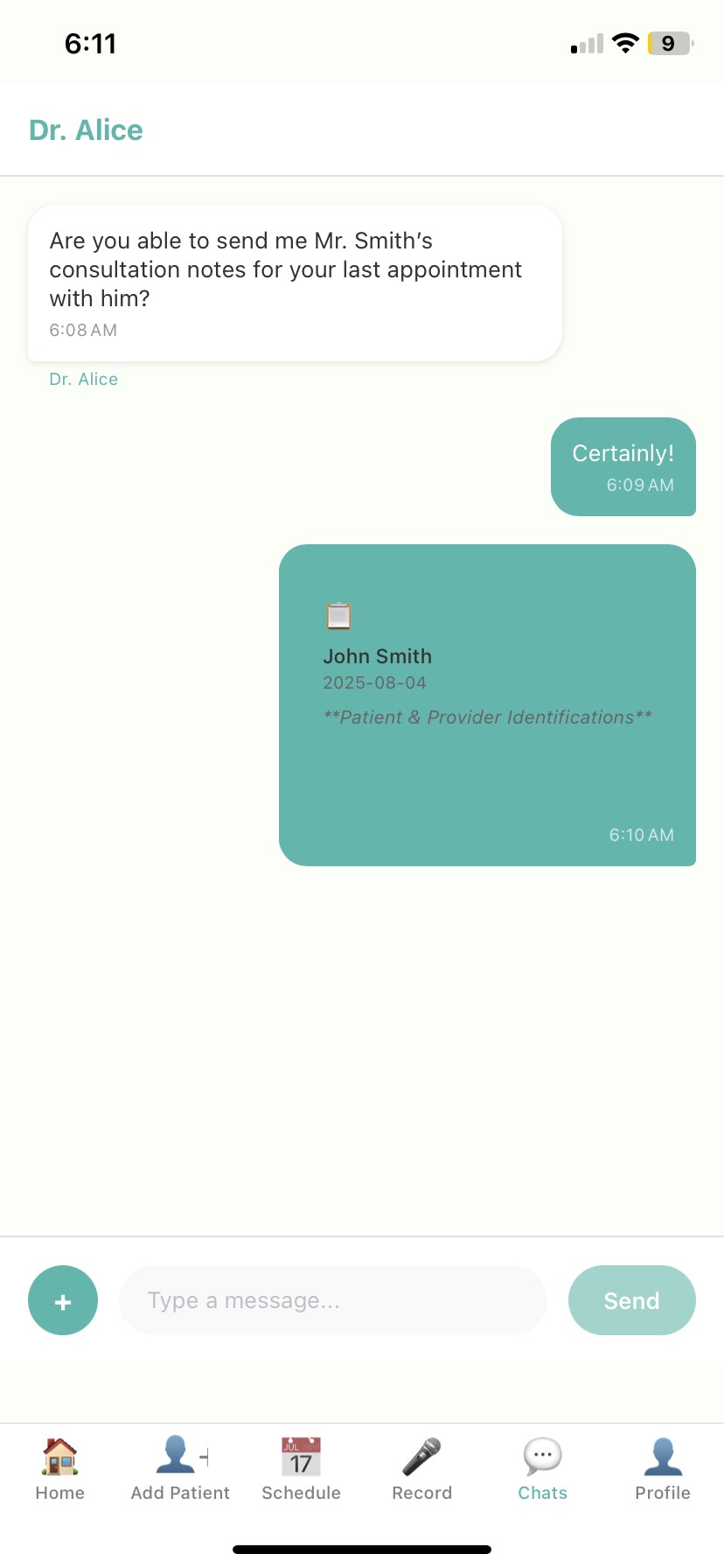
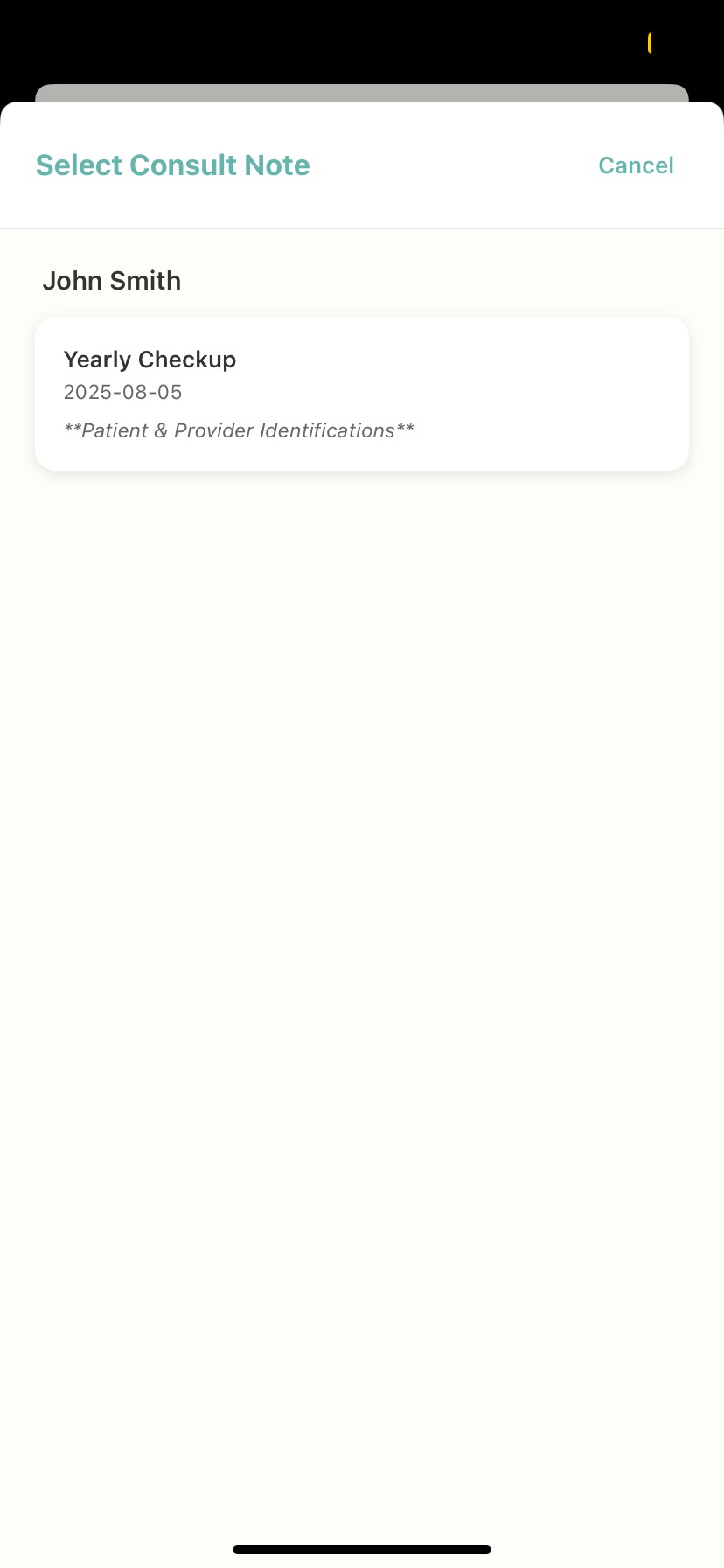
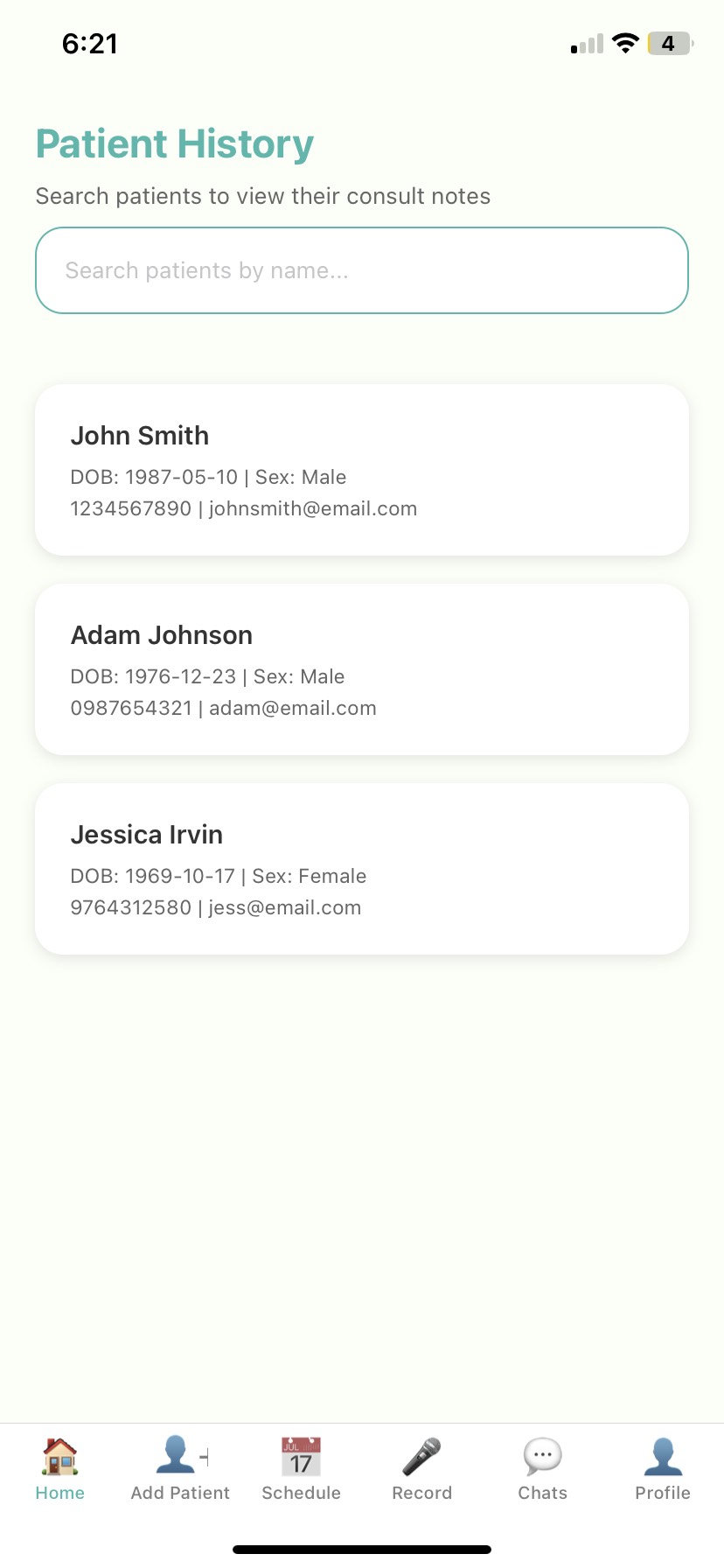
We developed Attentus as a cross-platform mobile app using React Native with Expo, styled via Tailwind CSS . The backend is powered by Node.js and Express, with MongoDB for data persistence and Firebase for authentication and secure audio storage. Doctors can schedule appointments, manage patient records, and exchange messages—all through a clean, bottom-tab navigation.
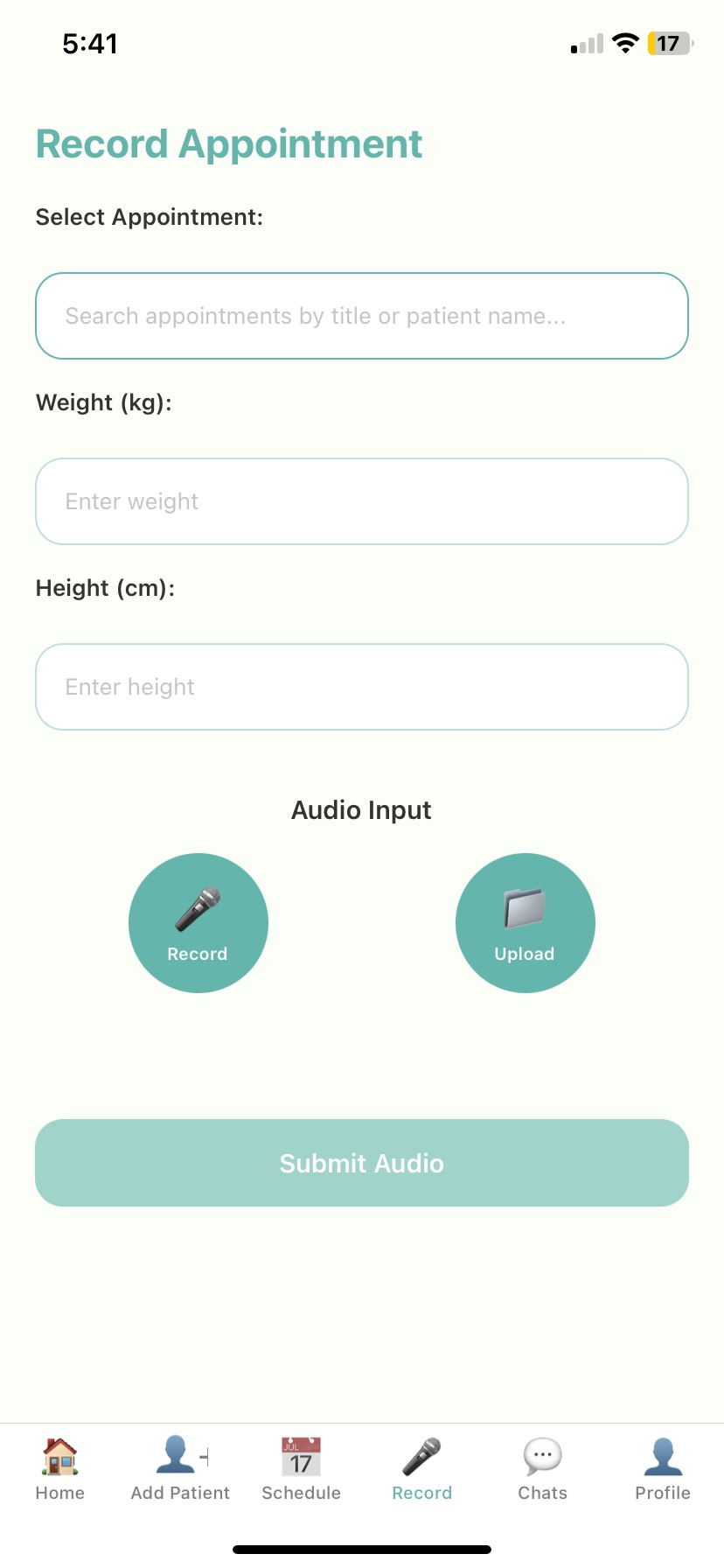
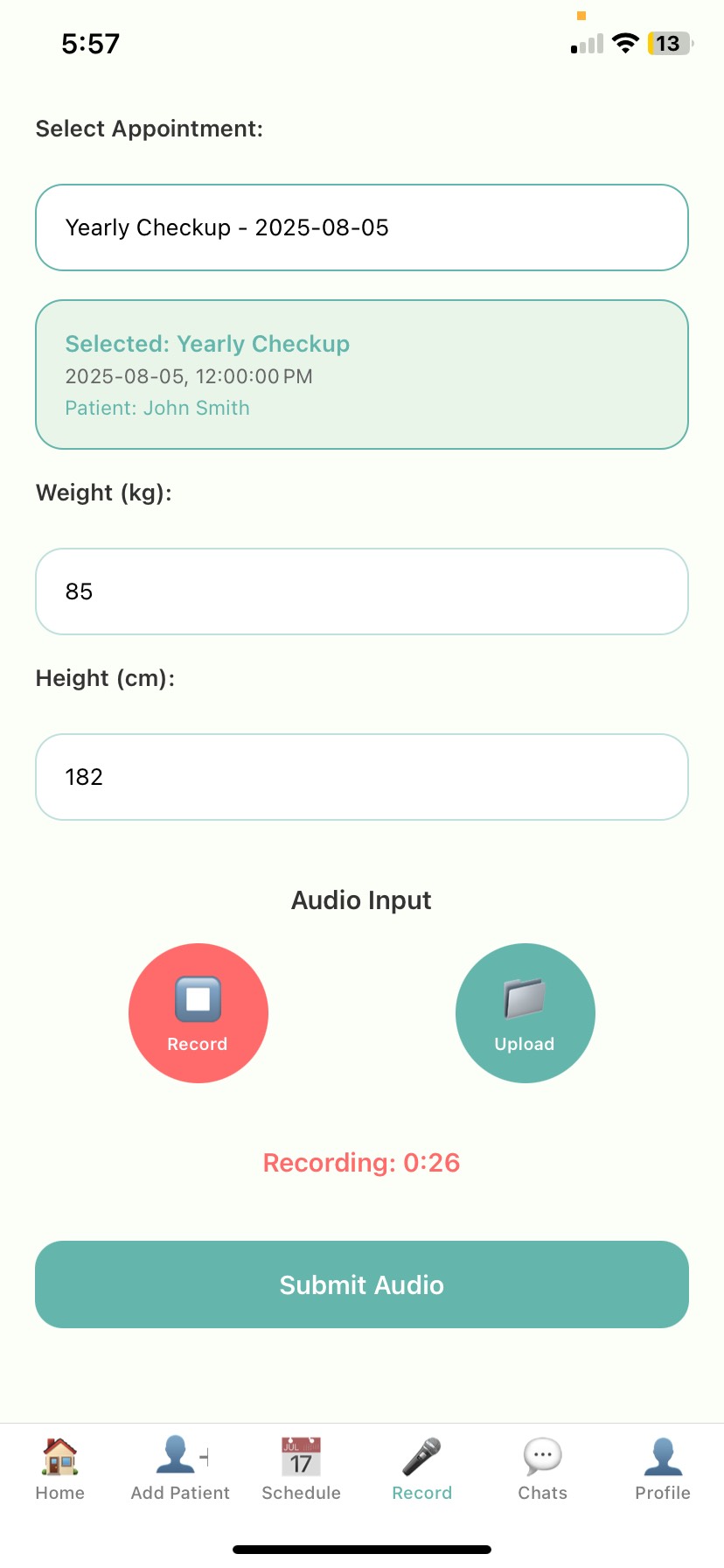
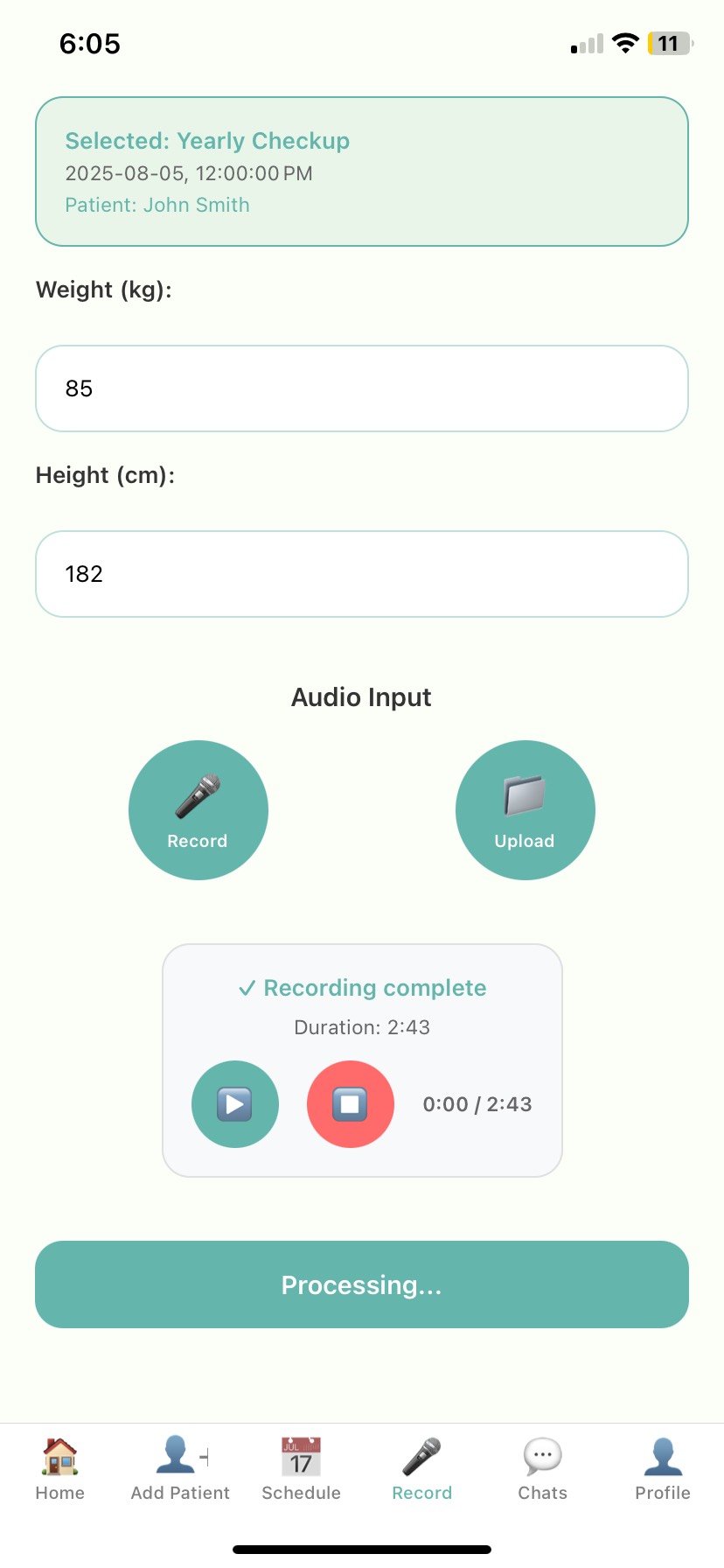
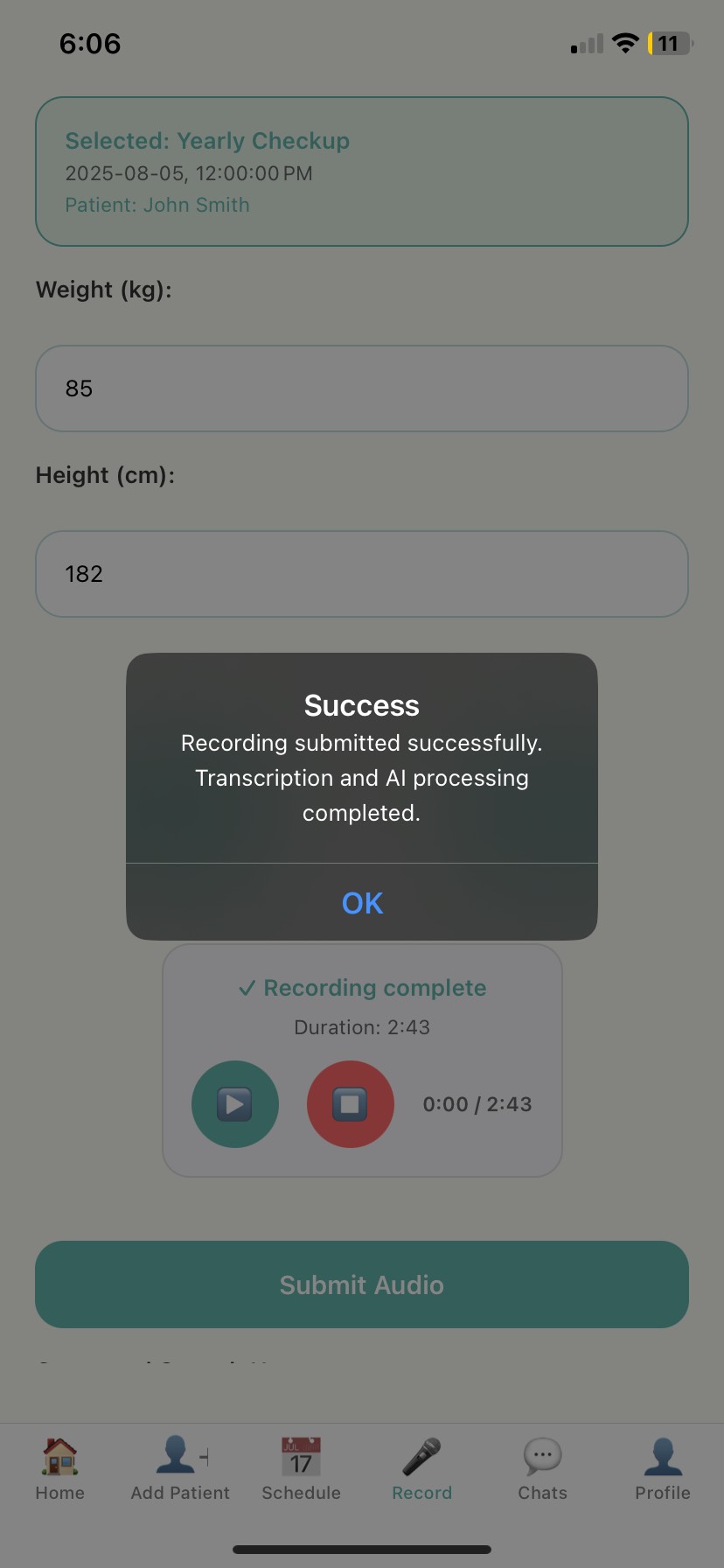
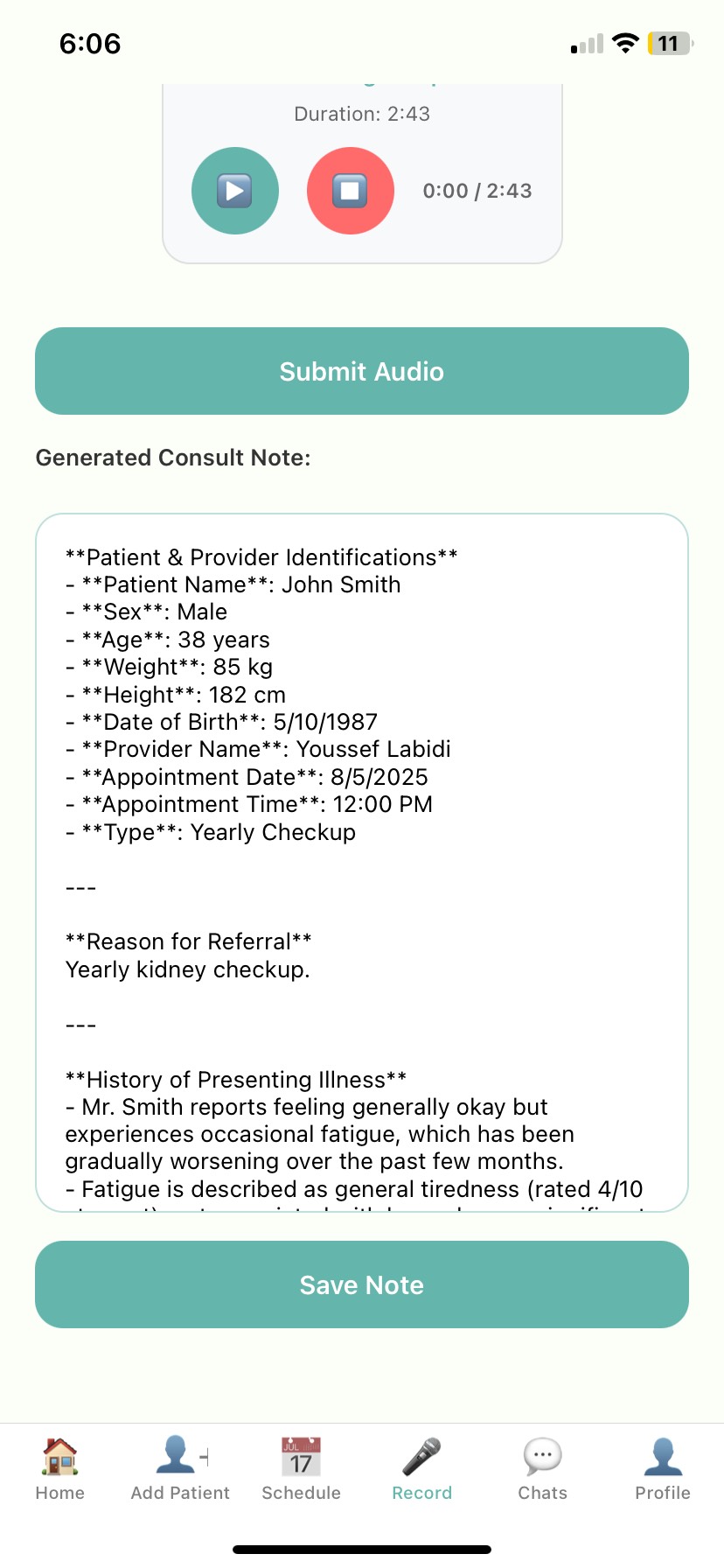
The core innovation is fully automating consultation note creation. After a doctor records the appointment audio, it’s uploaded to Firebase Storage and transcribed using the Google Cloud Speech-to-Text API. That transcript, combined with the doctor’s custom template, is sent to the OpenAI API, which generates a structured draft note. The doctor then reviews and edits the AI-drafted consultation note before saving, dramatically reducing administrative overhead.
Challenges we ran into
Having the various parts of the application, such as the database, frontend and APIs alongside the numerous files working in sync with one another was a hassle to say the least. When one bug was resolved, the change caused 2-3 other parts to not work. The constant back and forth was frustrating for us.
Accomplishments that we're proud of
Structuring our development plan into numerous steps and following through on each of the steps as a strict guideline was great, as it made our development stage extremely efficient. We are proud of this efficiency and hope to use it for future projects.
What we learned
This was our first time using OpenAI's API and the Google Cloud Speech-to-Text API. Incorporating the API's and seeing the magic happen before our eyes was rewarding to say the least. With the future of technology heading towards the direction of automation and AI, we made it a goal to include it within our project. This ended up working just as we planned.
What's next for Attentus
After refining the app, making sure it is secure and coming up with a PC port for the application, the next step will be to market the app across clinics in Ontario. Getting as many real doctors on board with the app and having them test it will give us loads of feedback on anything we can improve.
Built With
- expo.io
- express.js
- firebase
- google-cloud
- google-speech
- mongodb
- node.js
- openai
- react-native

Log in or sign up for Devpost to join the conversation.