-
-

+Attention Logo
-
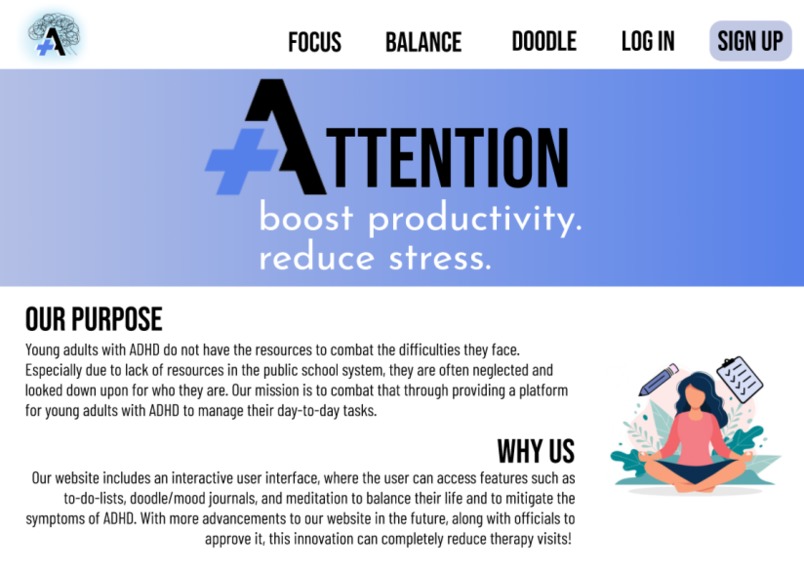
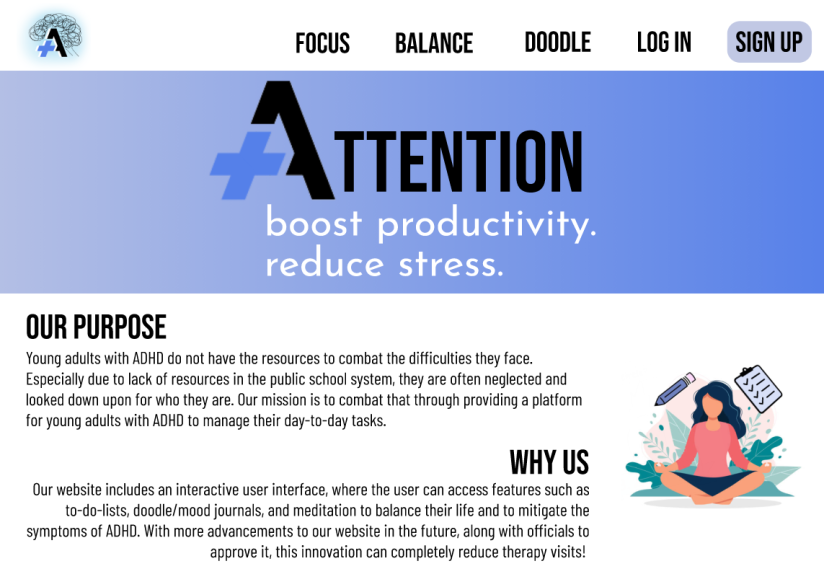
The Homepage
-
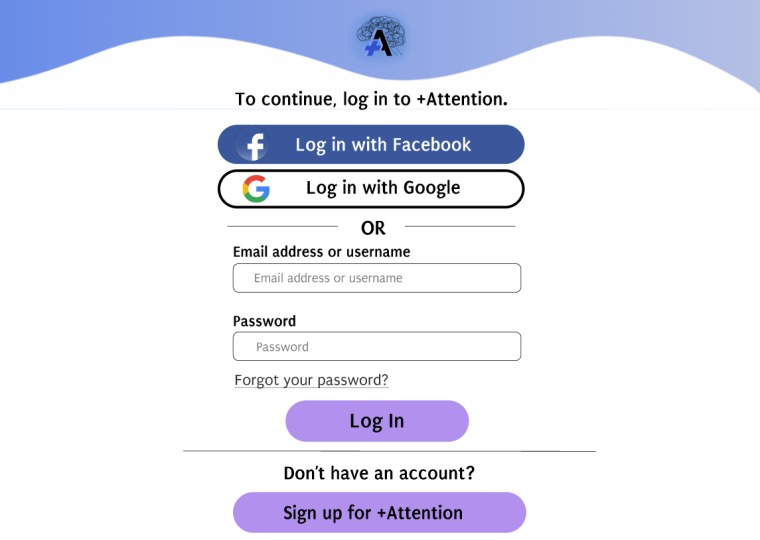
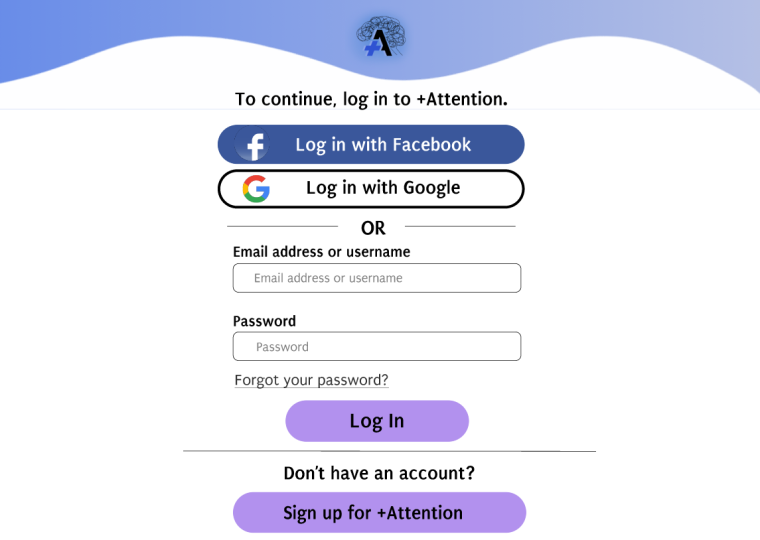
Log In Page
-
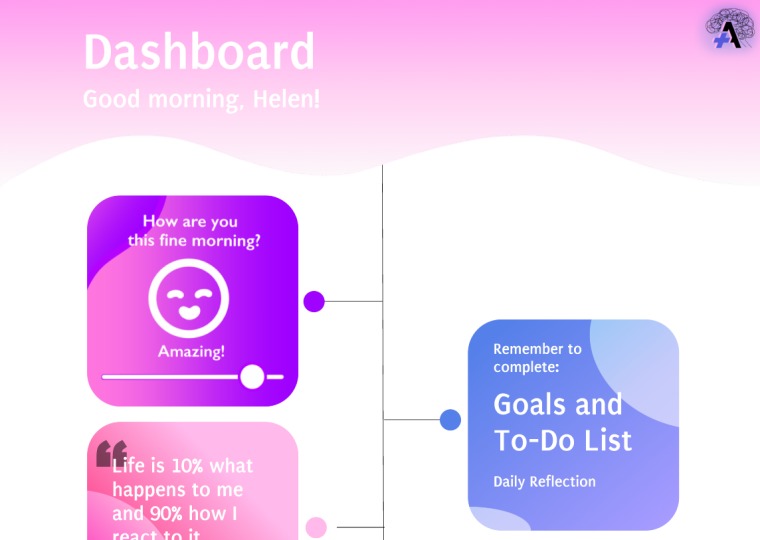
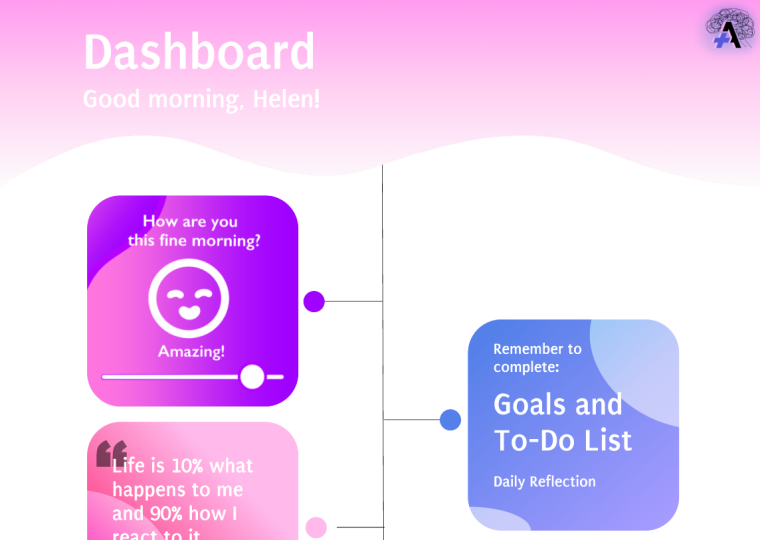
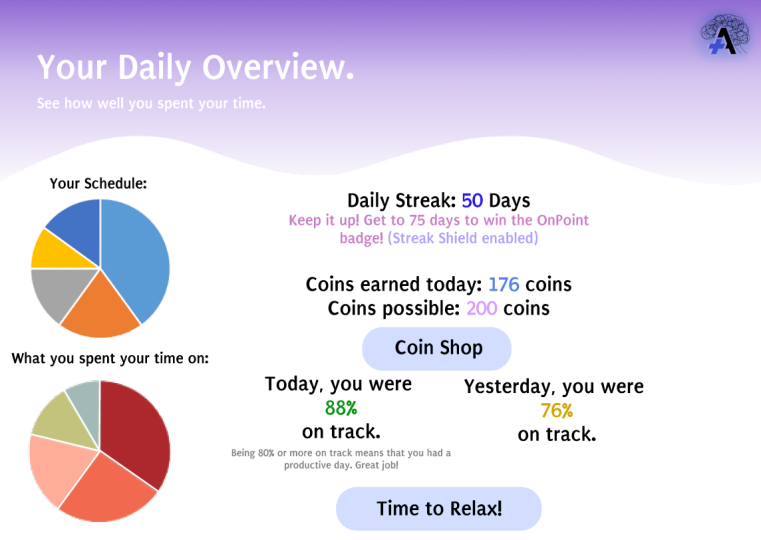
Dashboard
-
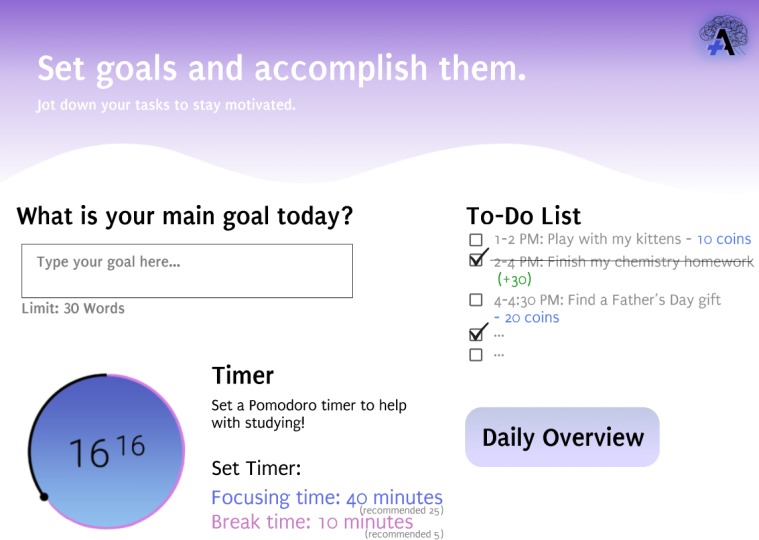
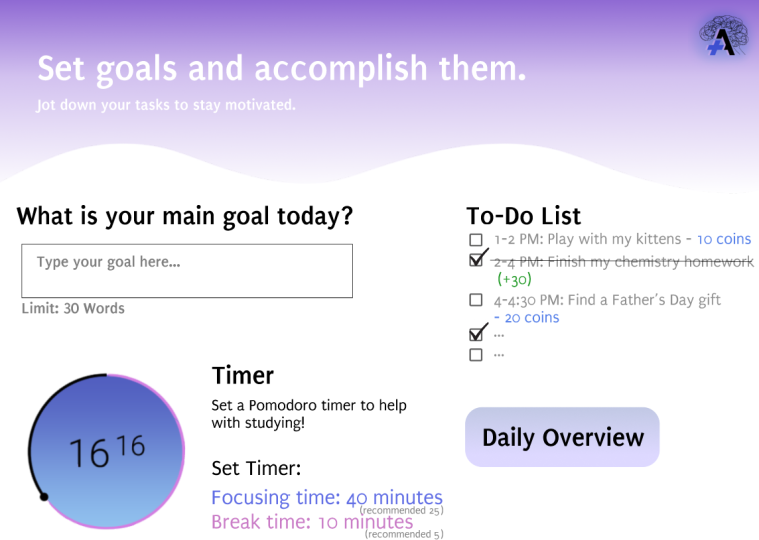
Focus Page 1
-
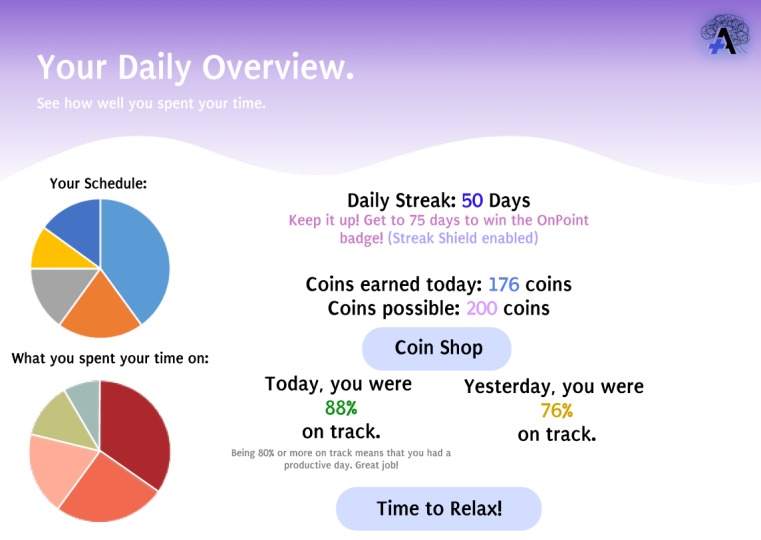
Focus Page 2
-
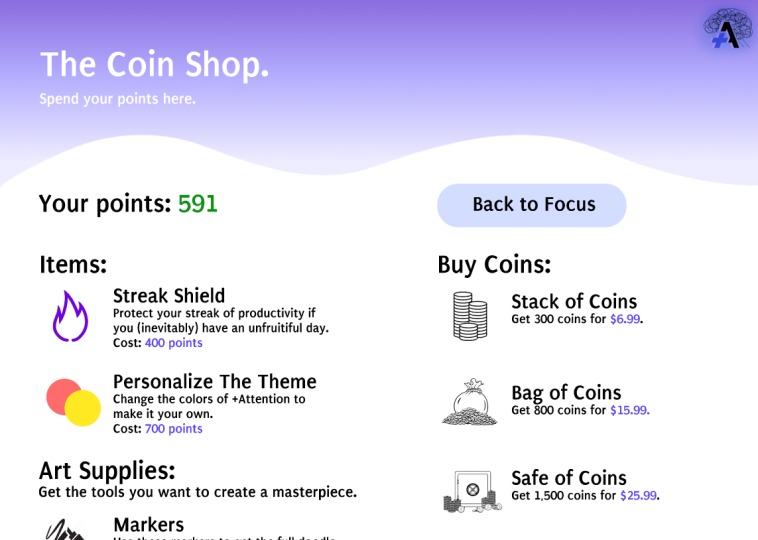
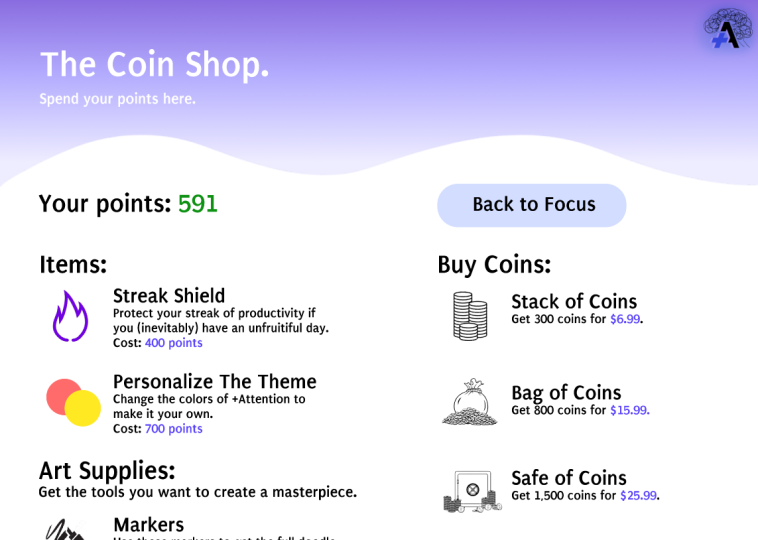
The Coin Shop Page
-
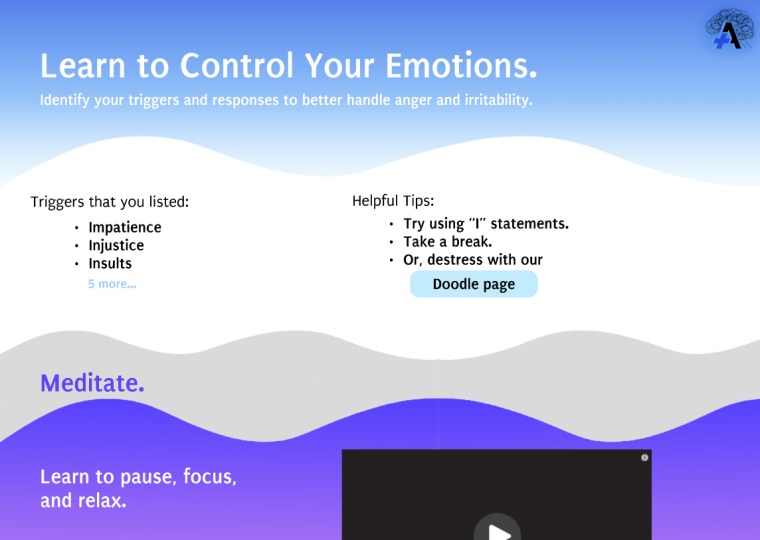
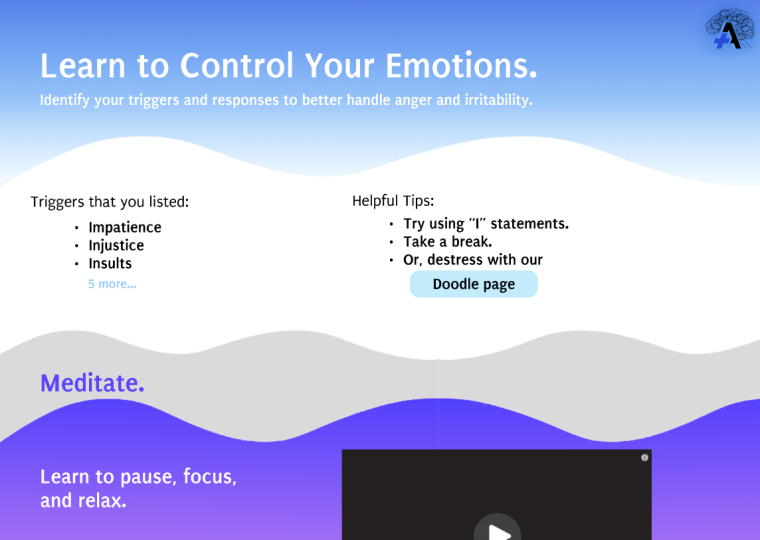
Meditation Page
-
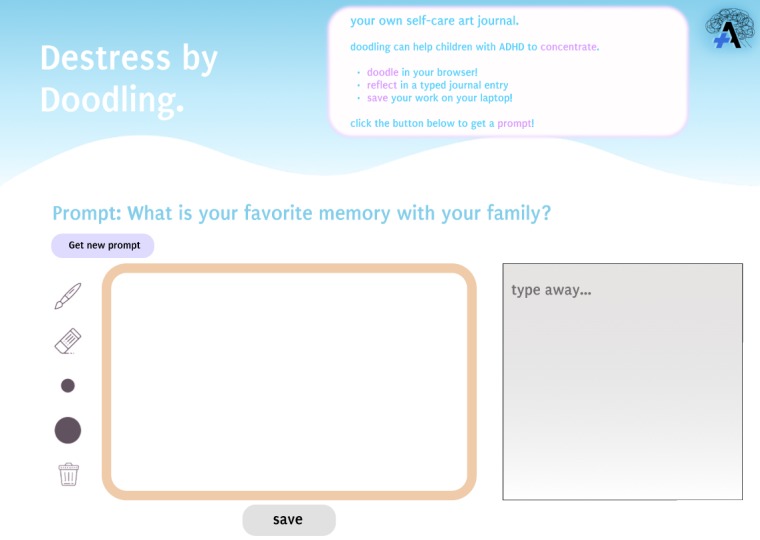
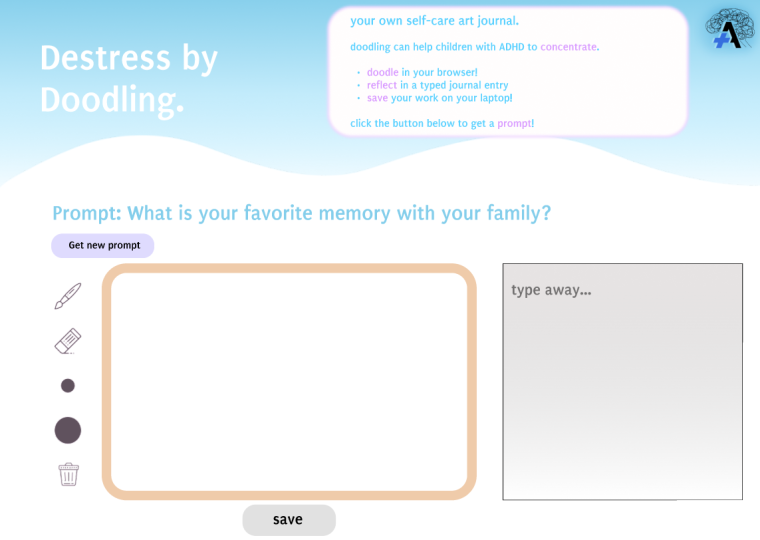
Doodle Page

Inspiration
About 6.1 million children in the U.S. (9.4% of children in the U.S.) have Attention-Deficit/Hyperactivity Disorder (ADHD), making it one of the most common mental disorders in children. ADHD often stays into adulthood as well, and about 4% of American adults have ADHD. ADHD diagnoses have also increased 42% over the past eight years. Quarantine has made it very difficult for people with ADHD and their loved ones. They may struggle with time management, motivation, increased irritability or other behavioral problems, and remote learning. That is why we wanted to provide a platform for young adults with ADHD to manage their day-to-day tasks in a time where life can get a bit stressful.
What it does
+Attention is a website for mitigating the symptoms of ADHD. Our website includes an interactive user interface, where the user can access features such as to-do lists, doodle/mood journals, and meditation to balance their life, all of which are scientifically proven to help with ADHD.
How we built it
The prototype for the +Attention website is made with Figma, and we designed it ourselves. The slideshow was made through Google Slides.
Challenges we ran into
Originally, we were planning to use InVision but switched to Figma since it allowed for more collaboration. Thus, we had to learn how to use Figma and explore its features in a short amount of time, making it challenging to create an aesthetically pleasing website.
Accomplishments that we're proud of
We are proud of how quickly we were able to learn about and use Figma. We are also proud of being able to come up with a cost-effective solution for people with ADHD.
What we learned
We learned a lot about ADHD, how it affects people, and how to manage it using various methods. We also learned how to use Figma and create a prototype of a website.
What's next for +Attention
We hope to expand our website and get to code it, or perhaps make a phone app for mobile users to have. We might also add more unique features, such as a diet tracker, since hyperactivity can be influenced by the food you eat, and perhaps add an option for users to go pro and unlock new, more in-depth features. By next year, we are planning to partner with ADHD researchers and scientists to increase our credibility when we put it out to the market. In the future years to come, we hope to look at pricing options and develop our prototype into a startup company.
Built With
- autodesksketchbook
- figma


Log in or sign up for Devpost to join the conversation.