-
-

Landing page.
-
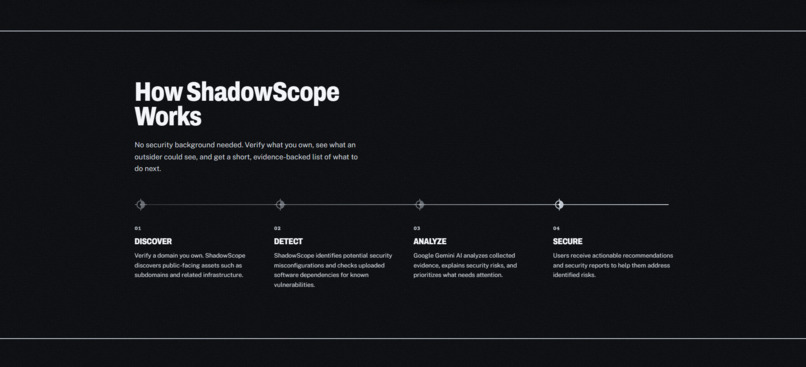
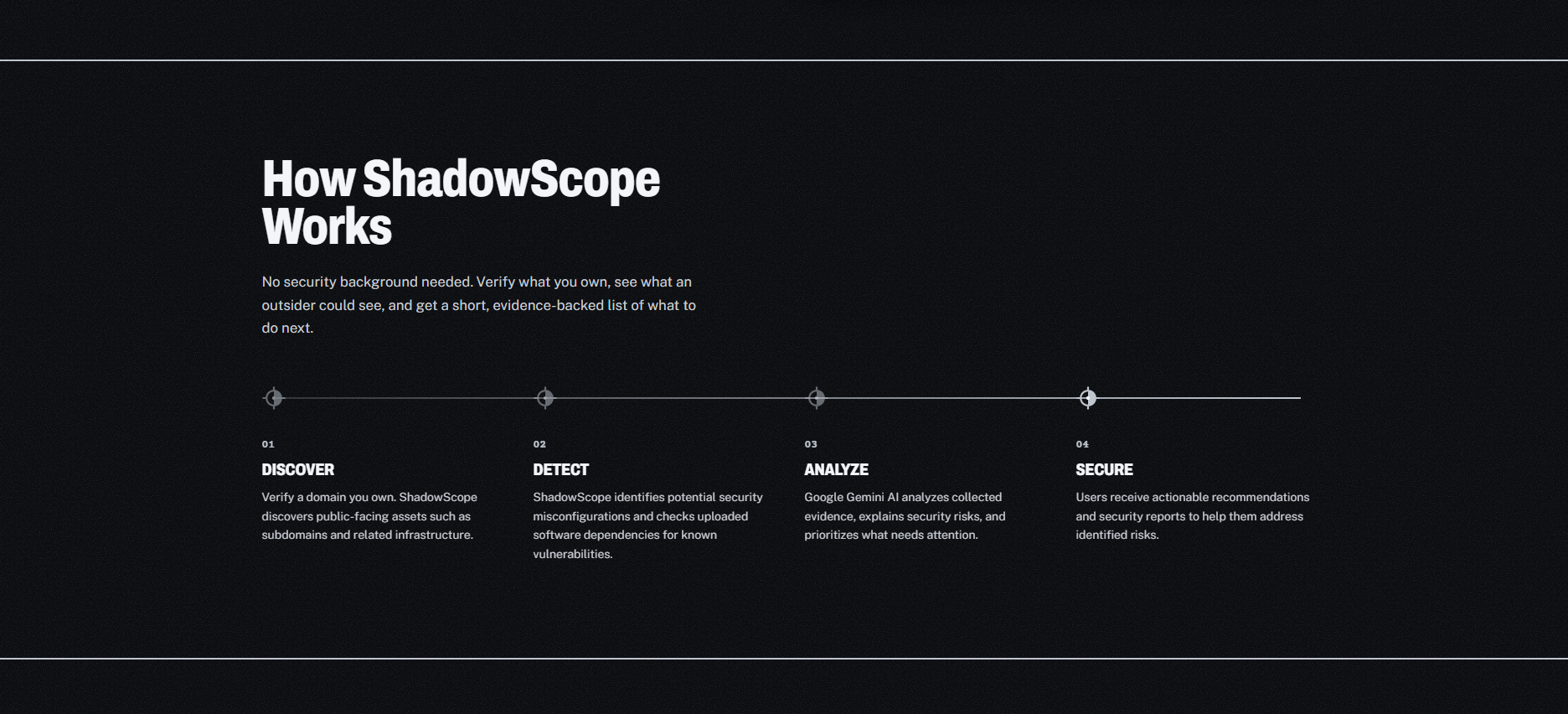
How ShadowScope works.
-
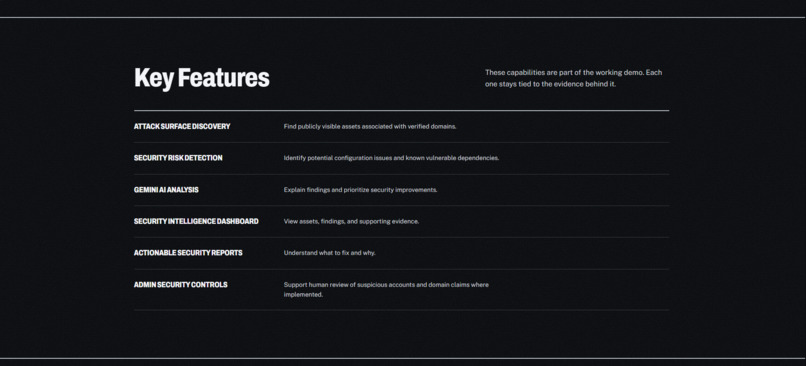
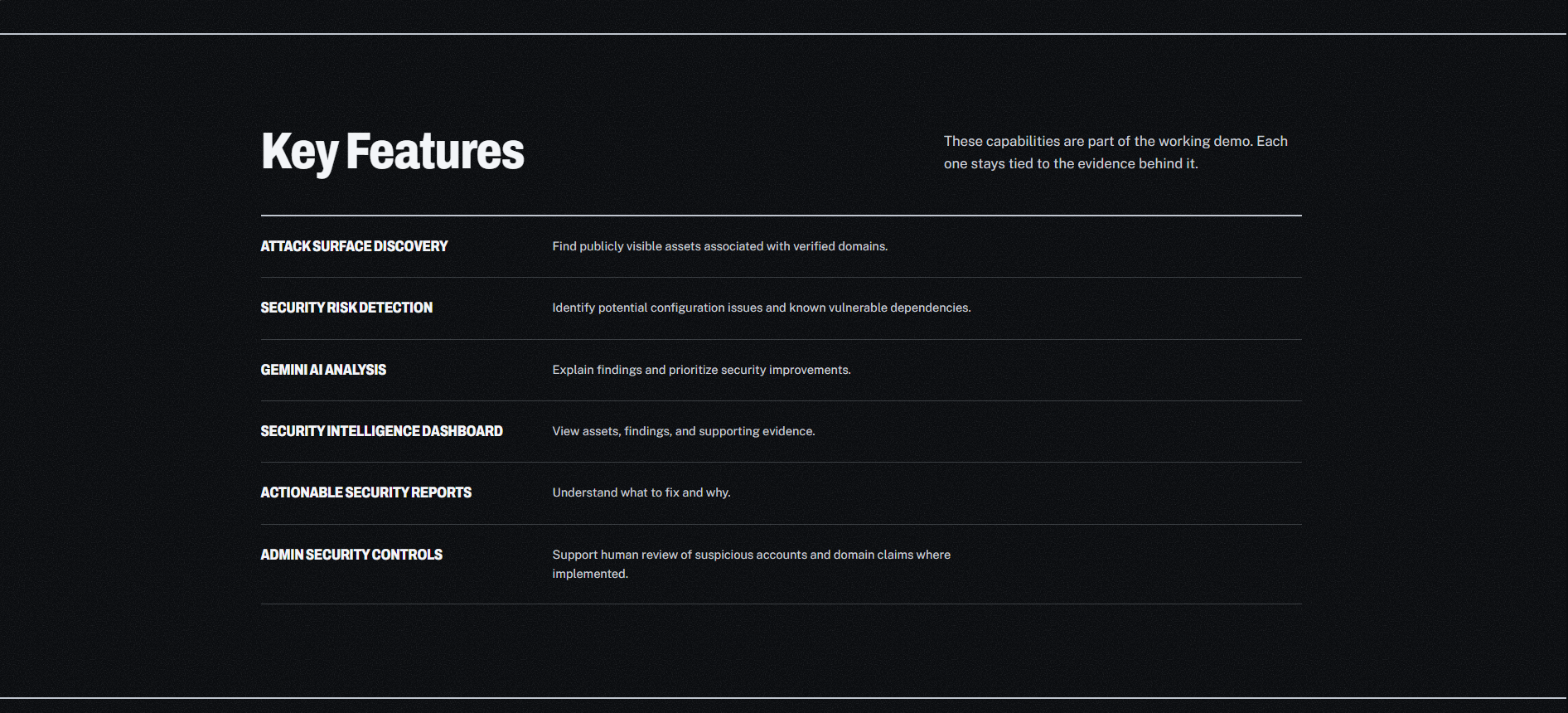
Key features of the application.
-
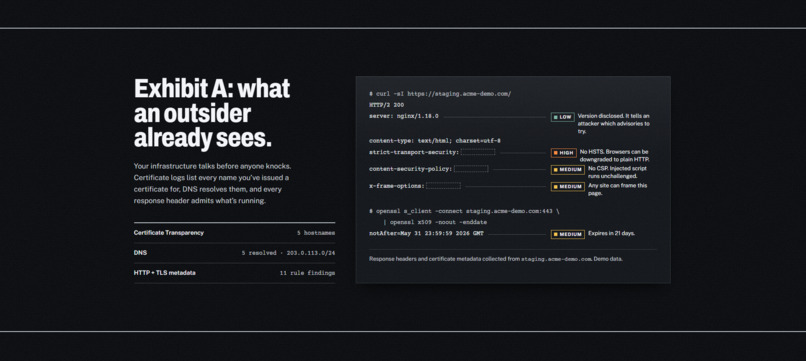
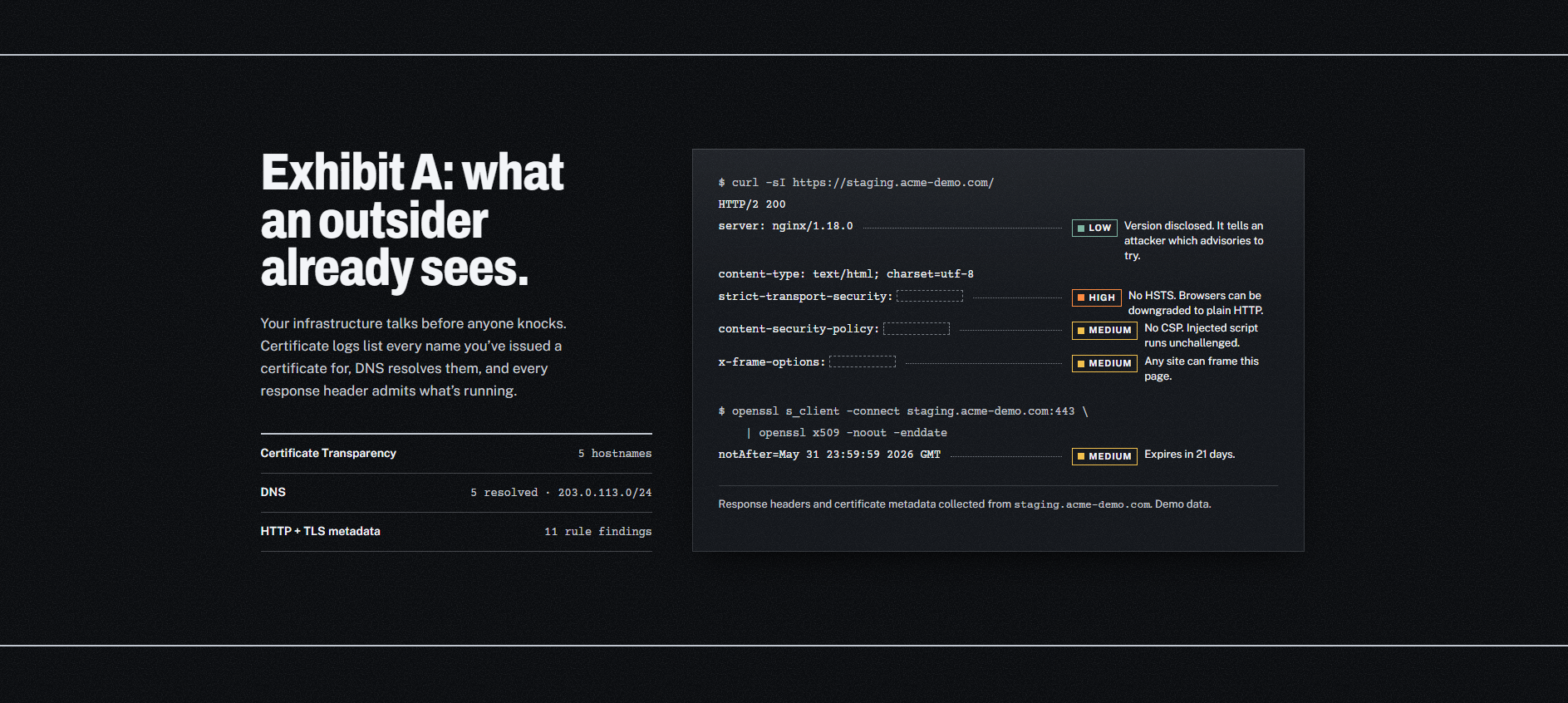
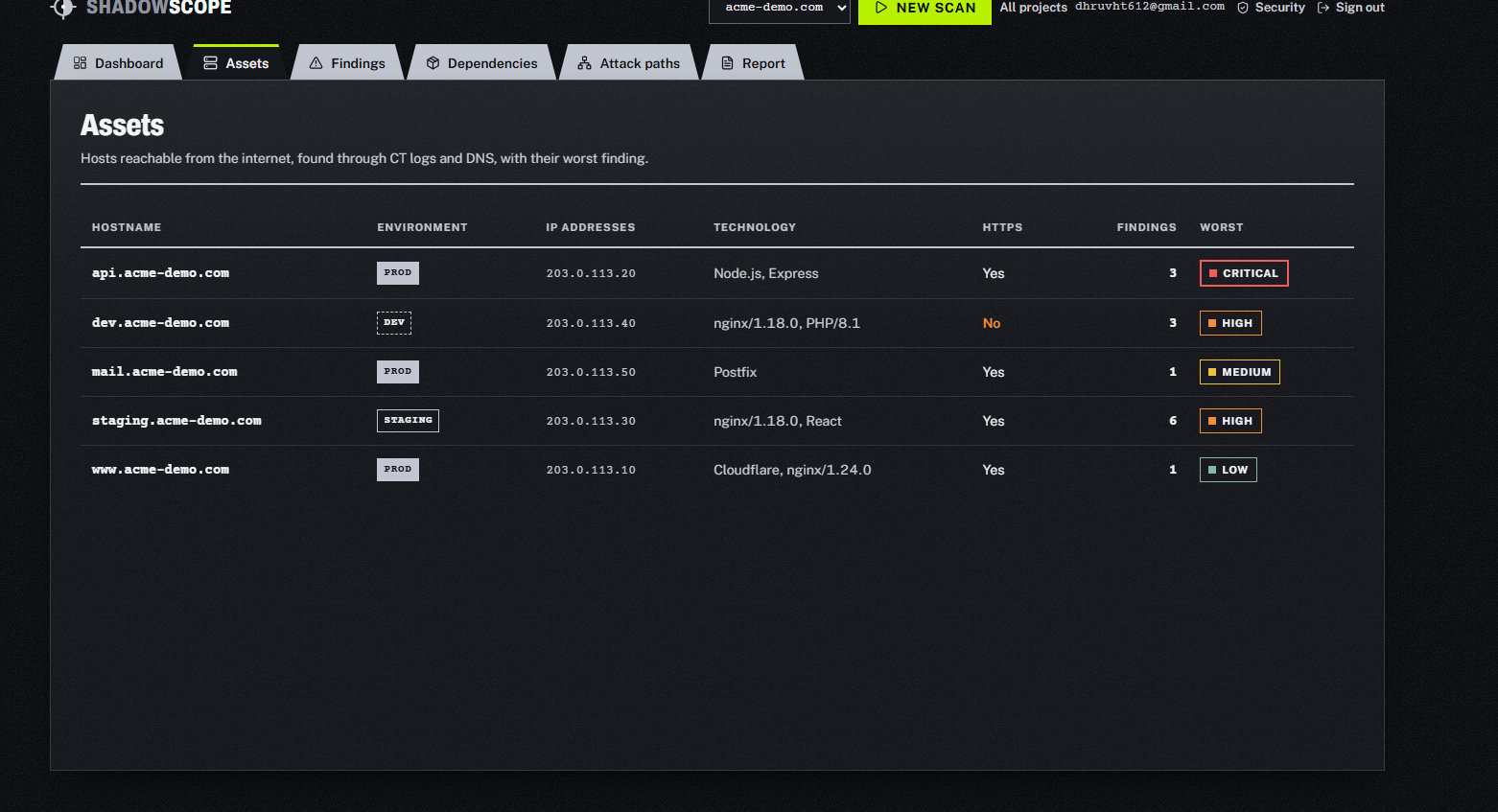
What outsiders already see.
-
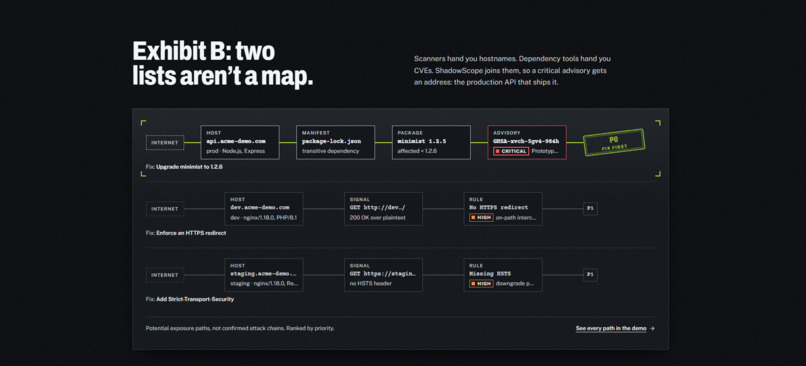
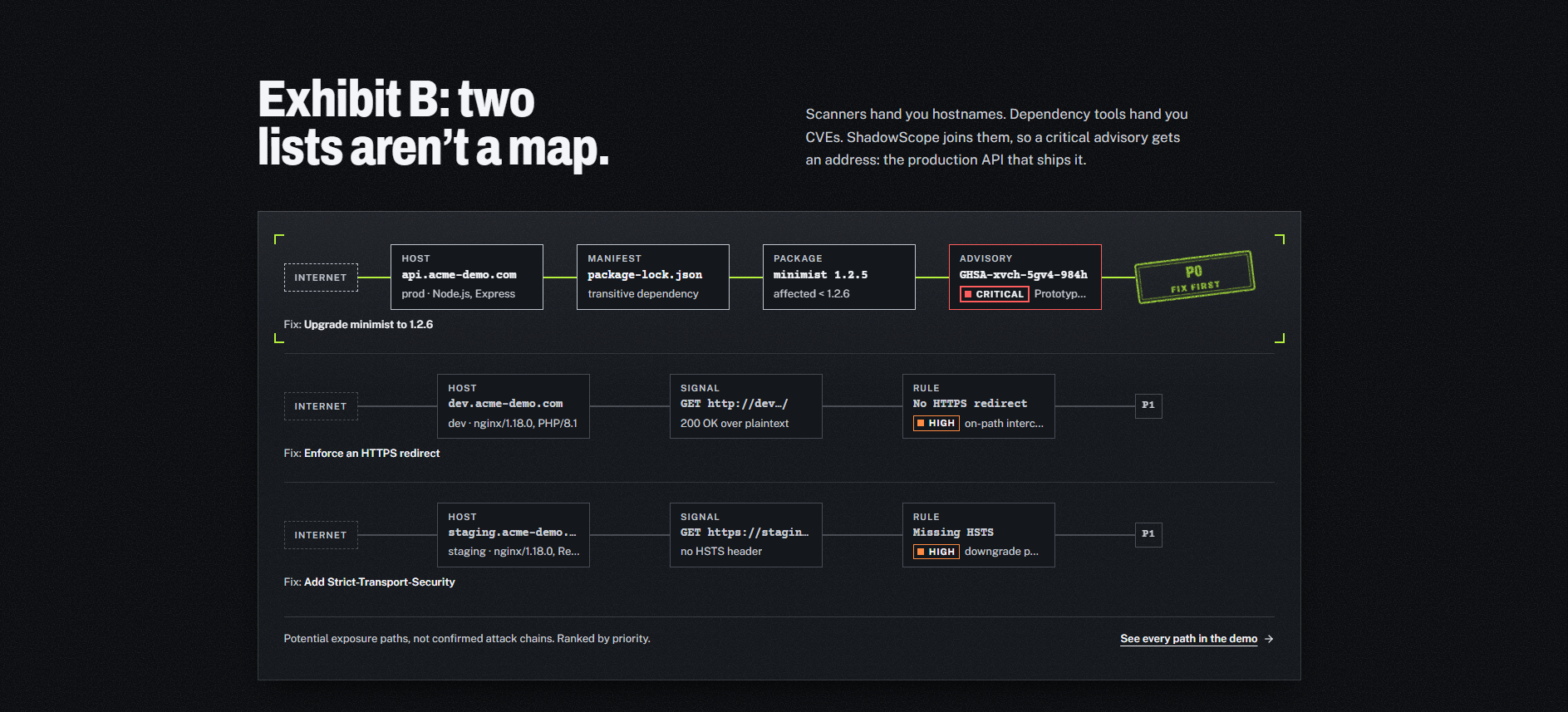
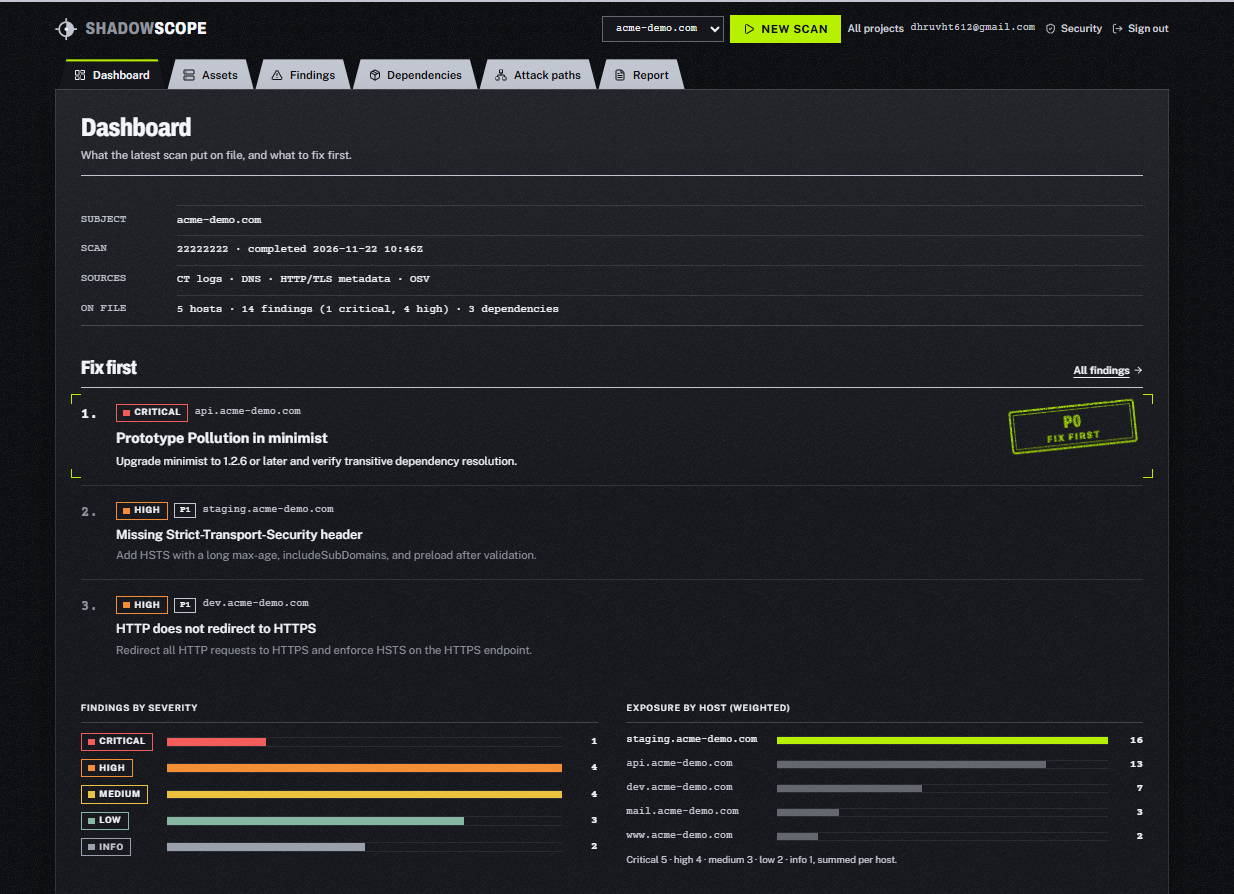
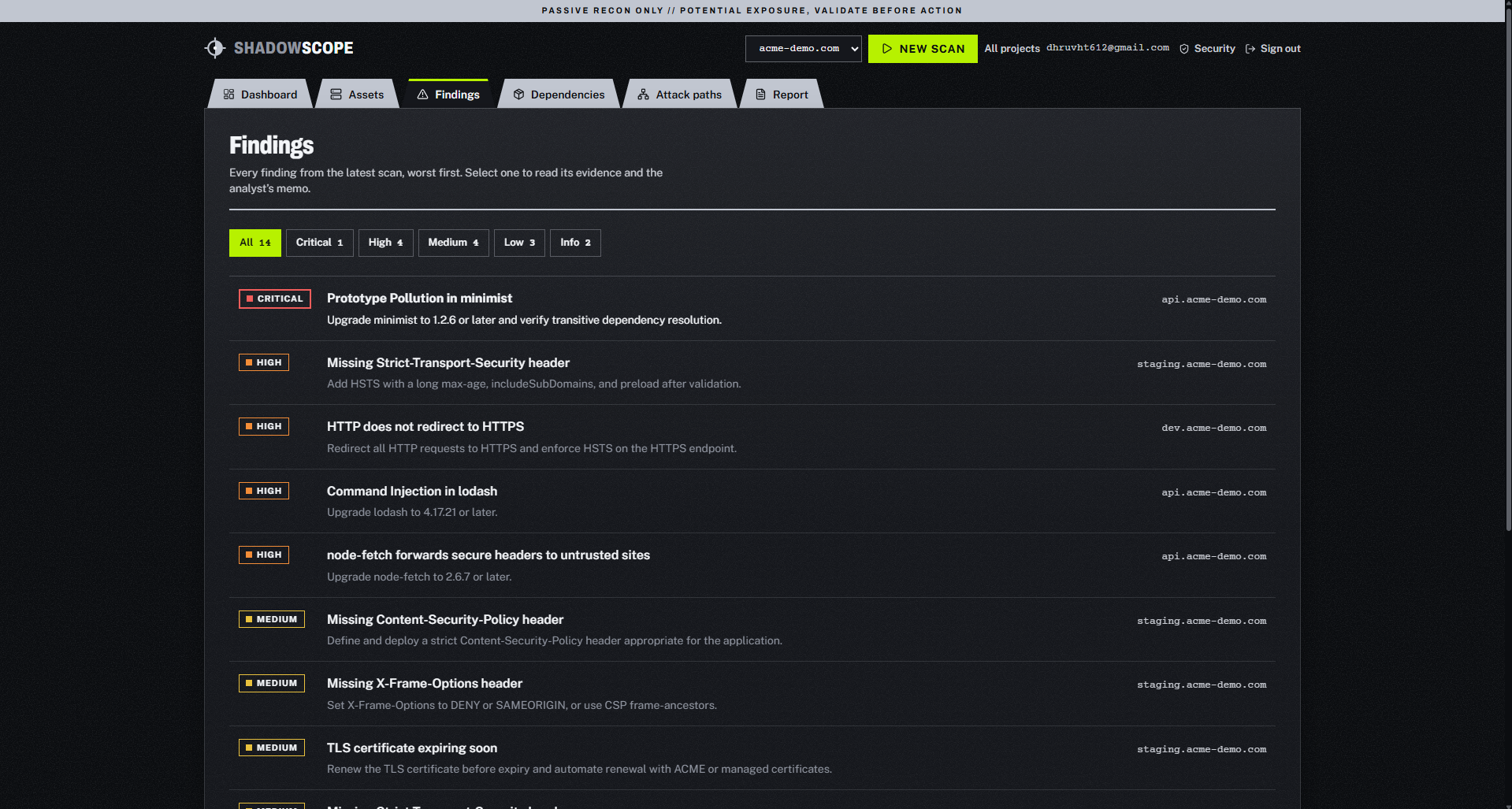
ShadowScope assigns priorities to what should be fixed first.
-

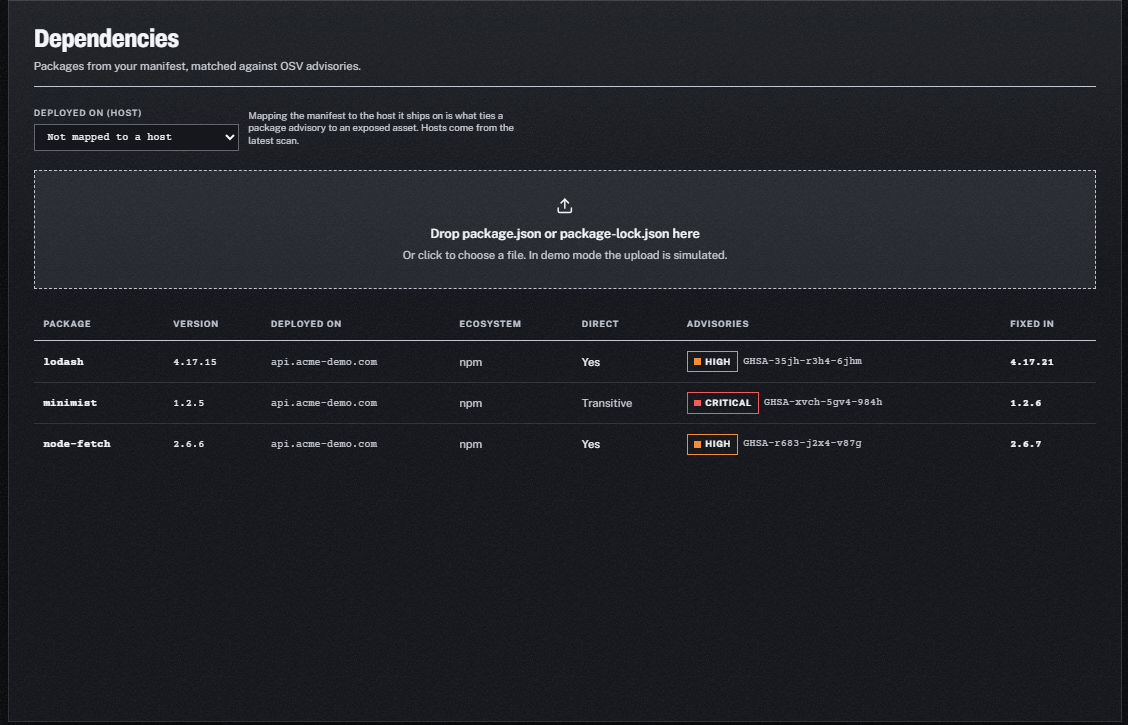
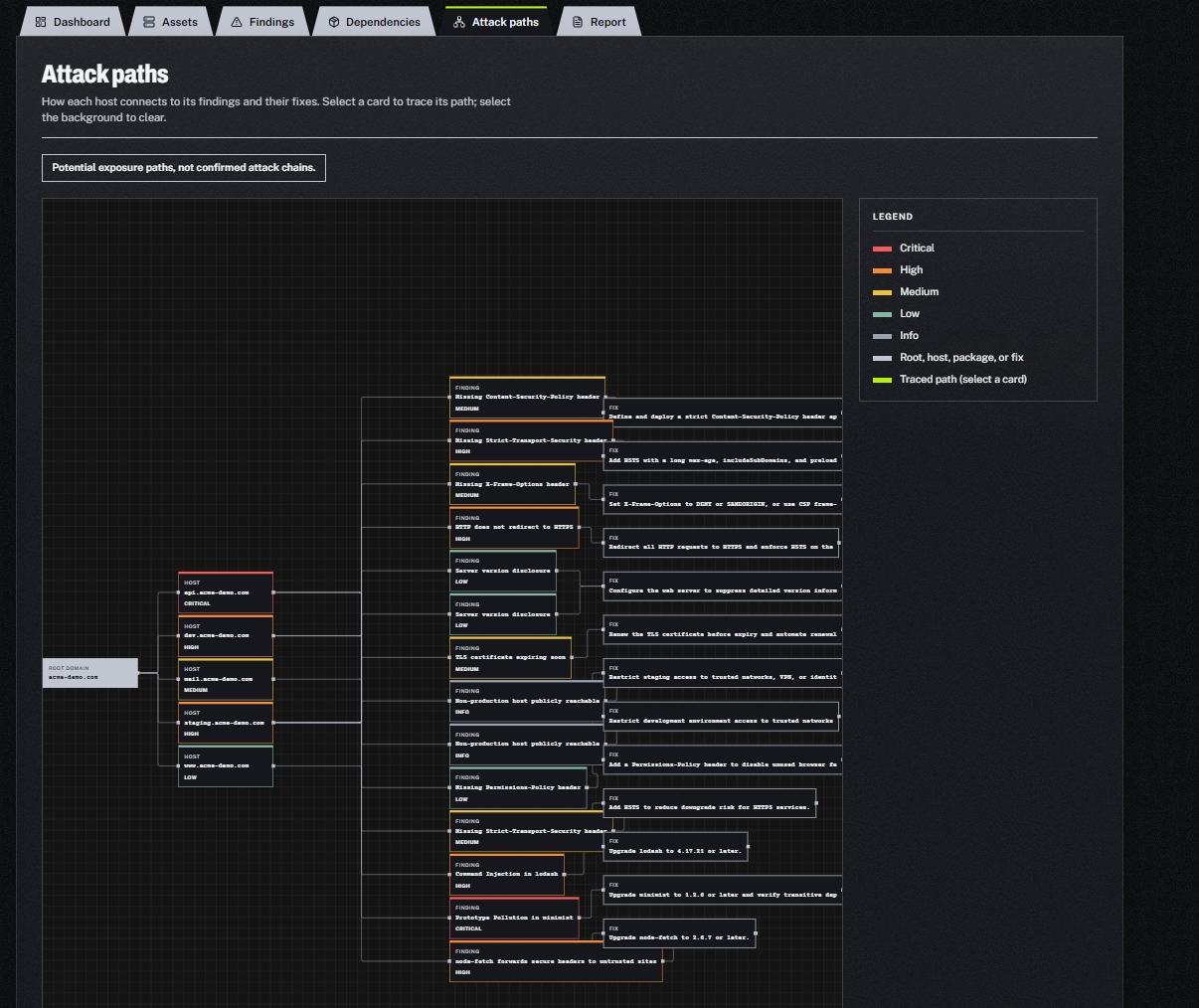
ShadowScope provides easy to understand solutions.
-
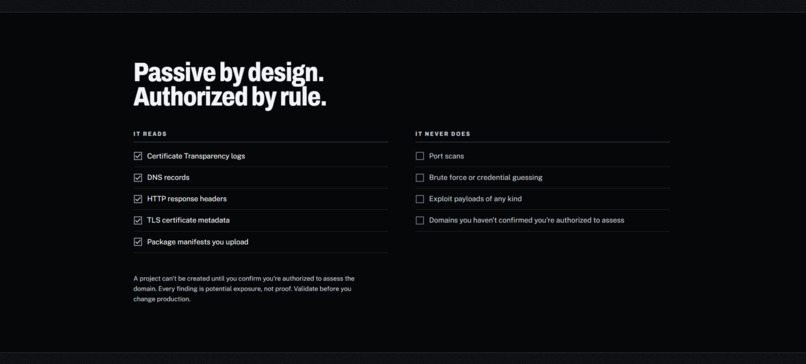
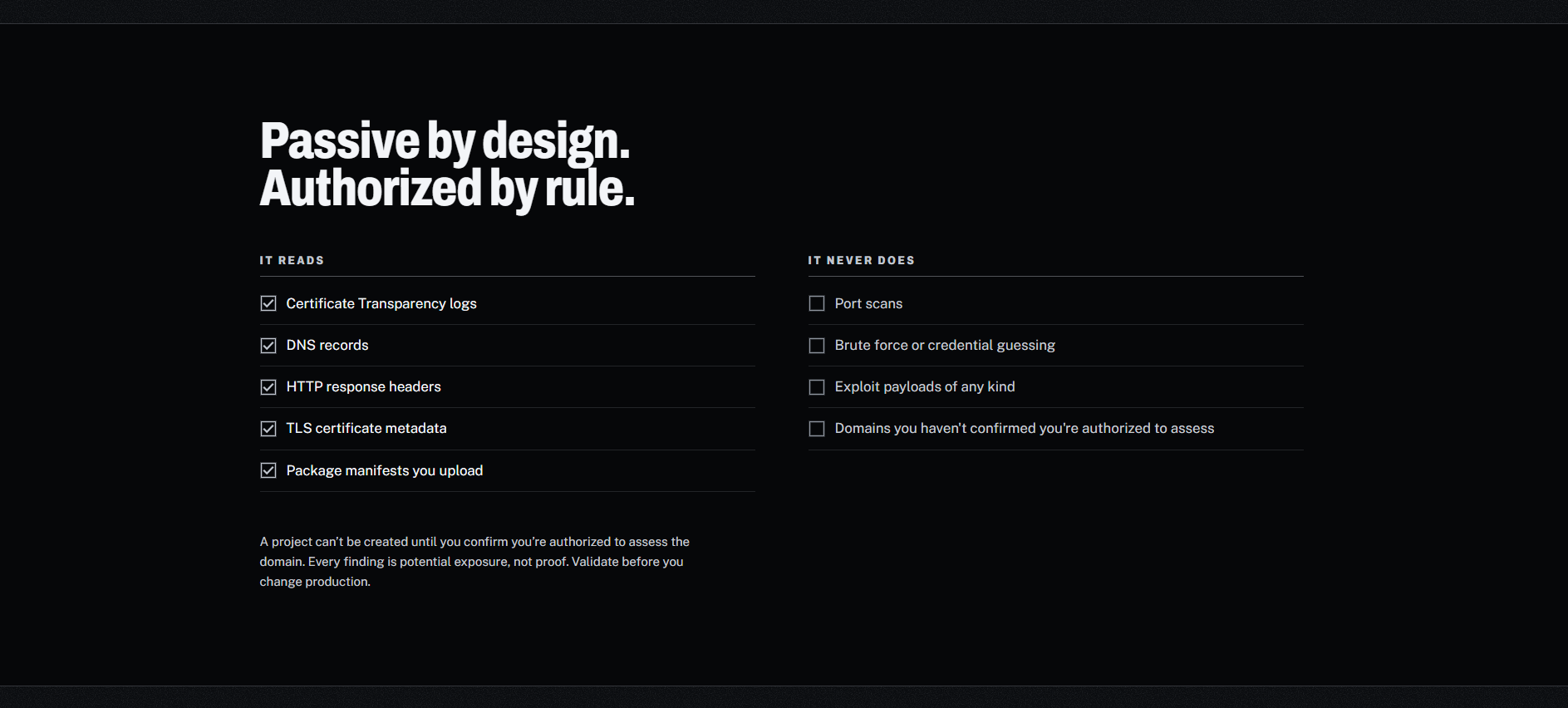
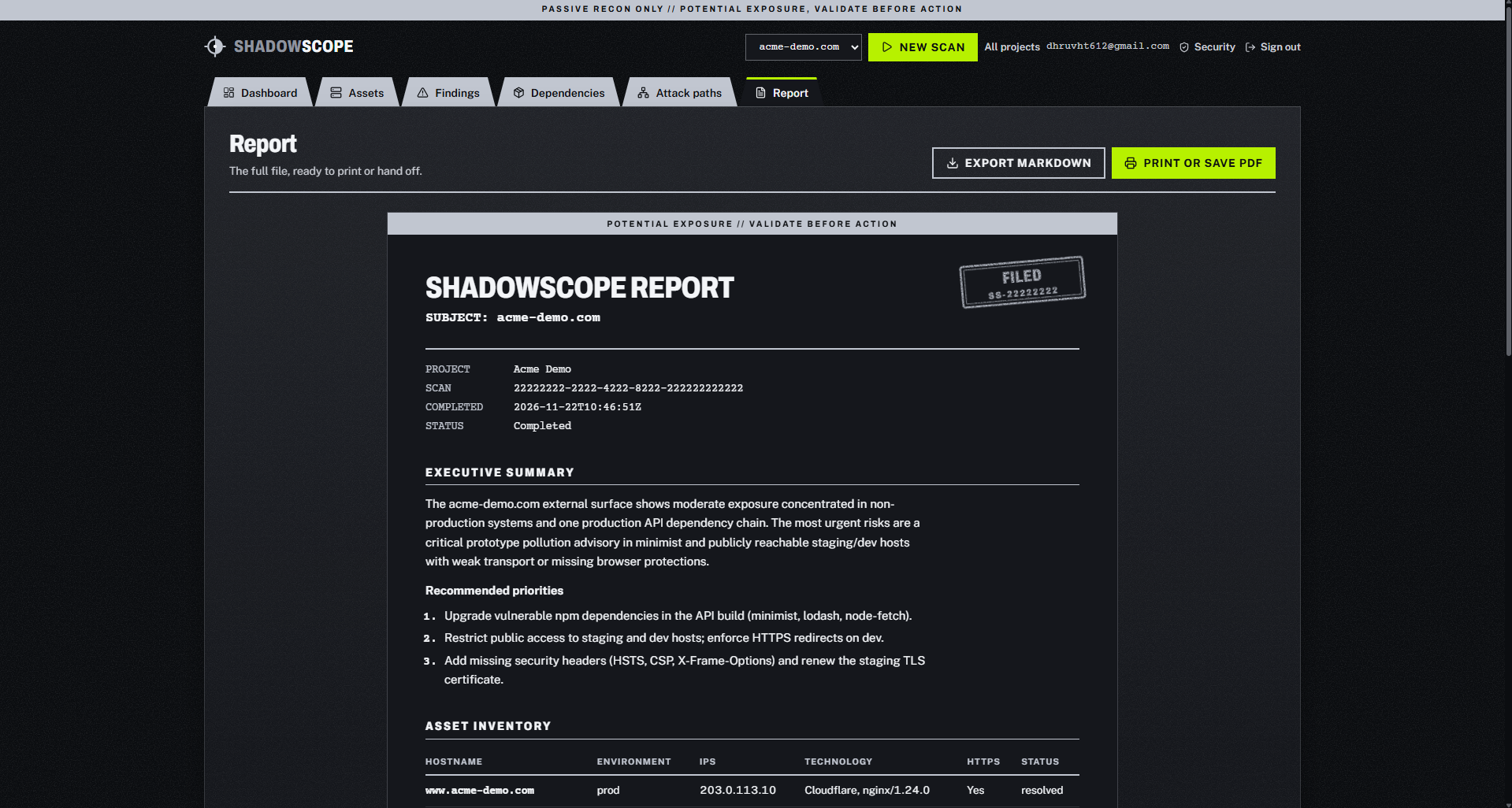
Things ShadowScope does and doesn't do.
-
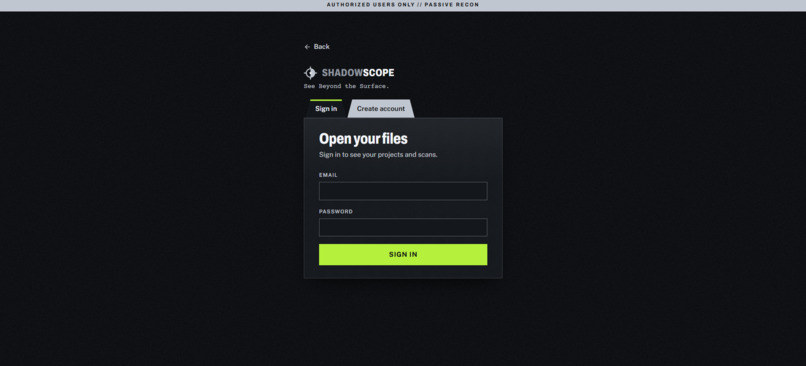
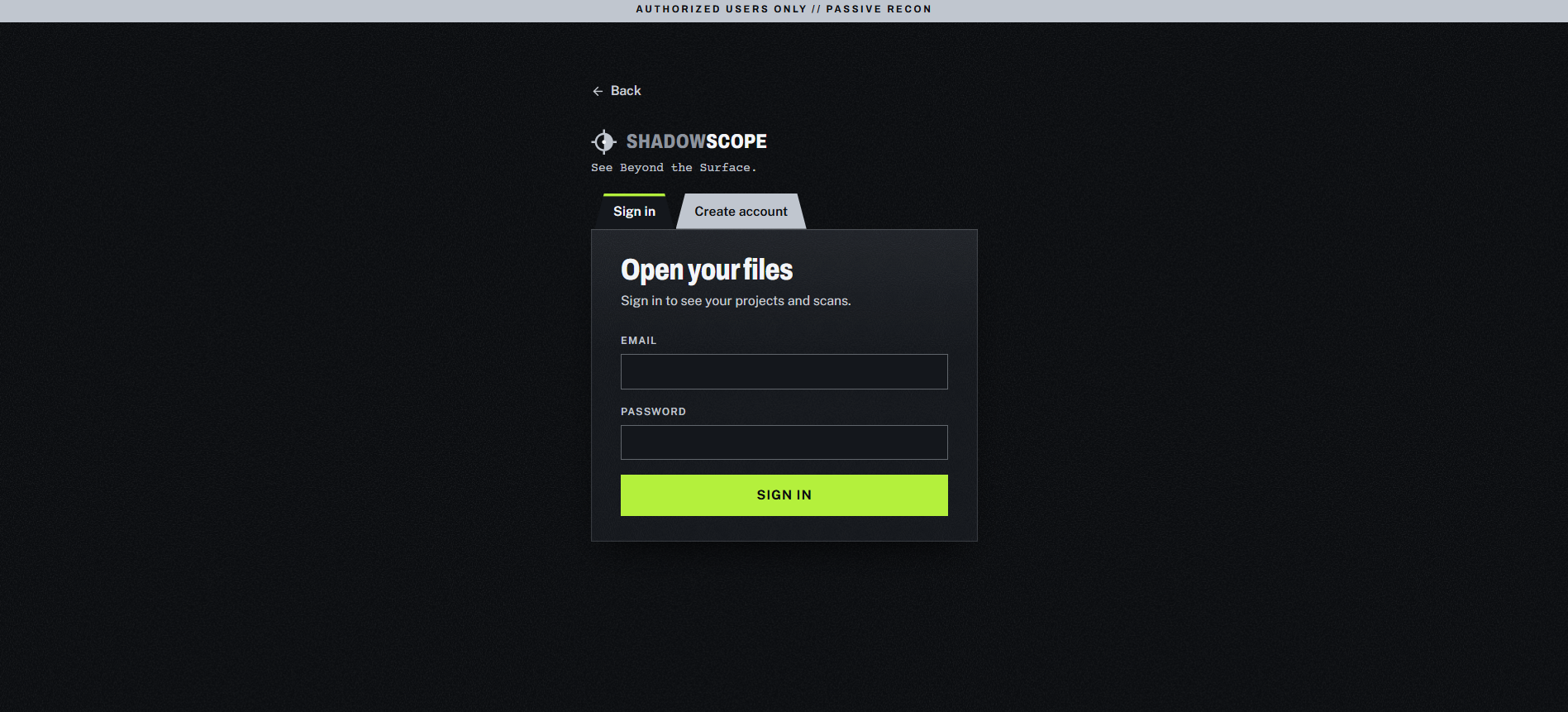
Sign in page.
-
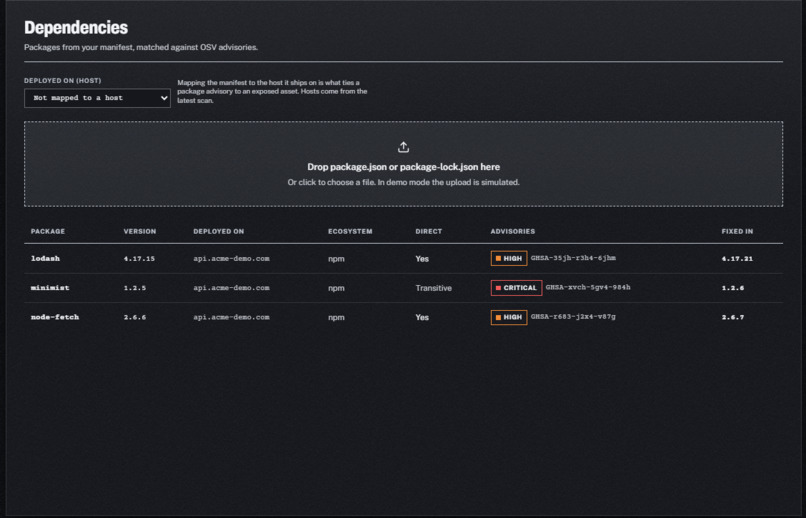
-
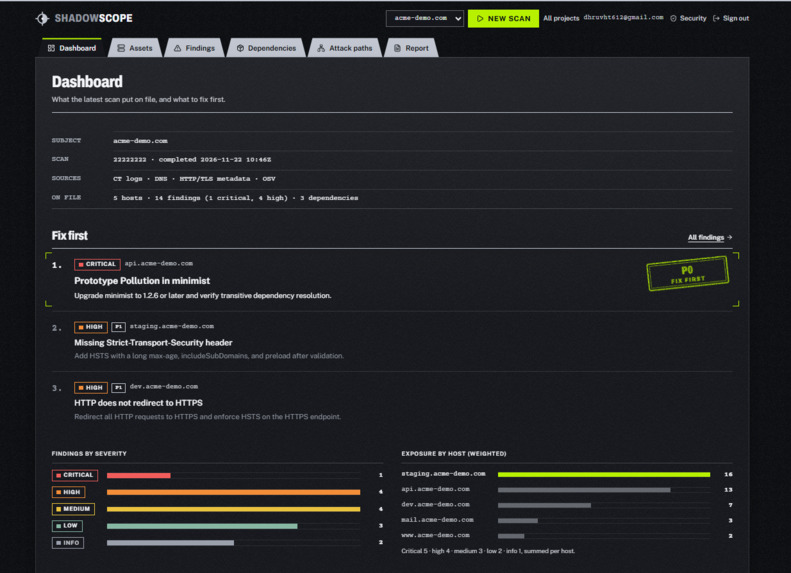
-
-
-
-


Inspiration
As our world continues to implement artificial intelligence into everyday aspects of life, we acknowledge that opportunities for security breaches are becoming increasingly more difficult to predict. Knowing this, we wanted to explore the potential for artificial intelligence to identify undetected or elusive weaknesses in a safe environment before they could be exploited in the real world.
What it does
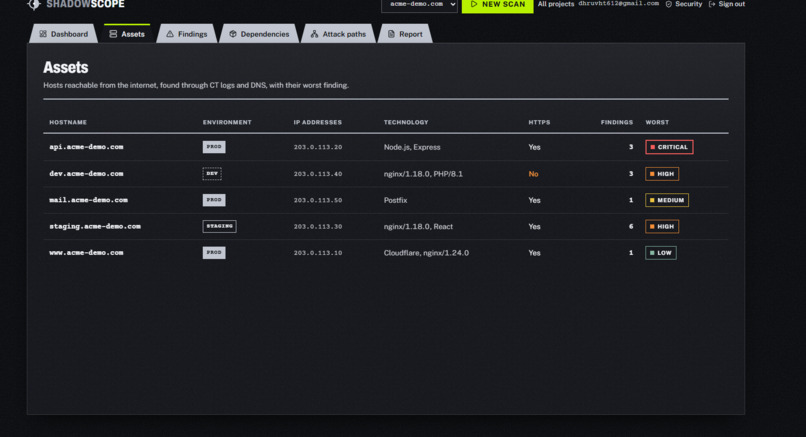
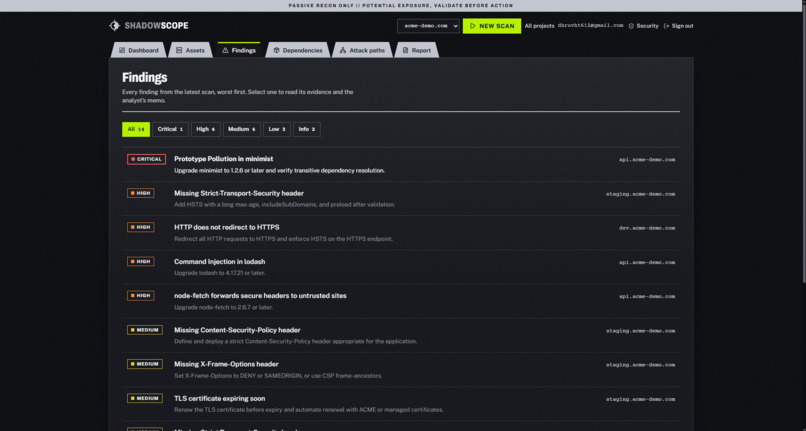
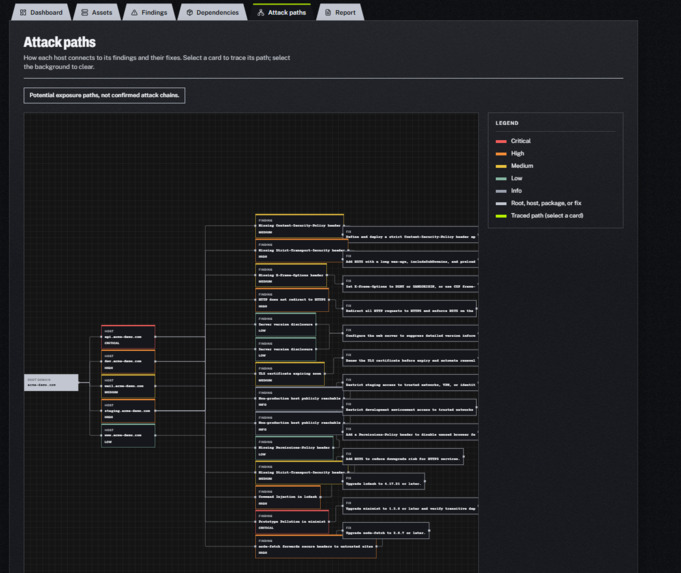
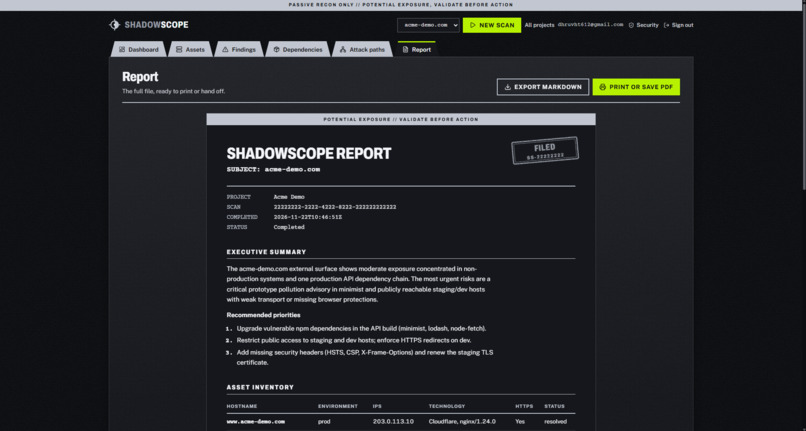
Our application takes in a domain from users and requests that they prove that they are the domain owners. Once the domain has been provided, our AI-powered application uses the Google Gemini API to analyze infrastructure that is vulnerable to security breaches and assesses realistic methods to strengthen them relative to a priority system.
How we built it
In order to build a cybersecurity application, we used React and TypeScript to create the frontend that is viewed and interacted with by users. FastAPI and Python were used to build the backend containing relevant information to be fed into the AI, and SupaBase was used to manage user accounts, authentication, databases and storage. We connected Google Gemini AI to interpret user domains and analyze vulnerabilities, explain potential risks in a simple manner and provide realistic solutions.
Challenges we ran into
The main challenge that we faced was connecting all the technologies used in this project together and getting them to work as intended. We specifically ran into issues regarding Supabase authentication, database permissions, DNS verification and SSL connections. While testing our application, the tests we provided were passing as intended, but the actual application wasn't working properly because the databases we created weren't fully configured. Through teamwork, thorough debugging and persistent testing, we were able to overcome these challenges and create a fully functional application that works as intended. Another important challenge that arose was considering the ramifications of utilizing artificial intelligence for cybersecurity purposes, which is an area we expand on in the last section.
Accomplishments that we're proud of
We are proud that we have successfully created a cybersecurity application. This was a first for all team members, and as we unanimously decided to create something foreign to us and have achieved our goal, we can certainly say we feel accomplished.
What we learned
We've learned how to combine our prior hackathon experiences into making a fully functional application focusing on cybersecurity using AI, full-stack development and existing knowledge. It was our first time creating a cybersecurity application and successfully implementing an AI to help us achieve our vision. We have also strengthened our teamwork, problem solving and creativity skills as we developed this project.
What's next for ShadowScope
As mentioned earlier, we would revisit our authentication system and make it much more ethical by ensuring that the users are only capable of using their own domains on our application to prevent any bad actors from using it improperly. An option we considered was having real people review every request to ensure authenticity rather than simply ticking a box, which once again was done for demonstrational purposes only. We realize that integrity will become a much more important factor in a world where artificial intelligence is becoming much more prevalent, most notably in cyber attacks.
Built With
- css
- fastapi
- html
- javascript
- makefile
- plpgsql
- python
- supabase
- typescript
