-
-
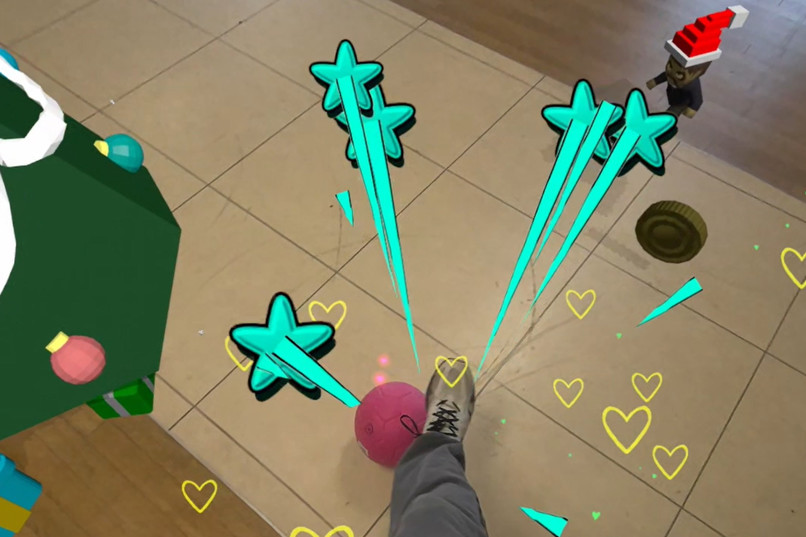
The first high-score arcade ball tracking game for Meta Quest!
-
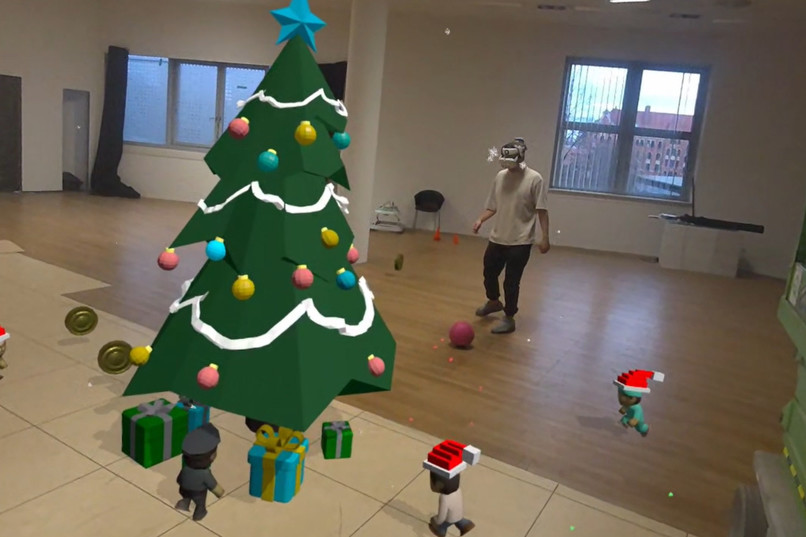
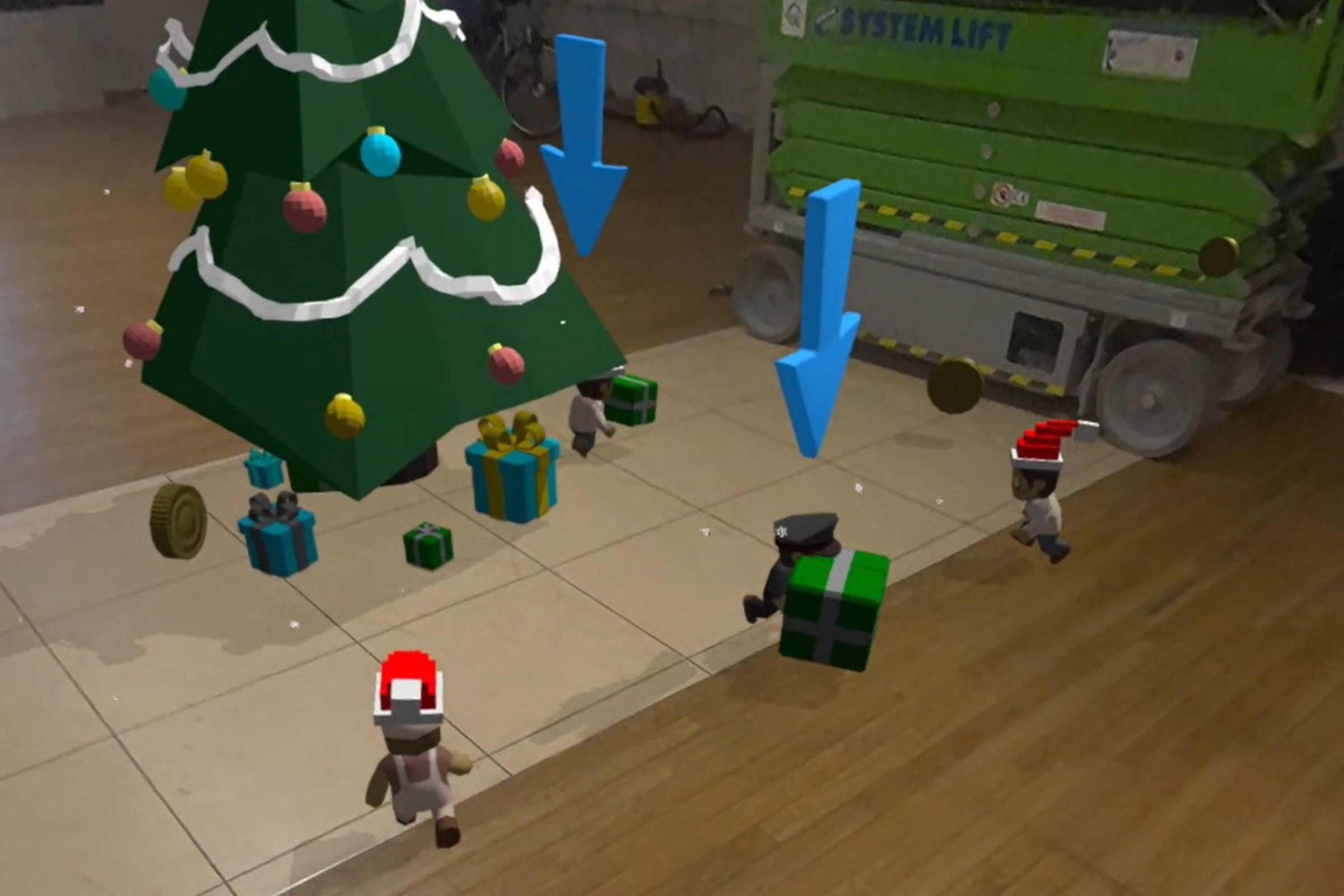
Protect your gifts and your tree!
-
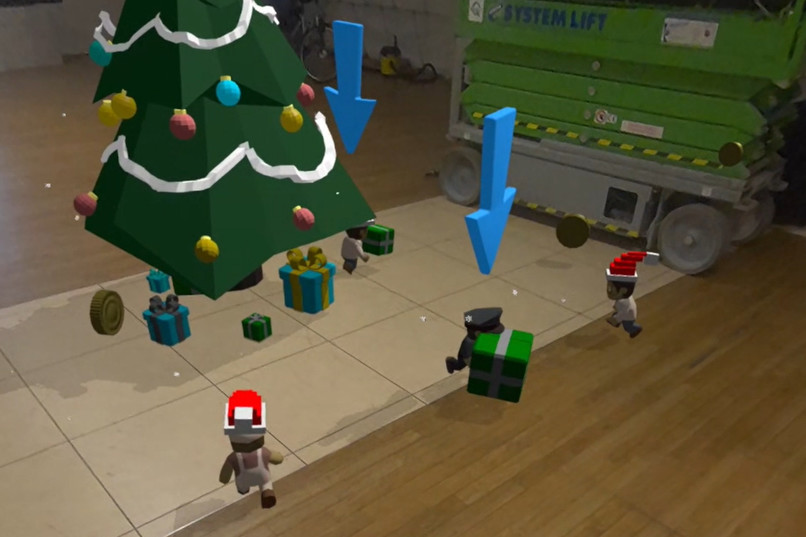
Don’t let them escape!
-
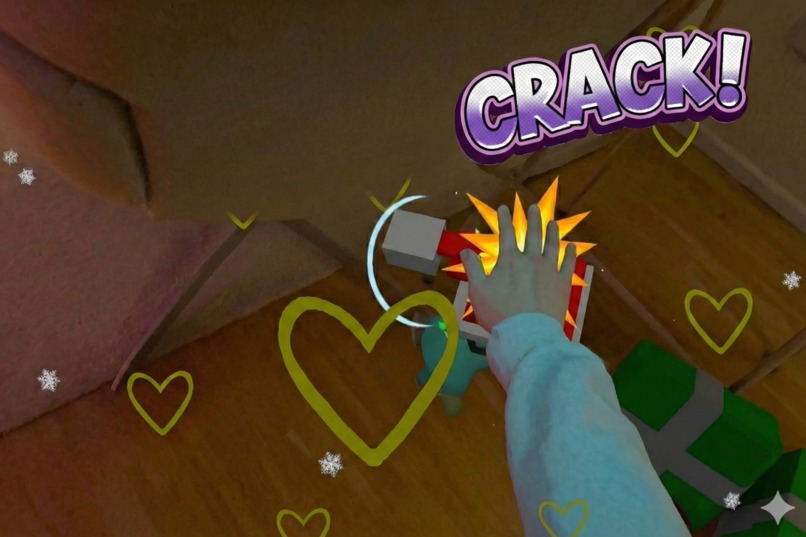
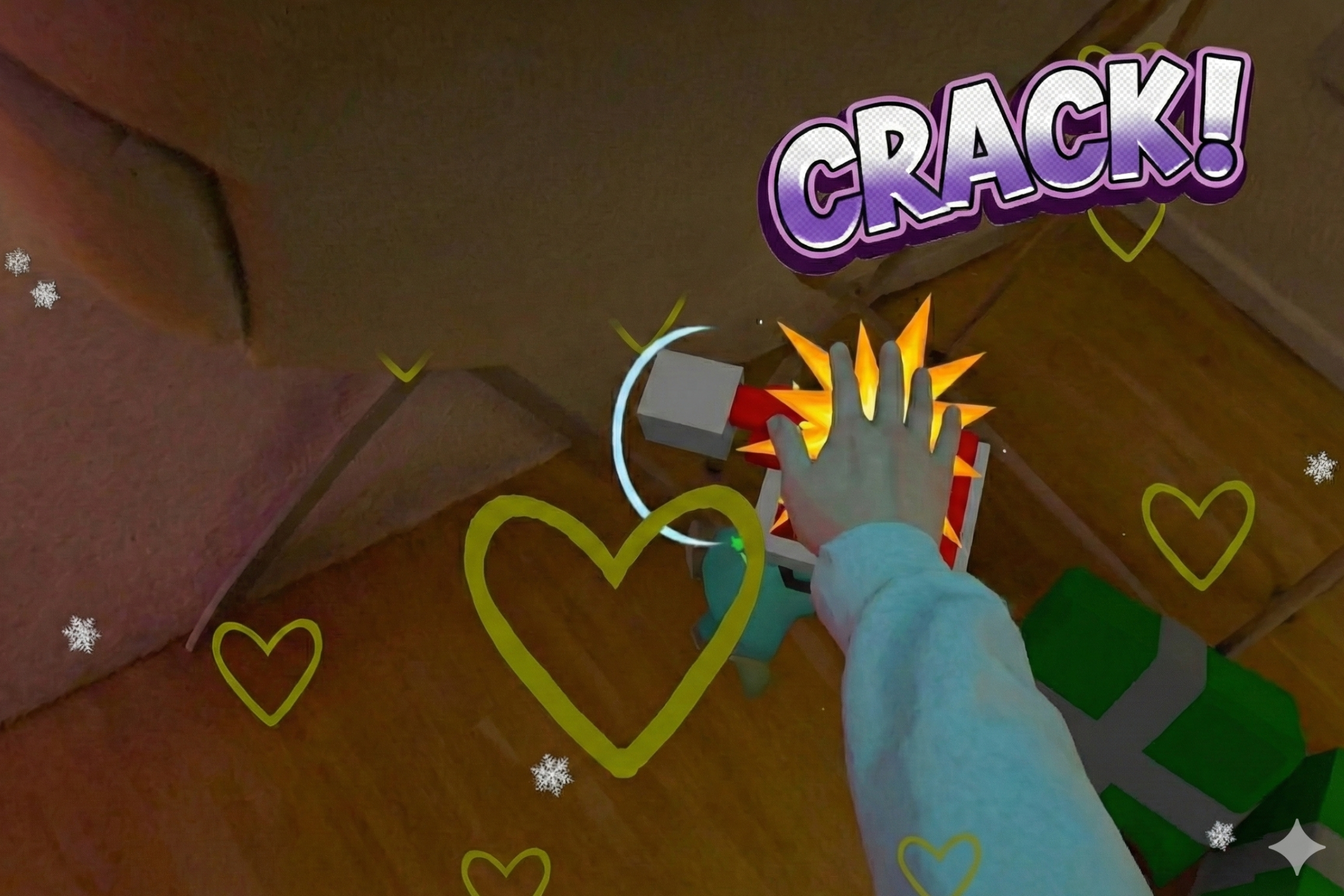
Hand Tracking Mode if you really don’t have a ball!
-
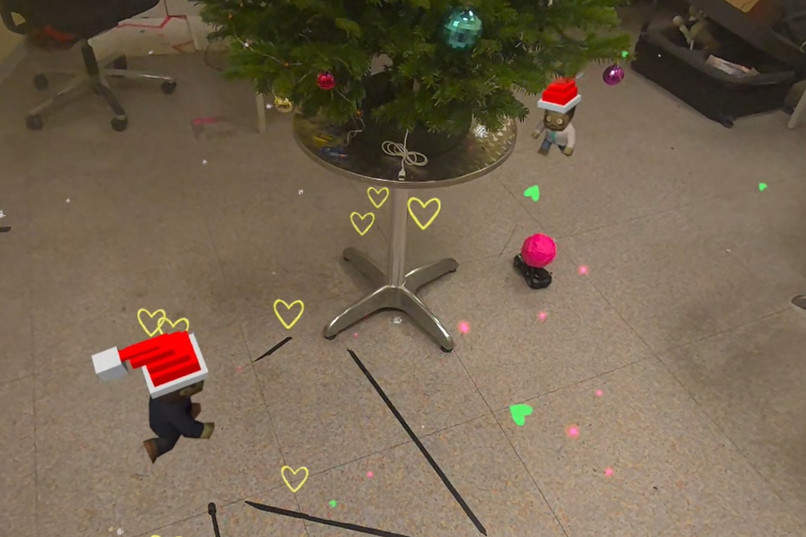
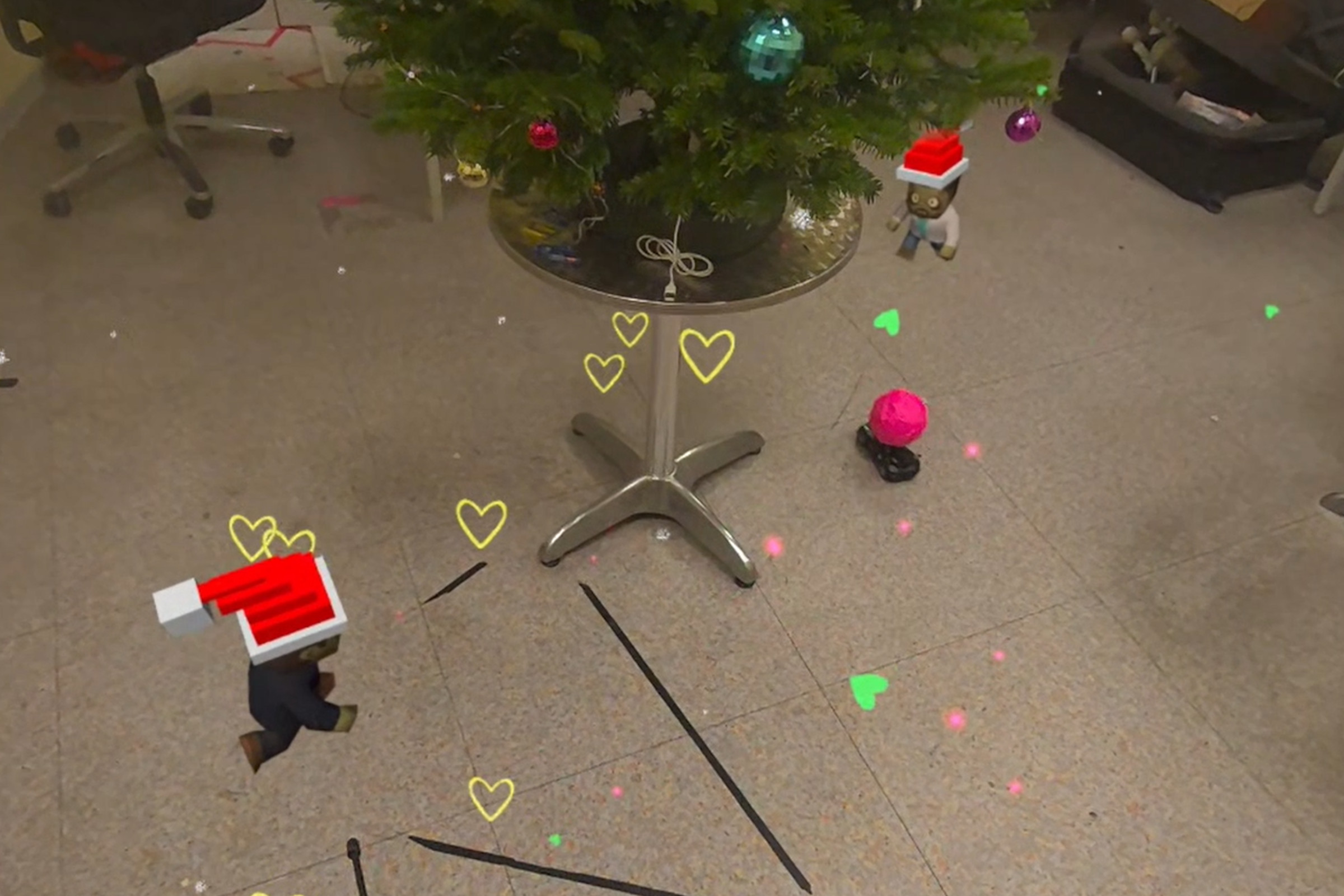
Feel free to use a real tree and a car if you want to!
-
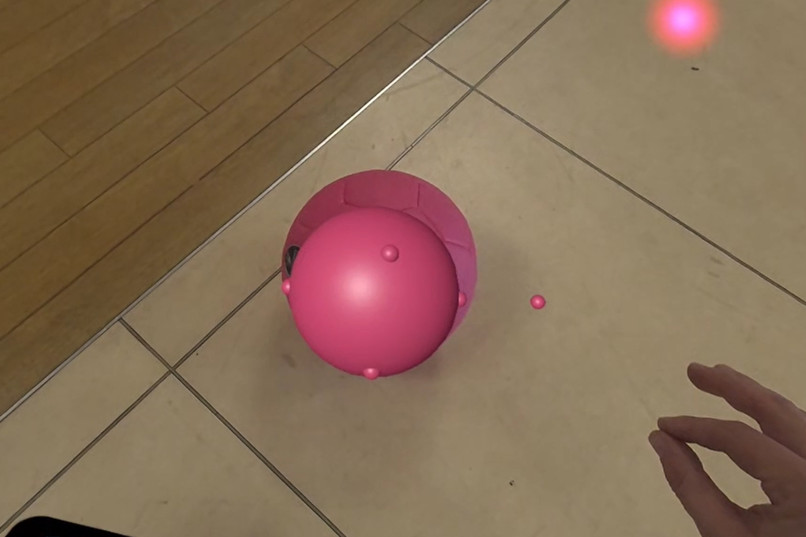
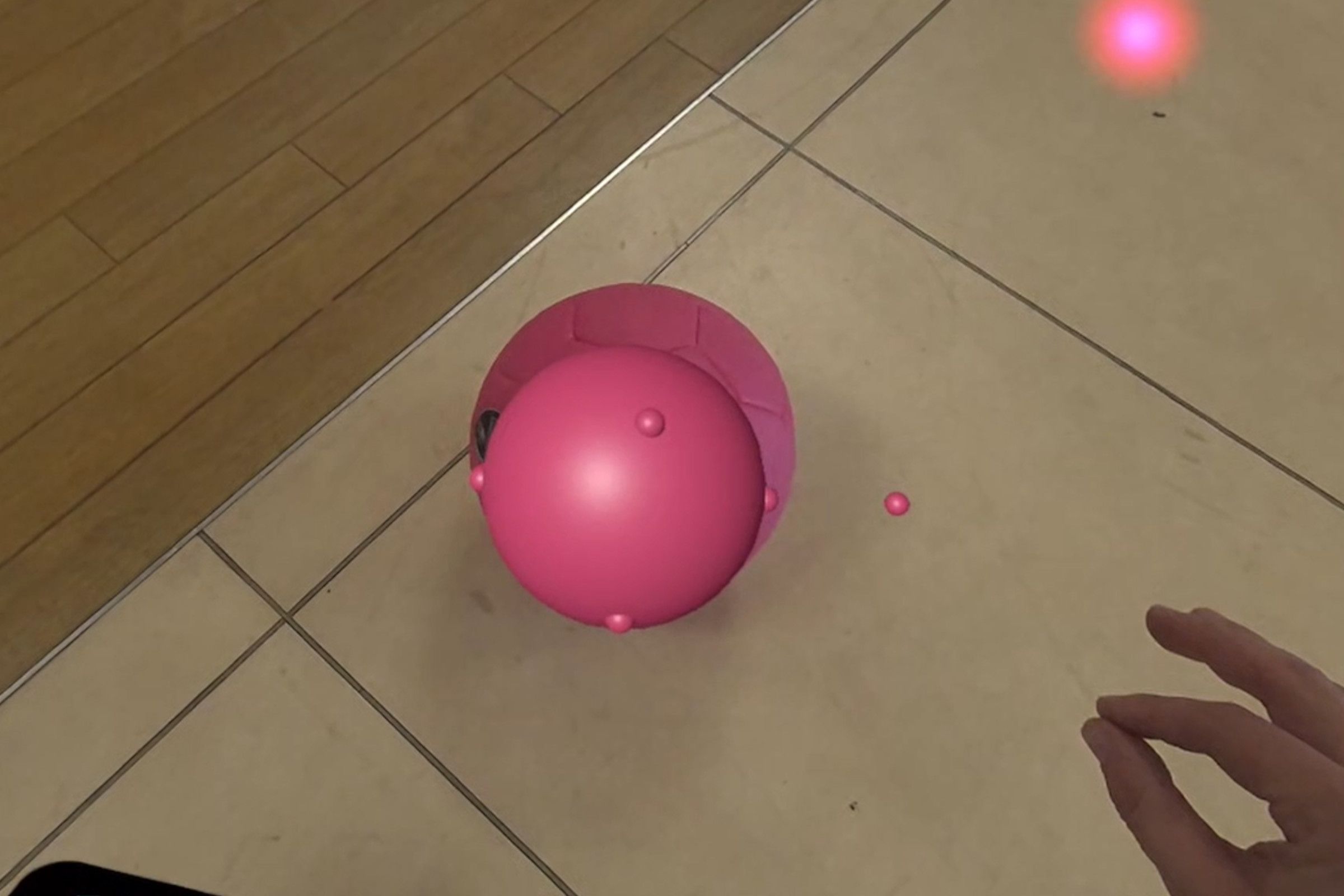
Calibrate your ball in seconds using only your hands!
Inspiration
The idea for Attack of the Zombie Elves has been with me for a long time. When I first created Ballee: The Ball Tracking Experiment, it was only meant as a small sandbox to explore how a real physical ball could be used in mixed reality. It had no structure and no game loop. Still, many people kept asking whether I would ever turn it into a real game, and I always wanted to. As a solo developer it simply took time until the right moment came. With this project I finally had the opportunity to bring that early idea to life and turn a playful experiment into a complete mixed reality game.
What it does
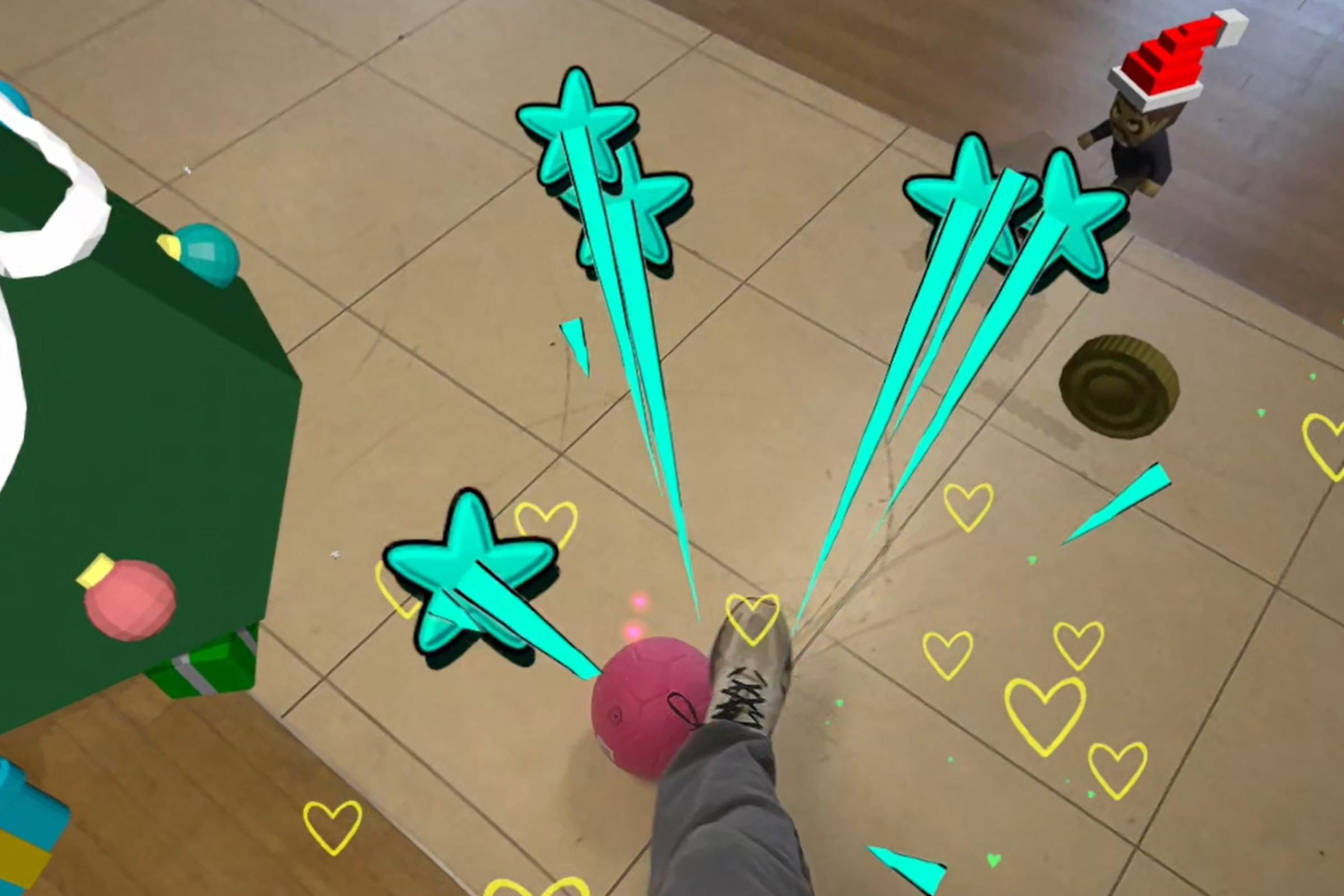
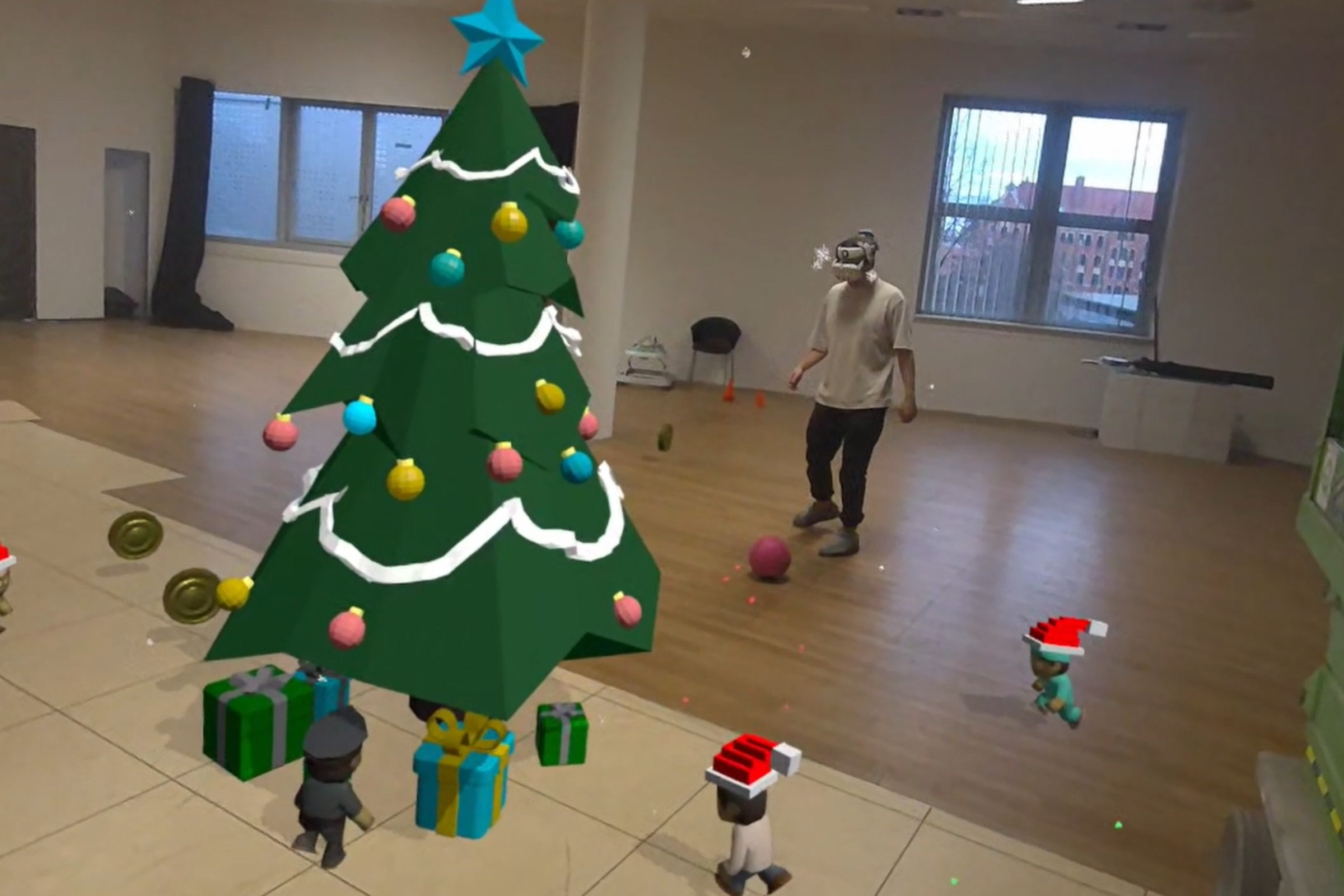
Attack of the Zombie Elves places the player inside a mixed reality environment where zombie elves enter the room and try to steal the packages around a Christmas tree. The player uses a real ball to stop them or recover stolen gifts. Coins appear throughout the space and increase the score when collected, creating a tension between defending the presents and chasing points. Zombies that grab a package will try to escape with it and can still be stopped until they manage to teleport the gift away.
Once all packages are gone, the zombies turn their attention to the Christmas tree and attack it until it explodes, ending the game.
The entire setup works through hand tracking, and the game uses the Camera API for passthrough blending and brightness estimation, along with the Depth API to help the scene feel more connected to the physical room.
How I built it
I built the game on my own in Unity. I shaped the original sandbox idea from Ballee into a structured gameplay loop involving presents, elves, and score collection. I integrated the Camera API for blending and brightness adaptation and used the Depth API to make the environment feel more grounded. For ball detection, I combined the Camera API with OpenCV to run the full ball-tracking pipeline directly on the passthrough frames. I also designed a fully controller-free setup flow using hand tracking gestures to place elements, adjust ball size, and define the play area directly in the room.
Challenges I ran into
One challenge was switching the entire setup process to hand tracking. Another challenge was dealing with unexpected Horizon OS v83 changes, which introduced a new passthrough resolution and different camera readout behavior. This caused the ball tracking to become inaccurate and overall performance to drop until the entire pipeline was adjusted.
Accomplishments that I’m proud of
I’m proud that I transformed a small experimental idea into a complete mixed reality game as a solo developer. I’m especially happy with the controller-free setup because it removes friction and makes the experience easy to start. I’m also proud of how naturally the physical ball interaction fits into mixed reality and how the overall concept comes together as a cohesive game.
What I learned
I learned how much design depth can come from a simple real-world object once it is placed inside a structured mixed reality scenario. I learned how much clarity matters in MR setup flows and how hand tracking can improve accessibility. I also learned how to transform a minimal experiment into a full playable experience while balancing creativity and technical constraints as a solo developer.
What's next for Attack of the Zombie Elves
Next I want to explore a small local multiplayer mode where players share a single physical ball. The idea is that multiple people can join the same mixed reality scene and work together to protect the tree, recover stolen packages, or compete for coins while passing or throwing the ball between each other. This would keep the core concept intact while opening up a completely new social layer. I also plan to continue refining the setup flow, polish some of the interactions, and experiment with new ways to make mixed reality even more playful and collaborative.


Log in or sign up for Devpost to join the conversation.