-
-
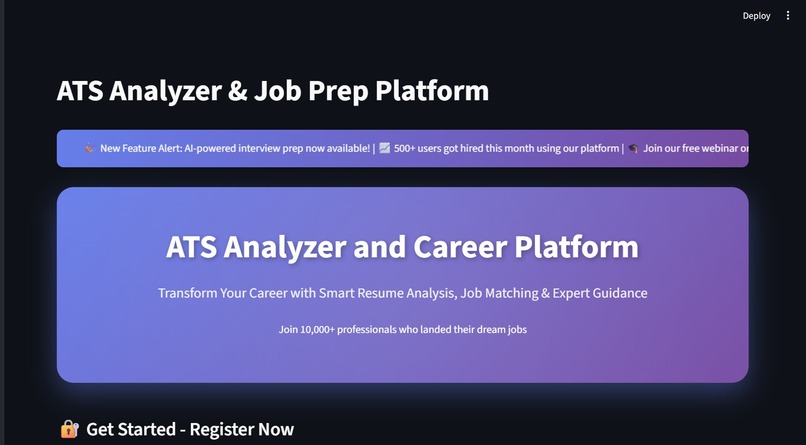
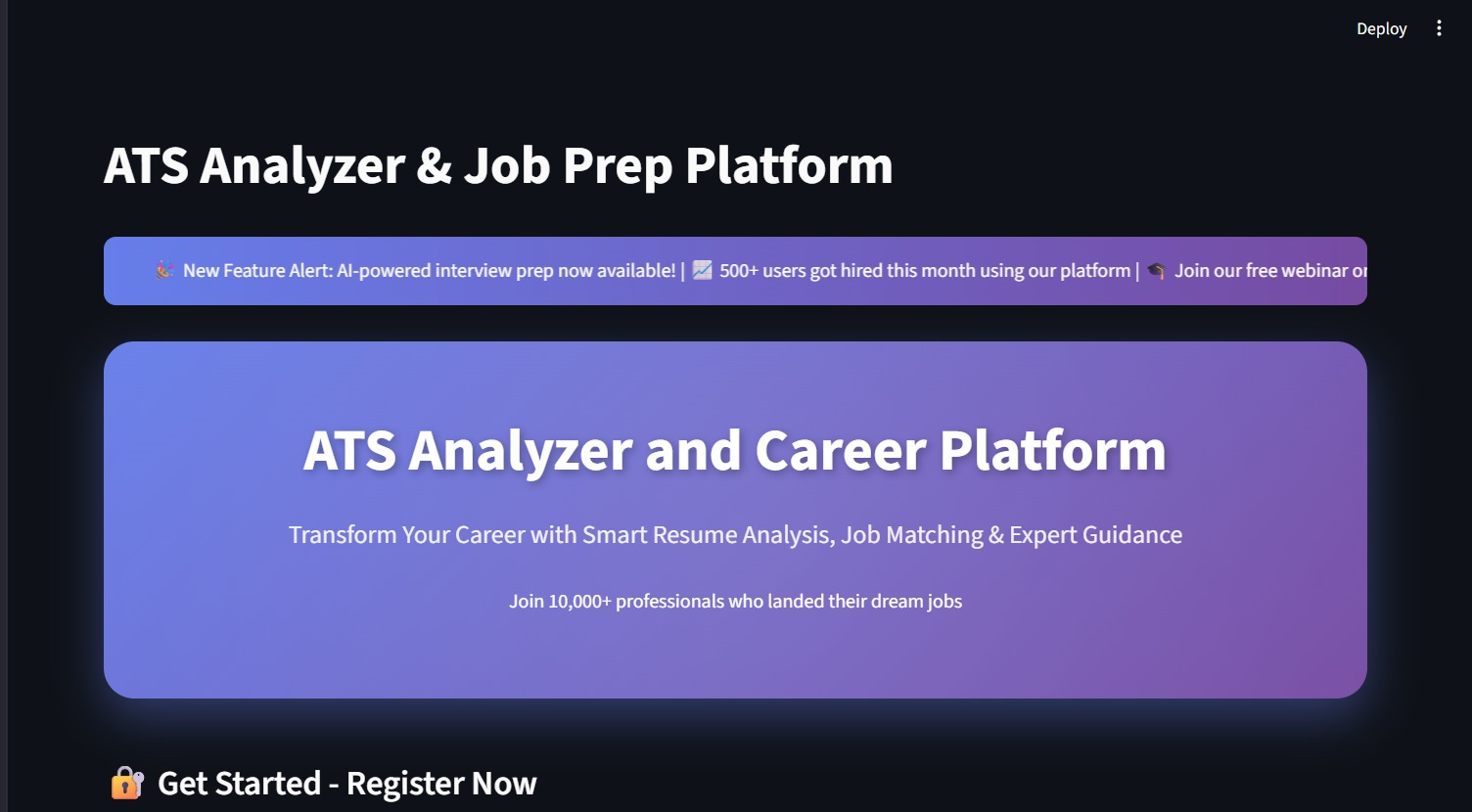
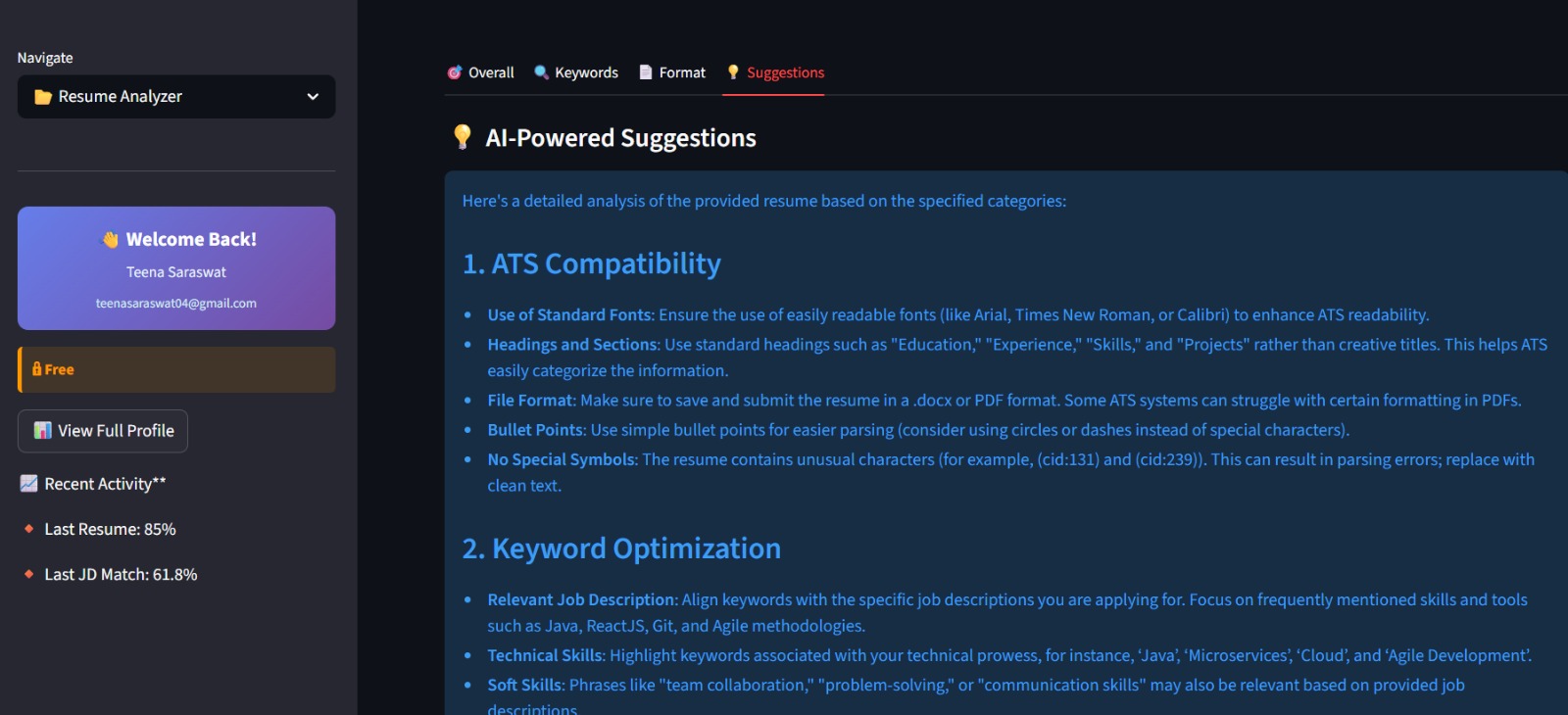
ATS analyzer UI
-
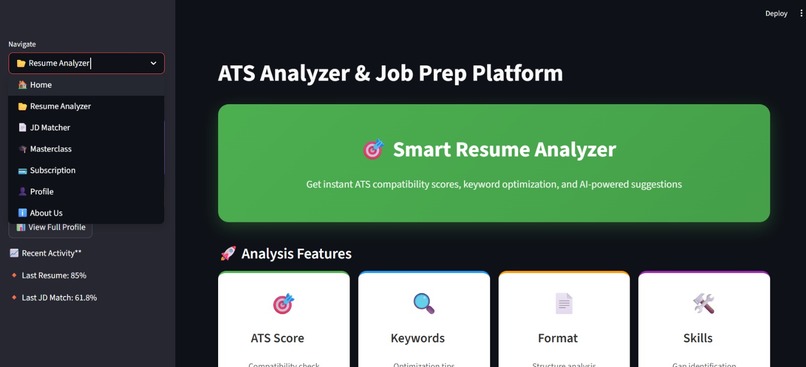
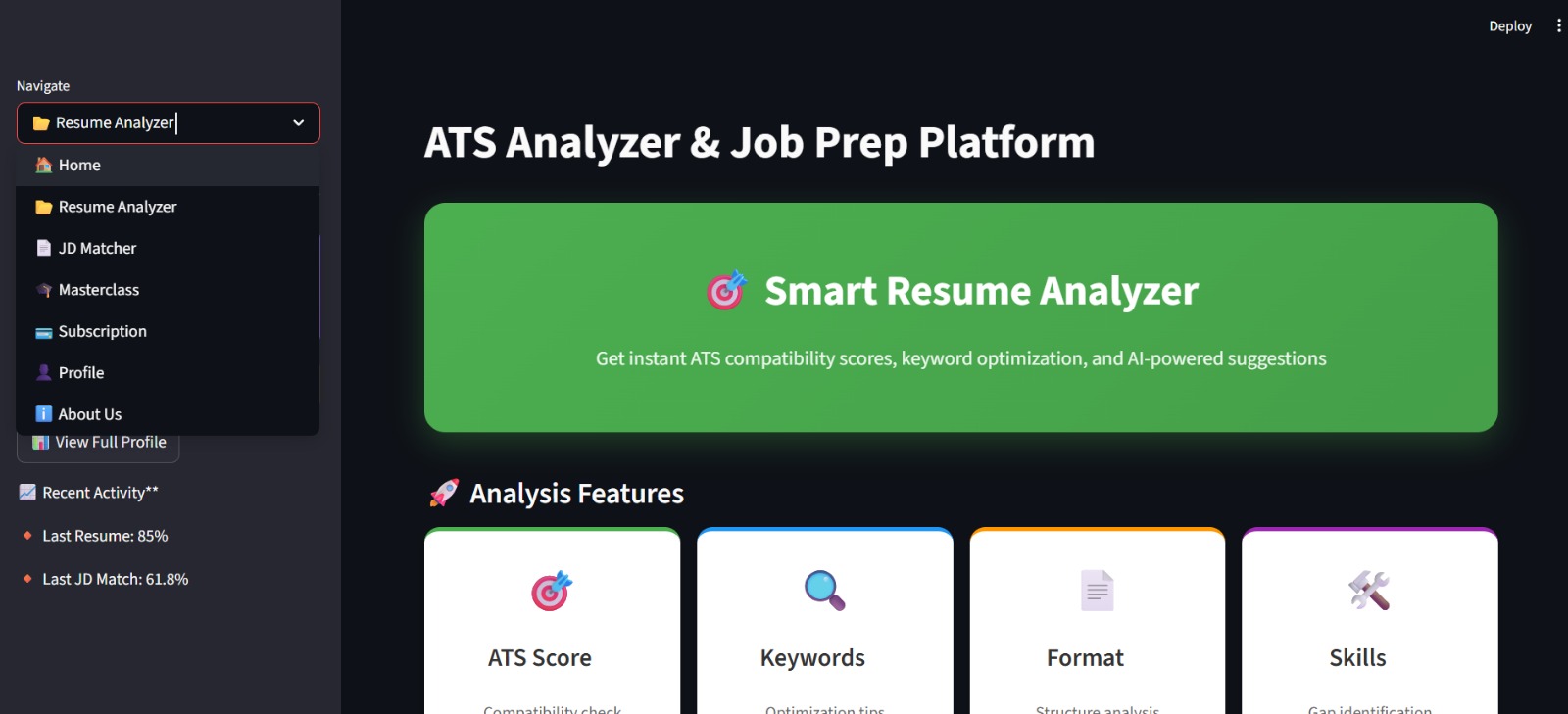
Resume analyzer
-
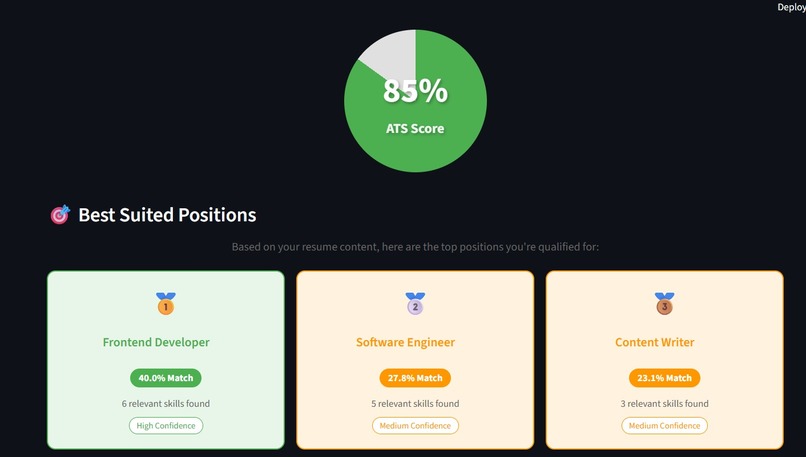
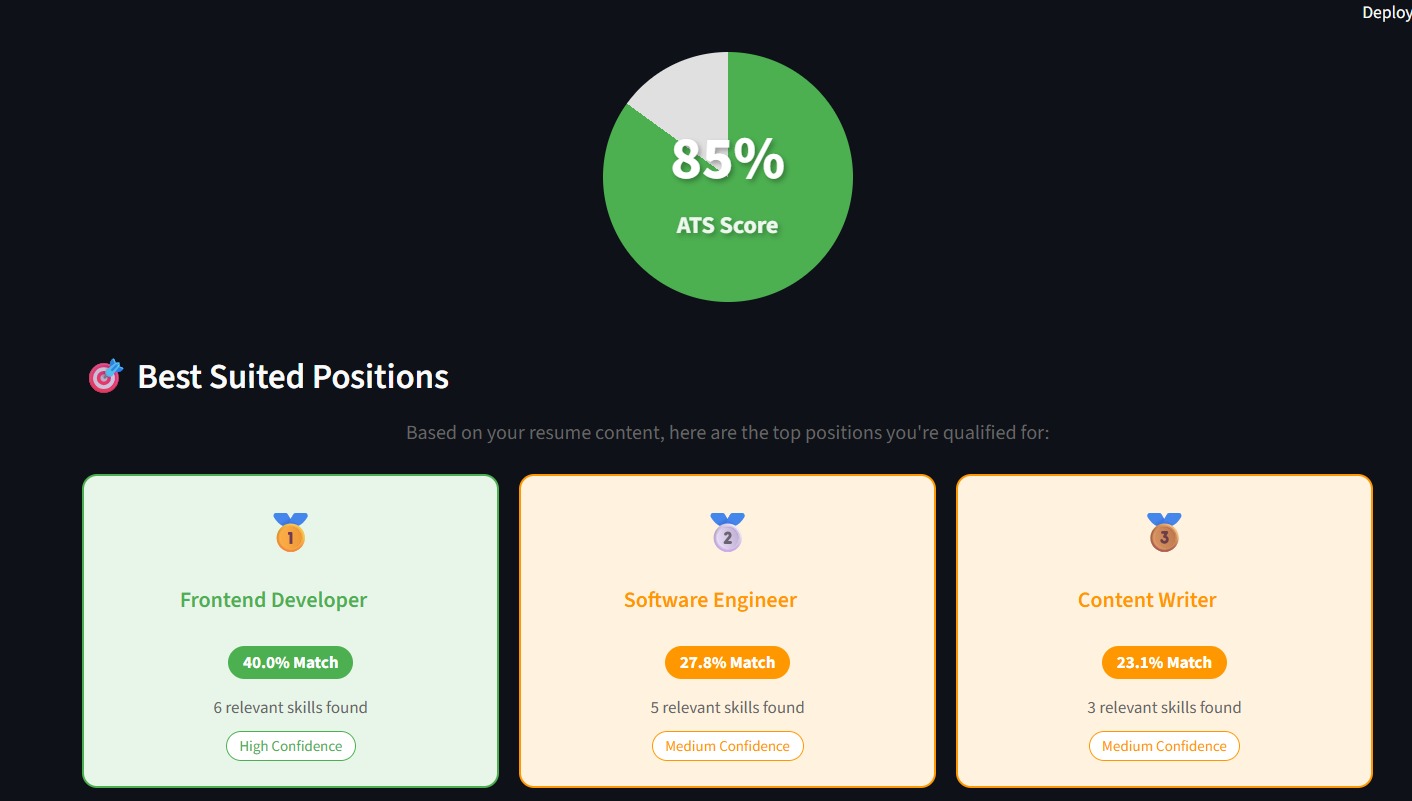
ats score generation
-
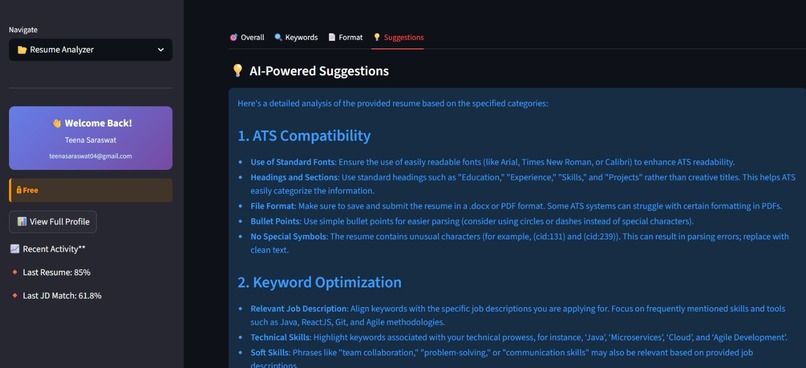
AI powered resume report
-
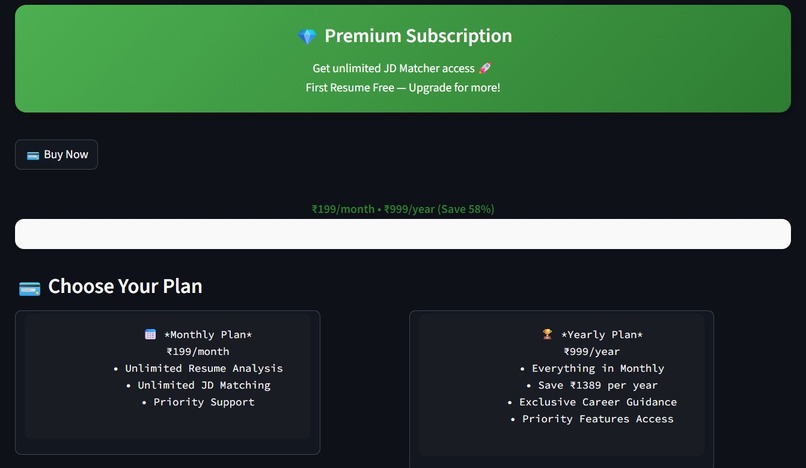
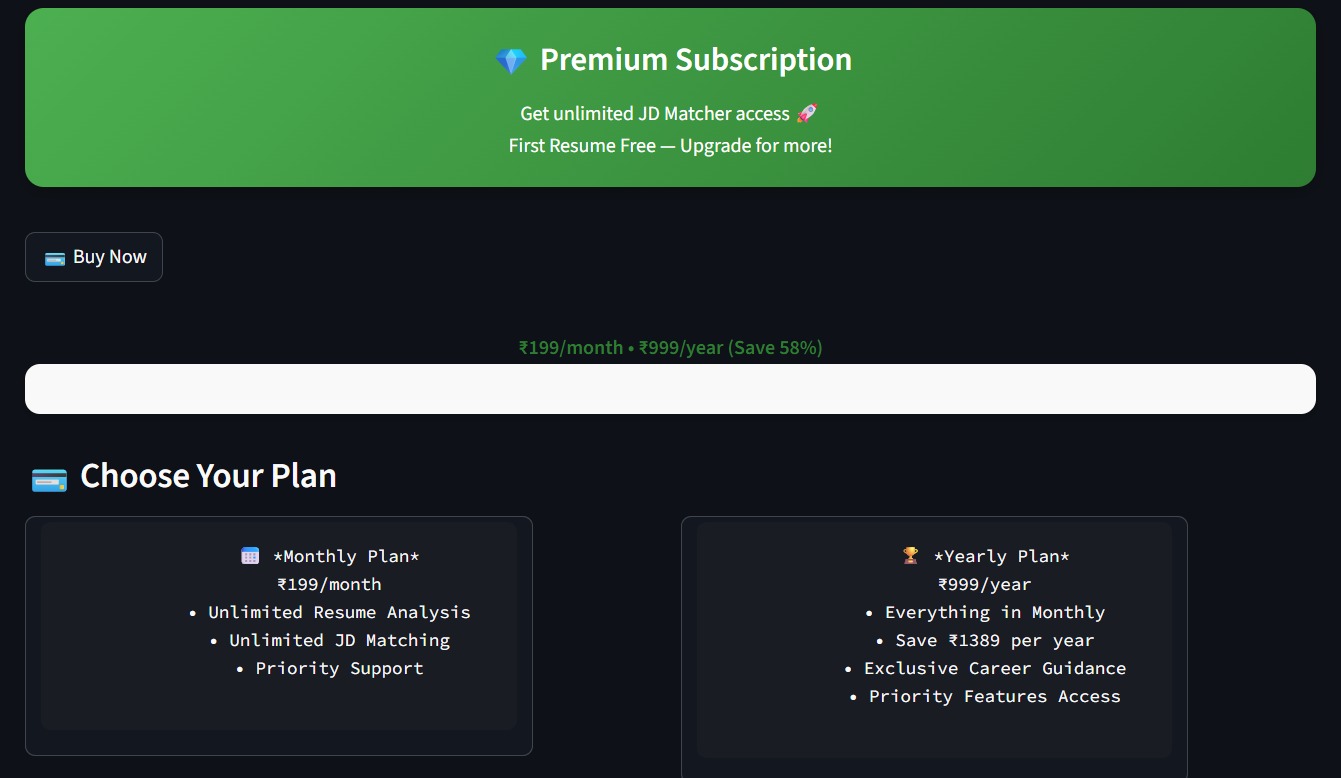
payment gateway
Inspiration
The inspiration behind this project came from a common problem faced by many students and job seekers: even qualified candidates often do not get shortlisted because their resumes are not optimized for ATS (Applicant Tracking Systems). Many people have the right skills but struggle to present them in a way that matches job descriptions and recruiter expectations.
We wanted to build a platform that not only analyzes resumes but also helps users understand where they stand, what roles suit them best, and how they can improve their chances of getting hired. Instead of creating just another resume checker, we aimed to build a complete ATS Analyzer and Job Preparation Platform that supports users throughout their placement and job search journey.
What it does
Our project is an AI-powered ATS Analyzer and Job Prep Platform designed to help users improve their employability.
It allows users to:
- Upload resumes in PDF, DOCX, or TXT format
- Get an ATS compatibility score
- Receive AI-generated feedback on resume quality
- Find the best-suited job roles based on resume content
- Compare resumes with a job description (JD) and check match percentage
- Identify missing skills and keywords
- Access a structured platform with profile management, subscription features, and career resources
The system also uses text analysis to compare resumes and job descriptions using similarity scoring:
$$ \text{Similarity Score} = \cos(\theta) = \frac{A \cdot B}{|A| |B|} $$
This helps users understand how well their resume aligns with a target job role.
How we built it
We built this project using a combination of Python, Streamlit, MongoDB, Machine Learning, and AI integration.
Tech Stack:
- Frontend / UI: Streamlit
- Backend Logic: Python
- Database: MongoDB
- AI Integration: OpenAI-compatible API
- Document Parsing: pdfplumber, PyPDF2, python-docx
- Machine Learning: scikit-learn (TF-IDF + cosine similarity)
Main Modules:
Resume Text Extraction
We implemented support for extracting text from uploaded resumes in multiple formats like PDF and DOCX.ATS Resume Analysis
The system evaluates resumes and provides a score based on keywords, structure, and relevance.Best Position Detection
We created a keyword-based classification system to identify the top job roles a candidate is best suited for.JD Matching System
We used TF-IDF vectorization and cosine similarity to compare resume content with job descriptions.AI Insights Engine
AI is used to generate personalized suggestions, keyword improvements, formatting tips, and resume feedback.User & Subscription Management
MongoDB is used to store user data, analysis history, payment records, and subscription status.
Challenges we ran into
One of the biggest challenges we faced was handling different resume formats. Not every PDF or DOCX file extracts cleanly, so we had to implement multiple parsing methods and fallback handling.
Another challenge was making the ATS score meaningful. A simple random or static score would not be useful, so we had to combine keyword analysis, structural evaluation, and AI-generated feedback to make the output more realistic and helpful.
We also faced challenges in:
- Managing Streamlit session state
- Designing a clean and attractive user interface
- Structuring AI prompts so the responses stayed useful and consistent
- Balancing rule-based logic with AI flexibility
Accomplishments that we're proud of
We are proud that we built something that feels more like a real-world career product than just a mini project.
Some key accomplishments include:
- Successfully integrating resume analysis + JD matching + AI feedback into one platform
- Building a working user profile and subscription flow
- Designing a polished and interactive dashboard-style interface
- Creating a system that gives practical, actionable feedback instead of just displaying numbers
- Making the platform useful for students, freshers, and job seekers
What makes this project special is that it solves a real problem and has potential to be expanded into a full product.
What we learned
This project taught us a lot, both technically and practically.
Technical Learnings:
- How to build an end-to-end app using Streamlit
- How to integrate MongoDB for user and analysis storage
- How TF-IDF and cosine similarity can be used in real applications
- How to use AI APIs effectively with prompt-based workflows
- How to handle resume parsing and text extraction from real-world files
Practical Learnings:
- Building a useful project is not just about coding — it’s also about user experience
- AI works best when combined with structured logic
- Even small product decisions like layout, flow, and feedback presentation can make a huge difference
Overall, this project helped us understand how to think not only like developers, but also like product builders.
What's next for ATS Analyzer and JOB Prep Platform
We see a lot of future potential in this project and would love to improve it further.
Future Enhancements:
- Add mock interview preparation
- Include resume rewriting suggestions
- Build a LinkedIn profile analyzer
- Add real-time job recommendations
- Improve ATS scoring with more advanced NLP models
- Create an admin dashboard for analytics and monitoring
- Add authentication and stronger security
- Deploy the platform as a complete web product
Our long-term goal is to turn this into a smart career growth assistant that helps users not only optimize resumes, but also prepare for jobs more effectively from start to finish.
Built With
- matplotlib
- ml
- mongodb
- natural-language-processing
- openai
- openrouter
- python
- scikit-learn
- streamlit
- tf-idf


Log in or sign up for Devpost to join the conversation.