-
-

logo
-
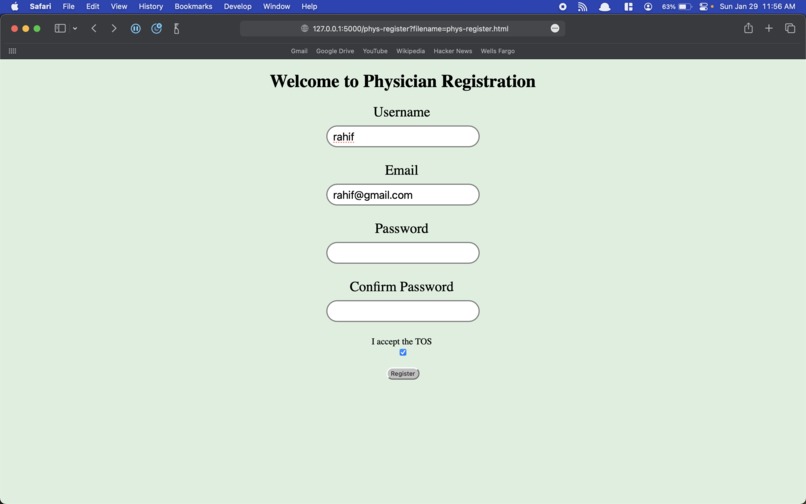
login
-
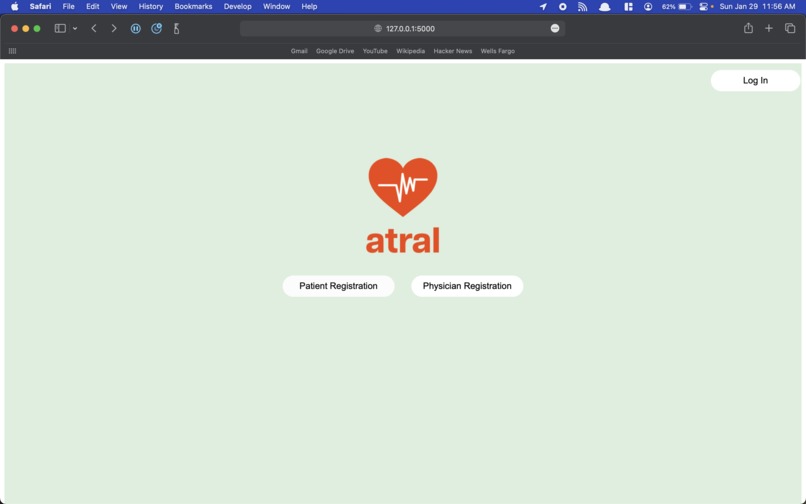
front-page
-
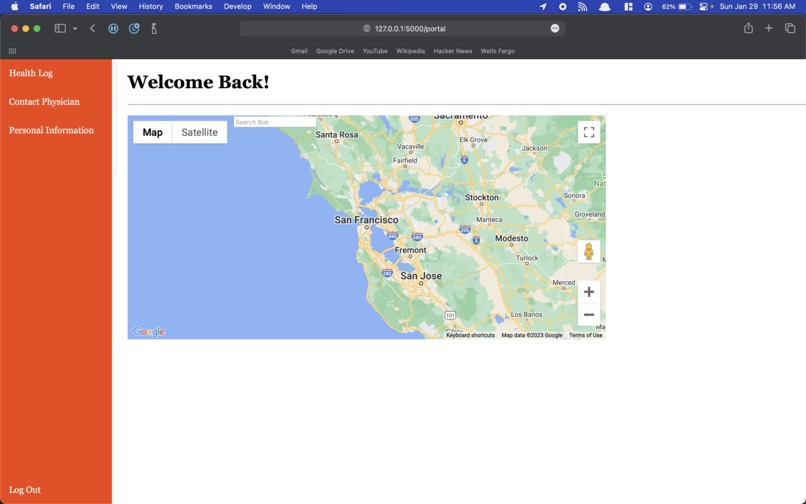
patient page
Inspiration
The team of developers were inspired by the growing need for better communication and collaboration between physicians and patients, especially in light of the increasing rate of cardiovascular disease cases and deaths in the United States. We wanted to create a platform that would make it easier for patients to track their health, find the right physician, and communicate with their personal physician, all in the hopes of helping people detect and prevent cardiovascular disease early on. We also wanted to use the latest technology, such as machine learning and Google Maps API, to create a more efficient and effective solution. With the goal of reducing the number of deaths and cases due to cardiovascular disease and improve the overall health of individuals.
What it does
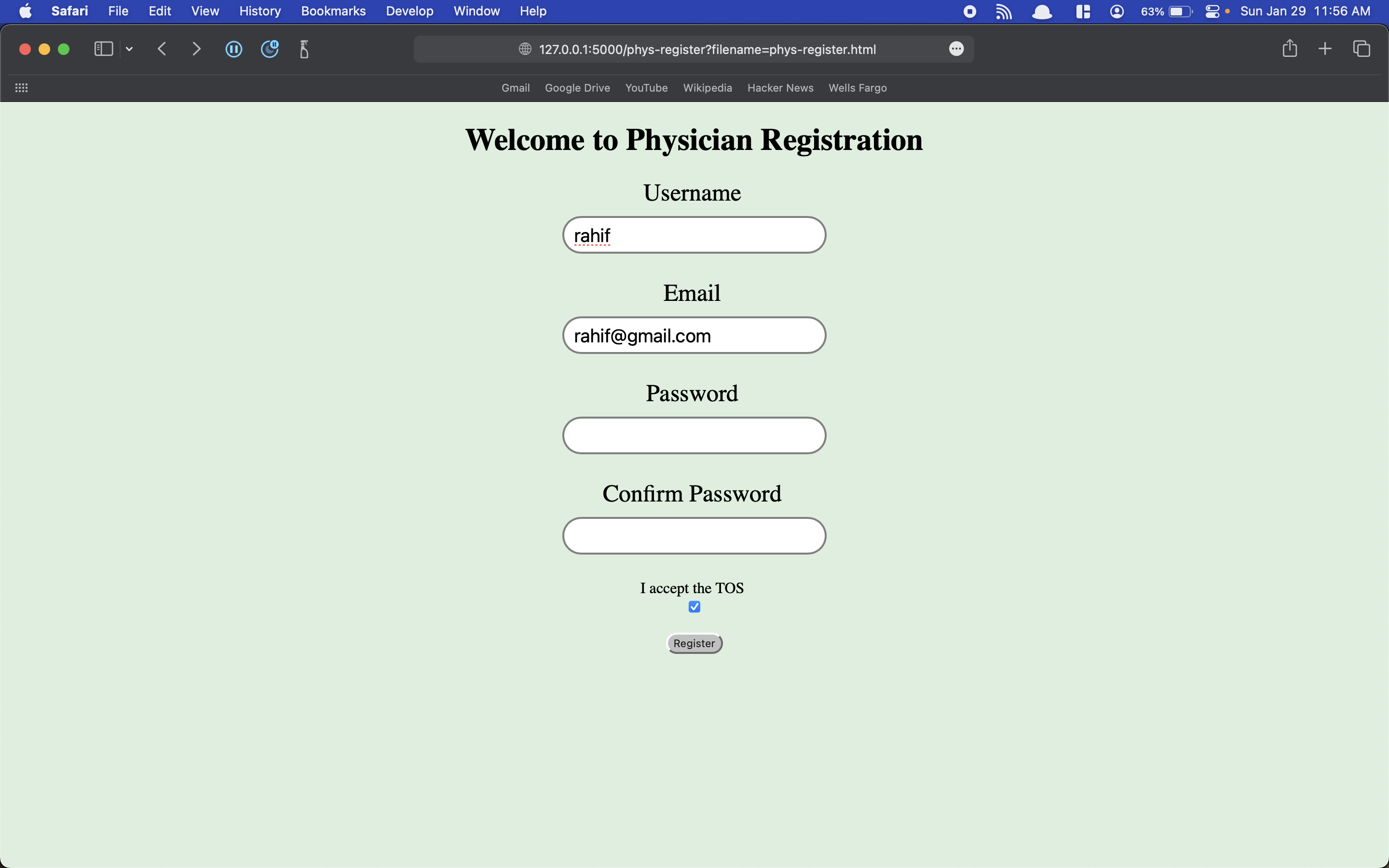
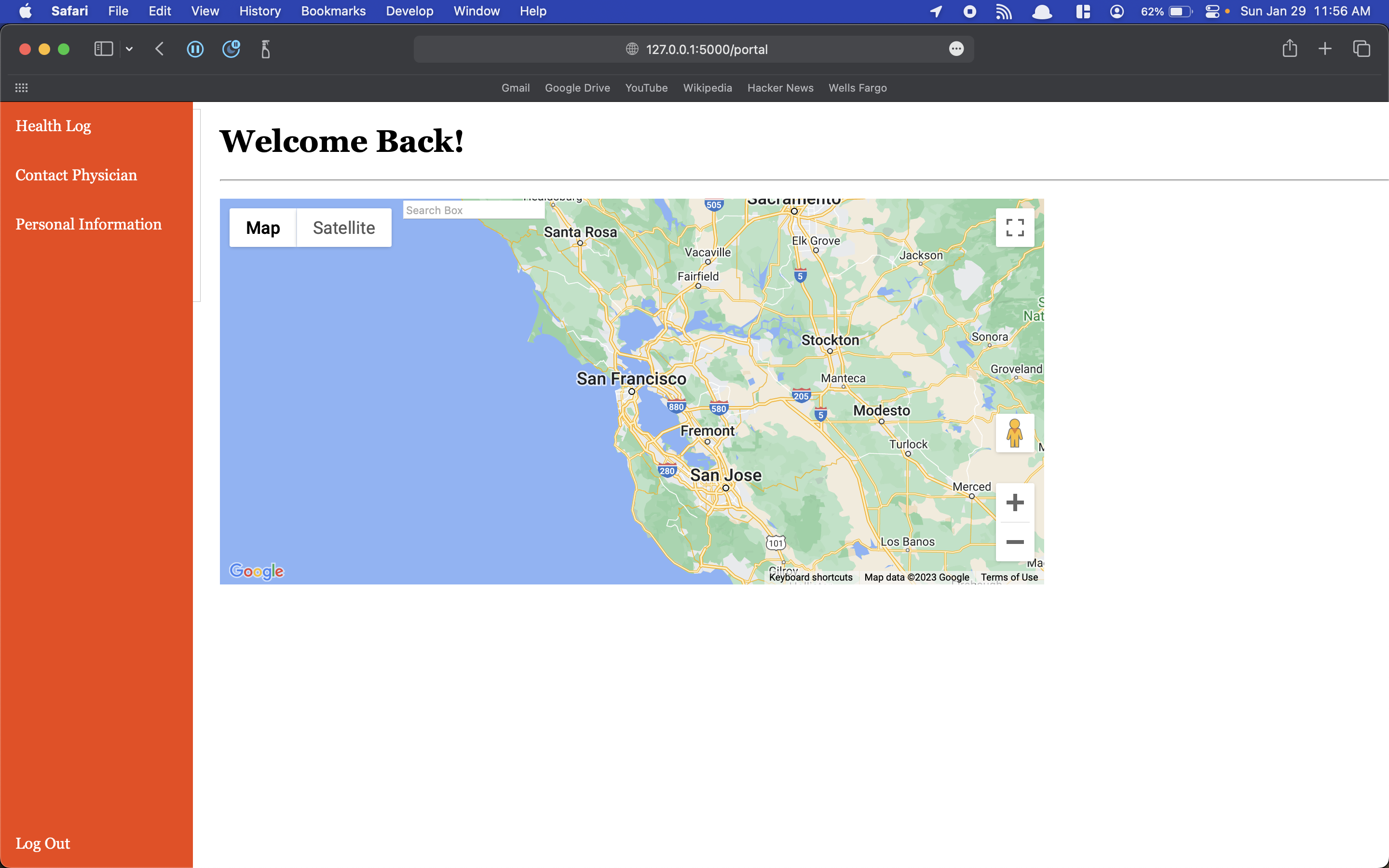
The platform is a solution for connecting physicians and patients. Utilizing a machine learning framework, the platform calculates the chance of a user contracting cardiovascular disease based on personal information provided. Both physicians and patients can create a login to access their respective portals. Patients can find the nearest physician using Google Maps API, log health stats over time, and communicate with their personal physician. Physicians can keep track of records of all personal patients and communicate with them.
How we built it
The team gathered a dataset of 70,000 records and 13 attributes, including objective attributes like age and weight, examination attributes like blood pressure and cholesterol, and subjective attributes like smoking and physical activity. We used this data to train their model, and also used MongoDB to store the information of each user and authenticate logins. We also used the Google Maps API to connect physicians and patients.
Challenges we ran into
One of the biggest challenges the team faced was achieving a high level of accuracy while minimizing false negatives. We also faced challenges in connecting the database with the dynamically updating login system and using the Google Maps API.
Accomplishments that we're proud of
The team is proud of creating a platform that helps people detect cardiovascular disease early and prevent serious complications. We are also proud of the dynamic login system and the use of the Google Maps API to connect physicians and patients.
What we learned
The team learned that achieving high accuracy while minimizing false negatives is a difficult task and requires careful consideration. We also learned that connecting a database with a dynamic login system and using an API like Google Maps can be challenging, but with the right approach, it can be done.
What's next for the project
The team plans to continue developing the platform and adding new features. We also plan to improve the accuracy of the machine learning model and minimize false negatives. We also plan to continue to improve the user experience and make the platform more user-friendly.


Log in or sign up for Devpost to join the conversation.